Mozambique stretches across more than 2,500 kilometers of southeastern African coastline along the warm Indian Ocean. From the colonial avenues of Maputo to the sweeping dunes of the Bazaruto Archipelago, this vast nation pairs Portuguese maritime heritage with deep African traditions. Unlike industrialized safari destinations in neighboring South Africa, travel in Mozambique feels like an open frontier where coconut palms border turquoise tidal bays, traditional wooden dhows glide over offshore shoals, and marine megafauna congregate in nutrient-rich coastal currents.
Planning an independent trip to Mozambique requires geographic discipline and honest security awareness. While northern border provinces—specifically Cabo Delgado—face ongoing security conflicts and are subject to strict travel advisories, the southern coastal corridor is stable, welcoming, and logistically defensible. A sensible first journey focuses entirely on the southern coastline: exploring the capital of Maputo, tracking whale sharks and manta rays from Praia do Tofo, and sailing traditional wooden dhows across the barrier islands of the Bazaruto Archipelago. Understanding road conditions, domestic flight options, health precautions, and local connectivity ensures an extraordinary coastal expedition.
Who This Trip Suits and How Long to Stay
This journey suits marine naturalists, scuba divers, adventurous road-trippers, and travelers drawn to coastal African culture. If you dream of swimming alongside eight-meter whale sharks, watching giant manta rays hover over coral cleaning stations, camping on remote barrier sand dunes, and enjoying freshly grilled peri-peri prawns at open-air beach shacks, southern Mozambique is hard to surpass. Travelers need patience for long transit days, basic coastal infrastructure, and flexible arrangements.
Conversely, Mozambique is poorly suited to travelers seeking fast luxury schedules or effortless public transport. Paved highways can deteriorate into severe pothole fields, driving unpaved beach tracks requires competent four-wheel-drive sand techniques, and domestic flight connections can shift unexpectedly. A well-paced itinerary requires nine to ten days to cover Maputo, Inhambane, Tofo Beach, and Vilankulos without rushing through challenging overland transfers.
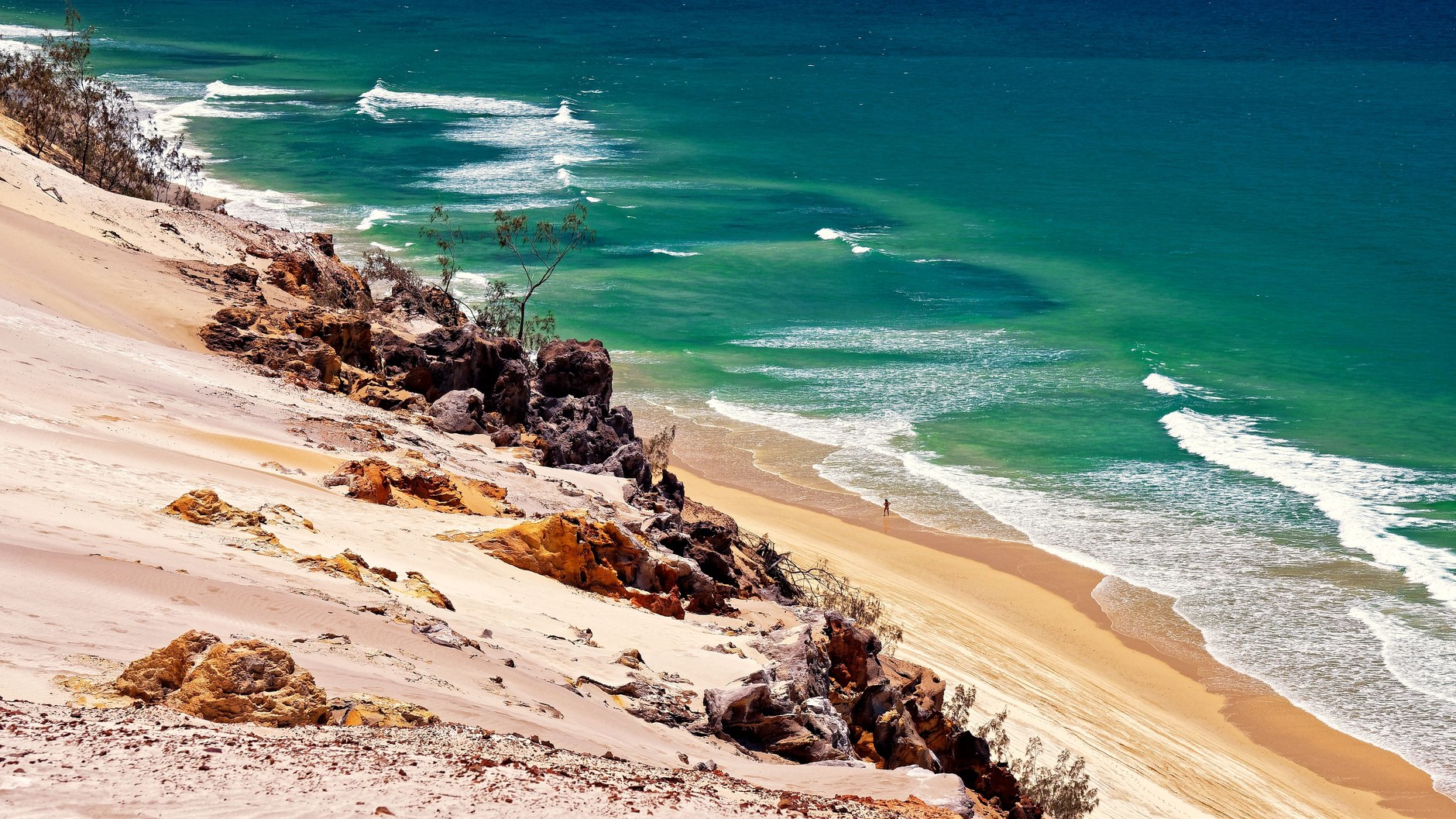
A vital planning decision is choosing between domestic flights and an overland 4×4 self-drive. Flying via regional airlines saves days of grueling road travel over the EN1 highway. However, if you choose to drive, you must hire a capable 4WD vehicle, carry required legal equipment, and avoid driving outside towns after dark.
Strategic Route Blueprint: The Southern Coastal Corridor
The southern coastal route follows the Estrada Nacional 1 (EN1), the country’s primary north-south spine. The itinerary begins in the southern capital of Maputo, where international flights arrive at Maputo International Airport (MPM). Maputo provides a cultural and logistical launchpad, introducing travelers to Mozambican cuisine, currency exchange, and colonial architecture.
From Maputo, travel northeast to the historic port city of Inhambane and adjacent Praia do Tofo. Tofo serves as the marine megafauna capital of East Africa, where consistent ocean upwellings sustain year-round populations of whale sharks, manta rays, and seasonal humpback whales. The route continues north along the coast to Vilankulos, the relaxed mainland jumping-off point for the five protected barrier islands of the Bazaruto Archipelago National Park. Travelers can conclude their journey with a scheduled flight from Vilankulos Airport (VNX) directly back to Maputo or onward to Johannesburg.
Day-by-Day Southern Mozambique Itinerary
This nine-day itinerary connects Maputo’s urban culture, Tofo’s marine wildlife encounters, and the protected marine wilderness of the Bazaruto Archipelago.
| Day / Stage | Base | Highlights | Transport Mode | Transit Time | Advance Booking Requirement |
|---|---|---|---|---|---|
| Day 1 | Maputo | Arrive Maputo (MPM), Central Railway Station, Fortaleza, peri-peri seafood dinner | Private Taxi | 20 mins transfer | Airport transfer booked via hotel |
| Day 2 | Maputo | FEIMA artisan market, Natural History Museum, waterfront promenade walk | On Foot / Taxi | 10 mins taxi | Local city guide arranged on site |
| Day 3 | Praia do Tofo | Flight to Inhambane (INH) or private 4WD transfer, settle into Tofo beach lodge | Flight or 4WD | 1 hr flight or 8 hrs drive | Domestic flight ticket booked 1 month ahead |
| Day 4 | Praia do Tofo | Morning ocean safari snorkeling with whale sharks, afternoon village walk | Zodiac Boat | 3 hrs ocean safari | Marine safari booked 2 weeks ahead |
| Day 5 | Praia do Tofo | Scuba dive Manta Reef cleaning stations, historic Inhambane town and dhow harbor | Dive Boat / Taxi | 30 mins drive | Advanced dive certification required for deep reefs |
| Day 6 | Vilankulos | Drive EN1 north to Vilankulos, oceanfront lodge arrival, sunset beach stroll | 4WD Vehicle | 4 hrs 30 mins drive | 4WD vehicle rental pre-arranged |
| Day 7 | Vilankulos | Full-day traditional dhow safari to Magaruque Island: snorkeling and reef lunch | Sailing Dhow | 1 hr 15 mins sail | Dhow expedition booked 1 week ahead |
| Day 8 | Vilankulos | Speedboat safari to Bazaruto Island sand dunes and Two Mile Reef coral garden | Motorized Boat | 45 mins boat ride | Bazaruto National Park conservation permits |
| Day 9 | Departure | Morning beach swim, artisan craft shopping, transfer to Vilankulos Airport (VNX) | Lodge Shuttle | 15 mins transfer | VNX scheduled flight to Maputo or Johannesburg |

Maputo reveals a complex urban personality. Founded as Lourenço Marques during Portuguese rule, the capital displays grand avenues shaded by flame trees and jacarandas. The Central Railway Station (Estação Central dos Caminhos de Ferro), completed in 1916, features a central copper dome and mint-green façade that ranks among the most handsome rail terminals in Africa. Spend an evening along the waterfront sampling Laurentina Clara beer and fresh prawns smothered in garlic, lemon, and fiery piri-piri sauce.
Praia do Tofo: Marine Megafauna and Coral Reefs
Located roughly 500 kilometers northeast of Maputo on the Inhambane peninsula, Praia do Tofo is a legendary pilgrimage site for ocean enthusiasts. The meeting of the Mozambique Current with coastal submarine canyons pushes plankton-rich waters directly into the bay, creating ideal feeding grounds for marine megafauna.
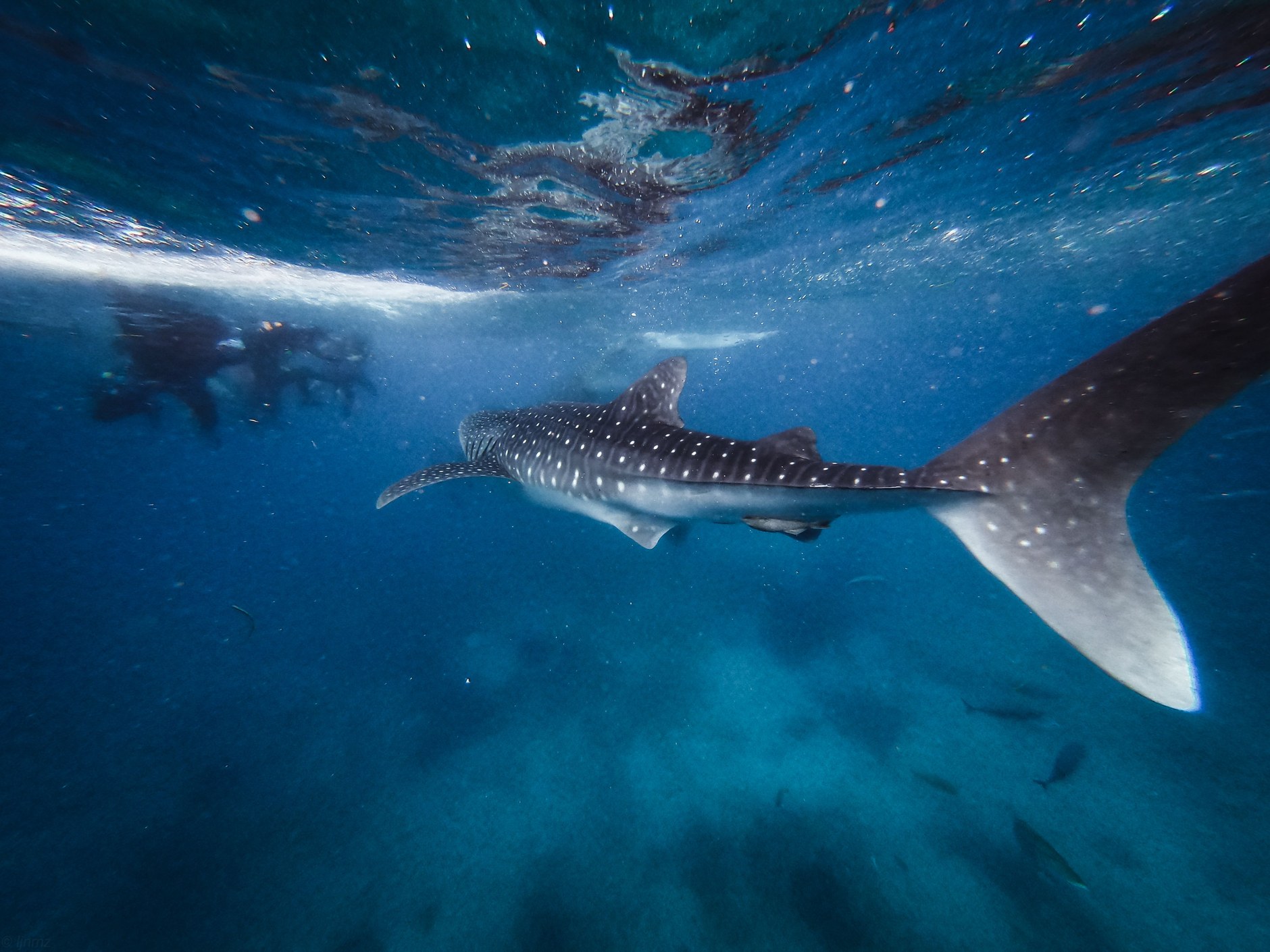
Tofo is one of the premier locations on Earth to encounter whale sharks (*Rhincodon typus*) year-round. Reputable dive centers run daily “ocean safaris” aboard rigid inflatable boats (RIBs). Spotters scan the swell for the distinctive dark silhouettes and spotted dorsal fins of these gentle giants feeding near the surface. Swimmers slip into the water with mask, snorkel, and fins, floating alongside filter-feeding sharks that often measure six to ten meters in length.
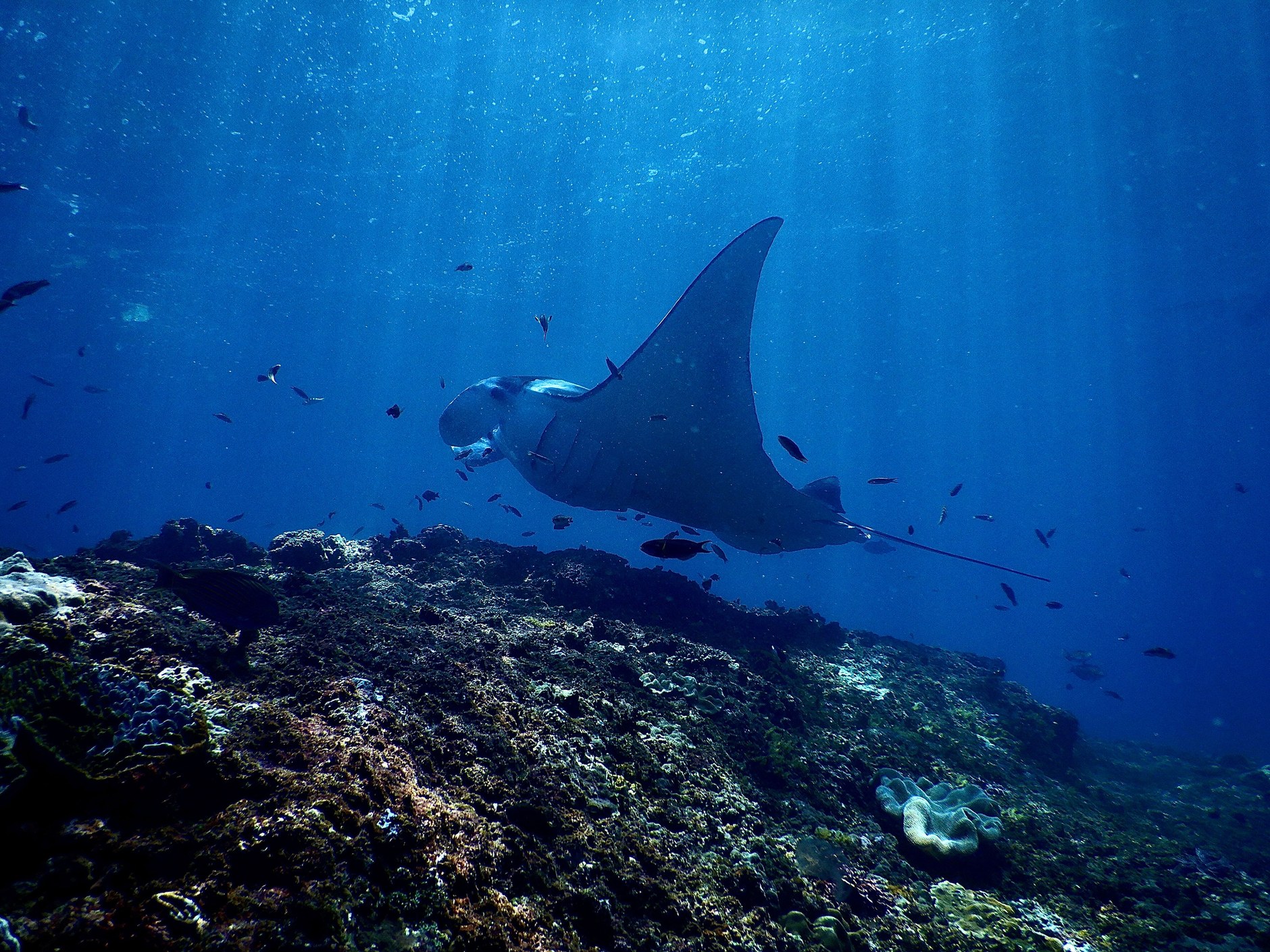
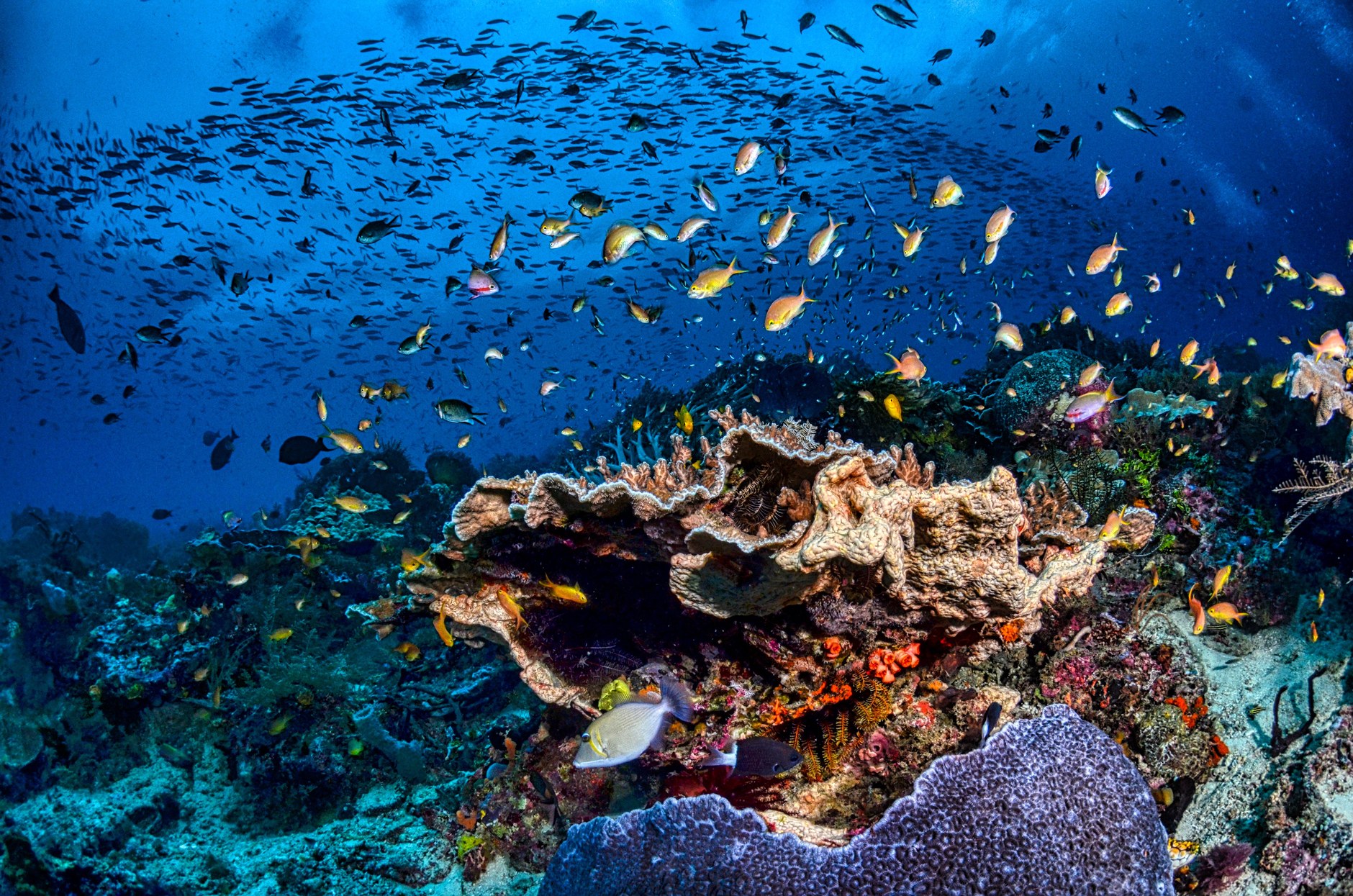
For certified scuba divers, offshore seamounts such as Manta Reef and Giant’s Castle provide world-class encounters with both giant oceanic manta rays (*Mobula birostris*) and reef mantas (*Mobula alfredi*). Deep cleaning stations along the reef crest allow divers to observe these graceful rays hovering stationary while cleaner wrasses remove parasites from their gills. Between July and October, the waters around Tofo echo with the songs of migrating humpback whales breaching within sight of the beach.
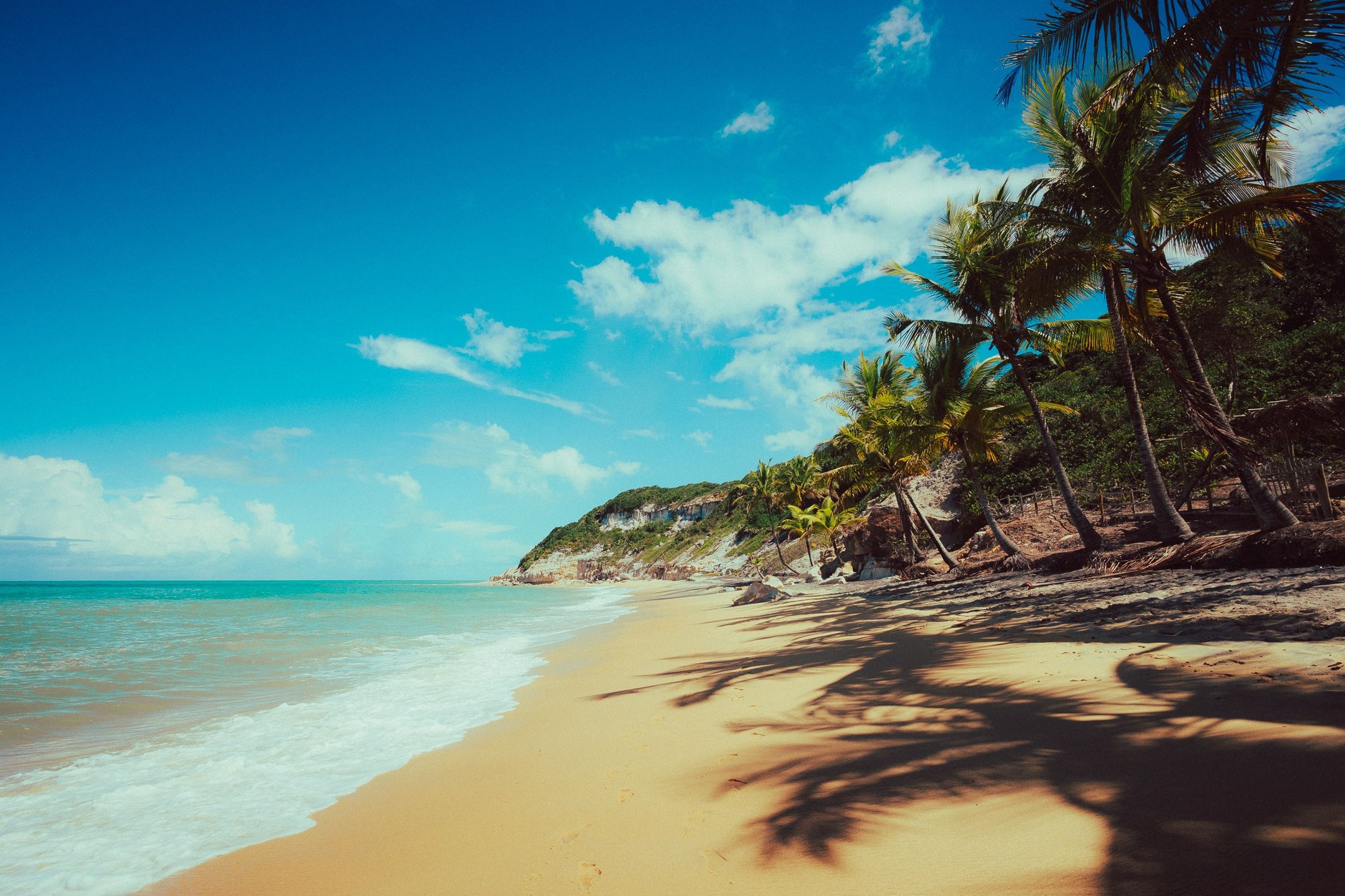
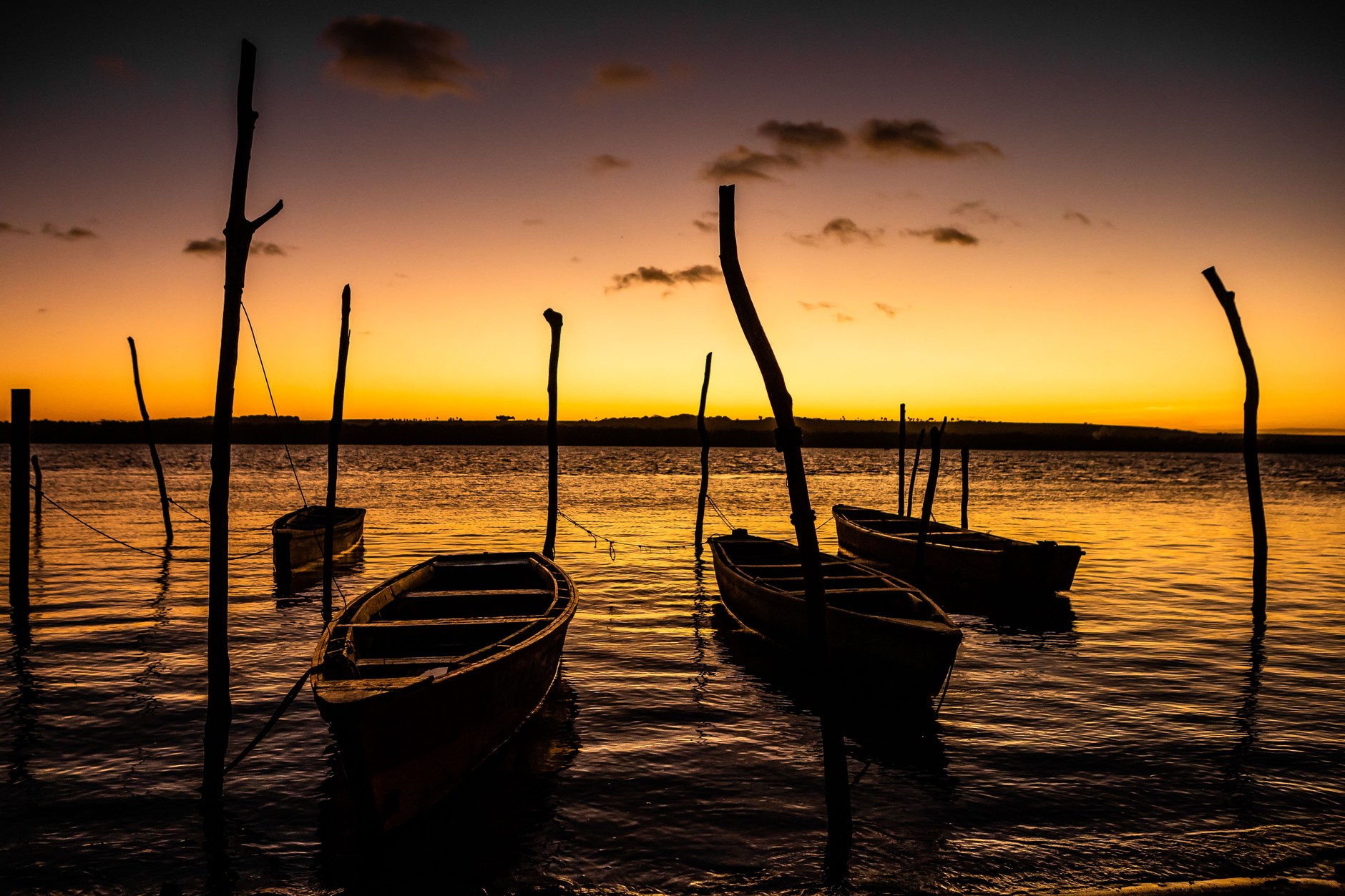
A short drive inland brings you to Inhambane city, one of the oldest European coastal settlements in southern Africa, founded as a Portuguese trading post in 1534. The town preserves sleepy 19th-century colonial villas, a cathedral dating to 1770, and a bustling harbor where traditional dhows ferry passengers across Inhambane Bay to Maxixe.
Tofo’s relaxed village atmosphere makes it an easy place to linger, but travelers should keep in mind that coastal sand tracks require careful driving and sensible route planning.
Vilankulos and the Bazaruto Archipelago
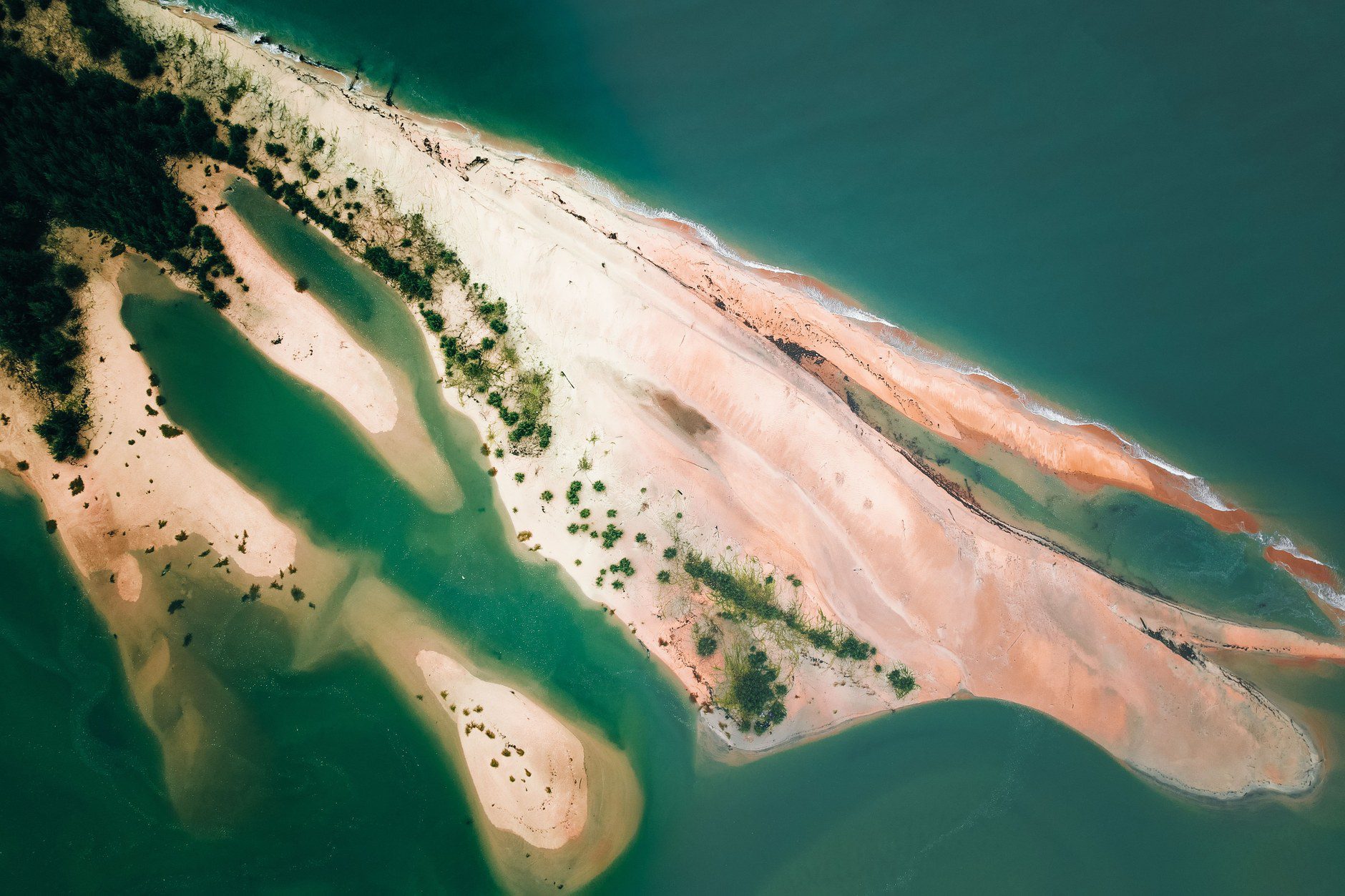
Continuing four hours north along the EN1 highway brings you to Vilankulos, a relaxed coastal town overlooking the crystalline turquoise waters of the Bazaruto Archipelago. Gazetted as a national park in 1971, the archipelago comprises five main islands: Bazaruto, Benguerra, Magaruque, Santa Carolina (Paradise Island), and Bangué.
The defining adventure here is sailing aboard a traditional wooden dhow. Built by local maritime carpenters using mangrove timber and lateen sails, these historic craft have navigated the Indian Ocean for centuries. Day charters depart from Vilankulos beach at high tide, gliding silently across sandbars toward Magaruque Island. As the dhow anchors in shallow turquoise water, guides prepare a beach lunch of grilled linefish, rice, and fresh coconut while visitors climb towering coastal sand dunes for sweeping ocean panoramas.
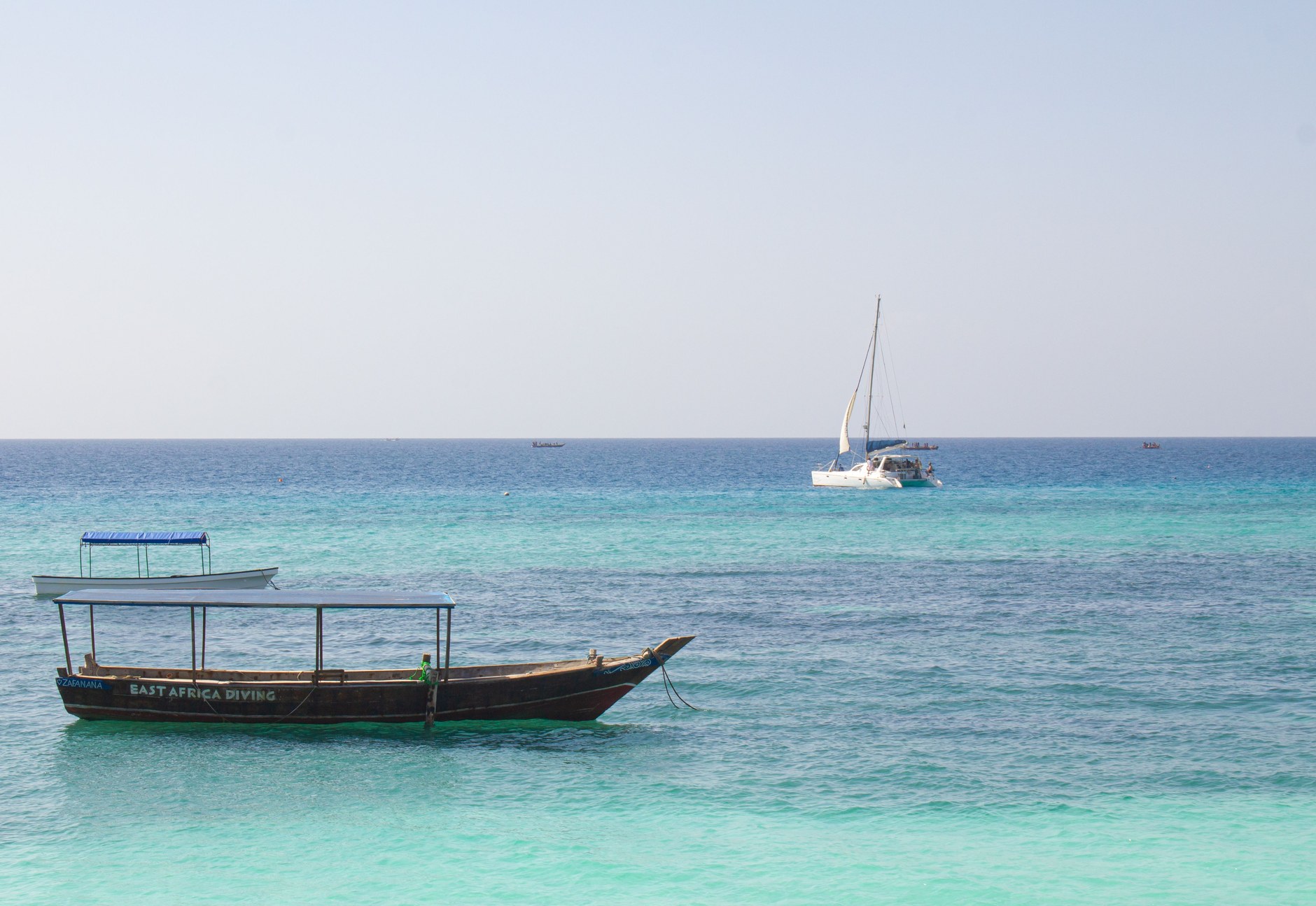
For undersea exploration, motorized boat excursions take travelers to Two Mile Reef, an offshore barrier reef lying between Bazaruto and Benguerra islands. Two Mile Reef features an aquarium-like coral garden home to green turtles, blacktip reef sharks, rays, and schools of Moorish idols. The surrounding shallow seagrass beds protect the last viable population of dugongs (*Dugong dugon*) in the western Indian Ocean.
Road Transport, 4WD Realities, and Police Checkpoints
Transport in Mozambique demands careful management. The primary overland route connecting Maputo, Inhambane, and Vilankulos is the EN1 highway. While sections between Maputo and Xai-Xai are smoothly paved, stretches further north frequently develop deep, rim-bending potholes. Night driving along the EN1 must be strictly avoided due to unlit broken-down trucks, pedestrians, stray cattle, and lack of emergency roadside assistance.
Renting a 4WD vehicle with high ground clearance is essential. While the main highway is paved, access roads leading from the EN1 to coastal beach lodges in Tofo and Vilankulos consist of deep, loose sand. Attempting these tracks in a standard two-wheel-drive sedan inevitably leads to getting bogged down to the chassis. When driving on soft sand, deflate tire pressure to roughly 1.2 to 1.5 bar (18 to 22 psi) to widen your tire footprint.
Police checkpoints (Postos de Controlo) are frequent along major highways. Officers routinely verify driver licenses, vehicle registration papers, and mandatory safety gear. By Mozambican law, every vehicle must carry two reflective warning triangles, a reflective safety vest for each occupant, a certified fire extinguisher, and foreign-registered vehicles must display nationality stickers. Always remain polite, display original documentation, and carry legal essentials to avoid administrative fines.
Connectivity and Mobile Networks Across Mozambique
Reliable mobile data connectivity in Mozambique is vital for real-time GPS navigation on rural roads, checking marine weather forecasts, coordinating lodge boat transfers, and maintaining safety contacts across long overland stretches.
Mozambique’s mobile telecommunications sector is led by Vodacom Mozambique (VM), alongside Movitel and state-owned TMcel. Vodacom operates the most comprehensive and dependable 4G/LTE network along the southern coastal corridor, providing solid data coverage throughout Maputo, Inhambane, Tofo, and Vilankulos. Once offshore in the Bazaruto Archipelago or traveling through remote rural stretches of the EN1, signals naturally weaken.
Purchasing a physical SIM card locally involves locating an authorized telecom boutique, presenting your passport, undergoing biometric registration, and waiting for activation. A simpler and more reliable option is installing an international eSIM before departure. With NXTL’s Mozambique eSIM, your smartphone registers onto Vodacom Mozambique’s high-speed LTE network the moment you arrive in Maputo or Vilankulos.
NXTL operates on a transparent pay-as-you-go data model where your balance never expires. Whatever unused funds remain after leaving Mozambique stay available for future trips across more than 180 countries. Using an eSIM also keeps your primary physical SIM card active in your phone’s secondary slot, allowing you to receive vital bank two-factor authentication SMS codes and stay accessible on messaging apps without paying expensive international roaming fees.
Budget Realities, Metical Currency, and Spending
Mozambique operates on the Mozambican Metical (MZN). In the southern provinces (Maputo, Inhambane, and Vilankulos), South African Rand (ZAR) and US Dollars (USD) are widely accepted by lodges, dive operators, and private transfer companies. Credit cards (Visa and Mastercard) are accepted at established beach lodges and restaurants in major hubs, but cash is indispensable for local markets, road tolls, fuel stations, and remote tips.
ATMs (Millennium BIM, BCI, and Standard Bank) are available in Maputo, Inhambane, and Vilankulos, dispensing meticais. However, machines in smaller towns frequently run out of cash during month-end paydays or power outages; always carry a backup supply of meticais or clean South African Rand.
Plan your budget around these typical cost ranges:
- Accommodations: Mid-range beachfront guesthouses or self-catering chalets in Tofo and Vilankulos range from $60 to $140 USD per night. Upscale eco-resorts or island lodges in the Bazaruto Archipelago range from $280 to $700+ USD per night, often including full board and island activities.
- Dining: A meal of grilled peri-peri chicken or fish with coconut rice at a local beach barraca costs 300 to 600 MZN ($5 to $10 USD). A generous platter of queen prawns or linefish at an established lodge restaurant costs 900 to 1,800 MZN ($14 to $28 USD).
- Activities & Safaris: An ocean safari snorkeling excursion for whale sharks in Tofo costs $45 to $65 USD per person. Certified two-tank scuba dives average $80 to $110 USD. A full-day dhow sailing excursion to Magaruque Island in Bazaruto costs $60 to $90 USD per person, including park entry fees and lunch.
- Transport: Economy 4WD rental (such as a Toyota Hilux) costs $80 to $130 USD per day. Domestic flights between Maputo and Inhambane or Vilankulos on LAM range from $110 to $220 USD each way.
Five Pitfalls and Scams to Avoid in Mozambique
While Mozambicans are welcoming and hospitality is genuine, logistical complexities and local regulations require careful preparation. Watch for these five common pitfalls:
- Disregarding Security Warnings for Northern Provinces: The northern province of Cabo Delgado continues to experience localized insurgent conflict and instability. Official travel advisories from global governments advise against all travel to this region. Never attempt to travel overland north into Cabo Delgado. The southern and central coastal regions (Maputo, Inhambane, and Vilankulos) remain calm, welcoming, and secure.
- The Highway Police Checkpoint Trap: Traffic police along the EN1 highway frequently stop foreign-registered vehicles. If your vehicle lacks required safety gear—two reflective triangles, reflective safety vests, and a certified fire extinguisher—or if you exceed signposted speed limits (which drop to 60 km/h inside rural settlements), you will face lawful fines. Always insist on an official printed receipt (recibo) before paying any fine.
- Getting Stranded in Deep Sand Without 4WD: Driving off the paved highway toward coastal lodges in Tofo or Vilankulos without a four-wheel-drive vehicle is a frequent traveler error. Standard passenger cars sink into loose sand dunes, incurring expensive local tractor towing fees. Always rent a true 4WD vehicle and lower tire pressures before tackling beach tracks.
- Malaria Complacency in Coastal Lowlands: Mozambique is highly endemic for chloroquine-resistant malaria throughout the year. Coastal areas with sea breezes still harbor active mosquitoes after sundown. Take prescribed oral malaria prophylaxis (such as Malarone or Doxycycline), sleep under treated mosquito nets, and apply DEET insect repellent diligently from dusk onward.
- Unlicensed Marine Operators Harassing Wildlife: Not all boat operators follow responsible marine observation codes. Rogue operators occasionally chase whale sharks or allow swimmers to touch them, causing stress to the animals and risking propeller injuries. Book only with established dive centers that adhere to sustainable marine codes of conduct and employ trained marine biologists.
Respecting these guidelines ensures your journey remains secure, ecologically responsible, and focused on the exceptional natural wonders of the East African coast.
Seasonal Weather, Ocean Visibility, and Packing Essentials
Mozambique enjoys a tropical to subtropical climate with warm Indian Ocean waters year-round. Coastal temperatures generally average 78 to 88 degrees Fahrenheit (25 to 31 Celsius).
The travel year divides into two principal seasons: the dry winter season from May through November and the hot, rainy summer season from December through April. The dry winter months offer the best overall conditions: pleasant daytime temperatures, low humidity, minimal rainfall, and clear underwater visibility for scuba diving. This period also coincides with the humpback whale migration (July to October). The rainy summer season brings high humidity, occasional tropical cyclones in January and February, and rougher seas that can disrupt small boat excursions.
Packing for coastal Mozambique requires practical adventure gear. Bring lightweight, breathable linen or cotton clothing, swimsuits, and UV-blocking rash guards for snorkeling. Pack a sturdy pair of sandals, broken-in trail shoes, and a broad-brimmed sun hat. A durable, waterproof dry bag (20 to 30 liters) is indispensable for protecting cameras, smartphones, and optical gear from saltwater spray aboard open dhows and zodiacs.
Do not forget high-potency insect repellent containing DEET, a personal medical kit with oral rehydration salts, a South African Type M plug adapter alongside standard European Type C plugs, and an international digital eSIM to maintain dependable data access throughout your journey. By respecting the natural environment, traveling with proper vehicles, and embracing the relaxed coastal pace, you will experience the unforgettable maritime beauty of Mozambique.