Nepal holds an almost mythical status among world travelers, but first-time visitors frequently make serious planning errors. Many book grueling, high-altitude expeditions like Everest Base Camp (5,364 meters / 17,598 feet) without prior trekking experience, suffering severe altitude sickness, or get trapped on exhausting, bone-jarring 10-hour public bus rides across unpaved mountain highways between Kathmandu and Pokhara. Attempting an overly ambitious expedition on a short first trip often leads to medical evacuation, chronic fatigue, and missing the rich cultural heritage of the Kathmandu Valley.
The vastly smarter, deeply rewarding alternative is a carefully balanced 10-day introductory route. This itinerary combines the UNESCO World Heritage stupas and medieval royal courtyards of the Kathmandu Valley with the tranquil lakeside retreat of Pokhara and an achievable, breathtaking 4-day teahouse trek to Poon Hill (3,210 meters) in the Annapurna Conservation Area. By flying between Kathmandu and Pokhara on a scenic 25-minute flight past the Himalayan chain, you eliminate highway fatigue entirely and gain four full days of trekking through blooming rhododendron forests and Gurung stone villages with panoramic views of Dhaulagiri and Annapurna.
| Day / Stage | Overnight Base | Key Highlights | Transit & Altitude | Essential Advance Bookings | What to Skip / Save |
|---|---|---|---|---|---|
| Days 1–3: Stage 1 | Kathmandu (Boudha or Thamel) | Boudhanath Stupa sunset kora, Swayambhunath (Monkey Temple), Pashupatinath evening aarti, Bhaktapur Durbar Square medieval wood carvings | Tribhuvan Airport (KTM) to Boudha: 25 min via prepaid taxi; Valley transit via Pathao / InDrive apps; Altitude: 1,400 m | TIMS Card (Trekker Information Management System) & ACAP (Annapurna Conservation Area Permit); Domestic flight KTM to PKR | Skip unmetered street taxis outside airport; use prepaid taxi counter inside terminal or local ride-hail apps |
| Day 4: Stage 2 | Pokhara (Lakeside) | Phewa Lake wooden boat cruise, Tal Barahi island temple, World Peace Pagoda, mountain gear final check | Kathmandu to Pokhara: 25 min scenic flight (Buddha Air / Yeti Airlines on right-side seats for mountain views); Altitude: 820 m | Domestic flight tickets (reserve morning departures to avoid afternoon thermal cloud delays) | Skip the 8-to-10-hour highway tourist bus along the Prithvi Highway; ongoing road widening causes severe traffic gridlock |
| Days 5–8: Stage 3 | Poon Hill Teahouse Trek (Tikhedhungga, Ghorepani, Ghandruk) | Ulleri 3,200 stone steps, Poon Hill sunrise panorama over Dhaulagiri and Annapurna I, ancient Gurung stone village of Ghandruk | Pokhara to Nayapul / Birethanti: 1 hr 30 min jeep; 4 days of trekking (5–6 hr/day); Max Altitude: 3,210 m (Poon Hill) | Licensed certified trekking guide (mandatory under Nepal Tourism Board regulations since 2023) | Skip packing heavy suitcases; store main luggage at your Pokhara hotel and carry a 30L daypack for the trek |
| Days 9–10: Stage 4 | Kathmandu (Patan or Thamel) | Patan Durbar Square metalwork museum, final souvenir shopping for tea and pashmina, international departure | Pokhara to Kathmandu: 25 min flight; Patan to KTM airport: 25 min; Altitude: 1,400 m | Flexible domestic flight back to Kathmandu with a buffer day before international departure | Skip booking your international departure on the same day as your domestic mountain flight |
Audience, Seasonality, and Trekking Logistics
This 10-day journey is designed for active travelers, cultural explorers, and first-time Himalayan trekkers with moderate physical fitness. Poon Hill is celebrated as the “Golden Ridge” of the Annapurnas: its maximum elevation of 3,210 meters (10,530 feet) lies safely below the critical altitude sickness threshold where acute hypoxia occurs, making it completely achievable for hikers of all ages without technical mountaineering gear.
Nepal’s premier trekking seasons are autumn (October to November) and spring (March to April). Autumn brings crisp, post-monsoon mountain clarity with crystal-blue skies and unobstructed vistas of the Annapurna and Dhaulagiri massifs. Spring brings warmer daytime temperatures (18°C to 24°C in valleys) and the spectacular blooming of wild rhododendron forests that blanket entire mountainsides in crimson, pink, and white blossoms. Avoid the summer monsoon (June to August), which brings heavy rainfall, leeches, obscured mountain views, and frequent landslide closures.
Stage 1: Kathmandu Valley’s Living Sacred Heritage (Days 1–3)
Arriving at Tribhuvan International Airport (KTM), bypass street touts and arrange an official prepaid taxi or use the Pathao ride-hailing app. Base yourself in the tranquil Tibetan enclave of Boudha, centered around the colossal white dome of Boudhanath Stupa, or in the lively traveler quarter of Thamel, where hundreds of trekking gear shops, bakeries, and cafes line narrow pedestrian lanes.
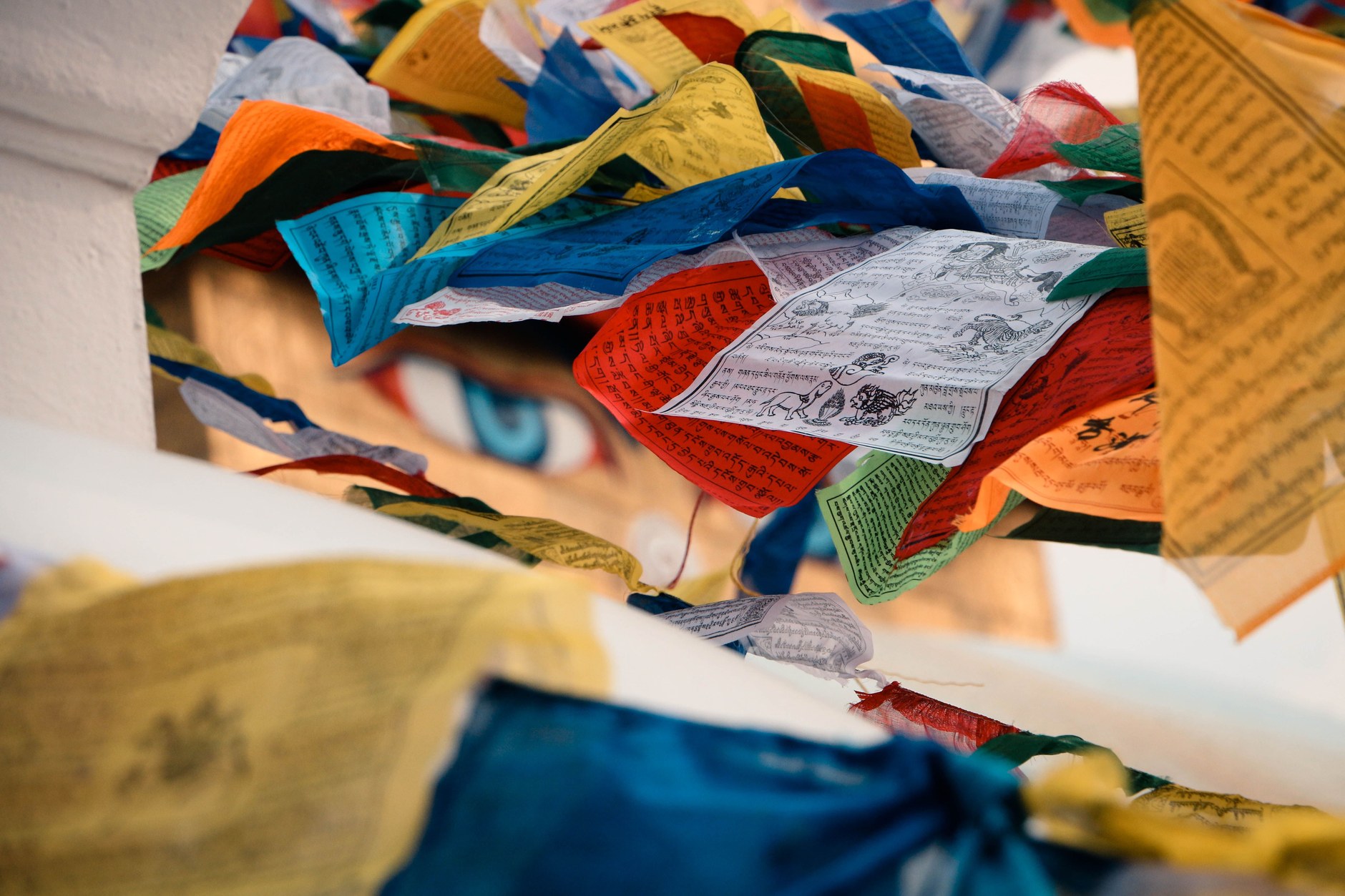
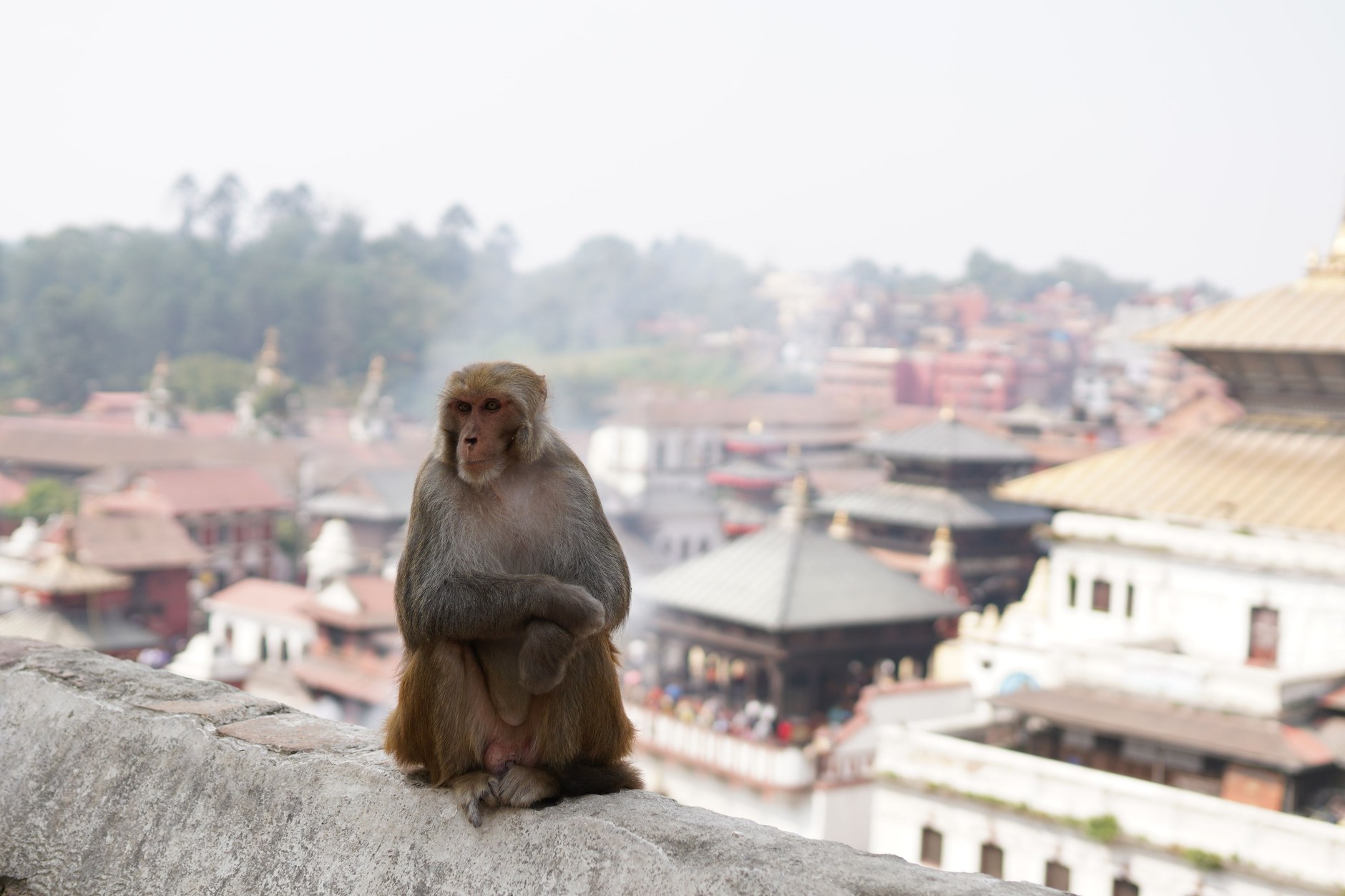
Begin Day 2 at dawn at Boudhanath Stupa, joining hundreds of maroon-robed Tibetan monks and local devotees walking the circular clockwise kora around the mandala base, spinning brass prayer wheels and inhaling juniper incense smoke. In the afternoon, ascend the 365 ancient stone steps to Swayambhunath (The Monkey Temple), perched on a forested hill overlooking the Kathmandu basin. Gaze up at the golden spire draped in fluttering prayer flags while watching holy rhesus macaques roam the temple courtyards.
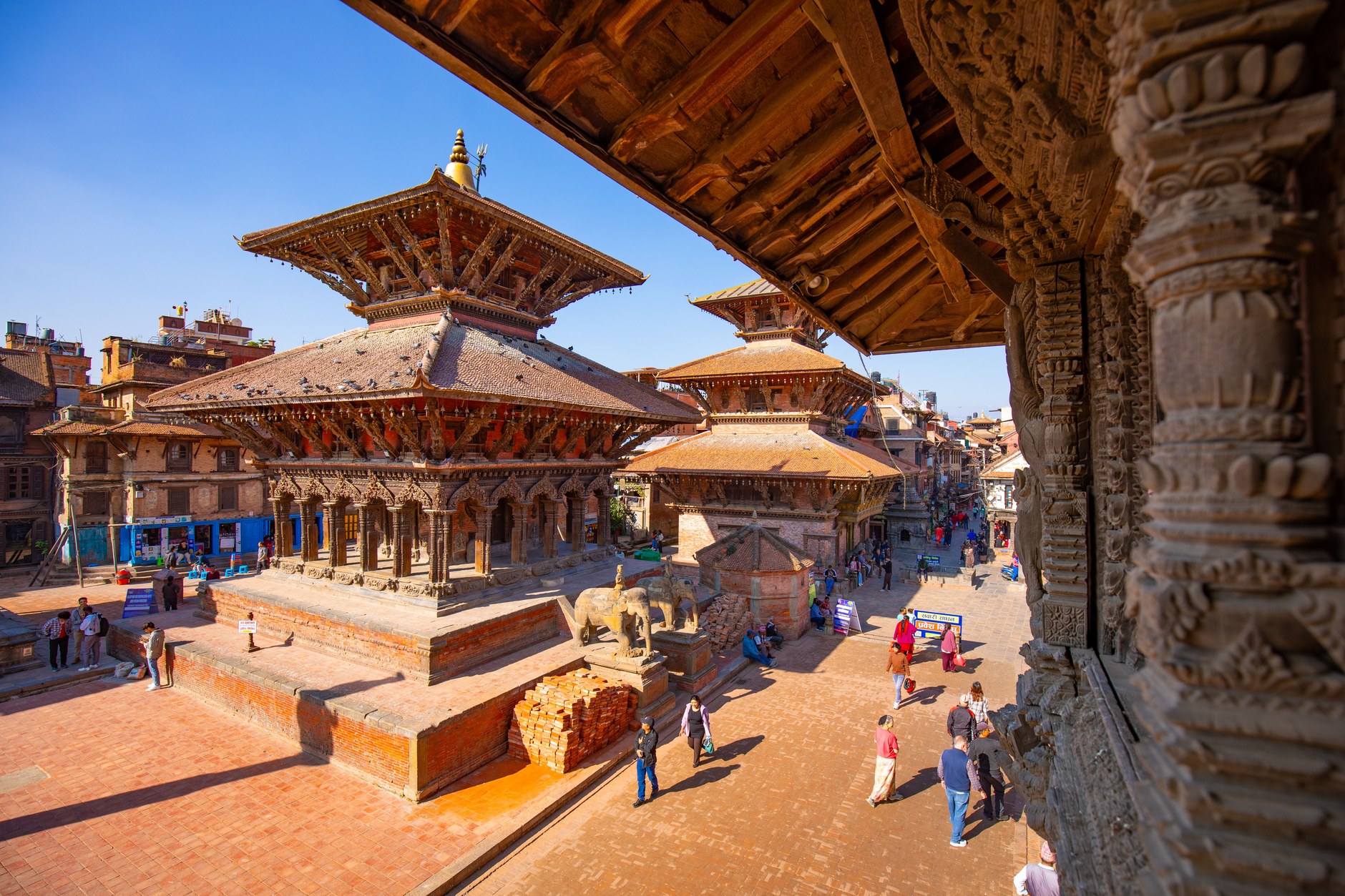
On Day 3, take a 40-minute taxi east to Bhaktapur, the best-preserved of the Kathmandu Valley’s three medieval Malla kingdoms. Walk through Bhaktapur Durbar Square, admiring the extraordinary 55-Window Palace, the soaring five-tiered pagoda of Nyatapola Temple (Nepal’s tallest pagoda), and the bustling Pottery Square where artisans spin clay water vessels in the sun. Sample Bhaktapur’s famed Juju Dhau (“King Curd”), a rich, creamy buffalo-milk yogurt served in disposable clay pots.
In the late afternoon, visit the sacred Hindu temple complex of Pashupatinath on the banks of the Bagmati River. From across the water, respectfully observe open-air cremation rituals at the stone burning ghats, and watch the atmospheric evening Maha Aarti ceremony featuring rhythmic chanting, bells, and burning oil lamps.
Stage 2: Lakeside Pokhara & Annapurna Gateway (Day 4)
On Day 4, board a morning flight from Kathmandu to Pokhara. Book a seat on the right side of the aircraft to enjoy breathtaking panoramas of the Ganesh, Manaslu, and Annapurna massifs soaring above the clouds during the 25-minute flight. Pokhara sits at an altitude of 820 meters in a subtropical valley, providing a relaxed, clean-air environment that contrasts completely with the bustling dust of the capital.
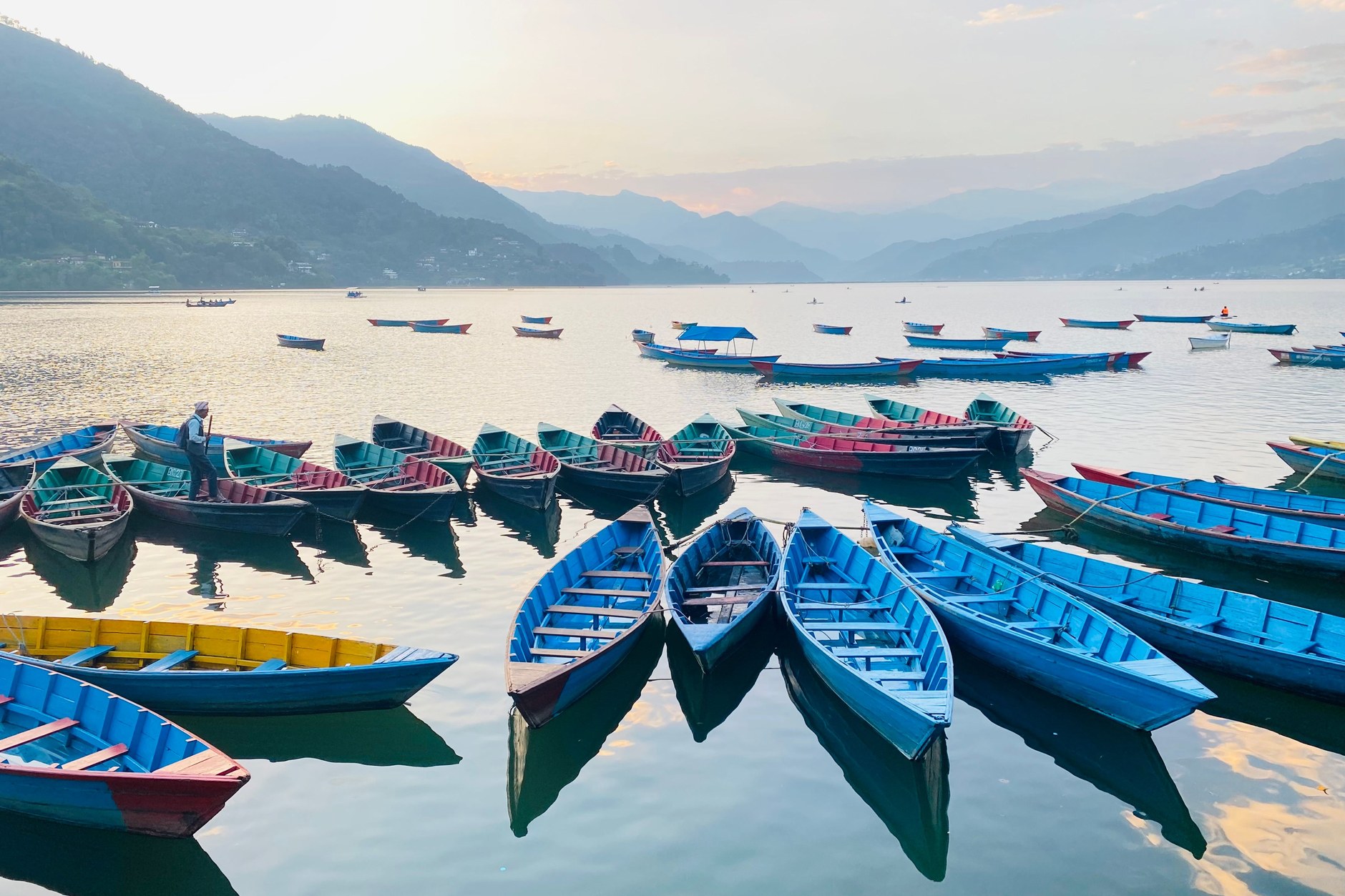
Base yourself in Lakeside, the pedestrian-friendly strip running along the eastern shore of Phewa Lake. Rent a brightly painted wooden boat (doonga) to paddle across the calm waters to the island shrine of Tal Barahi Temple, or hike up to the gleaming white World Peace Pagoda on the southern ridge for commanding views across the lake to the iconic fishtail summit of Machapuchare (6,993 m).
Meet with your licensed trekking guide in the afternoon to review your trekking permits (ACAP and TIMS cards), conduct a gear check, and rent any missing essentials (down jacket, trekking poles, sleeping bag liner) from Pokhara’s reputable gear shops before an early dinner of steamed momos.
Stage 3: The Poon Hill Teahouse Trek (Days 5–8)
On Day 5, a 90-minute private jeep ride takes you from Pokhara to the trailhead at Birethanti (1,025 m), the gateway to the Annapurna Sanctuary. Check in at the conservation checkpoint and begin trekking through terraced millet fields and rushing river gorges to Tikhedhungga, before tackling the famous stone staircase of Ulleri—3,200 steep stone steps climbing through oak forests to your first night’s teahouse lodge.
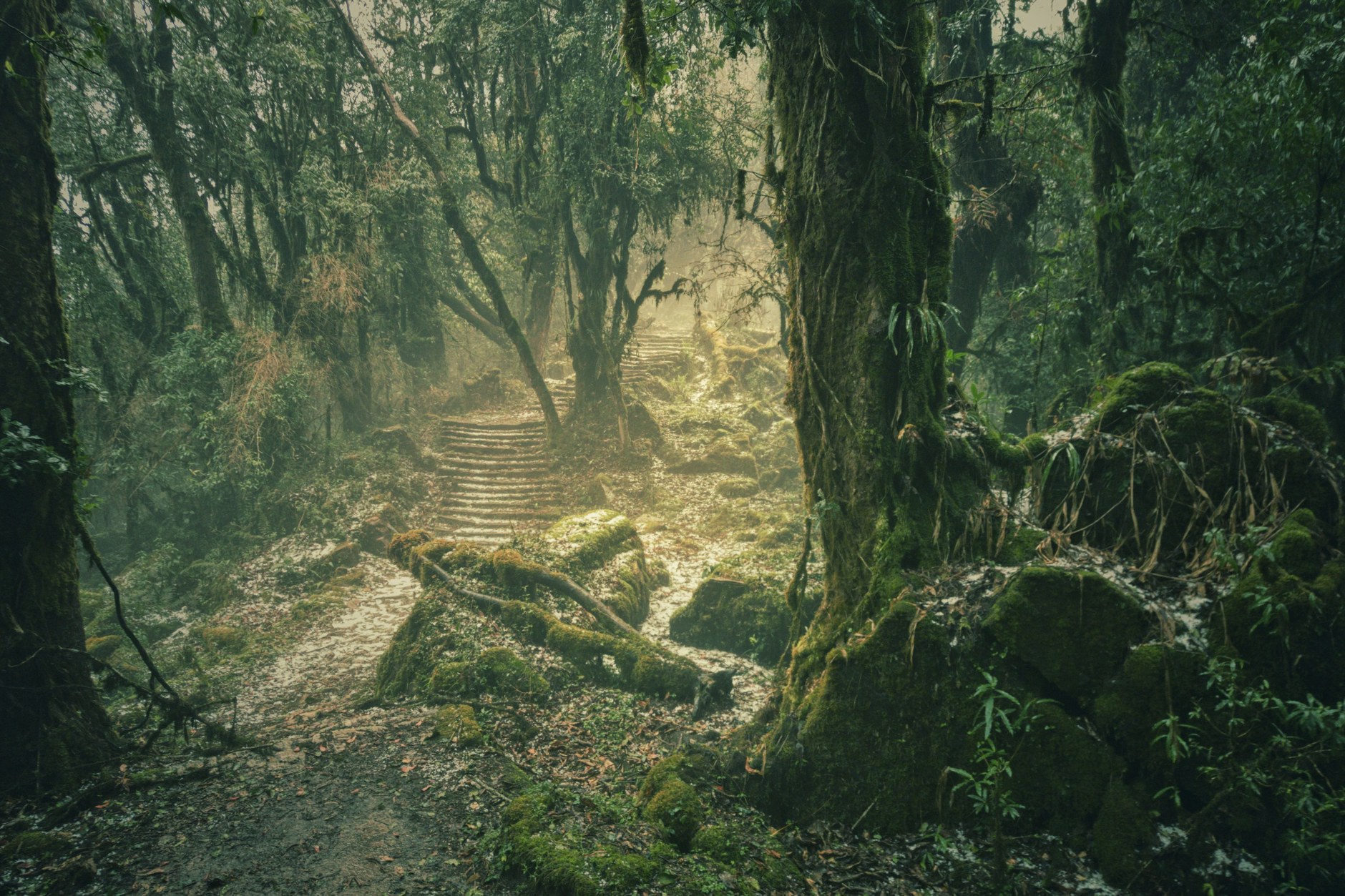
On Day 6, hike through ancient moss-draped forests alongside babbling mountain streams to the mountain junction of Ghorepani (2,860 m). As you gain elevation, the crisp mountain air fills your lungs and the massive white wall of the Dhaulagiri range begins peeking through the tree canopy. Check into a traditional teahouse lodge, gathering around the central dining hall woodstove in the evening for a communal dinner of steaming Dal Bhat (lentil soup, rice, curried potatoes, and greens), accompanied by the sherpa saying: “Dal Bhat Power, 24 Hour!”
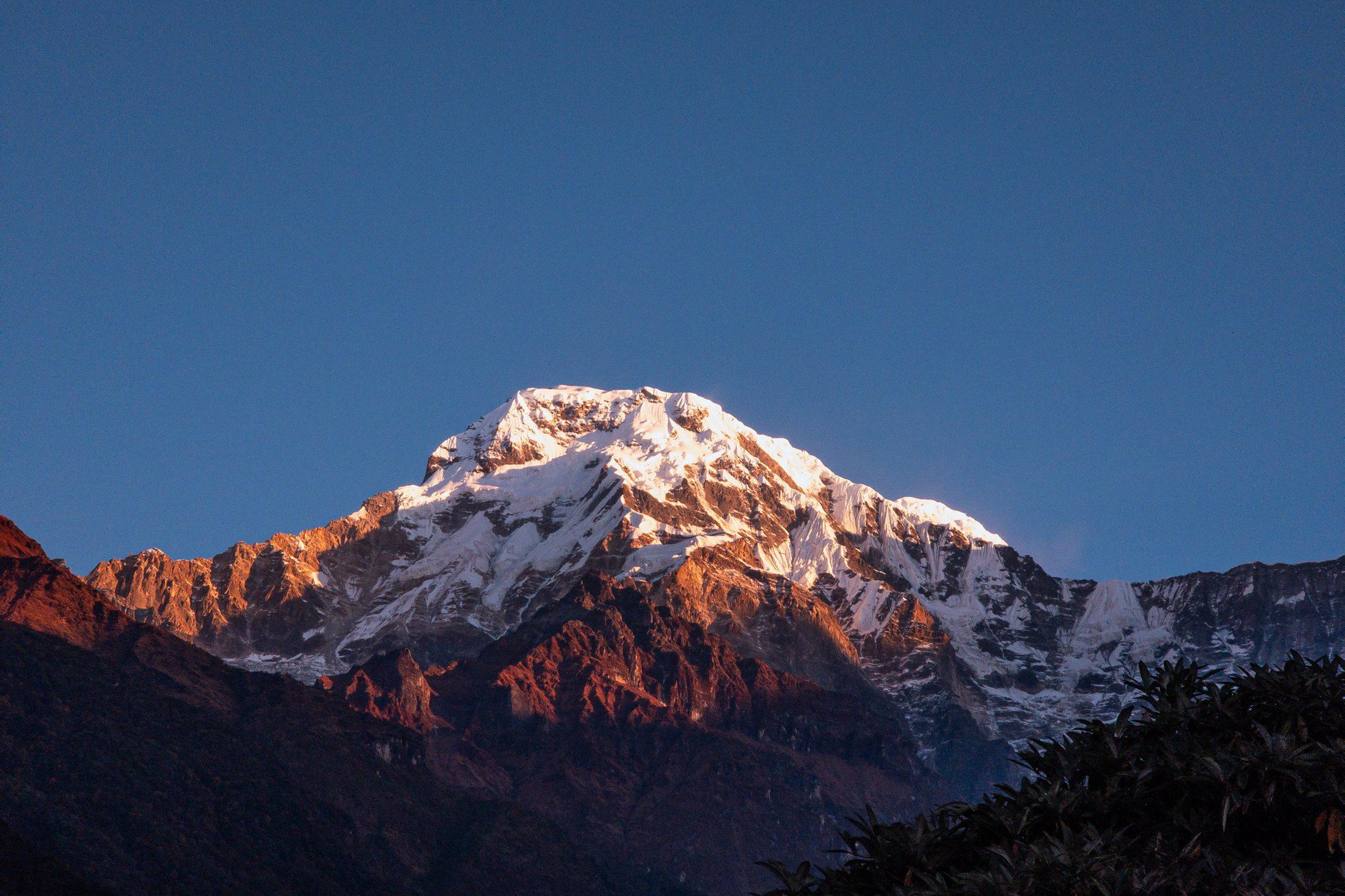
On Day 7, wake at 04:30 to begin the 45-minute headlamp hike up to the summit ridge of Poon Hill (3,210 m). Stand beside the summit prayer flags as the first rays of morning sunlight ignite the snowfields of Dhaulagiri (8,167 m), Annapurna I (8,091 m), Machapuchare (6,993 m), and Hiunchuli in blazing shades of gold, rose, and amber—a 360-degree Himalayan amphitheater encompassing two of the world’s fourteen 8,000-meter giants.
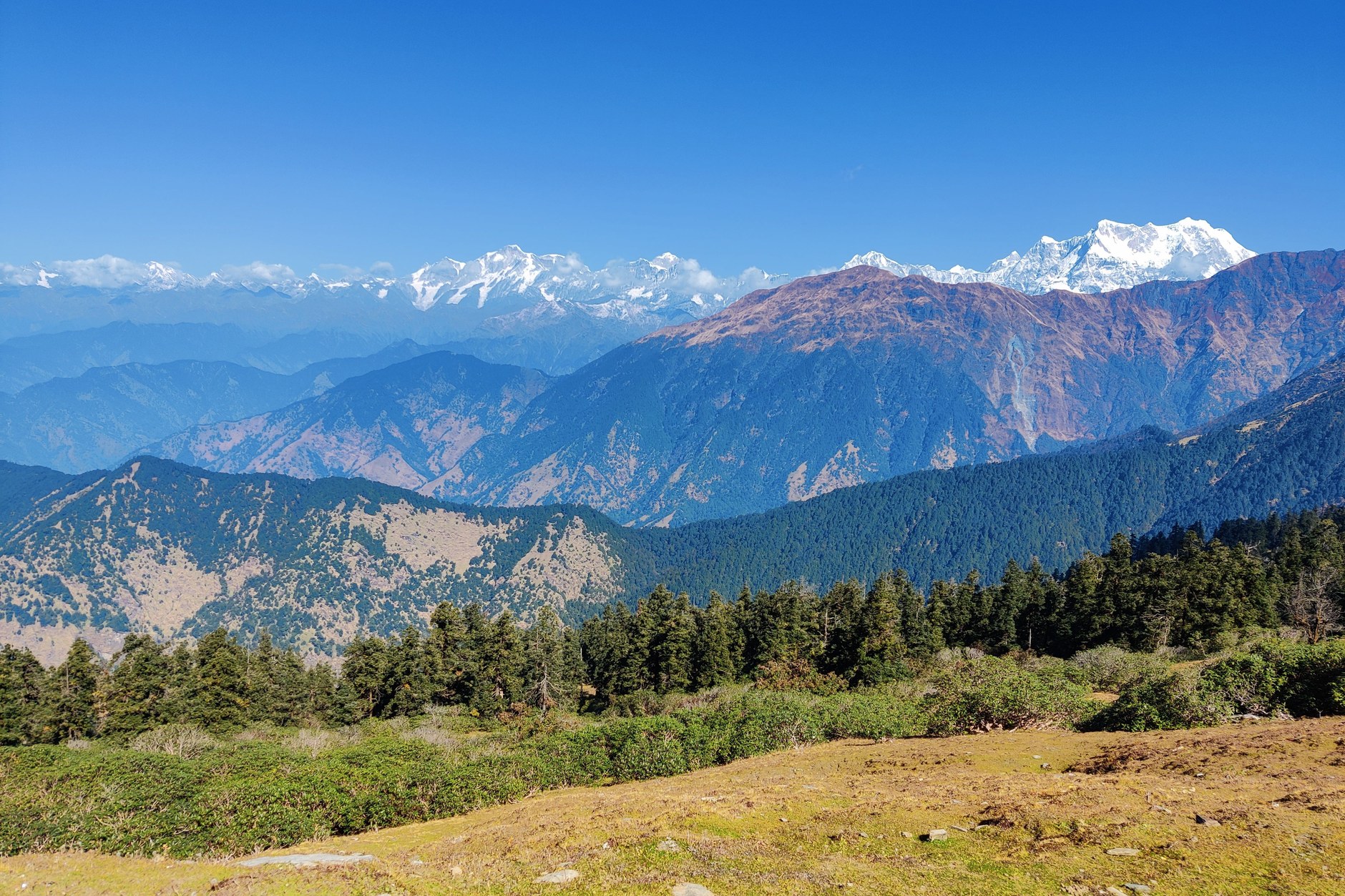
After breakfast in Ghorepani, trek eastward along the ridge through Tadapani to the picturesque Gurung stone village of Ghandruk (1,940 m). Ghandruk is renowned for its clean slate-paved alleyways, traditional stone houses with wooden carved window frames, and community cultural museum.
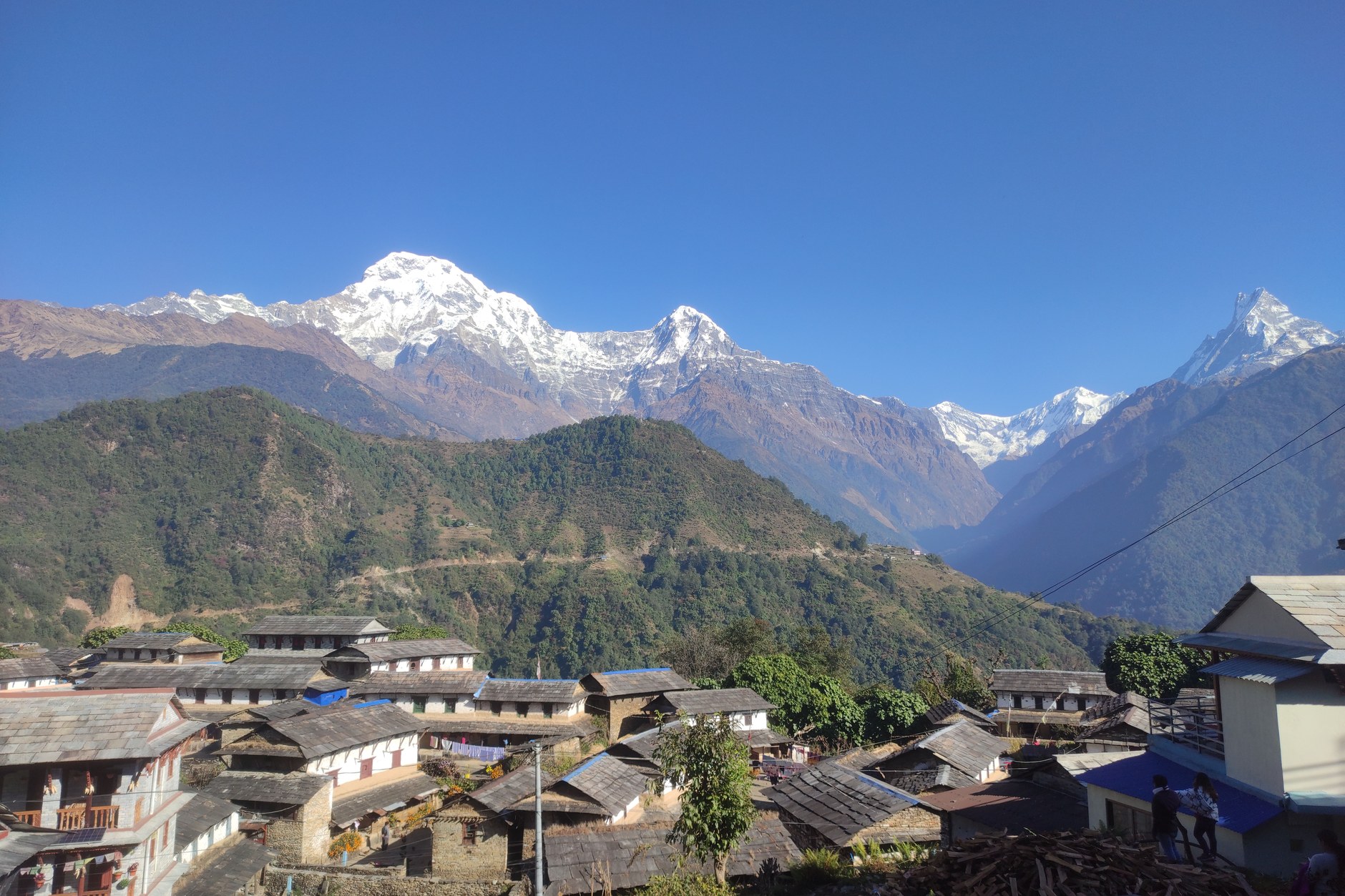
On Day 8, complete the gentle morning descent from Ghandruk down to Nayapul, where your private jeep transfers you back to Pokhara for a hot shower, a restorative massage in Lakeside, and a celebration dinner before flying back to Kathmandu on Day 9.
Street Smarts: Tourist Scams, Fake Helicopter Rescues & Trekking Hazards in Nepal
Nepal’s people are widely celebrated for their gentle hospitality, warmth, and Buddhist-Hindu philosophical balance. However, unregulated commercial agents, aggressive temple touts, and lucrative insurance kickback schemes target foreign trekkers. Keep these verified street smarts and safety rules at the front of your itinerary:
- The Bogus Helicopter Rescue Insurance Fraud: Nepal’s most notorious travel industry scandal involves colluding trekking agencies, teahouse operators, and private helicopter charter companies. Disreputable guides pressure mildly fatigued or headachy hikers into declaring a “life-threatening medical emergency” and ordering an unnecessary helicopter evacuation back to Kathmandu. The agency bills the traveler’s foreign insurance policy a large cash sum while collecting large kickbacks. Defense: Book your trek exclusively through licensed, reputable agencies. Always carry your own travel insurance policy emergency contact number, and clarify with your guide that helicopter evacuation is authorized exclusively for life-threatening emergencies verified by an independent medical doctor.
- Thamel “Art Student” Thanka Painting & Singing Bowl Hustle: Around Thamel and Kathmandu Durbar Square, polite, articulate young men approach tourists asking, “Which country are you from?” They engage in fascinating philosophical conversations before claiming to be “art students” whose master is holding an exclusive exhibition of traditional Tibetan Buddhist Thanka paintings or handmade singing bowls. Once inside the shop, tourists are trapped in high-pressure sales pitches demanding $300 to $1,500 for mass-produced machine prints. Defense: Politely decline invitations to visit private “schools” or “exhibitions.” If you want an authentic Thanka, buy from certified monasteries or reputable cooperatives in Patan with clear provenance.
- Fake Holy Men (Sadhus) Blessing & Photo Extortion: At Pashupatinath temple and Kathmandu Durbar Square, men with ash-smeared faces, long dreadlocks, and bright saffron robes pose photogenically. The moment a tourist lifts a camera, they gesture warmly to join them. Once the photo is taken or they apply a red vermilion blessing (tika) to your forehead, they aggressively demand a cash payment, following you angrily if you refuse. Defense: Sadhus around tourist squares are professional models, not practicing ascetics. If you take a photo, negotiate a modest fee beforehand, or politely decline with hands folded in a “Namaste” and walk on.
- Counterfeit Trekking Gear in Thamel: Thamel contains hundreds of shops selling outdoor jackets, sleeping bags, and boots branded as The North Face, Mountain Hardwear, and Mammut for a fraction of retail prices. Over 95% of these items are locally stitched counterfeits made from non-breathable fabrics with leaky seams and fragile zippers. While cheap fleece sweaters and wool beanies are fine, never buy critical safety gear (waterproof shells, down sleeping bags, or hiking boots) from budget street vendors. Buy or rent authentic technical equipment from certified flagship brand stores in Thamel (such as Sherpa Adventure Gear, Red Fox, or official North Face stores).
- Mandatory Licensed Guide Regulations (Solo Trekking Ban): As of April 2023, the Nepal Tourism Board legally mandates that all foreign trekkers in national parks and conservation areas (including the Annapurna region) must be accompanied by a licensed trekking guide. Attempting to trek without a registered guide and valid TIMS card will result in denial of entry at park checkpoints (such as Birethanti) and administrative fines. Ensure your guide carries a valid license issued by the Ministry of Tourism.
- Tap Water Contamination & Street Drink Sickness (Delhi Belly): Tap water in Nepal is heavily contaminated with bacterial pathogens, cysts, and protozoa; drinking untreated municipal water or consuming iced drinks on the street will cause severe gastrointestinal sickness (Nepal Stomach). Defense: Never drink tap water or use it to brush your teeth. Carry a reusable water bottle equipped with a microbiological purification filter (such as a LifeStraw or Grayl press) or use purification chlorine dioxide tablets. Eat freshly cooked piping-hot meals, avoid unpeeled fruits and raw salads, and stick to hot milk tea (chiya).
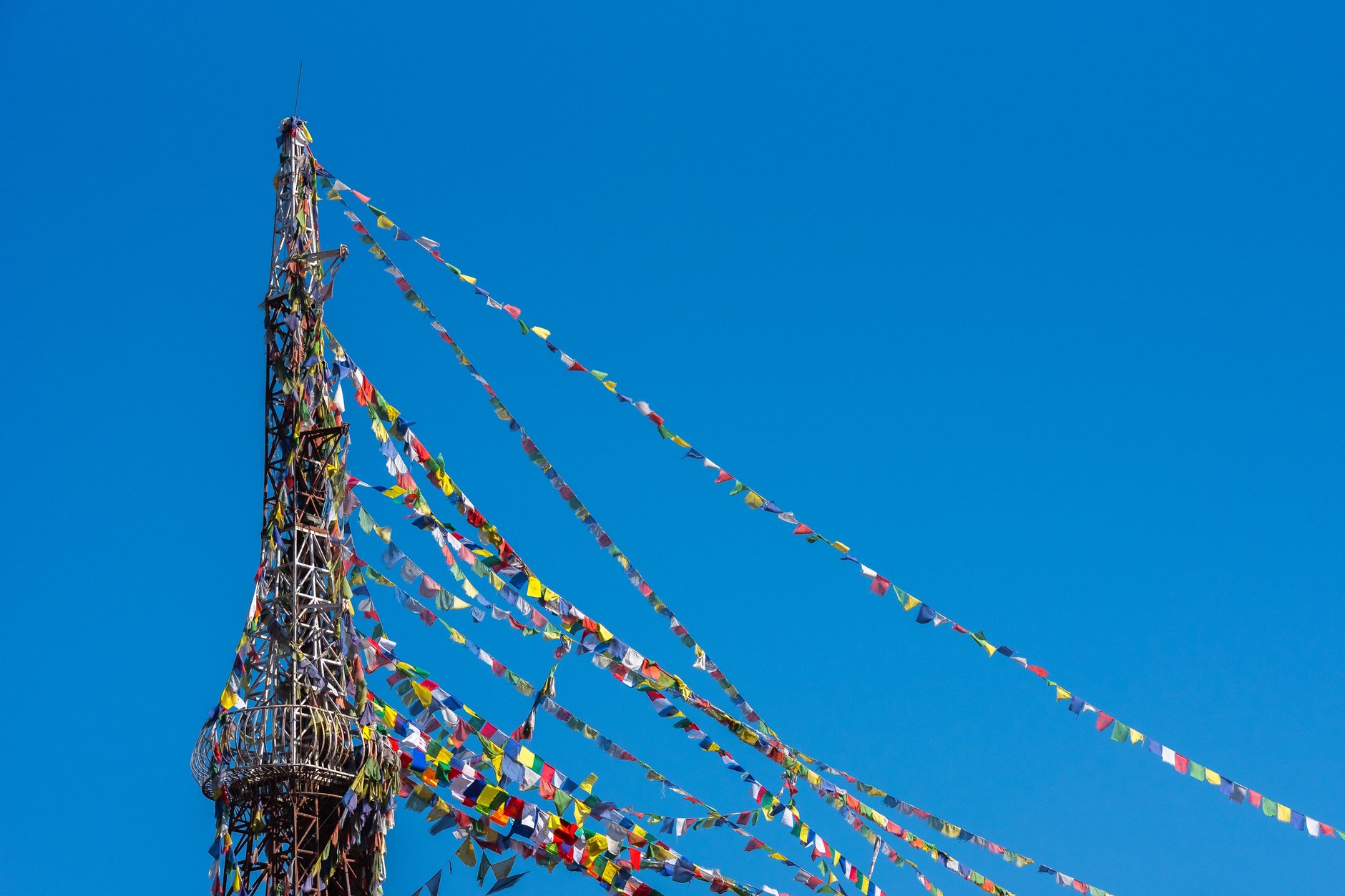
Always walk clockwise around Buddhist stupas, mani stones, and chortens, keeping sacred monuments on your right side. A humble attitude and a warm “Namaste” greeting will open hearts across every mountain village in Nepal.
Data Connectivity Across Kathmandu, Pokhara, and Annapurna
Continuous mobile internet connectivity is an essential safety line when traveling through Nepal. Tracking weather radars before morning flights, communicating with your trekking guide, summoning Pathao ride-shares in Kathmandu, checking live domestic airline delays, and staying in contact with loved ones during mountain trekking depend on a reliable cellular connection.
Nepal’s telecommunications infrastructure is anchored by primary network providers: Ncell Axiata and state-owned Nepal Telecom (NTC). Ncell provides reliable 4G/LTE coverage across the Kathmandu Valley and Pokhara, as well as surprising mobile data signals along major trekking trails in the lower Annapurna Conservation Area, including Ulleri, Ghorepani, and Ghandruk. While purchasing a physical plastic SIM card upon arrival at Tribhuvan Airport requires waiting in long kiosks queues, filling out paper forms, and submitting passport photos and physical fingerprint impressions, an instant digital travel eSIM connects you seamlessly before landing.
The modern, stress-free alternative is an NXTL Nepal travel eSIM. You connect directly to tier-one Ncell networks at verified prepaid rates starting from $5.36 per gigabyte. There is no physical SIM card swap, no bureaucratic paperwork, and your balance never expires: you pay only for the exact bandwidth you consume. Here is an estimated data usage breakdown for a 10-day Nepal journey:
| Travel Style & Usage Profile | Daily Online Activities | 10-Day Total Bandwidth | Estimated Data Cost (@ $5.36/GB) |
|---|---|---|---|
| Light Navigator (Maps & safety) |
Pathao ride hailing, Google Maps navigation, WhatsApp emergency messaging, mountain weather checks | 2 GB – 4 GB | $10.71 – $21.42 |
| Balanced Explorer (Social sharing & research) |
All navigation, Instagram photo uploads from Poon Hill, trekking trail research, flight status tracking | 5 GB – 7 GB | $26.78 – $37.49 |
| Heavy Digital Nomad (Remote work & tethering) |
Laptop tethering in Pokhara cafes, high-definition video calls, cloud photo backups, video streaming | 8 GB – 12 GB | $42.84 – $64.26 |
Install your NXTL eSIM profile on your phone prior to boarding your flight to Nepal. When your plane touches down at Tribhuvan Airport, activate your data line to check live flight updates and summon a ride into town before you even clear the customs hall.
Trip Variations: Adjusting for Time and Fitness
If You Have Only 6 or 7 Days
If you have less than a week, skip the multi-day Poon Hill trek. Spend three nights exploring the rich cultural heritage of Kathmandu, Bhaktapur, and Patan, then fly to Pokhara for two nights to enjoy Phewa Lake and take a gentle day hike to the Australian Camp or Sarangkot for sunrise mountain views. This preserves a relaxed pace without the physical exertion of a multi-day teahouse trek.
If You Have 14 to 16 Days
With an extra five to six days, you can expand this itinerary significantly. Trekkers can continue beyond Ghorepani to tackle the full Annapurna Base Camp (ABC) trek, ascending deep into the mountain amphitheater beneath the sheer South Face of Annapurna at 4,130 meters. Alternatively, combine your Poon Hill trek with a two-night wildlife safari in Chitwan National Park, taking jungle canoe trips to spot endangered greater one-horned rhinoceroses, wild elephants, and gharial crocodiles along the Rapti River.
Best Times to Visit
Autumn (October to November) is the pinnacle of Himalayan travel, featuring the clearest mountain skies, stable weather, and comfortable trekking temperatures. Spring (March to April) offers blooming rhododendron forests and warm valley days, though afternoon haze can sometimes veil distant peaks. Winter (December to January) brings crystal-clear skies and empty trails, but night temperatures drop below freezing (-5°C to -10°C) in teahouses. Summer (June to August) brings heavy monsoon rainfall and cloud cover.