Positioned in the geographic core of South America, Paraguay remains the continent’s least-visited destination. While neighboring capitals draw millions of package tourists, Paraguay offers authentic independent exploration: a bilingual society where indigenous Guaraní is spoken alongside Spanish by over ninety percent of the population, eighteenth-century Jesuit missions carved from red sandstone, and vast river corridors that shaped continental history.
The secret to an exceptional first trip is focusing on the southeastern cultural arc. Rather than venturing into the remote thorny wilderness of the Gran Chaco—which demands specialized 4WD expeditions and guides—first-time visitors should trace the paved arterial corridor connecting the historic capital of Asunción, the colonial Cordillera towns, the UNESCO World Heritage Jesuit reductions of Trinidad and Jesús, and Encarnación along the Paraná River. Here is your definitive seven-day operational itinerary, balancing colonial heritage, tereré rituals, architectural ruins, and reliable mobile connectivity.
Trip Planning Blueprint: Road Logistics, Cash Realities, and Border Transit
Executing an independent journey through Paraguay requires practical advance planning and an understanding of local infrastructure:
Transport Choices: Self-Drive versus Long-Distance Coaches: Paved national highways—notably Ruta PY01 (linking Asunción to Encarnación) and Ruta PY02 (linking Asunción to Ciudad del Este)—are well-maintained toll roads. Renting a car at Silvio Pettirossi International Airport (ASU) provides freedom to explore rural detours like Ybycuí National Park and the Jesuit missions. When driving, daytime headlights are strictly mandatory, seatbelts must be worn, and foreign drivers must carry an International Driving Permit. If you prefer public transit, NSA (Nuestra Señora de la Asunción) offers comfortable, air-conditioned executive coaches (*coche cama*) with reclining seats.
The Guaraní Cash Economy: Paraguay’s currency is the Paraguayan Guaraní (PYG). Outside modern malls and upscale hotels in Asunción and Encarnación, card payments are rarely accepted. Rural toll booths, artisan shops, street food stalls, and taxi drivers operate strictly on cash. Because exchange rates yield high figures (100,000 Guaraníes is roughly 12 to 14 USD), inspect banknotes carefully and carry smaller denominations (10,000, 20,000, and 50,000 Gs). US dollars can be exchanged at official *casas de cambio* in downtown Asunción, provided bills are crisp and unblemished.
Bilingualism and Cultural Etiquette: Paraguay is uniquely proud of its linguistic heritage. Guaraní is an official national language alongside Spanish, woven deeply into everyday conversation, place names, and national identity. Learning a few basic Guaraní phrases—such as *aguyje* (thank you), *mba’éichapa* (how are you?), and *porã* (good/beautiful)—will evoke immediate, warm smiles from locals. Hospitality is polite and unhurried; exchanging pleasantries before asking for directions is fundamental etiquette.
| Day / Stage | Base | Highlights | Transport Mode | Transit Time | Advance Booking Requirement |
|---|---|---|---|---|---|
| Day 1 | Asunción (Centro Histórico) | Arrival at ASU Airport, historic core (Palacio de los López, Casa de la Independencia, Cathedral), Costanera sunset | Official Airport Taxi / Bolt | 30 mins transfer | Pre-arranged hotel airport transfer |
| Day 2 | Asunción & Cordillera | Loma San Jerónimo, Luque silver filigree and harp workshops, scenic drive to Lake Ypacaraí | Rental Car / Private Driver | 1 hr corridor transit | Rental vehicle pickup at ASU |
| Day 3 | Ruta PY01 Southward | Drive south via Ruta PY01, Ybycuí National Park subtropical trails, arrival in San Ignacio Guazú | Rental Car / NSA Bus | 3.5 hrs highway drive | San Ignacio heritage hotel booking |
| Day 4 | Jesuit Missions UNESCO | La Santísima Trinidad de Paraná, evening sound-and-light tour, Jesús de Tavarangue sister mission | Rental Car / Local Taxi | 45 mins local driving | Trinidad evening illumination ticket |
| Day 5 | Encarnación Waterfront | Costanera de Encarnación river promenade, San José beach, Paraná River boat excursion facing Argentina | Walking & Local Taxi | 15 mins city transit | Paraná riverboat charter |
| Day 6 | Itaipu Dam Corridor | Drive east on Ruta PY06, colossal Itaipu Dam panoramic spillway tour, biological reserve walk | Rental Car / Executive Coach | 4 hrs transit | Itaipu visitor center advance booking |
| Day 7 | Return to Asunción / Exit | Highway return via Ruta PY02, Caacupé Basilica stop, farewell parrillada feast, ASU Airport departure | Rental Car / Highway Bus | 4.5 hrs highway return | ASU Airport international check-in |
Days 1 to 2: Asunción — Colonial Foundations, River Breezes, and Artisan Guilds
Your journey begins in Asunción, affectionately known as the “Mother of Cities” (*Madre de Ciudades*) because sixteenth-century Spanish expeditions departed from its river harbor to found Buenos Aires and Santa Cruz de la Sierra. Arriving at Silvio Pettirossi International Airport (ASU), clear customs, collect Guaraní from a terminal ATM, and take an authorized taxi or Bolt ride into the city.
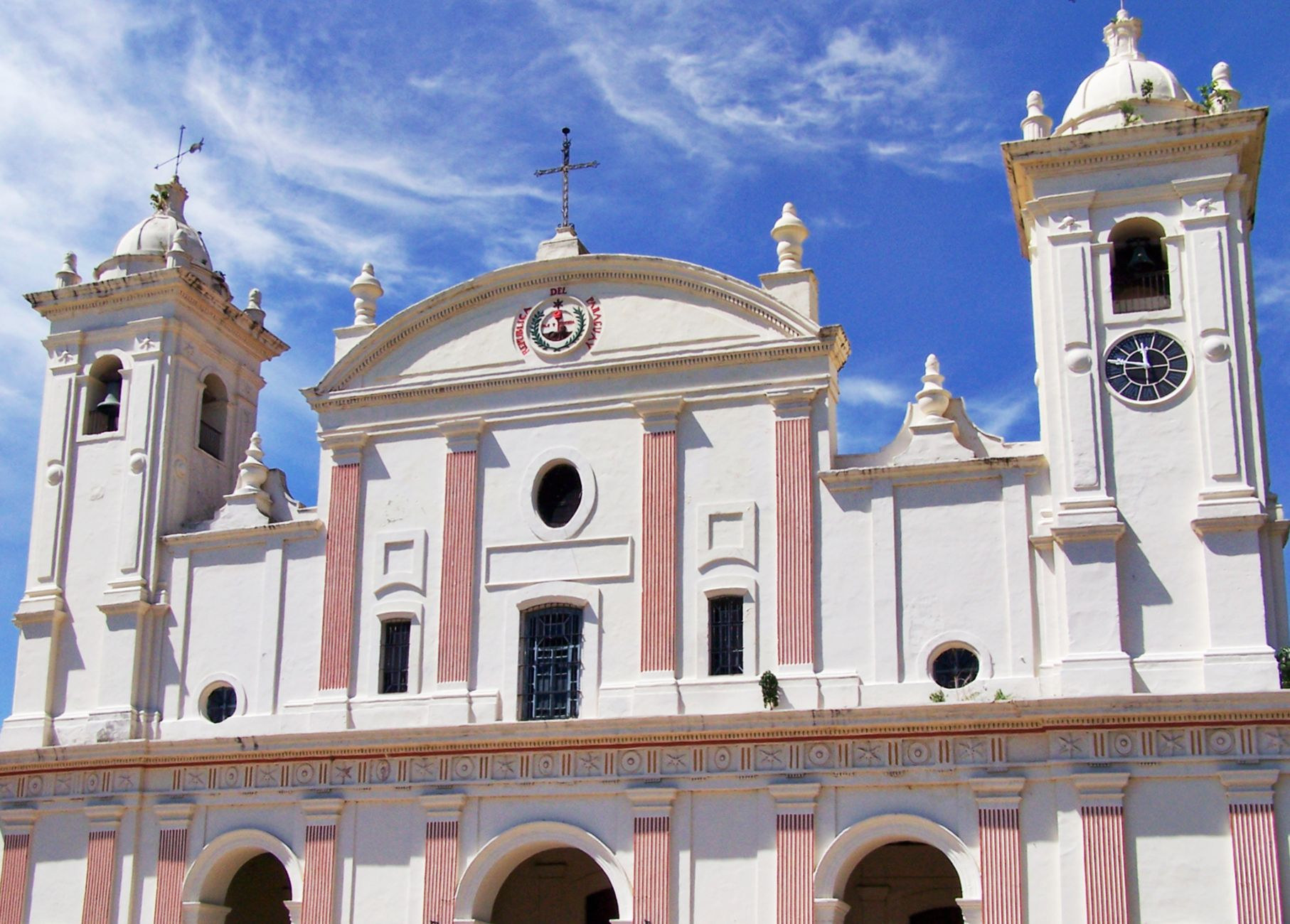
Start your walking tour in the historic center at the Plaza de la Independencia, anchored by the Metropolitan Cathedral of Our Lady of the Assumption. The cathedral’s neoclassical facade and gilded wooden altarpiece reflect nineteenth-century restoration following the War of the Triple Alliance. A few blocks away stands the Casa de la Independencia, a preserved colonial home where patriots plotted independence from the Spanish crown in May 1811.
Walk toward the river to admire the grand exterior of the Palacio de los López, seat of the national presidency overlooking the bay. While the palace interior is restricted for government operations, the gardens and adjacent Costanera promenade offer sweeping views over the Paraguay River. Late in the afternoon, join locals strolling along the boardwalk, sipping cold tereré while river breezes cool the subtropical evening air.
While downtown Asunción showcases historic architecture, the city’s modern commercial center has migrated east toward Villa Morra and Avenida Santa Teresa. Here, glass corporate towers and contemporary hotels rise above a lush subtropical canopy. Asunción is officially recognized as one of the greenest capital cities in the world, with towering lapacho (*tajy*) trees that burst into magnificent blossoms during the winter and early spring months.
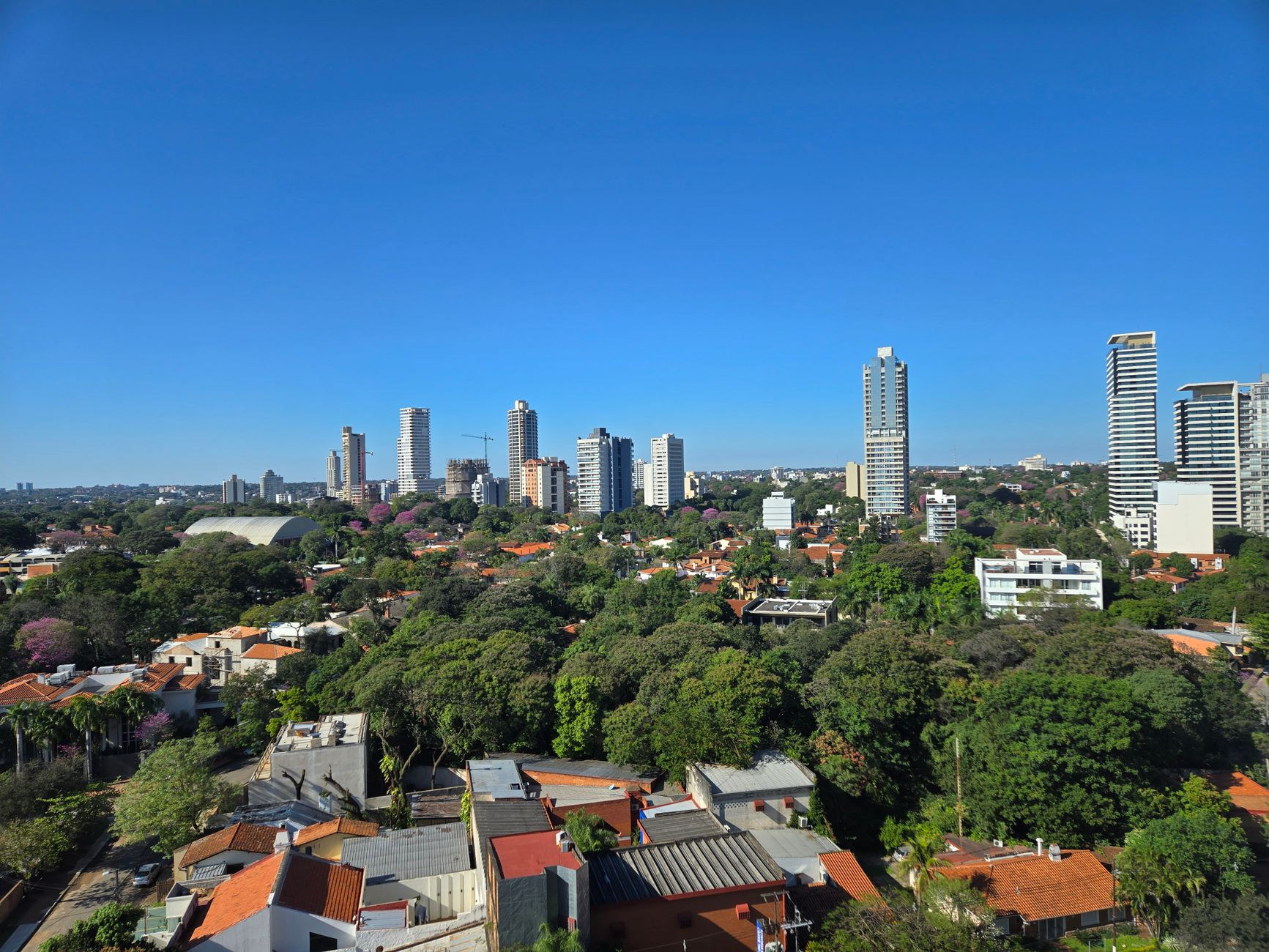
On Day 2, explore Asunción’s artistic heritage. Begin at Loma San Jerónimo, a bohemian neighborhood of pedestrian alleys, brightly painted cottages, and rooftop lookouts over the harbor. Continue eastward to Luque, an artisan enclave renowned for two distinct traditions: handmade silver and gold filigree jewelry (*filigrana*), and the crafting of the 36-string Paraguayan harp. Visit a family workshop to watch master artisans bend silver threads into floral motifs, and listen to the cascading melodies of harp music that form the soul of Paraguayan folklore.
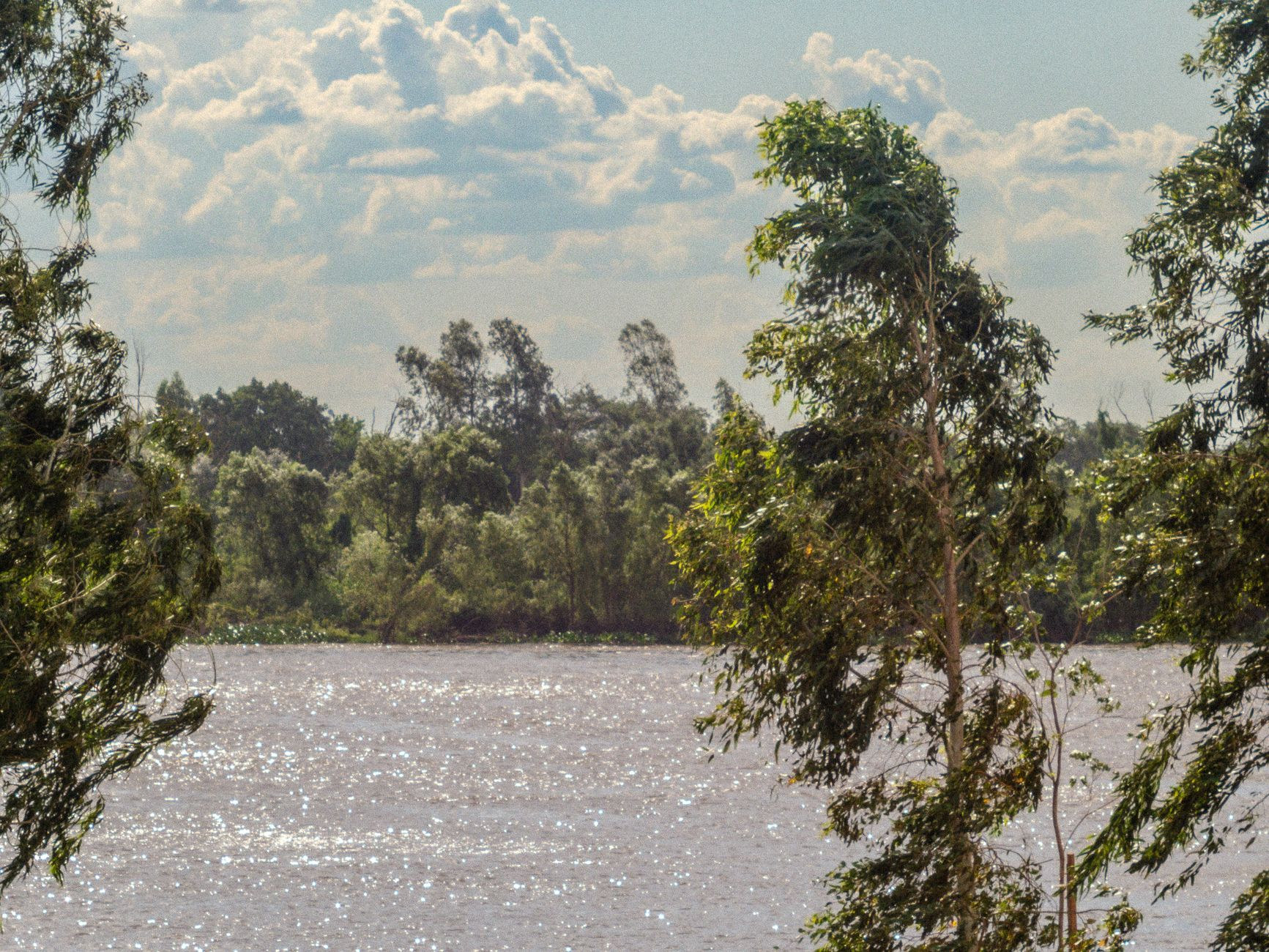
Days 3 to 5: The Jesuit Mission Corridor and Encarnación
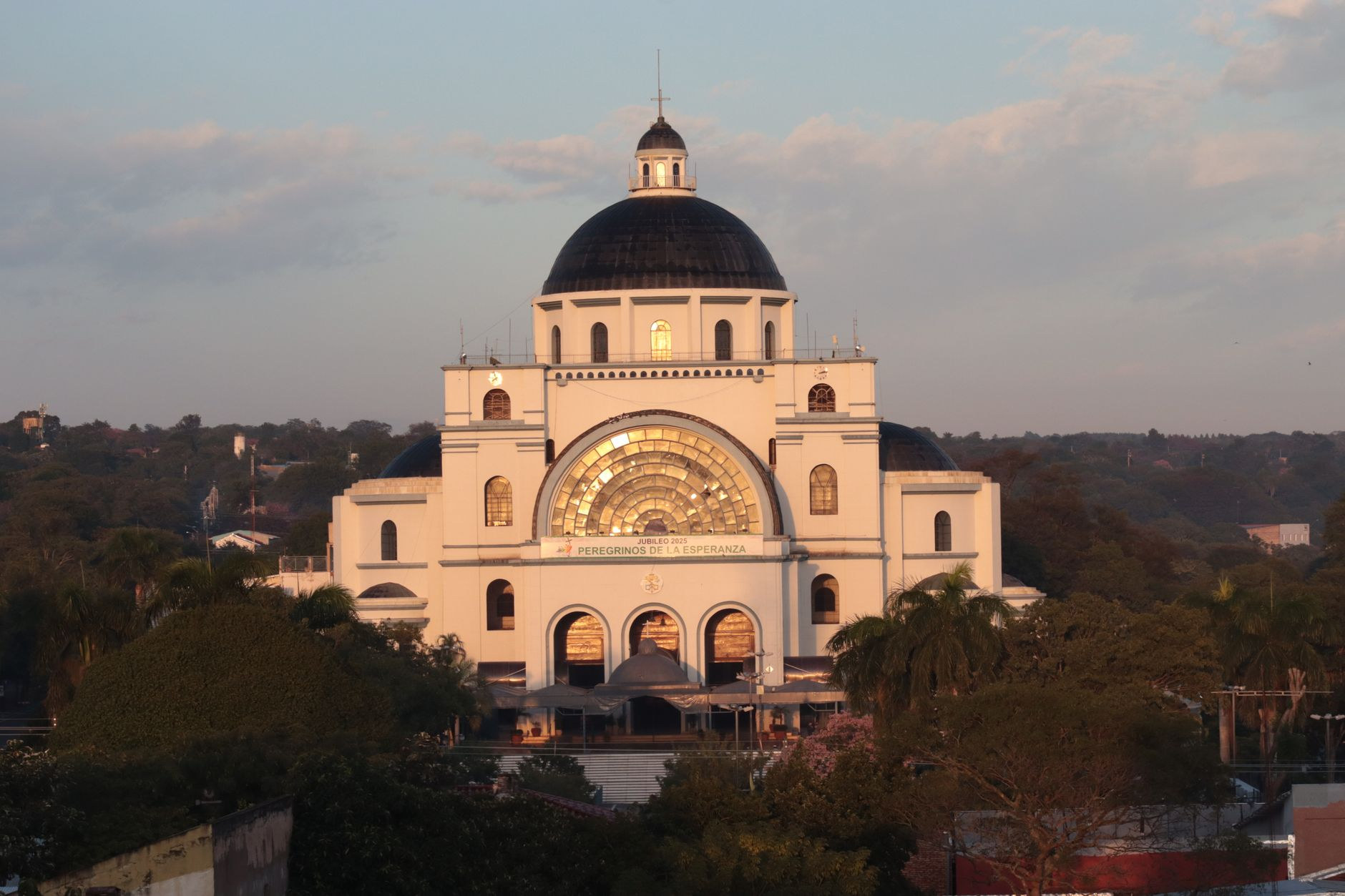
Departing Asunción on Day 3, head south on Ruta PY01 through the Cordillera department and agricultural lowlands, passing through Caacupé. Stop to admire the monumental copper-toned dome of the Basilica of Our Lady of the Miracles, which draws hundreds of thousands of pilgrims every December for the national Marian festival.
Take a scenic detour into Ybycuí National Park, a protected remnant of the Upper Paraná Atlantic Forest. Walk along quiet forest trails shaded by tree ferns to reach Salto Minas and Salto Cristal, where clear waterfalls cascade into natural swimming pools. Nearby lie the preserved stone ruins of La Rosada, an iron foundry established in the 1850s that produced munitions during the Triple Alliance War before being destroyed by invading armies.
Continue south to San Ignacio Guazú, the oldest Jesuit reduction in Paraguay, founded in 1609. The local museum preserves polychrome wooden sculptures of saints carved by indigenous Guaraní artisans under Jesuit guidance, displaying a unique synthesis of European baroque religious iconography and indigenous facial features.
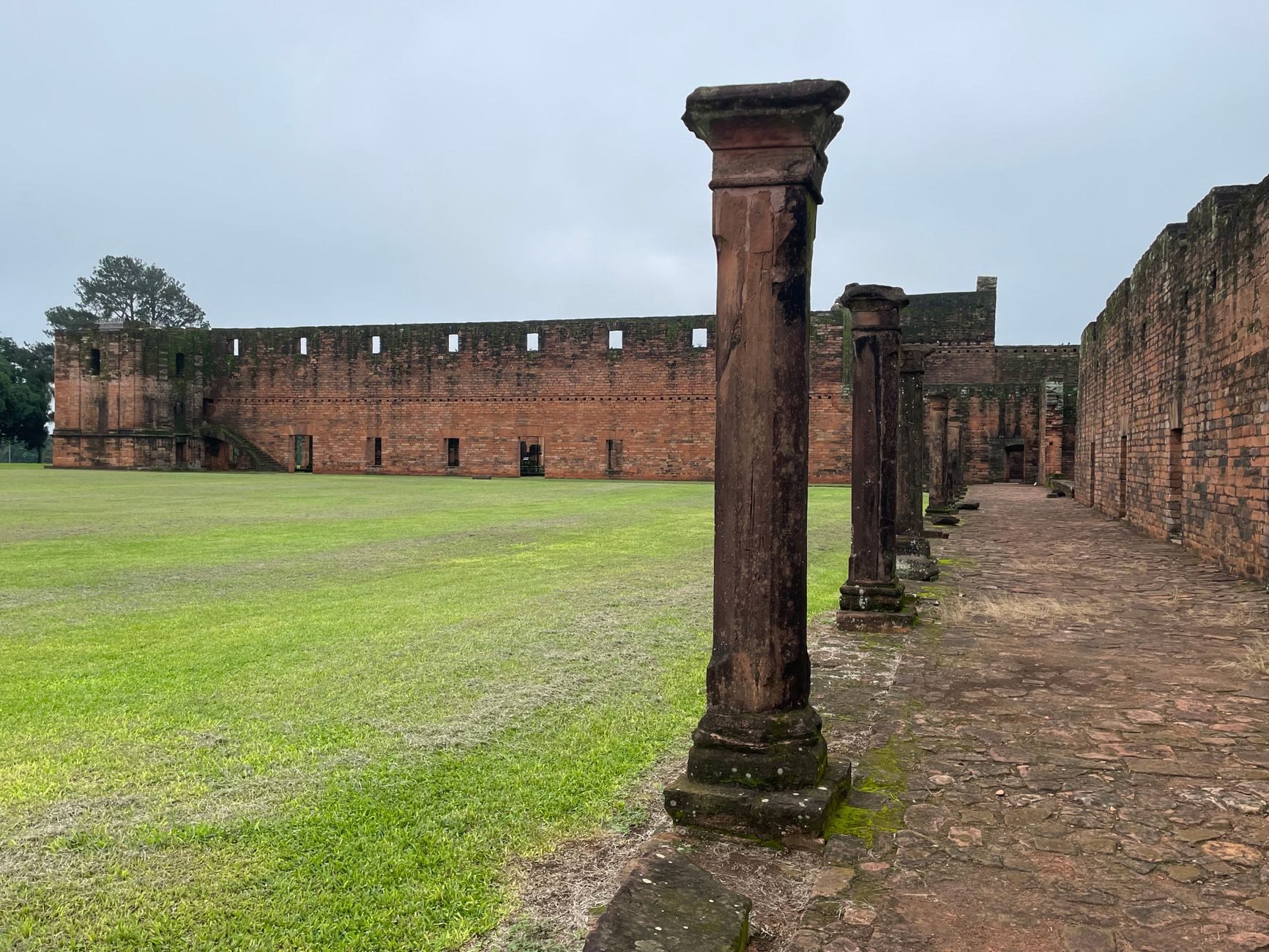
Day 4 is dedicated to Paraguay’s crowning cultural treasures: the UNESCO World Heritage Jesuit Missions of La Santísima Trinidad de Paraná and Jesús de Tavarangue. Established in the early eighteenth century, these autonomous missionary communities (*reducciones*) brought together thousands of indigenous Guaraní families to live and work in cooperative settlements that protected them from slave-raiders.
Trinidad is the most complete Jesuit complex surviving in South America. Walk through the monumental main plaza to the great church, marveling at soaring red sandstone arches, the intricate stone choir gallery carved with musician angels playing baroque harps, and friezes depicting biblical scenes. Return after dusk for the sound-and-light tour, when amber illumination casts dramatic shadows across sandstone colonnades while Gregorian chants echo through the open-air nave.
Ten kilometers away lies Jesús de Tavarangue, an unfinished mission under construction when the Jesuit order was expelled in 1767. Its massive trefoil archways, influenced by Moorish architecture, offer a striking contrast to Trinidad’s classical baroque design.
On Day 5, base yourself in Encarnación, known as the “Pearl of the South” (*La Perla del Sur*). Set on the northern bank of the wide Paraná River directly across from Posadas, Argentina, Encarnación has transformed into Paraguay’s premier river retreat. Stroll along the landscaped Costanera promenade, relax on the golden sands of Playa San José, and take a sunset boat excursion across the river, admiring the illuminated international bridge connecting the two nations.
Days 6 to 7: Itaipu Dam Engineering and the Return Highway
On Day 6, drive northeast on Ruta PY06 toward Hernandarias to visit the colossal Itaipu Hydroelectric Dam, spanning the border between Paraguay and Brazil on the Paraná River. Regarded as a modern engineering wonder, Itaipu produces clean, renewable electricity that supplies nearly ninety percent of Paraguay’s total electricity consumption and fifteen percent of Brazil’s.
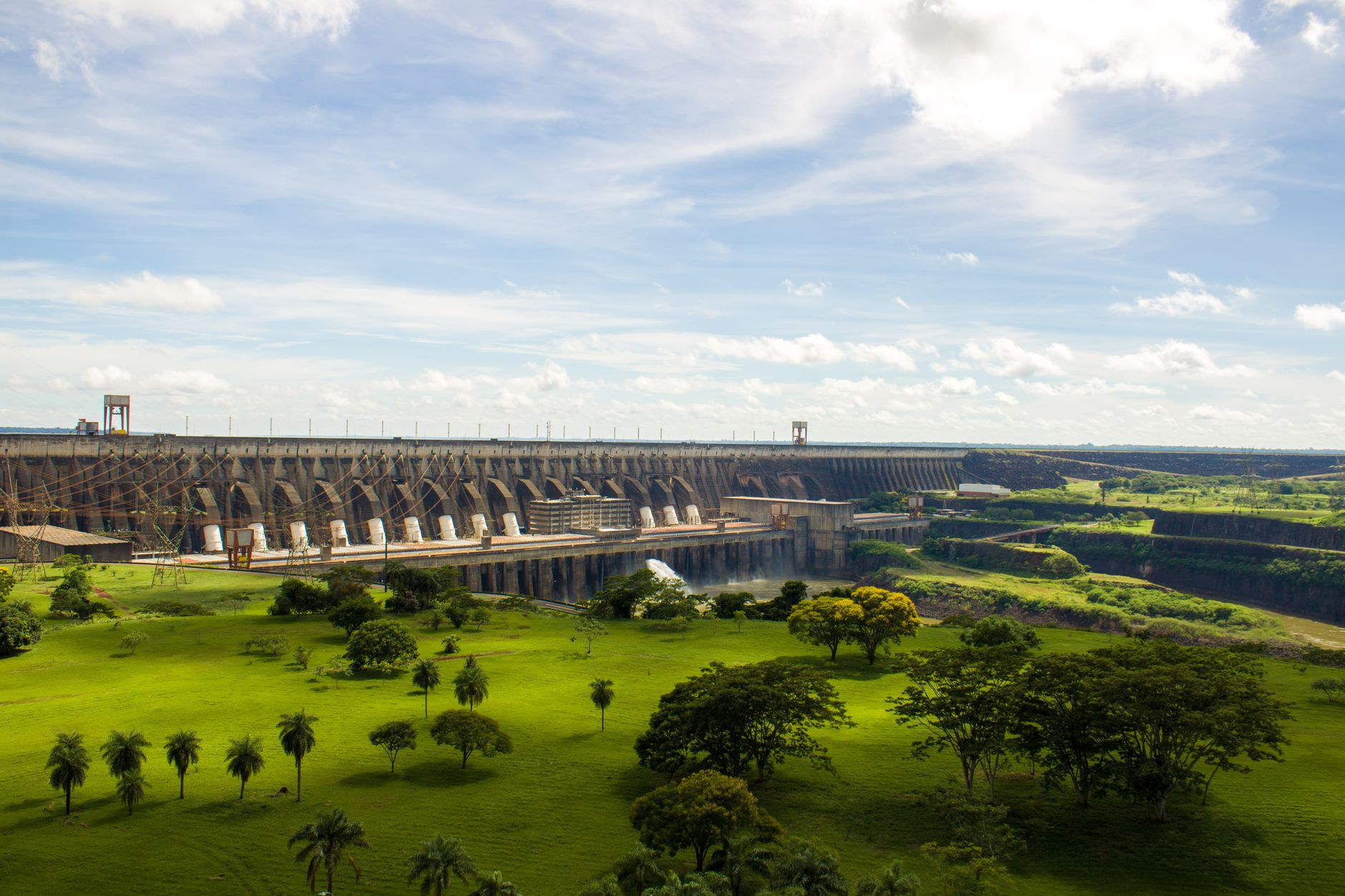
Book the panoramic tour at the Itaipu Visitor Center on the Paraguayan side. Buses drive along the crest of the concrete dam, descending past penstock pipes and spillway chutes where river water cascades. Combine your visit with a walk through the adjacent Tati Yupi Biological Refuge to observe native capybaras, coatis, and subtropical waterbirds.
On Day 7, begin your return journey toward Asunción along Ruta PY02. Stop in Eusebio Ayala, famous as the home of Paraguayan *chipa*. Roadside stalls (*chiperías*) display baskets of hot cheese bread rings, fresh from traditional clay wood-fired ovens (*tatakuá*). Arrive back in Asunción by late afternoon, enjoy a traditional *parrillada* dinner of grilled beef, and transfer to Silvio Pettirossi International Airport for your evening flight home.
The Sacred Ritual of Tereré and Paraguayan Cuisine
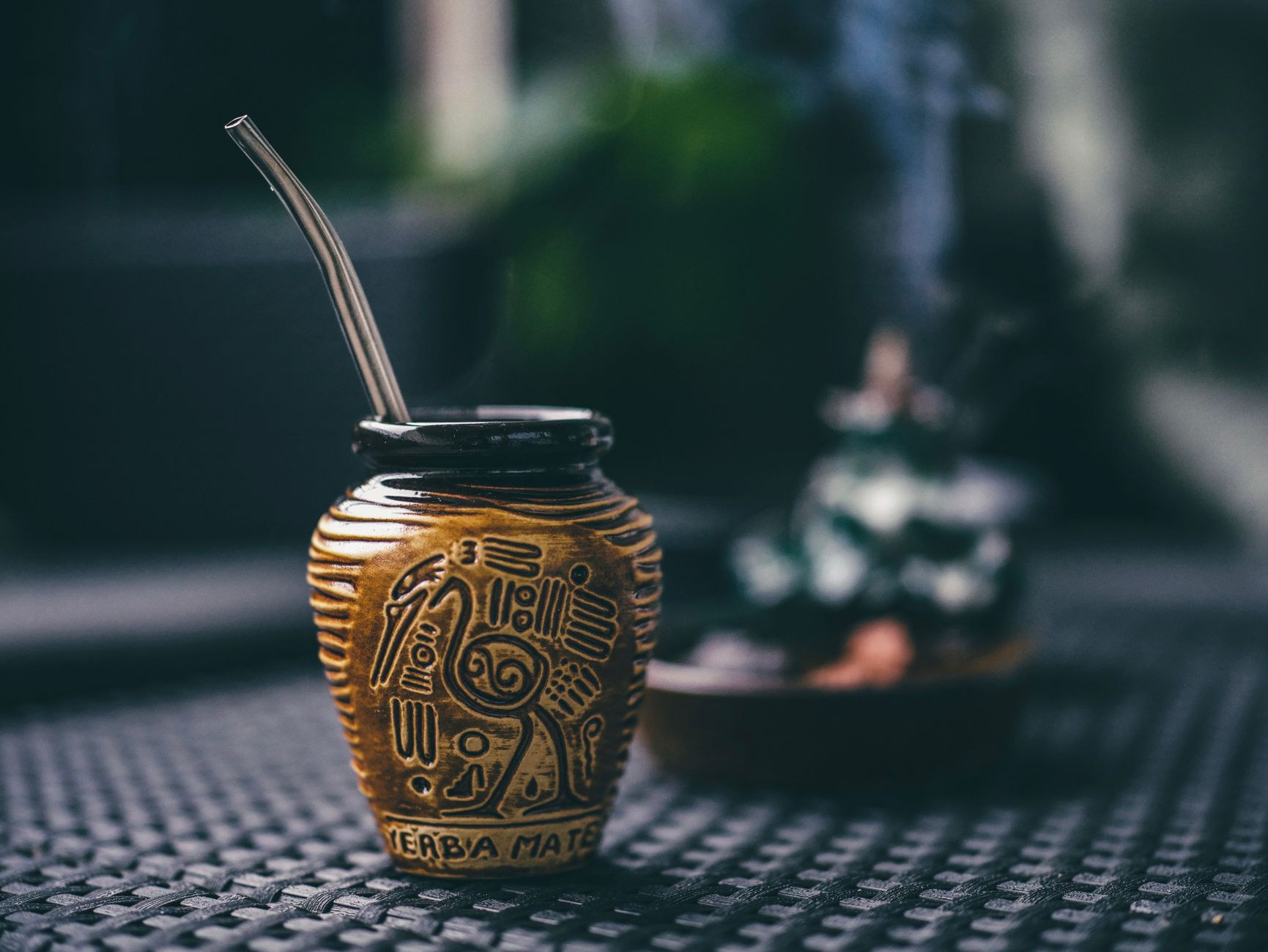
To understand Paraguayan daily life, one must understand *tereré*. Inscribed on UNESCO’s Representative List of Intangible Cultural Heritage of Humanity, tereré is cold-infused *yerba mate* served in a horn or wooden cup (*guampa*) with a filtered metal straw (*bombilla*), poured from an insulated thermos filled with ice water and crushed medicinal herbs (*yuyos* or *pohã ñana*).
Every morning across Paraguay, street vendors (*yuyeras*) pound fresh herbs like mint, lemon verbena (*cedrón kapi’i*), and burrito in small wooden mortars, tailoring infusions to aid digestion, cool the body, or calm the nerves. Tereré is profoundly social: the host fills the guampa and passes it to the guest, who drinks the entire cup until the bombilla produces a slurping sound before passing it back. When handed a guampa, you say *gracias* only when you do not wish to drink another round.
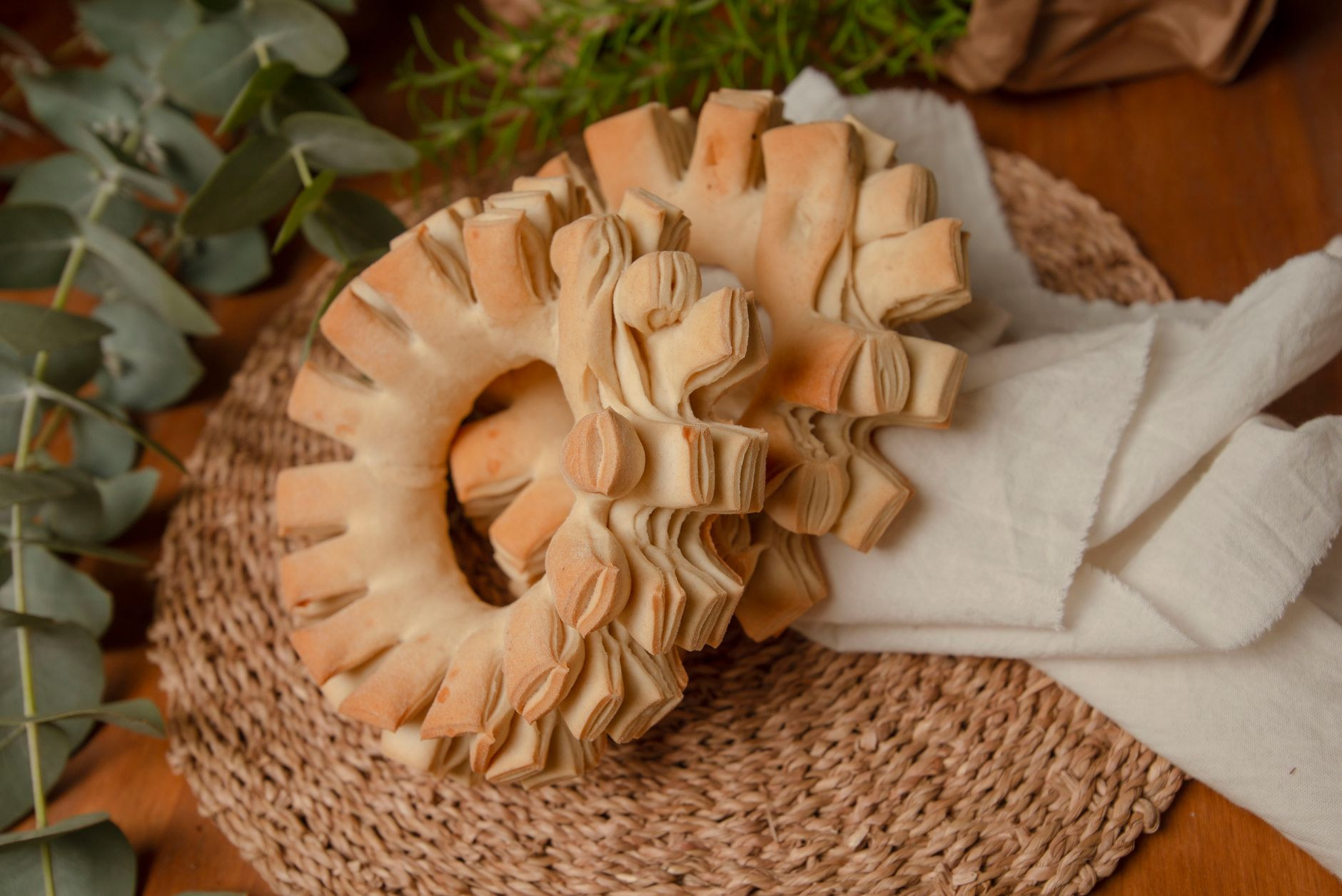
Paraguay’s culinary identity is grounded in indigenous Guaraní staples: manioc (cassava), corn, and pasture-raised beef. In addition to chipa, signature national dishes include *sopa paraguaya*—the world’s only solid soup, a rich, moist savory cornbread baked with fresh cow’s cheese, eggs, milk, and sweet sautéed onions. Legend holds that the personal chef to President Carlos Antonio López added too much corn flour to his daily soup, baking it in the oven to save the meal; the president loved the resulting golden cake and christened it Paraguayan soup.
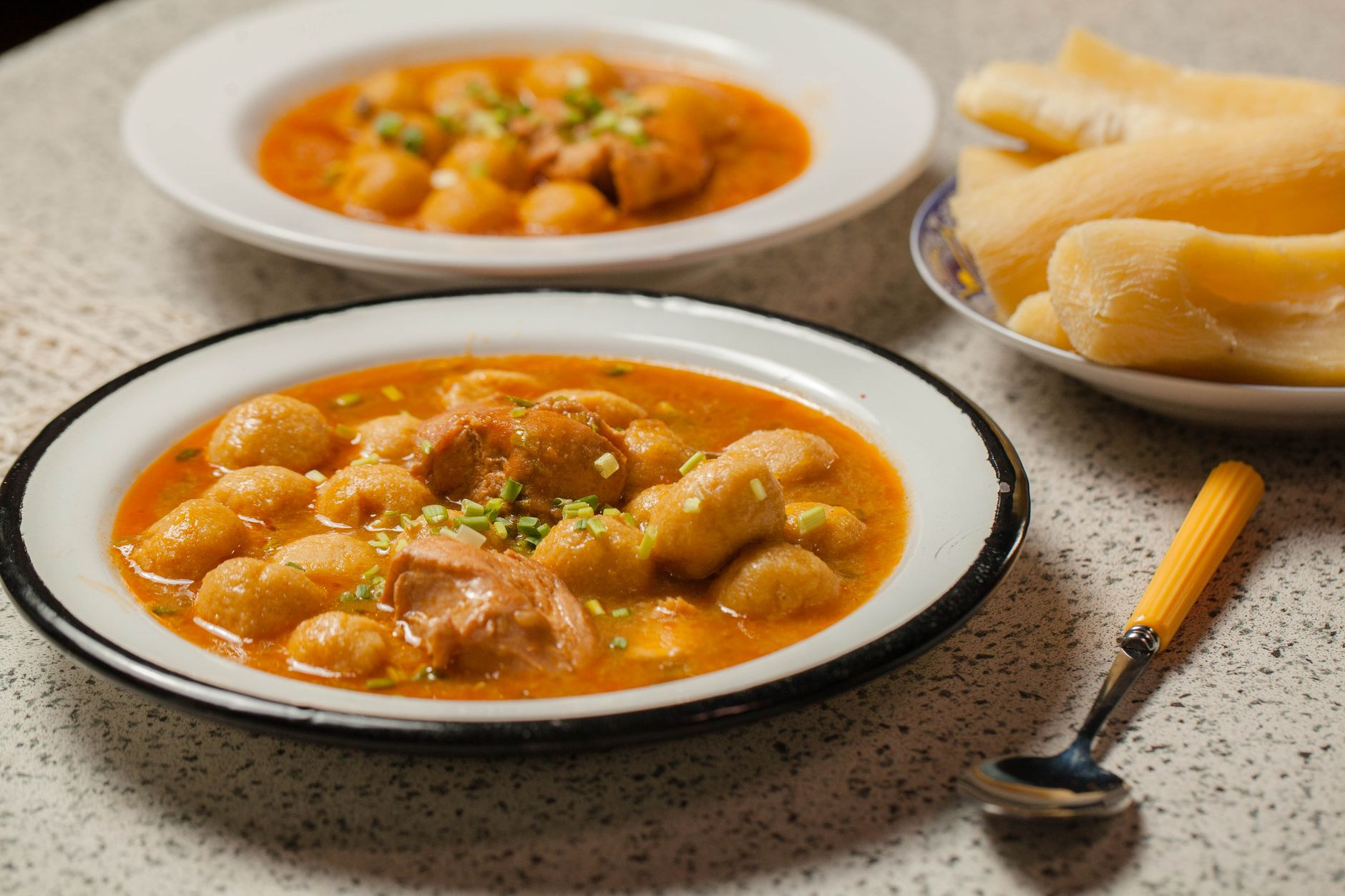
Another beloved national heritage dish is *vori-vori*, a comforting golden broth slow-simmered with chicken or beef, enriched with small, handmade cornmeal and cheese dumplings that melt in your mouth. At street corners and breakfast counters, look for *mbeju*, a starchy flatbread made of manioc starch, fresh cheese, and pork fat, pan-fried in hot iron skillets until crispy on the outside and wonderfully chewy within.
Mobile Connectivity: Navigating Networks and eSIM Logistics
Remaining connected while traversing Paraguay’s southeastern highways is essential for GPS navigation, hailing Bolt rides in Asunción and Encarnación, and translating regional Guaraní phrases. While urban centers enjoy reliable mobile coverage, connectivity quality across rural departments depends heavily on carrier network infrastructure.
The telecommunications market in Paraguay is dominated by two primary tier-one network operators: Personal (operated by Núcleo) and Tigo. Both carriers provide robust 4G LTE coverage across the major transit corridors (PY01, PY02, and PY06) and provincial towns. In contrast, smaller state networks often suffer coverage dropouts once you leave metropolitan Asunción.
Purchasing a physical prepaid SIM card locally requires locating an official carrier branch, waiting in line, presenting your original passport, and navigating local registration procedures. Physical SIMs purchased at informal street kiosks often fail to activate properly due to biometric identification regulations.
The modern alternative is activating a digital NXTL Paraguay Travel eSIM before departure. NXTL connects automatically to both Personal and Tigo LTE networks, providing high-speed mobile data at transparent pay-as-you-go rates of just $5.64/GB. Because your NXTL data balance never expires, you avoid the waste of rigid 7-day or 15-day packages. Unused credit stays available for later trips across more than 180 countries. Scan the provided QR code before boarding your flight to enjoy instant mobile data the moment your aircraft lands in Asunción.
Five Local Scams, Traps, and Practical Pitfalls to Avoid
- Corrupt Highway Police Checkpoints on Ruta PY01 and PY02: Traffic police (*Policía Caminera*) occasionally pull over foreign rental vehicles at regional checkpoints, claiming technical violations (such as lack of an international fire extinguisher, daytime running lights not being switched on, or minor speeding infractions) and demanding immediate cash “spot fines” of 50 to 100 USD. Prevention: Ensure your rental company equips the vehicle with two reflective warning triangles and a certified fire extinguisher. Keep headlights on low-beam constantly while driving on all national highways. If stopped, remain polite and ask for an official written citation (*boleta de infracción*) to be paid at an official bank; corrupt officers will almost always drop the demand when formal paperwork is requested.
- Ciudad del Este Electronics Counterfeiting and Guía Touts: Ciudad del Este is a massive duty-free commercial hub, but its downtown streets are filled with predatory street touts (*pousseros* or *guías*) who steer foreign shoppers into cramped, unvetted shopping galleries where counterfeit electronics are sold in sealed packaging. Prevention: Avoid independent street touts entirely. If shopping in Ciudad del Este, patronize exclusively established, reputable department stores such as Monalisa, Casa Nissei, or Cellshop, and test all electronics thoroughly before paying.
- Counterfeit Guaraní and USD Exchange Traps in Asunción: Informal currency exchangers (*arbolitos*) around Palma Street offer tempting exchange rates for US dollars. However, street exchangers frequently pass counterfeit 100,000-Guaraní notes or reject dollar bills for microscopic creases while swapping them for forged currency through sleight-of-hand counting. Prevention: Never change money with street touts. Use licensed *casas de cambio* (such as MaxiCambios) or withdraw local currency directly from bank ATMs.
- Unauthorized Parking Touts (Cuidacoches) Extortion: In downtown Asunción and Encarnación, informal individuals wearing reflective vests direct drivers into public street spaces and demand an upfront “security fee” of 10,000 to 20,000 Gs. Prevention: Park in official paid parking garages (*estacionamientos*) or hotel lots whenever possible. If parking on the street, give a modest tip of 5,000 Gs only upon returning to your vehicle.
- Informal Border Taxis and Overcharging at Encarnación: Taxis waiting near the San Roque González bridge in Encarnación often quote exorbitant fares (up to 40 USD) for crossing the river into Posadas, Argentina, or falsely claim that foreign travellers do not need to stamp out of Paraguayan immigration. Prevention: Always complete your exit stamp at Paraguayan migration before crossing. Take the international passenger train or official international public bus (*colectivo internacional*) across the bridge for a few dollars rather than negotiating with unmetered border taxis.
Practical Etiquette and Packing Checklist
Adhering to local customs will unlock exceptional warmth and hospitality across Paraguay:
Subtropical Climate and Sun Protection: Eastern Paraguay experiences a humid subtropical climate with intense sun, especially between November and March when temperatures frequently surpass 35°C (95°F). Pack lightweight linen or cotton clothing, a wide-brimmed sun hat, sunglasses, and high-SPF sunscreen. Pack mosquito repellent containing DEET for exploring Ybycuí National Park or riverfront trails along the Paraná.
Footwear for Historic Sites: Exploring the Jesuit missions of Trinidad and Jesús requires walking over uneven cobblestones, grassy courtyards, and sandstone steps. Sturdy walking shoes or trail runners are essential. During summer months, carry a compact umbrella for sudden afternoon subtropical downpours.
Cash Security and Everyday Courtesy: Keep small-denomination Guaraní notes easily accessible in an outer pocket for tolls, chipa, and bus fares, keeping larger bills securely stored. Greet shopkeepers and drivers with a friendly *buenos días* or *buenas tardes*; Paraguayans place high value on cordiality and respect, making your journey an extraordinarily rewarding adventure.