The single most common medical and logistical error made by travelers arriving in Peru is flying directly from sea level in Lima to the imperial Inca capital of Cusco (3,400 meters / 11,150 feet) and immediately checking into a hotel to begin a packed sightseeing schedule. Within six hours of landing, the severe physiological impact of acute mountain sickness (locally termed soroche)—characterized by debilitating throbbing headaches, nausea, insomnia, and vomiting—confines thousands of travelers to bed rest, ruining the first three days of their trip.
The medically sound, vastly more enjoyable strategy is to execute an altitude-inverted route. Upon touching down at Cusco’s Alejandro Velasco Astete Airport, you immediately bypass the highland capital and descend directly into the Sacred Valley of the Incas (Urumbamba or Ollantaytambo, at 2,790 to 2,870 meters). Spending your first three nights in the sheltered, oxygen-rich climate of the Sacred Valley allows your body to produce necessary red blood cells naturally while exploring breathtaking Inca agricultural terraces. From Ollantaytambo, you take the scenic panoramic train into the cloud forest citadel of Machu Picchu (2,430 meters), and only tackle the higher altitude of Cusco at the very end of your journey when your body is fully acclimatized.
| Day / Stage | Overnight Base | Key Highlights | Transit & Altitude | Essential Advance Bookings | What to Skip / Save |
|---|---|---|---|---|---|
| Day 1: Stage 1 | Lima (Miraflores or Barranco) | Larco Museum pre-Columbian ceramics, Miraflores Malecón clifftop walk, world-class ceviche and Nikkei gastronomy | Jorge Chávez Airport to Miraflores: 45 min via official Taxi Green/365; Sea level (0 m) | Larco Museum evening timed ticket; advance dinner reservations at Maido, Central, or Astrid y Gastón | Skip unmetered street taxis outside the terminal doors; use authorized airport taxi desks or pre-arranged private drivers |
| Days 2–3: Stage 2 | Sacred Valley (Ollantaytambo or Urubamba) | Maras salt pans (Salineras), Moray concentric circular agricultural rings, Ollantaytambo fortress ruins | Flight LIM to CUZ: 1 hr 20 min; Direct private transfer Cusco Airport to Sacred Valley: 1 hr 30 min (2,790 m) | Boleto Turístico del Cusco (Cusco Tourist Ticket 10-day general pass); Maras communal entry ticket | Skip sleeping in Cusco on Day 2; immediately descend 600 vertical meters to the valley floor to prevent severe soroche |
| Days 4–5: Stage 3 | Aguas Calientes (Machu Picchu Pueblo) | PeruRail Vistadome train through Urubamba gorge, Machu Picchu ancient citadel (Circuit 2 Classic or Circuit 1), Sun Gate | Ollantaytambo to Aguas Calientes: 1 hr 35 min panoramic train; Shuttle bus to citadel: 25 min; Altitude: 2,430 m | Official Machu Picchu entry ticket via tuboleto.cultura.pe (book 3–4 months ahead); Consettur round-trip shuttle bus pass | Skip buying unofficial tours from touts in Aguas Calientes; all guides at the entrance must display official DIRCETUR badges |
| Days 6–7: Stage 4 | Cusco (San Blas or Historic Center) | Plaza de Armas, Coricancha Temple of the Sun, Saqsaywamán megalithic zigzag stone walls, San Pedro artisan market | Aguas Calientes to Ollantaytambo: 1 hr 35 min train; Transfer to Cusco: 1 hr 45 min; Altitude: 3,400 m | Saqsaywamán entrance (included on Boleto Turístico); Cusco Cathedral entry pass | Skip sprinting up steep cobblestone streets in San Blas; move at an unhurried, measured pace and drink muña or coca tea |
The Science of Altitude: Why Sacred Valley First Is Essential
At Cusco’s elevation of 3,400 meters, atmospheric pressure is roughly one-third lower than at sea level, meaning each breath delivers significantly fewer oxygen molecules to your bloodstream. By immediately transferring down to the Sacred Valley floor at Ollantaytambo (2,790 meters), you reduce the initial altitude jump by more than 600 vertical meters (2,000 feet). This difference is biologically critical: mild hypoxia stimulates your kidneys to release erythropoietin (EPO), safely ramping up red blood cell production over 48 to 72 hours without the agonizing cerebral edema symptoms that ruin trips.
Pack comfortable layered clothing: daytime temperatures in the Sacred Valley and Machu Picchu reach a pleasant 20°C to 24°C under intense Andean ultraviolet sun, but drop rapidly to 4°C to 8°C as soon as the sun disappears behind mountain ridges. Essential gear includes a wide-brimmed sun hat, polarized sunglasses, high-SPF sunscreen, sturdy broken-in hiking shoes with deep tread for slick Inca stone staircases, and a breathable waterproof rain shell.
Stage 1: Lima’s Pacific Coast and Culinary Riches (Day 1)
Most international flights arrive at Lima’s Jorge Chávez International Airport (LIM) in the late evening. Resist the urge to connect immediately to an overnight flight to the Andes. Instead, spend Day 1 resting and adjusting to the time zone in Peru’s vibrant coastal capital. Base yourself in the safe, walkable oceanfront districts of Miraflores or the historic bohemian arts quarter of Barranco.
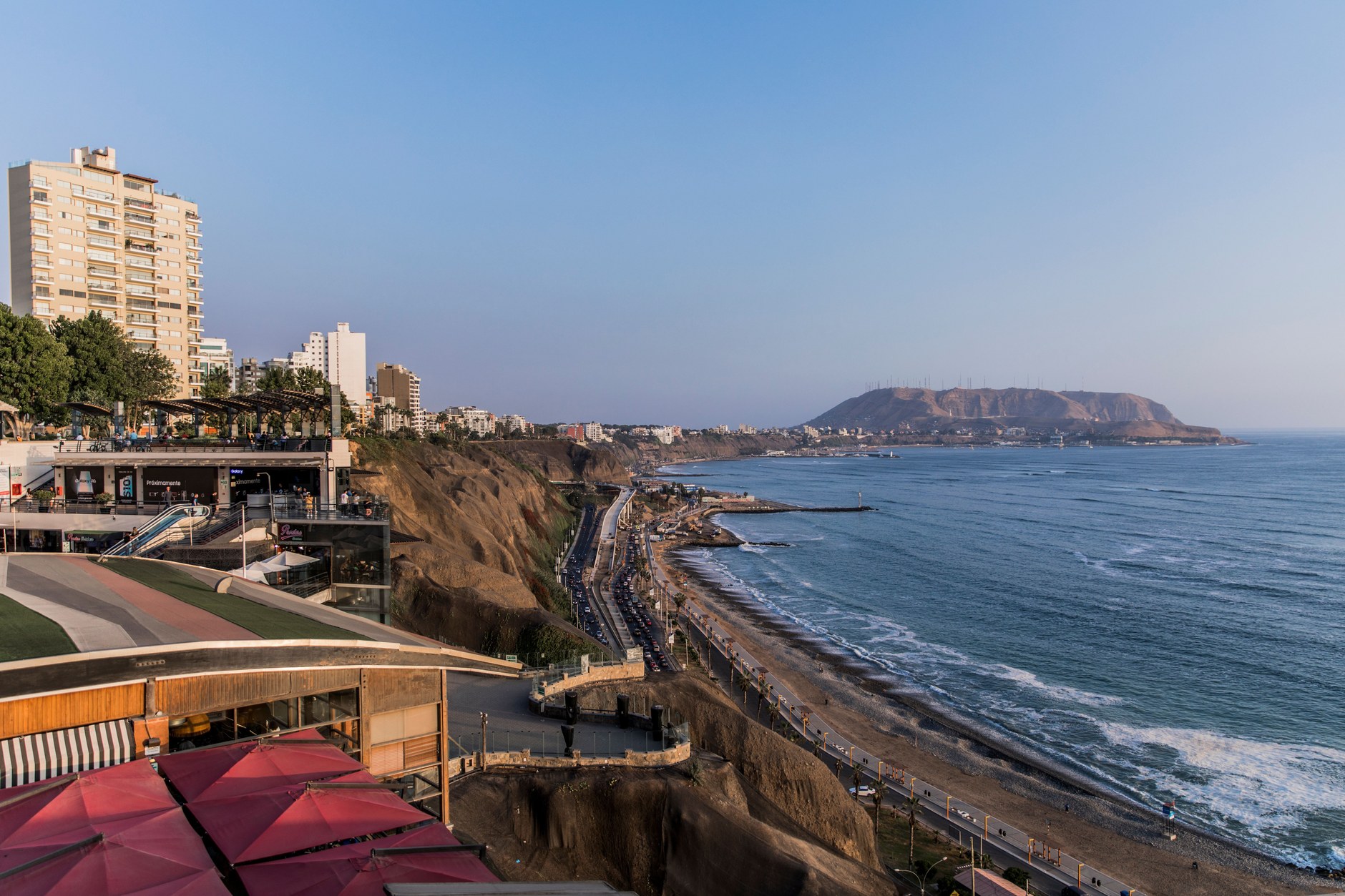
Begin your morning walking along the Miraflores Malecón, a six-kilometre ribbon of cliffside parks perched 70 meters above the rolling Pacific surf, watching colorful tandem paragliders ride the coastal sea thermals. Visit the Larco Museum (Museo Larco) in Pueblo Libre, housed in an 18th-century vice-royal mansion surrounded by lush bougainvillea gardens. The museum curates an unmatched collection of 5,000 years of pre-Columbian gold and silver treasures, exquisite Mochica pottery portrait vessels, and its world-famous erotic ceramic gallery.
Dedicate the afternoon and evening to experiencing why Lima is celebrated as the gastronomic capital of South America. Sample freshly caught sea bass ceviche cured in tangy lime juice and rocoto chili peppers at an artisanal cevicheria, sip a frothy Pisco Sour, or dine at one of Lima’s globally renowned culinary institutions that fuse indigenous Amazonian and Andean ingredients with Japanese Nikkei techniques.
Stage 2: Sacred Valley of the Incas (Days 2–3)
On the morning of Day 2, take an early 80-minute flight from Lima over the snow-capped spine of the Cordillera Blanca to Cusco. Have your pre-arranged private driver meet you directly outside the baggage claim doors to begin the immediate descent into the Sacred Valley via Chinchero. Within 90 minutes, you arrive in the warm, oxygen-rich valley basin at Ollantaytambo or Urubamba.
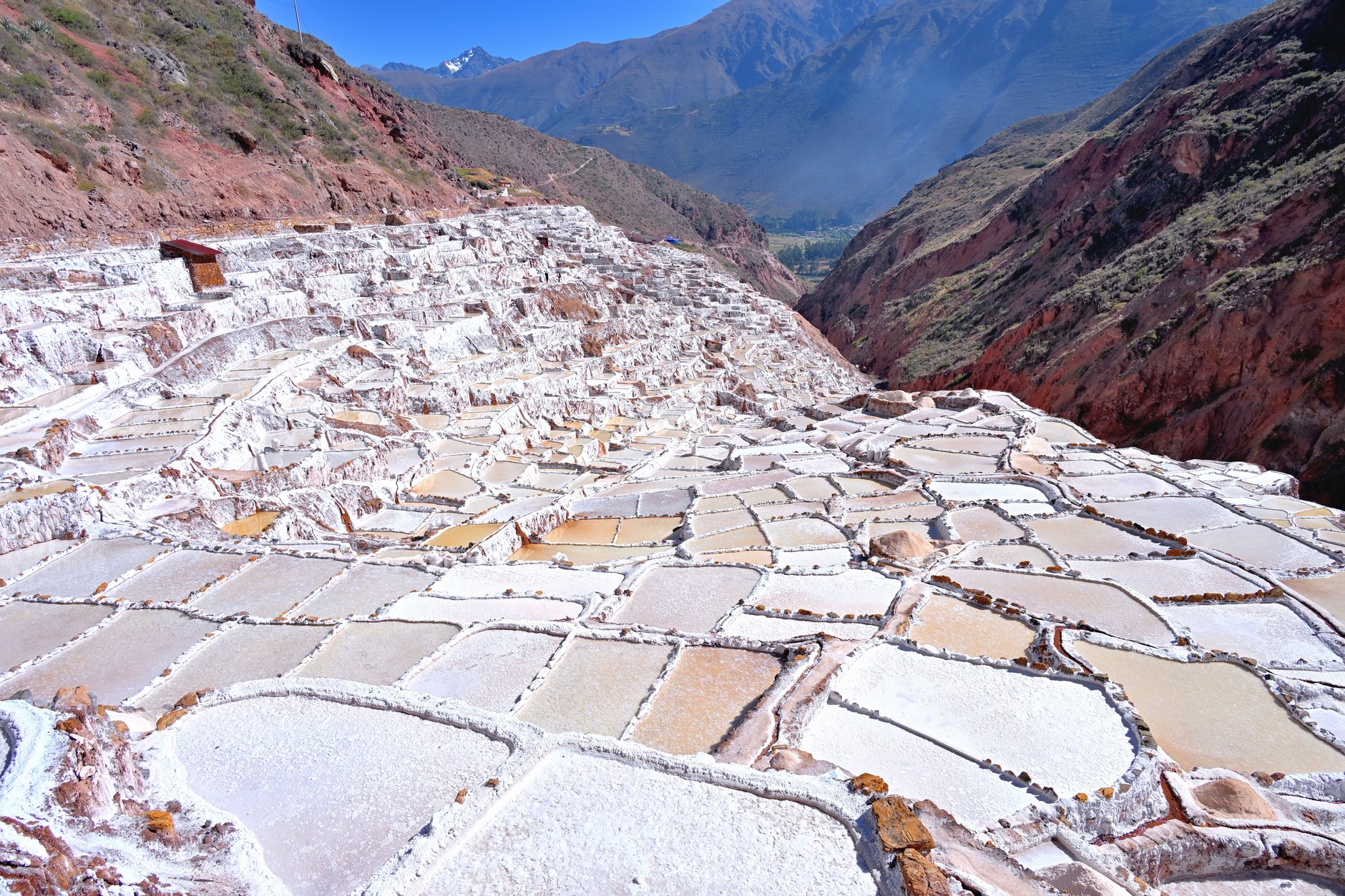
Spend Day 3 exploring the valley’s architectural wonders. Tour the surreal pink terraces of Maras (Salineras), where a subterranean hypersaline thermal spring feeds more than 3,000 terraced evaporation ponds that have been hand-harvested by local cooperative families since pre-Inca eras. Continue five miles to Moray, a massive agricultural research station consisting of concentric circular stone terraces carved into a natural limestone depression, creating microclimates with temperature differentials of up to 15°C between the top rim and bottom bowl.
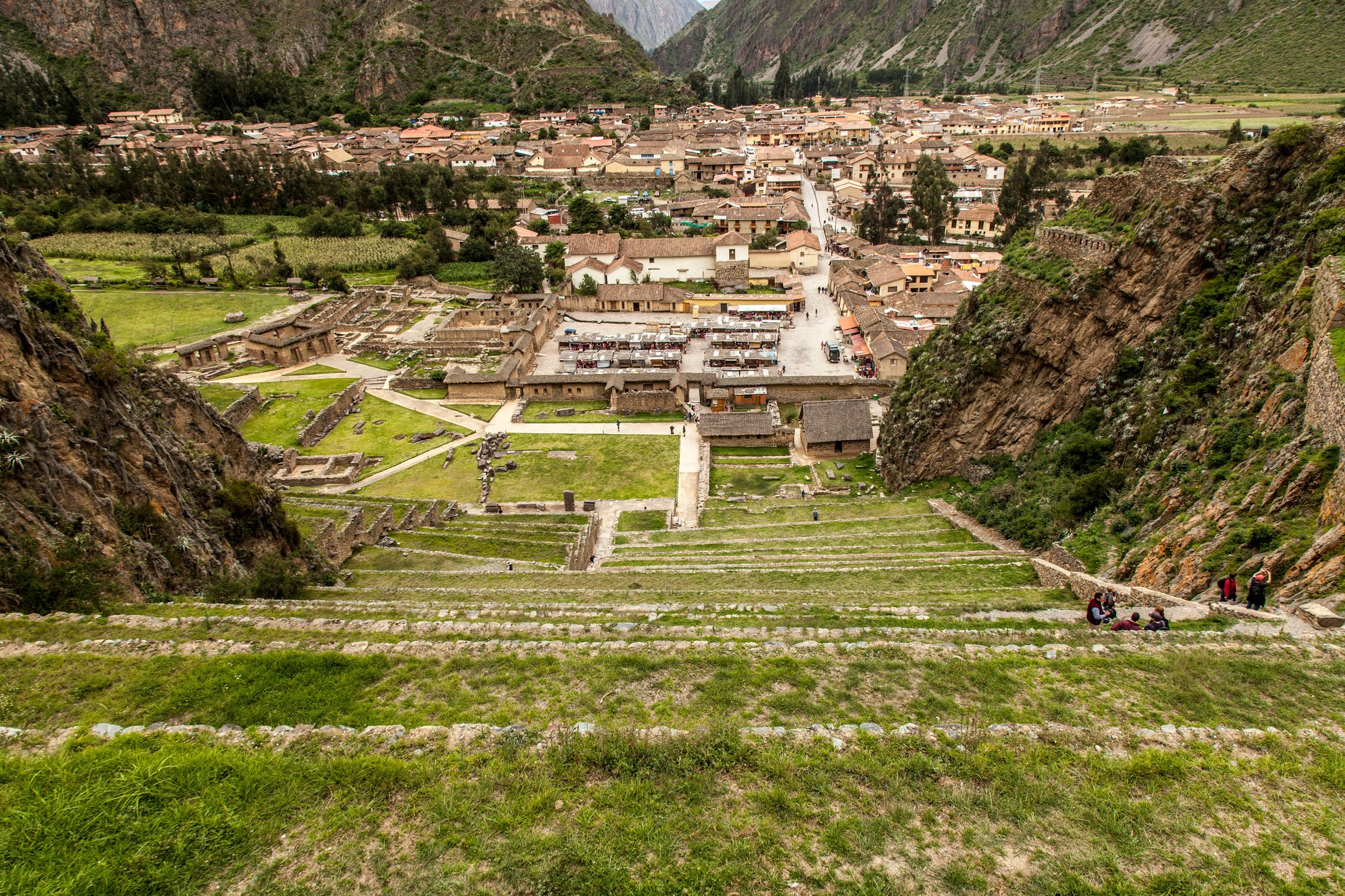
In the late afternoon, explore the living Inca town of Ollantaytambo. Its grid-patterned stone foundations, narrow water channels flowing with mountain snowmelt, and trapezoidal doorways have remained continuously inhabited since the 15th century. Climb the monumental stone terraces of the ceremonial fortress where Inca general Manco Inca defeated Spanish conquistador Hernando Pizarro in the historic Battle of Ollantaytambo in 1537.
In the evening, stroll through Ollantaytambo’s cobblestone plaza to dine on wood-fired Andean trout or quinoa soup, resting deeply in the valley’s comfortable oxygen levels before boarding the morning train to the lost city.
Stage 3: The Sanctuary of Machu Picchu (Days 4–5)
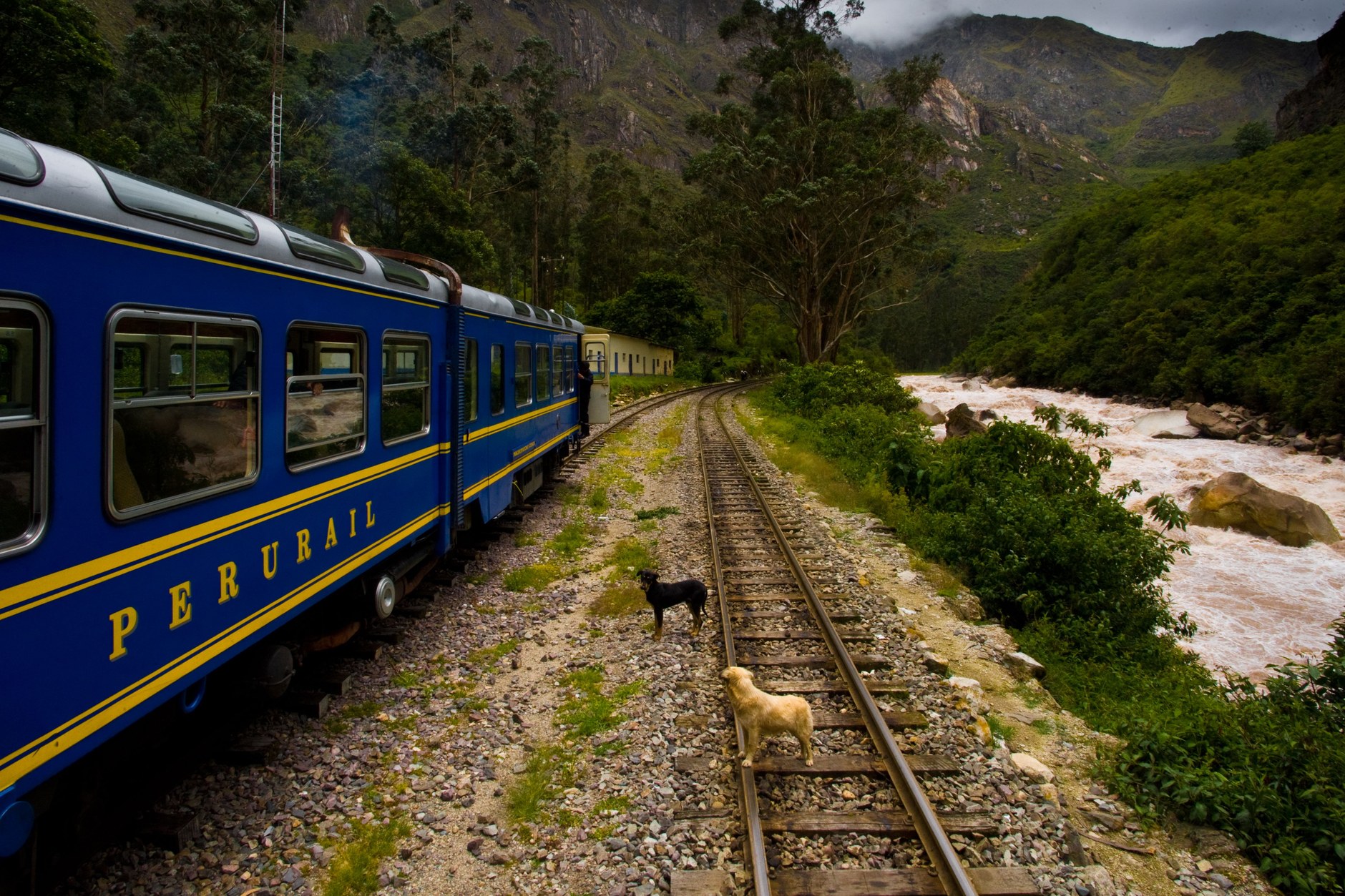
On Day 4, roll your small overnight bag to the Ollantaytambo railway station and board the panoramic PeruRail Vistadome or Inca Rail 360° train to Aguas Calientes (Machu Picchu Pueblo). The 90-minute journey winds along the thundering rapids of the Urubamba River, watching arid cactus valleys transform dramatically into lush, sub-tropical cloud forest draped in wild orchids and hanging moss.
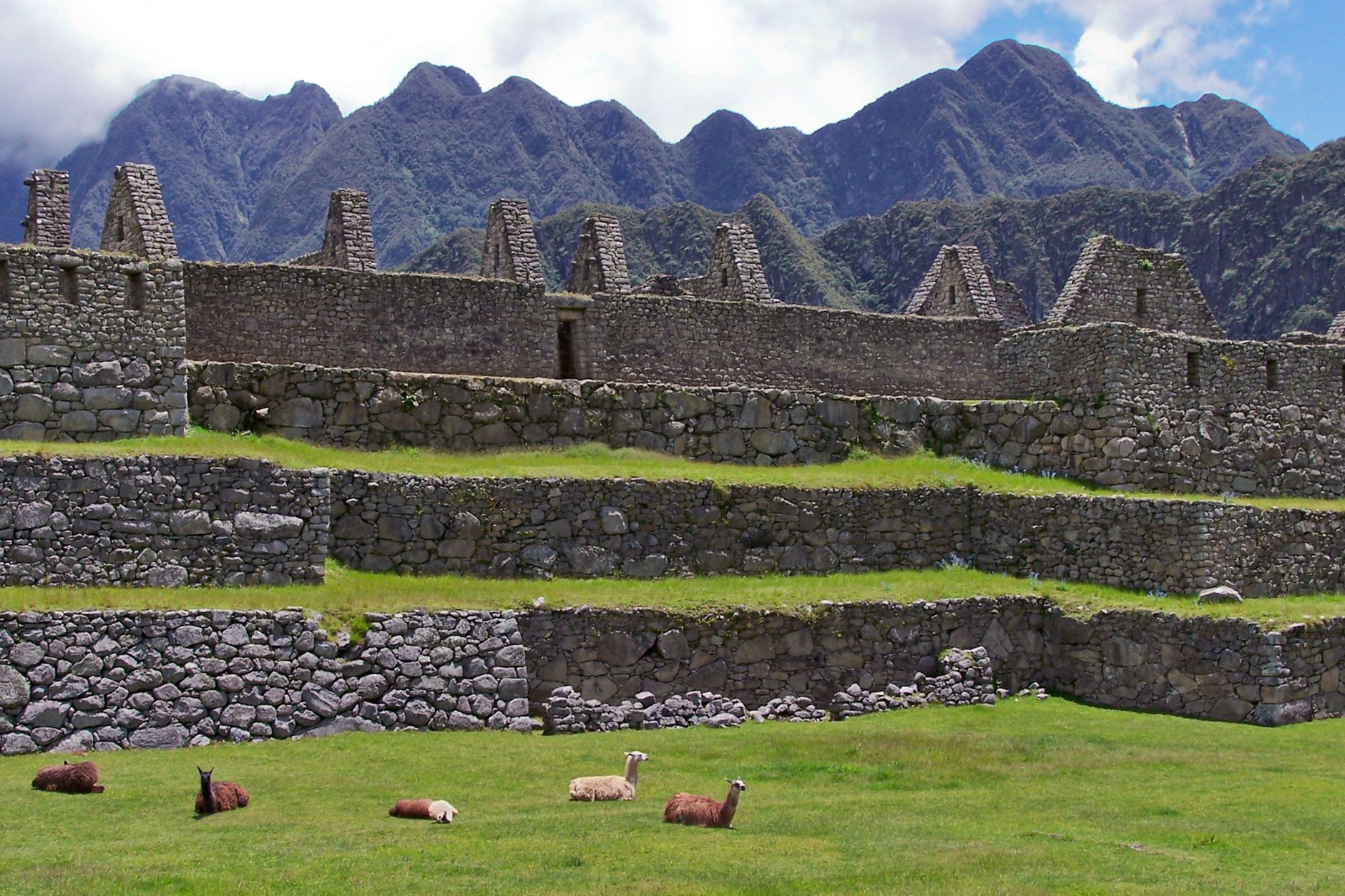
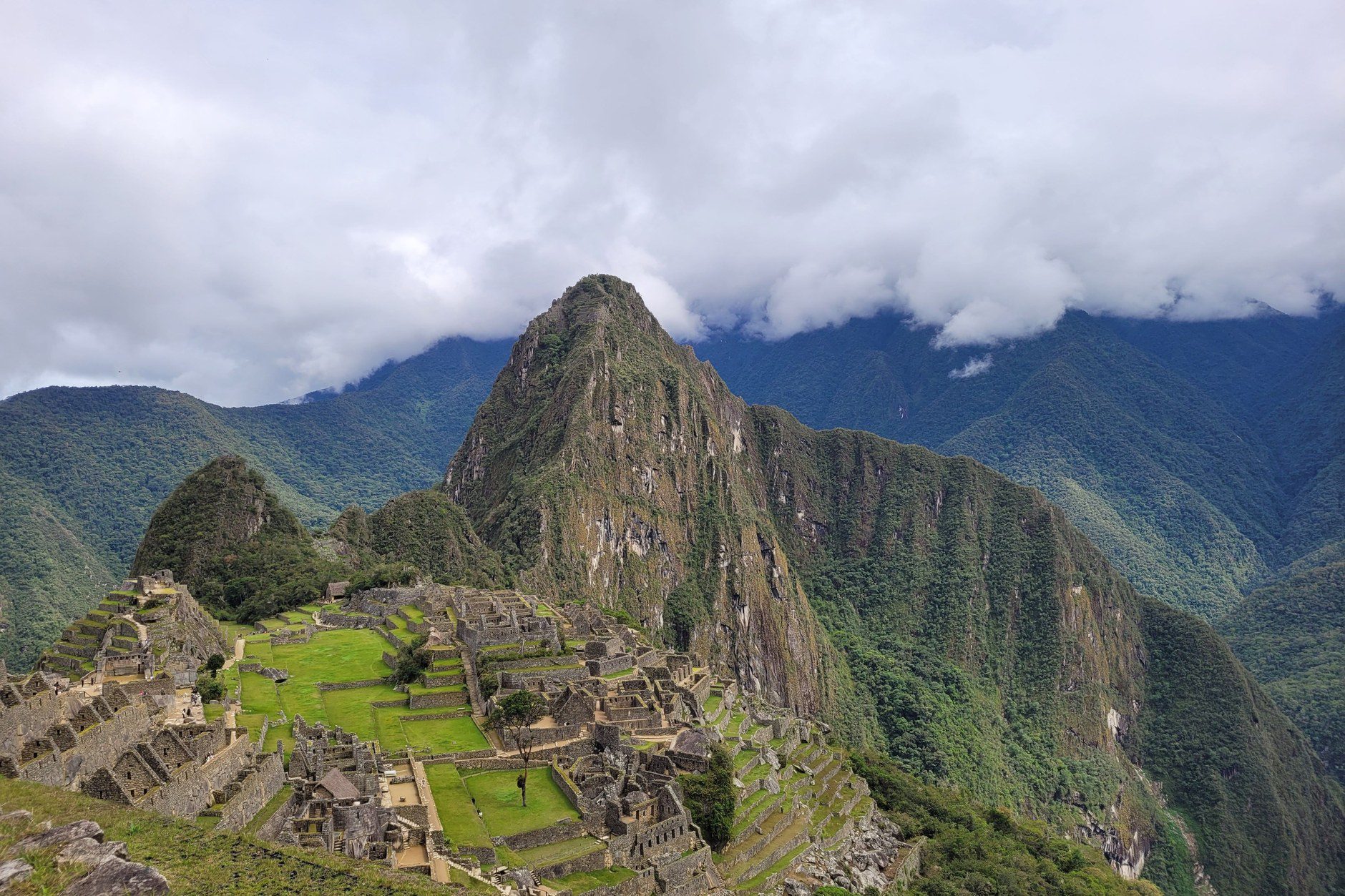
Check into your hotel in Aguas Calientes and board the green Consettur shuttle bus for the exhilarating 25-minute ascent up the steep switchbacks of the Hiram Bingham highway. Enter the UNESCO sanctuary of Machu Picchu (Circuit 2 Classic or Circuit 1 Upper Panoramic), emerging onto the upper agricultural terraces to take in the iconic view: 200 granite palaces, temples, astronomical observatories, and storehouses clinging to a narrow saddle between the emerald peaks of Huayna Picchu and Machu Picchu Mountain.
Hire a licensed local guide at the entrance to interpret the masterworks of Inca dry-stone masonry (ashlar), where multi-ton granite blocks are carved and fitted together so precisely that a knife blade cannot slip between them. Marvel at the Temple of the Sun, the Sacred Plaza, and the Intihuatana (“Hitching Post of the Sun”), an astronomical solar clock aligned with the solstices.
Stage 4: Cusco’s Imperial Heritage (Days 6–7)
On Day 6, board your return train to Ollantaytambo and transfer into a private vehicle heading up to Cusco (3,400 meters). Because your body has spent five full days producing red blood cells at lower elevations, you will step out into Cusco feeling energetic and clear-headed, ready to navigate its steep cobblestone streets with ease.
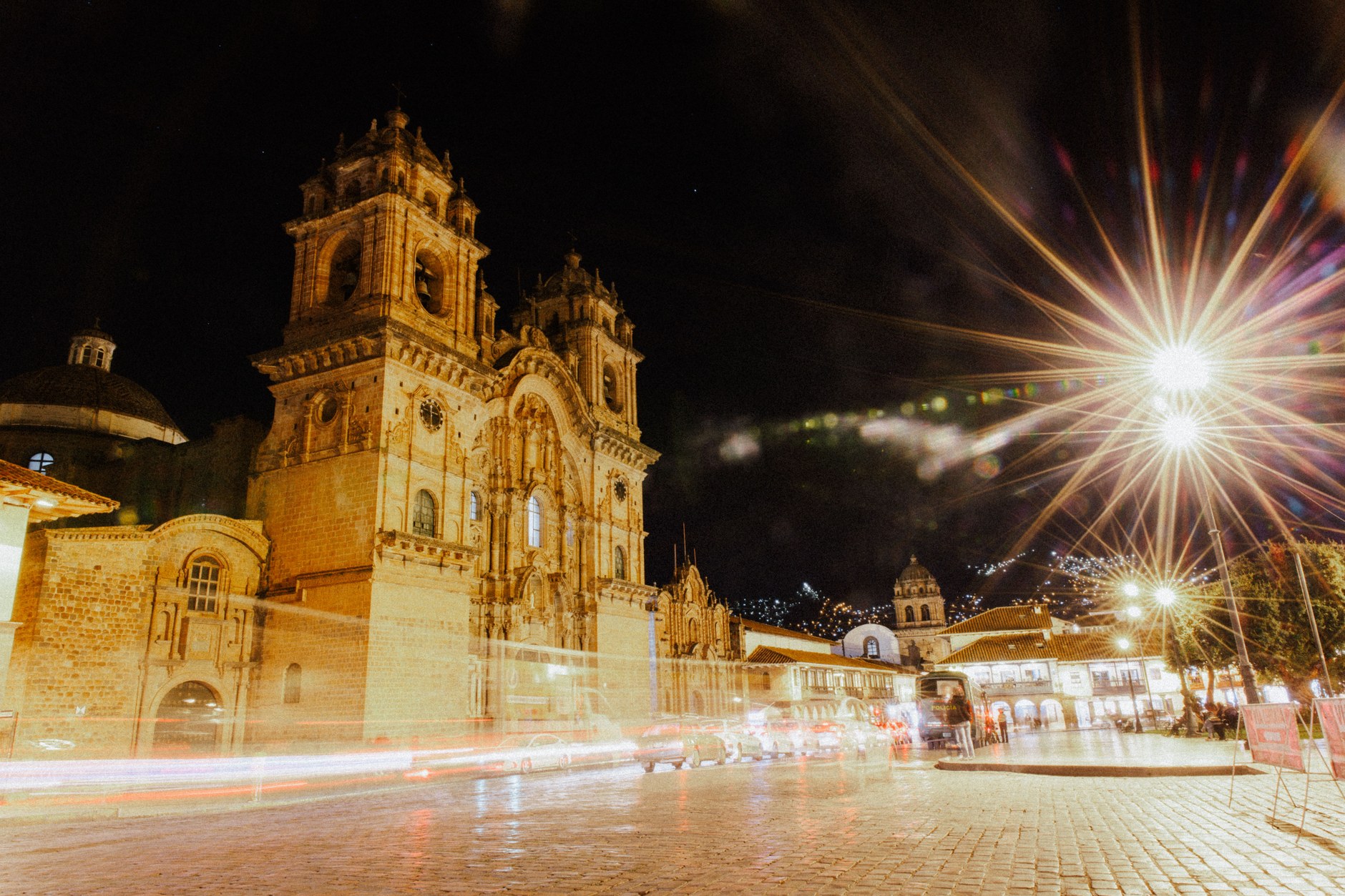
Base yourself in the historic heart of Cusco or in the artisan hillside neighborhood of San Blas. Begin your exploration in the monumental Plaza de Armas, touring the colossal Cathedral of Santo Domingo, whose interior houses the famed 1753 Last Supper canvas by Quechua artist Marcos Zapata depicting Christ dining on roasted guinea pig (cuy). Walk down Calle Hatun Rumiyoc to examine the celebrated Twelve-Angled Stone embedded in the palace wall of Inca Emperor Roca.
Continue down to Coricancha (The Temple of the Sun), the golden navel of the Inca universe. During the empire, its massive curved stone walls were sheeted in 700 plates of solid gold that reflected the morning sun. Spanish conquistadors stripped the gold and erected the Convent of Santo Domingo atop its foundations, but successive major earthquakes in 1650 and 1950 leveled the colonial masonry while the underlying Inca stone walls remained completely unscathed.
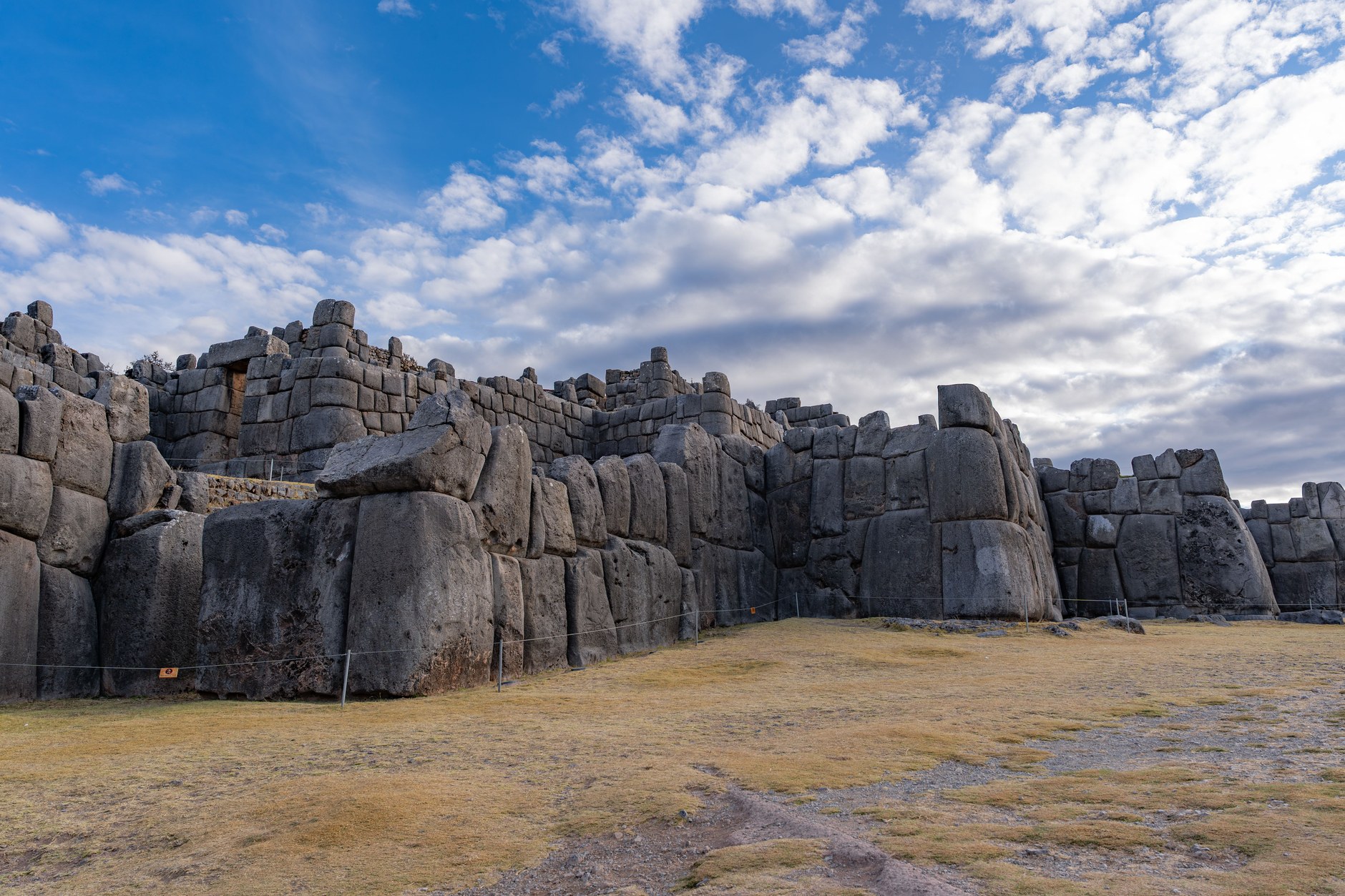
On Day 7, take a 10-minute taxi up the hill above Cusco to tour the monumental fortress-temple of Saqsaywamán. Its colossal three-tiered zigzagging megalithic walls are constructed from limestone boulders weighing over 120 metric tons, fitted with earthquake-resistant interlocking angles. In the afternoon, browse the colorful stalls of San Pedro Market to purchase Andean textiles and sample fresh passionfruit juices before packing for your morning flight to Lima and onward international departure.
Street Smarts: Tourist Scams, Altitude Sickness & Ticket Fraud in Peru
While the Peruvian people are exceptionally welcoming and hospitable, complex governmental ticketing regulations, high-altitude medical hazards, and predatory street hustlers can disrupt unprepared travelers. Protect your itinerary and finances with these verified street smarts:
- The Unofficial Third-Party Machu Picchu Ticket Website Trap: The Peruvian Ministry of Culture strictly regulates all daily visitor quotas to Machu Picchu through its official digital ticketing portal (tuboleto.cultura.pe). Numerous unauthorized third-party booking agencies and reseller websites charge 200% to 300% markups, sell invalid ticket circuits, or provide worthless reservation vouchers that are rejected at the sanctuary checkpoint. Never purchase tickets from unofficial commercial domains; book directly on the official governmental site 3 to 4 months in advance, and verify that your full legal passport number matches the ticket printout exactly.
- Altitude Sickness (Soroche) Denial & Phony Herbal Remedies: Flying straight from Lima to Cusco without acclimatization causes acute mountain sickness in up to 50% of travelers. Street pharmacies and hotel lobbies push expensive “soroche pills” (often just mild caffeine and aspirin compounds) or sugary candies claiming to cure altitude distress instantly. Defense: The only genuine physiological treatments for hypoxia are descending to lower altitude (the Sacred Valley), resting completely, drinking 3 to 4 liters of water daily, avoiding alcohol and heavy red meat on your first 48 hours, and consulting a physician for prescription Acetazolamide (Diamox) taken 24 hours prior to ascent.
- The Counterfeit Soles Bill Swap Scam (El Cambio de Billetes): Counterfeit currency is prevalent in Peru, particularly with mid-value Soles banknotes (PEN). When paying a taxi driver, market vendor, or souvenir seller with a genuine mid-value bill, an unscrupulous cashier may quickly palm your note under the counter, replace it with a counterfeit bill, and hand it back claiming, “This bill is fake / damaged, give me another.” Defense: Inspect your banknotes carefully before handing them over; note the watermark and color-shifting ink on the denomination number. In Peru, even tiny tears or pinholes will cause vendors to reject a bill. Pay small vendors with small notes or exact change.
- Unofficial Taxis & Express Kidnappings at Lima Airport: As you exit international customs at Jorge Chávez Airport (LIM), aggressive touts crowd around foreign travelers shouting “Taxi, official taxi!” Unlicensed taxis operating outside the terminal have been linked to overcharging, armed robberies, and “express kidnappings” where travelers are driven to ATMs and forced to withdraw their daily cash limit. Defense: Never walk outside terminal doors to flag a street cab. Use exclusively licensed taxi counters located directly inside the international baggage hall—such as Taxi Green, Taxi Directo, or Taxi 365—where fares are fixed (roughly a cash sum to Miraflores), or pre-book through your hotel.
- The Fake “Baby Alpaca” Acrylic Souvenir Swindle: Souvenir shops in Cusco and Pisac advertise soft knit sweaters, scarves, and blankets as “100% Baby Alpaca” for a cash sum. In reality, over 90% of budget market textiles are machine-woven from synthetic acrylic, polyester, and low-grade sheep wool. Defense: Genuine baby alpaca feels cool to the touch when first handled, is noticeably heavy, has no oily sheep lanolin smell, and possesses natural hollow-fiber thermal density. If you want certified, authentic alpaca garments, buy from certified fair-trade cooperatives (such as Awana Kancha) or licensed heritage brands (such as Kuna or Sol Alpaca).
- Aggressive Photo Traps with Indigenous Women & Lambs in Cusco: In Cusco’s Plaza de Armas and outside the Twelve-Angled Stone, women and children dressed in vibrant traditional indigenous pollera skirts hold adorable baby alpacas or lambs, smiling and inviting tourists to take a photo. The moment you snap a picture, three more relatives will suddenly surround you aggressively demanding a cash payment per person in the frame. Defense: If you wish to photograph indigenous people, always ask polite permission first (“¿Puedo tomar una foto?”) and agree upon a modest tip beforehand. Never snap candid photos without permission.
Carrying small change in Soles, verifying your tickets directly on official governmental portals, and maintaining respect for Andean altitude limits will keep your journey through Peru safe, rewarding, and culturally profound.
Data Connectivity Across Lima and the Sacred Valley
Continuous mobile internet connectivity is vital when navigating Peru. Displaying digital Machu Picchu entrance tickets and train boarding passes, coordinating private driver pickups in rural Sacred Valley towns, translating Quechua and Spanish phrases via Google Translate, and monitoring high-altitude health apps all depend on a stable cellular data connection.
Peru’s telecommunications infrastructure is anchored by primary tier-one network operators: Movistar (Telefónica) and Claro Peru. Movistar and Claro provide robust 5G speeds across metropolitan Lima and Cusco, along with reliable 4G/LTE coverage throughout the Sacred Valley towns of Urubamba and Ollantaytambo, and at the base of Machu Picchu Pueblo (Aguas Calientes). However, buying a physical plastic SIM card upon landing at Lima Airport requires standing in long retail queues and undergoing mandatory biometric fingerprint validation under Peruvian telecommunications security laws.
The modern, reliable choice is an NXTL Peru travel eSIM. Your phone connects directly to tier-one Movistar and Claro networks at transparent prepaid rates starting from just $2.95 per gigabyte. There is no physical SIM card swap, no bureaucratic biometric fingerprint registration, and no expiring contracts: you pay only for the exact bandwidth you consume. Here is an estimated data usage breakdown for a 7-day Peru journey:
| Travel Style & Usage Profile | Daily Online Activities | 7-Day Total Bandwidth | Estimated Data Cost (@ $2.95/GB) |
|---|---|---|---|
| Light Navigator (Tickets & city maps) |
Machu Picchu digital ticket display, PeruRail train passes, Google Maps navigation, WhatsApp messaging | 2 GB – 4 GB | $5.90 – $11.80 |
| Balanced Explorer (Social sharing & research) |
All navigation, Google Translate camera OCR, Instagram story uploads, restaurant research, driver coordination | 5 GB – 8 GB | $14.74 – $23.59 |
| Heavy Digital Nomad (Remote work & tethering) |
Laptop tethering from valley lodges, video calls, cloud photo backups, YouTube/Spotify streaming | 10 GB – 15 GB | $29.49 – $44.23 |
Install your NXTL eSIM profile on your phone prior to boarding your flight to Lima. When your plane touches down at Jorge Chávez International Airport, activate your data line to order an authorized taxi ride or message your Sacred Valley driver before you even clear customs.
Trip Variations: Adjusting for Time and Fitness
If You Have Only 5 or 6 Days
If you have less than a week, bypass spending time in Lima entirely upon landing. Take an immediate connecting flight to Cusco and descend straight to the Sacred Valley for two nights, take the morning train to Machu Picchu for one night, and spend your final night in Cusco before flying home. This keeps the altitude-smart structure intact while fitting the essential wonders into five days.
If You Have 10 to 12 Days
With an extra four to five days, you can expand this itinerary to explore southern Peru’s dramatic geological and colonial heritage. Take the luxurious PeruRail Titicaca train across the high Altiplano from Cusco to Puno on the shores of Lake Titicaca to visit the floating reed islands of the Uros people. Alternatively, fly southwest to the colonial “White City” of Arequipa and embark on a two-day excursion into Colca Canyon to watch majestic Andean Condors soar on morning thermal updrafts.
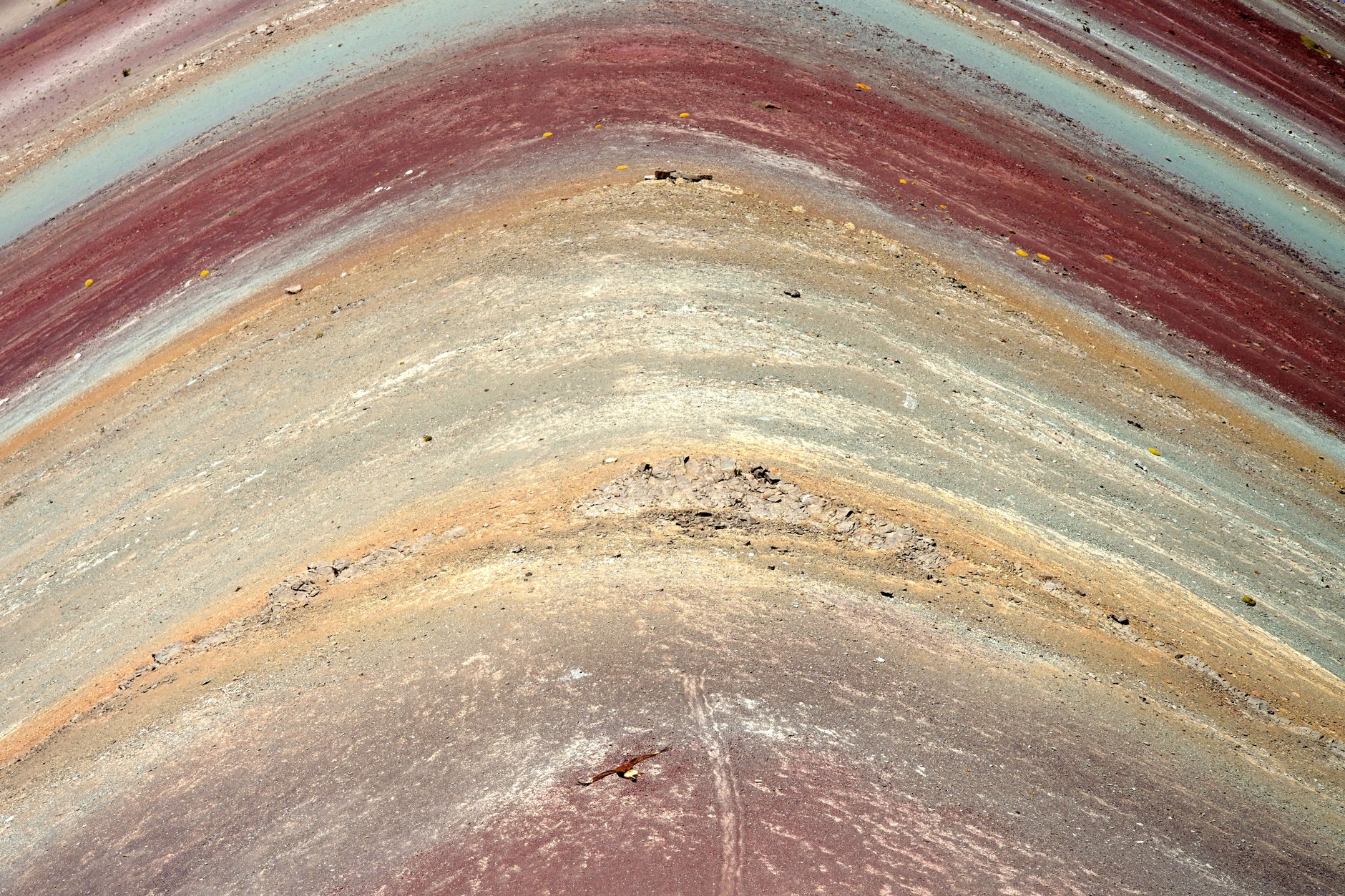
If you consider tackling the day hike to Rainbow Mountain (Vinicunca), remember that its summit trail sits at an extreme elevation of 5,200 meters (17,060 feet)—higher than Mont Blanc. Attempt this strenuous day hike only on Day 7 or 8 after full physiological acclimatization in Cusco, carry warm thermal layers, and ensure your tour operator provides emergency bottled oxygen canisters.
Best Times to Visit
The Andean dry season runs from May through October, offering bright blue skies, crisp sunny days, and virtually no rain, making it the premier window for hiking and Machu Picchu photography. Peak tourist numbers occur in July and August. The rainy season runs from November through April, with January and February experiencing the heaviest downpours (the classic 4-day Inca Trail foot trail is closed for maintenance every February). However, the rainy season brings lush emerald-green terraces and significantly fewer crowds.