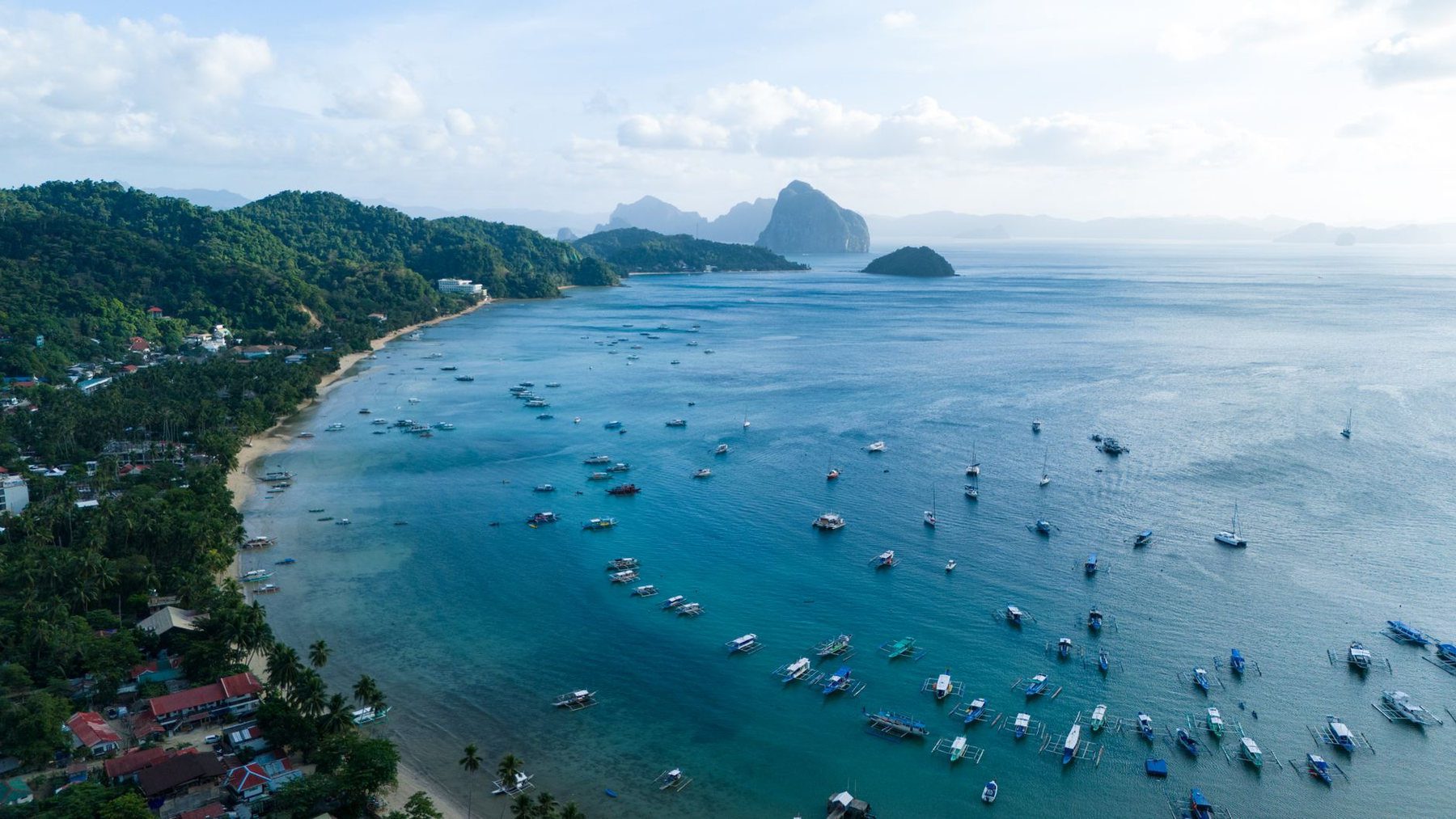
With more than 7,600 islands fringed by blinding white sands and turquoise coral lagoons, the Philippines is an archipelagic paradise of extraordinary natural beauty and radiant hospitality. Here, you glide on motorized outrigger bangkas past towering limestone karst cliffs, snorkel alongside gentle green sea turtles, and feast on succulent roasted lechon pork belly in bustling night markets.
However, the archipelagic geography means that island-hopping requires strategic logistics. The single biggest rookie error is trying to cram five distant islands into a ten-day itinerary, spending your entire vacation stranded in airport transfers or delayed ferry terminals. The golden formula for a stress-free first trip is focusing on one connected cluster: Cebu, Bohol, and the jaw-dropping beauty of Palawan. This guide provides an executable route, ferry mechanics, wildlife ethics, scam warnings, and essential global data connectivity.
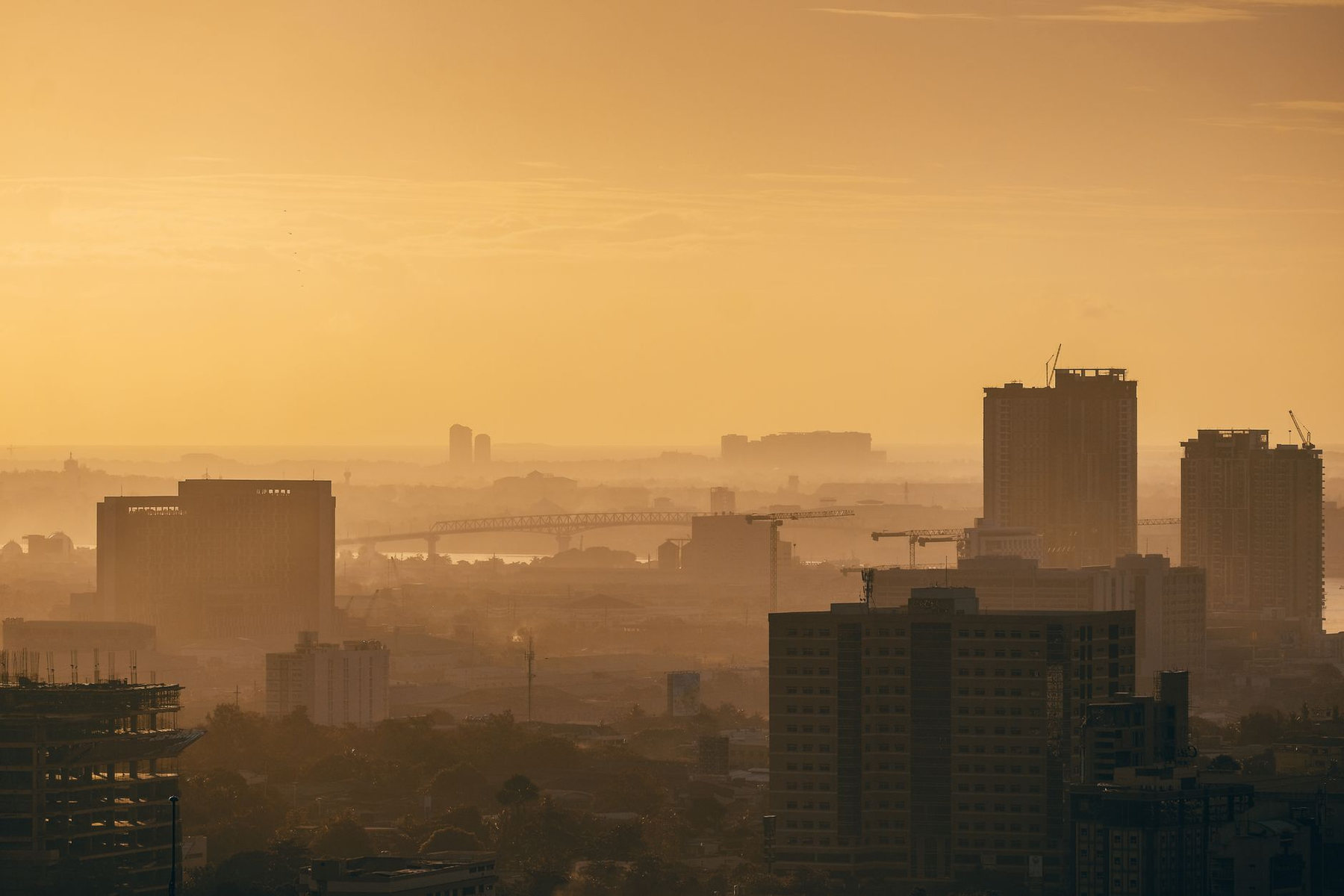
Manila: The Historic Walls of Intramuros and Colonial Splendor
Most international journeys arrive in Manila. Before catching a domestic flight to the islands, spend a morning exploring Intramuros, the 16th-century walled fortress city built during Spanish colonial rule. Walk atop thick volcanic stone ramparts shaded by fragrant frangipani blossoms to Fort Santiago, where national hero Dr. José Rizal was imprisoned before his execution.
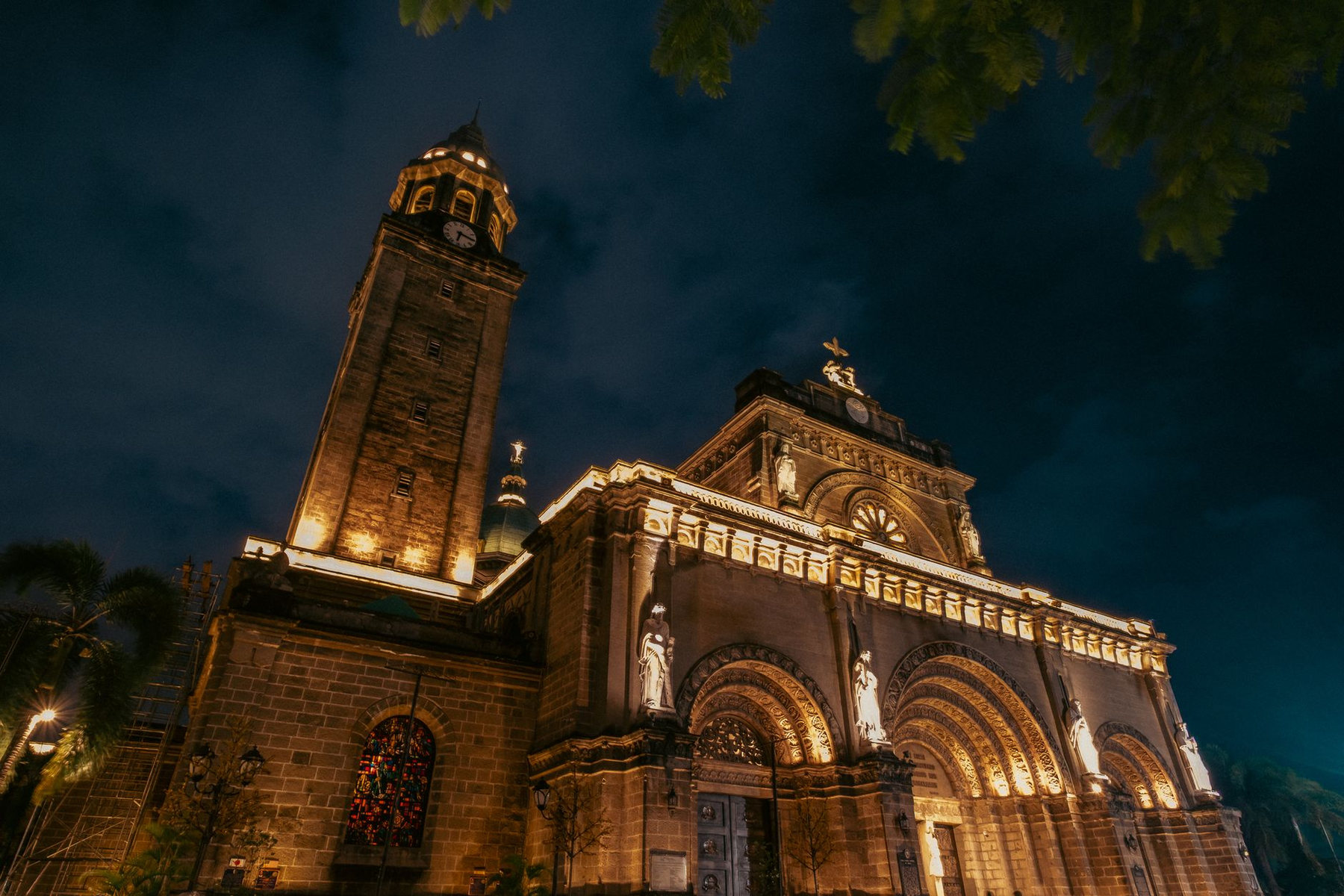
In Plaza de Roma, admire the grand neo-Romanesque facade of the Manila Cathedral, with its carved stone tympanum and stained-glass windows. Just down the street stands San Agustin Church, a UNESCO World Heritage site and the oldest stone building in the Philippines, featuring breathtaking trompe-l’œil ceiling frescoes and a serene monastery cloister courtyard that miraculously survived the heavy artillery bombardment of the 1945 Battle of Manila.
Cebu City: The Vibrant Cultural Crossroads and Capital of Lechon
Board a short domestic flight from Manila to Cebu, the economic and cultural heart of the Visayas region. In downtown Cebu City, visit Magellan’s Cross—planted by Portuguese explorer Ferdinand Magellan in 1521—and the Basilica Minore del Santo Niño, which houses the revered centuries-old statue of the Child Jesus.
Cebu is universally recognized as the lechon capital of the world. Whole suckling pigs are stuffed with lemongrass, garlic, onions, and star anise, then slow-roasted over coconut-husk charcoal until the crackling is paper-thin and crunchy. Pull up a chair at Rico’s Lechon or House of Lechon and dip tender pork chunks into spiced vinegar infused with local calamansi citrus and fiery chili peppers.
Bohol: The Conical Geological Wonder of the Chocolate Hills
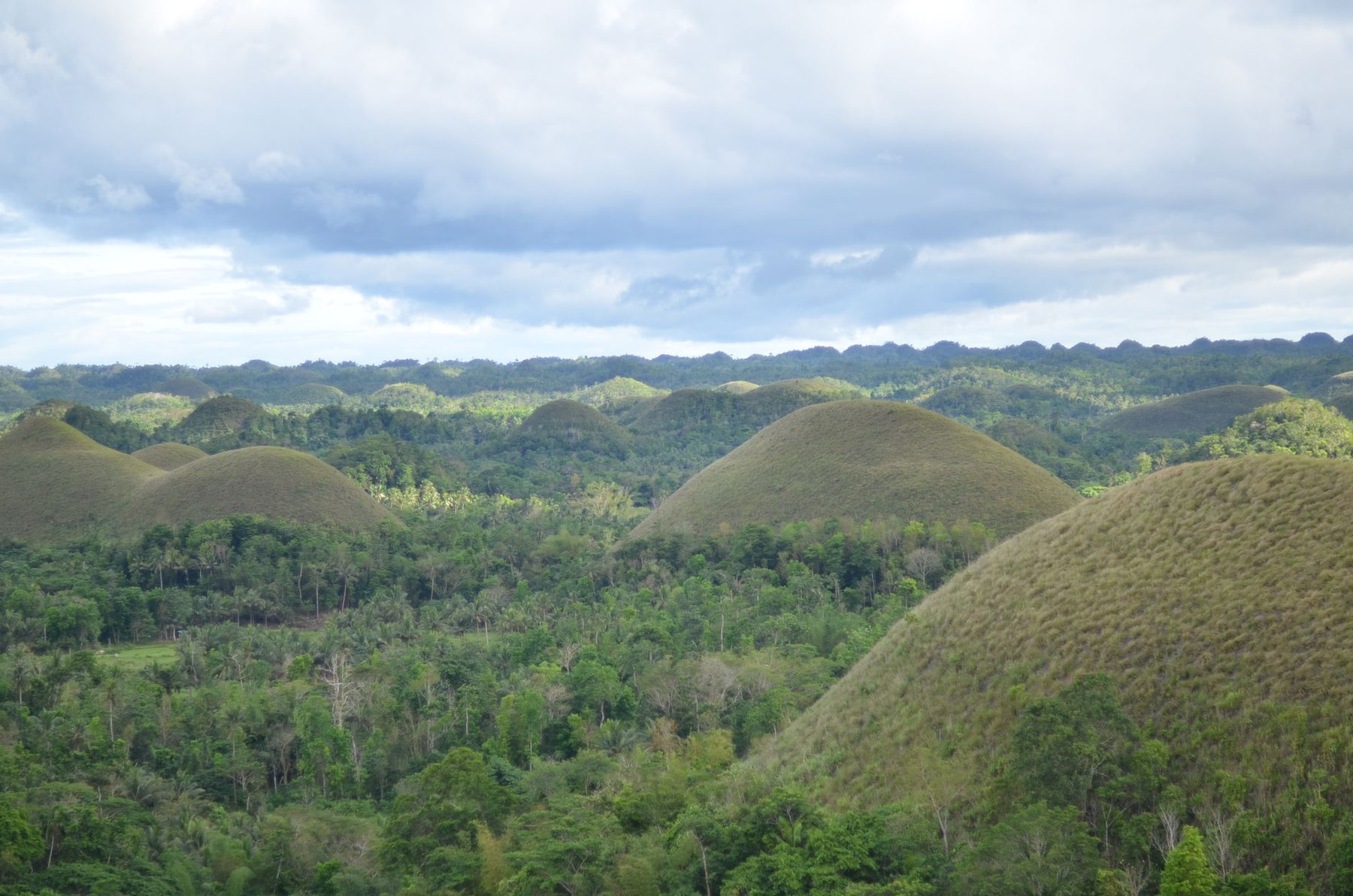
From Cebu Pier 1, take a comfortable two-hour high-speed ferry to Tagbilaran, Bohol. Bohol is an enchanting island of lush rural landscapes, peaceful rivers, and geological marvels. At its geographic center stand the Chocolate Hills, an extraordinary formation of more than 1,200 perfectly symmetrical conical limestone hills spreading across fifty square kilometers.
During the dry season from December through May, the lush green grass covering the mounds dries out and turns a rich cocoa brown—giving the landscape its famous confectionery nickname. Climb to the observation deck in Carmen for a stunning view of rolling chocolate-colored mounds extending endlessly to the horizon.
Meeting the World's Smallest Primate: The Philippine Tarsier
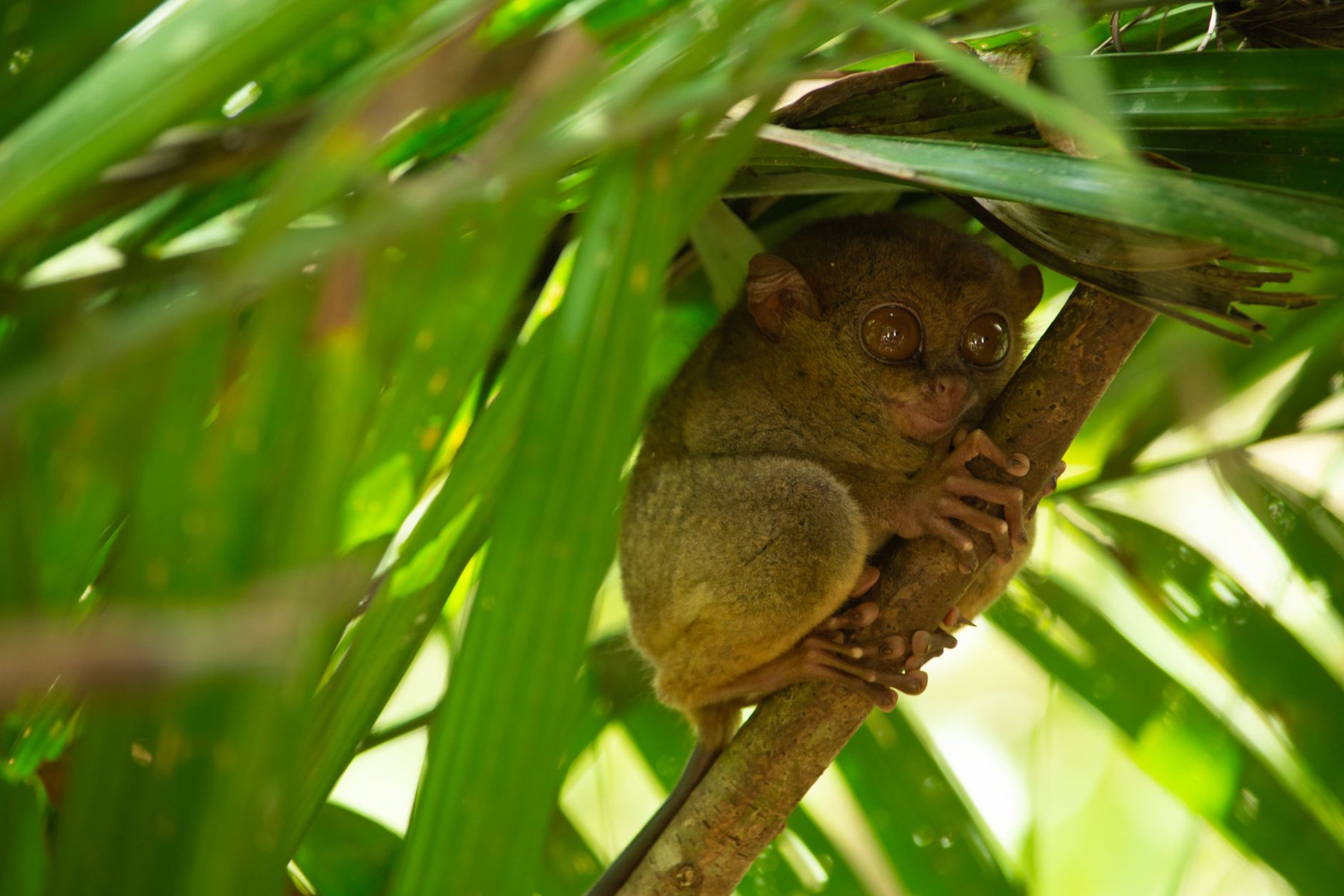
In Corella, Bohol, visit the Philippine Tarsier Sanctuary, an ethical conservation project dedicated to protecting one of the planet’s smallest and most endangered primates. Measuring just 10 to 15 centimeters and weighing about 120 grams, the tarsier possesses enormous, saucer-like amber eyes that cannot rotate in their sockets; instead, the animal can twist its head a full 180 degrees like an owl.
Tarsiers are nocturnal, territorial, and extremely sensitive to loud noises and bright lights (stress can cause them to harm themselves). When visiting, maintain total silence, keep a respectful distance, and make certain your camera flash is turned off before entering the sanctuary grounds.
Panglao Island: Powder Sands and Sea Turtle Encounters
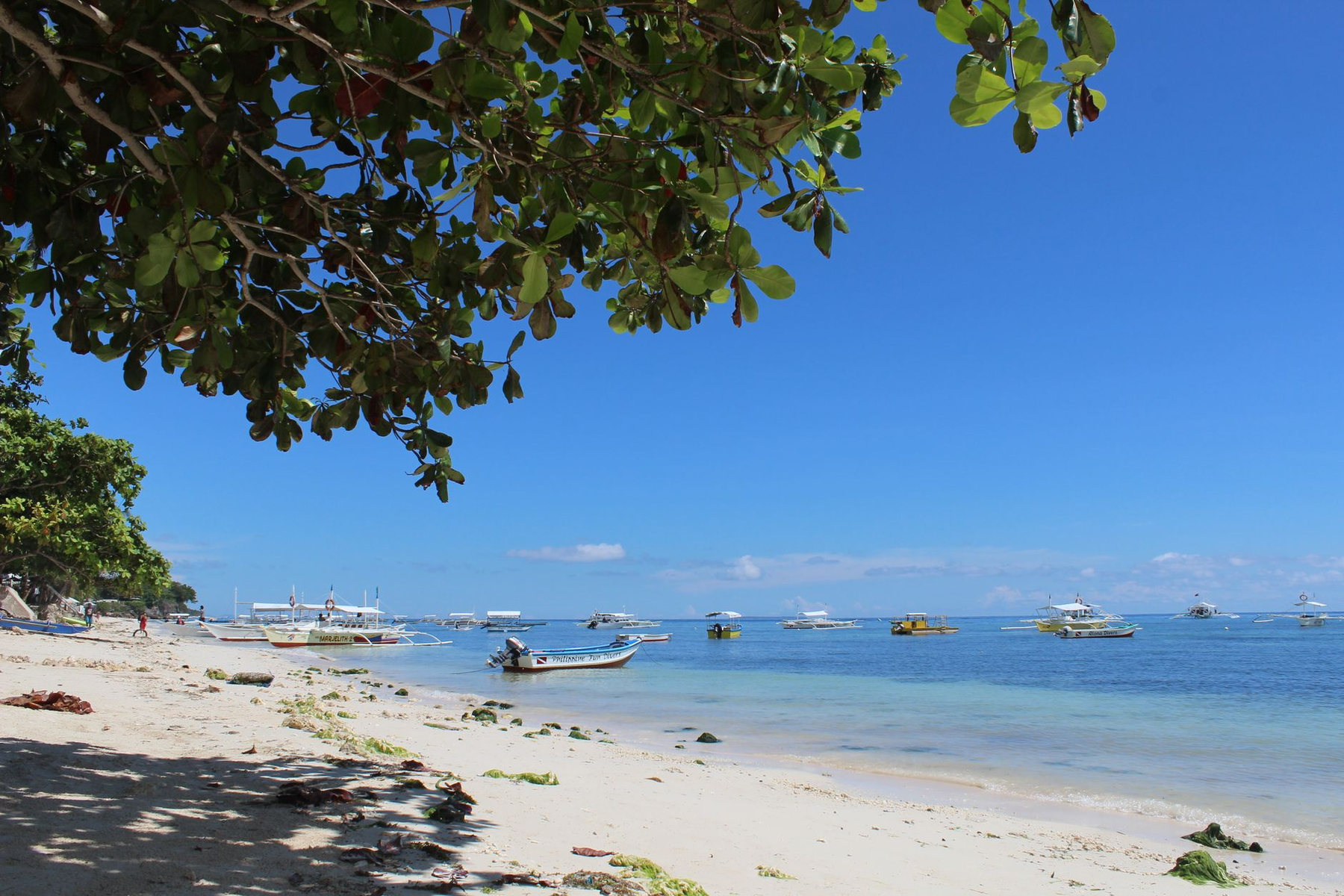
Connected to southwest Bohol by short road bridges lies Panglao Island, a tropical retreat of powder-soft white sand and warm turquoise sea. While Alona Beach is the buzzing social strip with beachfront dive resorts and reggae bars, Dumaluan Beach and White Beach offer quiet stretches of palm-fringed shoreline perfect for relaxing.
Panglao is also the launchpad for boat excursions to the Balicasag Island Marine Sanctuary. Strap on a mask and snorkel to float above pristine coral reefs teeming with colorful parrotfish, clownfish, and dozens of resident green sea turtles grazing peacefully on sea grass beds right along the sheer marine drop-off.
Ferry Mechanics: Crossing the Visayan Sea and the Golden Buffer Rule
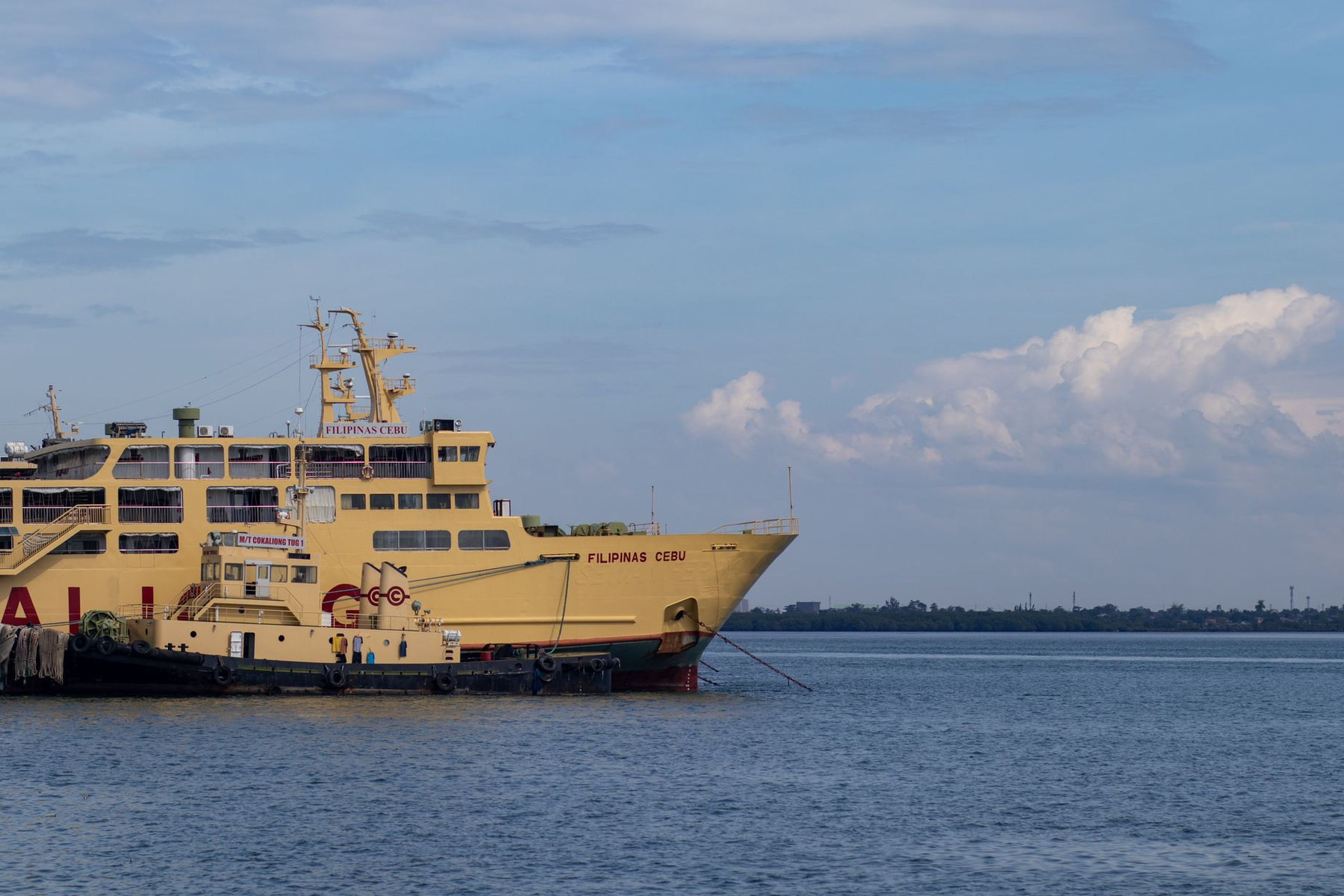
Traveling between Cebu and Bohol is simple aboard modern fast-craft catamarans operated by companies like OceanJet from Cebu Pier 1 to Tagbilaran Port. Departures run every 60–90 minutes throughout the day, and you can easily reserve seats online or at port ticketing windows.
The Golden 24-Hour Buffer Rule: In the Philippines, tropical squalls and typhoon warnings issued by the state weather bureau PAGASA national weather bureau cause the Philippine Coast Guard to immediately halt all inter-island ferries and small propeller planes for safety. NEVER schedule an island ferry crossing or a regional domestic flight on the exact same day as your international flight out of Manila or Cebu. Always build in a 24-hour buffer in your international gateway city to guarantee you never miss your long-haul flight home.
Palawan: The Crown Jewel Lagoons of Coron and El Nido
From Cebu, take a direct domestic flight to Palawan, frequently voted by international travel publications as the most stunning island on Earth. Northern Palawan’s El Nido and Coron are the undisputed highlights of Philippine island hopping.
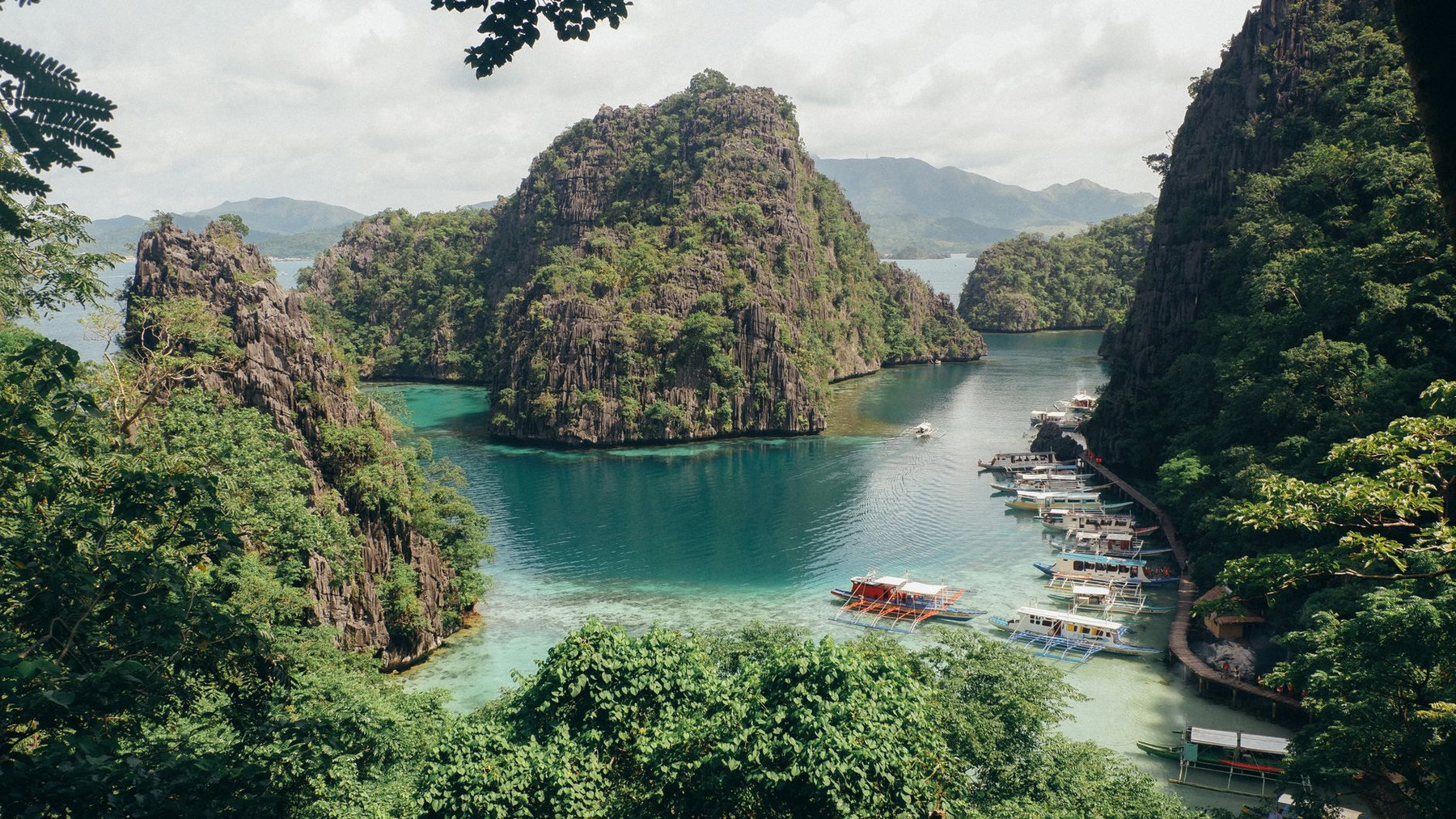
In Coron, board a traditional wooden bangka outrigger to cruise through emerald waters framed by razor-sharp limestone pinnacles. Swim in Kayangan Lake, celebrated for having some of the purest freshwater in Asia, where underwater rock formations resemble submerged gothic cathedrals. Coron is also world-renowned for its fleet of sunken World War II Japanese naval shipwrecks resting in shallow coastal waters, creating a magnificent playground for scuba divers and snorkelers.
The 10-to-12 Day Island-Hopping Itinerary
Here is an expertly balanced, realistic day-by-day route:
• Days 1–2: Arrival in Manila, domestic connection to Cebu City. Explore Magellan’s Cross and feast on authentic Cebu lechon.
• Days 3–5: Bohol & Panglao. Morning OceanJet ferry to Tagbilaran. Day 3: Settle into your Panglao beach resort. Day 4: Bohol countryside tour (Chocolate Hills, Corella Tarsier Sanctuary, Loboc River cruise). Day 5: Snorkeling with sea turtles at Balicasag Island.
• Days 6–9: Palawan (El Nido or Coron). Direct flight from Cebu to El Nido (Lio Airport) or Coron/Busuanga (USU). Days 6–8: Outrigger boat tours to Big Lagoon, Secret Lagoon, Kayangan Lake, and Twin Lagoon. Day 9: Relax on powdery Nacpan Beach.
• Days 10–12: Return to Manila/Cebu Buffer. Fly to Manila, explore Intramuros, shop for artisan pearls and dried mangoes, and depart for home with zero flight stress.
Staying Connected: The NXTL Global eSIM for Philippine Island Hopping
Across the Philippine archipelago, reliable mobile internet is essential for coordinating island boat tours, checking ferry sailings, monitoring typhoon warnings from PAGASA, booking tricycles, and keeping friends updated back home. While remote island lagoons have natural dead zones, having reliable cellular coverage at ports, resorts, and airports keeps your logistics running smoothly.
Skip the long SIM registration queues and unreliable airport booths. With the reusable NXTL Global eSIM, you install one single global eSIM profile that stays active across 180+ countries and 460+ local partner networks worldwide.
The instant your plane touches down in Manila or Cebu, your phone connects automatically to the country’s top telecom networks—Globe Telecom and Smart Communications—delivering fast 5G and 4G LTE coverage across the Visayas, Palawan, and Luzon.
What makes NXTL ideal for travel is that your balance never expires, and there are no restrictive day-based packages. You start for just $11.99, which includes $10 usable balance right away. If you only consume $4 worth of data during your island stay, the remaining $6 stays in your account indefinitely, ready for your next adventure. Because your home physical SIM stays active in your dual-SIM phone, you continue receiving crucial two-factor bank security texts and family calls without paying painful international carrier roaming fees.
Realistic Daily Data Budget for Traveling in the Philippines:
• Island Maps, Ferry Tracking & Flight Check-in: ~60–90 MB per day.
• Boat Captain Coordination & Messaging (WhatsApp, Facebook Messenger): ~50–80 MB per day (Messenger is the universal platform used by local tour guides and boatmen).
• Weather Bulletins & Coast Guard Updates: ~25–40 MB per day.
• Island Photos & Lagoon Video Uploads: ~250–380 MB per day.
A data plan of 5 GB to 8 GB will comfortably cover a 10 to 12-day island route, with seamless top-ups available inside the NXTL dashboard.
Scams, Airport Taxis, Island Cash, and Practical Hacks
To ensure a seamless tropical journey, keep these battle-tested travel hacks in mind:
• Manila Airport Taxi Traps: At Manila NAIA airport terminals, aggressive touts will try to guide you to unmetered white private cars demanding 1,500–2,500 PHP for a 300 PHP trip, or porters will grab your luggage trolley and demand huge tips. Head to the official Grab ride-hailing booth outside arrivals, or queue for the official metered Yellow Taxis or pre-paid fixed-rate Coupon Taxis with official printed destination receipts.
• Island Cash is Non-Negotiable: Remote islands like El Nido, Coron, and rural Bohol frequently suffer from ATM cash shortages, power cuts, or offline satellite links. Always withdraw plenty of cash Philippine Pesos (PHP) at the airport in Manila or Cebu before flying to smaller islands. Note: all Philippine ATMs charge a mandatory 250 PHP fee on foreign cards; always decline Dynamic Currency Conversion (DCC) at the screen to avoid an extra 6%–10% markup.
• Confirm Tricycle Fares Upfront: When boarding a motorized tricycle, confirm the fare beforehand and clarify whether the quote is for the whole vehicle or per person. Ask your hotel receptionist for standard local rates beforehand so you know the fair price.
• Eco-Tourism Fees & Bangka Dry Bags: Most island destinations charge an Environmental Users Fee (typically 200–400 PHP) valid for 10 days. Always keep your paper receipt in a waterproof pouch. Additionally, bring a 10L–20L waterproof dry bag: boarding outrigger bangkas usually requires wading through waist-deep surf, and ocean spray is inevitable.
• Mandatory eTravel Registration: All international travelers must register on the official Philippine eTravel digital portal within 72 hours before departing for the Philippines. Registration is completely free; beware of scam websites that charge fees for this form.