Poland surprises first-time visitors with the sheer speed, sophistication, and seamlessness of its modern transportation spine. Too many international travelers mistakenly rent cars at Warsaw Chopin or Kraków Airport, picturing romantic drives through rolling countryside. Instead, they find themselves ensnared in stressful suburban highway gridlock, navigating dense ring-road construction, and paying exorbitant daily parking garage fees in historic city centers where cars are either strictly banned or completely useless.
The vastly superior way to explore Poland’s cultural core is by riding the rails. Poland has invested billions of euros into modernizing its national railway network (PKP Intercity), spearheaded by sleek Express InterCity Premium (EIP) Pendolino trains capable of whisking passengers between city centers at speeds up to 200 km/h. This carefully calibrated 7-day rail journey from Kraków to Warsaw and Gdańsk connects Poland’s majestic royal past, its poignant wartime resilience, and its maritime Hanseatic beauty—with zero highway stress, zero parking tickets, and direct terminal-to-terminal efficiency.
| Day / Stage | Overnight Base | Key Highlights | Transit & Rail Logistics | Essential Advance Bookings | What to Skip / Save |
|---|---|---|---|---|---|
| Days 1–2: Royal Heritage | Kraków (Old Town or Kazimierz) | Rynek Główny (Europe’s largest medieval square), St. Mary’s Basilica trumpet call (hejnał), Cloth Hall (Sukiennice), Wawel Royal Castle & Cathedral, atmospheric alleys of Kazimierz | Kraków Airport (KRK) to Kraków Główny via Koleje Małopolskie airport train (17 min, 17 PLN); walkable historic center | Wawel Castle State Rooms & Royal Tombs timed admission; St. Mary’s Basilica nave entry | Skip renting a car or booking private airport shuttles; the modern airport train departs every 30 minutes straight into central station |
| Day 3: Memory & Excursions | Kraków (Kazimierz) | Day excursion choice: UNESCO Wieliczka Salt Mine underground chambers OR Auschwitz-Birkenau State Memorial in Oświęcim | Wieliczka: 22 min via SKA1 commuter rail (5.50 PLN); Oświęcim: 1 hr 40 min via regional train or direct Lajkonik coach (22 PLN) | Official Auschwitz-Birkenau educator-guided pass (reserve 60–90 days ahead at visit.auschwitz.org); Wieliczka Tourist Route slot | Skip commercial third-party reseller tour buses charging $79.09–$101.68; booking direct on official memorial websites costs under $28.25 with rail transit |
| Days 4–5: Rebirth & Modernity | Warsaw (Śródmieście or Powiśle) | Warszawa Centralna arrival, Palace of Culture & Science terrace, Warsaw Rising Museum, Royal Łazienki Park Palace on the Isle, meticulously reconstructed Old Town (Stare Miasto) | Kraków Główny to Warszawa Centralna via PKP EIP Pendolino (2 hr 15 min, 169 PLN 2nd class); city transit via Metro lines M1/M2 and modern trams | PKP Intercity EIP reserved seat ticket via Intercity.pl (booking opens exactly 30 days ahead for promo 49–79 PLN fares); Warsaw Rising Museum ticket | Skip attempting to drive between Kraków and Warsaw; highway S7 takes over 4 hours with heavy commercial freight traffic, while the train takes just over 2 hours |
| Days 6–7: Baltic Hanseatic Splendor | Gdańsk (Główne Miasto) | Ulica Długa & Długi Targ (Long Market), Neptune Fountain, St. Mary’s Church tower climb, historic Motława waterfront & Żuraw crane, Museum of the Second World War, Sopot Baltic pier | Warszawa Centralna to Gdańsk Główny via PKP EIP Pendolino (2 hr 30 min, 169 PLN); Gdańsk to Sopot via SKM urban train (15 min, 5 PLN) | PKP EIP Warszawa–Gdańsk seat reservation; Museum of the Second World War timed admission (essential during peak summer) | Skip taking expensive taxis to the seaside; the frequent SKM commuter train runs every 10–15 minutes connecting Gdańsk, Sopot, and Gdynia for pocket change |
Audience, Seasonality, and Rail Strategy
By relying on Poland’s premier rail corridors, you arrive refreshed in the true heart of each city. Both Kraków Główny and Warszawa Centralna connect directly to modern shopping hubs, tram lines, and pedestrian zones, allowing you to check into your hotel and begin exploring within minutes of stepping off the train.
Days 1–2: Royal Heritage
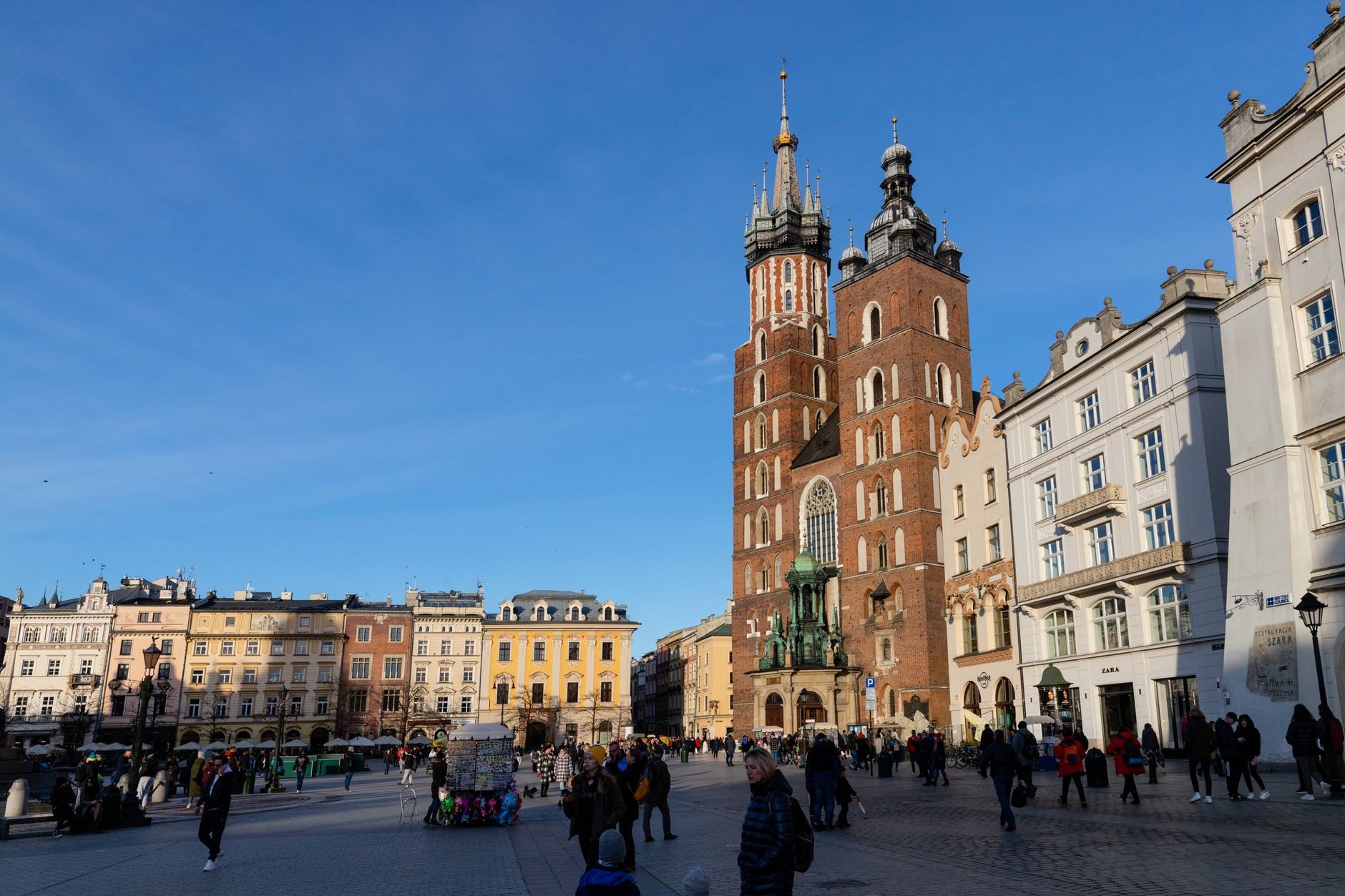
Kraków provides the perfect starting chapter for your Polish journey because it escaped the catastrophic physical devastation that leveled Warsaw during World War II. Its medieval urban core remains impeccably preserved. Begin your exploration at Rynek Główny, the magnificent 13th-century central square anchored by the cavernous Renaissance Cloth Hall (Sukiennice), where amber traders and craftsmen have sold their wares for centuries. Every hour on the hour, listen for the clear, haunting bugle notes of the hejnał mariacki sounding from the taller spire of St. Mary’s Basilica, abruptly cutting off mid-melody to commemorate the historic trumpeter struck by a Mongol arrow in 1241.
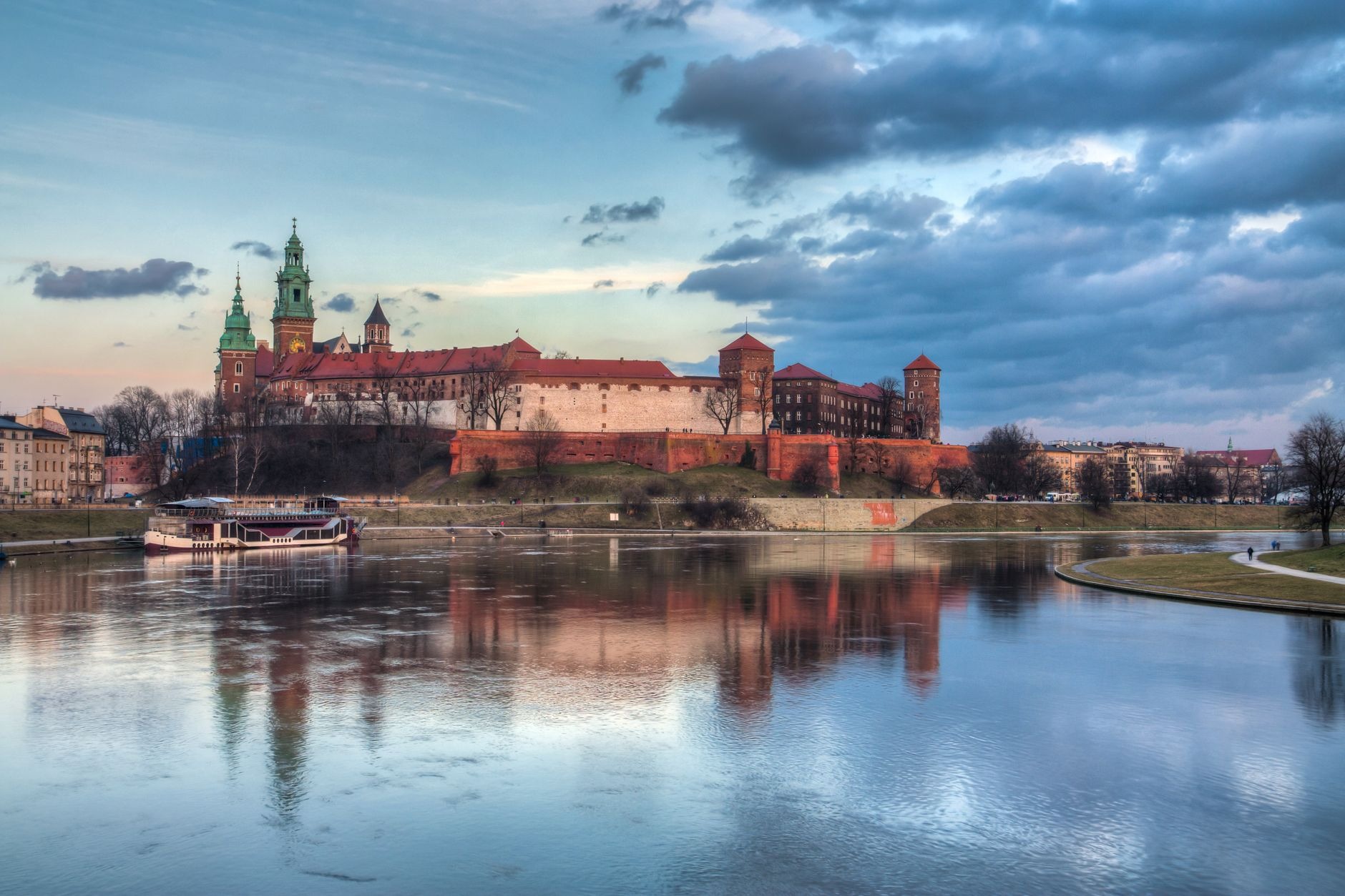
Follow the Royal Way south along Grodzka Street to the limestone promontory of Wawel Hill. Here, the Royal Castle’s Italianate arcaded courtyard opens into the sacred vaults of Wawel Cathedral, where Polish monarchs were crowned and buried alongside national poets, military heroes, and saintly patrons. Stand before the silver shrine of St. Stanislaus, climb the wooden tower to touch the massive Sigismund Bell (Dzwon Zygmunta), and take in the panoramic bend of the Vistula River flowing quietly below the ramparts.
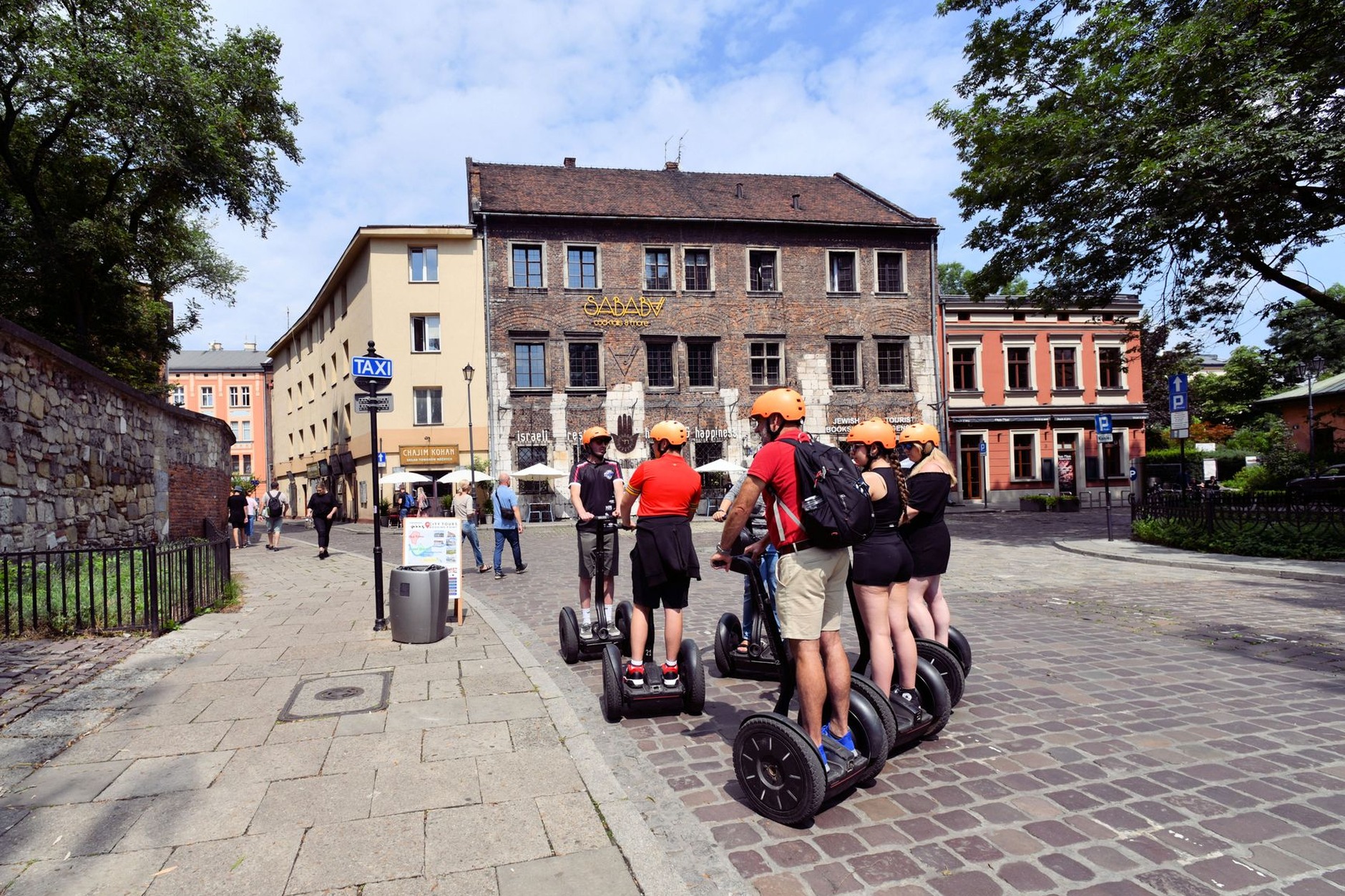
Just a short walk southeast of Wawel Hill lies Kazimierz, Poland’s legendary historic Jewish district. Established as an independent royal city in the 14th century by King Casimir III the Great, Kazimierz blossomed into a world-renowned center of Jewish scholarship, mysticism, and commerce before suffering immense tragedy during the Nazi occupation. Today, the district has undergone a remarkable cultural renaissance, its historic synagogues—including the Old Synagogue (Stara Synagoga) and Remuh Synagogue with its 16th-century cemetery—standing alongside art galleries, vintage bookshops, and klezmer performance venues.
In the evenings, Kazimierz is the undisputed culinary and nightlife capital of Kraków. Gather around Plac Nowy, where locals and travelers converge at the central circular market building (Okrąglak) to order steaming zapiekanki—toasted open-faced French baguettes smothered with sautéed mushrooms, melted cheese, and tangy tomato sauce. Afterward, slip into candlelit neighborhood bars like Alchemia or Singer, where antique sewing machines double as cocktail tables amid faded velvet wallpaper and vintage mirrors.
Days 4–5: Rebirth & Modernity
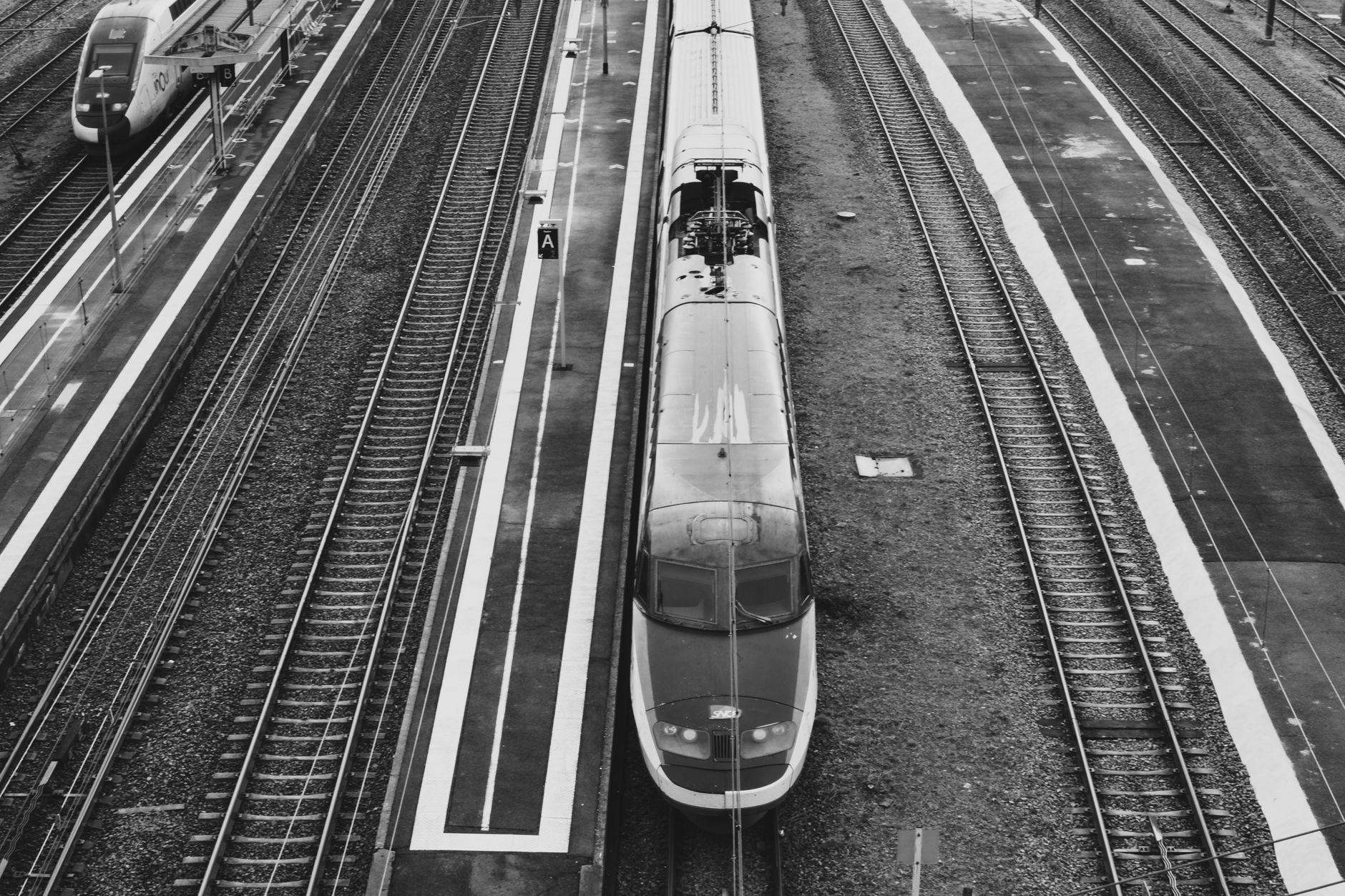
On the morning of Day 4, make your way to Kraków Główny station to board the Express InterCity Premium (EIP) train to Warsaw. These sleek, aerodynamic Alstom Pendolino trainsets operate on Poland’s Central Rail Line (CMK), delivering passenger comfort rivaling the finest high-speed trains in Western Europe. With complimentary bottled water, quiet zones, comfortable reclining seats, electrical outlets, and high-speed Wi-Fi, the 290-kilometer journey across the central Polish plains flashes by in an effortless 2 hours and 15 minutes.
Crucially, PKP Intercity enforces a mandatory seat reservation policy on all EIP services. You cannot simply board with an unreserved regional rail pass or purchase a ticket from the conductor on board; doing so carries a non-negotiable penalty fee of over 650 PLN ($169.47). Book your ticket in advance via the official PKP Intercity mobile app or website (Intercity.pl), where ticket sales open exactly 30 days before departure, offering promotional “Promo” fares starting as low as 49 PLN ($12.43) compared to the standard last-minute fare of 169 PLN.
Arriving at Warszawa Centralna thrusts you immediately into Poland’s dynamic, forward-looking financial capital. Step out of the subterranean station concourse and you are greeted by the towering silhouette of the 237-meter Palace of Culture and Science (PKiN), surrounded by glass-and-steel skyscrapers housing global tech and banking headquarters. While Kraków charms with its medieval intactness, Warsaw inspires through its breathtaking resilience and relentless reinvention.
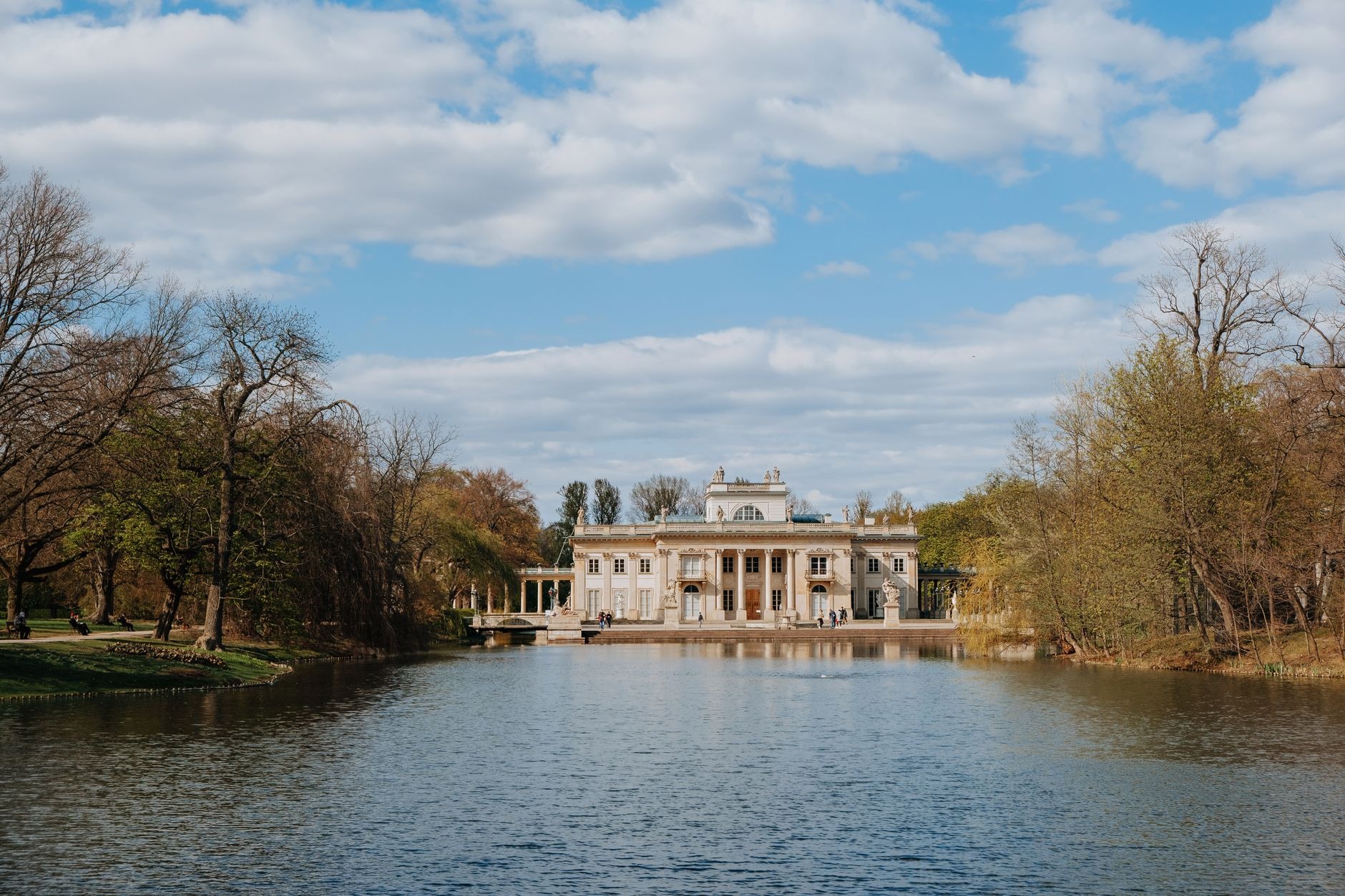
Begin your Warsaw exploration at the Warsaw Rising Museum (Muzeum Powstania Warszawskiego), housed in a former tram power station. This deeply moving, state-of-the-art interactive museum chronicles the tragic 63-day uprising of August 1944, when the Polish Home Army (Armia Krajowa) heroically fought Nazi forces to liberate their capital from occupation. In the afternoon, escape the urban energy by strolling through Royal Łazienki Park, a 76-hectare royal garden where wild peacocks roam manicured lawns around the neoclassical Palace on the Isle, and open-air piano recitals of Chopin’s compositions ring out beside the composer’s iconic willow-framed bronze monument.
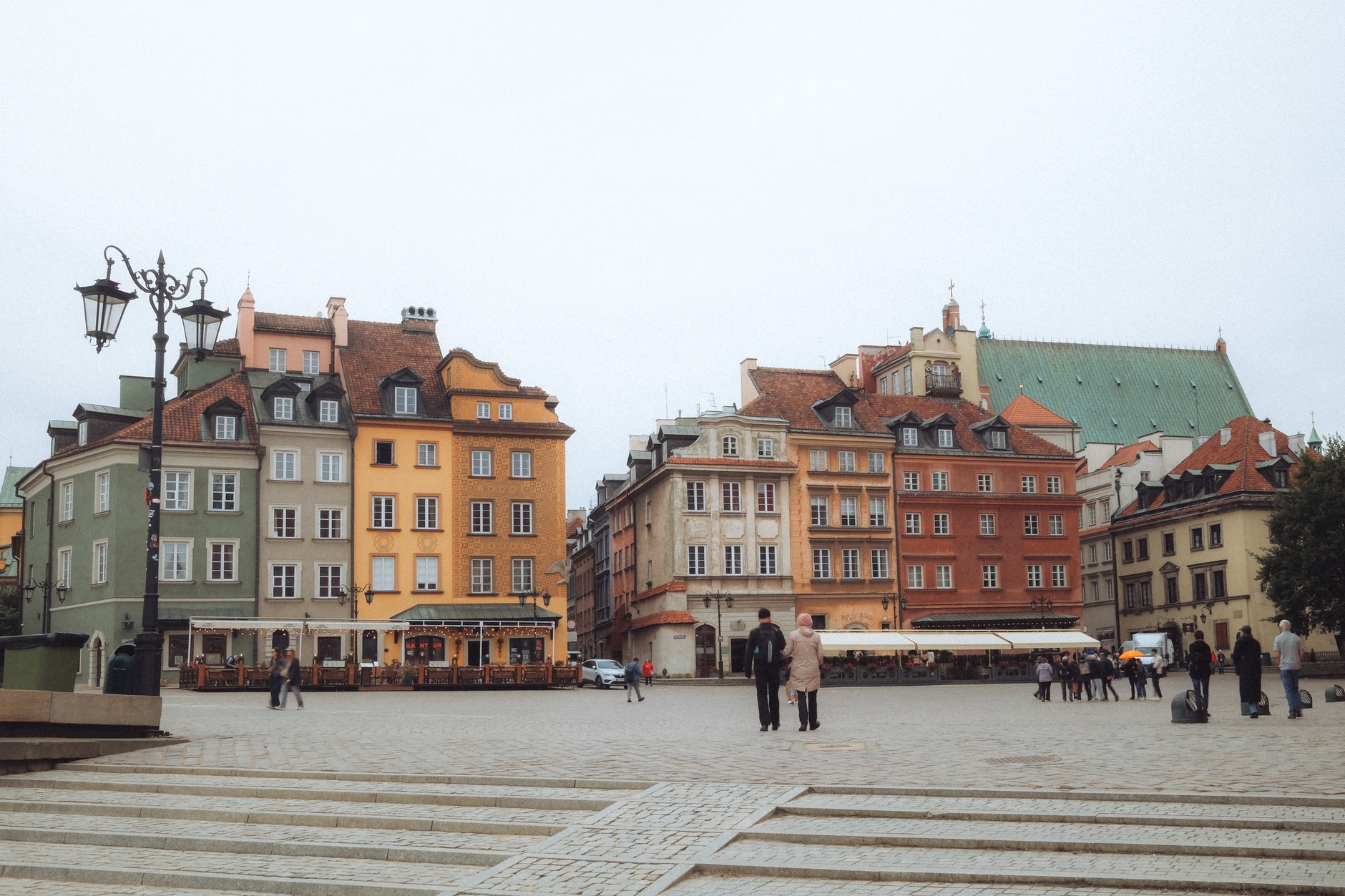
No visit to Warsaw is complete without walking through Stare Miasto (Old Town). Completely flattened by Nazi demolition squads in late 1944 in systematic retribution for the Warsaw Uprising, the entire historic district was meticulously reconstructed stone by stone from 1945 to 1966 using surviving prewar architectural sketches and 18th-century landscape paintings by Italian master Bernardo Bellotto (Canaletto). The achievement was so extraordinary that UNESCO inscribed the reconstructed Old Town as a World Heritage site—the only near-total reconstruction in the world to receive such distinction.
Walk across Plac Zamkowy in front of the brick Royal Castle, gaze up at King Sigismund’s Column, and wander the cobblestone corridors to the Old Town Market Square, centered around the bronze statue of the Warsaw Mermaid (Warszawska Syrenka), sword and shield in hand. Cross through the brick defensive Barbican into the New Town (Nowe Miasto), stopping at authentic milk bars (bar mleczny) like Bar Mleczny Prasowy or Bar Bambino, where subsidized hearty Polish comfort food is served on stainless steel trays just as it has been since the communist era.
Days 6–7: Baltic Hanseatic Splendor
On Day 6, another smooth 2.5-hour Pendolino ride northward brings you to the Baltic shores of Gdańsk. Once the wealthiest city of the Hanseatic League and the historic cradle of modern European freedom, Gdańsk possesses an architectural character distinctly different from Kraków and Warsaw. Its tall, narrow merchant houses with decorated gables, sandstone friezes, and stepped roofs evoke the maritime trading glory of Amsterdam and Bruges.
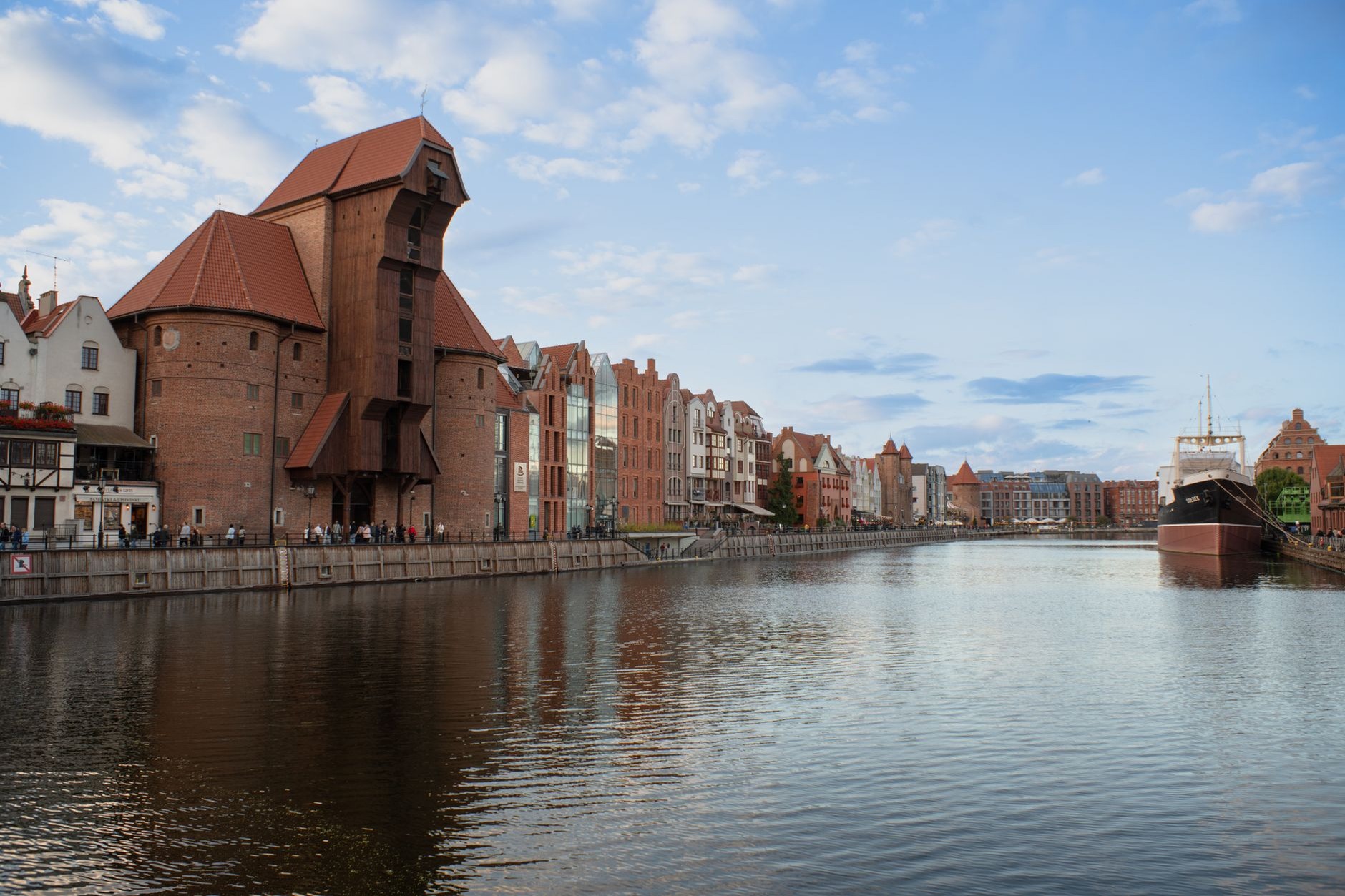
Stroll along the pedestrian corridor of Ulica Długa and Długi Targ (The Long Market), passing beneath the Golden Gate toward the 16th-century Neptune Fountain and the imposing Main Town Hall. Continue through the Green Gate to the lively waterfront along the Motława River, dominated by the colossal dark timber facade of the Żuraw—the largest surviving medieval port crane in Europe, built in 1444 to transfer heavy cargo and erect ship masts. For lunch, sample fresh Baltic cod or herring served with dill potatoes and pickled cucumbers at riverside fish taverns.
Gdańsk is also the birthplace of Solidarność (Solidarity), the independent trade union led by shipyard electrician Lech Wałęsa that triggered the collapse of communist rule across Central and Eastern Europe in 1989. The European Solidarity Centre (ECS), located at the historic Gdańsk Shipyard gates, features a rusting Corten-steel exterior resembling a ship’s hull and provides a world-class exhibition exploring the nonviolent triumph of civic resistance.
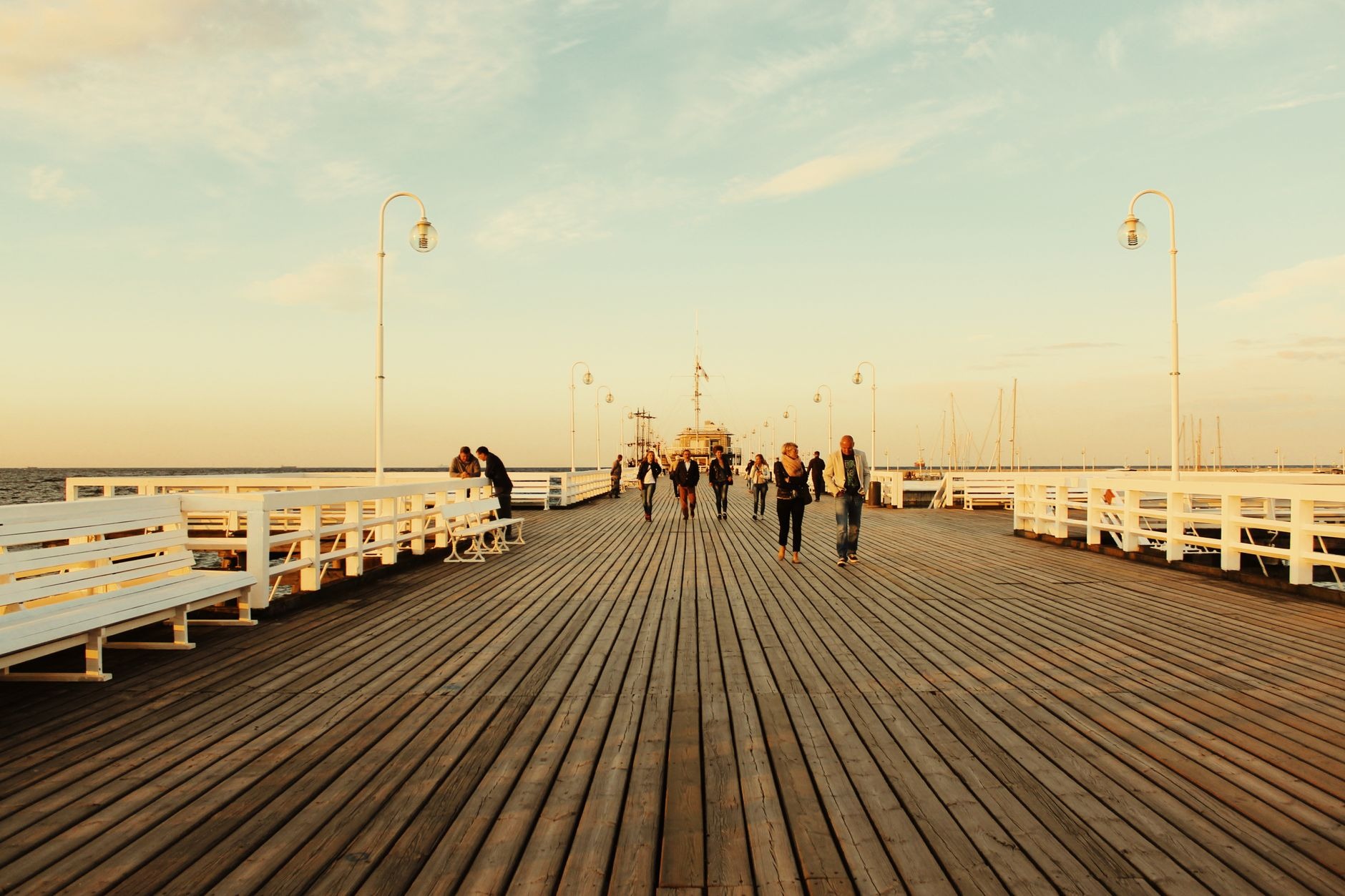
Conclude Day 7 with a short 15-minute hop on the SKM urban commuter train to the neighboring seaside resort of Sopot. Here, you can walk along the famous wooden pier (Molo)—at 511.5 meters, the longest wooden pier in Europe—breathing in the crisp, iodine-rich Baltic sea breeze. Relax with a warm cup of spiced cider or tea at a beachfront promenade cafe, reflecting on a journey that connected Poland’s deepest cultural roots with its bright modern horizon.
Navigating Poland’s multi-tier transit networks, translating restaurant menus, and tracking real-time train departures requires reliable mobile internet access. With continuous cellular data, you can navigate stations, validate tickets, and communicate effortlessly from the moment you step off your plane.
Street Smarts & Avoiding Costly Polish Travel Traps
Poland is remarkably safe, orderly, and traveler-friendly, boasting lower violent crime rates than most Western European countries. However, international visitors frequently fall victim to administrative fines, transit traps, and predatory currency conversion schemes. Keep these six specific situations in mind to ensure a hassle-free trip:
- The PKP Intercity EIP Pendolino Boarding Fine Trap: Poland’s premier high-speed trains—designated as Express InterCity Premium (EIP)—strictly enforce a 100% reserved seating policy. Unlike regional Polregio or standard TLK trains where you can board and purchase a ticket from the train conductor, boarding an EIP train without a valid pre-purchased ticket with assigned seat reservation results in an automatic, non-negotiable statutory fine plus the full peak ticket fare. Conductors have zero discretion to waive this fee. Alternative: Always purchase your EIP tickets and seat reservations online via the official PKP Intercity app or website (Intercity.pl), or at station ticket windows (Kasa Biletowa) before passing through the platform boarding gates.
- The Old Town Strip Club Street Promoter Spiked Drink Extortion: In the nightlife epicenters of Kraków (particularly around Floriańska and Szewska streets) and Warsaw (Nowy Świat), attractive female promoters approach male travelers offering free VIP club entry or discounted shots. Once inside these unauthorized clubs, victims are provided complimentary drinks heavily laced with sedatives or psychotropic substances. While incapacitated, patrons have their credit cards repeatedly swiped for fraudulent charges ranging from a cash sum to over a cash sum for “champagne packages.” Alternative: Never follow street promoters or hostesses offering free alcohol into unmarked basement venues. Stick to well-established, reputable local craft beer bars, wine bistros, and cocktail lounges with visible price menus.
- The Unregulated Airport “Pirate Taxi” Conductor Scam: Arriving at Warsaw Chopin Airport (WAW) or Kraków John Paul II Airport (KRK), travelers walking through terminal arrivals halls are frequently solicited by well-dressed men murmuring “Official taxi, sir?” These unregistered touts lead tourists to private unmarked vehicles without calibrated meters, charging predatory flat rates for trips that cost far less with licensed city operators. Alternative: Walk past terminal solicitations directly to the official taxi rank outside marked with city transport insignias (e.g., iCar, MPT, Ele Taxi), use licensed ride-hailing apps like Uber or Bolt, or simply take the modern airport train (SKA1 in Kraków, SKM S2/S3 in Warsaw) directly to the central train station for less than a cash sum.
- Dynamic Currency Conversion (DCC) ATM & Payment Terminal Traps: When using foreign credit cards at Polish payment terminals and standalone ATMs (especially Euronet machines located in tourist centers), the screen will prominently prompt: “Charge in your home currency (USD/EUR/GBP)?” Accepting this option triggers Dynamic Currency Conversion, allowing the ATM operator to apply hidden exchange markups of 10% to 18% above interbank rates. Alternative: Always select “Continue Without Conversion” or “Charge in Local Currency (PLN).” Your home bank will process the transaction at standard wholesale interbank exchange rates, saving you substantial fees on every transaction.
- Unofficial Auschwitz-Birkenau & Wieliczka Reseller Markups: Commercial tour agencies aggressively advertise “All-Inclusive Auschwitz & Salt Mine Day Tours” in Kraków for $90.38 to $135.58 per person, claiming that official entry tickets are completely sold out. In reality, general admission to the Auschwitz-Birkenau Memorial is legally free of charge, and official 3.5-hour educator-guided tours cost far less when booked directly on the official state museum website (visit.auschwitz.org). Third-party resellers pocket immense markups and herd participants through hurried, overcrowded group transfers. Alternative: Reserve your official educator-guided entry pass 60 to 90 days in advance on the official memorial website, then take the frequent direct regional bus or train from Kraków MDA bus station for a small fare each way.
- The Unvalidated Public Transit Paper Ticket Penalty: In Kraków, Warsaw, and Gdańsk, purchasing a paper transit ticket from a station kiosk or ticket machine does not make it valid for travel. When stepping onto a city bus or tram, passengers must immediately insert the paper ticket into an onboard stamping validator (kasownik), which stamps the current timestamp and route number onto the magnetic strip. Plainclothes municipal ticket inspectors (kontrolerzy biletów) board frequently, immediately blocking validators at stops and issuing instantaneous on-the-spot fines of a cash sum to anyone holding an unstamped ticket. Alternative: Stamp your paper ticket the second you step onboard, or use mobile transit apps like Jakdojade or mPay to purchase and electronically validate digital transit passes directly on your phone.
Staying Connected Across Poland’s Rail Corridors
Poland boasts one of the most advanced digital telecommunications markets in Europe, with extensive 5G network coverage blanketing high-speed rail lines, major metropolitan centers, and suburban junctions. Whether you are using the indispensable Jakdojade app to plan complex tram connections in Warsaw, checking real-time train platform shifts on PKP’s portal, or translating Polish museum placards with Google Lens, continuous high-speed cellular data is an absolute essential.
Rather than standing in line at an airport telecommunications kiosk, registering your passport under Poland’s anti-terrorism SIM card registration laws, or incurring exorbitant daily roaming fees from home mobile providers, setting up an eSIM prior to departure guarantees instant connectivity the moment your flight touches down.
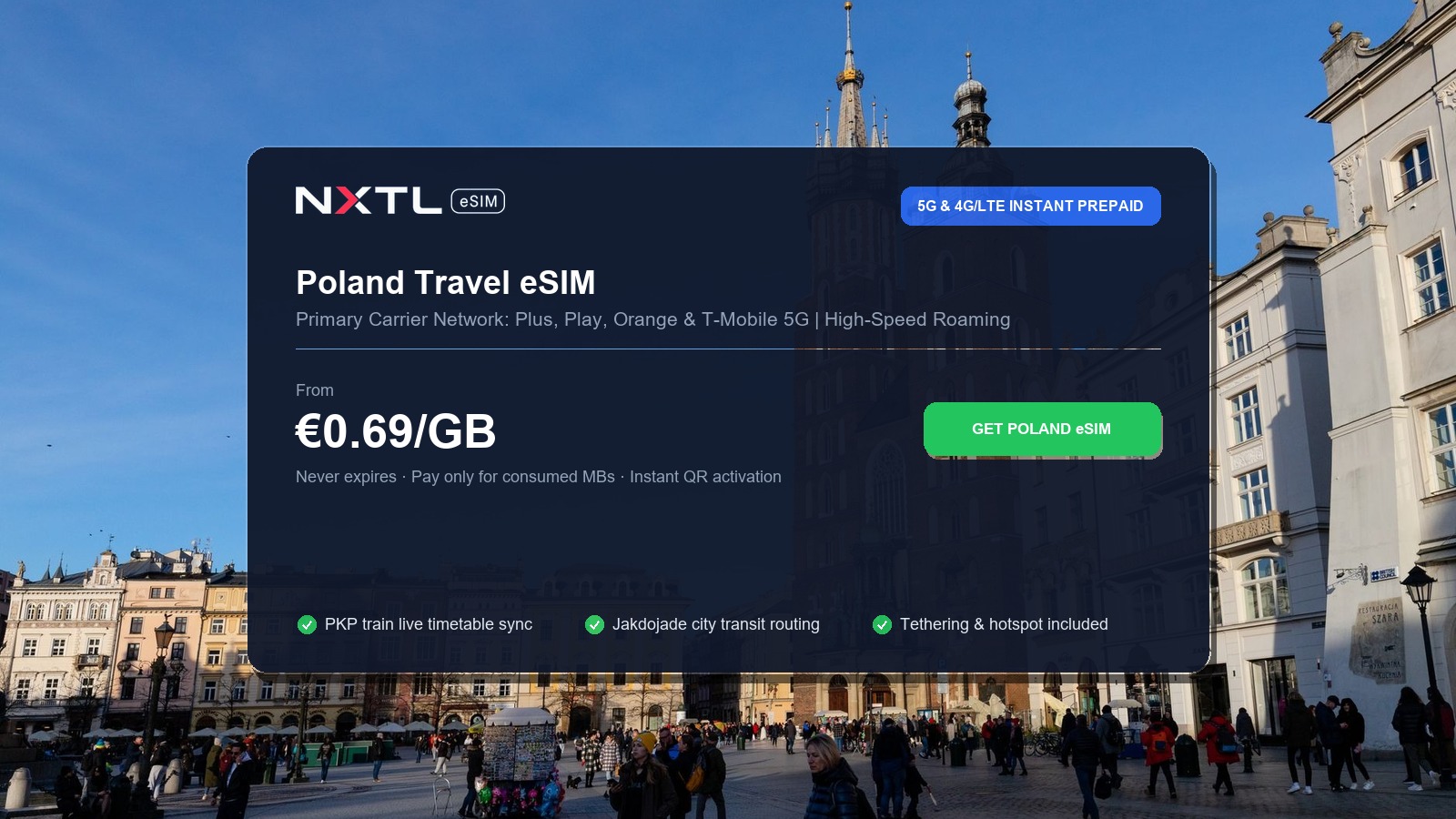
With an NXTL Poland travel eSIM, travelers connect directly to Poland’s premier cellular infrastructure, including Plus, Play, Orange, and T-Mobile 5G networks. Starting from just $0.78 per gigabyte with no expiration dates, you enjoy ultra-fast download speeds, full personal hotspot tethering, and transparent pay-as-you-go pricing across all your mobile devices.
| Traveler Data Profile | Estimated Data Usage | Primary Trip Applications | Recommended NXTL Plan |
|---|---|---|---|
| City Navigator | 1 GB – 3 GB | Jakdojade tram routing, PKP train timetable checks, Google Maps walking navigation, WhatsApp messaging | 1 GB – 3 GB Pay-As-You-Go ($0.78/GB) |
| Active Cultural Explorer | 5 GB – 10 GB | Photo uploads, live translation of Polish historical texts, social media sharing, audio guides and museum streaming | 5 GB – 10 GB High-Speed Package |
| Digital Rail Nomad | 15 GB – 20 GB+ | Laptop tethering on Pendolino trains, remote productivity, video calls, continuous high-definition media streaming | 20 GB High-Volume Bundle |
By relying on high-speed rail instead of highway rental cars, securing verified official monument passes in advance, and maintaining uninterrupted cellular connectivity, your journey through Poland will be a richly rewarding, stress-free immersion into one of Europe’s most vibrant and welcoming nations.