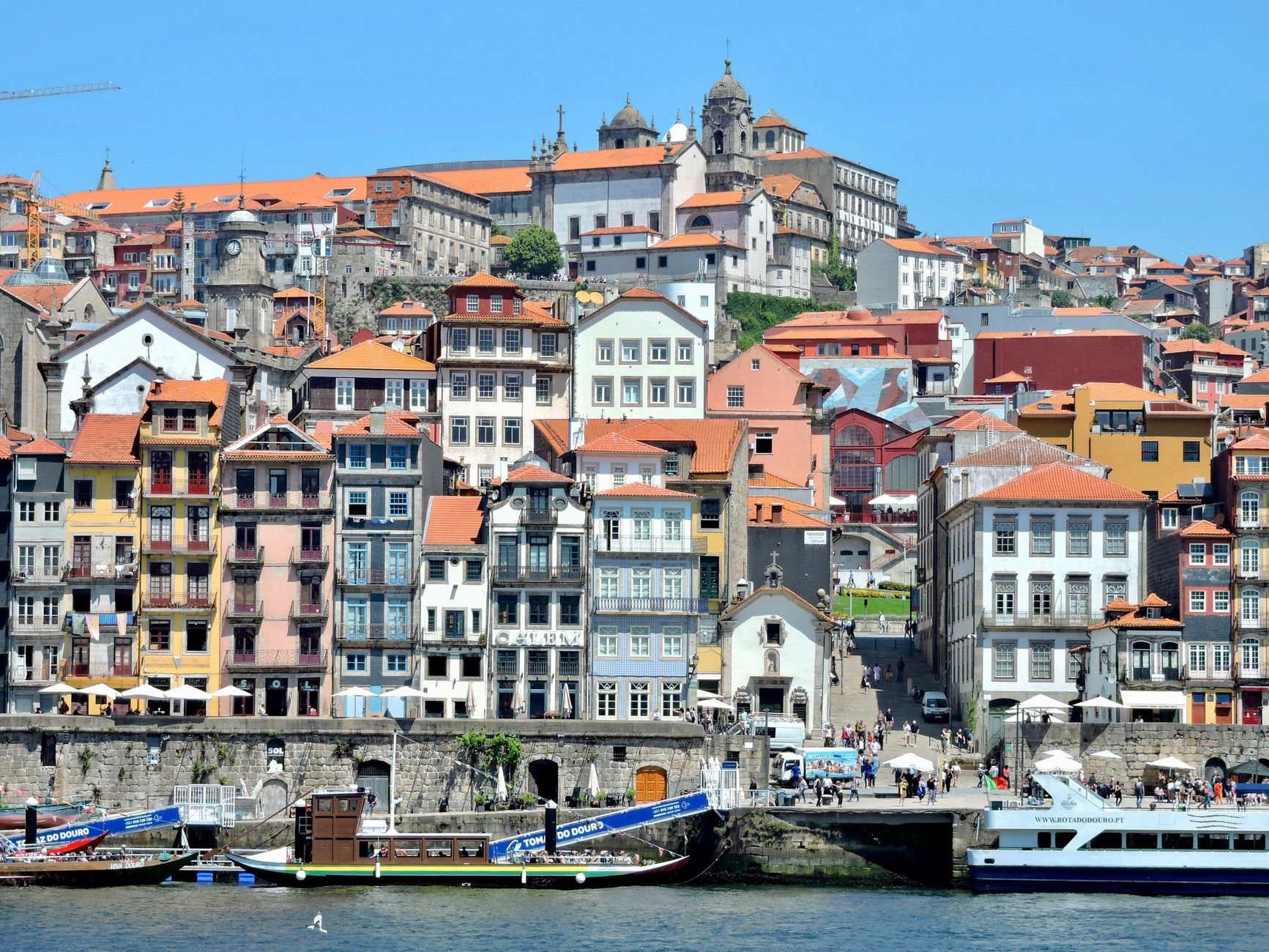
Portugal is pure European charm. Warm Atlantic sunlight bathes pastel facades adorned with hand-painted ceramic azulejo tiles; vintage yellow trams rattle courageously up steep cobblestone hills; the melancholic, soulful strains of Fado music drift from candlelit taverns; and the scent of freshly grilled sardines and warm cinnamon-dusted custard tarts fills the evening breeze. It is a country of relaxed elegance, profound maritime history, and genuine hospitality.
Connecting Portugal’s cultural capitals—Lisbon and Porto—by railway is one of the most delightful journeys in Europe. Traveling along the scenic Atlantic rail corridor allows you to skip rental car stress, toll transponders, and narrow medieval parking, all while soaking in views of olive groves, pine forests, and historic university towns. Here is your practical, street-smart handbook: executable routes, pickpocket warnings, train station hacks, authentic dining secrets, and global mobile connectivity.
The Classic Rail Route: Lisbon, Coimbra & Porto
Here is an expertly calibrated 7 to 9-day rail route across Portugal:
• Days 1–3: Lisbon. Base yourself in central neighborhoods like Baixa, Chiado, or Príncipe Real. Day 1: Explore the ancient cobblestone alleys of Alfama and watch the sunset from Miradouro da Senhora do Monte. Day 2: Take the scenic coastal train to Belém for Belém Tower, Jerónimos Monastery, and warm pastéis de nata. Day 3: Bohemian Chiado, Bairro Alto, and an evening of authentic Fado.
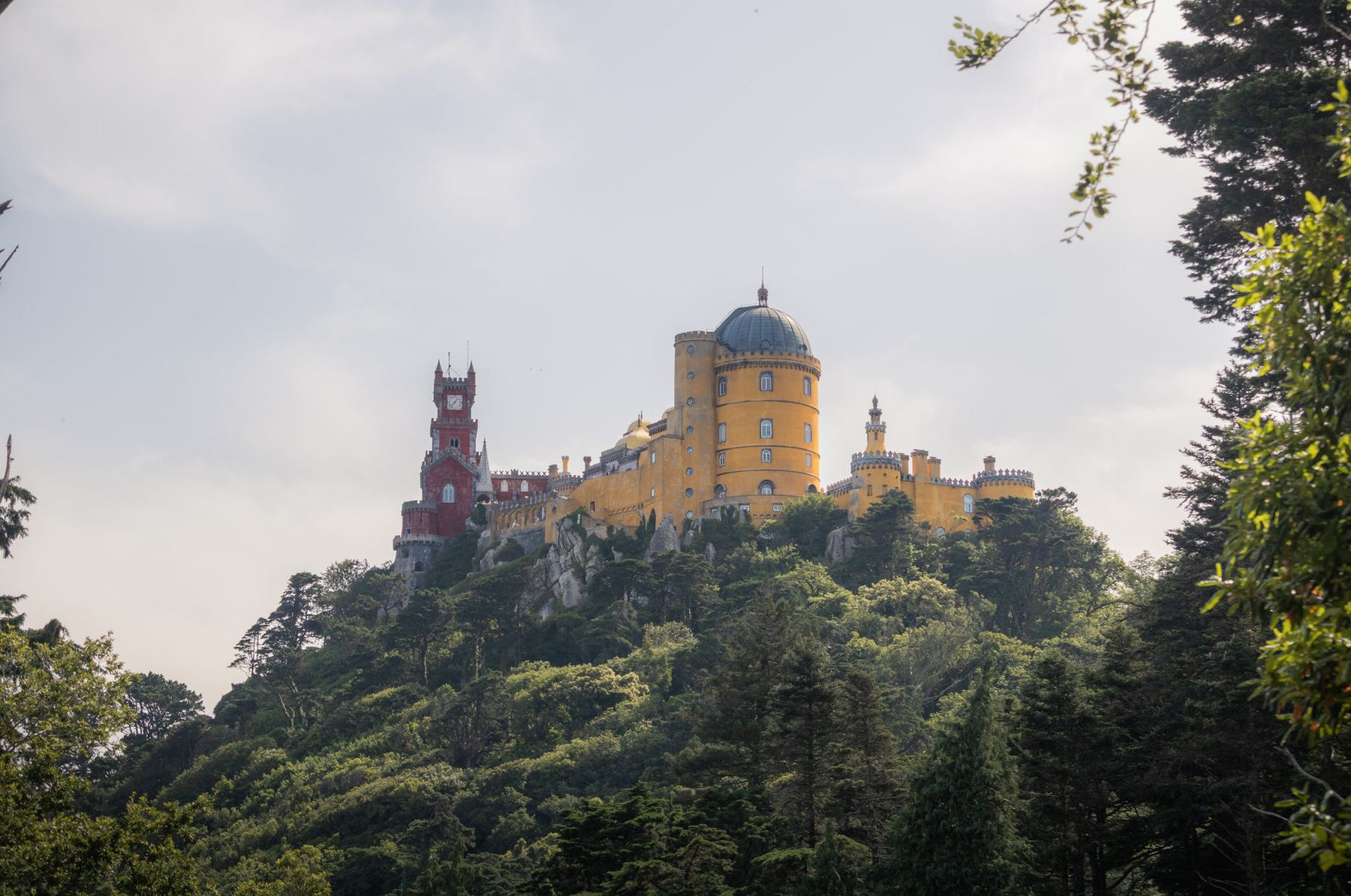
• Day 4: Fairytale Sintra. Take a 40-minute commuter train from Lisbon’s Rossio Station to Sintra. Explore the colorful Romanticist wonderland of Pena Palace and the mystical Initiation Well at Quinta da Regaleira, returning to Lisbon for the evening.
• Day 5: Coimbra. Board the morning high-speed train north to Coimbra (roughly 1.5 hours). Check into your hotel, explore the ancient university courtyards, and visit the Baroque Joanina Library. Enjoy dinner at a student tavern in the steep upper town.
• Days 6–8: Porto & Douro Valley. Take a 1-hour train north to Porto. Day 6: Admire azulejo tile murals at São Bento Station, walk through the historic Ribeira district, and cross the Dom Luís I Bridge to tour Port wine cellars in Gaia. Day 7: Take a scenic day cruise or scenic train ride through the terraced vineyards of the Douro Valley. Day 8: Morning coffee at a riverside cafe before your departure flight from Porto Airport (OPO).
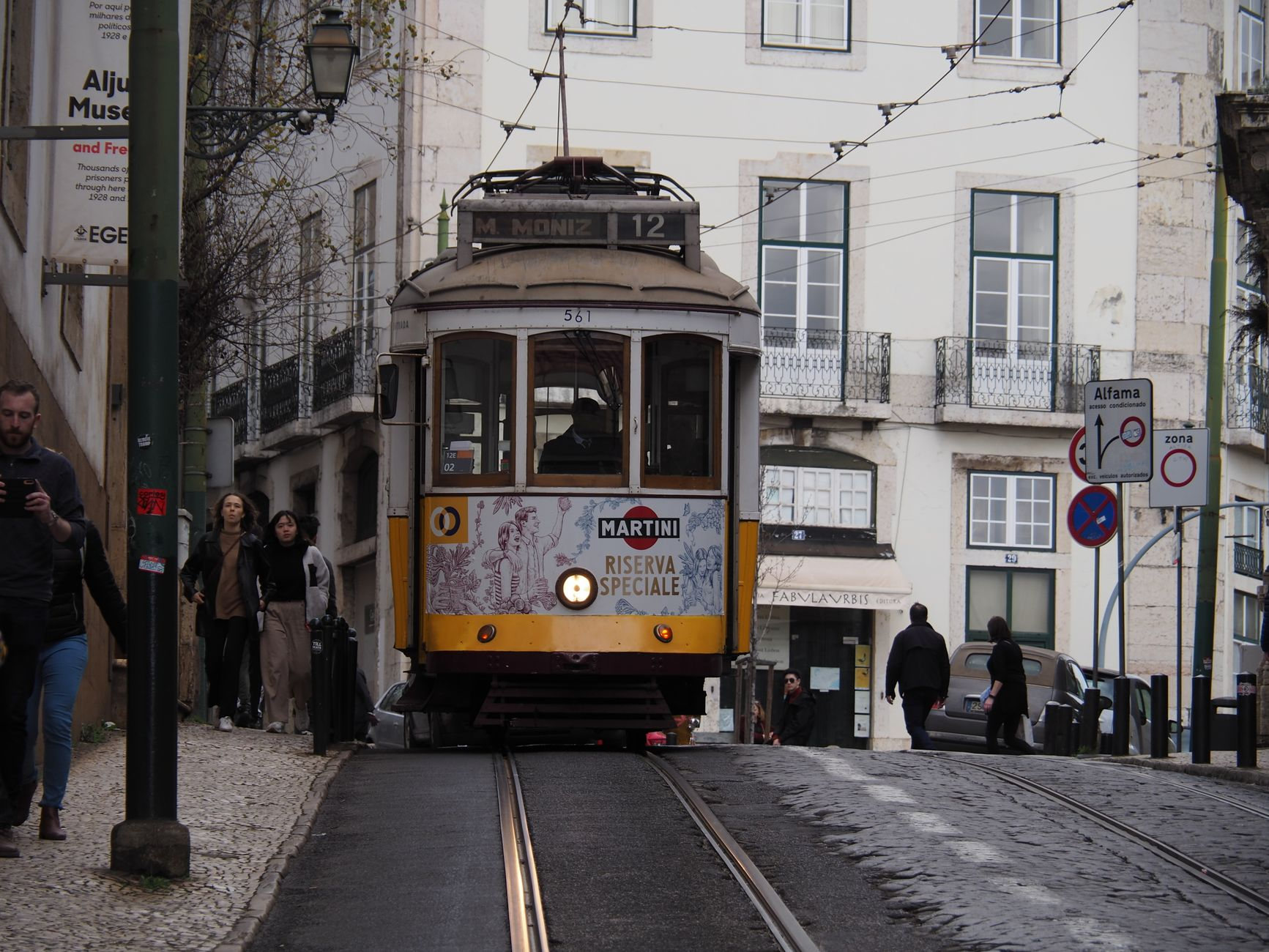
Belém: Maritime Marvels and the Original Pastel de Nata
Take a short train or tram ride west along the riverfront to Belém, the historic port from which Portuguese explorers like Vasco da Gama set sail to map the globe. Standing proudly at the water’s edge is Belém Tower (Torre de Belém), an exquisite 16th-century fortress designed in ornate Manueline maritime architecture featuring carved stone ropes, armillary spheres, and Moorish watchtowers.
Directly across the gardens stands the monumental Jerónimos Monastery. Just down the boulevard, join the queue at Pastéis de Belém, the historic bakery turning out Portugal’s most famous pastry since 1837. Biting into a freshly baked pastel de nata—its flaky crust shattering to reveal warm, velvety egg custard dusted with cinnamon and powdered sugar—is an unforgettable culinary rite of passage.
Portugal Street Smarts: Pickpocket Warnings & Scams to Avoid
Portugal is one of the safest countries in Europe, but tourist-heavy areas have specific petty crimes to watch out for:
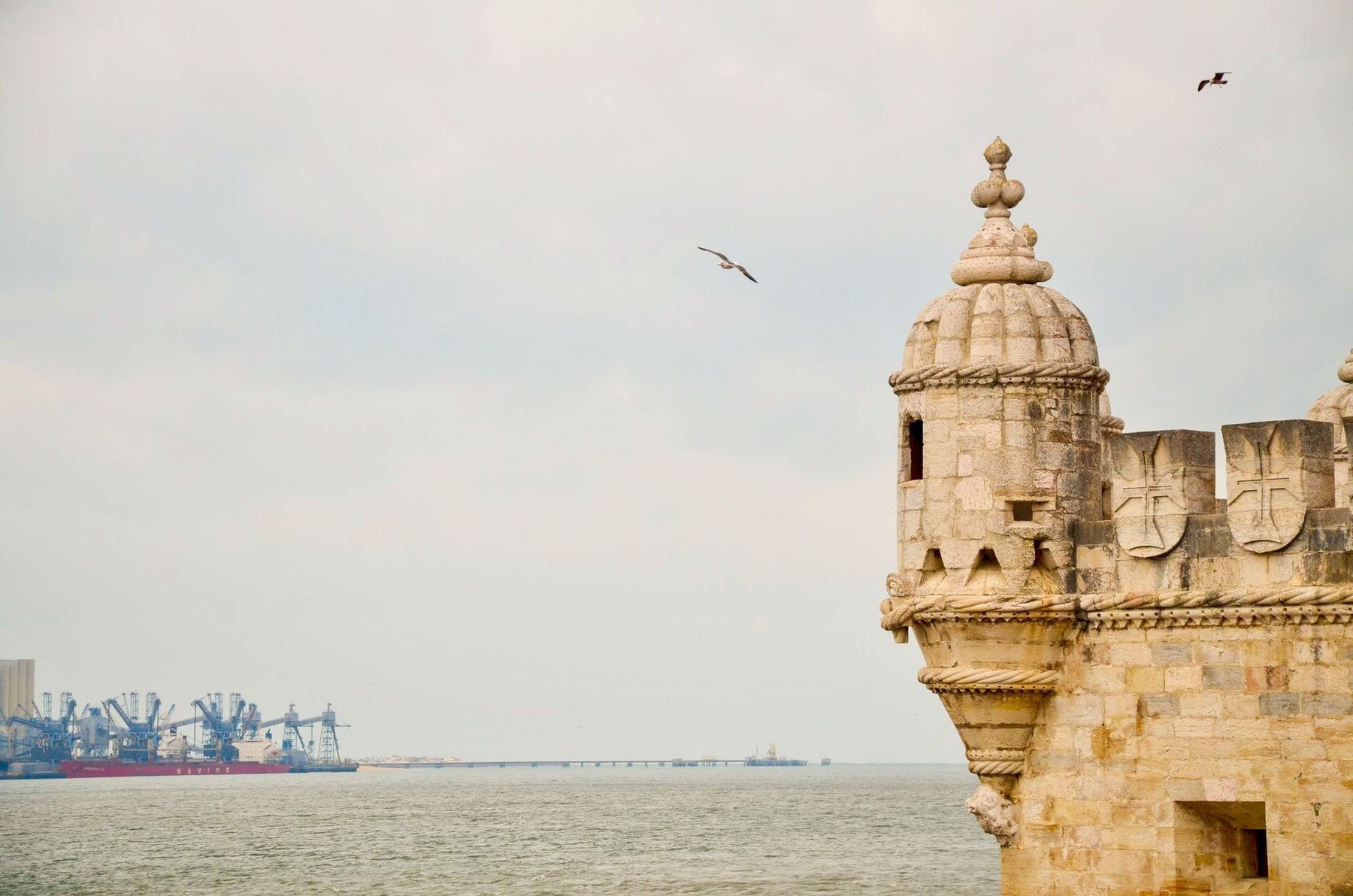
• Pickpockets on Historic Tram 28 & Metro Stations: Crowded vintage trams (especially Tram 28 and Tram 15 to Belém) and busy metro stations like Baixa-Chiado and Rossio are prime hunting grounds for organized pickpocket teams. They work during boarding and exiting, creating jostling distractions while an accomplice slips a wallet or phone from pockets or unzipped backpacks. Keep your backpack on your chest, wallet in a front zippered pocket, and never hold your phone loosely near tram doors.
• The Fake Drug Dealers in Downtown Lisbon: Walking through Praça do Comércio, Baixa, or Chiado, men will aggressively whisper ‘hashish, marijuana, cocaine’ while flashing small baggies. It is a scam: the substance is pressed oregano, bay leaves, or crushed bouillon cubes! Never engage, argue, or stop—simply ignore them and keep walking.
• Rental Car Break-Ins at Scenic Viewpoints: If you rent a car for coastal detours, never leave bags, jackets, backpacks, or sunglasses visible inside parked vehicles at Cabo da Roca, Sintra forest parking lots, or beach overlooks. Thieves target rental car plates and smash windows in seconds.
• Slippery Cobblestones (‘Calçada Portuguesa’): Lisbon and Porto’s iconic black-and-white stone pavements look stunning, but when worn smooth or wet, they are treacherous. Leave heels and smooth-soled dress shoes at home; pack comfortable sneakers with excellent rubber tread.
Sintra: The Fairytale Kingdom of Pena Palace
Perched high on a misty granite peak, Pena Palace (Palácio Nacional da Pena) is a Romanticist masterpiece painted in vivid shades of canary yellow, pastel pink, and deep ochre. Built by King Ferdinand II in the 1840s, it blends Gothic, Moorish, and Manueline styles with sweeping views across the Atlantic.
Crucial Sintra Hack: You must book timed-entry tickets online in advance! Arrive at Sintra train station early (before 9:00 AM) and take the 434 tourist loop bus or a Bolt rideshare up the mountain. Avoid driving a rental car into Sintra, as narrow roads are closed to private non-resident vehicles.
Coimbra: Ancient Academia and the Baroque Joanina Library
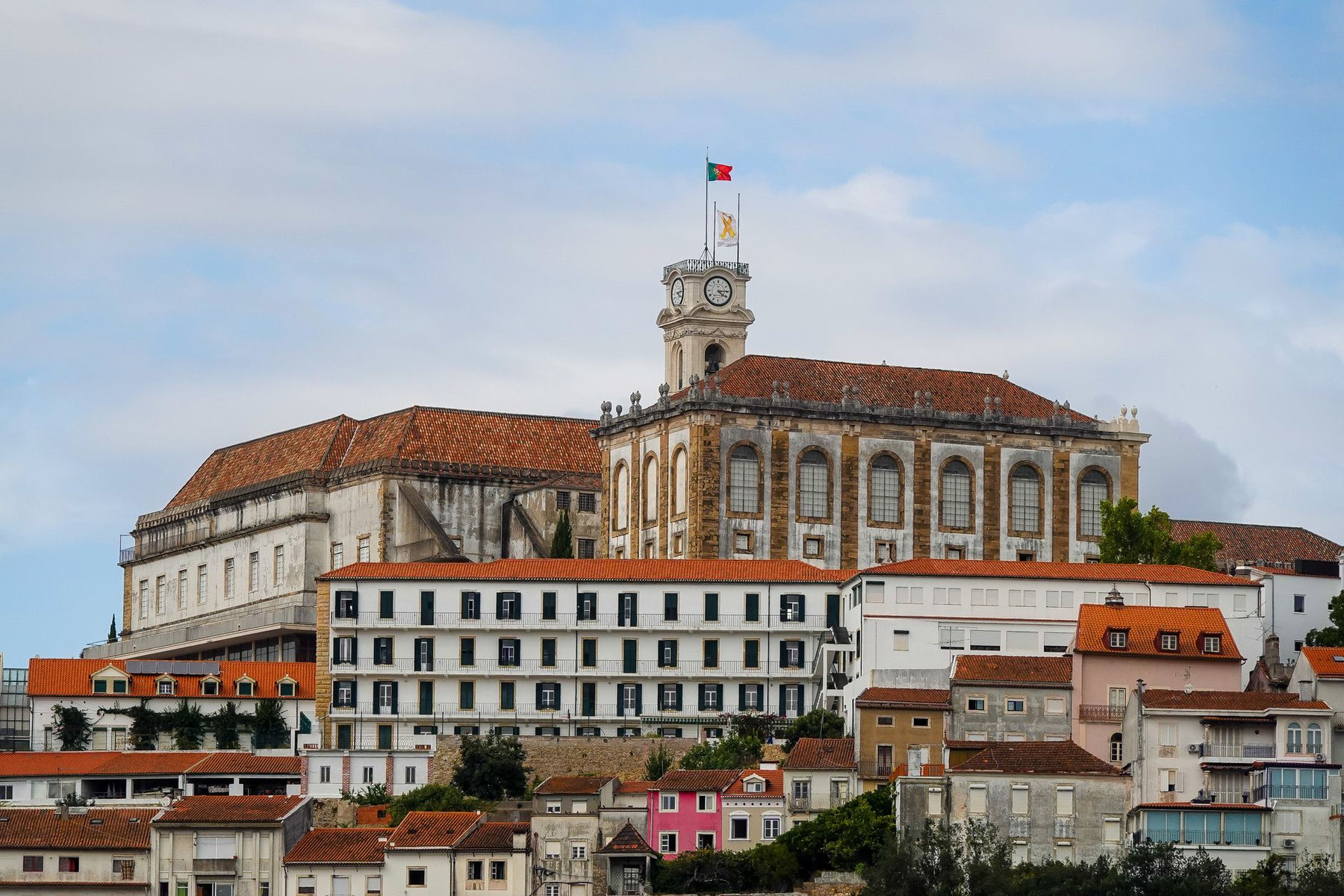
Board the high-speed Alfa Pendular train north to Coimbra, Portugal’s historic intellectual capital and home to the University of Coimbra, founded in 1290. Climb the cobblestone old town to the university’s grand courtyard overlooking the Mondego River.
Step inside the world-famous Biblioteca Joanina (Joanina Library), an 18th-century Baroque marvel containing over 70,000 historic volumes. Its gilded rosewood bookcases, frescoed trompe-l’œil ceilings, and colonies of resident bats (who feast on paper-eating insects at night) will leave you spellbound. In the evening, listen to Coimbra’s unique style of Fado—sung exclusively by male students draped in traditional black academic capes.
Porto: Blue Azulejos and the Historic Ribeira
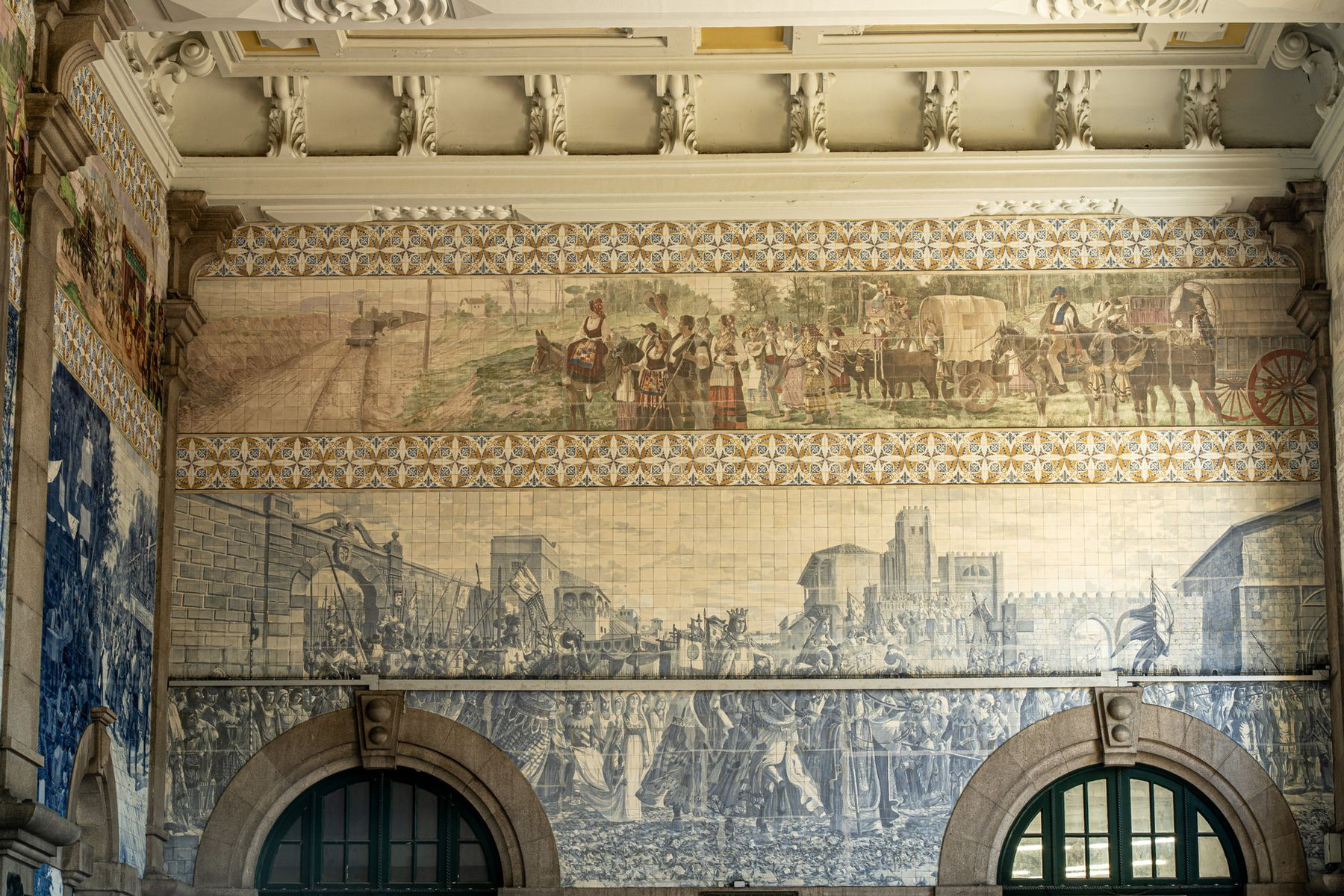
Arriving at São Bento Railway Station in central Porto, you are greeted by one of the grandest station halls in the world: over 20,000 blue-and-white hand-painted azulejo tiles depicting epic moments from Portuguese history, crafted by master Jorge Colaço.
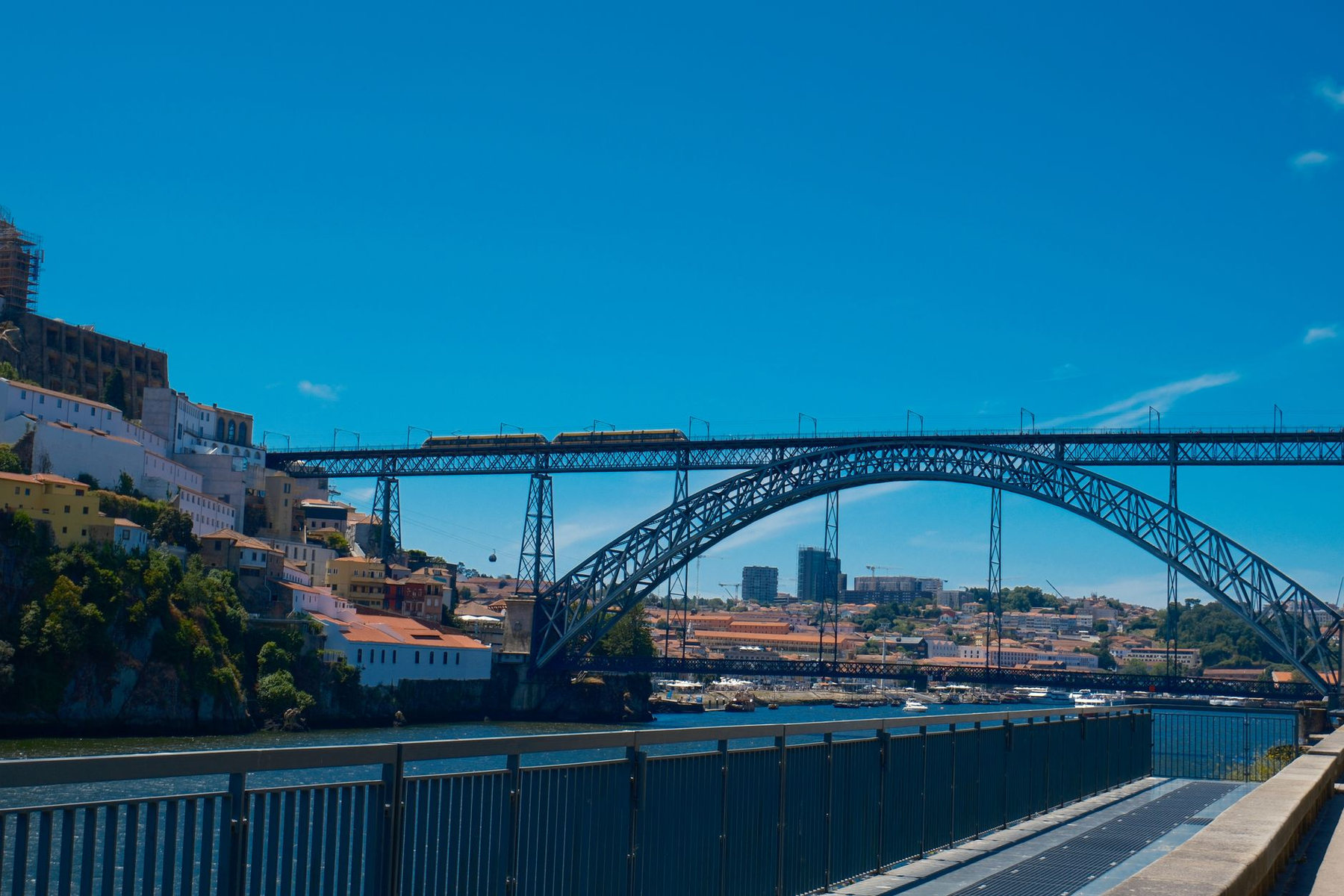
Walk down through the steep lanes of the historic Ribeira district, where pastel houses press against the banks of the Douro River. Cross the magnificent double-deck iron Dom Luís I Bridge to Vila Nova de Gaia, where centuries-old Port wine lodges—such as Taylor’s, Graham’s, and Sandeman—age vintage ruby and tawny Ports in massive oak casks inside cool granite cellars.
Sunset Over the Douro from the Dom Luís I Bridge
The upper deck of the Dom Luís I Bridge is reserved for the metro and pedestrians, providing an awe-inspiring bird’s-eye view looking down 60 meters to the river below. Walk across to Jardim do Morro hill in Gaia just before sunset.
Locals and travelers gather on the grassy slope to listen to acoustic buskers, sip crisp Vinho Verde, and watch the sun melt into the Atlantic, bathing Porto’s terracotta rooftops in radiant golden light. Afterward, treat yourself to a hearty Francesinha—Porto’s legendary sandwich packed with cured ham, linguiça sausage, and steak, smothered in melted cheese and a rich, spicy tomato-beer sauce.
Mastering Portugal's Railways: CP Stations & Ticket Hacks
Traveling on Comboios de Portugal (CP) trains is smooth and inexpensive when you understand the mechanics:
• Train Types: Choose between Alfa Pendular (AP) (tilting high-speed trains with Wi-Fi and power outlets) and Intercidades (IC) (express trains). Both connect Lisbon and Porto in roughly 2.5 to 3 hours.
• Station Names Matter: In Lisbon, long-distance trains depart from both Santa Apolónia (convenient for Alfama/historic center) and Oriente (near the airport). In Coimbra, main trains stop at Coimbra-B (2 km outside town); your ticket includes a free 5-minute local shuttle train to central Coimbra-A. In Porto, intercity trains arrive at Campanhã; you can transfer freely on local trains to central São Bento.
• Advance Promo Discounts: Booking your tickets 5 to 30 days in advance on the official CP website unlocks promo discounts of up to 50–65% off first-class (Conforto) and second-class (Turística) seats.
Staying Connected in Portugal: The NXTL Global eSIM Advantage
While traveling across Portugal by rail, a continuous high-speed data connection is invaluable. You need mobile data to monitor live CP train arrivals and platform changes, summon Bolt or Uber rides to conquer steep cobblestone hills with luggage, look up opening hours for historic palaces in Sintra, and use Google Maps to navigate the maze-like alleys of Alfama and Ribeira.
Rather than buying single-destination SIM cards that expire after a week or dealing with roaming surprises, smart travelers use the NXTL Global eSIM.
NXTL is a single, reusable global eSIM that connects you across 180+ countries and 460+ local tier-1 partner networks. When you land in Lisbon or Porto, your phone connects immediately to Portugal’s premier mobile networks—MEO and Vodafone Portugal—providing ultra-fast 5G speeds nationwide.
Crucially, your prepaid balance never expires, and there are no expiring bundles. You get started for just $11.99 with $10 usable balance included. If you only use $3 of data during your week in Portugal, the remaining $7 stays in your account, ready for your next trip to Spain, Morocco, or anywhere worldwide. Because it is a digital eSIM, your home physical SIM stays safely inside your phone, letting you receive bank 2FA SMS verification codes and family calls with zero roaming charges.
Daily Data Usage Expectations for Portugal:
• Live Navigation & Hillside Walking Routes (Google Maps): ~70–100 MB per day.
• Ride-Hailing Apps (Bolt / Uber) & Train Tracking: ~30–50 MB per day.
• Messaging & Hotel Communication (WhatsApp): ~50–80 MB per day.
• Sunset Photo Sharing & Social Media Stories: ~240–340 MB per day.
For a typical 7 to 10-day rail journey across Portugal, a 5 GB to 8 GB allowance provides ample data buffer, with instant top-ups in the NXTL app.
Dining Secrets, Couvert Charges & Money Hacks
Keep these practical tips in mind for an authentic Portuguese experience:
• The Restaurant ‘Couvert’ Trap: When you sit down at a Portuguese restaurant, servers will place bread, butter, olives, cheese, or sardine paté on your table. These are not complimentary! If you eat them, you will be charged a small fee (typically 2 to 5 euros); if you don’t want them, simply say ‘Não, obrigado’ and they will politely take them away.
• Tipping Etiquette: Tipping is not mandatory in Portugal. Rounding up the bill to the nearest euro or leaving 5–10% for good table service at dinner is customary and warmly appreciated.
• ATM Withdrawals (‘Multibanco’): Always withdraw cash from official bank ATMs marked ‘Multibanco’. Avoid freestanding yellow-and-blue Euronet ATMs, which charge exorbitant transaction fees and aggressive currency conversion margins. When prompted on screen, always choose to be debited in Euros (EUR)!