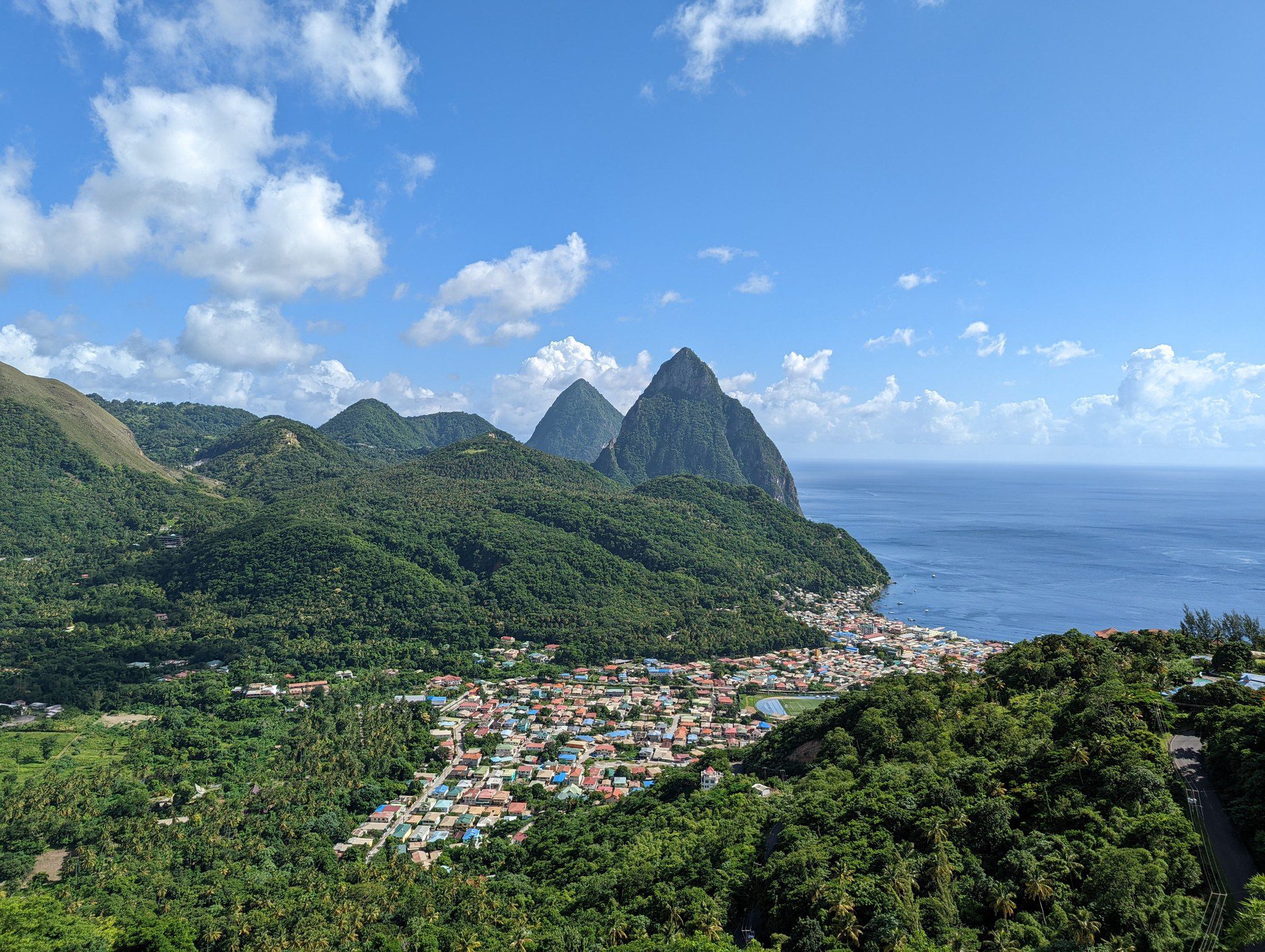
Towering abruptly above the Caribbean Sea along Saint Lucia’s southwestern shore, the volcanic spires of Gros Piton and Petit Piton define one of the most recognizable coastal horizons on Earth. Yet behind the postcard imagery lies a rugged, topographically fragmented island that regularly catches independent travellers off guard. Saint Lucia is not a compact resort atoll where a rental car effortlessly connects every attraction within twenty minutes. Deep ravines, dense rainforest reserves, and steep mountain switchbacks bisect the interior, creating two distinct worlds: the sheltered resort centers of the north and the dramatic volcanic terrain of the south.
The single greatest mistake visitors make when planning a trip to Saint Lucia is booking a single resort in the north near Rodney Bay and assuming they can casually day-trip down to Soufrière multiple times. The winding West Coast road between Castries and Soufrière demands an hour and a half to two hours of intense low-gear mountain driving each way, characterized by blind hairpin bends, steep drop-offs, and frequent road washouts during tropical downpours. Repeating this journey multiple times produces driver fatigue and severe motion sickness. The solution is an intelligent split-stay itinerary, basing yourself first in Soufrière for active hiking and volcanic excursions, before relocating north to Rodney Bay for coastal relaxation, historical sites, and evening dining.
Trip Planning Blueprint: North Versus South Base Selection and Transit Tactics
Organizing an efficient seven-day exploration of Saint Lucia requires navigating four key operational factors:
The Two-Base Strategic Architecture: Rather than fighting island geography, split your week into two distinct chapters. Dedicate your first four nights to the southern district of Soufrière, placing you within minutes of Gros Piton trailhead, Sulphur Springs caldera, Diamond Botanical Gardens, and prime snorkeling reefs at Anse Chastanet. For your remaining three nights, move north to Rodney Bay or Cap Estate, where calm swimming beaches, protected marinas, Pigeon Island National Landmark, and diverse restaurants provide a relaxing conclusion.
Airport Logistics and Arrival Planning: Saint Lucia has two airports. Long-haul international flights from North America and Europe land at Hewanorra International Airport (UVF) in Vieux Fort at the southern tip of the island. Regional Caribbean inter-island flights use George F. L. Charles Airport (SLU) in Castries to the north. Arriving at UVF and heading directly to a northern resort means enduring a ninety-minute to two-hour road transfer after a long flight. Landing at UVF and transferring forty-five minutes northwest to Soufrière is substantially more relaxing and cuts arrival friction in half.
Road Realities Versus Coastal Water Taxis: Driving on Saint Lucia is on the left side of the road, inherited from British colonial administration. While the East Coast Highway connecting Vieux Fort and Castries is well-paved and relatively straightforward, the West Coast mountain corridor between Soufrière and Castries via Canaries and Anse La Raye is challenging, featuring narrow single-lane sections, sharp switchbacks, and deep concrete drainage gutters (*ravines*) bordering the asphalt. For day transits between Soufrière and northern bays, local water taxis or catamaran charters offer a scenic, reliable forty-minute coastal cruise that avoids mountain curves entirely.
Currency and Local Cash Norms: The official currency is the Eastern Caribbean Dollar (XCD), pegged to the US Dollar at a fixed rate of approximately 2.70 XCD to 1 USD. While US dollars are accepted widely across resorts, restaurants, and tour desks, change is frequently returned in Eastern Caribbean cash at unfavorable internal exchange rates. Carrying local XCD cash is essential for paying roadside fruit stalls, small village eateries (*kweyol* cookshops), national park community trail guides, and water taxi captains.
| Day / Stage | Base | Highlights | Transport Mode | Transit Time | Advance Booking Requirement |
|---|---|---|---|---|---|
| Day 1 | Soufrière | UVF airport arrival, southern scenic transfer, Soufrière bay view, Creole dinner | Airport taxi | 45 mins southern drive | Official UVF airport taxi reservation |
| Day 2 | Soufrière | Dawn Gros Piton guided climb, Sulphur Springs mud baths, mineral thermal soak | Rental 4WD or taxi | 20 mins local drive | Official Gros Piton guide assignment |
| Day 3 | Soufrière | Anse Chastanet marine reserve snorkeling, Anse Mamin coastal trail, beach sunset | Water taxi or 4WD | 15 mins coastal boat | Marine reserve equipment hire |
| Day 4 | Soufrière | Tet Paul Nature Trail view, Diamond Falls Botanical Gardens, French colonial history | Local taxi | 15 mins transfer | Diamond Falls estate ticket |
| Day 5 | Rodney Bay | Northbound transfer via Marigot Bay lookout, Castries market, Reduit Beach check-in | Water taxi or private car | 1 hr 15 mins scenic drive | Inter-base vehicle transfer |
| Day 6 | Rodney Bay | Pigeon Island National Landmark hike, Fort Rodney naval ruins, Gros Islet evening | Walking & local taxi | 10 mins taxi transfer | Pigeon Island national park entry |
| Day 7 | Rodney Bay / Departure | Morning Reduit Beach swim, East Coast highway transfer to UVF airport, flight departure | Pre-booked taxi transfer | 1 hr 30 mins highway drive | Departure airport transfer buffer (3 hrs) |
Day 1: Arrival in the South and Soufrière Bay Setting
Touching down at Hewanorra International Airport (UVF) in Vieux Fort, clear immigration and customs, then exit to the official taxi dispatcher desk. Settle into your transfer vehicle for the forty-five-minute journey winding northwest along the coastal highway through Choiseul into Soufrière. As you crest the southern coastal hills, the twin volcanic peaks of Gros Piton and Petit Piton emerge dramatically from the sea, framing the historic fishing port below.
Soufrière served as the original French colonial capital of Saint Lucia, founded in 1746. The town retains a distinctive architectural character, with gingerbread-trimmed wooden balconies and colorful painted wooden facades lining the bayfront. Settle into your eco-lodge or hillside guesthouse, taking in views of Petit Piton rising directly behind the harbor. Enjoy a relaxed dinner of stewed callaloo soup, freshly caught grilled mahi-mahi, and fried plantains at a local waterfront restaurant.
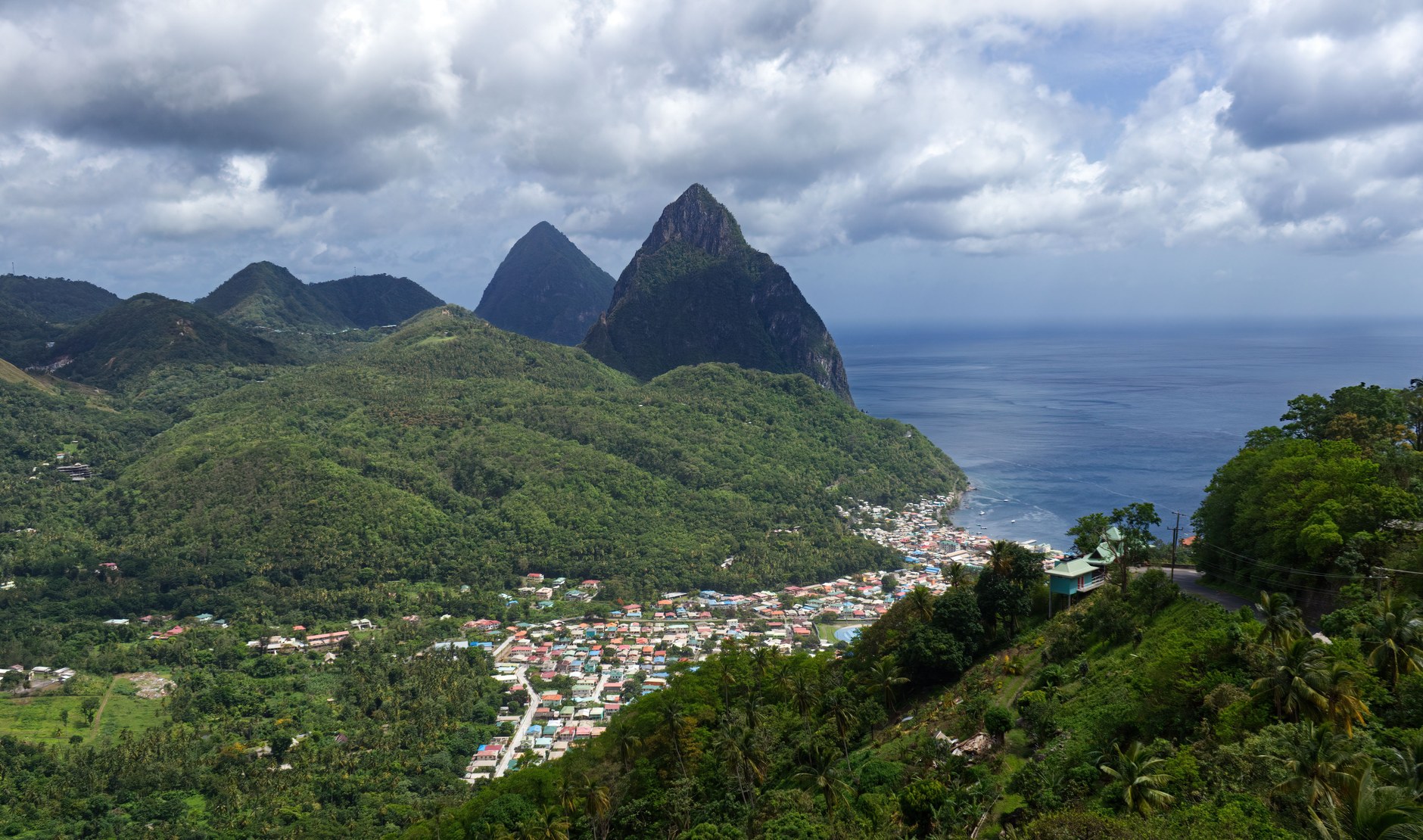
Take an evening stroll along the waterfront promenade as fishing skiffs moor along the jetty. The relaxed atmosphere here provides an immediate contrast to the bustling hotel strips of the northern peninsula, setting an unhurried tone for your southern exploration.
Day 2: Dawn Ascent of Gros Piton and Geothermal Mud Baths
Set an early alarm for a 6:00 AM departure to the Fond Gens Libre community center at the base of Gros Piton. Hiking Gros Piton is an intense physical undertaking: the trail ascends 2,619 feet over approximately 3.2 miles of steep, rocky terrain consisting of natural boulder staircases, exposed tree roots, and sustained vertical climbing. Starting at dawn is critical to completing the ascent before equatorial heat and intense humidity envelop the mountain.
Every hiker is paired with an official local guide from the Fond Gens Libre community, whose knowledge of regional medicinal flora and volcanic geology enriches the climb. Reaching the summit shoulder takes approximately two hours, rewarding you with an extraordinary vista looking south toward Saint Vincent and across the emerald interior ridgeline. Take a well-earned rest, descend carefully with trekking poles, and drink plenty of electrolyte-replenishing water.
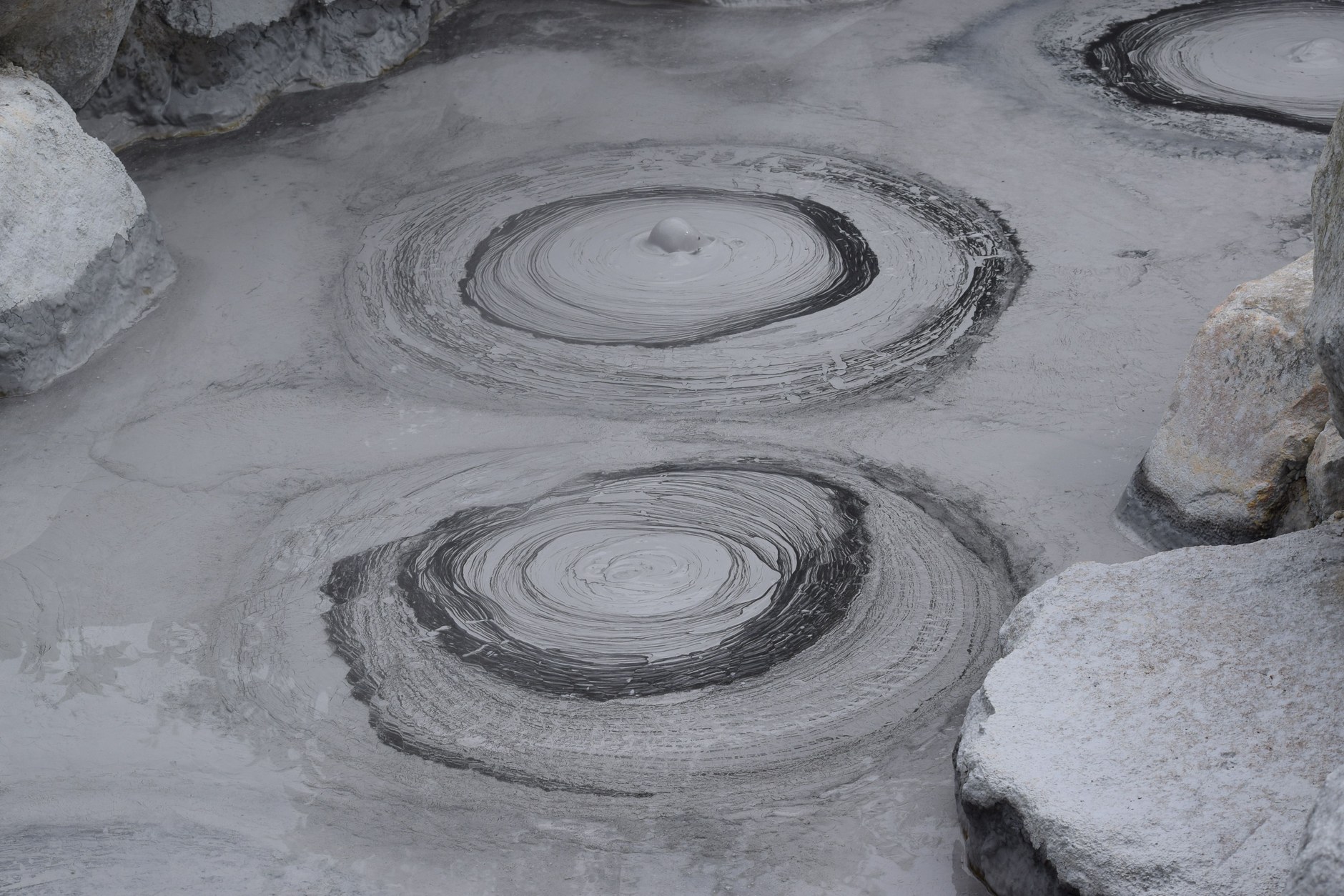
Following your strenuous hike, drive ten minutes to Sulphur Springs, promoted as the Caribbean’s only drive-in volcano. This active geothermal caldera features bubbling sulfur pools, hissing steam fumaroles, and pungent mineral-rich runoff. Step into the warm black mud pools, coating your skin in volcanic sediment rich in sulfur and magnesium, known for soothing tired muscles. Wash off under the warm mineral waterfall cascade before returning to your lodging for an afternoon rest.
Day 3: Coral Reef Snorkeling at Anse Chastanet and Anse Mamin
Dedicate your third day to exploring Saint Lucia’s premier marine environment. Located just north of Soufrière harbor, Anse Chastanet beach sits within the Soufrière Marine Management Area (SMMA), an internationally recognized marine reserve established in 1994 to protect coastal reef biodiversity. The unpaved access road from town is notoriously rough and rutted; taking a five-minute water taxi from Soufrière dock is both faster and far easier on vehicle suspensions.
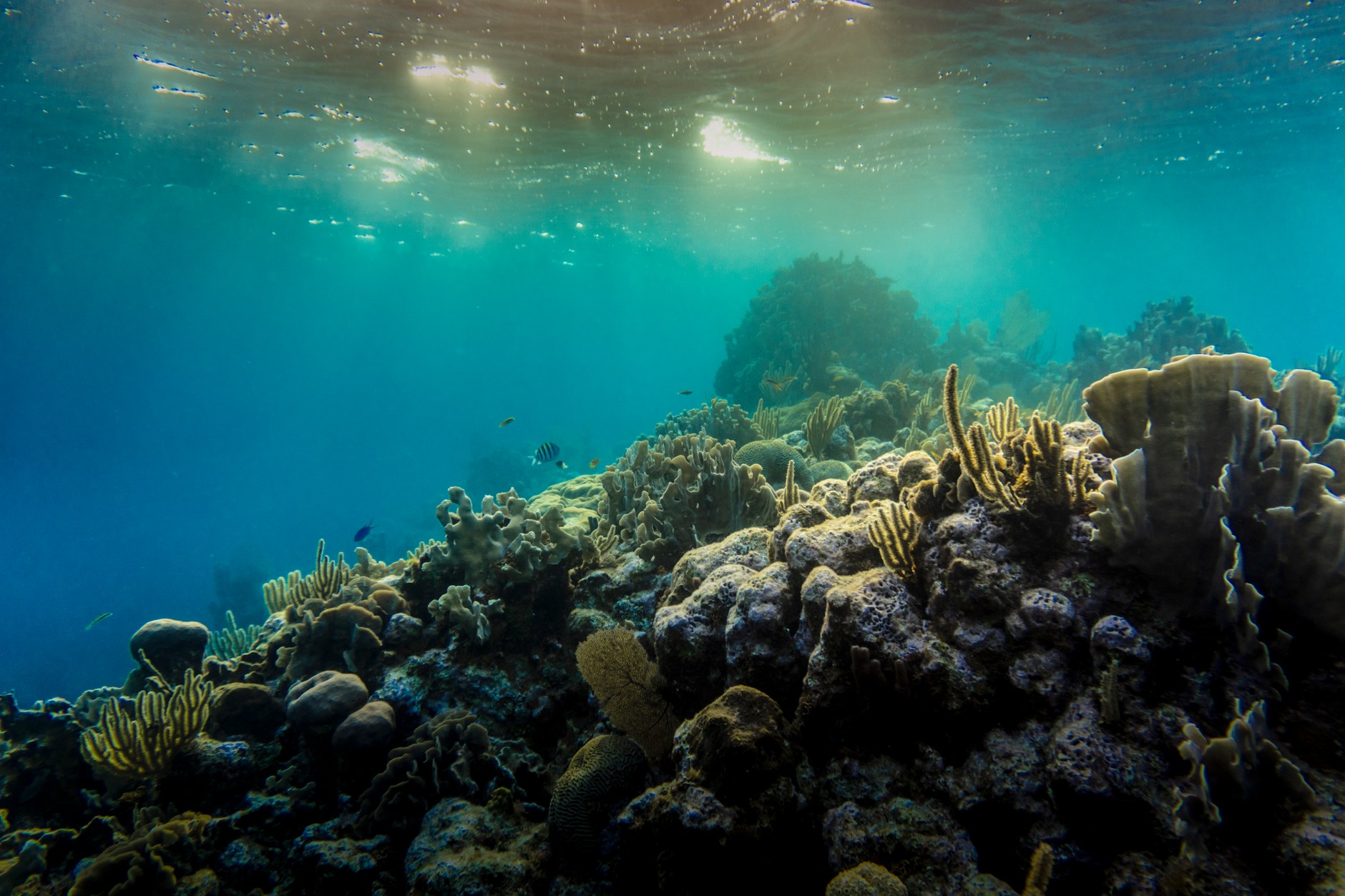
The reef at Anse Chastanet begins mere yards from the dark volcanic sand shoreline, shelving gently from ten feet down to an eighty-foot vertical coral wall. Snorkelers and divers can drift over pristine brain corals, purple sea fans, and boulder star corals. The marine sanctuary supports an astounding density of wildlife, including French angelfish, trumpetfish, peacock flounders, moray eels, and passing hawksbill sea turtles.
From Anse Chastanet, follow the shaded coastal footpath ten minutes north to Anse Mamin, a secluded bay bordered by ruins of an 18th-century sugarcane and cocoa plantation. Relax on the uncrowded sands beneath wild almond trees and sample the renowned chargrilled burgers served at the beach grill, prepared using locally spiced Caribbean beef.
Day 4: Tet Paul Nature Trail and Diamond Botanical Gardens
Begin your morning with an easy cultural and scenic walk along the Tet Paul Nature Trail, situated in the farming village of Chateau Belair. Unlike the grueling physical slog of Gros Piton, Tet Paul is a gently ascending community-managed loop that takes under an hour, walking along traditional cassava terraces and tropical fruit orchards.
The trail culminates at a wooden viewing platform celebrated as the “Stairway to Heaven.” From this elevated ridge, you stand directly between Gros Piton and Petit Piton, enjoying an unmatched composition where the vertical volcanic cones frame the deep blue waters of Jalousie Bay below. Local guides explain traditional medicinal uses of indigenous plants and demonstrate how Lucayan ancestors processed cassava root into flatbread.
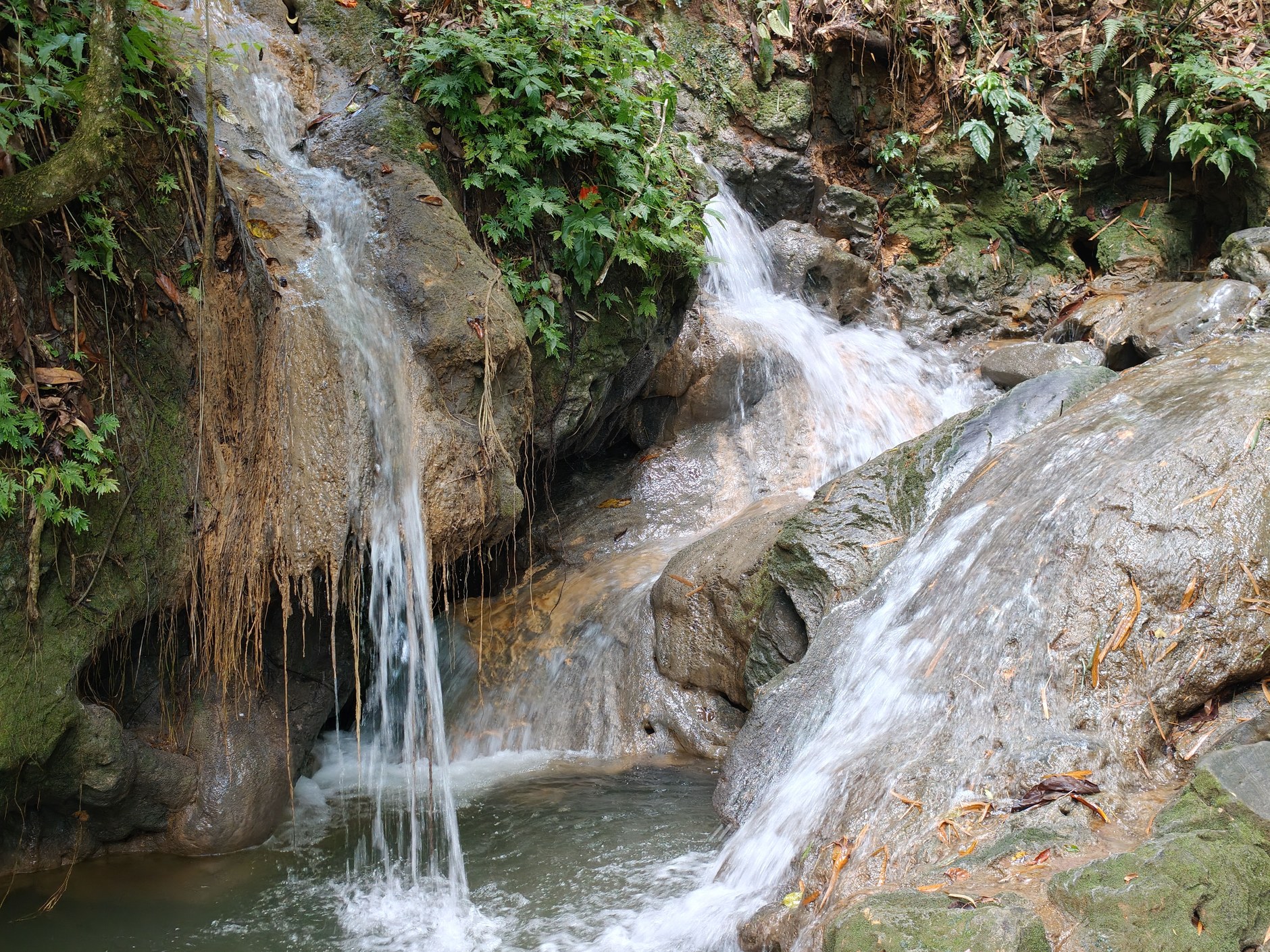
In the afternoon, visit the Diamond Falls Botanical Gardens, established on the historic Soufrière Estate granted by King Louis XIV of France in 1713. Walk along pathways shaded by giant ferns, hibiscus blossoms, and heliconias toward Diamond Waterfall. The rock face behind the falls is painted in striking hues of yellow, green, and copper by rich volcanic minerals dissolved in the geothermal stream. Finish your visit soaking in the restored outdoor mineral baths, originally constructed in 1784 for French soldiers serving under Governor de Souillac.
Day 5: Relocating North via Castries to Rodney Bay
Check out of your Soufrière accommodation for the journey north to Rodney Bay. While taking a private water taxi along the coast is an appealing option, travelling by road provides an opportunity to see the island’s working settlements. The highway winds through the fishing villages of Canaries and Anse La Raye before climbing over coastal headlands to an overlook above Marigot Bay, a hurricane hole framed by forested slopes.
Continue through the bustling capital city of Castries, stopping briefly at the Castries Central Market. Established in 1891, the covered iron market building is piled with tropical produce, bundles of fresh cinnamon bark, nutmeg, and homemade bottles of spicy banana ketchup. Purchase local spices before driving the remaining twenty minutes north to Rodney Bay.
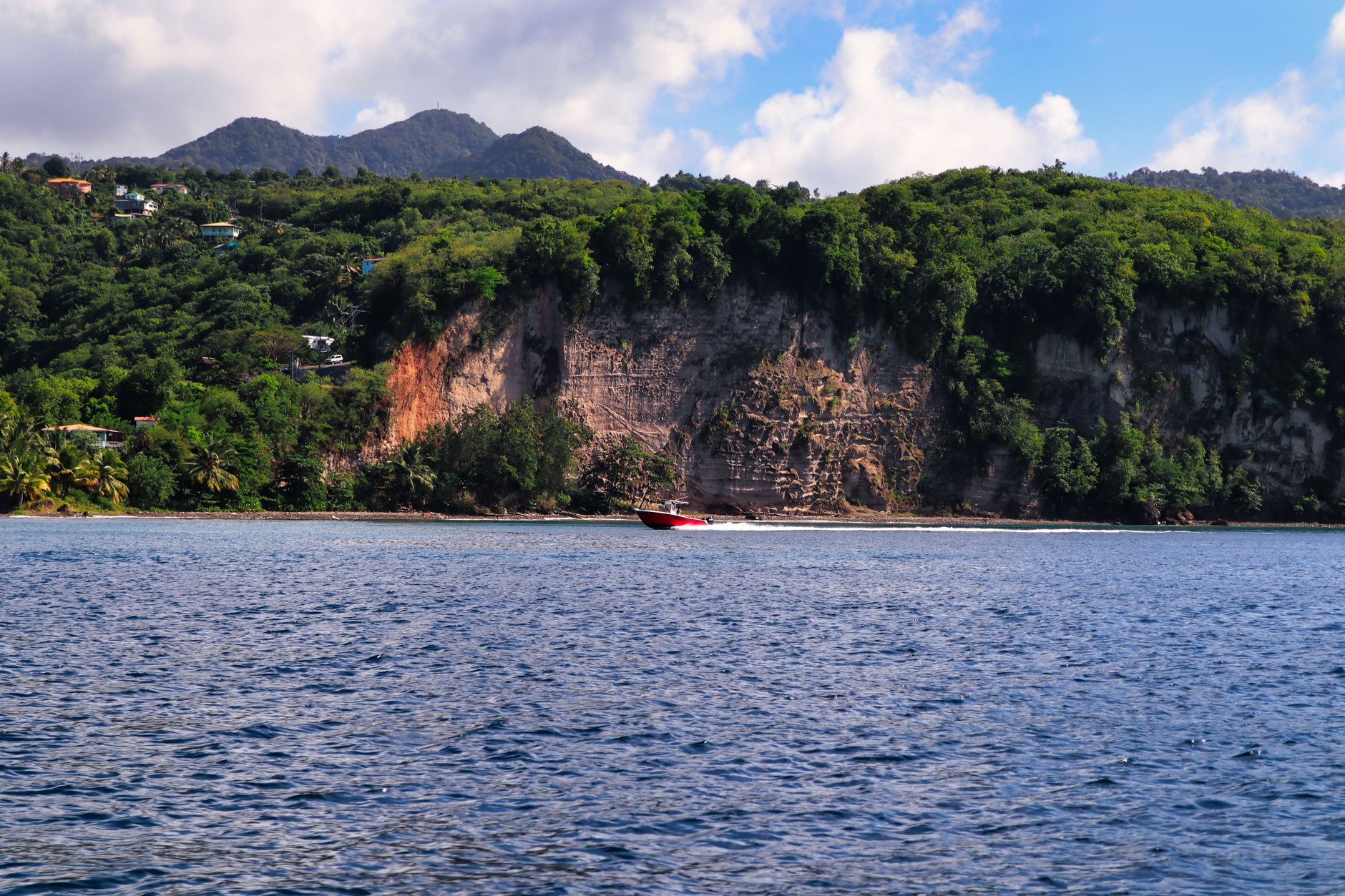
Check into your accommodation around Rodney Bay Marina or Reduit Beach. Rodney Bay is the economic and recreational hub of northern Saint Lucia, featuring a wide man-made lagoon filled with international cruising yachts, modern supermarkets, and open-air bistros. Spend the late afternoon unwinding on the soft sands of Reduit Beach, swimming in calm Caribbean waters sheltered from Atlantic trade winds.
Day 6: Pigeon Island History and Gros Islet Street Culture
Dedicate your sixth day to Pigeon Island National Landmark, located at the northern tip of Rodney Bay. Originally an isolated offshore islet, Pigeon Island was permanently joined to the mainland in 1972 by a man-made causeway. The forty-four-acre reserve is steeped in military heritage, serving as the strategic naval base from which British Admiral George Rodney monitored the French fleet at Martinique before the Battle of the Saintes in 1782.
Hike the shaded paths past ruined stone officers’ barracks, artillery magazines, and gun emplacements, climbing to the crest of Fort Rodney at 225 feet. For more adventurous walkers, a steeper footpath ascends to the Higher Peak at 359 feet, offering panoramic views across Rodney Bay to the south and the distant outline of French Martinique across the channel to the north. Descend to the park’s sheltered coves for an unhurried swim and lunch at the beachside jambe de bois cafe.
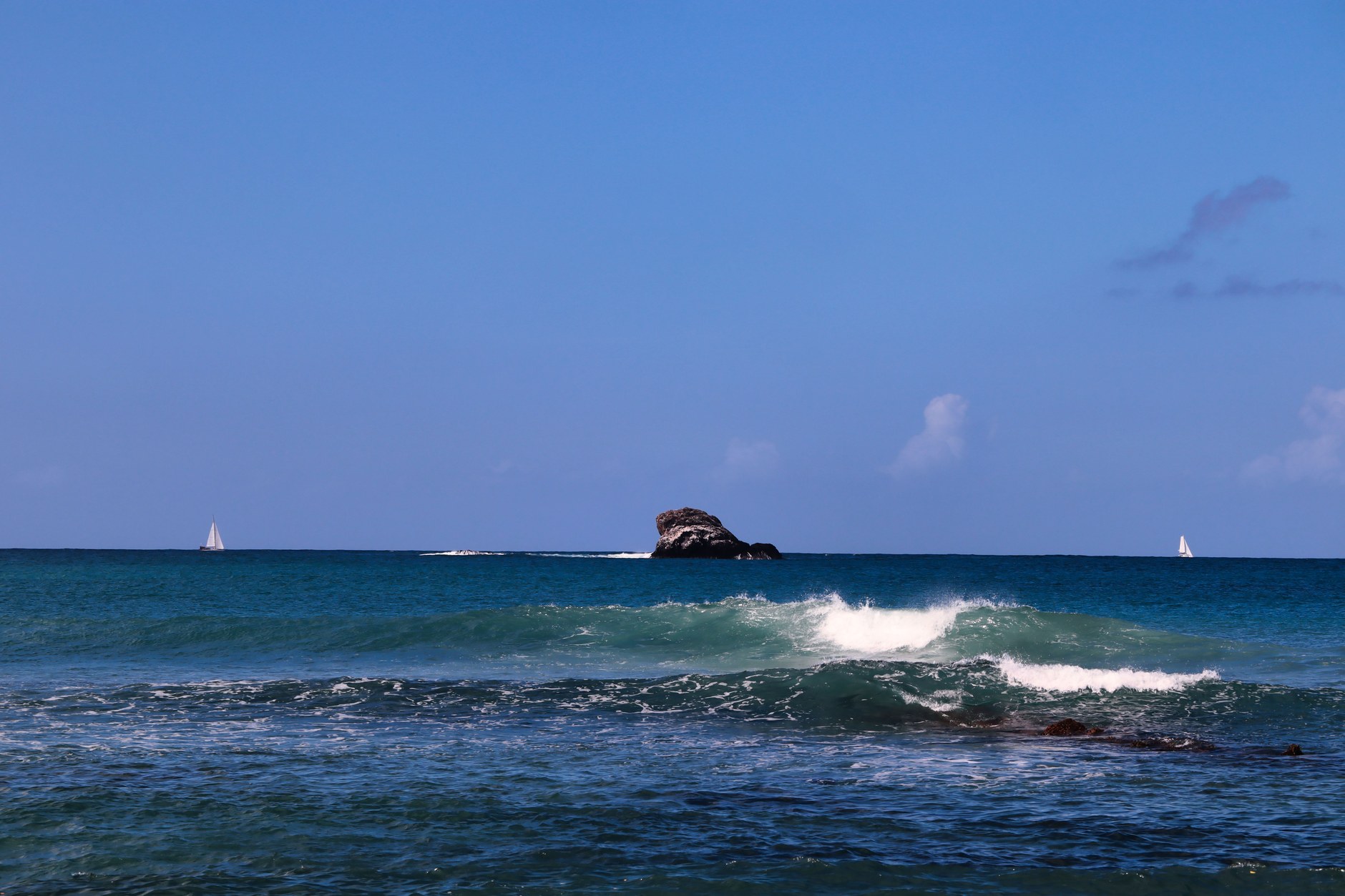
In the evening, if visiting on a Friday, head to the adjacent fishing village of Gros Islet for the renowned Friday Night Jump Up street party. Sound systems line the central streets, and outdoor barbecue stands serve grilled fish, conch (*lambi*), and barbecued pork ribs. It is an authentic cultural gathering where visitors and locals mingle to the rhythms of soca, reggae, and zouk music.
Day 7: Northern Shoreline Swim and Departure Logistics
Enjoy a relaxed concluding morning along the shores of northern Saint Lucia. Take a final swim in the placid waters of Reduit Beach or stroll along the boardwalks of Rodney Bay Marina, watching catamarans prepare for voyages through the Grenadines.
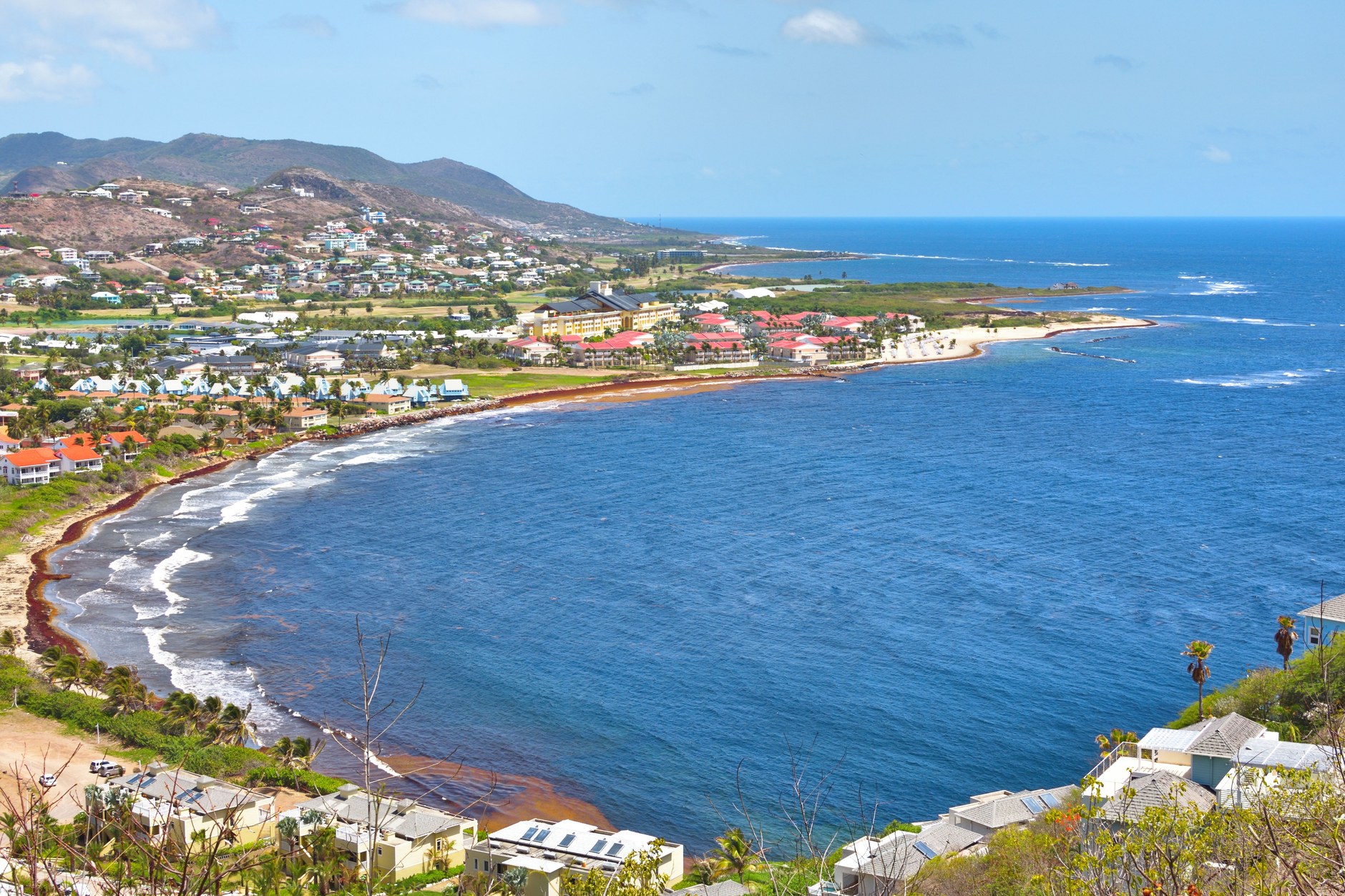
Because your departure flight operates out of Hewanorra International Airport (UVF) in the south, allow ample travel time for your return airport transfer. The drive from Rodney Bay to UVF via the East Coast Highway takes approximately one hour and thirty minutes under normal conditions, but construction or slow-moving commercial traffic can lengthen transit times. Depart your hotel at least three and a half hours prior to scheduled flight departures to ensure plenty of time for check-in and security screening.
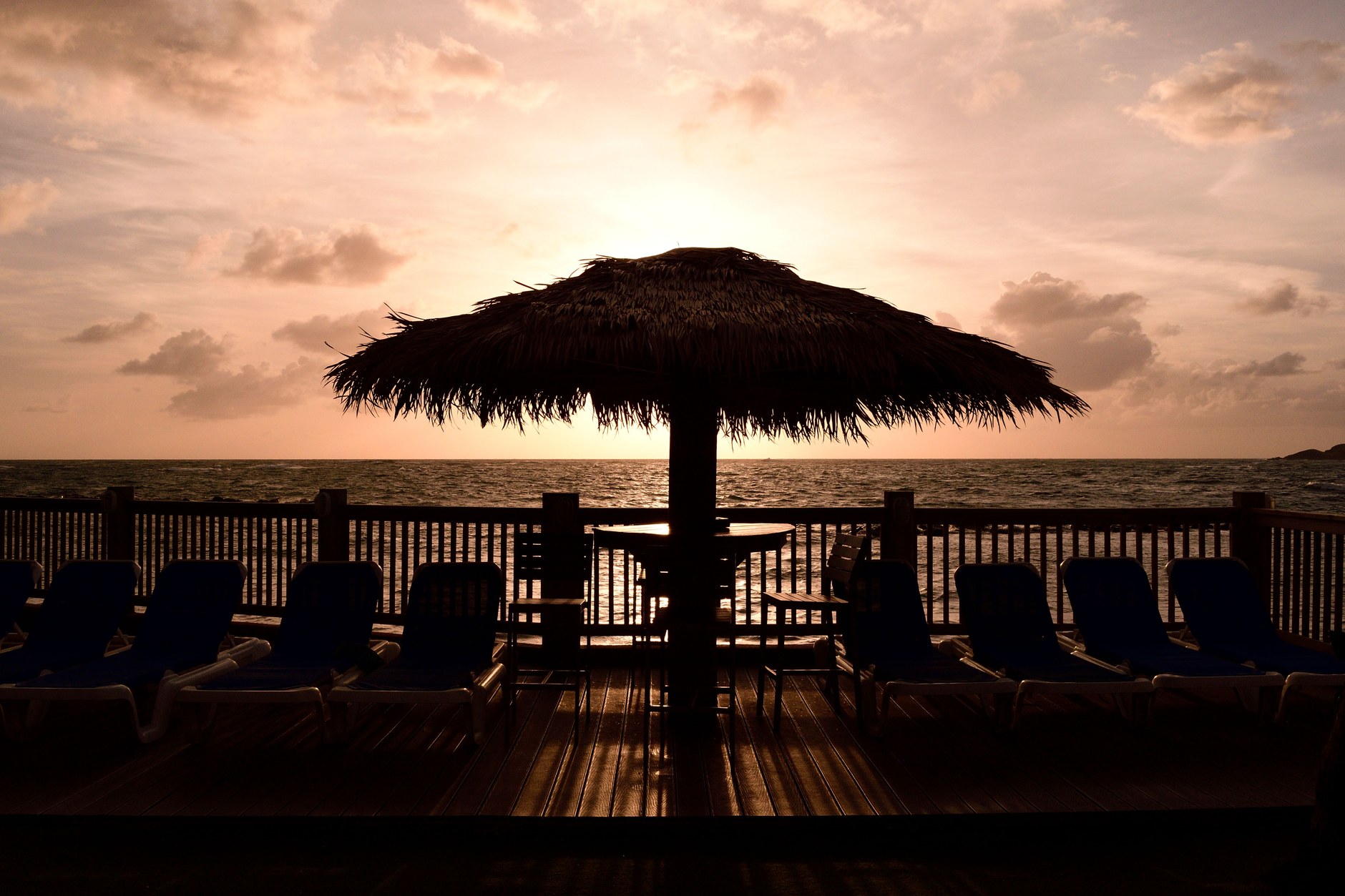
Mobile Connectivity and Digital Navigation in Saint Lucia
Reliable cellular data is indispensable when exploring Saint Lucia. You need active GPS navigation to negotiate winding mountain corridors and unmarked junction forks, real-time weather monitoring for dawn hikes up Gros Piton, and direct WhatsApp communication with licensed water taxi captains and guesthouse hosts. While hotel lobbies provide Wi-Fi, connectivity vanishes once you head onto mountain roads or coastal trails.
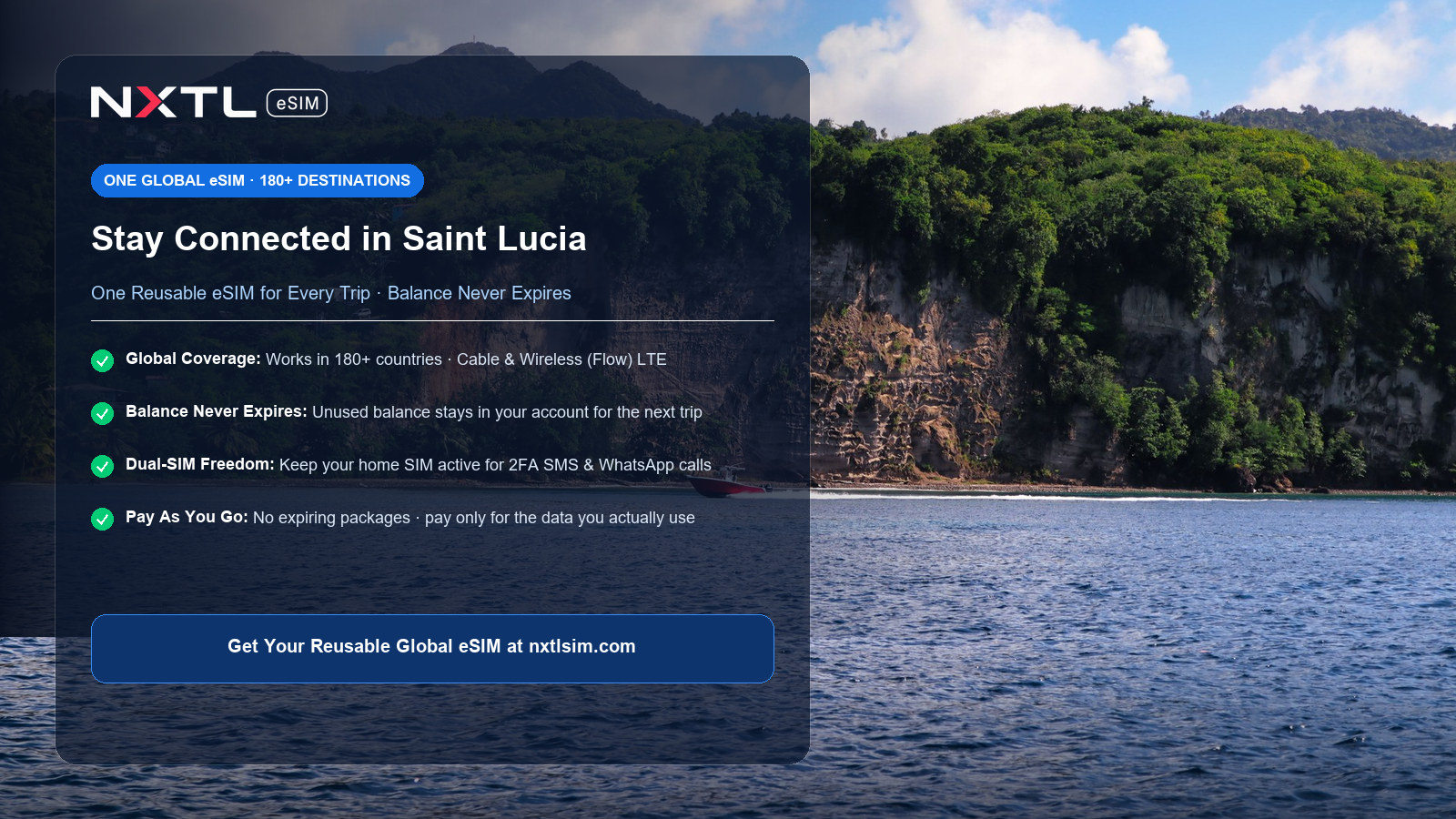
Setting up an eSIM before departure eliminates the hassle of purchasing physical SIM cards at airport stalls. The NXTL Saint Lucia eSIM connects directly to Cable & Wireless (Flow) LTE infrastructure as soon as you land at UVF or SLU. Offering transparent pay-as-you-go data at $7.22 per gigabyte, NXTL requires no recurring subscriptions or short-lived packages. Your purchased data balance never expires, ensuring remaining credit is preserved for your subsequent travels across more than 180 countries worldwide.
Travel Scams and Regional Logistics Pitfalls to Avoid
While Saint Lucia is generally a safe and hospitable island, independent travellers should stay vigilant against several prevalent commercial pitfalls and logistical misunderstandings:
- The Single-Base “North-Only” Road Exhaustion Trap: Booking an entire week at a resort in Rodney Bay or Cap Estate and attempting to drive down to Soufrière for day trips results in exhausting, stressful road travel. The West Coast road requires three to four hours of round-trip mountain driving on steep switchbacks with blind corners. Always split your stay between Soufrière and Rodney Bay, or rely on coastal water taxis for southern day visits.
- Aggressive Unofficial Trail and Parking Touts: Outside official national park gates at Sulphur Springs, Toraille Waterfall, and Gros Piton, unauthorized individuals in high-visibility vests wave vehicles down, pretending to be official parking attendants demanding cash fees. Never pay parking fees along public roads; drive directly into designated national park parking lots with official signage and staffed ticket booths.
- Unlicensed Water Taxi Pricing and Stranding: While water taxis are the most pleasant way to travel between Soufrière, Anse Chastanet, and Castries, informal boat operators on public jetties sometimes quote low initial rates, only to demand inflated return fares or fail to show up for scheduled pick-ups. Only book boat transfers through licensed operators displaying maritime association credentials, and confirm fixed round-trip prices in writing.
- Dynamic Currency Arbitrage by Street Vendors: Some street vendors and private taxi operators calculate prices using arbitrary exchange rates when paid in US dollars, charging a steep 20 to 30 percent markup compared to the official peg of 2.70 XCD per USD. Whenever purchasing street food, fresh produce, or souvenirs, ask for prices in Eastern Caribbean Dollars and pay with local cash.
- Gros Islet Friday Street Party Petty Theft and Overcharging: The Friday Night Jump Up in Gros Islet is a memorable cultural event, but crowded street conditions attract pickpockets. Keep wallets and smartphones in secure zipped front pockets, avoid wearing flashy jewelry, and clarify exact drink and seafood platter prices before ordering from street vendors to prevent inflated bills at the end of the evening.
By organizing your journey around a smart split-stay structure, embracing coastal water taxis, and maintaining dependable digital navigation, your trip to Saint Lucia will capture the very best of the Caribbean—from volcanic summits and geothermal springs to tranquil northern anchorages and authentic Creole island culture.