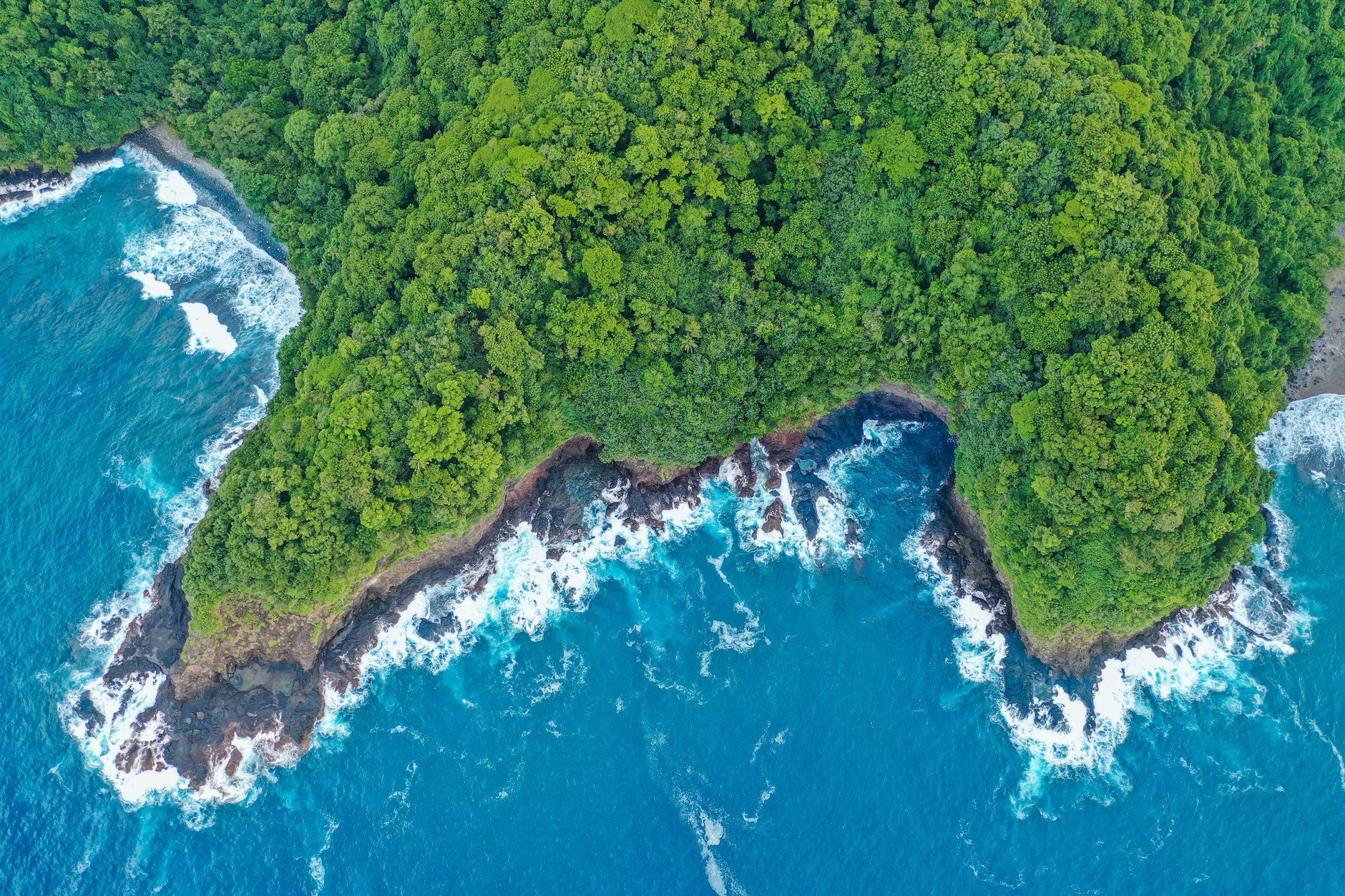
Samoa represents one of the Pacific’s most culturally intact societies, an independent Polynesian nation where modern tourism adapts to indigenous customs rather than the reverse. Unlike heavily developed South Pacific destinations dominated by chain resorts, Samoa’s daily life is anchored in Fa’a Samoa—the 3,000-year-old traditional Samoan Way. Across Upolu and Savai’i, customary village councils govern communal lands, families live in open-sided architecture, and natural wonders remain directly under village stewardship.
Traveling here successfully requires a deliberate shift in mindset and pacing. Rushing through Samoa as if it were a standard beach resort getaway leads directly to cultural misunderstandings and missed experiences. An authentic journey demands seven or eight days divided between Upolu and Savai’i. This pacing lets you experience To Sua Ocean Trench, master inter-island ferry logistics, sleep in open-air beach fales beside reef surf, and observe Sunday customs that govern village life.
Upolu: Apia’s Heritage and the Coastal Interior
Your journey begins on Upolu, arriving through Faleolo International Airport (APW) on the island’s northwestern coast. Pick up a rental vehicle at the airport or arrange a transfer into the capital of Apia, located forty-five minutes east along the coastal highway. Apia is a relaxed harbor town serving as Samoa’s commercial hub, framed by green volcanic ridges and colonial waterfront architecture.
Spend your first morning exploring Apia. Ascend Mount Vaea to visit Villa Vailima, the estate built by Scottish author Robert Louis Stevenson, who spent his final years here and was named Tusitala (“teller of tales”) by local Samoans. The preserved mansion houses Stevenson’s library and memorabilia. Hikers can follow a shaded rainforest trail up to Stevenson’s tomb atop Mount Vaea for panoramic views over Apia and the Pacific.
In central Apia, visit the Fugalei Fresh Produce Market, where local farmers display taro roots, breadfruit, sweet ladyfinger bananas, and freshly husked coconuts. Adjacent stalls serve dishes like palusami (taro leaves baked with coconut cream in an earth oven) and oka (raw tuna marinated with lime and coconut milk). Stop at the Immaculate Conception Cathedral along Beach Road to admire its carved timber ceiling.
The Emerald Depths of To Sua Ocean Trench
On your second day, drive south across the island’s central volcanic spine toward the rugged southern coastline. The southern shore of Upolu harbors one of the South Pacific’s most celebrated geological wonders: the To Sua Ocean Trench, located near the village of Lotofaga.
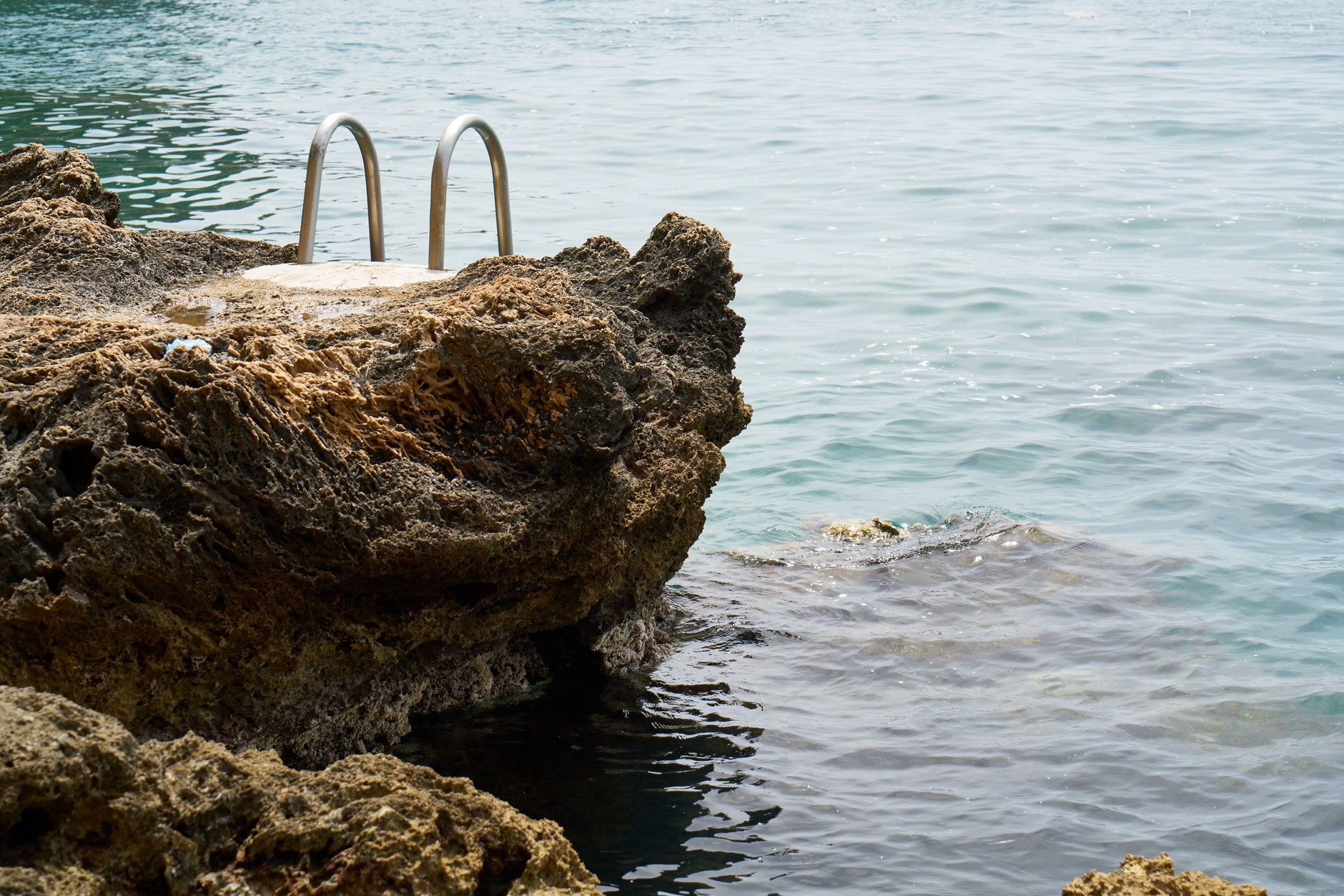
To Sua (meaning “giant hole”) is a massive thirty-meter-deep elliptical sinkhole formed when ancient lava tubes collapsed near the sea. The trench is filled with seawater fed by cavern channels linked to the ocean. Thick curtains of ferns and jungle vines drape down the basalt walls, framing a clear turquoise pool that glitters in morning light.
Reaching the water requires descending a steep, sturdy wooden ladder to a floating timber platform below. Swimming in the trench is an unforgettable experience, but safety requires timing your visit around mid-tide: low tide leaves the water too shallow for swimming, while peak high tide creates powerful surges rushing through the submerged lava tubes. Hand ropes strung across the pool provide secure resting spots against tidal currents. The surrounding clifftop gardens offer manicured walking paths, scenic ocean blowholes, and traditional wooden day fales overlooking dramatic coastal surf.
Lalomanu and Open Beach Fale Living
Continue east along the southern coastal road toward Lalomanu Beach, situated at Upolu’s southeastern tip. Consistently ranked among the Pacific’s finest coastlines, Lalomanu features powdery white coral sand sloping gently into a protected lagoon of brilliant turquoise water, backed by steep jungle-clad cliffs and swaying coconut palms.
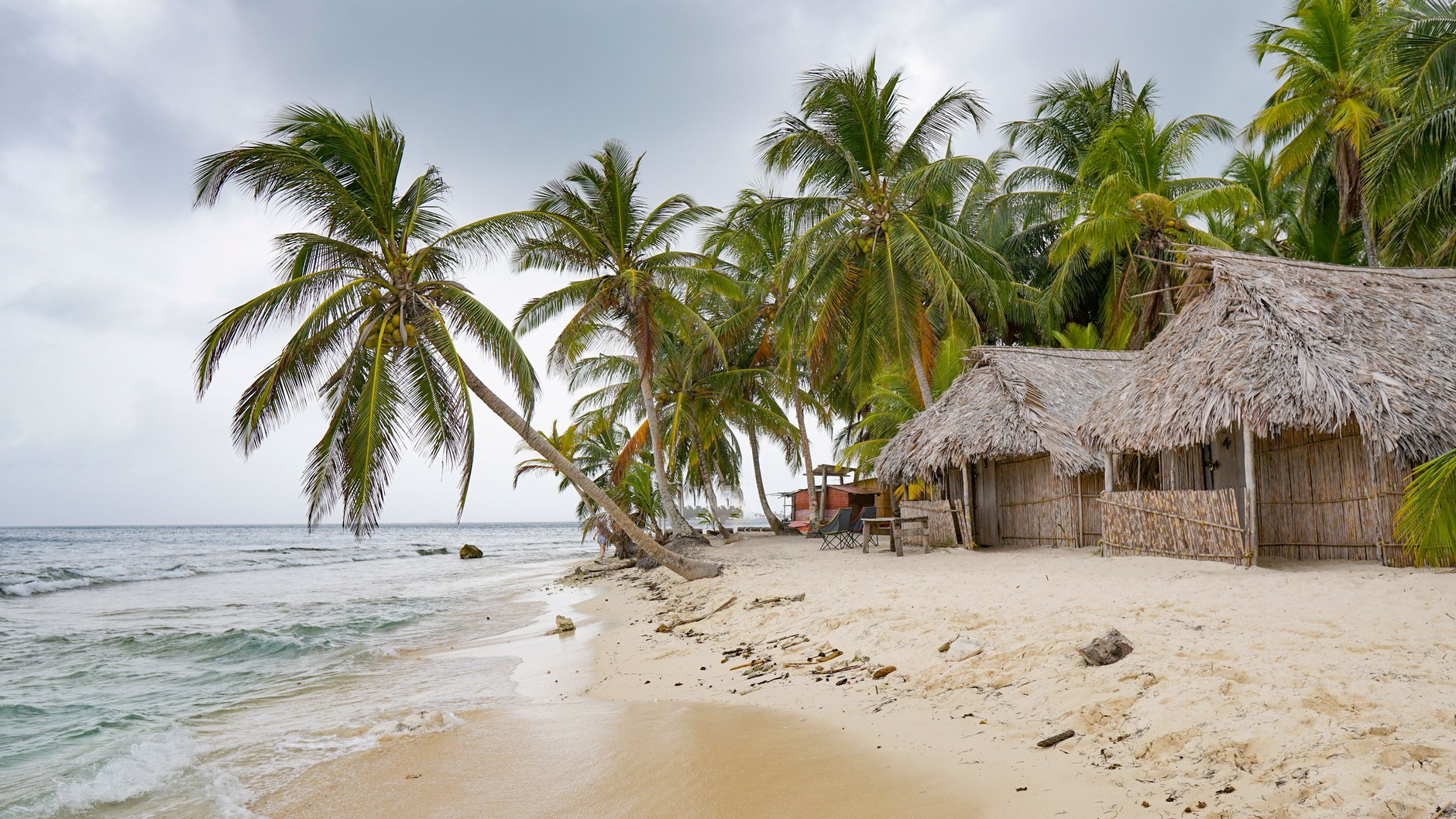
The defining stay here is the beach fale: raised wooden platforms supported by timber posts beneath thatched roofs, open to sea breezes. Woven blinds (pola) drop at night for privacy. Sleeping inside an open fale on a mattress beneath a mosquito net, with reef surf breaking yards away, connects you directly to the natural environment.
Beach fale properties are family-operated enterprises where room rates almost invariably include communal home-cooked breakfasts and evening dinners. Meals are served in a central open fale, bringing travelers and local Samoan families together over fresh grilled fish, roasted breadfruit, papayas, and taro. This communal dynamic provides authentic cultural immersion that sterile luxury resorts cannot replicate.
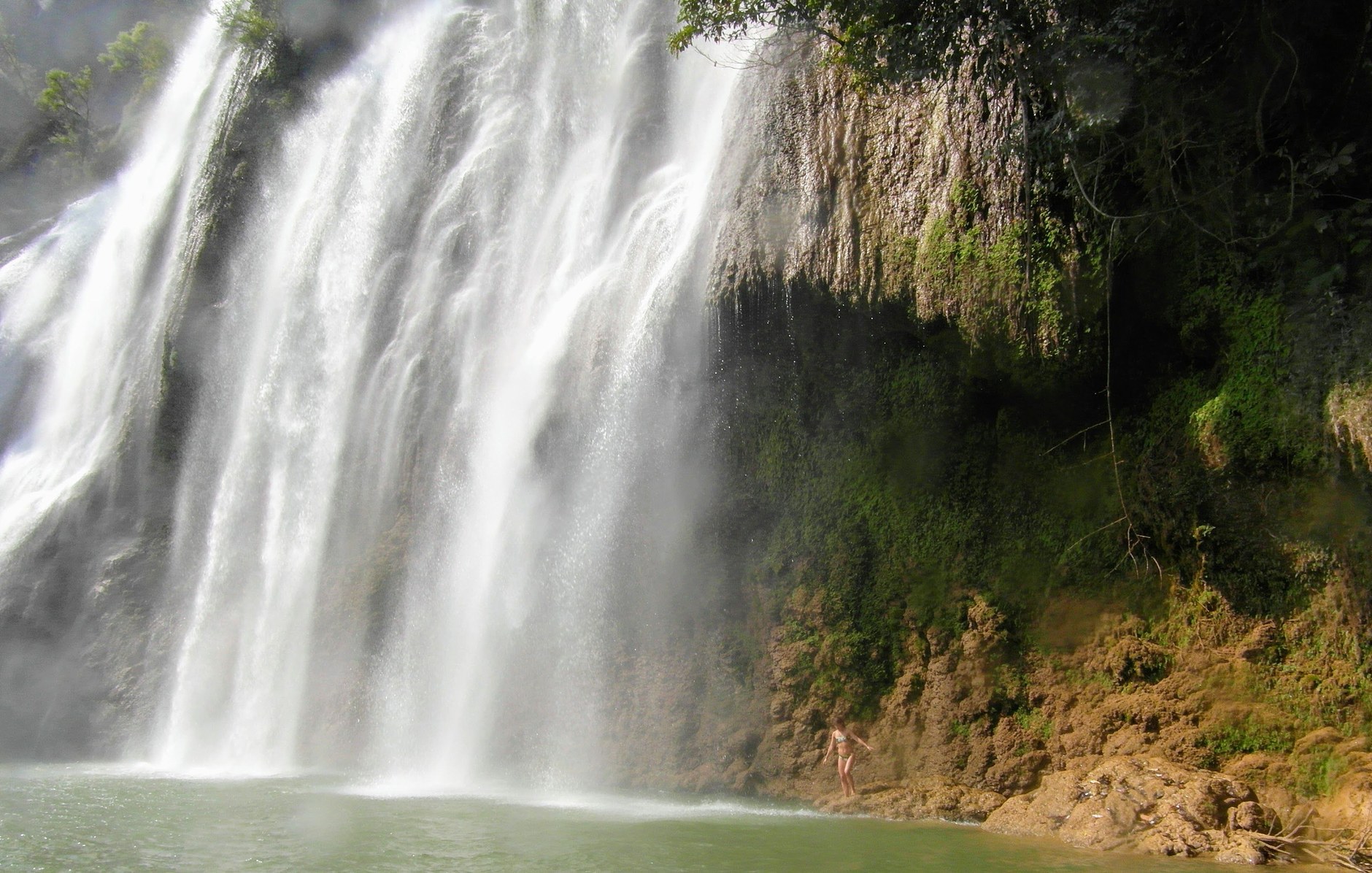
While based at Lalomanu, explore nearby inland waterfalls such as Sopo’aga Falls and Fuipisia Falls. Sopo’aga cascades fifty-four meters into a steep, jungle-choked gorge, viewed from an immaculate village garden where elders demonstrate traditional fire-making and coconut husking techniques. Fuipisia Falls drops fifty-five meters over jungle cliffs with natural wading pools above the cascade.
Inter-Island Transit: The Apolima Strait Ferry
On your fourth morning, drive west to Mulifanua Wharf to make the crossing to Savai’i, Samoa’s largest and most traditional island. The Apolima Strait separates Upolu and Savai’i by twelve nautical miles, a scenic marine passage passing the small inhabited islands of Manono and Apolima.
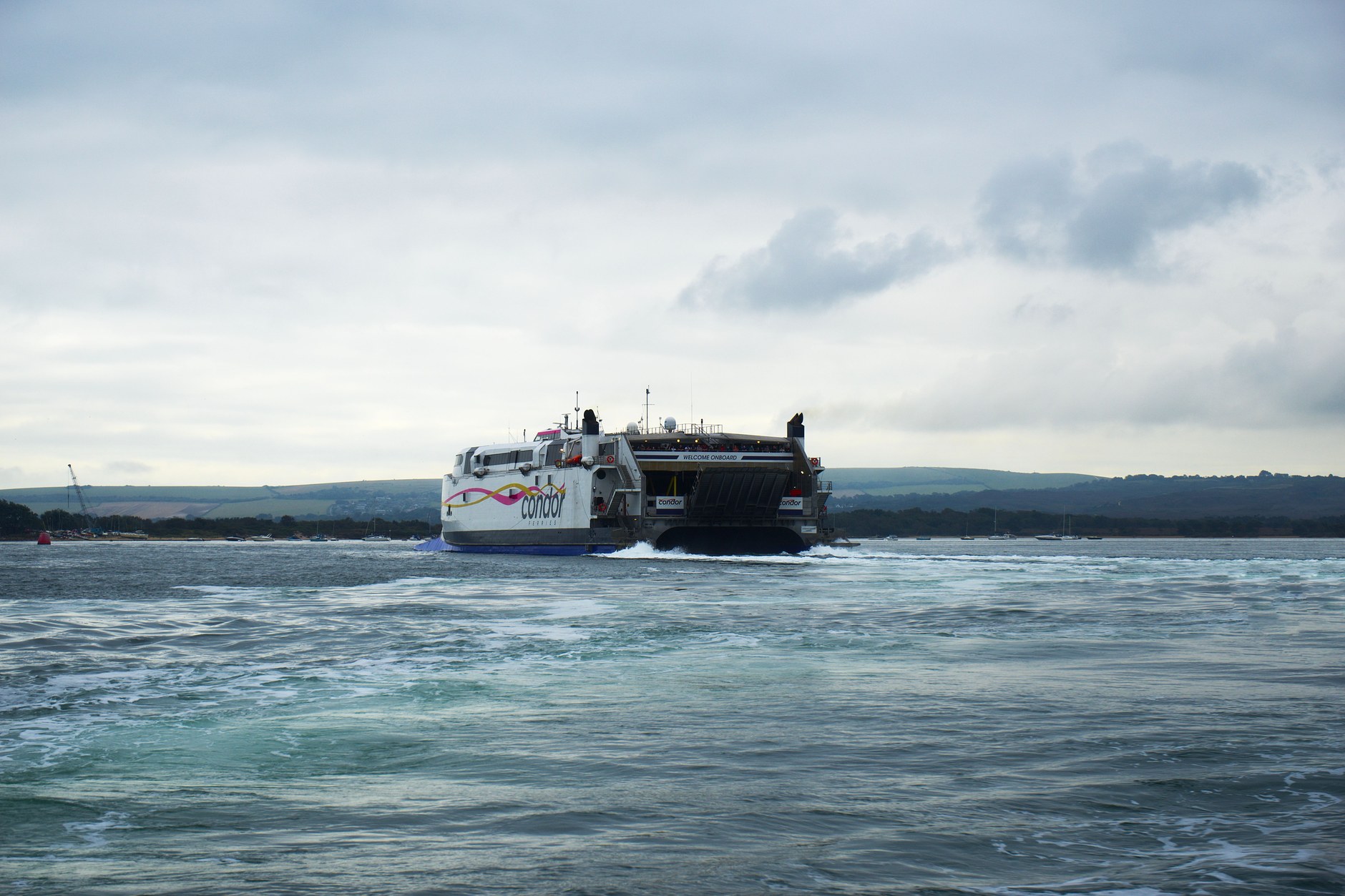
The Samoa Shipping Corporation operates roll-on roll-off passenger and vehicle ferries—principally the MV Lady Samoa III and MV Fotu-o-Samoa II—multiple times daily between Mulifanua Wharf on Upolu and Salelologa Wharf on southeastern Savai’i. The crossing takes sixty to seventy-five minutes across blue water. Passenger-only tickets are purchased at the wharf counter on departure morning for twelve Samoan Tala.
However, if you are transporting a rental vehicle to Savai’i, advance preparation is critical. Vehicle space on the ferry is strictly limited and must be booked in person days in advance at the Samoa Shipping Corporation main office in Apia or at the Mulifanua terminal. Drivers must arrive at the dock at least one hour before sailing for vehicle staging. Note that ferry schedules are significantly curtailed on Sundays due to religious observances, with only one or two sailings operating in the late afternoon.
Savai’i: Volcanic Ruins and Roaring Blowholes
Landing at Salelologa Wharf brings you onto an island that feels even more peaceful and deeply traditional than Upolu. Spanning 1,700 square kilometers, Savai’i is one of the largest landmasses in Polynesia, yet it is inhabited by fewer than forty-five thousand people distributed among coastal villages. There are no towns beyond Salelologa; life revolves entirely around village greens, family compounds, and subsistence agriculture.
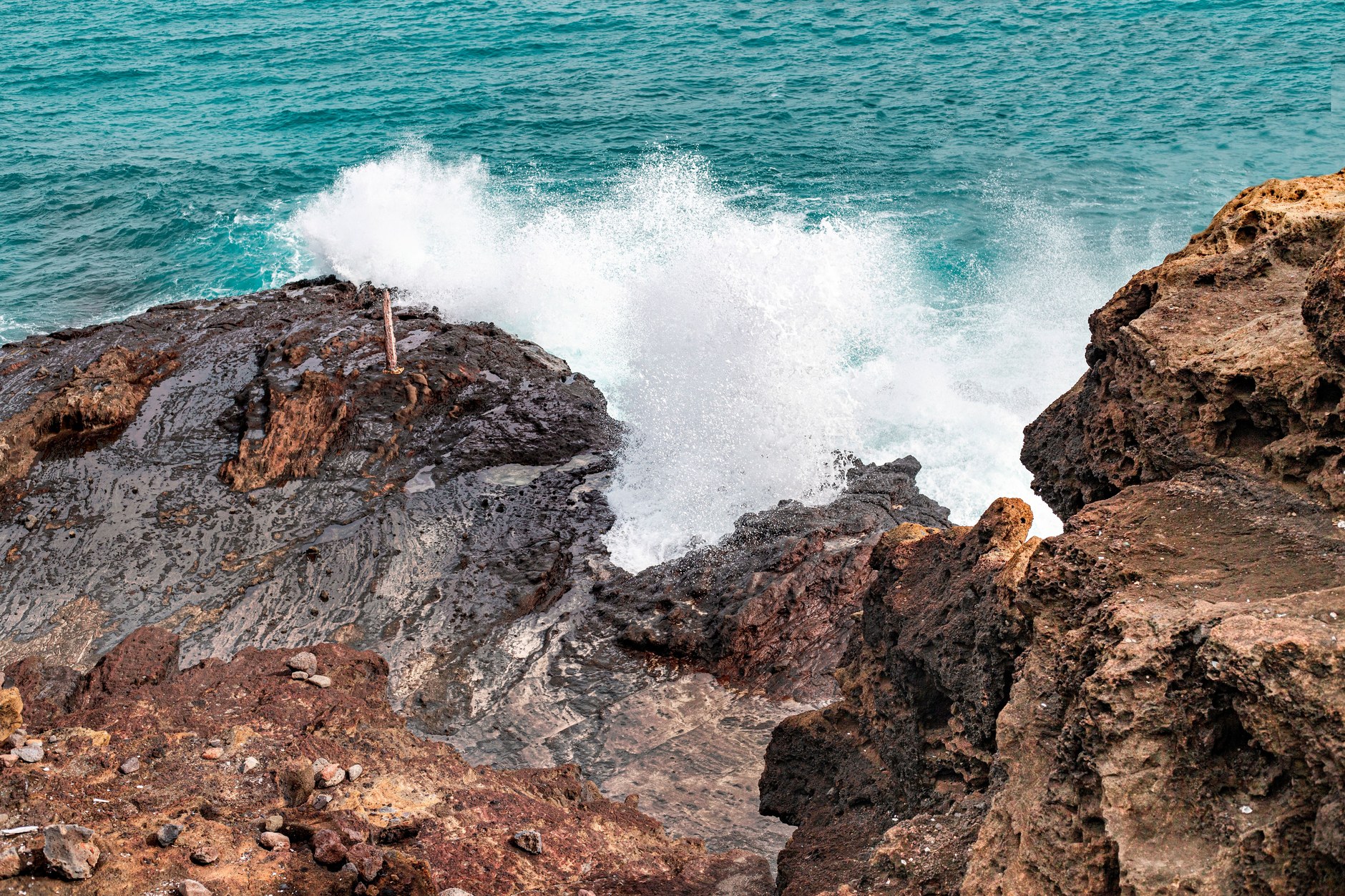
Drive south along the coastal road toward Taga village to experience the Alofaaga Blowholes. Here, centuries of wave action have carved subterranean tunnels through horizontal coastal basalt shelves. When powerful southern ocean swells slam into the underwater cliffs, compressed water and air erupt through narrow volcanic blowholes, shooting roaring geysers of ocean spray fifty to one hundred feet into the air with deafening concussive force.
Local wardens demonstrate the blowholes’ power by tossing coconuts over vents before a wave strikes. The hydraulic pressure launches the coconut hundreds of feet into the sky like a cannonball. Standing on the lava shelf feeling the ground vibrate is exhilarating, though visitors must keep back from slick wet ledges.
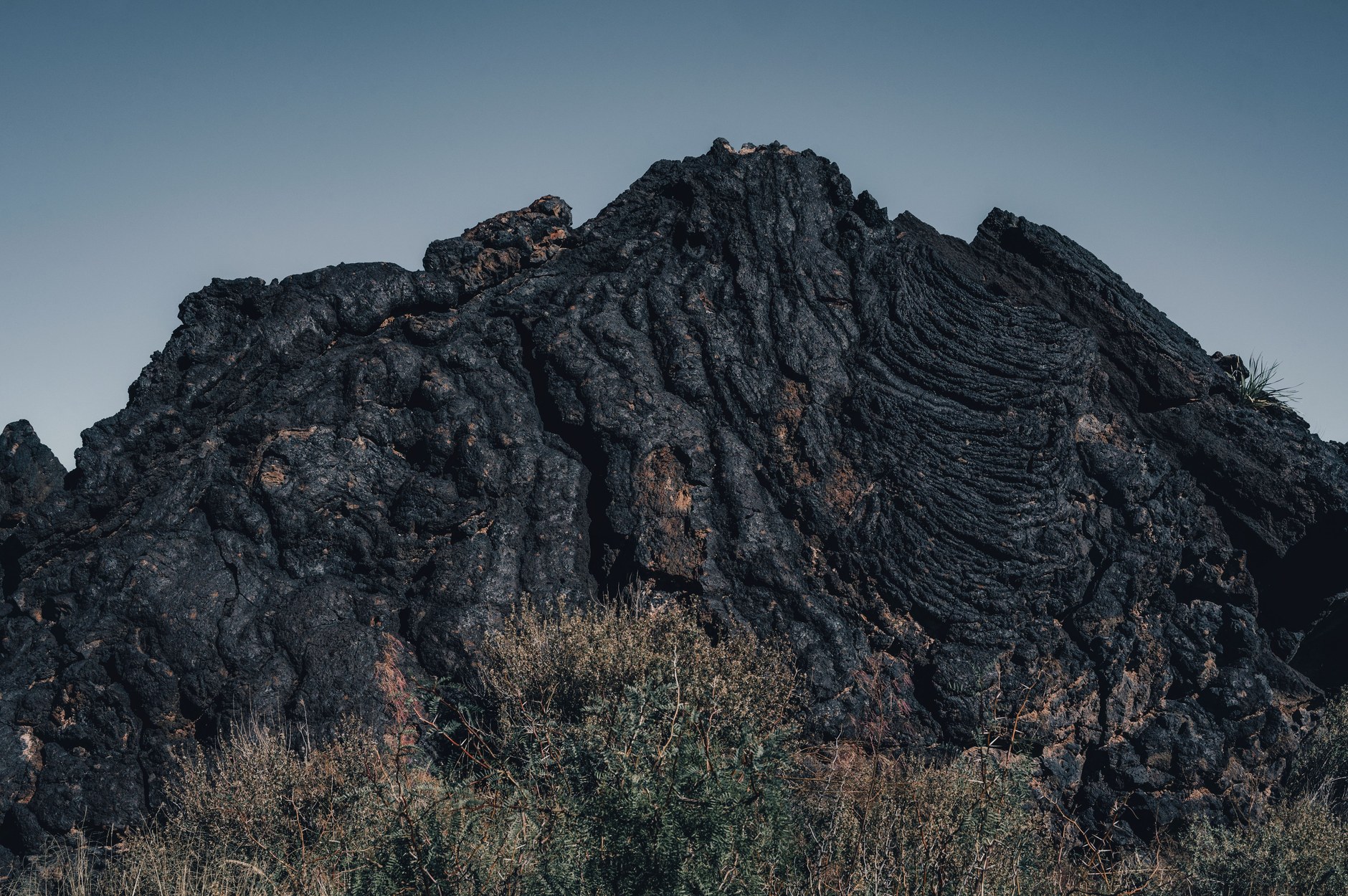
From Taga, cross northward to the Saleaula Lava Fields on the island’s northeast coast. Between 1905 and 1911, the continuous eruption of Mount Matavanu buried five entire villages beneath thick rivers of molten basalt, which slowly cooled into a vast expanse of rippling black volcanic rock. At Saleaula, lava flowed through the doors of an LMS stone church, solidifying across the floor while leaving stone walls standing. Nearby, the “Virgin’s Grave” remains untouched where molten basalt parted around the tomb.
Fa’a Samoa and Village Architecture
To travel through Savai’i is to immerse yourself in the architecture of community. Every village centers around a grassy malae (village green) bordered by open-air meeting houses known as fale tele. Supported by hardwood pillars and bound with coconut sennit cord (afa) without nails, these oval pavilions host village councils where matai (chiefs) deliberate customary laws.
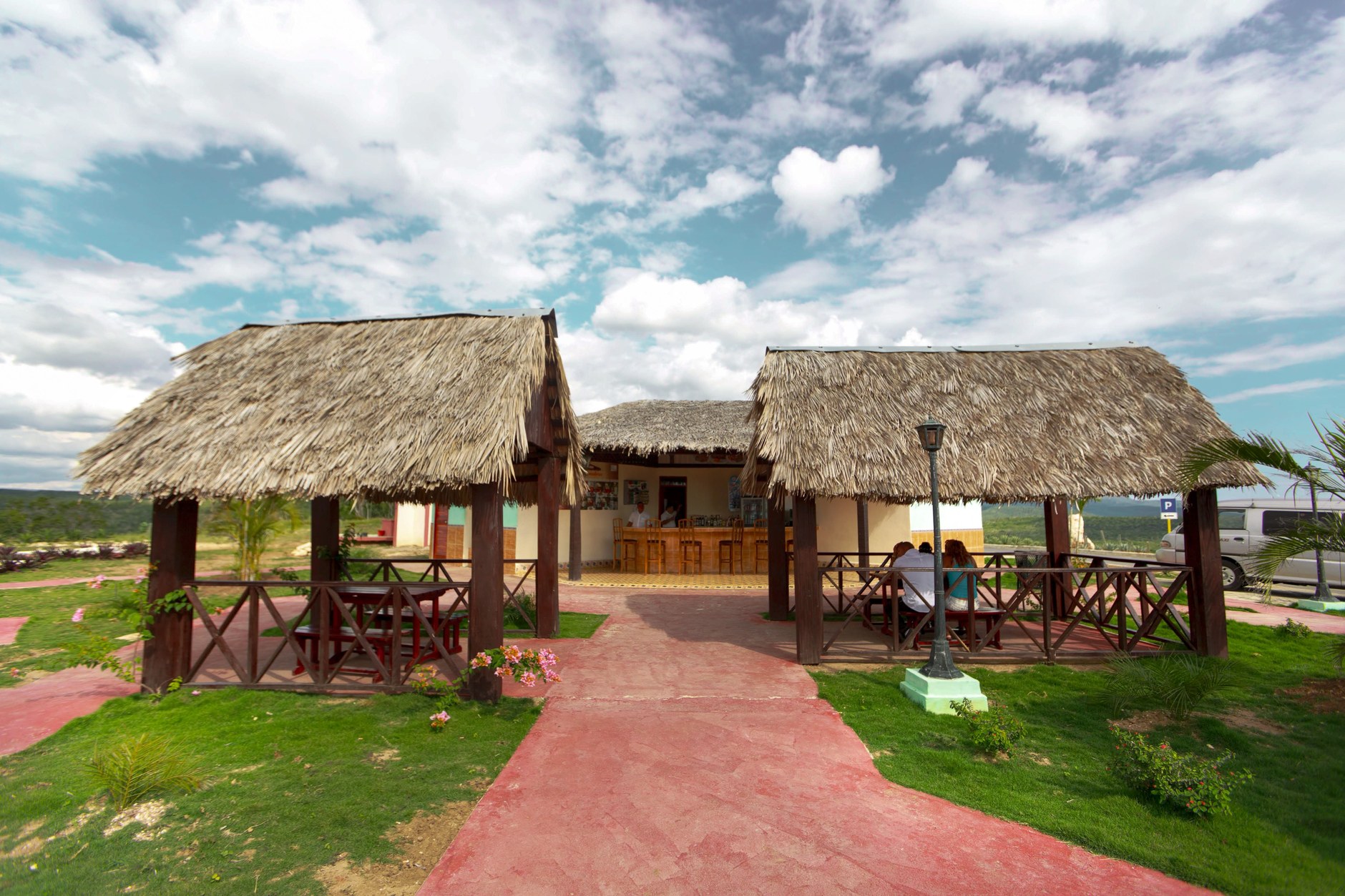
Understanding village etiquette is essential for every visitor. When entering a fale, remove shoes and sit cross-legged; pointing feet at others is impolite. Modest dress is expected in villages: cover shoulders and wear a lava-lava (sarong) or knee-length shorts, reserving swimwear for beaches.
Every natural site in Samoa sits on customary village land. Paying the custom entry fee (five to ten Tala) to village elders is a standard aspect of Samoan reciprocity that funds schools, water systems, and village maintenance. Always carry small cash denominations to pay respectfully.
7-Day Samoa Travel Itinerary
This compact itinerary balances the natural highlights of Upolu with a dedicated road trip across the volcanic coastlines and traditional villages of Savai’i. Pacing accounts for realistic island driving speeds and ferry crossings.
| Day / Stage | Base | Highlights | Transport Mode | Transit Time | Advance Booking Requirement |
|---|---|---|---|---|---|
| Day 1 | Apia (Upolu) | Airport arrival, Villa Vailima Stevenson museum, Fugalei market | Rental car | 45 mins from APW | Reserve airport rental vehicle weeks prior |
| Day 2 | Lalomanu (Upolu) | To Sua Ocean Trench mid-tide swim, Sopo’aga Falls | Rental car | 1.5 hours scenic drive | Check tidal tables for To Sua swim window |
| Day 3 | Lalomanu (Upolu) | Lalomanu Beach coral lagoon snorkel, beach fale dinner | Walking | Local exploration | Book beach fale accommodation in advance |
| Day 4 | Manase (Savai’i) | Mulifanua ferry crossing to Savai’i, coastal drive north | Car ferry & drive | 75 mins ferry + 1 hour drive | Book ferry vehicle space days in advance |
| Day 5 | Manase (Savai’i) | Saleaula lava fields, church ruins, Peapea cave | Rental car | 45 mins driving | Carry cash for village custom fees |
| Day 6 | Manase (Savai’i) | Alofaaga Blowholes, Afu Aau waterfall natural pool swim | Rental car | 1.5 hours driving | Carry small Tala cash for entry wardens |
| Day 7 | Apia / Faleolo | Morning ferry return to Upolu, Piula Cave Pool, airport return | Car ferry & drive | 75 mins ferry + 1 hour drive | Confirm ferry return departure time |
Field Connectivity and Practical Logistics
Staying connected across Samoa requires understanding the local telecommunications landscape. The nation’s primary telecommunications provider, Digicel Samoa, operates a reliable LTE cellular network that covers the coastal ring roads of both Upolu and Savai’i, as well as the urban corridor of Apia. While public Wi-Fi is essentially nonexistent and beach fales rarely offer internet routers, cellular mobile data is fast and dependable across populated village fringes. Installing an NXTL Samoa eSIM before your arrival flight ensures immediate connectivity the moment you land at Faleolo International Airport. Your balance never expires, and unused credit stays available for later trips across more than 180 countries.
Active mobile internet is vital for navigating Samoa’s decentralized geography: you will need data to check real-time tide charts for swimming safely at To Sua Ocean Trench, confirm ferry sailing updates with the Samoa Shipping Corporation, and navigate rural roads using GPS where directional signposts are infrequent. Furthermore, keeping your domestic physical SIM active in a dual-SIM smartphone allows you to receive crucial two-factor banking SMS authentication codes while using the eSIM profile for all local data traffic without expensive international roaming fees.
Seasonal Timing: Tradewinds and Wet Season Rhythms
Samoa has a warm, tropical climate governed by two primary seasons. The dry season runs from May through October, characterized by consistent southeast tradewinds that temper the heat and bring pleasant evening temperatures averaging 75 to 80 degrees Fahrenheit. Rainfall during these months is moderate and ocean waters are calm, providing optimal conditions for swimming, hiking, and sleeping comfortably in open beach fales.
The wet season lasts from November through April, bringing higher humidity, warmer ocean temperatures, and frequent afternoon tropical downpours. While rain often falls in brief bursts, wet-season depressions can produce multi-day storms that disrupt Apolima Strait ferries. For road tripping, outdoor swimming, and beach fale living, visit between June and September for the clearest weather.
Driving Rules: Left-Hand Driving and Village Speeds
Driving in Samoa is straightforward, but requires adherence to specific local rules. In September 2009, Samoa famously switched from driving on the right side of the road to the left, aligning with neighboring New Zealand and Australia. Road surfaces along the main coastal circum-island roads on both Upolu and Savai’i are paved and generally well-maintained, though narrow and unlit at night.
Speed limits are strictly enforced: 56 km/h (35 mph) on open roads, dropping to 40 km/h (25 mph) in villages and school zones. Driving slowly in villages is vital, as compounds are unfenced and children, pigs, and dogs often wander into the road. Sound a polite horn tap when approaching pedestrians or blind curves.
Currency and Financial Realities
The official currency of Samoa is the Samoan Tala (WST). While upscale hotels, car rental agencies, and established restaurants in Apia accept major international credit cards (Visa and Mastercard), Samoa remains an overwhelmingly cash-based economy outside the capital. Beach fales, village custom fees, market stalls, and rural petrol stations operate exclusively on cash.
Bank ATMs (ANZ, Bank of South Pacific, National Bank of Samoa) are widely available in central Apia and at Faleolo Airport. On Savai’i, ATMs are located strictly at Salelologa near the ferry wharf; there are no ATMs across the northern, western, or southern coasts. Always withdraw substantial cash in Tala before departing Apia or Salelologa, ensuring you carry plenty of five- and ten-Tala notes to pay village entry wardens smoothly.
Common Scams and Cultural Pitfalls
Violent crime is practically nonexistent in Samoa, and the local population is exceptionally welcoming. However, foreign travelers frequently stumble into cultural misunderstandings or logistical traps that can cause friction. Observing these specific precautions ensures a harmonious journey.
- Misconstruing Customary Village Access Fees: Visitors sometimes view village entry fees at beaches or waterfalls as arbitrary informal rip-offs. In Samoa, all land is communal and governed by village councils; paying the modest five-to-ten-Tala fee is mandatory customary protocol that maintains community amenities. Always pay pleasantly and ask for a receipt if available.
- Violating the Evening Prayer Curfew (Sā): Most traditional villages observe a daily evening prayer period known as Sā between 6:00 PM and 7:00 PM, signaled by three blows of a conch shell or church bell. During this ten-to-twenty-minute window, all movement through the village must cease. If driving, slow to a crawl or pull over safely until the final bell rings; never walk through village greens.
- Disregarding Sunday Religious Observances (Sābati): Sunday is strictly observed as a day of worship, rest, and family feasts. Businesses, tour operations, and many public beaches close entirely. Respect village solemnity by dressing modestly, keeping noise minimal, and avoiding loud swimming or intrusive photography during Sunday church hours.
- Ocean Surge Hazards at To Sua and Blowhole Platforms: Tidal currents inside To Sua Ocean Trench can overpower weak swimmers during high tide, while rogue waves at the Alofaaga Blowholes can sweep visitors off wet basalt shelves. Never enter To Sua at peak high tide, and never turn your back on ocean swells when standing near coastal lava blowholes.
- Unreserved Vehicle Ferry Standby Traps: Attempting to drive onto the Mulifanua-Salelologa ferry without an advance vehicle booking ticket frequently results in hours of delays or being stranded overnight at the wharf. Always secure your vehicle booking reservation at the shipping office days prior, especially for Friday and Monday crossings.
Slower and Shorter Route Adjustments
If you have only four or five days in Samoa, do not attempt to visit both islands. The wisest plan is to concentrate entirely on Upolu: spend one day in Apia exploring Villa Vailima and the markets, then base yourself for three nights in an open beach fale at Lalomanu to swim at To Sua Ocean Trench, snorkel the lagoon, and hike to inland waterfalls without the logistical overhead of ferry bookings.
Travelers with ten to twelve days should spend four days on Upolu and six full days thoroughly exploring Savai’i. Continue west past Taga to the remote Falealupo Peninsula to walk the rainforest canopy bridge, visit the Moso’s Footprint geological site, and watch the sun sink into the South Pacific from Samoa’s westernmost headland—historically regarded in ancient Polynesian mythology as the jumping-off point for departing human spirits into the underworld.