Senegal is widely celebrated as the gateway to West Africa: a nation renowned for teranga (its legendary culture of boundless hospitality), dynamic contemporary arts, resonant historical memory, and tranquil aquatic ecosystems. Yet planning a first-time trip here frequently creates logistical confusion. Many travellers attempt to cram the bustling peninsula of Dakar, the somber colonial history of Gorée Island, the northern jazz heritage of Saint-Louis, and the southern mangroves of Sine-Saloum into a single week. Attempting this creates an exhausting marathon of long highway drives on heavily congested arterial roads. The key to a triumphant first trip is choosing a focused, high-reward southern corridor.
This eight-day route resolves the classic dilemma by combining urban Dakar and car-free Gorée Island with the tranquil bird sanctuaries of the Petite Côte and the serene mangrove channels (bolongs) of the Sine-Saloum Delta. By bypassing the grueling five-hour northern highway haul to Saint-Louis, you limit driving stages to manageable two-to-three-hour segments along modern toll expressways and paved regional roads. You spend your days exploring contemporary African art, reflecting on the transatlantic slave trade, gliding past pelican colonies in motorized wooden pirogues, and savoring UNESCO-inscribed Senegalese gastronomy. Here is the definitive operational guide to bases, transport choices, pirogue navigation, and cultural etiquette.
Trip Planning Blueprint: Bases, Transport Modes, and the Saint-Louis Choice
The central editorial question when organizing a trip to Senegal is whether to include Saint-Louis in the north or head south into the Sine-Saloum Delta. Saint-Louis is undeniably compelling, possessing atmospheric French colonial architecture, an active fishing quarter in Guet N’Dar, and a prestigious international jazz festival. However, reaching Saint-Louis from Blaise Diagne International Airport or central Dakar requires a demanding five-hour overland drive each way through Thiès and Louga on the heavily trafficked N2 highway. Fitting Saint-Louis into a seven-or-eight-day holiday inevitably sacrifices your ability to relax in nature. We strongly recommend saving Saint-Louis for a dedicated northern circuit or a longer ten-to-twelve-day trip, prioritizing the Sine-Saloum Delta for a restorative, balanced first encounter.
Selecting your overland transport defines your travel comfort. For urban travel in Dakar, the modern Train Express Régional (TER) connects central Dakar Railway Station to the new city of Diamniadio in thirty-five minutes on air-conditioned tracks. Within central districts, yellow-and-black metered street taxis and ride-hailing apps like Yango and Heetch are ubiquitous and affordable, though you must negotiate fares before stepping inside traditional street taxis. For traveling south toward the Petite Côte and Sine-Saloum, hiring a private vehicle with a professional driver (voiture avec chauffeur) costs between seventy and ninety euros per day. This represents the best balance of safety, air-conditioned comfort, and spontaneous halts at roadside fruit stands.
Public collective bush taxis (known as sept-places—seven-seater Peugeot 505 station wagons) operate between major regional bus terminals (gares routières) for a fraction of the cost. However, sept-places depart only when every seat is sold, lack air conditioning, feature minimal suspension, and involve chaotic negotiations at dusty transit stations. For an eight-day holiday, a private driver-guide eliminates transit stress and keeps your schedule predictable.
Seasonality is another crucial factor. Senegal experiences a dry season running from November through May and a rainy season (hivernage) from July through October. The ideal travel window is December through April, when daytime temperatures are pleasant (24°C to 28°C on the coast), humidity is low, skies are cloudless, and millions of migratory European water birds overwinter in coastal estuaries. August and September bring intense tropical thunderstorms, high humidity, and increased mosquito activity across delta wetlands.
| Day / Stage | Base | Highlights | Transport Mode | Transit Time | Advance Booking Requirement |
|---|---|---|---|---|---|
| Day 1 | Dakar | Almadies Peninsula, Mamelles Lighthouse, African Renaissance Monument, Ngor sunset | Walking & Licensed Taxi | Urban base | Airport transfer & Almadies hotel |
| Day 2 | Île de Gorée | Morning ferry from Dakar port, Maison des Esclaves, colonial architecture, car-free walking | Public Passenger Ferry | 20 mins crossing each way | Official ferry ticket & Gorée guesthouse |
| Day 3 | Somone (Petite Côte) | TER train to Diamniadio, transfer to Somone Lagoon Nature Reserve, baobab walk | TER Train + Private Driver | 1.5 hrs total transit | Chauffeur-guide reservation & eco-lodge |
| Day 4 | Sine-Saloum (Ndangane) | Scenic drive past ancient baobabs to Ndangane, wooden pirogue transfer to Mar Lodj island | Private Driver & Pirogue | 2 hrs drive + 20 mins boat | Delta eco-camp reservation in Mar Lodj |
| Day 5 | Sine-Saloum Delta | Full-day motorized pirogue safari through mangrove bolongs, birdwatching, Serer villages | Traditional Wooden Pirogue | Full day water exploration | Licensed local pirogue guide hire |
| Day 6 | Sine-Saloum Delta | Shell Island (Île aux Coquillages) walk, artisanal oyster harvesting, sunset drum circle | Pirogue & Walking | Local island exploration | Community guide reservation |
| Day 7 | Dakar | Morning return via toll expressway, Museum of Black Civilisations, Soumbédioune craft market | Private Driver | 2.5 hrs highway drive (150 km) | Museum admission booking |
| Day 8 | Dakar departure | Marché Sandaga fabric shopping, final seaside Thiéboudienne lunch, Blaise Diagne airport transfer | Licensed Taxi | 45 mins airport transit | Airport flight check-in coordination |
Days 1–2: Atlantic Dakar and the Sacred Memory of Gorée Island
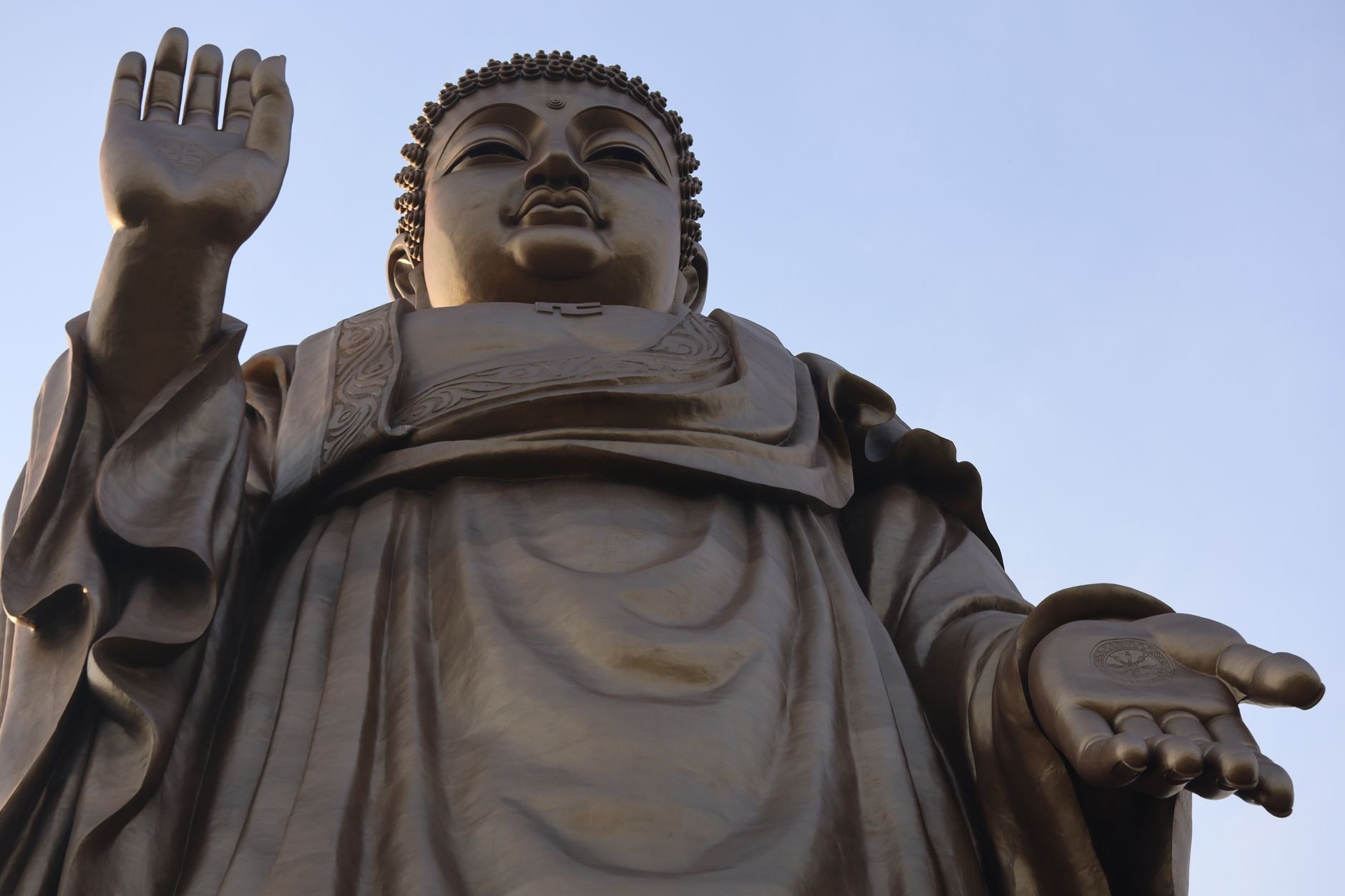
Your journey begins on the dramatic volcanic peninsula of Dakar, the westernmost point of the African continent. Start Day 1 in the lively coastal district of Les Almadies, where Atlantic swells crash against black basalt reefs. Ascend the twin volcanic hills of the Collines des Mamelles to the historic 1864 Phare des Mamelles lighthouse for an expansive vista across the peninsula, followed by a visit to the colossal Monument de la Renaissance Africaine in Ouakam. Rising fifty-two meters high—taller than the Statue of Liberty—this bronze monument depicts an African family emerging from a mountain peak, symbolizing continental liberation and renewal.
In the late afternoon, take a five-minute wooden pirogue shuttle across the bay to tiny Île de Ngor. This bohemian island of sandy footpaths, artist studios, and open-air seafood grills provides a relaxed introduction to Senegalese seaside life, free from the vehicular traffic of the mainland.
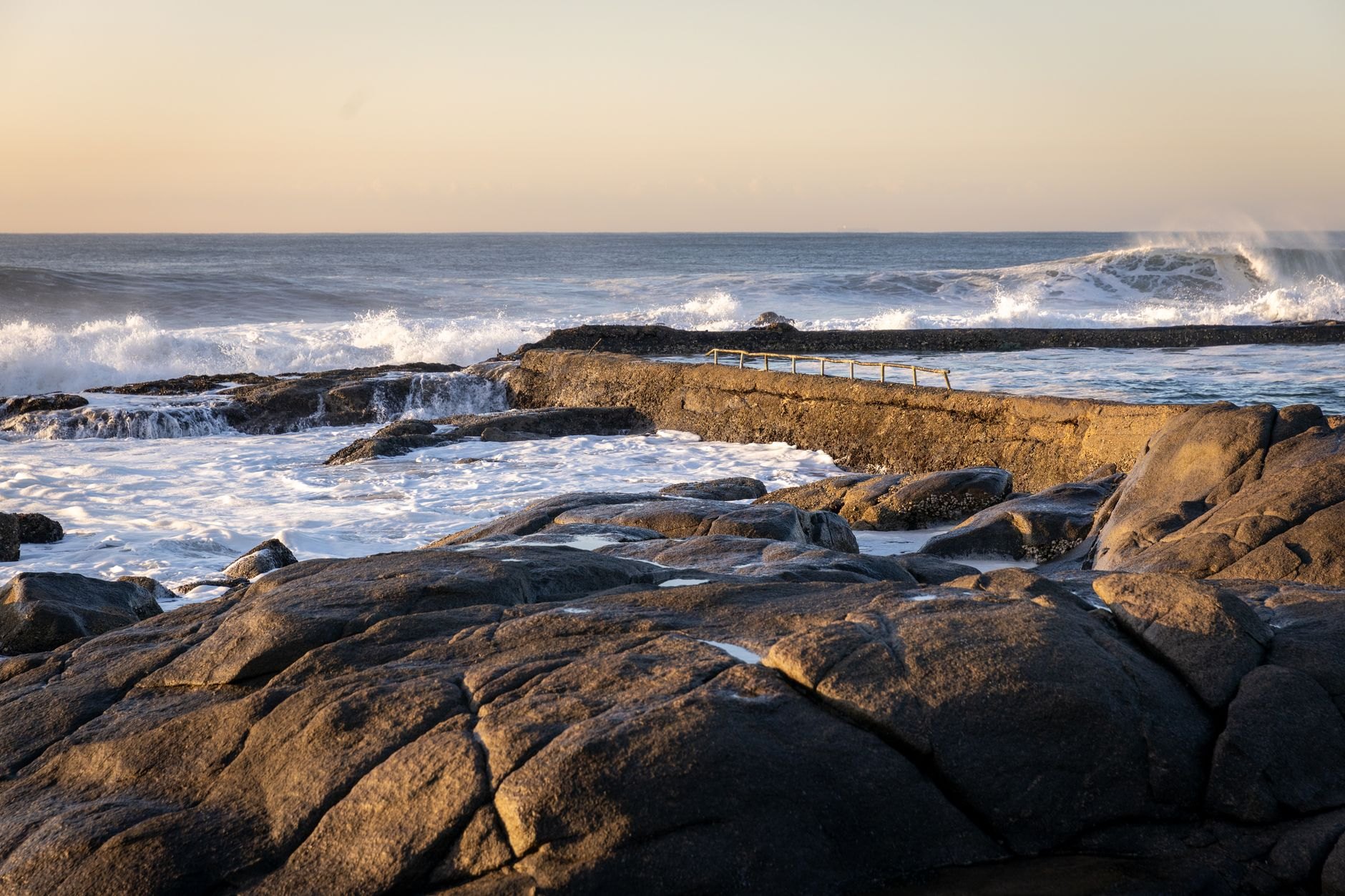
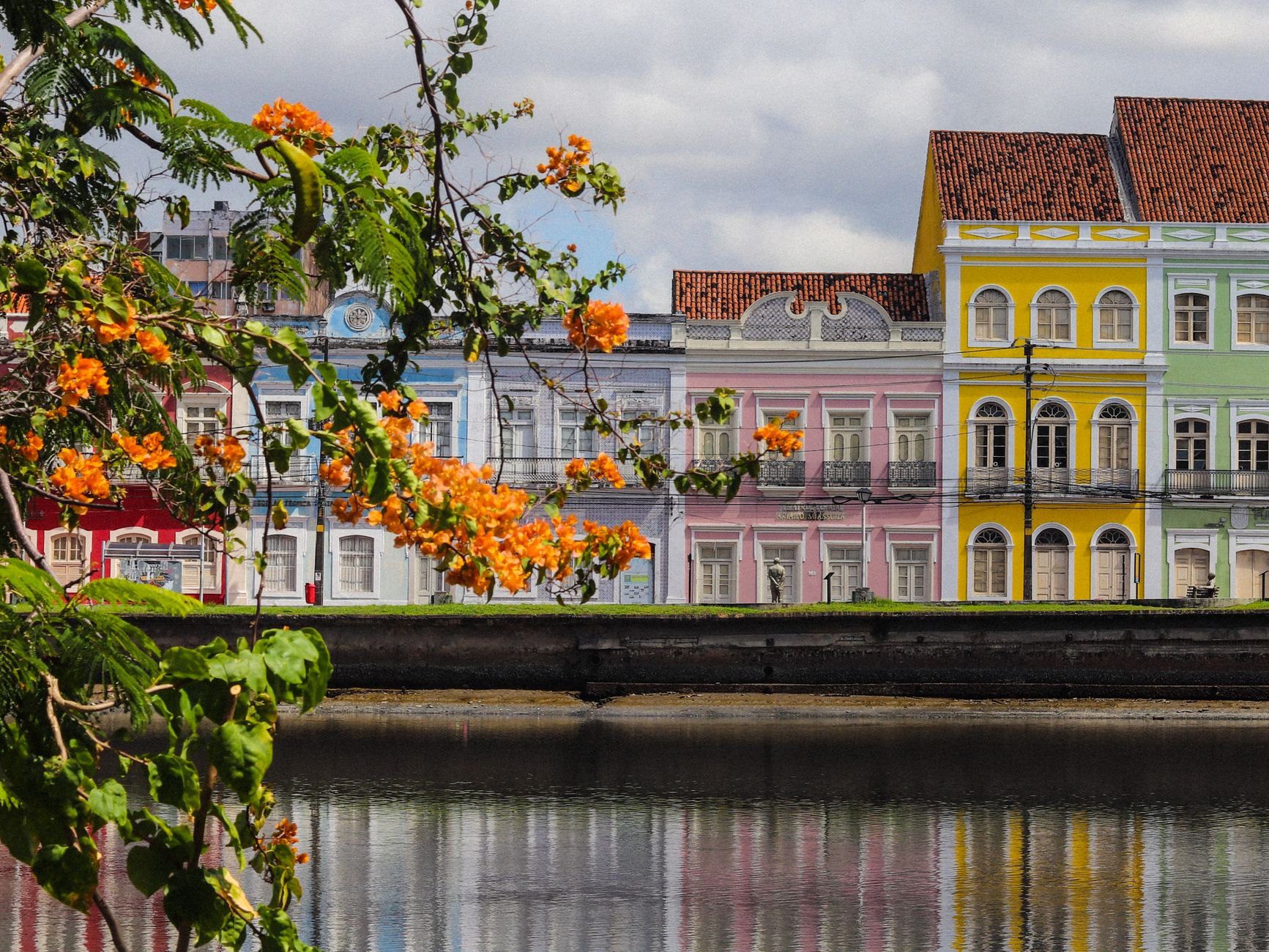
On the morning of Day 2, head to the Port of Dakar to board the public passenger ferry to Île de Gorée, located three kilometers offshore. Inhabited since the fifteenth century by Portuguese, Dutch, British, and French colonial traders, Gorée is an extraordinary, car-free sanctuary of narrow sandy lanes lined with faded pastel-yellow and terracotta mansions draped in scarlet bougainvillea.
Make your primary stop at the Maison des Esclaves (House of Slaves), constructed in 1776. Walking through the damp, airless ground-floor holding cells where captive men, women, and children were segregated and weighed before departure is a deeply emotional experience. Stand before the famous “Door of No Return,” a narrow stone portal opening directly onto the Atlantic Ocean, framing the final view of their homeland for countless enslaved Africans. Staying overnight on Gorée or lingering until late afternoon is magical: once the day-tripper ferries depart, peaceful quiet descends over the island courtyards, accompanied only by the sound of breaking waves and acoustic kora melodies from local artist ateliers.
Day 3: The Petite Côte and the Coastal Lagoon of Somone
On Day 3, catch the morning ferry back to Dakar port and board the modern Train Express Régional (TER) from Dakar Railway Station out to Diamniadio, bypassing the city’s notorious urban bottleneck in thirty-five minutes. Your private driver meets you at the station to continue south along the Petite Côte to the coastal village of Somone. Somone centers on an expansive shallow tidal lagoon designated as a community nature reserve, where the Somone River meets the Atlantic Ocean amidst sandbars and mangrove stands.
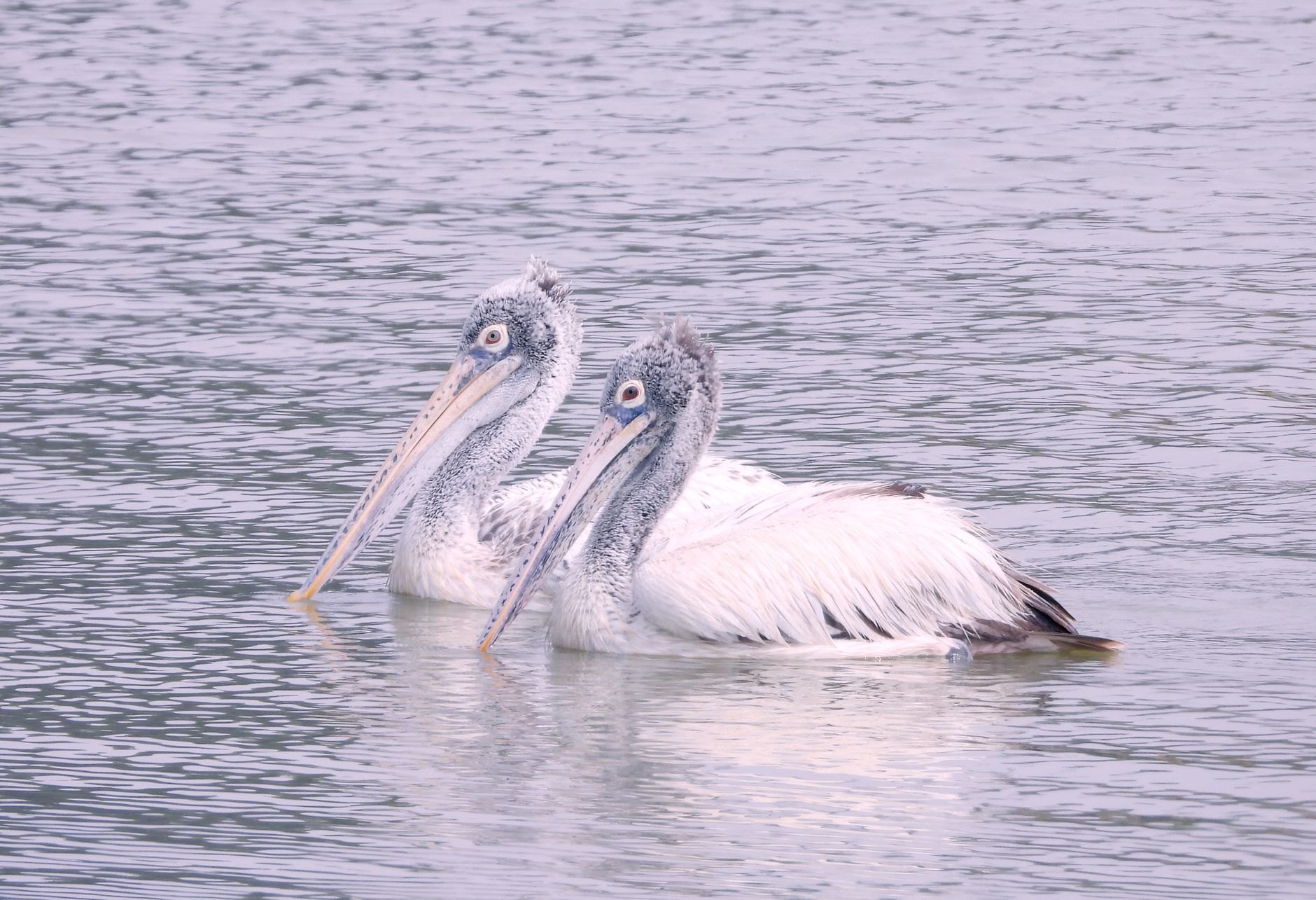
Board a wooden pirogue with a resident eco-guide to cruise across the lagoon. The shallow waters provide sanctuary for thousands of migratory birds: great white pelicans floating in dense rafts, pink flamingos sifting the silt, grey herons standing motionless among mangrove roots, and African fish eagles scanning the estuary from high branches. After your boat excursion, walk among the giant baobab trees that border the savanna, dining on fresh grilled sole and seasoned plantains at an open-air beachfront cabane.
Days 4–6: The Biosphere Labyrinths of the Sine-Saloum Delta
On Day 4, journey two hours further south past the regional crossroads of Mbour and Fatick, entering the Sine-Saloum Delta. Formed by the confluence of the Sine and Saloum rivers where freshwater braids into the Atlantic Ocean, this massive UNESCO Biosphere Reserve encompasses hundreds of thousands of hectares of tidal channels (bolongs), oyster-encrusted mangrove forests, shell middens, and traditional fishing hamlets populated by the Serer and Mandinka ethnic communities.
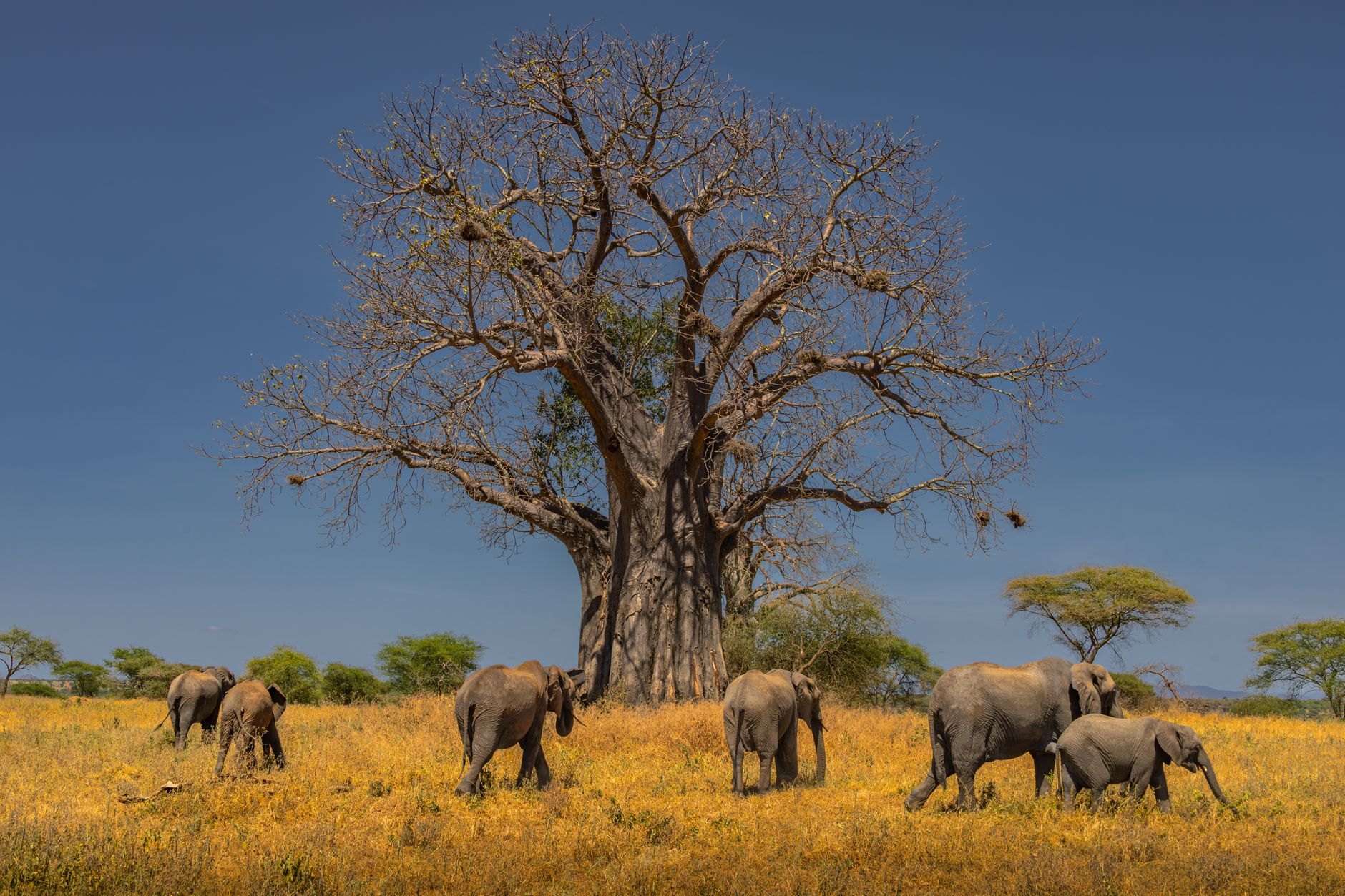
Arriving at the riverside village of Ndangane, board a motorized wooden pirogue to cross the wide river channel to the car-free island of Mar Lodj. Check into a solar-powered eco-lodge built from thatched roofs and local clay bricks along the riverbank. Days on the delta follow a peaceful, unhurried rhythm governed by the tides.
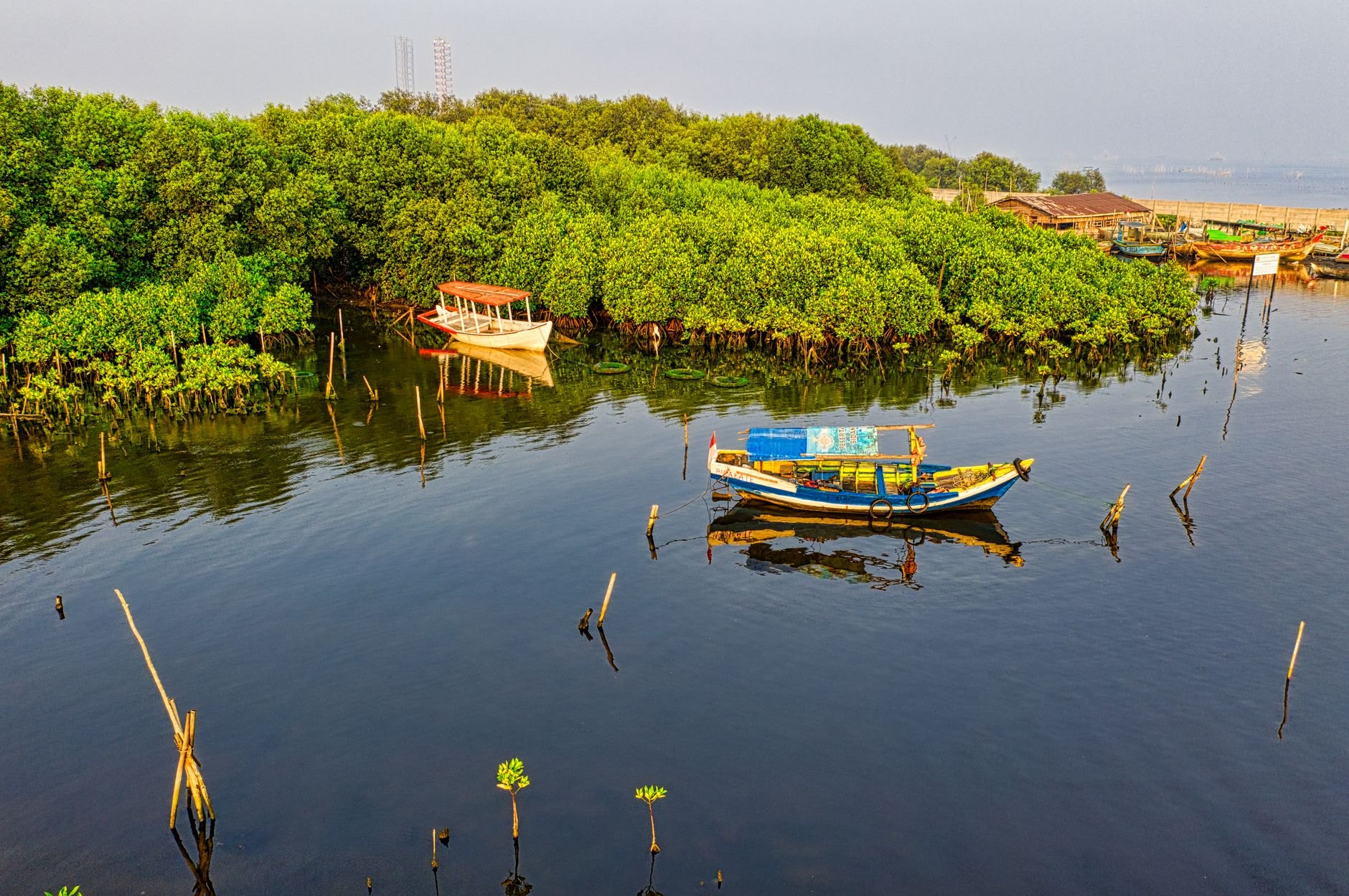
On Day 5, spend a full day exploring the intricate bolong waterways by pirogue. Your boatman cuts the engine to glide silently beneath arches of red and black mangroves, where aerial roots drip with wild oysters. Spot Goliath herons, pied kingfishers hovering above schools of mullet, and monitor lizards sunning on exposed mudbanks. Halt at a secluded shell midden island—mounds of discarded mollusk shells accumulated over thousands of years of human harvesting, now covered in towering baobab trees. On Day 6, take a horse-drawn cart tour of Mar Lodj village, visiting local craft cooperatives where Serer women weave intricate palm-frond baskets, and witnessing how Christian and Muslim communities have peacefully shared adjacent places of worship and sacred ancestral trees for centuries.
Days 7–8: Cultural Treasures of Dakar and Senegalese Gastronomy
On Day 7, take your morning pirogue back to Ndangane and drive north along the modern A1 toll motorway, returning to central Dakar by midday. Dedicate your afternoon to the Museum of Black Civilisations (Musée des Civilisations Noires). Opened in 2018 opposite the central railway station, this world-class institution showcases contemporary African sculpture, historic ritual masks, and scientific contributions from the diaspora in an architecturally striking circular structure inspired by traditional Senegalese impluvium architecture.
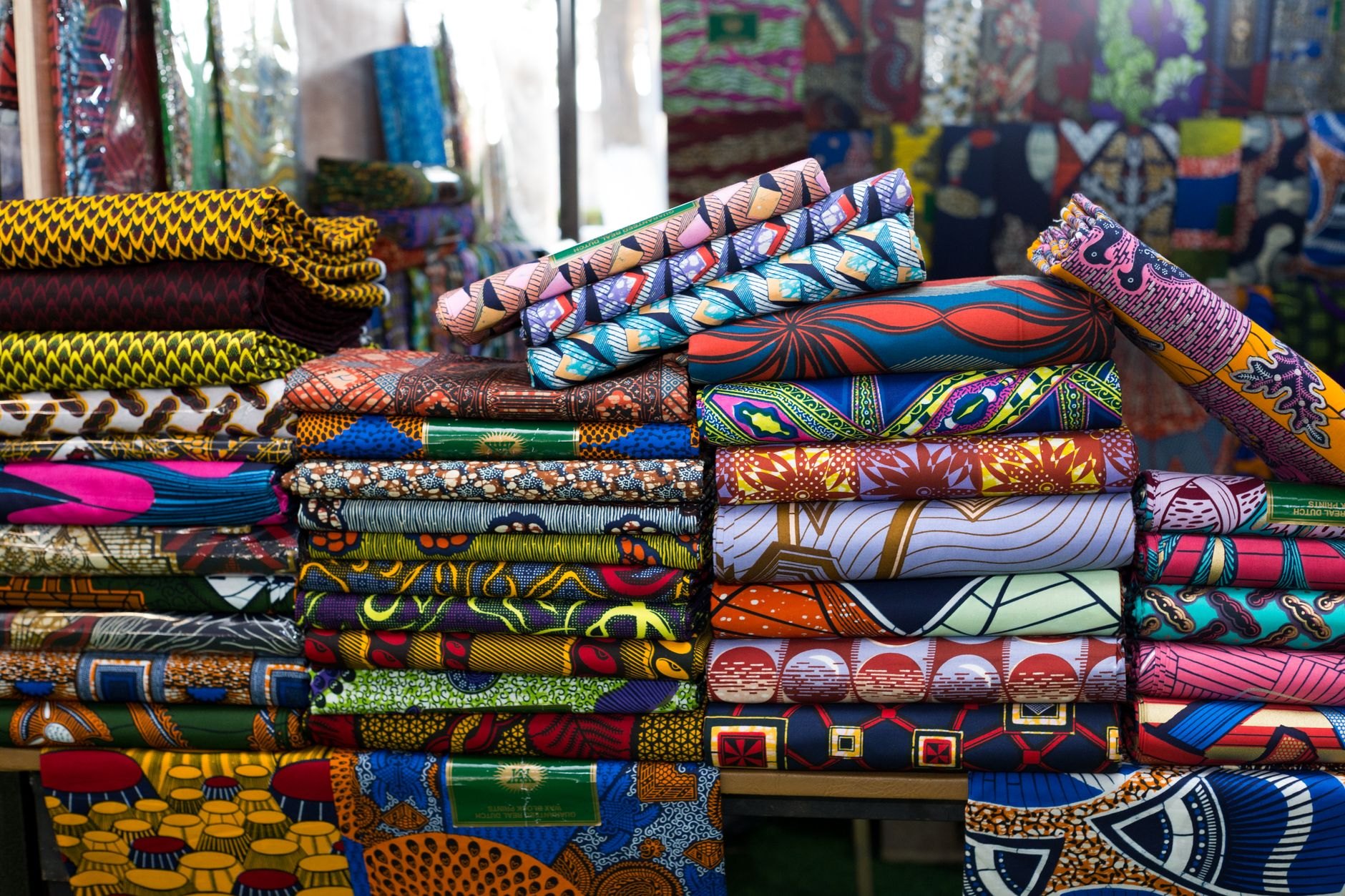
Afterward, visit Marché Soumbédioune along the coastal corniche to observe master woodcarvers, jewelers, and leatherworkers shaping traditional handicrafts, followed by a walk through Marché Sandaga to admire colorful bolts of wax-print cotton textiles and shimmering bazin fabrics. Conclude your evening feasting on the undisputed crown jewel of West African gastronomy: Thiéboudienne (Ceebu Jën in Wolof).
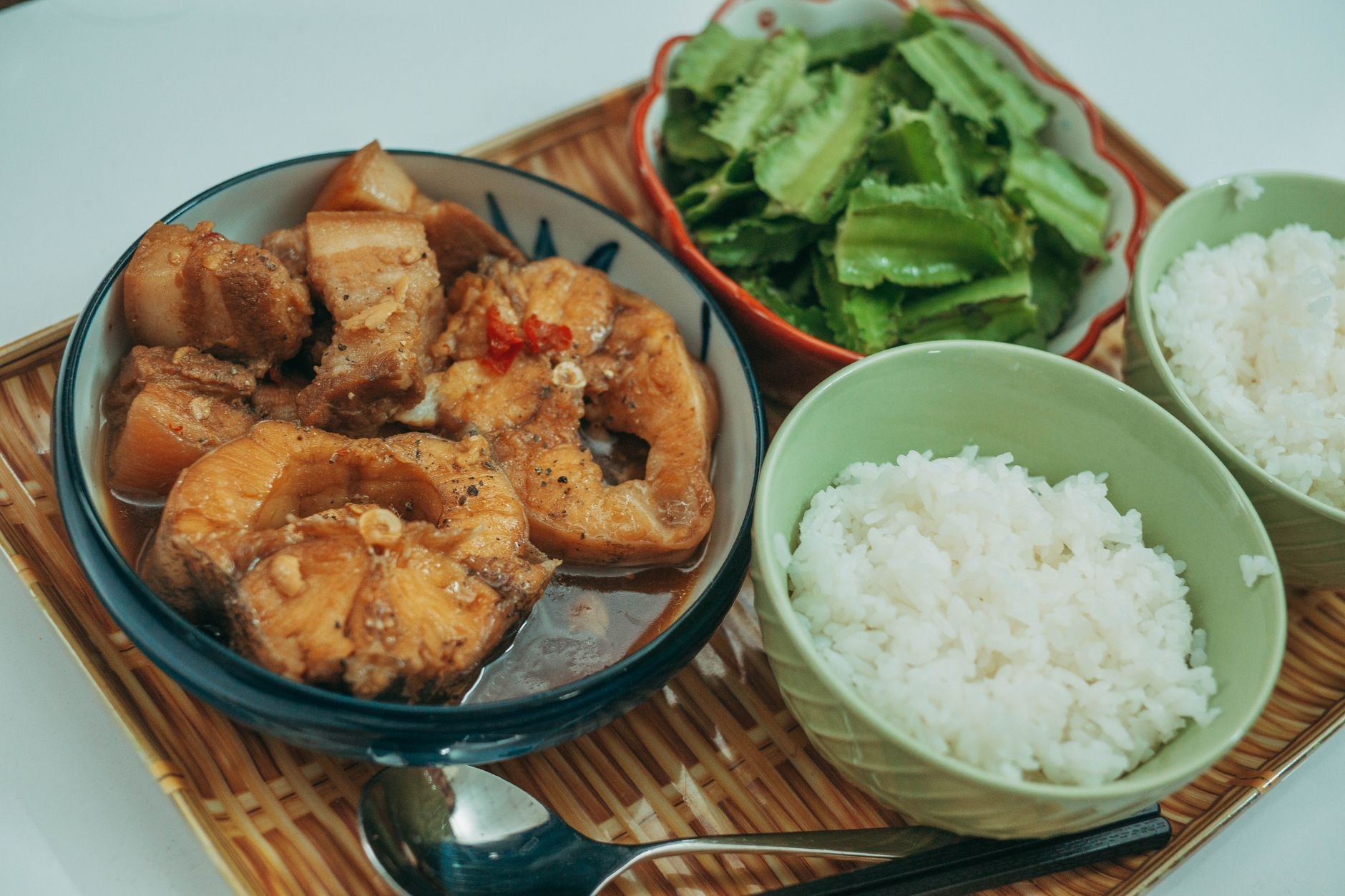
Inscribed on the UNESCO Intangible Cultural Heritage list, authentic Thiéboudienne features fragrant broken rice slow-cooked in a rich tomato, garlic, and chili broth, served on a communal platter topped with whole herb-stuffed white grouper (thiof), tender cassava, carrots, cabbage, and pungent fermented sea snails (yet). Other beloved national staples include Yassa Poulet (chargrilled chicken smothered in a tangy caramelized onion, mustard, and lime sauce) and Maffé (rich peanut stew with beef and sweet potatoes). Accompany your feast with chilled bissap (hibiscus flower tea with mint) and sweet ditakh juice before taking your evening transfer to Blaise Diagne International Airport.
Tourist Scams, Logistics Pitfalls, and Practical Traps in Senegal
Senegal is one of West Africa’s most politically stable and welcoming destinations, where visitors are treated with genuine warmth under the cultural ethic of teranga. However, informal commercial hustles and transit markups are common in heavily visited hubs. Keep these five practical warnings in mind:
- Gorée Island “Unofficial Guide” Hustles: Disembarking the Gorée ferry, visitors are frequently approached by overly friendly men claiming to be official island guides who offer “free introductory walks.” These individuals steer tourists directly into high-pressure sand-painting ateliers where aggressive purchasing demands are made, followed by exorbitant guiding fee requests. Always hire certified, badged guides directly from the official Syndicat d’Initiative tourism office located right beside the ferry landing jetty.
- Blaise Diagne Airport Taxi Toll Markups: Drivers at Blaise Diagne International Airport (AIBD) frequently quote forty to sixty euros for transfers into central Dakar, subsequently claiming that toll highway fees (autoroute à péage) must be paid in cash on top of the fare. The standard regulated taxi tariff is approximately twenty-five to thirty euros (15,000 to 20,000 XOF), which legally includes all motorway tolls. Always negotiate an all-inclusive price before loading luggage.
- Counterfeit Craft Antiques at Soumbédioune: The craft stalls at Soumbédioune and around Place de l’Indépendance feature countless wooden statues, ceremonial masks, and bronze figures marketed as “nineteenth-century tribal heirlooms.” Virtually all of these pieces are modern workshop carvings artificially aged with shoe polish, mud, and blowtorches. Appreciate them as decorative contemporary art rather than genuine historical antiques, and negotiate prices accordingly.
- Lac Rose (Lake Retba) Pirogue Excursion Pricing: Salt harvesters and freelance boat operators around the shores of Lac Rose frequently charge arriving foreigners arbitrary, inflated fees for short ten-minute boat rides out to the salt piles. Always clarify the exact duration, itinerary, and price in West African CFA Francs before stepping aboard any vessel.
- Damaged or Counterfeit Banknotes in Change: In crowded marketplaces like Sandaga and HLM, street vendors occasionally pass torn, heavily taped, or counterfeit 5,000 or 10,000 XOF banknotes in change to distracted foreign tourists. Banks and formal merchants routinely reject torn or defaced currency. Inspect your change carefully, ensure notes are intact, and carry small denominations (500, 1,000, and 2,000 XOF) for daily market transactions.
Staying Connected Across Senegal with NXTL Mobile Data
From navigating Dakar’s bustling traffic on Google Maps and coordinating pirogue pickups in Ndangane to translating Wolof and French phrases and booking ride-hails on Yango, continuous cellular connectivity is vital throughout your journey in Senegal. While purchasing local plastic tourist SIMs is possible at Dakar airport kiosks, the process involves lengthy queues, mandatory physical passport scans, and manual mobile money top-up procedures that can delay your departure.
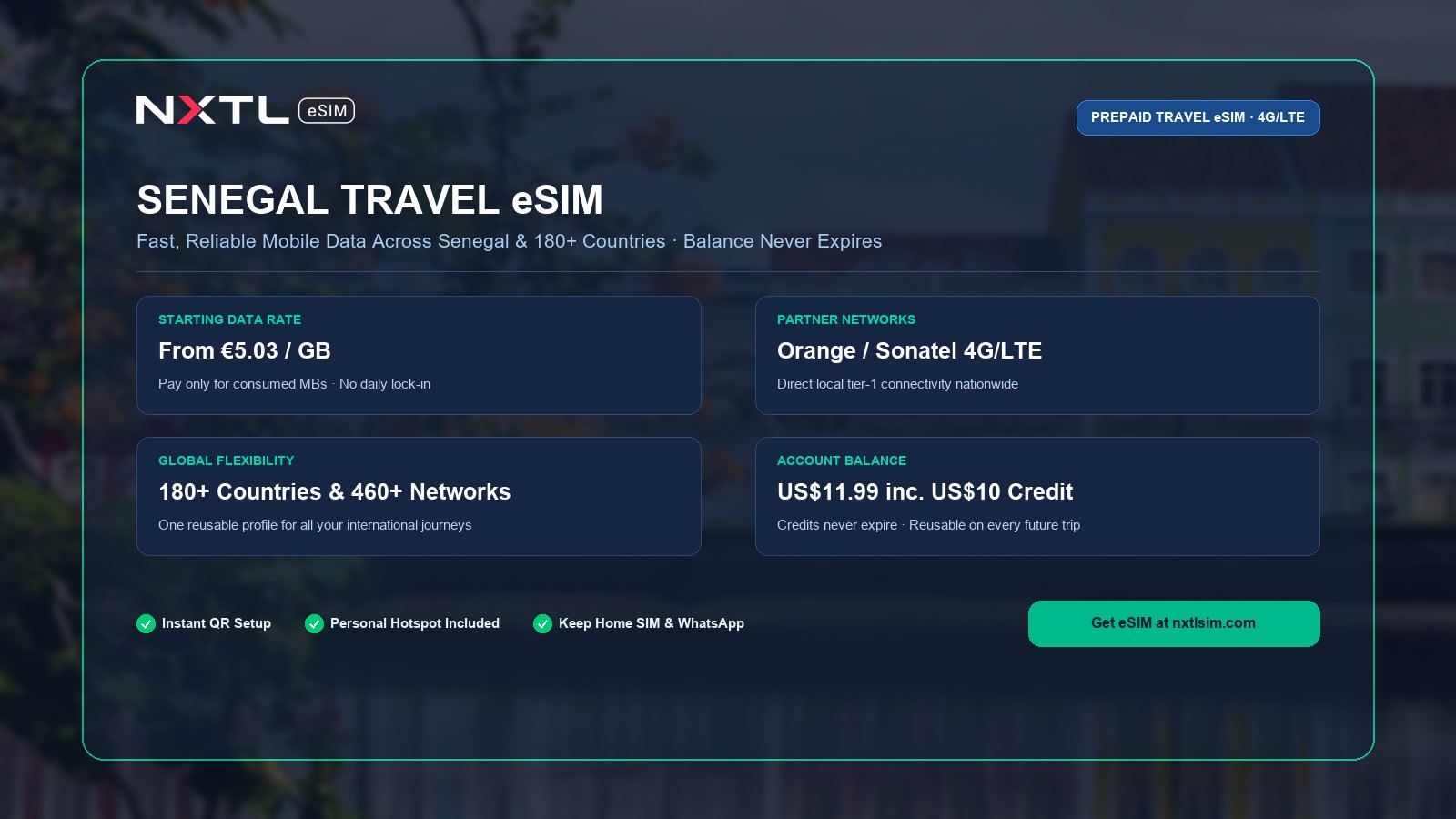
A much simpler, highly reliable alternative is activating the NXTL Senegal eSIM prior to your arrival. Partnering directly with Senegal’s dominant national telecommunications infrastructure—including Orange / Sonatel 4G/LTE—NXTL delivers robust mobile coverage across the capital peninsula, the coastal toll highway, and throughout the mangrove waterways of the Sine-Saloum Delta. Starting at an economical rate of $5.68 per gigabyte, NXTL provides reliable high-speed data on a flexible prepaid consumption model, charging you strictly for the megabytes you consume.
What makes NXTL especially practical for West African travel is that your prepaid account balance never expires. Any remaining data credit from your eight days in Senegal stays permanently active in your profile, instantly ready for reuse across more than 180 countries and over 460 tier-one cellular networks worldwide on your subsequent international travels. Activation takes under two minutes via a simple QR code scan on any eSIM-compatible smartphone, allowing you to keep your primary physical SIM card active for incoming verification codes and messaging while you explore the unforgettable beauty of Senegal.