Most first-time visitors to Serbia remain tethered to Belgrade, captivated by its riverside energy, creative spaces, and centuries of layered history. Yet limiting a journey to the capital leaves the country’s most compelling cultural contrasts undiscovered. Just thirty-six minutes north by high-speed train lies Novi Sad, a city of pastel Habsburg facades, relaxed Danube cafe terraces, and the monumental ramparts of Petrovaradin Fortress. Further southwest, the landscape rises into the limestone crags and primeval pine forests of Tara National Park, where the emerald Drina River carves one of the deepest river canyons in southern Europe.
This seven-day route solves the classic Balkan travel dilemma: how to experience Serbia’s dynamic capital, northern Central European heritage, and wild western highlands without excessive transit. By linking Belgrade and Novi Sad via the modern 200 km/h Soko express train and utilizing a rental vehicle or regional express coach only for the mountainous western circuit, you maximize cultural immersion while keeping transit straightforward. The itinerary is designed for independent travellers who value architectural depth, genuine regional gastronomy, and pristine mountain topography over rushed sightseeing checklists.
| Day | Base | Key Stops & Cultural Sightseeing | Transit Mode | Transit Time | Advance Bookings Required |
|---|---|---|---|---|---|
| Day 1 | Belgrade | Kalemegdan Fortress, Victor Monument, Knez Mihailova, Stari Grad | Walking & City Tram | Local transit | Belgrade airport taxi voucher on arrival |
| Day 2 | Belgrade | Temple of Saint Sava, Nikola Tesla Museum, Dorćol Quarter, Skadarlija | Walking & Trolleybus | Local transit | Tesla Museum timed-entry ticket |
| Day 3 | Belgrade | Museum of Yugoslavia, House of Flowers, Zemun Gardoš Tower, Danube Quay | City Bus 15 or 84 | 25 mins | Evening kafana table in Skadarlija |
| Day 4 | Novi Sad | Soko High-Speed Train, Trg Slobode, Name of Mary Church, Dunavska Street | Soko Express Train | 36 mins | Srbija Voz digital train seat reservation |
| Day 5 | Novi Sad | Petrovaradin Fortress Upper Town, Sremski Karlovci, Bermet Wine Cellars | Local Bus / Taxi | 20 mins | Bermet tasting at Kiš or Živanović winery |
| Day 6 | Mokra Gora / Tara | Drina River House, Perućac Lake, Banjska Stena Viewpoint, Mitrovac | Rental Car or Regional Coach | 3 hrs 45 mins | Rental car pickup in Novi Sad or Belgrade |
| Day 7 | Mokra Gora / Belgrade | Šargan Eight Heritage Railway, Drvengrad Ethno Village, Return to Belgrade | Heritage Train & Road | 3 hrs 30 mins | Šarganska Osmica morning departure seat |
Days 1–3: The Layered Energy of Belgrade
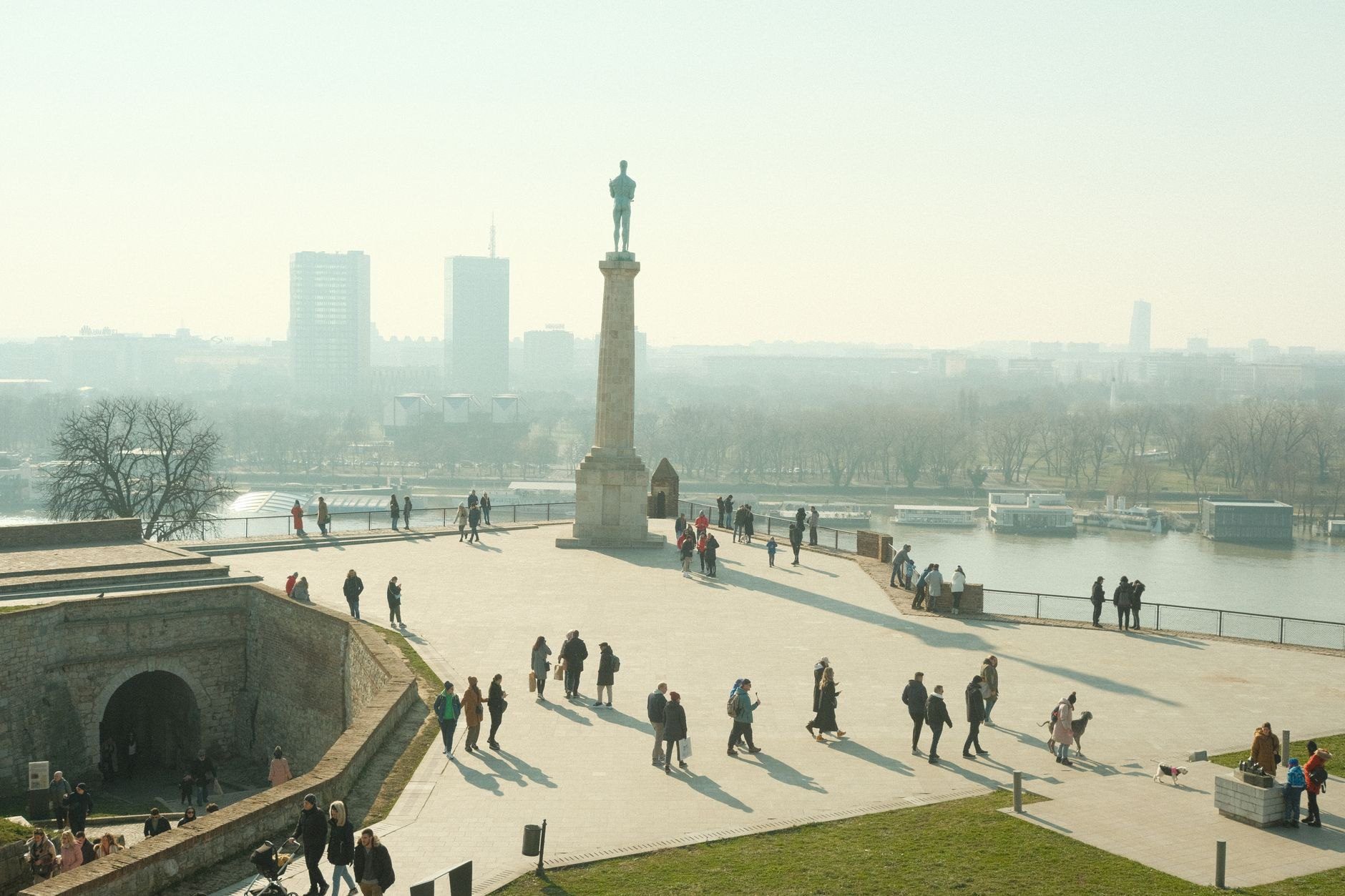
Belgrade is a city defined by its strategic geography and scars of survival. Situated precisely at the confluence where the Sava River empties into the Danube, the settlement has been contested, demolished, and reconstructed more than forty times across two millennia. Begin your exploration at Kalemegdan, the sprawling hilltop fortress whose foundations encompass Roman masonry from ancient Singidunum, heavy medieval gates raised by Despot Stefan Lazarević, and star-shaped Austrian artillery bastions. Stand beside the heroic bronze Pobednik (Victor) monument, sculpted by Ivan Meštrović in 1928, to watch river barges navigate the meeting of the two great waterways below.
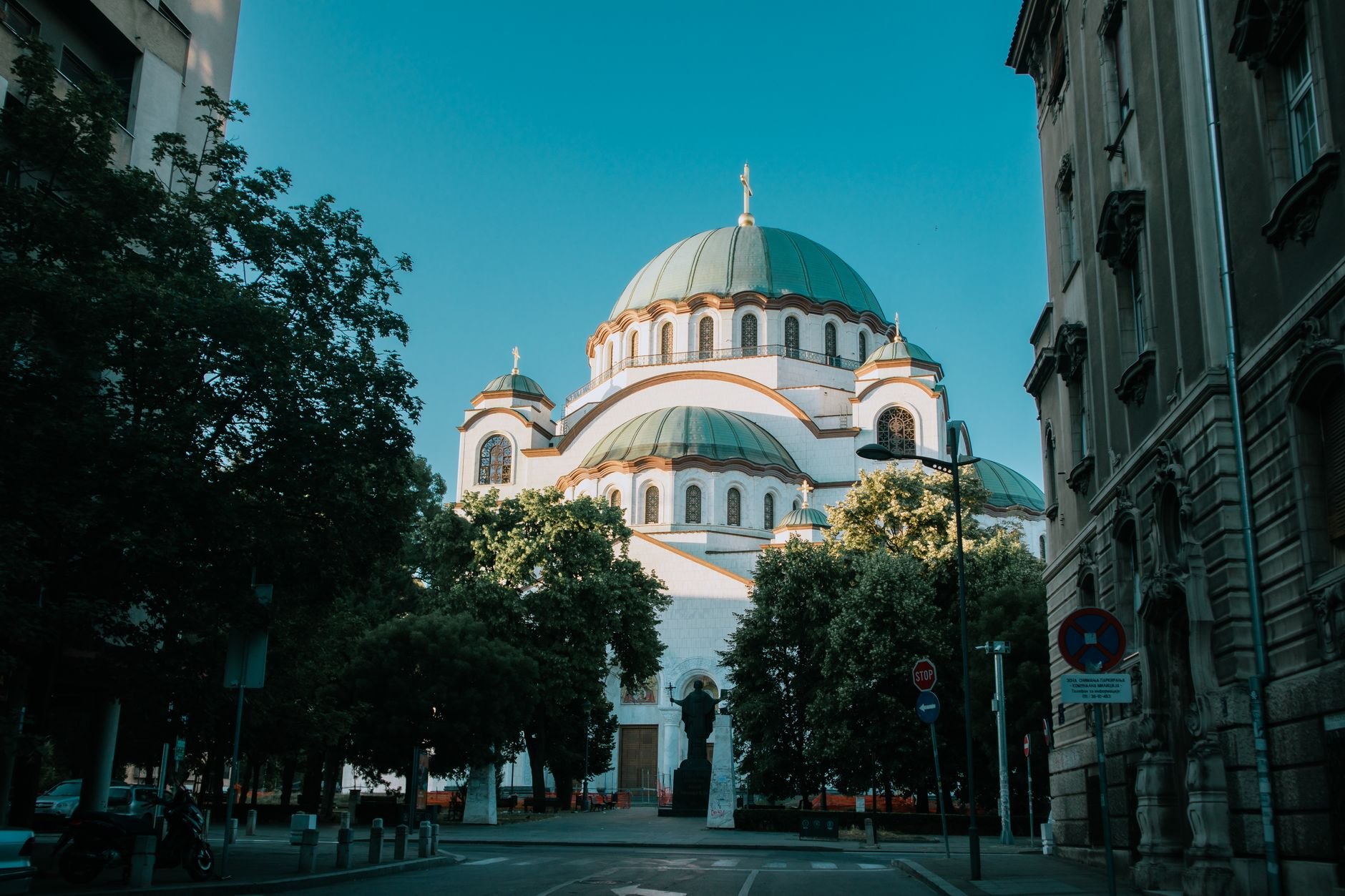
From the fortress gates, stroll along Knez Mihailova, a grand pedestrian boulevard lined with nineteenth-century neoclassical and secessionist facades housing lively outdoor coffee terraces, academic bookshops, and street musicians. As you venture south toward the Vračar district, the colossal white marble silhouette of the Temple of Saint Sava (Hram Svetog Save) dominates the skyline. Built on the historical site where Ottoman Grand Vizier Sinan Pasha burned the relics of Saint Sava in 1594, the cathedral ranks among the largest Eastern Orthodox churches in existence. Step inside to marvel at twelve thousand square meters of dazzling gold-leaf mosaics depicting biblical scenes, crafted over decades by master iconographers.
Dedicate an afternoon to the residential quarter of Vračar to visit the intimate Nikola Tesla Museum. Housed in a handsome 1927 villa, the museum preserves the visionary inventor’s personal archives, working patent models, and his gilded bronze urn. Knowledgeable curators provide live demonstrations of functional high-frequency Tesla coils that illuminate wireless fluorescent bulbs directly in visitors’ hands, offering an unforgettable tribute to one of history’s greatest scientific pioneers.
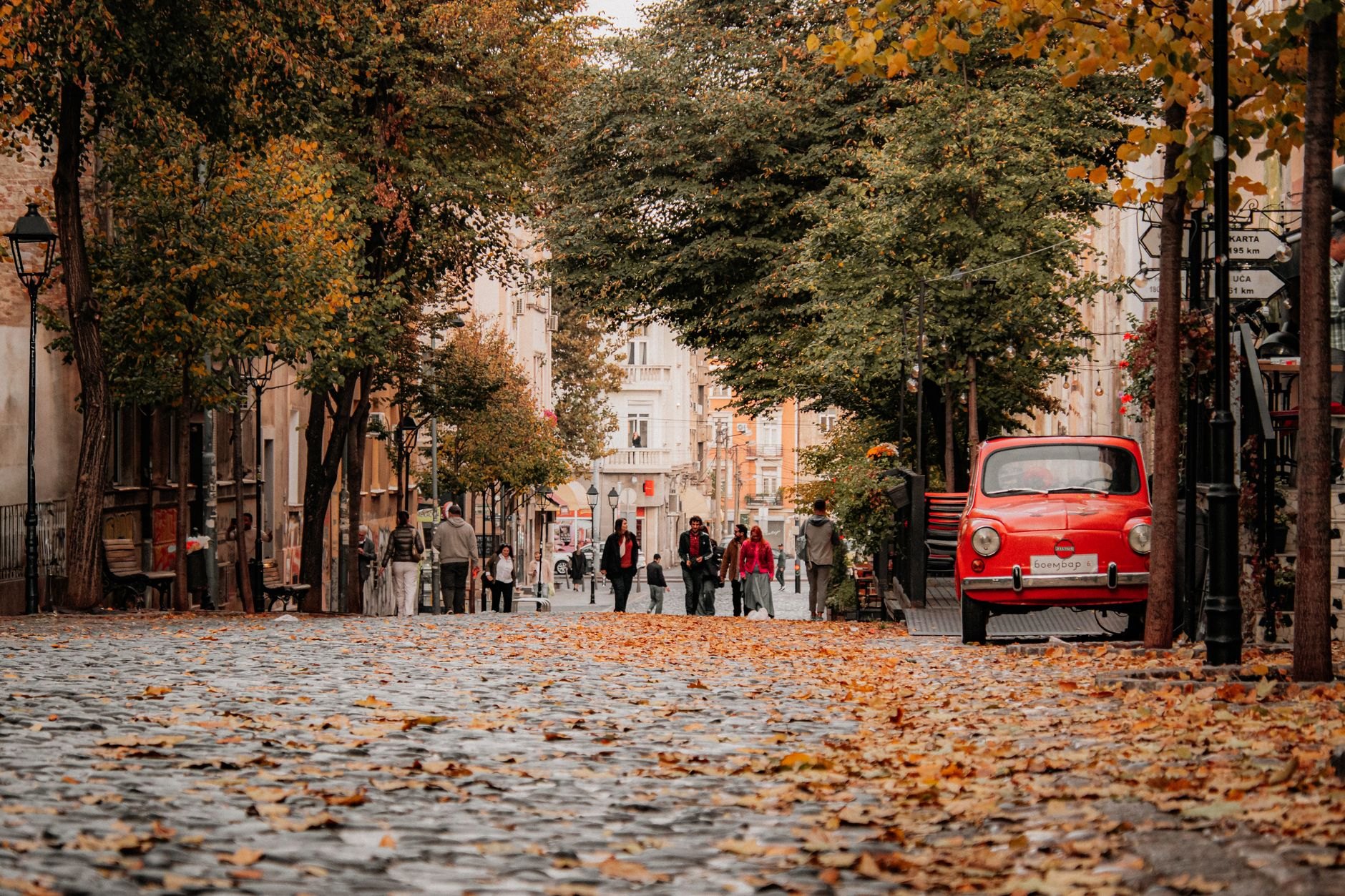
As dusk settles over the capital, make your way to Skadarlija, a curved cobblestone lane that served as the stomping ground for Serbian poets and artists during the late nineteenth century. Lanterns cast warm amber reflections across rustic stone facades, while traditional taverns—known across the Balkans as kafanas—spill infectious laughter and acoustic tamburica melodies into the cool evening air. Claim a wooden table at historic institutions like Dva Jelena or Tri Šešira to embark on your first serious exploration of Serbian gastronomy.
On your third morning, venture northwest across the river to Zemun, an atmospheric municipality that remained under Austro-Hungarian rule for centuries while central Belgrade was governed by the Ottomans. Wander through quiet lanes of Central European baroque townhouses up to the Gardoš Millennium Tower, built in 1896. The view from the tower gallery over red-tiled roofs and the vast curves of the Danube offers an extraordinary historical panorama.
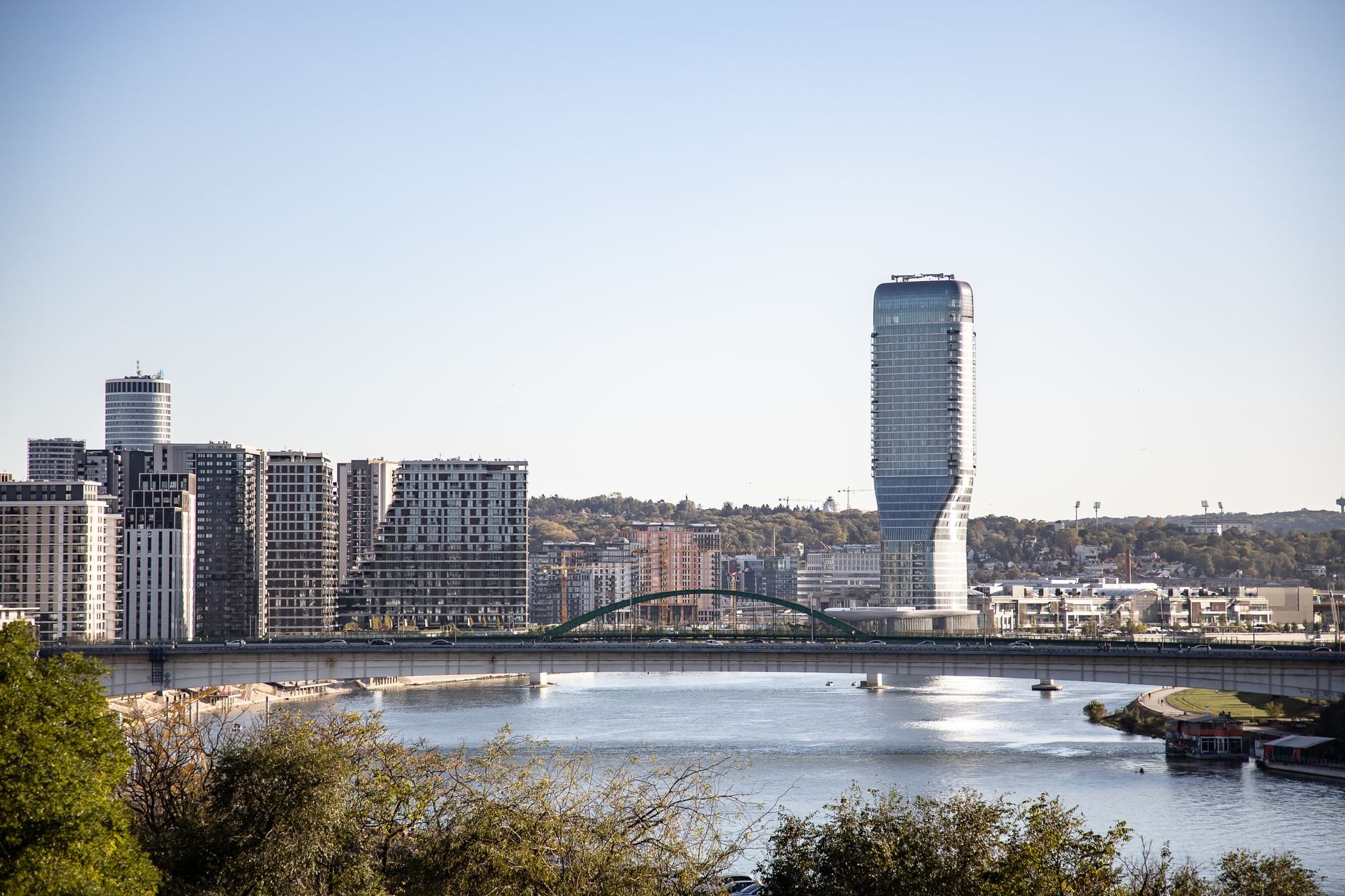
Conclude your Belgrade stay by exploring historic Dorćol and the modernized Sava Promenade. Once an Ottoman trade crossroads, Dorćol now hosts specialty coffee roasters, independent vinyl shops, and contemporary art galleries in repurposed warehouses. Stroll along the Sava riverfront as dusk falls before your morning departure north.
Days 4–5: Habsburg Heritage in Novi Sad & Sremski Karlovci
Board the double-decker Soko (Falcon) high-speed train at Belgrade Centar station. Cruising smoothly at 200 kilometers per hour across the flat agricultural plains of Vojvodina, the train whisks you into Novi Sad in just thirty-six minutes. It is the premier rail connection in the western Balkans and a testament to modern regional infrastructure investment.
Novi Sad greets travellers with a serene Central European disposition. Known as the “Serbian Athens” for its role as the cultural epicenter of the Serb enlightenment under Habsburg rule, the city centers around Trg Slobode. Admire the neo-Gothic Catholic Name of Mary Church with its multi-colored glazed roof tiles, opposite the Renaissance-revival City Hall. Shaded pedestrian arteries like Zmaj Jovina and Dunavska streets brim with confectionery shops serving Viennese-style tortes, open-air bookstores, and microbreweries.
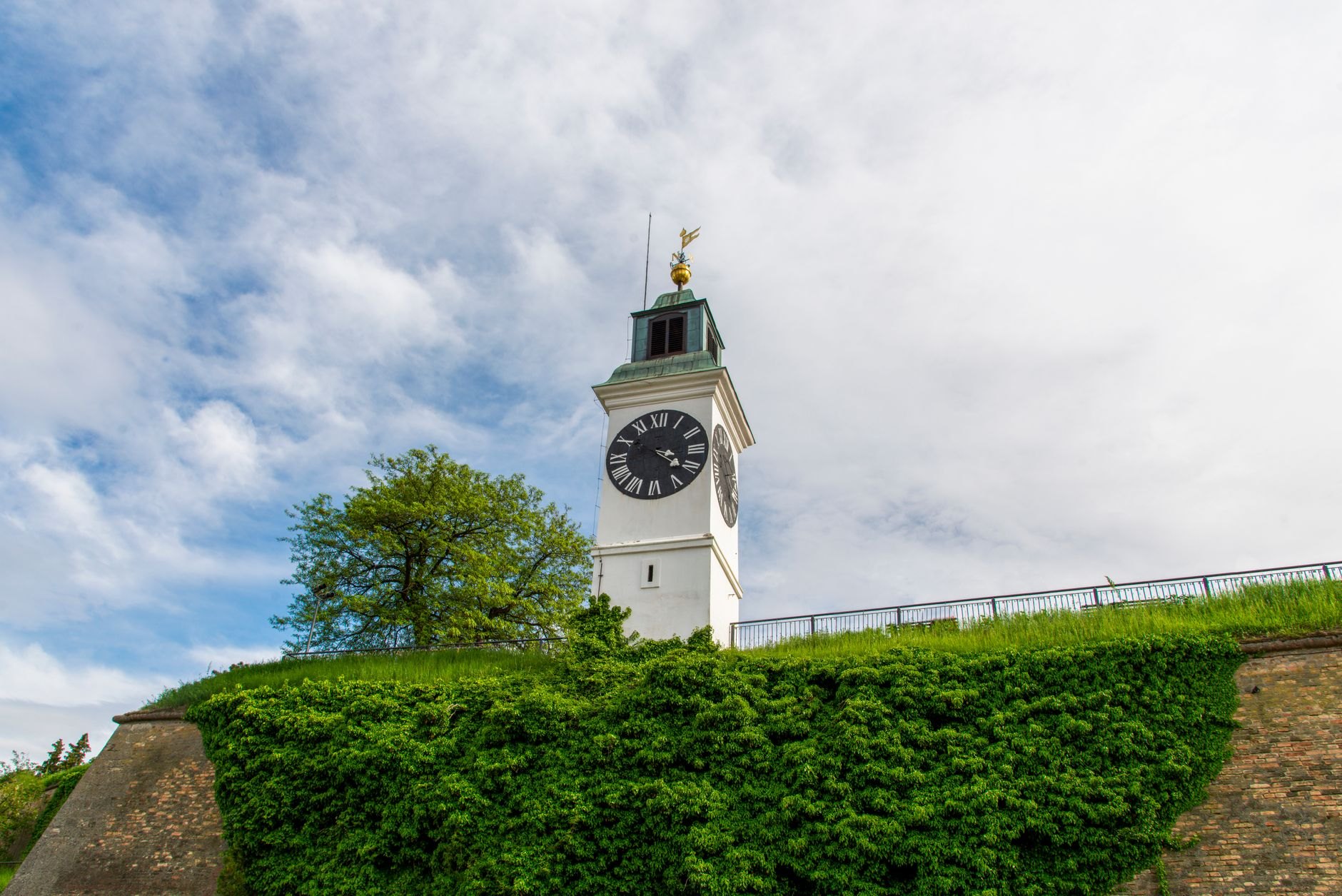
Cross the Danube via the Varadin Bridge to reach the colossal Petrovaradin Fortress, nicknamed “Gibraltar on the Danube.” Constructed by the Austrian Empire between 1692 and 1780 to guard against Ottoman incursions, the fortress features sixteen kilometers of underground military countermine tunnels and massive brick bastions. On the upper plateau stands the iconic reversed clock tower: the long hand indicates hours while the short hand marks minutes, allowing Danube barge captains below to read the approximate time from a distance.
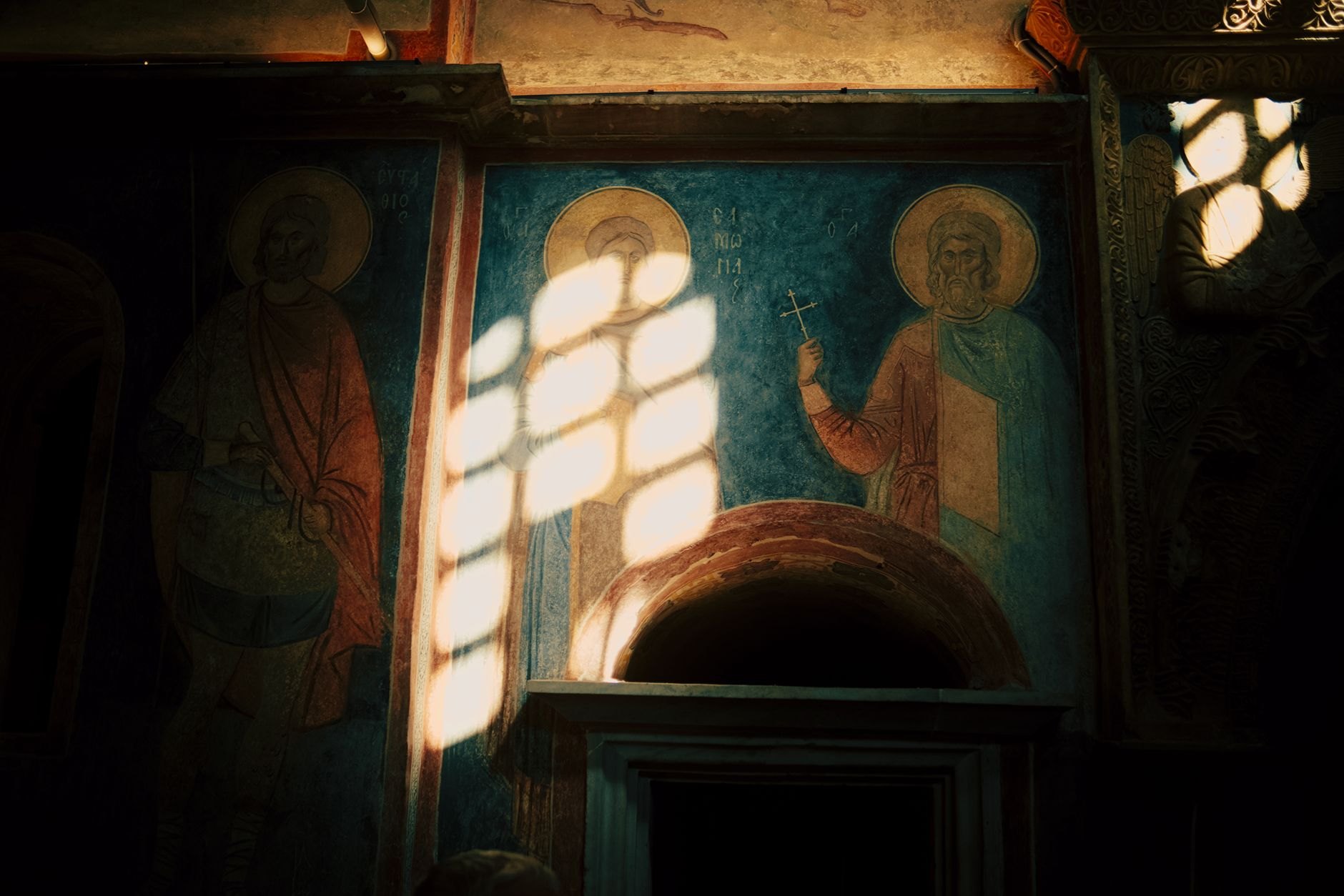
On Day 5, take a short fifteen-minute taxi ride southeast to Sremski Karlovci, an exquisite baroque settlement situated at the foot of Fruška Gora National Park. As the historic seat of the Serbian Orthodox Patriarchate under Austrian rule, this tranquil town holds immense cultural significance, boasting Serbia’s oldest gymnasium founded in 1791. In the central square, pause beside the Four Lions Fountain, where local folklore claims that anyone who drinks from its bronze spouts is destined to return and marry in the town.
Sremski Karlovci is equally celebrated for its viticulture, particularly Bermet—a fabled dessert wine infused with over twenty aromatic herbs, wormwood, and spices. Historical export ledgers reveal that Bermet was served in royal courts across Europe, and bottles were recovered from the luxury manifest of the Titanic. Visit historic family cellars like Vinarija Kiš or Podrum Živanović to sample dry Rieslings alongside rich Bermet paired with local cheeses and walnuts, before touring nearby Krušedol Monastery in the forested hills.
Days 6–7: The Wild Valleys of Tara National Park & Mokra Gora
On Day 6, your route shifts from the plains of Vojvodina toward the alpine topography of western Serbia. Pick up a rental vehicle in Novi Sad or Belgrade and drive southwest toward Tara National Park via Valjevo and Bajina Bašta. As you trace the winding bends of the Drina River, pause just north of town to witness the solitary House on the Rock (Kućica na Drini). Originally built in 1968 by local swimmers seeking a sheltered resting platform in the river rapids, the tiny cabin has been washed away by severe seasonal floods and rebuilt seven times by dedicated residents.
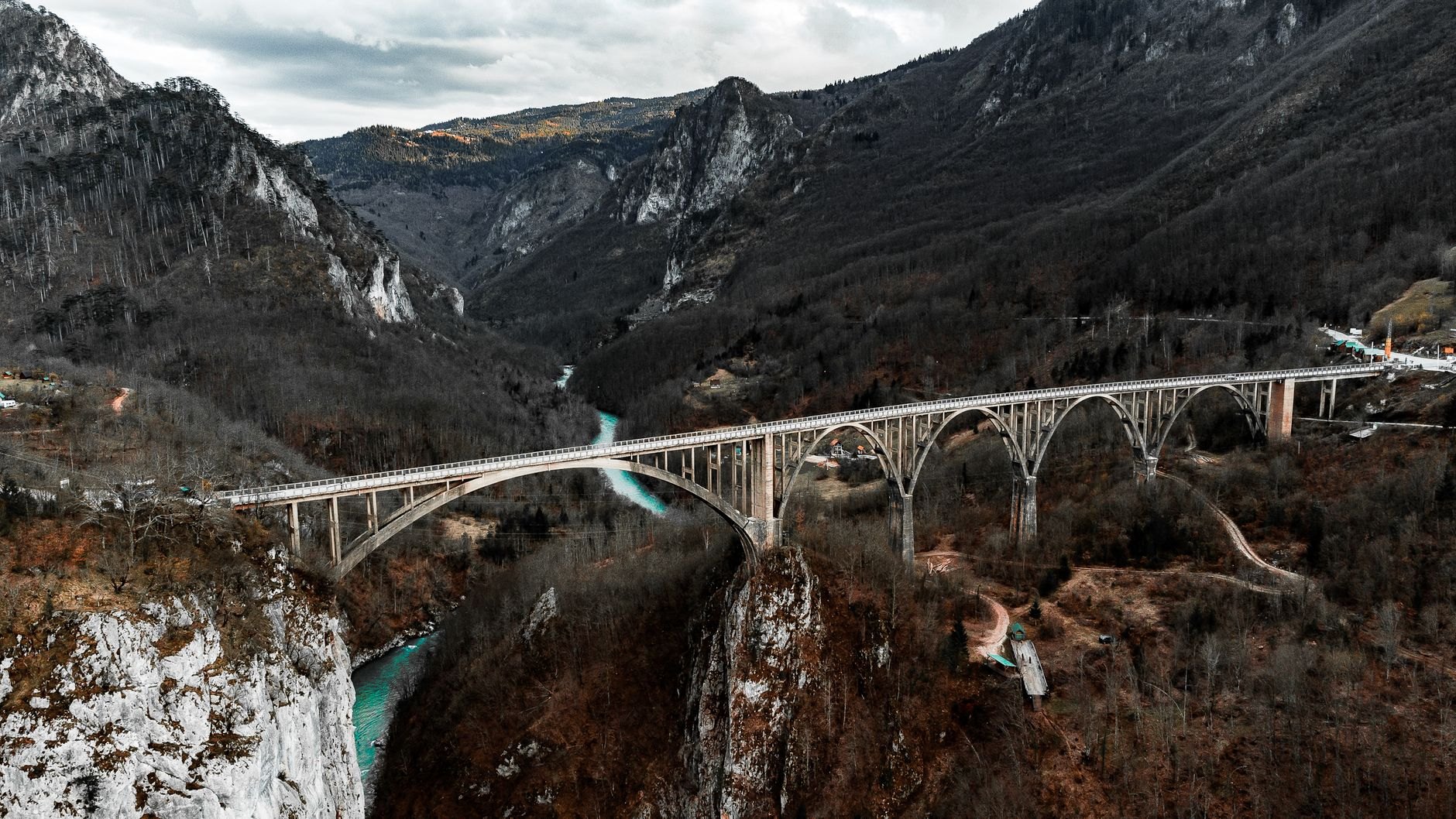
Ascend into Tara National Park, a limestone plateau cloaked in stands of rare Serbian spruce (Pančićeva omorika), beech, and fir trees. Tara harbors thriving populations of brown bears, chamois, and golden eagles. Drive to Mitrovac and follow the forest trail out to Banjska Stena. Standing at this limestone vantage point a thousand meters above sea level, you peer into the deep gorge of the Drina River and the turquoise expanse of Perućac Lake, with the peaks of Bosnia rising on the opposite shore.
Base yourself overnight in a traditional wooden chalet in Mokra Gora or near Zaovine. The mountain air, wood smoke from hearths, and absence of light pollution create an atmosphere of profound tranquility. In local guesthouses, dinner centers around hearty mountain fare: slow-cooked veal under the sač (a domed cast-iron bell buried beneath glowing charcoal), fresh Drina river trout, grilled forest mushrooms, and hot cornbread (*proja*) served with creamy sheep’s milk cheese.
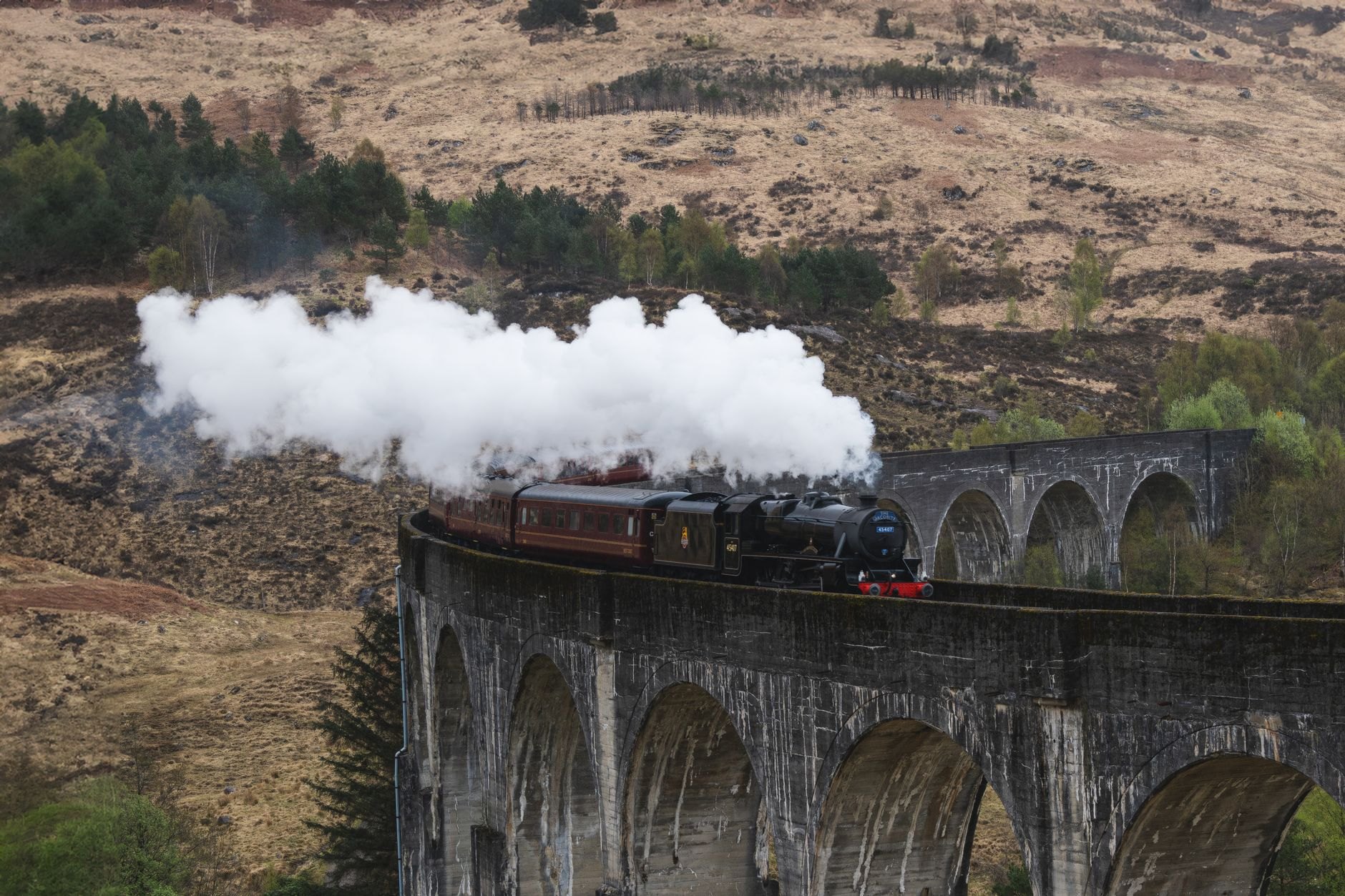
Your final morning belongs to a masterpiece of mountain railway engineering: the Šarganska Osmica (Šargan Eight). Built between 1921 and 1925 to connect Belgrade with Sarajevo, this 760mm narrow-gauge railway overcame an extreme vertical climb up the steep Mokra Gora slopes by looping back on itself in a figure-eight configuration. Board the vintage wooden passenger coaches as the train traverses five high bridges, twenty-two mountain tunnels, and numerous scenic viewpoints, offering an immersive journey into railway history before your three-and-a-half-hour drive back to Belgrade.
The Gastronomic Soul of Serbia: Kafanas, Rakija, and Feasting
To understand Serbian culture, one must understand the kafana. Far more than an eating establishment, the traditional kafana has served for centuries as a town hall, debate forum, romantic refuge, and community sanctuary. Business deals are sealed here, political debates subside over wine carafes, and acoustic songs erupt around tables laden with grilled meats. Rushing through a meal here is regarded as an affront to hospitality.
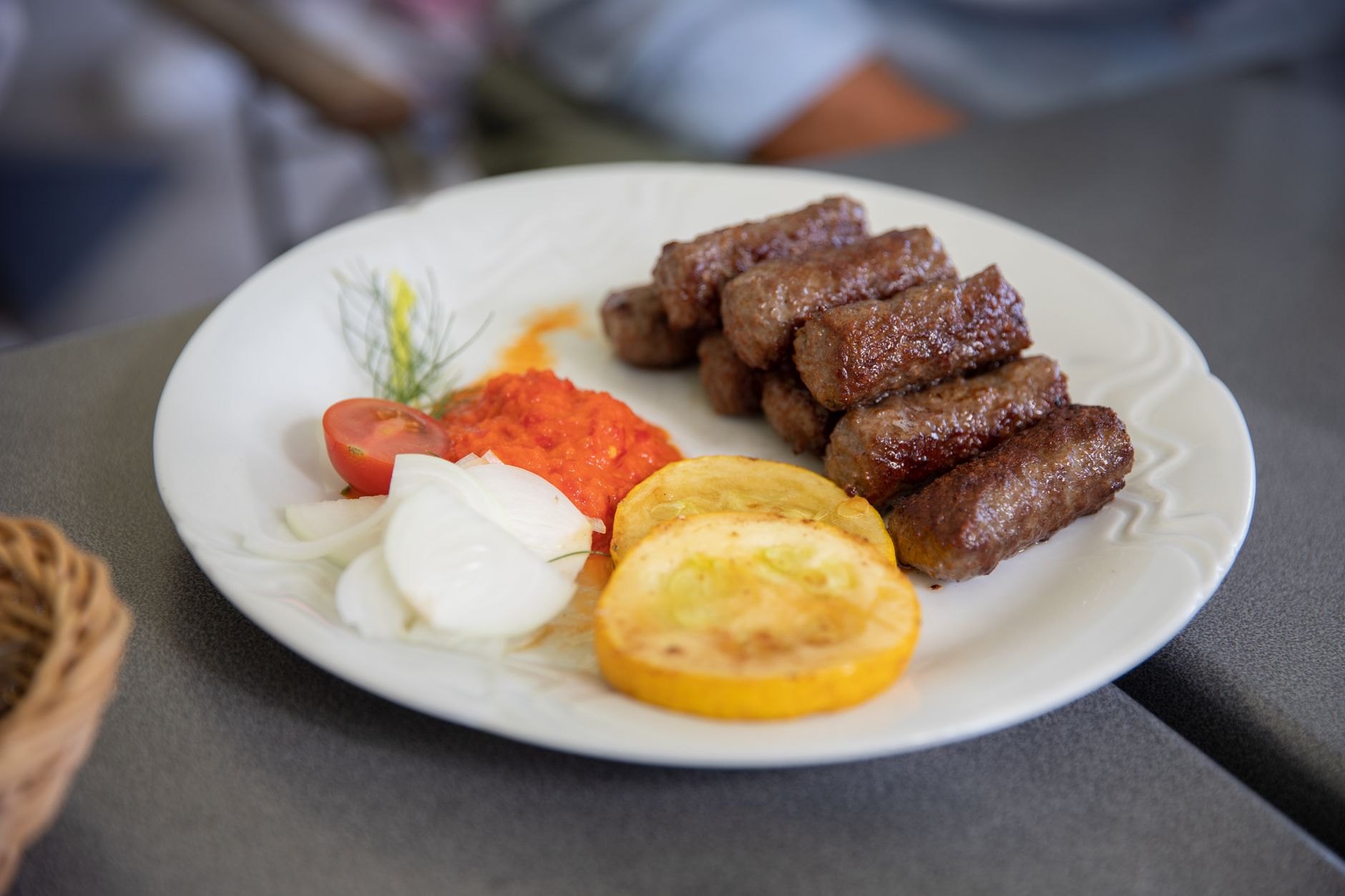
Every proper feast begins with meze: thin ribbons of dry-cured prosciutto (pršuta), aged sheep cheeses, pickled wild peppers, and a generous bowl of kajmak—an unpasteurized clotted dairy delicacy with a rich, buttery tang. Alongside comes freshly prepared ajvar, a silky roasted red pepper relish prepared across village households every autumn. Next arrive the grilled meats (roštilj), the absolute pride of Serbian cooks. Minced-meat ćevapi and stuffed pljeskavica patties are grilled over glowing hardwood charcoal and served inside steaming, pillowy *somun* flatbreads.
No meal is complete without rakija, the national fruit brandy distilled with pride across the countryside. Plum (šljivovica) is the undisputed king, aged in oak barrels to a deep golden amber. Other beloved varieties include fragrant quince (dunjevača), sweet apricot (kajsijevača), and aromatic pear (viljamovka). When toasting with rakija, strict etiquette applies: look your dining companion directly in the eyes, clink glasses firmly, and proclaim *Živeli!* (To life!). Sip slowly to appreciate the complex fruit profile rather than shooting it like cheap liquor.
Street Smarts: Tourist Scams, Overpriced Traps & Transit Hazards in Serbia
Serbia is remarkably safe for foreign visitors, with violent crime rates substantially lower than in many Western European capitals. Locals take immense pride in hospitality (gostoprimstvo) toward international guests. Nevertheless, opportunistic commercial traps and transit quirks in high-traffic hubs can easily inflate your budget or compromise your itinerary if you are unprepared.
- Belgrade Airport “Wild Taxi” Extortion: Outside the arrivals terminal at Belgrade Nikola Tesla Airport (BEG), unauthorized private drivers aggressively solicit incoming passengers, quoting arbitrary fares of 5,000 to 9,000 RSD ($45.19–$84.74) for a basic ride into the city center. Always bypass these touts and head directly to the official Taxi Information Desk inside the baggage claim exit hall. Request a fixed-zone taxi voucher (Zone 2 for central Belgrade costs approximately 2,200 RSD / $21.47), which you hand directly to the uniformed dispatcher outside at the taxi queue.
- Skadarlija Acoustic Musician Bill Shock: Wandering acoustic tamburica and brass musicians frequent the tourist kafanas along Skadarlija street. While their performances are delightfully authentic, musicians often station themselves beside a tourist table, play three or four energetic folk songs unprompted, and then aggressively demand tips of 2,000 to 5,000 RSD per song. If you do not wish to pay for live serenades, smile politely, shake your head, and decline before they begin playing.
- Knez Mihailova Fake Charity Petition Clipboards: Well-dressed young individuals carry clipboards along Knez Mihailova pedestrian avenue, claiming to collect signatures for an international deaf-mute children’s foundation. Once you sign their bogus sheet, they point to a column showing fake “mandatory donation” amounts of 2,000 to 5,000 RSD and demand immediate cash. Simply ignore clipboard solicitors and walk past without breaking stride.
- Soko High-Speed Train Unreserved Boarding Fines: The Soko express train between Belgrade and Novi Sad operates on mandatory seat reservations. Travelers who rush aboard without a validated ticket or attempt to board with standard commuter tickets are assessed an immediate on-board penalty surcharge by conductors. Purchase your digital ticket and seat allocation in advance using the official Srbija Voz mobile app or automated multilingual station kiosks.
- City Center Currency Exchange Spread Traps: While regulated exchange offices (menjačnica) are everywhere and generally offer honest rates, specific booths located directly along Knez Mihailova, at the main bus station, and inside the airport arrivals terminal post deceptive exchange margins that shave 8% to 15% off standard mid-market rates for euros and US dollars. Look for reputable exchange booths located along side streets displaying explicit zero-commission signs and transparent buy-sell spreads under 1.5%.
- Western Mountain Road Hazards and Speed Checks: Driving Route 21 through Valjevo to Bajina Bašta involves steep winding mountain roads with unlit tunnels, sudden rockfalls, and stray cattle or sheep roaming onto blind corners. Serbian traffic police frequently operate radar speed traps at village boundary markers where speed limits abruptly drop from 80 km/h to 50 km/h. Drive conservatively, keep your headlights illuminated at all times (mandatory by law day and night), and observe posted speed limits strictly.
Exercising standard urban common sense and securing reliable digital navigation ensures you navigate Serbia’s historic cities and alpine valleys smoothly without encountering commercial friction.
Rail Transit & Mobile Connectivity Across Serbia with NXTL
Modern travel through Serbia increasingly relies on reliable mobile data connectivity. Whether checking real-time train platform departures on the Srbija Voz application, navigating narrow cobblestone alleyways in historic Zemun, summoning a reliable ride via Car:Go in Belgrade, or tracking mountain hiking trail waypoints offline across Tara National Park, constant high-speed data is an essential travel companion.
Traditional mobile roaming in Serbia can be surprisingly expensive for visitors from Western Europe and North America because Serbia is not an EU member state and falls outside EU “Roam Like at Home” price-capping regulations. Relying on your standard domestic mobile plan can trigger punitive daily roaming surcharges of $11.30 to $16.95 per day, while hunting for physical prepaid tourist SIM cards at Belgrade kiosks requires standing in line and completing mandatory passport registration paperwork.
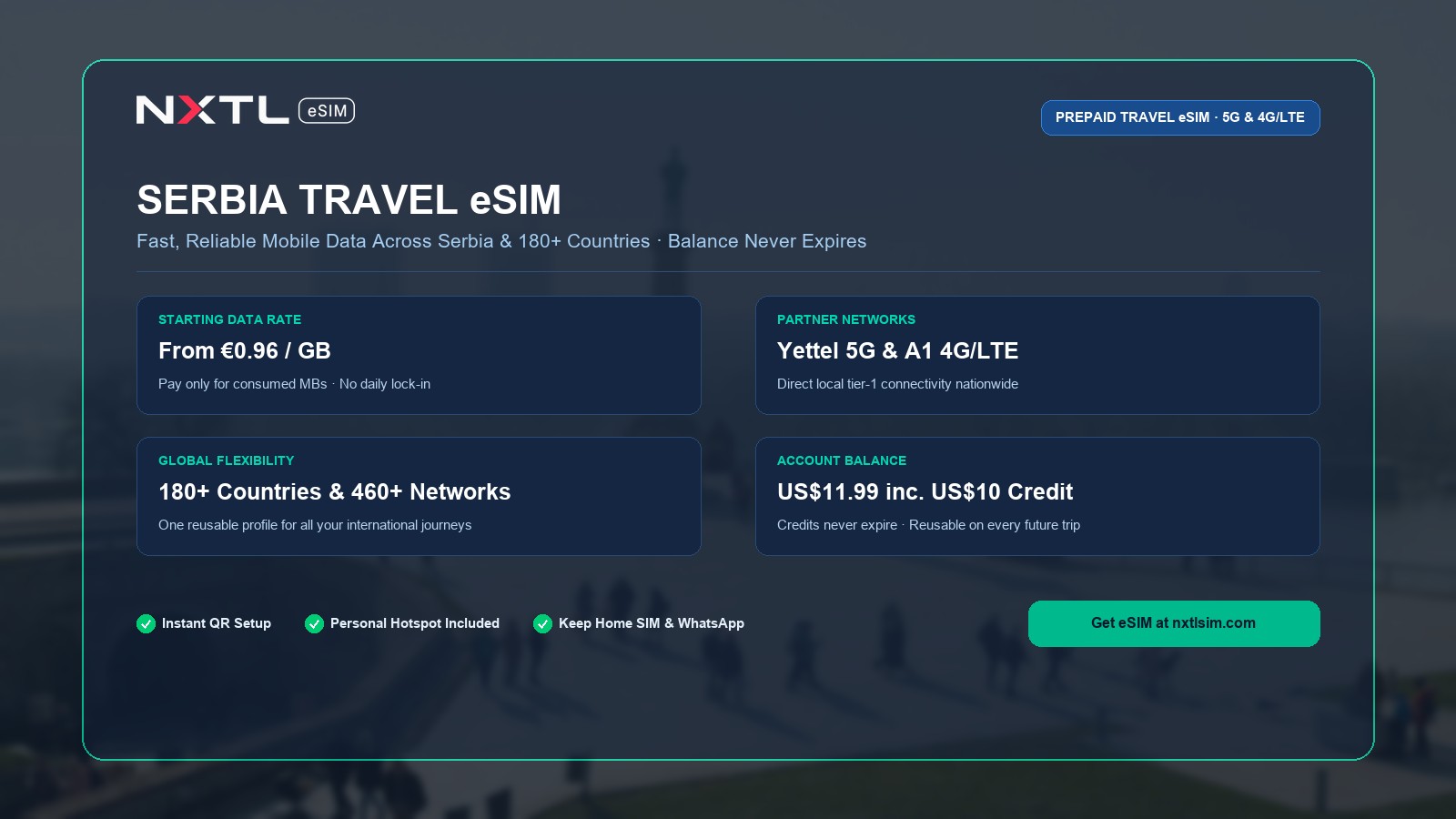
The NXTL Serbia travel eSIM eliminates these hurdles by connecting directly to tier-one national networks including Yettel 5G and A1 4G/LTE at a transparent, pay-as-you-go starting rate of just $0.93 per gigabyte. Because data is metered strictly per megabyte consumed without arbitrary daily bundle expiration windows, you pay only for the exact bandwidth your journey requires.
The NXTL global model operates on a reusable digital profile: your initial purchase of $11.99 includes $10 of preloaded roaming balance ready to use immediately upon landing in Belgrade. Because account balances never expire as long as your account remains active, any leftover funds carry over automatically to your next journey across more than 180 supported countries and 460 partner networks. Full personal hotspot tethering is permitted, and your primary home physical SIM remains active in your device for receiving bank security verification codes and urgent telephone calls without roaming friction.
From the lively cobblestone kafanas of Belgrade and the Habsburg wine cellars of Novi Sad to the misty pine ridges of Tara National Park, Serbia rewards the curious traveller with extraordinary warmth and authenticity. With your transit planned and your connectivity assured, you are ready to experience one of Europe’s most captivating crossroads.