Slovakia presents one of Central Europe’s most rewarding geographical contrasts: a baroque riverside capital along the Danube and the granite walls of the High Tatras rising over alpine valleys. Yet first-time visitors frequently struggle with transport choices, debating whether to hire a car immediately upon landing or rely on national rail. The answer is straightforward: express InterCity trains conquer the 330-kilometer transit between Bratislava and Poprad faster than driving, while a rental car becomes essential only once you branch out into the rural valleys, fortified settlements, and fortress ruins of the Spiš region.
This seven-day route is designed for active independent travellers seeking urban culture, alpine trail walking, and Gothic architecture. By anchoring your first two days in pedestrian Bratislava, travelling east via ZSSK InterCity rail to Poprad, and utilizing the Tatra Electric Railway before collecting a two-day regional car rental, you avoid motorway fatigue while retaining mobility across remote karst plateaus. Here is how to structure your week across transit schedules, mountain bookings, and regional culinary traditions.
Trip Planning Blueprint: Bases, Transit Modes, and Timing
Selecting the correct seasonal window dictates your packing and transport strategy. Slovakia experiences four distinct seasons, each demanding different trail preparation. Summer (late June through early September) unlocks the complete alpine trail network in Tatra National Park (TANAP), as seasonal high-altitude closures protecting chamois and marmots lift on June 15. During July and August, daylight stretches past nine in the evening and mountain huts (chata) operate at full capacity. However, summer also brings brief afternoon thunderstorms, requiring morning ascents starting before seven.
Early autumn, running from mid-September through late October, offers stable weather, crisp atmospheric clarity, and striking copper foliage across the Spiš basin. Trail crowds thin out, though temperatures drop sharply after dusk. Late spring (May to early June) works well for exploring Bratislava and Devín Castle, but high Tatras trails remain closed under winter conservation laws. Winter (December through March) turns the High Tatras into a snowsports destination, requiring crampons, avalanche beacons, and winter driving tires with chains across northern passes.
For independent travellers, the optimal duration is seven complete days. A shorter visit sacrifices either mountain trail time or eastern cultural landmarks. Seven days allows two nights in Bratislava, three nights stationed along the Tatra Electric Railway corridor, and two nights positioned near Poprad or Levoča for vehicle loops through Spiš Castle and Slovak Paradise.
| Day / Stage | Base | Highlights | Transport Mode | Transit Time | Advance Booking Requirement |
|---|---|---|---|---|---|
| Day 1 | Bratislava | Old Town Main Square, St. Martin’s Cathedral, Michael’s Gate, UFO Tower sunset | Walking & City Tram | Pedestrian base | UFO viewpoint dinner reservation (weekend evenings) |
| Day 2 | Bratislava | Devín Castle cliff ruins, Morava confluence, Blue Church, riverside promenade | Public Bus #29 | 25 mins each way | Devín Castle museum ticket on arrival |
| Day 3 | Starý Smokovec or Štrbské Pleso | ZSSK InterCity express across Váh valley, Tatra Electric Railway ascent, glacial tarn walk | ZSSK IC Train + TEŽ Railway | 3 hrs 15 mins (express rail) + 40 mins (TEŽ) | ZSSK 1st or 2nd class seat reservation (1-2 weeks ahead in peak summer) |
| Day 4 | Starý Smokovec or Štrbské Pleso | Hrebienok funicular, Cold Creek waterfalls (Vodopády Studeného potoka), Zamkovského chata trail | Funicular + Alpine Footpaths | 15 mins funicular + 4 hrs hiking | Gopass digital card for funicular discount |
| Day 5 | Starý Smokovec or Štrbské Pleso | High-altitude trek to Popradské Pleso, Rysy trailhead approach, evening thermal wellness | TEŽ Tram & Alpine Trail | 35 mins tram + 5 hrs hiking | Mountain rescue insurance (mandatory on marked TANAP trails) |
| Day 6 | Poprad or Levoča | Regional car pickup, UNESCO Spiš Castle fortress walls, Spišská Kapitula ecclesiastical town | Rental Car | 45 mins driving (Poprad to Spišské Podhradie) | Local rental car reservation; electronic motorway vignette (eznamka.sk) |
| Day 7 | Poprad / Bratislava departure | Levoča Master Paul altarpiece, Slovak Paradise gorge approach or return express train to Bratislava | Rental Car drop-off + ZSSK IC Train | 3 hrs 20 mins return rail to Bratislava | Return InterCity train seat reservation |
Days 1–2: Bratislava’s Royal History and Riverside Fortresses
Bratislava is frequently overshadowed by neighboring Vienna, yet its compact historic core possesses deep imperial pedigree. Between 1563 and 1830, when Ottoman forces occupied Buda, Bratislava (then known as Pozsony) served as the Hungarian capital. Eleven Hungarian monarchs and eight queens, including Maria Theresa, received their crowns within the Gothic stone nave of St. Martin’s Cathedral. Begin your walk at St. Martin’s, noting the gilded replica of the Crown of St. Stephen mounted atop its 85-meter spire, before following the quiet cobblestones of Kapitulská and Ventúrska.
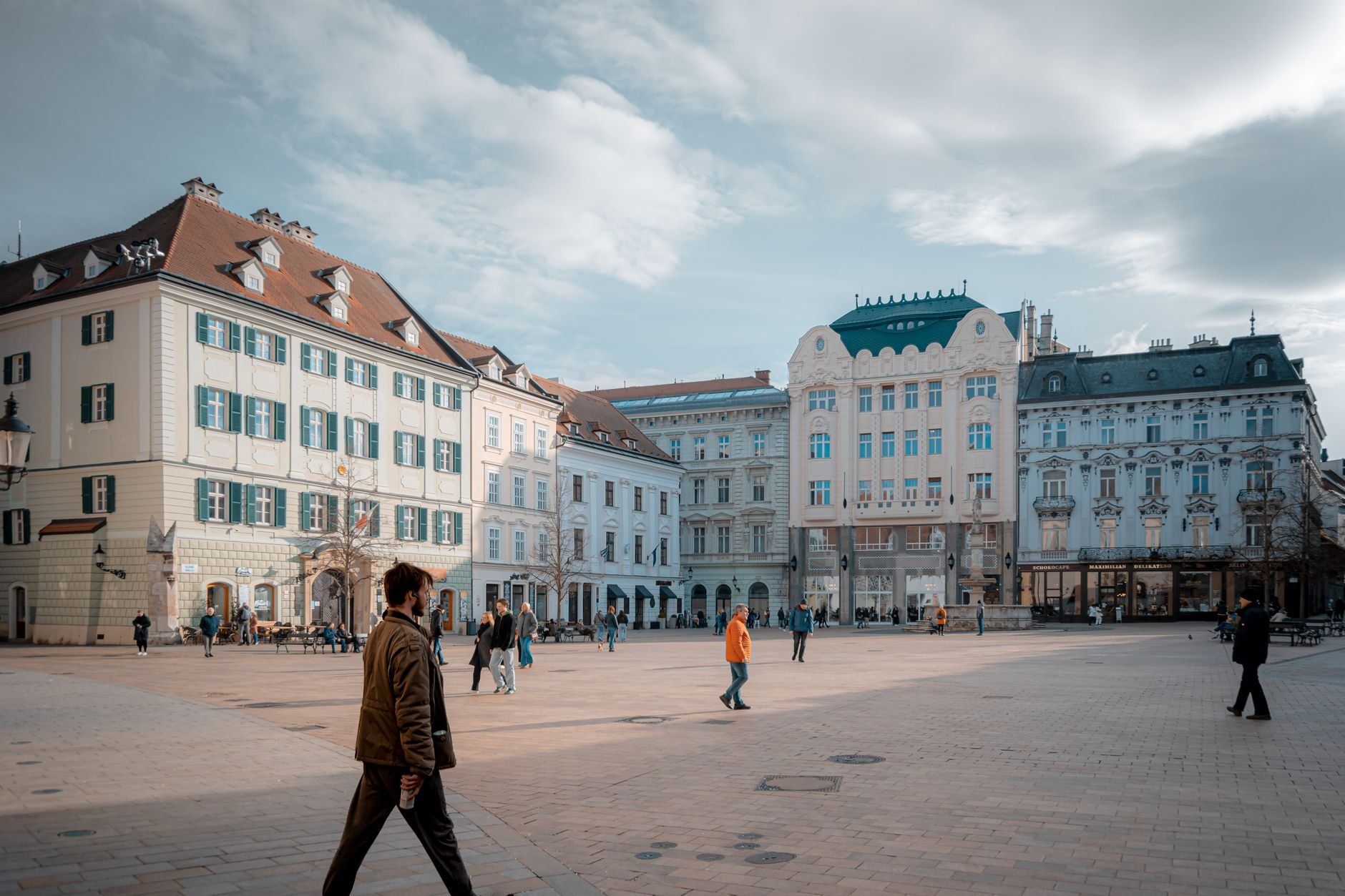
The center of Old Town (Staré Mesto) opens at Hlavné Námestie (Main Square), flanked by pastel Renaissance and Baroque facades, the Old Town Hall (Stará Radnica), and Roland’s Fountain. Ascending the spiral staircase inside the Old Town Hall tower reveals a panoramic outlook over terracotta rooftops, the Franciscan Church, and the white rectangular block of Bratislava Castle rising to the west. Pass through Michael’s Gate (Michalská brána), the sole surviving medieval gate tower, where an inlaid brass ring marks distances to world capitals.
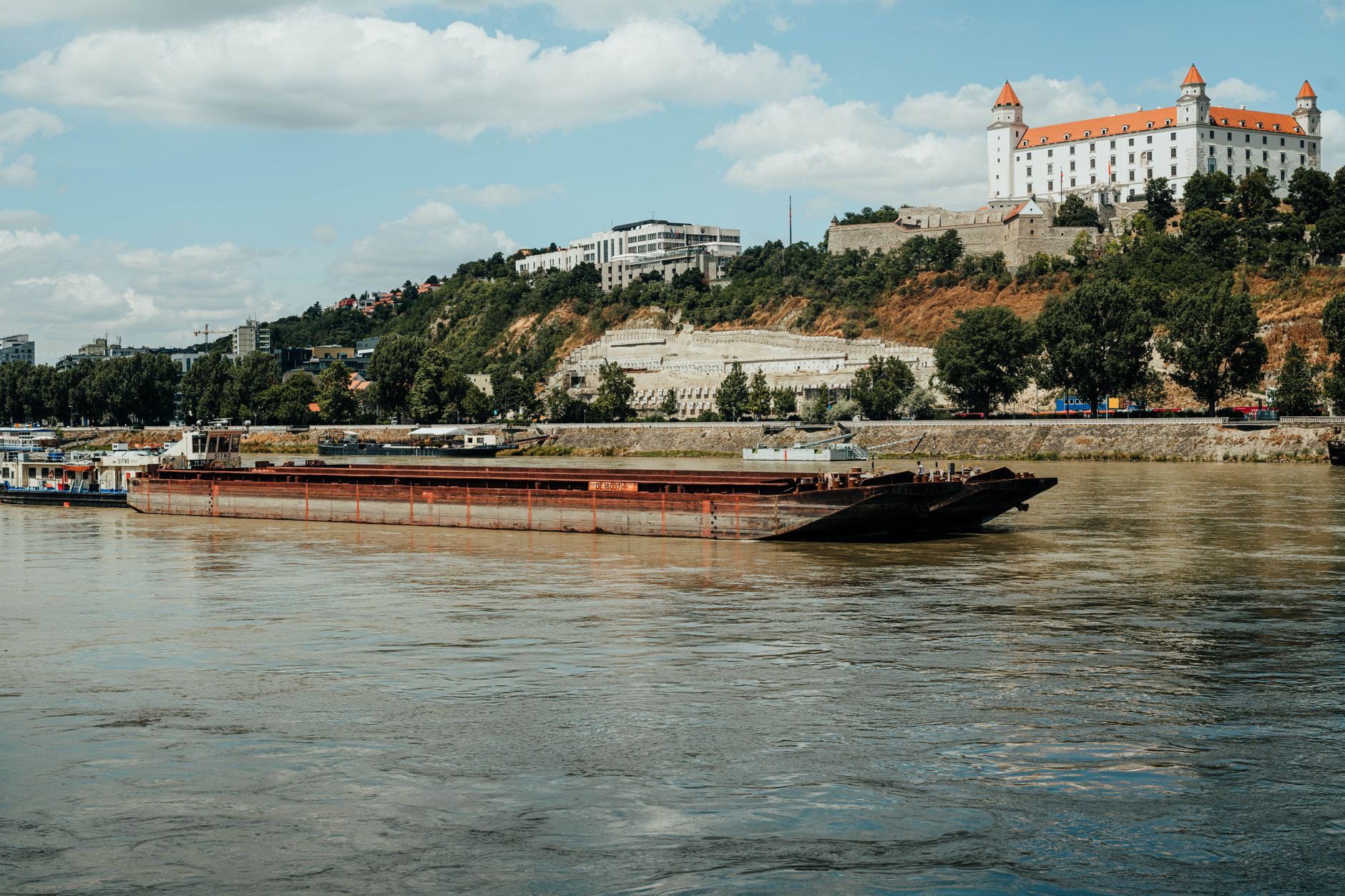
Ascend the stone walkway to Bratislava Castle (Bratislavský hrad). Reconstructed after a disastrous nineteenth-century fire, the castle’s gleaming white exterior and four corner towers earned it the enduring local nickname of an “inverted table.” The formal baroque gardens behind the royal palace mirror the manicured landscaping favored under Maria Theresa. From the southern bastion, overlook the Danube River and the Most SNP bridge with its UFO observation deck suspended 85 meters above the river pylon. In the late afternoon, walk east to the Church of St. Elizabeth, known as the Blue Church, an Art Nouveau creation by Ödön Lechner with blue majolica tiles and sinuous curves.
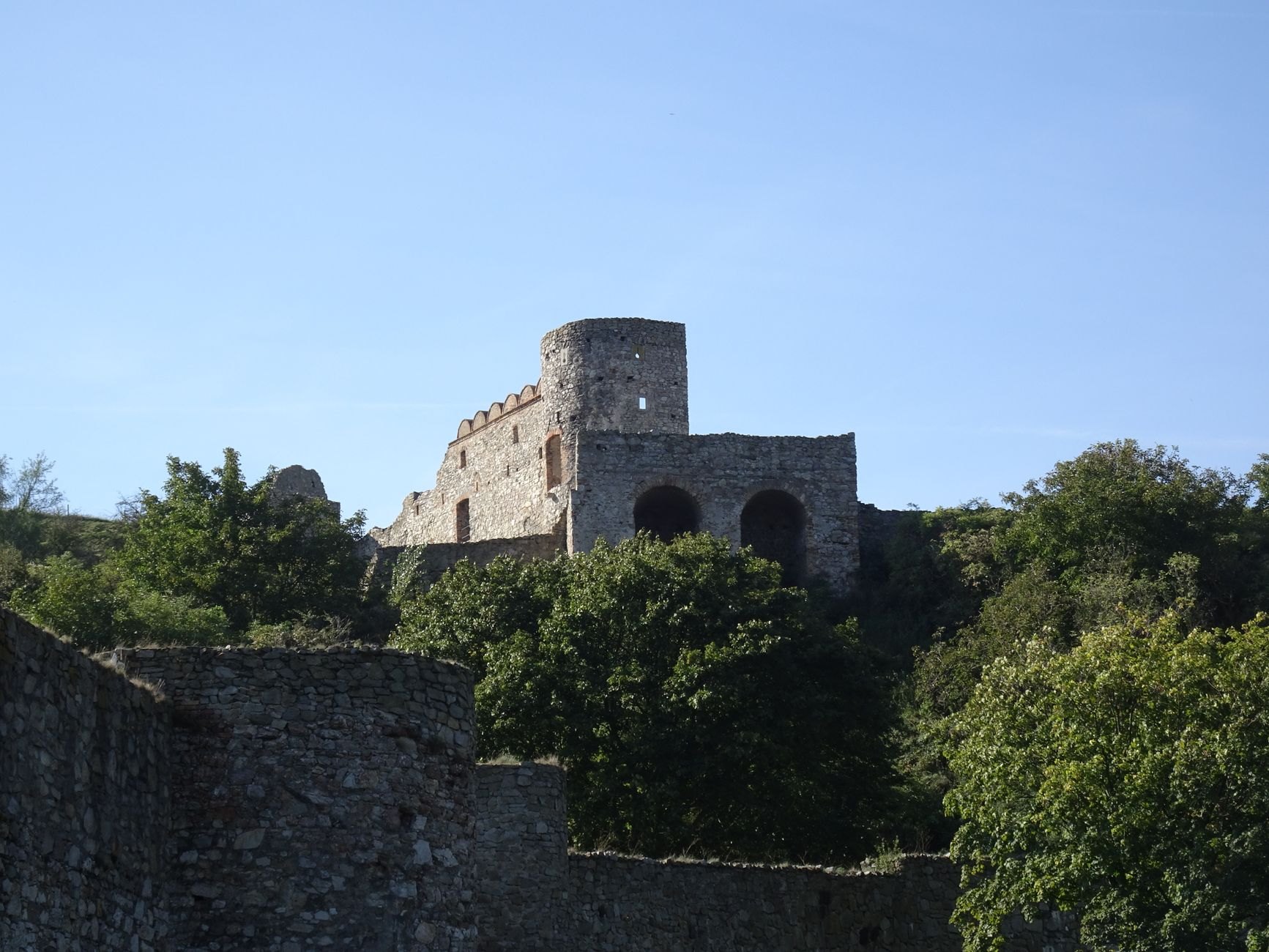
On your second morning, head twelve kilometers upriver to Devín Castle (Hrad Devín), situated where the amber Morava River joins the Danube. Board city bus #29 beneath the SNP bridge for an easy twenty-five-minute journey. Devín’s weathered stone bastions cling to a 212-meter sheer dolomite crag that served as a frontier fortress from Roman antiquity through the Middle Ages. During the Cold War, this precise riverbank formed part of the Iron Curtain. Below the ramparts stands the Gate of Freedom Memorial, honoring those who died attempting to flee across the fortified river border.
Back in the city, spend your evening strolling the riverside promenade at Eurovea and visiting the restored market hall (Stará Tržnica). Sample crisp local pilsners alongside traditional appetizers like nakladaný hermelín (pickled soft cheese cured with garlic and peppers) or oškvarková pomazánka (pork crackling spread on crusty sourdough), preparing your palate for the hearty mountain fare ahead.
The Great Transit Decision: Rail vs. Car from Bratislava to Poprad
Travellers often debate whether to rent a car in Bratislava or take the train east. The logistical answer clearly favors the railway for this main transit leg. Slovakia’s state railway, Železničná spoločnosť Slovensko (ZSSK), operates regular InterCity (IC) express trains linking Bratislava Hlavná Stanica with Poprad-Tatry in three hours and fifteen minutes. Driving the parallel D1 motorway takes roughly the same time under ideal conditions, but exposes you to heavy congestion around Trnava, prolonged road construction bottlenecks near Ružomberok, and toll vignette costs.
Furthermore, the northern rail journey provides excellent valley scenery. Past Trenčín—where the cliffside fortress stands high above the tracks—the train follows the Váh River, skirting Liptovská Mara reservoir with the rugged Western Tatras in the distance. Onboard ZSSK IC trains, passengers enjoy comfortable seating, electrical outlets, reliable wireless connectivity, air conditioning, and trolley refreshment service serving espresso and regional drinks directly to your seat.
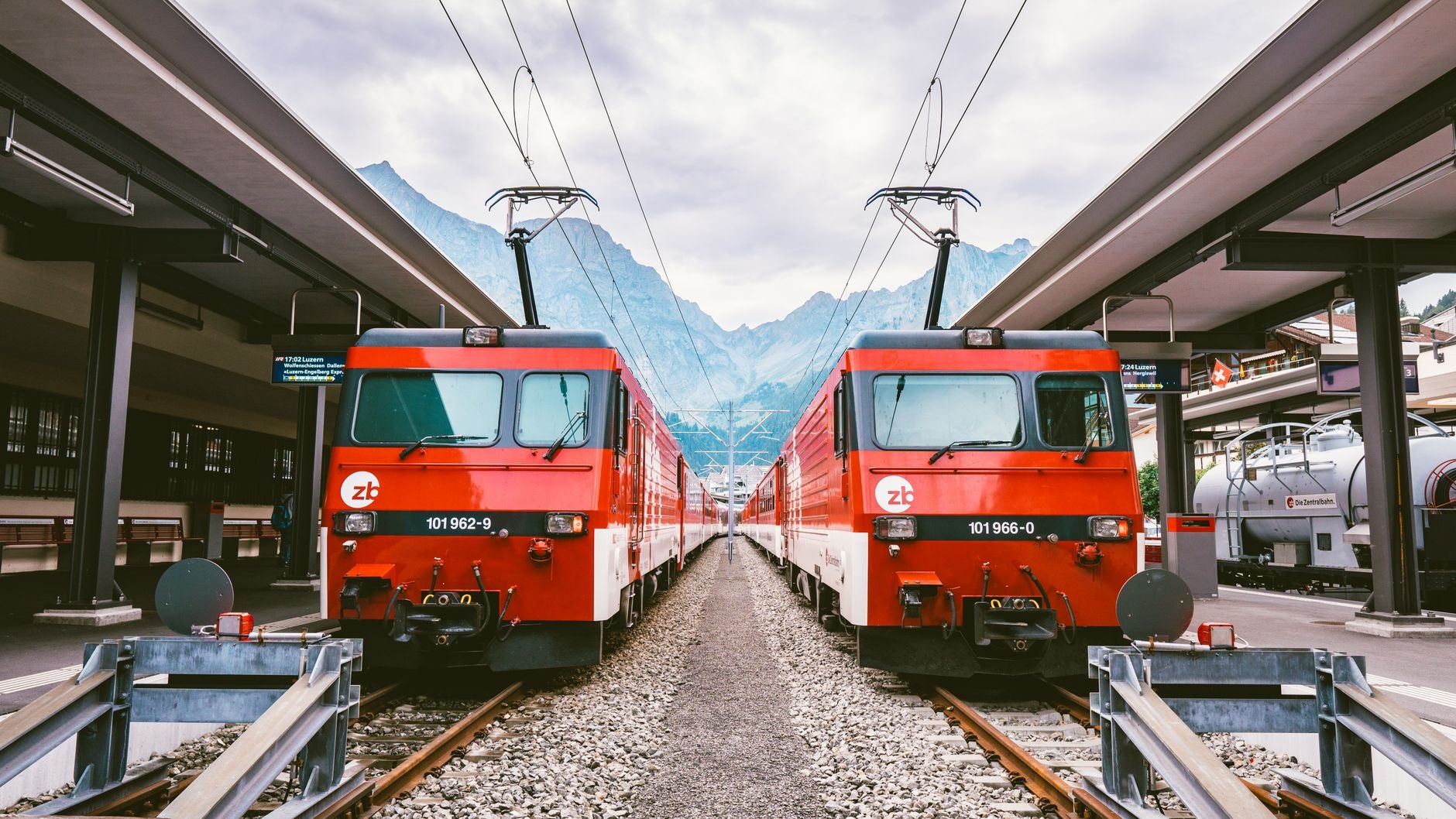
At Poprad-Tatry station, an escalator leads straight to the elevated platform of the Tatranské elektrické železnice (TEŽ), the Tatra Electric Railway. This narrow-gauge network has ferried hikers and health seekers along the base of the mountains since 1908. Two lines connect Poprad with Starý Smokovec, Tatranská Lomnica, and Štrbské Pleso. The TEŽ runs every thirty to sixty minutes on a simple ticketing system. Using this electric train avoids high trailhead parking fees and early-morning parking congestion at major trailheads.
Save your car rental for Day 6. By picking up a vehicle in Poprad for the final forty-eight hours, you eliminate unnecessary rental and parking expenses during your alpine hiking days, deploying the car specifically for the rural castles, wooden churches, and gorge trailheads of the Spiš region where regional bus links are infrequent.
Days 3–5: High Tatras Alpine Hikes, Glacial Tarns, and Mountain Huts
The High Tatras (Vysoké Tatry) form the highest portion of the Carpathian arc, packing twenty-nine peaks above 2,500 meters into a compact ridge twenty-six kilometers long. This tight geography creates dramatic vertical scale: sheer granite walls rise directly from the valley floor, placing alpine terrain within easy day-hiking reach. Base yourself in Starý Smokovec for central transport access, or in Štrbské Pleso for quiet evenings beside high-altitude glacial waters.
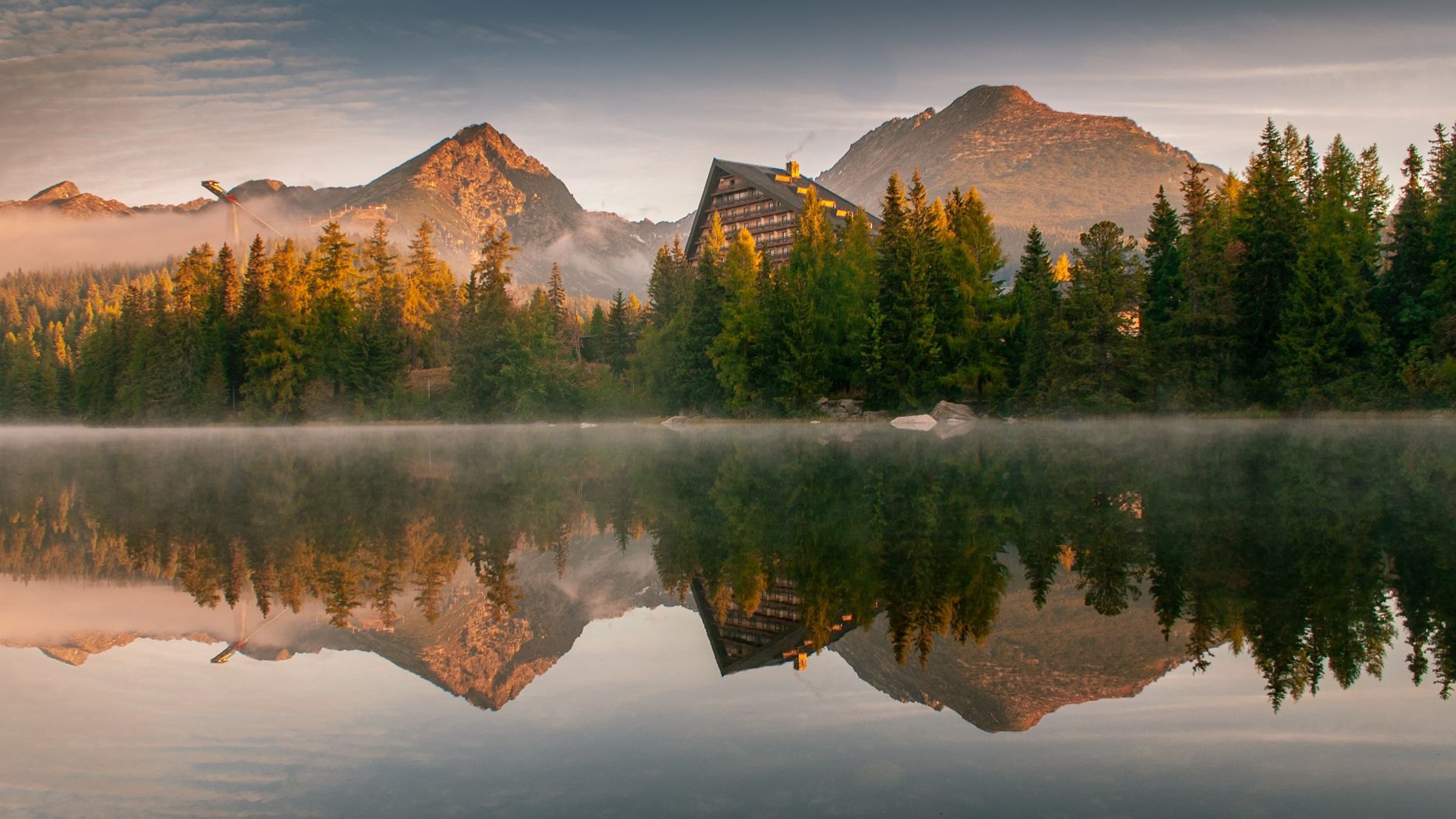
Start your mountain days at Štrbské Pleso, situated at 1,346 meters altitude. An easy four-kilometer trail circles the perimeter of this glacial tarn. On calm mornings, the water mirrors the twin peaks of Vysoká and the rocky couloirs of Patria. Notice the historical sanatoriums along the shoreline that established this area as a climatic health resort, as well as the heritage ski jumps built for the 1970 Nordic World Championships.
On Day 4, tackle the classic hike up the Cold Creek Valley (Studená dolina). From Starý Smokovec, walk or take the funicular up to Hrebienok (1,285 meters). From here, join the red-marked Tatranská Magistrála trail spanning the southern mountain face. Walk down to Bilíkova chata and the Cold Creek Waterfalls (Vodopády Studeného potoka), where meltwater cascades over granite ledges. Continue past Rainerova chata, the oldest stone shelter in the range, built in 1863.
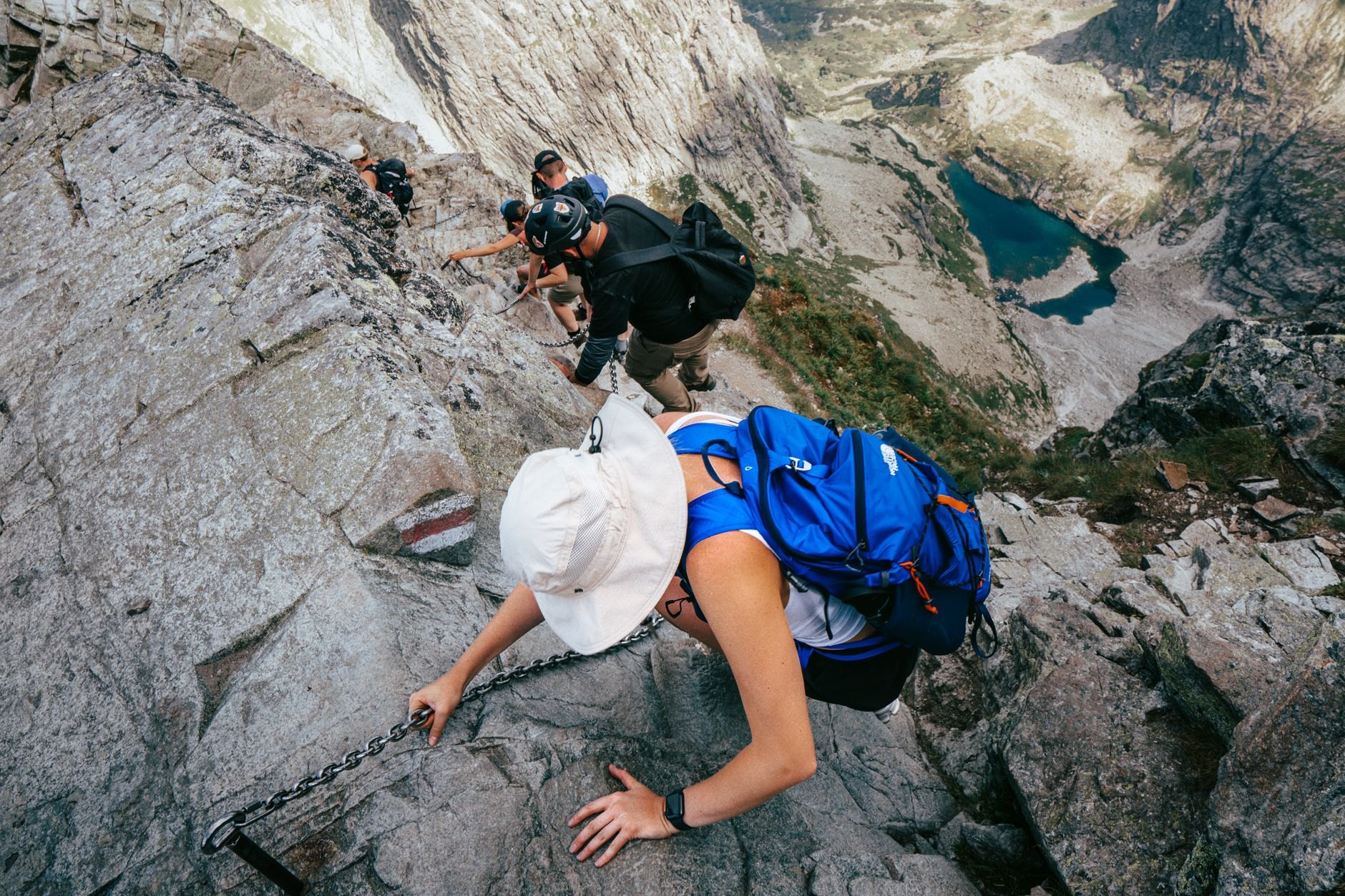
Ascend onward toward Zamkovského chata (1,475 meters) at the entrance of the Small Cold Valley. Here you can observe the remarkable mountain porter tradition (tatranskí nosiči). In the High Tatras, mountain huts are still supplied on foot without helicopters: porters carry wooden frames loaded with sixty to one hundred kilograms of provisions up boulder paths. Enjoy a hot bowl of kapustnica (cabbage and sausage soup) before following the trail toward Tatranská Lomnica.
On Day 5, hike up to Popradské Pleso (1,494 meters) and visit the Symbolic Cemetery (Symbolický cintorín) sheltered under the rock face of Ostrva. Hand-carved wooden crosses honor climbers who perished in the Tatras and worldwide mountains. Remember that Slovak regulations require valid mountain rescue insurance (poistenie do hôr) on all marked trails. Without it, the state mountain rescue service (Horské záchranná služba) will bill you for all search and helicopter costs, whereas a policy purchased via smartphone costs under $2.26 per day.
Days 6–7: Road Trip Through Spiš Castle, Levoča, and Karst Gorges
Collect your rental car in Poprad on Day 6 and head east along Route 18 into the Spiš region, renowned for Saxon architectural heritage and medieval fortifications. Your primary destination is Spiš Castle (Spišský hrad), whose sprawling white limestone ramparts dominate a high travertine hill above the valley floor, visible for miles in every direction.
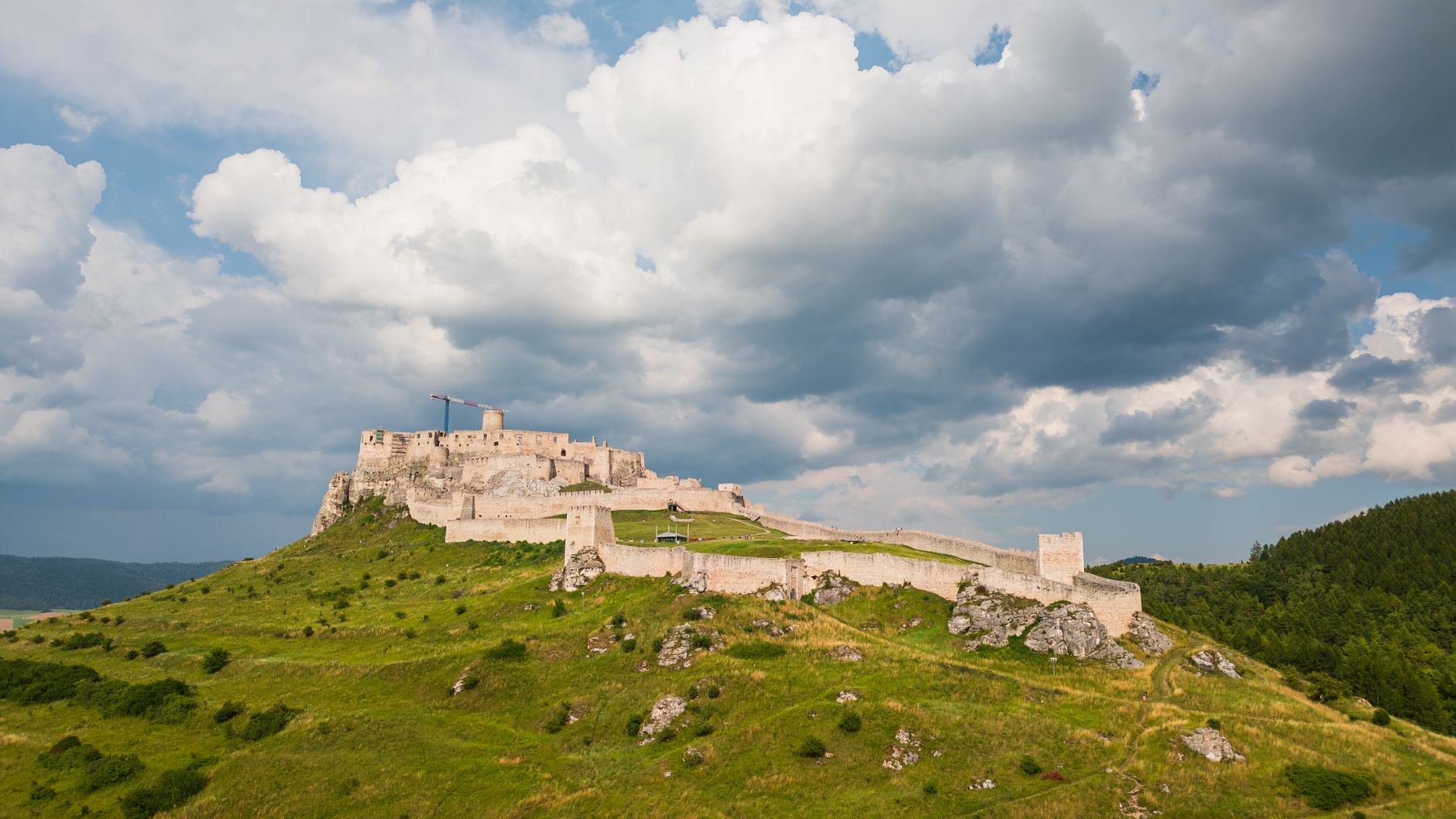
Founded in the twelfth century, Spiš Castle withstood the Mongol onslaught of 1241 thanks to its thick stone defenses and hilltop position. Walk through the sprawling lower courtyard, explore the ruins of the Romanesque palace keep, and climb the circular defensive tower for panoramic vistas of the surrounding plains and distant Tatras. Across the valley, stop at Spišská Kapitula, a walled clerical town containing St. Martin’s Cathedral and quiet historic residences.
Drive next to the walled town of Levoča, once a prosperous royal borough enriched by copper mining and trade. Much of its fourteenth-century defensive wall and bastions remain intact. In the central square, admire the arcaded Renaissance Town Hall and the wrought-iron “Cage of Shame” (klietka hanby), once used to punish minor public offenses.
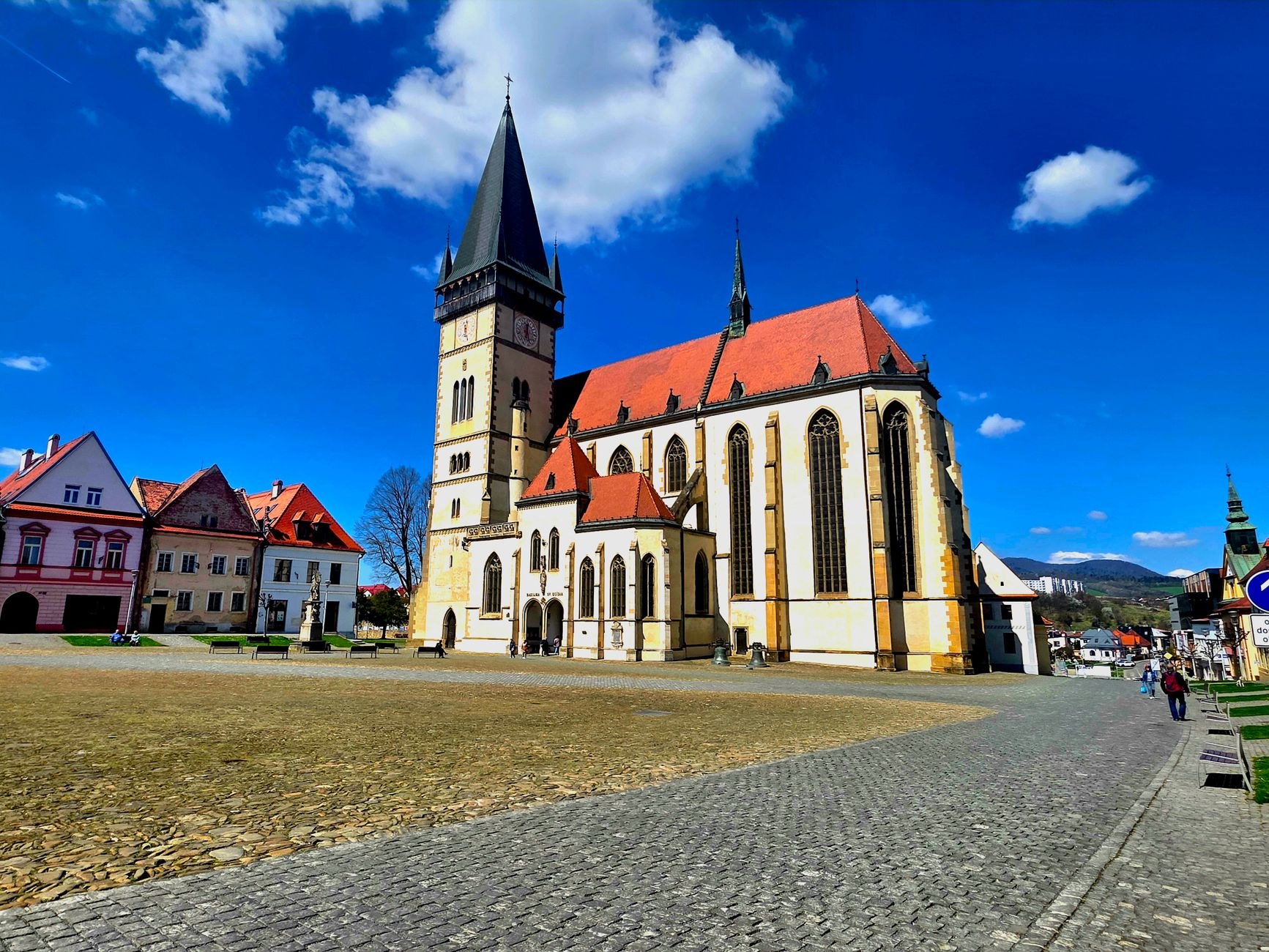
The cultural centerpiece of Levoča is the Basilica of St. James (Bazilika svätého Jakuba). Step inside to view the colossal wooden altar carved by Master Paul of Levoča, completed in 1517. Standing 18.62 meters tall, it is the highest Gothic wooden altarpiece in the world, sculpted from linden wood with lifelike apostle figures and detailed gilded tracery.
On Day 7, before returning your car in Poprad, visit Slovak Paradise National Park (Národný park Slovenský raj), located twenty minutes south of town. The park’s limestone gorges are explored along one-way trails featuring iron ladders, chains, and cantilevered platforms suspended above waterfalls. The Suchá Belá gorge offers an exhilarating morning loop. Conclude your trip by returning your rental car at Poprad-Tatry station and boarding the afternoon ZSSK InterCity train back to Bratislava.
Slovak Culinary Traditions: Hearty Mountain Fare
Slovak cooking reflects an agrarian history shaped by cold mountain climates, emphasizing calorie-rich staples: potatoes, fermented cabbage, sheep dairy, and smoked pork. The national signature dish is Bryndzové Halušky—tender boiled potato dumplings tossed with fresh bryndza, a creamy, salty sheep’s milk cheese made in mountain pastures since the fourteenth century.

Authentic halušky comes topped with crisped cubes of smoked bacon (slanina) and warm rendered pork lard. Pair your plate with a glass of žinčica, the tart, probiotic sheep whey traditionally served in rustic wooden cups at countryside shepherd restaurants known as koliba. Another favorite variation is strapačky, which pairs the same potato dumplings with stewed sauerkraut and bacon instead of cheese.
Other classic options include demikát (a savory garlic-bryndza soup served with rye croutons) and vyprážaný syr (crispy breaded cheese with tartar sauce and roasted potatoes). For dessert, look for šúľance s makom—sweet potato noodles tossed in melted butter and crushed poppy seeds—or warm steamed yeast buns (parené buchty) filled with plum preserve and dusted with sweet cocoa powder.
Tourist Scams and Travel Traps in Slovakia
Slovakia is exceptionally safe and welcoming, with low violent crime rates. However, unaware travellers can still encounter common commercial pitfalls and transport oversights. Keep these five practical precautions in mind:
- Unmetered Station Taxis in Bratislava: Hailing an unmarked taxi outside Bratislava Hlavná Stanica often results in fares several times higher than normal. Unscrupulous drivers charge $28.25 to $39.54 for a simple three-kilometer trip into the center. Use apps like Bolt or Uber, or board tram #1 directly into the Old Town for $1.24.
- Unvalidated Public Transport Tickets: Inspectors in Bratislava and Poprad enforce ticketing strictly. Paper tickets must be stamped in the electronic validator immediately upon boarding. Failing to stamp your ticket or lacking a luggage supplement brings an on-the-spot fine of $56.49 to $79.09.
- Driving Motorways Without a Digital Vignette: Driving on Slovak motorways (marked with ‘D’ or ‘R’ prefixes) requires a digital vignette (diaľničná známka). Motorways use automated cameras, and fines are mailed directly. Verify your rental includes one, or buy a 10-day vignette at eznamka.sk for $13.56.
- Hiking Without Mountain Rescue Insurance: A serious legal trap in the High Tatras is hiking without mountain rescue coverage. Under Slovak law, search and rescue by the mountain service (Horské záchranná služba) is billed directly if uninsured. Obtain a cheap policy (poistenie do hôr) online before hitting the trails.
- Inflated Currency Exchange Kiosks: While Slovakia uses the Euro, tourists from neighboring nations sometimes use private exchange booths near major sights. These booths advertise zero commission while offering rates up to 20% below market value. Withdraw cash from bank ATMs (like VÚB or Tatra banka) and decline dynamic conversion.
Staying Connected Across Slovakia with NXTL Mobile Data
Whether navigating mountain roads in the Spiš valley, checking ZSSK train schedules on the CP.sk mobile app, tracking mountain weather forecasts before an alpine hike, or securing instant mountain insurance, reliable cellular data is crucial for independent travel across Slovakia. Searching for local SIM cards at transport stations takes time and requires passport registration.

An easier and more affordable option is setting up the NXTL Slovakia eSIM before you depart. Connecting through top local networks—including O2, Orange, and Slovak Telekom 5G—NXTL offers prepaid mobile data rates starting from just $0.77 per gigabyte. You pay strictly for the data volume you consume, avoiding the rigid time limits and wasted balances of fixed-duration travel SIM packages.
Best of all, your account balance never expires. Any unused credit from your trip to Slovakia stays in your profile, ready for your next adventure across 180+ supported countries and 460+ carrier networks worldwide. Setup takes only two minutes with a quick QR code scan, keeping your primary SIM active for two-factor verification codes and messaging while you travel.