Slovenia is often described as Europe in miniature, but that shorthand undervalues one of the continent’s most ecologically diverse republics. In under two hours, the landscape shifts from glaciated limestone spires in the Julian Alps across fertile karst plateaus down to olive groves and Venetian Gothic bell towers on the Adriatic coast. The primary planning mistake is attempting to treat this compact territory as hurried day excursions from one hotel room, spending daylight trapped in transit rather than experiencing distinct regional rhythms.
Engineered for independent travellers seeking architectural depth, alpine wilderness, and coastal maritime heritage, this seven-day route establishes three strategic bases: two nights in Ljubljana for Jože Plečnik’s urban design, two nights in the Julian Alps for Lake Bled and Lake Bohinj, and two nights in coastal Piran for Venetian seafaring history and karst canyons. Slovenian Railways (Slovenske železnice) trains and Arriva express buses deliver a balanced journey without logistical fatigue.
| Day / Stage | Overnight Base | Key Highlights | Transit & Route Logistics | Essential Advance Bookings | What to Cut / Save |
|---|---|---|---|---|---|
| Days 1–2: Plečnik’s Capital & Riverside Heritage | Ljubljana (Old Town / Krakovo) | Triple Bridge, Central Market colonnades, Ljubljana Castle walking path, National Library, Metelkova cultural zone | Walking; Ljubljana Urban public bicycle system (BicikeLJ); electric Kavalir shuttles in pedestrian center | Advance ticket for Plečnik House museum; dinner reservation at traditional gostilna | Skip the crowded castle funicular; walk up the shaded Reber cobbled path in 10 minutes |
| Days 3–4: Julian Alps, Lake Bled & Wild Bohinj | Bled or Bohinjska Bistrica | Lake Bled island by traditional pletna boat, Vintgar Gorge wooden boardwalks, Lake Bohinj, Vogel cable car view | Arriva regional bus or SŽ train from Ljubljana to Lesce-Bled / Bohinj (1 hr 15 min); local shuttle buses | Vintgar Gorge timed entry ticket; morning pletna boat crossing to Bled island | Avoid midday circuit drives around Bled; walk or cycle the tranquil 6 km lake loop |
| Day 5: Karst Wonders & Subterranean Canyons | Piran (Slovenian Istria) | Škocjan Caves underground river canyon hike, Predjama Castle cliff fortress, arrival at Tartini Square | SŽ train from Lesce-Bled to Divača (2 hr 10 min), local cave shuttle; Arriva bus to Piran coast (45 min) | Škocjan Caves guided canyon walking slot; Predjama Castle audio tour entry | Skip commercialized Postojna train crowds; prioritize UNESCO-protected Škocjan |
| Day 6: Venetian Gothic Maritime Heritage & Salt Pans | Piran | Piran Town Walls, St. George’s Parish Church bell tower, Tartini Square marble oval, Sečovlje Salina Nature Park | Walking through cobbled pedestrian core; free electric shuttle between Fornače garage and center | Sečovlje Salt Pans heritage museum entry; sunset seafood reservation on Punta promenade | Avoid bringing rental cars into Piran center; non-resident vehicles are strictly prohibited |
| Day 7: Karst Wine Country & Return Transit | Departure (LJU / Coastal Hub) | Morning seaside coffee, olive oil tasting in Istrian hills, express return transit to Ljubljana Airport | Arriva direct express bus from Piran to Ljubljana Central Station (1 hr 45 min), connecting airport bus (30 min) | Advance express bus seat booking for return trip with luggage storage | Skip complex multi-operator connections; direct Arriva buses run reliably every hour |
Days 1–2: Ljubljana — Master Architect Plečnik & Green Urbanism
Ljubljana feels intimate, walkable, and artistic. Much of its visual identity stems from architect Jože Plečnik. Following the 1895 Easter earthquake, Plečnik spent decades reimagining Ljubljana as a modern Mediterranean Athens, channeling the emerald Ljubljanica River with limestone embankments, weeping willows, and classical stone balustrades.
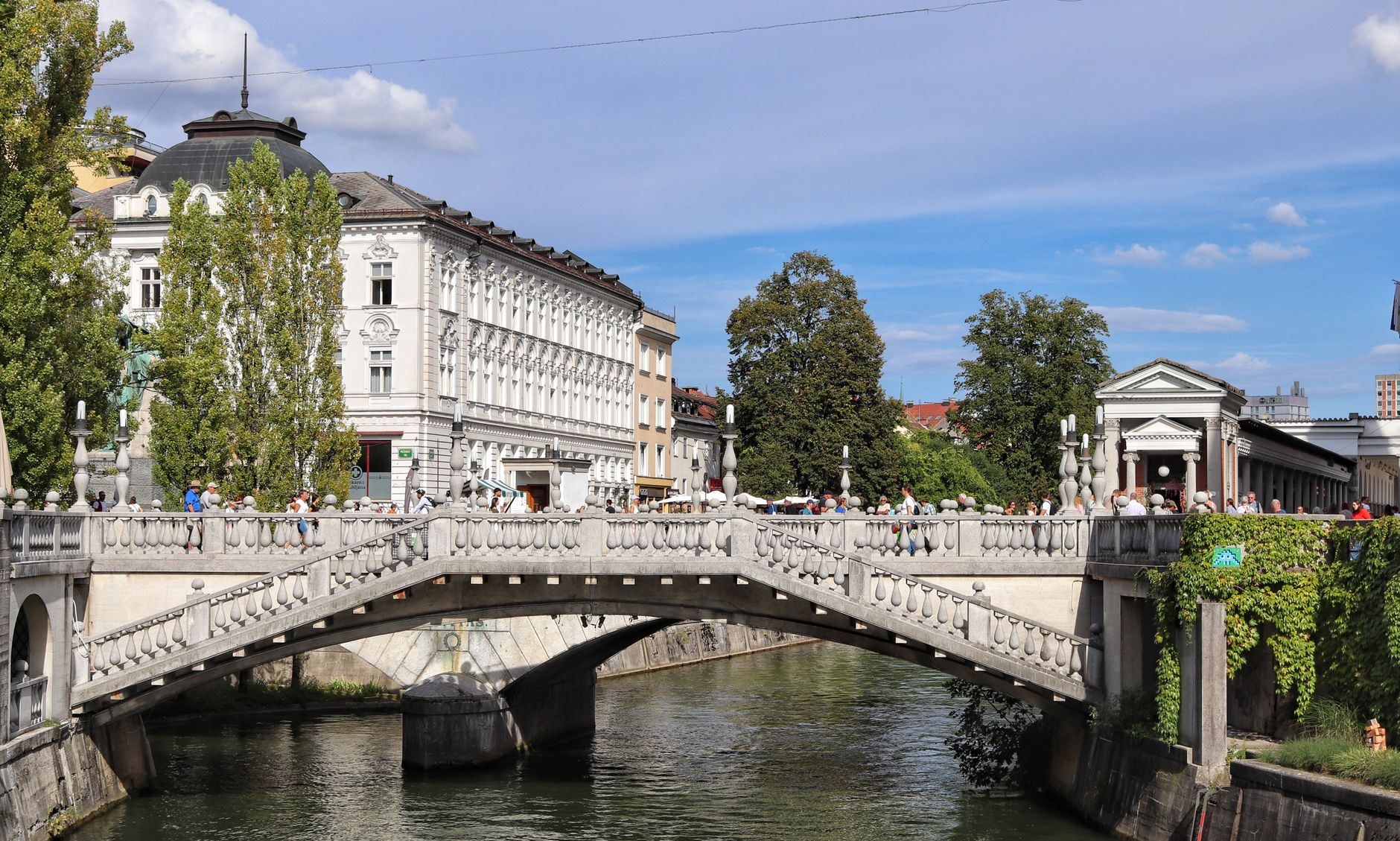
His iconic masterpiece is the Triple Bridge (Tromostovje). Finding the 1842 stone bridge too narrow, Plečnik added two angled pedestrian spans in 1932, opening into Prešeren Square. Upriver stands his Central Market colonnade, an elegant Roman-inspired arcade where farmers still sell artisan mountain cheeses, forest honey, and pumpkin seed oil.
Nearby stands Plečnik’s National and University Library (1936–1941). Exterior walls combine rough limestone with recycled Roman bricks from ancient Emona. Inside, a black Podpeč marble staircase leads to a light-filled reading room. Crossing the 1901 Dragon Bridge (Zmajski most), guarded by sheet-copper dragons, you enter the medieval core.
Skip the crowded funicular and climb the cobbled Reber lane to medieval Ljubljana Castle, which has guarded the river basin since the 11th century. The Outlook Tower offers vistas over red-tiled roofs toward the Kamnik-Savinja Alps.
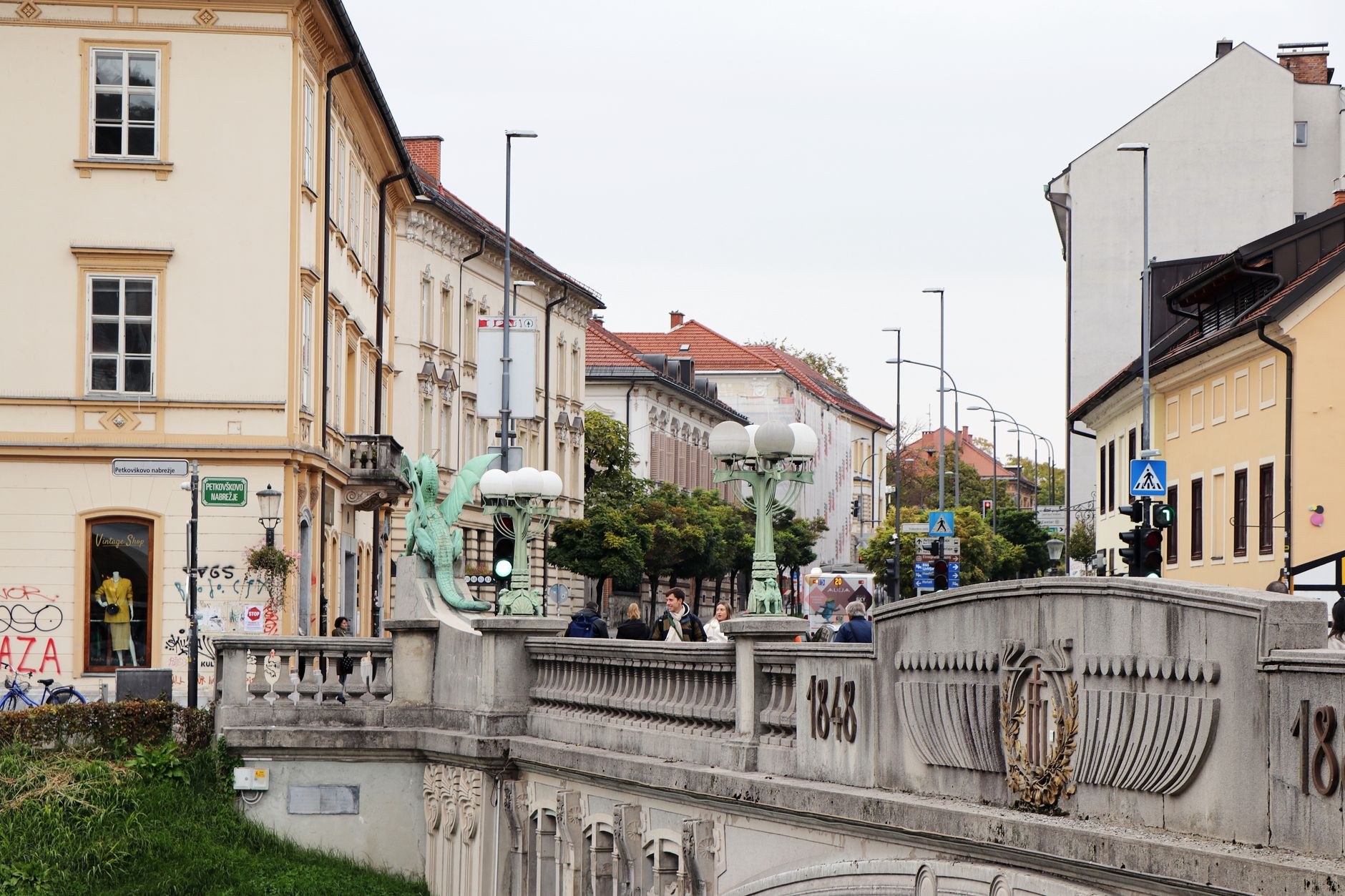
In the evening, riverside cafes along Petkovškovo nabrežje serve crisp Rebula white wine and air-cured Karst prosciutto (*kraški pršut*), blending Slavic warmth with Mediterranean culinary refinement.
Days 3–4: Julian Alps — Lake Bled’s Living Traditions & Untamed Lake Bohinj
Traveling northward from Ljubljana, urban plains give way to limestone peaks. In just over an hour, you reach Lake Bled, where understanding local heritage elevates the experience from mere sightseeing into cultural immersion.
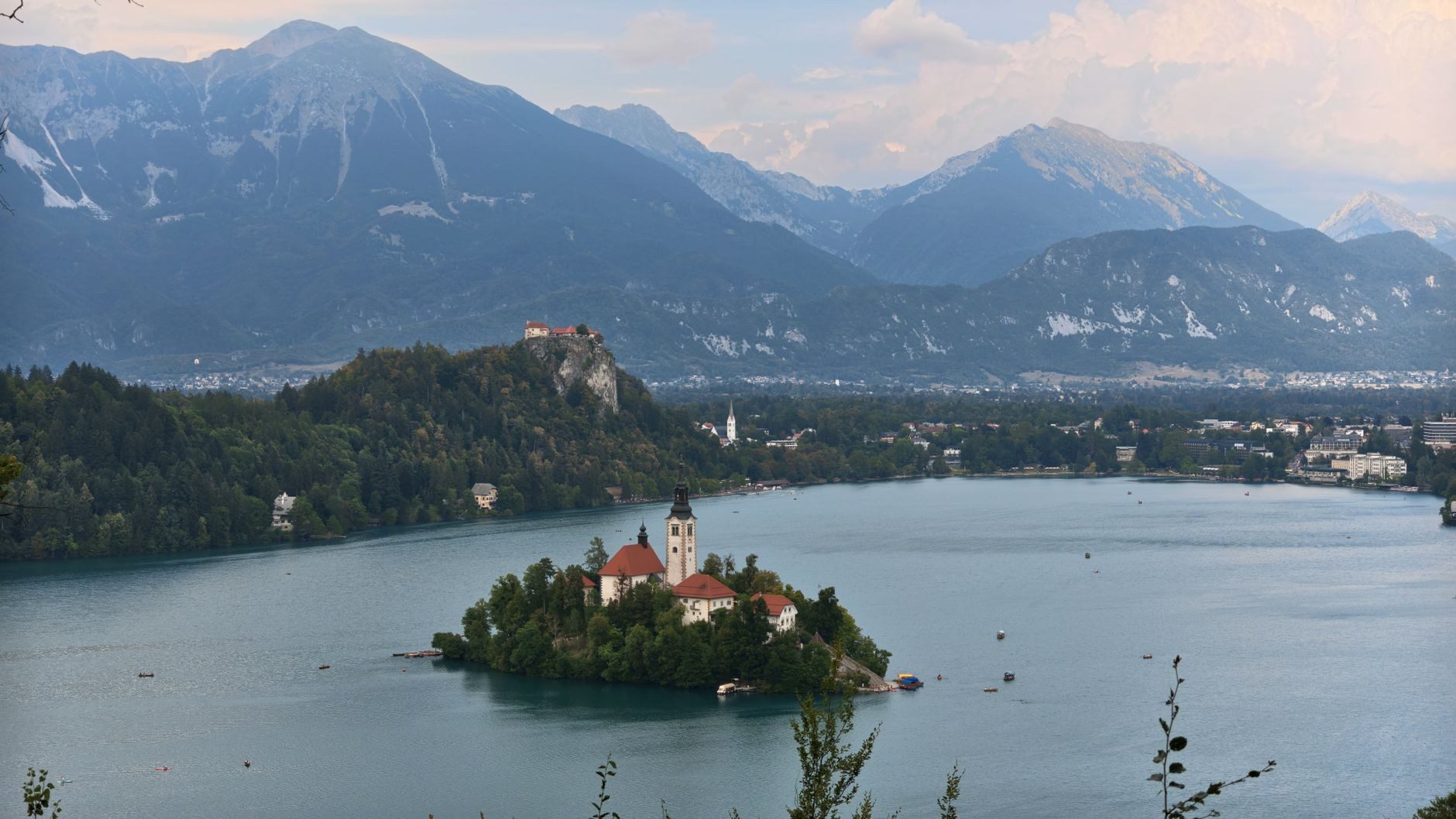
At the shore, board a traditional wooden *pletna* boat. Operated by licensed oarsmen (*pletnarji*) using a standing rowing technique, these flat-bottomed vessels stem from a 15th-century Habsburg decree granting exclusive rowing rights to local families across generations.
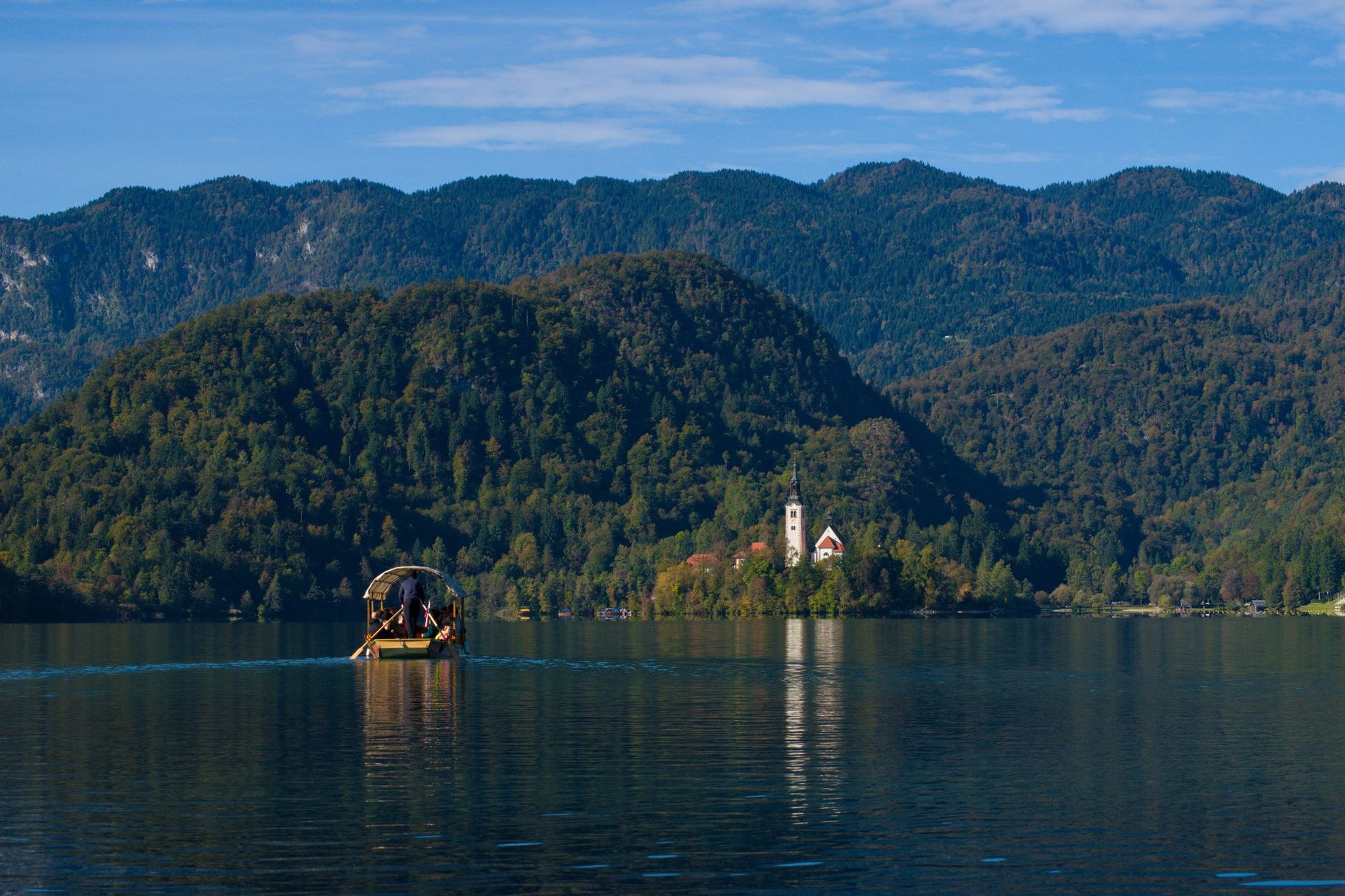
On Bled Island, climb 99 stone steps (built in 1655) to the Church of the Assumption of Mary. Tradition calls for grooms to carry brides up all 99 steps in silence. Inside hangs the 1534 Paduan wishing bell, rung three times by visitors beneath timber rafters.
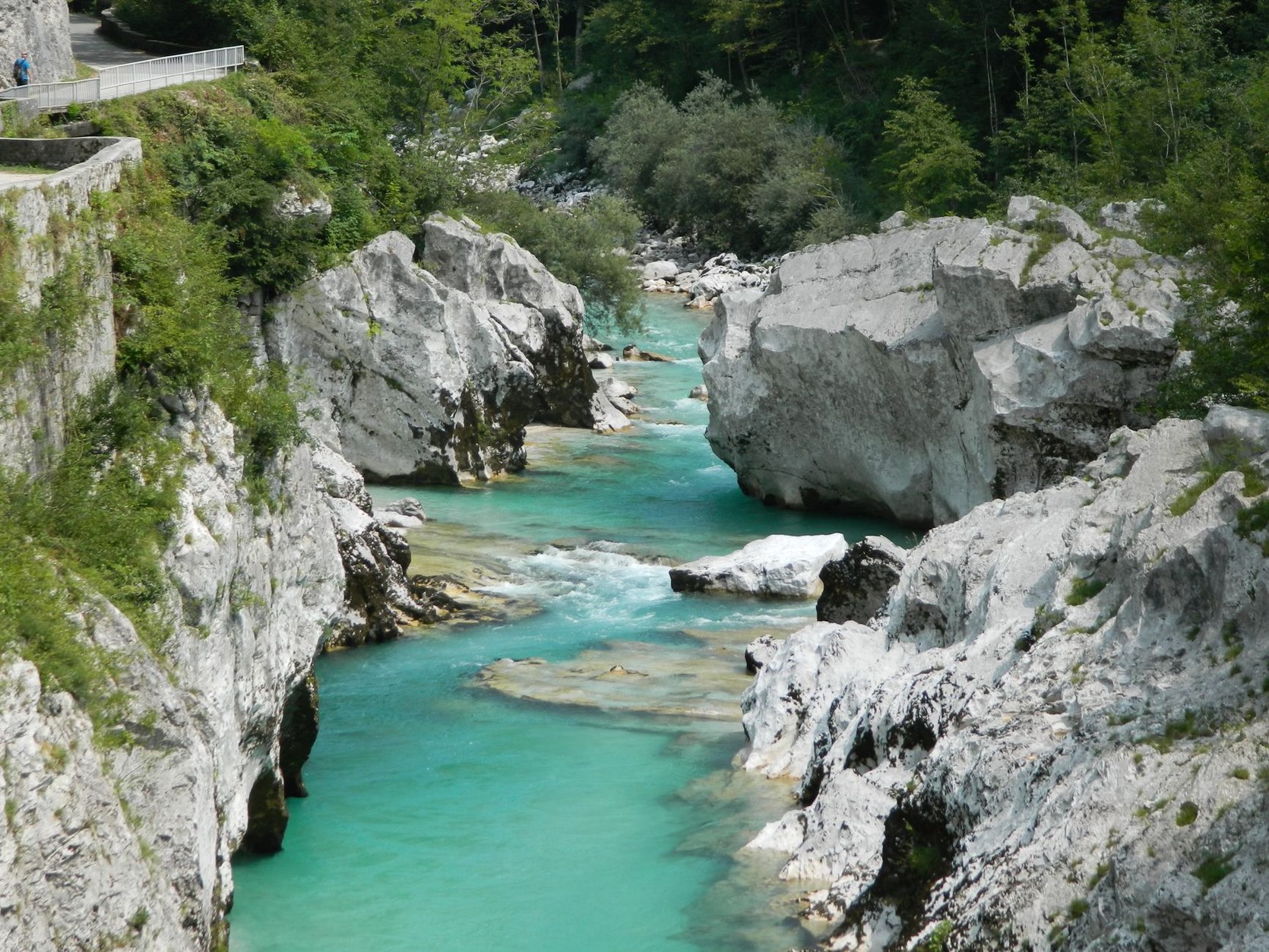
Four kilometres north, Vintgar Gorge cuts through limestone along the Radovna River. Built in 1893, 1.6 kilometres of wooden boardwalks hang over turquoise rapids, leading to the thirteen-meter Šum waterfall.
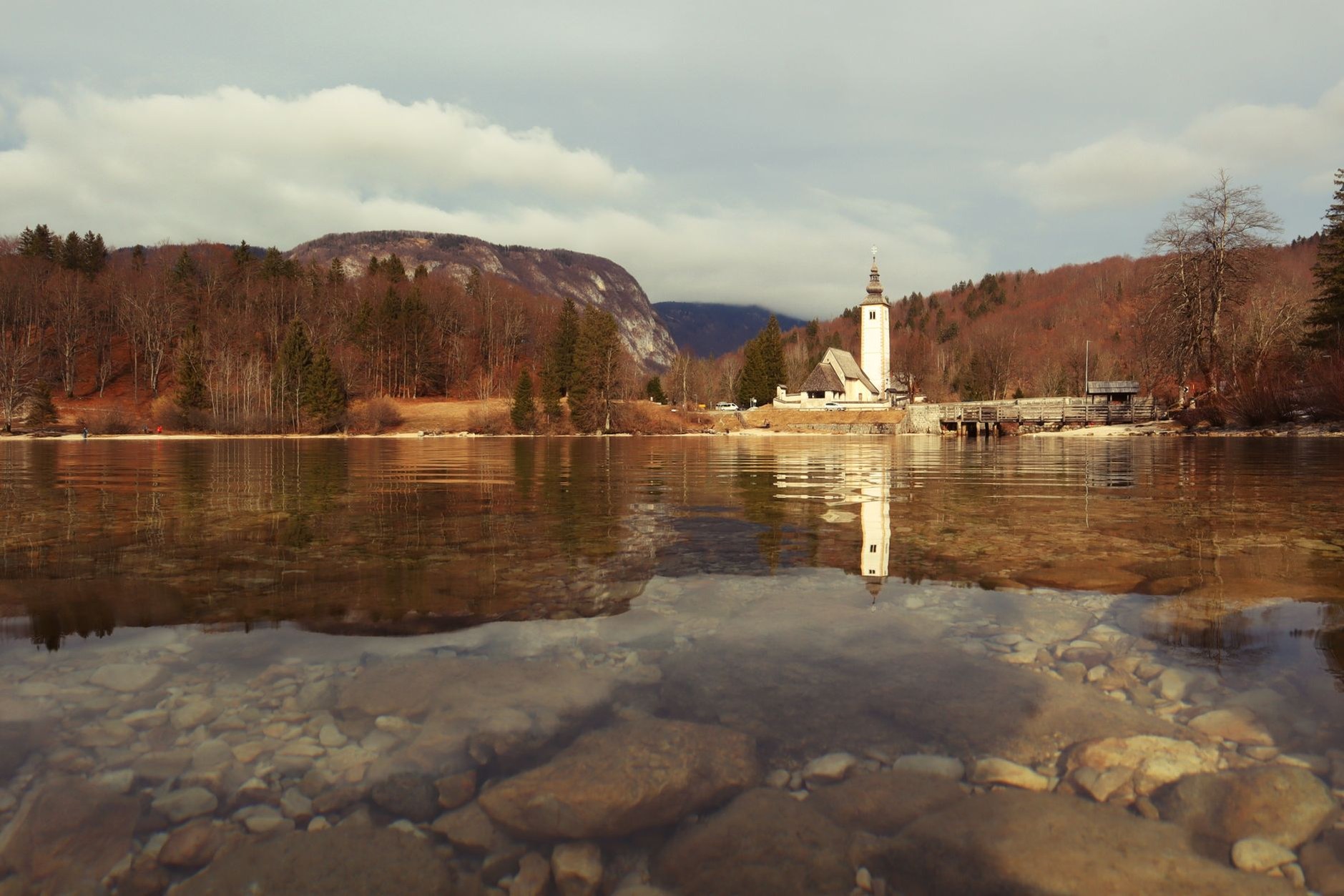
On day four, travel thirty minutes into Triglav National Park to Lake Bohinj. Untamed and enclosed by sheer cliffs, Bohinj preserves a pristine alpine environment free from resort congestion.
Rent a wooden rowboat on waters reflecting Mount Triglav (2,864m), or take the Vogel cable car up a thousand metres to alpine pastures where rustic dairies serve buckwheat cakes (*žganci*).
Sample authentic Bled cream cake (*Blejska kremšnita*), crafted since 1953 with puff pastry, vanilla custard, and whipped cream, before heading south into the Karst.
Day 5: Karst Wonders & Cliffside Fortresses — Škocjan & Predjama
On morning five, take the train south onto the Kras (Karst) plateau, whose soluble limestone terrain named karst topography worldwide, hiding sinking rivers and cavernous chambers.
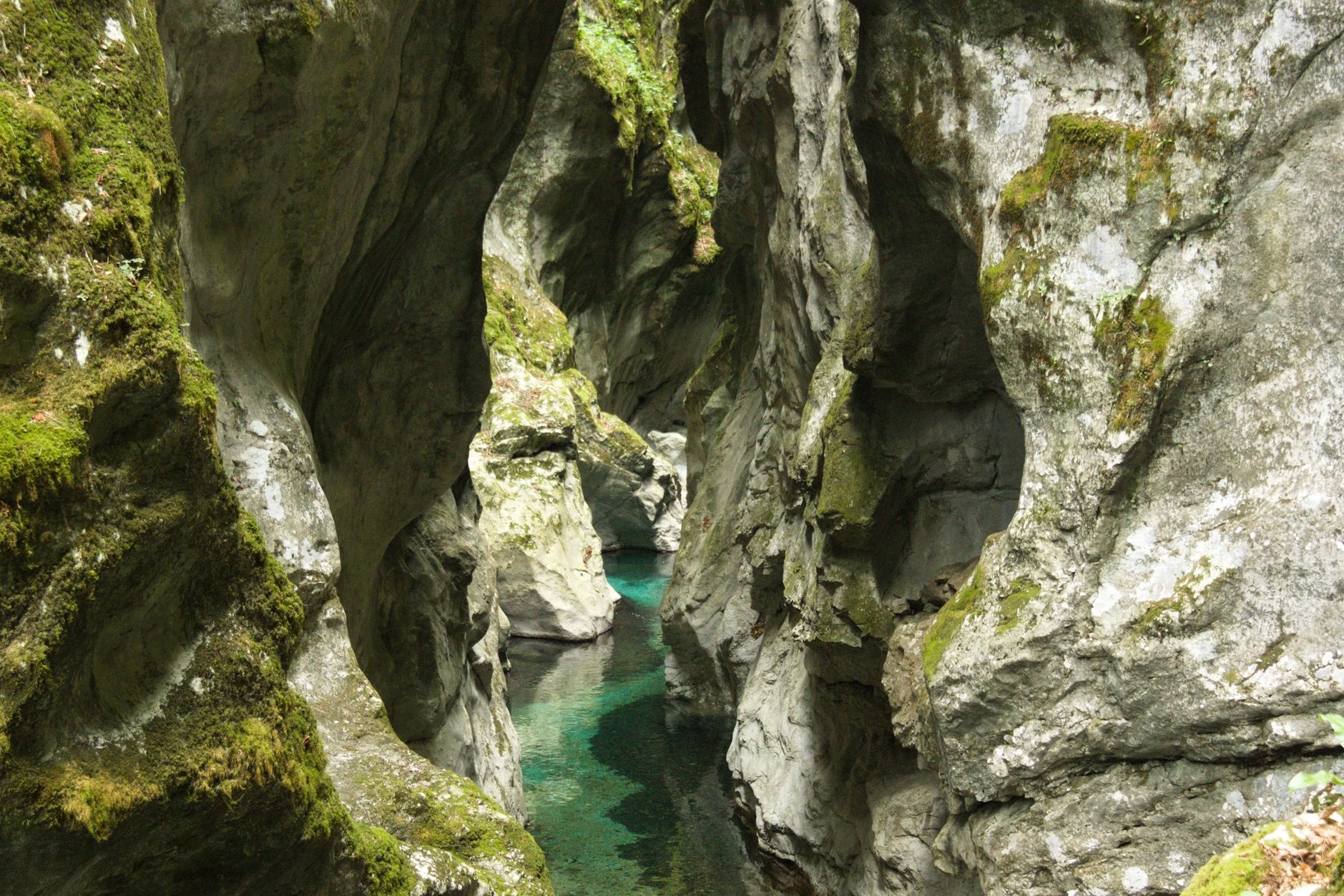
Prioritize UNESCO-listed Škocjan Caves over commercialized Postojna. Descending into one of the world’s largest underground canyons, the roaring Reka River echoes beneath one-hundred-metre limestone vaults. Crossing Cerkvenik Bridge, suspended forty-five metres above churning torrents, is unforgettable.
Nearby Predjama Castle clings to a 123-metre cliff within a cave mouth. The world’s largest cave fortress, it sheltered 15th-century robber-baron Erazem Lueger, who withstood a year-long Habsburg siege using secret cave shafts to smuggle fresh supplies.
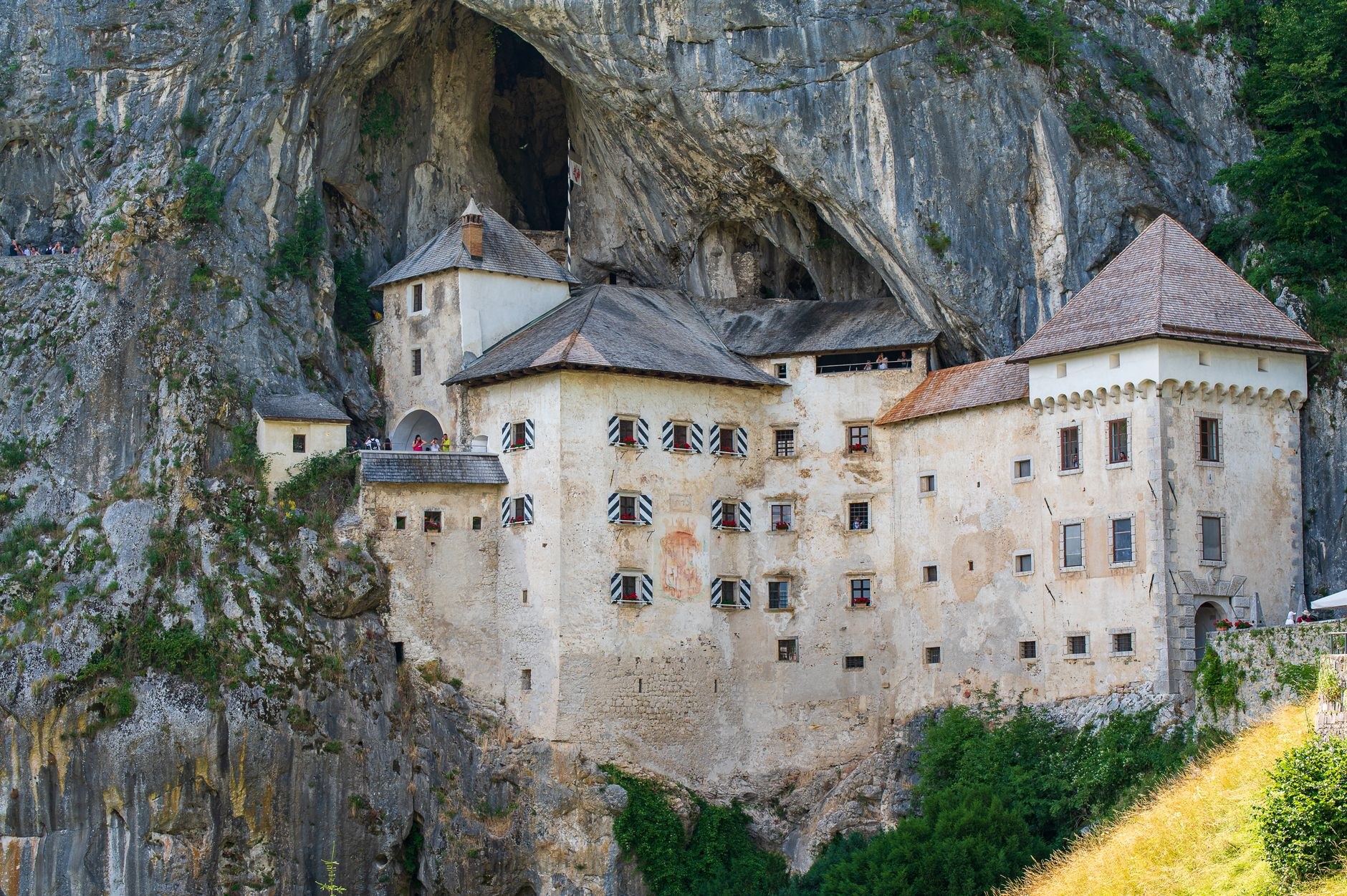
Predjama’s stone chambers and armory show defensive architecture integrated into living rock. An afternoon bus then descends the karst ridge toward coastal Piran on the Gulf of Trieste.
Day 6: Piran — Venetian Maritime Heritage & Adriatic Salt Pans
Piran occupies a narrow peninsula on the Adriatic. Ruled by Venice from 1283 to 1797, its architecture, cuisine, and dialect remain Venetian. Cars are barred from the core, preserving quiet flagstone alleys between pastel townhouses.
At the center lies marble Tartini Square, named after violinist Giuseppe Tartini. Surrounding palazzos include the 15th-century Venetian House (*Benečanka*), adorned with Gothic tracery and the Lion of Saint Mark.
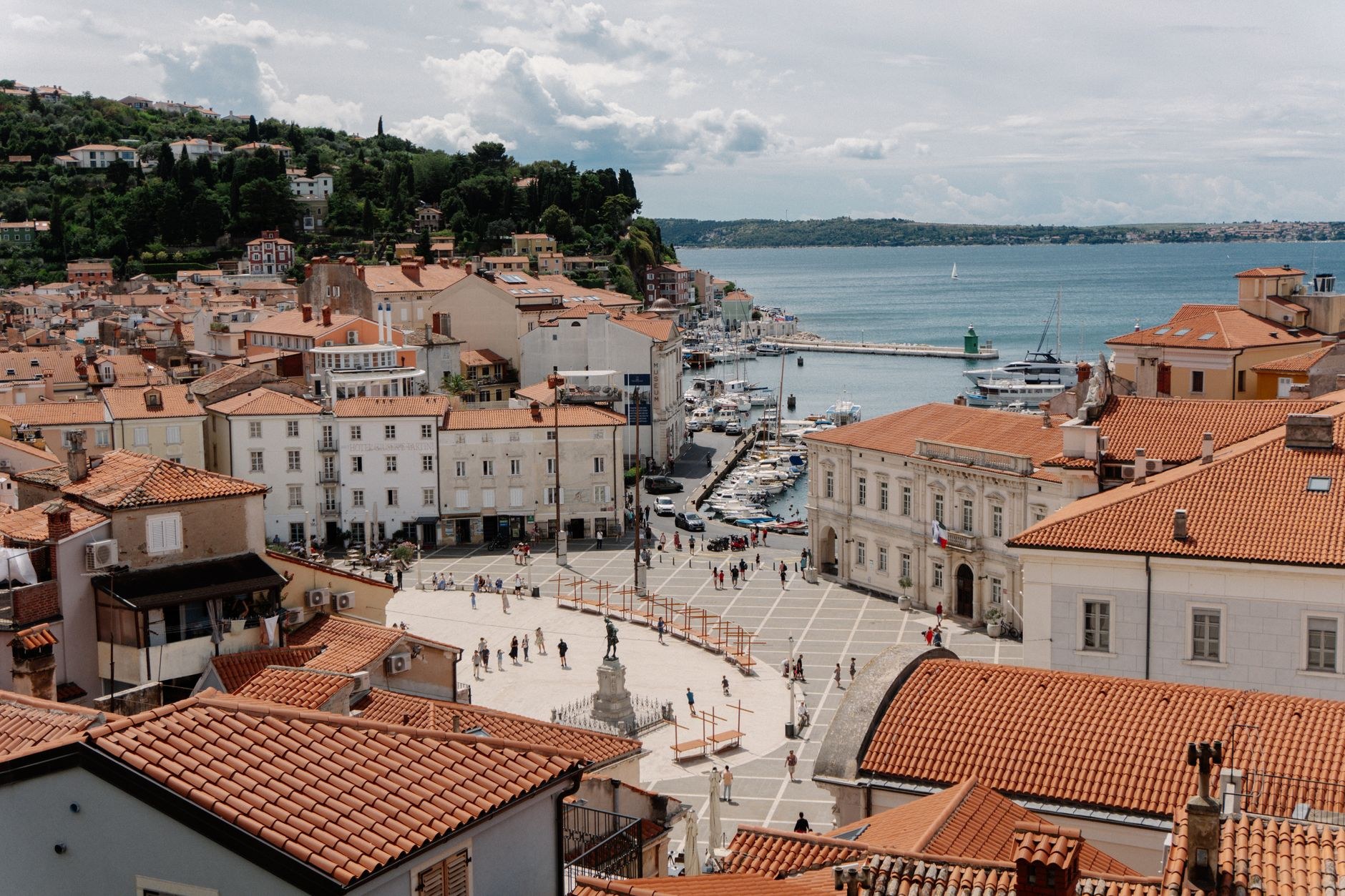
Behind the square, climb to St. George’s Parish Church. Its 1608 bell tower mimics St. Mark’s Campanile in Venice, offering panoramas over the Gulf of Trieste toward the Italian Alps and Croatian Istria.
In the afternoon, visit Sečovlje Salina Nature Park. Salt harvesting here dates back seven centuries, using a protective algal crust called *petola* to keep sea salt crystals pure, producing prized *solni cvet* (fleur de sel).
Dine along the harbour on fresh sea bass baked in a crust of Piran sea salt, paired with local Malvazija wine as fishing boats moor under twilight.
Day 7: Smooth Departure Logistics from Coast to Capital
On your final morning, enjoy a relaxed espresso on Tartini Square as the morning sun warms the marble pavement. Departure from the coast back to central Slovenia is simple and reliable. Direct Arriva express buses depart hourly from Piran’s central bus station (just outside the pedestrian gate), carrying travellers north along the scenic coastal motorway past Koper and up the Karst ridge, reaching Ljubljana Central Station in one hour and forty-five minutes.
From Ljubljana Central Station, regular express airport buses depart every hour on the hour, reaching Ljubljana Jože Pučnik Airport (LJU) in thirty minutes. Alternatively, pre-booked shared shuttles with operators like GoOpti offer direct point-to-point transfers from Piran directly to the airport departures terminal, ensuring a relaxed conclusion to an extraordinary week.
Street Smarts: Tourist Scams, Overpriced Traps & Transit Hazards in Slovenia
Slovenia is widely regarded as one of Europe’s safest and most welcoming travel destinations. Violent street crime is exceptionally rare, and civic honesty is deeply ingrained. However, foreign visitors frequently encounter financial traps related to motor vehicle toll enforcement, parking violations in historic coastal towns, and overpriced tourist transit options. Being forewarned about these local nuances will protect your budget and peace of mind.
- Slovenian Highway E-Vinjeta Toll Camera Fines: If renting a car in Slovenia or driving across the border from Italy, Austria, or Croatia, you must purchase an electronic toll vignette (*e-vinjeta*) before entering any motorway (*avtocesta*) or expressway. Highway gantries are equipped with automated high-resolution optical cameras that scan license plates instantly. Driving even one hundred metres past an entry ramp without an active e-vinjeta incurs an automatic, non-negotiable fine ranging from 300 to 800 EUR ($338.94–$903.84 / a cash sum). Purchase digital vignettes exclusively through the official government portal (*evinjeta.dars.si*).
- Lake Bled Pletna Boat & Island Ringing Bell Surcharges: Taking a traditional pletna boat to Bled Island costs 18 to 20 EUR per passenger, payable strictly in cash directly to the oarsman upon disembarkation. Furthermore, entering the Assumption of Mary church on the island to ring the wishing bell requires a separate admission fee of 12 EUR per adult. Many visitors arrive without sufficient cash and are forced to use independent island ATMs that charge exorbitant convenience fees. Carry physical euro notes for the crossing.
- Ljubljana Castle Funicular vs. Historic Walking Paths: At the base of Castle Hill in Krekov trg, tourist queues form for the electric funicular railway, which charges over 16 EUR for a combined return ticket and castle admission. However, the funicular ride takes barely sixty seconds, is frequently packed, and misses scenic views. Three well-maintained, shaded pedestrian paths (such as the Reber or Osojna trails) lead from the Old Town directly up to the castle courtyard in under ten minutes for free.
- Piran Historic Core Car Ban & Impoundment Traps: The entire medieval peninsula of Piran is an environmentally protected pedestrian zone. Driving past the automatic barrier gate without an authorized resident transponder or hotel permit triggers punitive municipal fines starting at 100 EUR, and illegally parked vehicles are towed quickly to an impound yard in Koper. All visitors must park in the multi-story Fornače Garage or Arze Garage outside the gates, utilizing the complimentary electric shuttle bus that runs into Tartini Square every ten minutes.
- Ljubljana Airport Taxi Meter Overcharging: While licensed metered taxis in central Ljubljana are generally reliable, freelance independent street cabs waiting directly outside the arrivals terminal at Ljubljana Airport (Brnik) frequently decline to engage their meters, quoting inflated flat rates of 60 to 80 EUR to the city center. The fair regulated metered fare is 35 to 42 EUR. Pre-book an official taxi through reputable dispatch services like Taxi Cammeo, or take the official 4.10 EUR public bus directly to Ljubljana Central Station.
- Commercialized Postojna Cave vs. Raw Škocjan Canyon: Extensive marketing along Slovenian motorways directs visitors toward Postojna Cave, where combined tickets for the tourist train and Predjama Castle can exceed 45 EUR per person amid crowded commercial tour groups. If you seek genuine speleological wonder, visit the UNESCO-protected Škocjan Caves instead. Škocjan offers a far more dramatic, raw underground canyon hiking experience without artificial train tracks, preserving the sacred silence of the underground river.
By observing these straightforward precautions, you will bypass the tourist friction points that catch unprepared travellers off guard. Slovenian civic life is built on order, mutual respect, and ecological stewardship; embracing those community principles ensures a smooth, stress-free, and thoroughly memorable vacation.
Alpine Rail Transit & Mobile Connectivity with NXTL
Navigating Slovenia’s diverse terrain—from subterranean karst valleys to high alpine passes—demands dependable mobile connectivity. The official Slovenske železnice (SŽ) railway app is crucial for checking real-time train schedules, platform alterations, and purchasing digital tickets without station ticket counter queues. For regional travel between Bled, Bohinj, and coastal Piran, the Arriva Slovenia app provides up-to-the-minute bus departure tracking. Furthermore, hiking trails across Triglav National Park require offline topographical mapping and live GPS location monitoring.
While public Wi-Fi is accessible in Ljubljana hotels, mobile signals on mountain hiking paths and karst plateaus can be patchy on secondary roaming providers. Equipping your smartphone with an authentic NXTL Slovenia travel eSIM guarantees high-speed, reliable data wherever your travels lead. Through primary tier-one partnerships with Telekom Slovenije and A1 5G—Slovenia’s premier network carriers—NXTL ensures rapid connectivity across urban Ljubljana, along the shores of Lake Bled and Bohinj, and through coastal Istria.
| Travel Profile | Primary Daily Mobile Usage | Estimated 7-Day Data | Cost at $0.75/GB |
|---|---|---|---|
| Light Navigator | SŽ rail ticketing, Google Maps navigation, Arriva bus timetables, messaging | 1.5 GB | $1.12 |
| Balanced Explorer | Alpine trail GPS tracking, audio museum guides, photo uploads, restaurant research | 4.5 GB | $3.36 |
| Heavy Digital Nomad | Continuous 5G laptop tethering, remote work video calls, cloud photo backups | 10.0 GB | $7.46 |
The NXTL travel connectivity model provides unmatched flexibility for modern international voyagers. Operating reliably across 180+ supported countries and 460+ carrier networks, your single NXTL eSIM remains reusable across international borders without needing to be reinstalled. An initial purchase of $11.99 comes with $10.00 in preloaded data credit included, and that balance never expires as long as your account remains active. Because data is billed strictly on a pay-as-you-go basis, you only pay for the precise megabytes you consume, eliminating wasteful expiring bundles.
Furthermore, mobile hotspot and tethering are fully permitted across Slovenia, allowing you to connect your laptop or tablet on regional trains effortlessly. With dual-SIM capability, your physical home carrier SIM stays active in your phone for essential two-factor banking SMS and emergency voice calls, while NXTL handles all data traffic at local rates starting from just $0.75/GB. Setting up takes minutes via a simple QR code scan before you depart, ensuring that as soon as you touch down at Ljubljana Airport, your phone connects to the local 5G grid automatically.
Whether you are admiring Plečnik’s classical balustrades along the Ljubljanica River, gliding in a wooden pletna toward the island bell tower of Lake Bled, standing in awe above the roaring subterranean chasm of Škocjan, or watching fishing boats return to Piran’s marble Tartini Square, Slovenia rewards those who travel with thoughtful pacing and open eyes. Pack comfortable walking shoes, prepare for varied microclimates, and look forward to an exceptional Central European journey.