Sri Lanka packs ancient ruins, cloud-forest tea estates, wild elephant gatherings, and Indian Ocean surf breaks into an island smaller than Ireland. Yet first-time visitors frequently struggle with route design. Because mountain roads are narrow and two-lane, a journey of only 100 kilometers often takes three to four hours. Trying to squeeze Jaffna in the far north, the ancient cities, the highlands, multiple wildlife parks, and both coasts into a single 10-day vacation results in exhaustion.
This guide lays out a battle-tested 12-day loop connecting the Cultural Triangle, Kandy, the scenic Hill Country train to Ella, an ethical safari in Udawalawe, and the historic southern coast around Galle. It is designed for independent travelers wanting a realistic balance between active exploration, reliable transit, and downtime.
The 12-Day Sri Lanka Route at a Glance
This 12-day circuit balances ancient rock citadels, central highland tea railways, ethical elephant encounters, and southern surf breaks:
| Days | Overnight Base | Key Experiences | Transit & Travel Time | Advance Booking |
|---|---|---|---|---|
| Days 1–3 | Habarana or Sigiriya (3 nights) | Sigiriya Lion Rock at dawn, Pidurangala sunset, Dambulla Cave Temples, Polonnaruwa ruins | Private taxi or expressway bus from CMB airport: 3.5–4 hours | Book airport transfer in advance |
| Days 4–5 | Kandy (2 nights) | Temple of the Sacred Tooth Relic, evening puja drumming, Peradeniya Botanical Gardens | Drive south from Sigiriya: 2.5–3 hours | Temple tickets at counter; dress modestly |
| Days 6–7 | Ella (2 nights) | Scenic Hill Country blue train, Nine Arch Bridge, hiking Little Adam’s Peak | Reserved train from Kandy to Ella: 6–7 hours | Train tickets open exactly 30 days ahead |
| Day 8 | Udawalawe (1 night) | Afternoon open-roof 4×4 safari, wild elephant herds, Elephant Transit Home | Drive south from Ella: 2–2.5 hours | Book private ethical jeep tracker ahead |
| Days 9–11 | Mirissa, Weligama, or Galle (3 nights) | Beginner surf lessons, beachside cafes, sunset walk on Galle Dutch Fort ramparts | Drive southwest to coast: 2–2.5 hours | Surf lessons & hotel reservations |
| Day 12 | Departure | Final swim, expressway transfer to Bandaranaike Airport (CMB) | Southern Expressway (E01) to airport: 2–2.5 hours | Airport taxi via PickMe app or hotel |
Short-Trip Option (9–10 Days): If you have limited time, drop the second night in Kandy and reduce the south coast to two nights. Do not attempt to add Yala or Colombo to a 9-day trip.
Long-Trip Extension (14–16 Days): Add two nights in Nuwara Eliya between Kandy and Ella to hike Horton Plains (World’s End), or spend three nights in Jaffna in the northern peninsula exploring Tamil culture and coastal lagoons.
Arrival Logistics: Where to Stay on Night 1
Bandaranaike International Airport (CMB) is not located in Colombo. It sits in Katunayake, 32 kilometers north of Colombo city center and just 10 kilometers from the coastal town of Negombo. Deciding where to spend your first night depends on your flight arrival time:
- Morning Arrival (before 11:00 AM): Bypass Colombo entirely and head straight north to the Cultural Triangle (Habarana or Sigiriya). A private air-conditioned car takes roughly 3.5 to 4 hours via the Central Expressway and A6 highway, getting you to your jungle hotel in time for dinner.
- Afternoon or Evening Arrival: Do not fight Colombo rush-hour traffic. Take a 20-minute taxi to Negombo beach, sleep off jet lag, and start your drive north the following morning refreshed.
- If You Want to See Colombo: Dedicate your first afternoon and night to Colombo only if colonial architecture, the National Museum, or street food markets at Galle Face Green are deliberate priorities. Transfer via the Airport Expressway in 45 minutes.
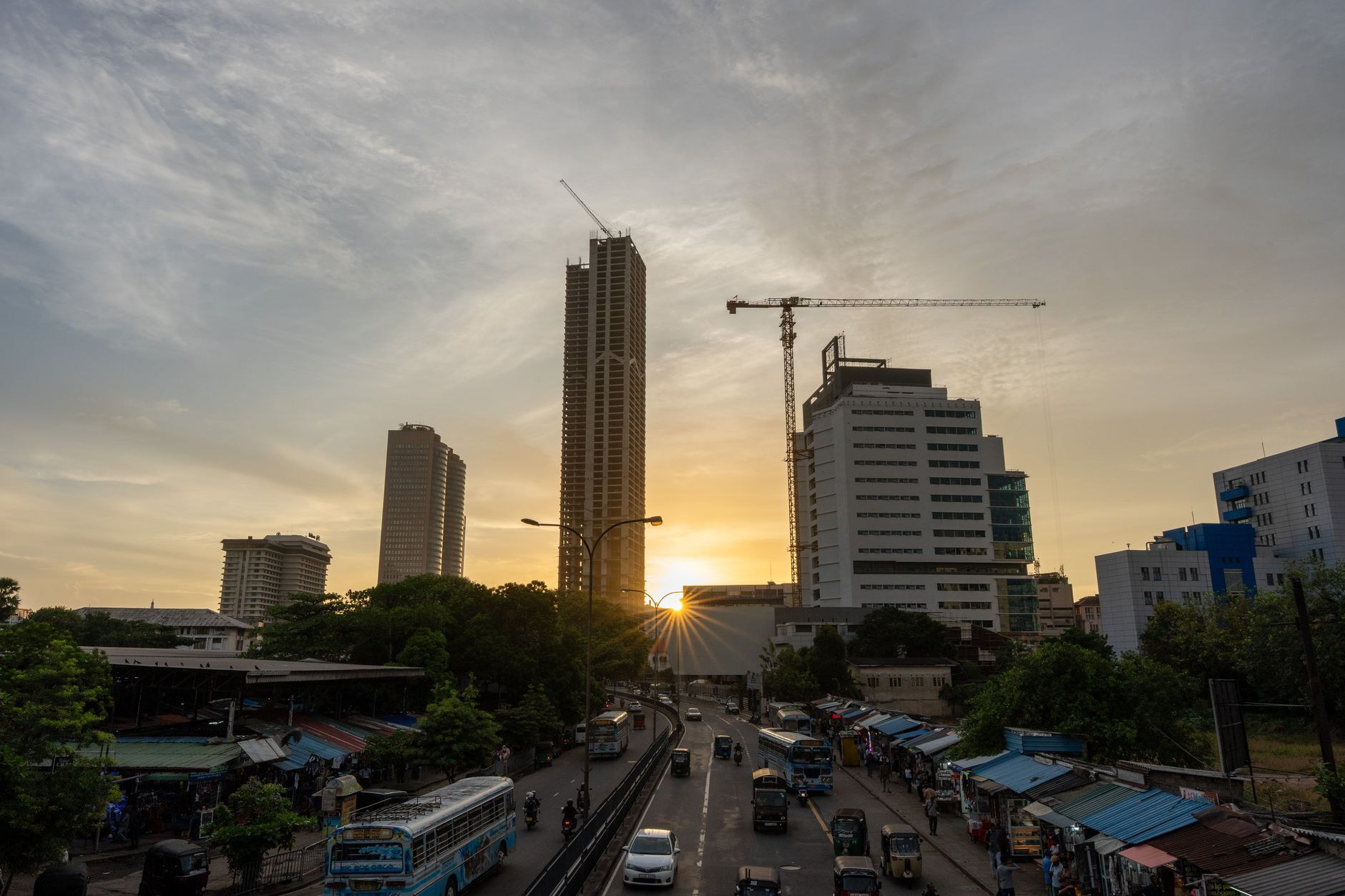
The Cultural Triangle: Sigiriya and Dambulla (Days 1–3)
Base yourself in Habarana or Sigiriya village for three nights. This central position puts you within easy reach of the region’s primary archaeological landmarks without constant hotel hopping.
Sigiriya Lion Rock: King Kashyapa built this 5th-century palace fortress atop a sheer 200-meter-high granite monolith. The site opens at 6:30 AM. Arriving when the gates open is critical: it lets you climb in the cool morning air and avoids the congested metal staircases that form once tour buses arrive at 9:00 AM. Climb past the ancient mirror wall and surviving frescoes of celestial nymphs to reach the colossal lion paws guarding the final summit stairs. Entrance costs approximately $36 USD per person (payable in USD or LKR).
Pidurangala Rock Alternative: Located one kilometer north of Sigiriya, Pidurangala is a rugged hiking trail that rewards a 40-minute scramble with an iconic panoramic view directly facing the sheer face of Lion Rock. It costs roughly $3 USD to enter, making it the favorite sunset viewpoint for active hikers.
Dambulla Cave Temples: On your drive between Sigiriya and Kandy, stop at the Royal Rock Temple of Dambulla. Five natural caverns cut into a massive granite outcrop house more than 150 gilded Buddha statues and 2,000 square meters of painted ceiling murals dating back over two millennia. Remember that shoulders and knees must be fully covered, and shoes must be removed at the cave entrance (carry socks, as stone pavements get hot under the midday sun).
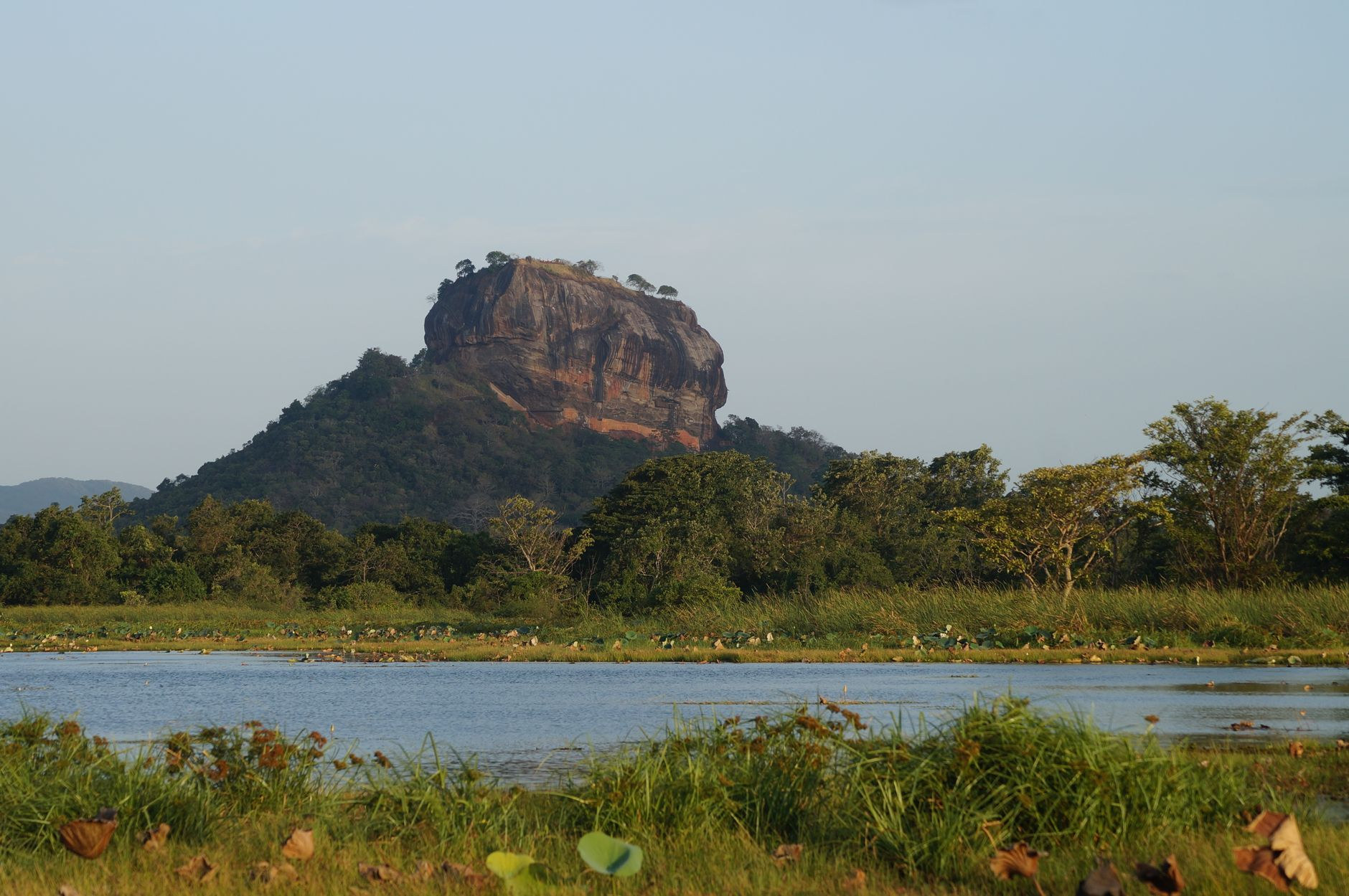
Kandy: Sacred Relics and Botanical Sanctuaries (Days 4–5)
Kandy was the last royal stronghold of independent Sri Lanka before British colonization in 1815. Nestled around a quiet artificial lake in the central foothills, the city moves at a distinctly slower tempo than coastal hubs.
The spiritual heart of Kandy is Sri Dalada Maligawa (The Temple of the Sacred Tooth Relic). Inside nested golden caskets lies a sacred canine tooth of the Buddha. The best time to visit is during the morning (5:30 AM) or evening (6:30 PM) theva offering ceremonies. The air fills with rhythmic drumming by traditional hewisi drummers, and devotees dressed in pure white offer fragrant frangipani blossoms. Outside the temple, take an afternoon to walk through the Royal Botanic Gardens at Peradeniya, home to giant Javan fig trees and an avenue of towering royal palms.
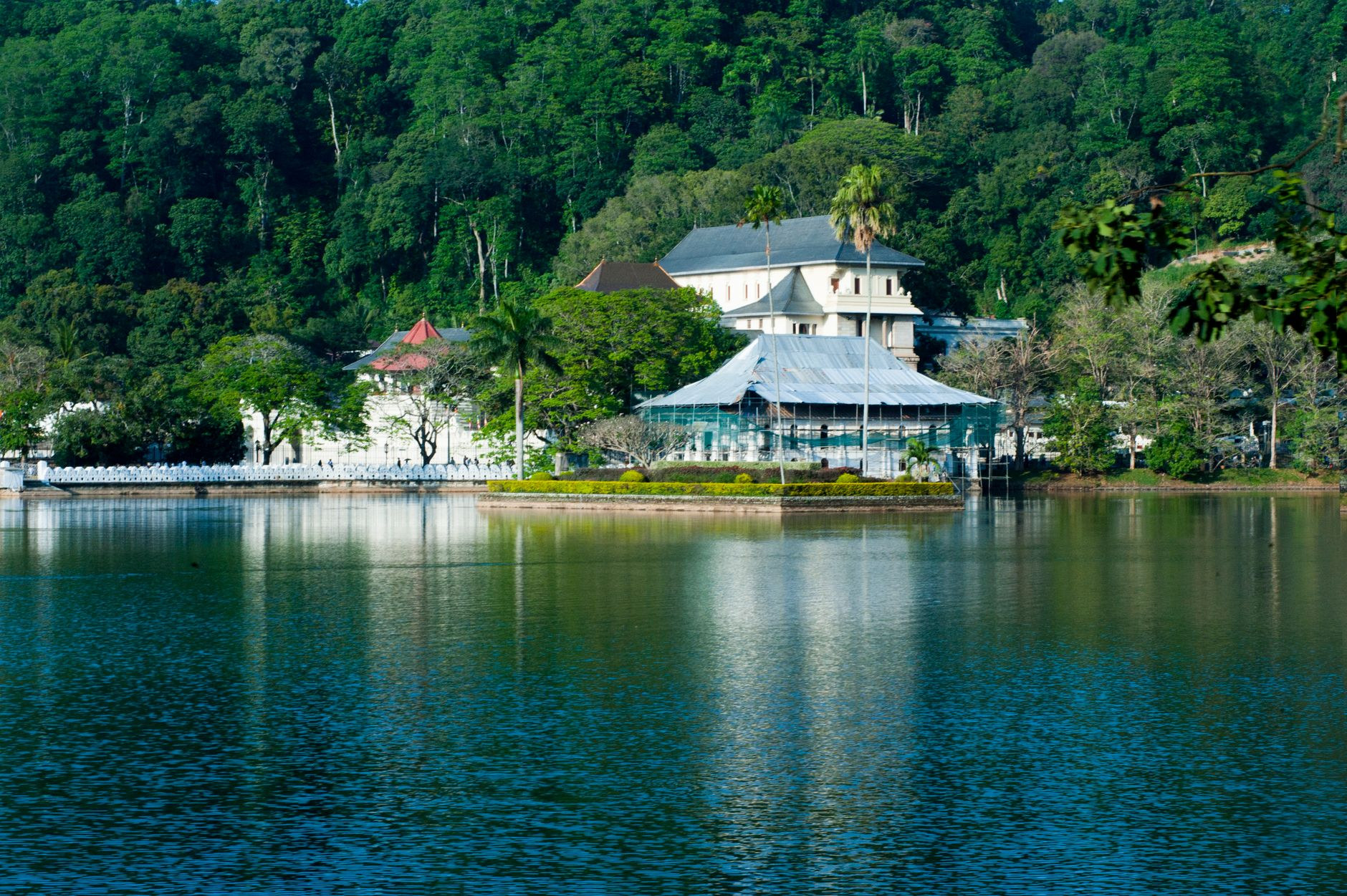
The Iconic Hill Country Train: Kandy to Ella (Days 6–7)
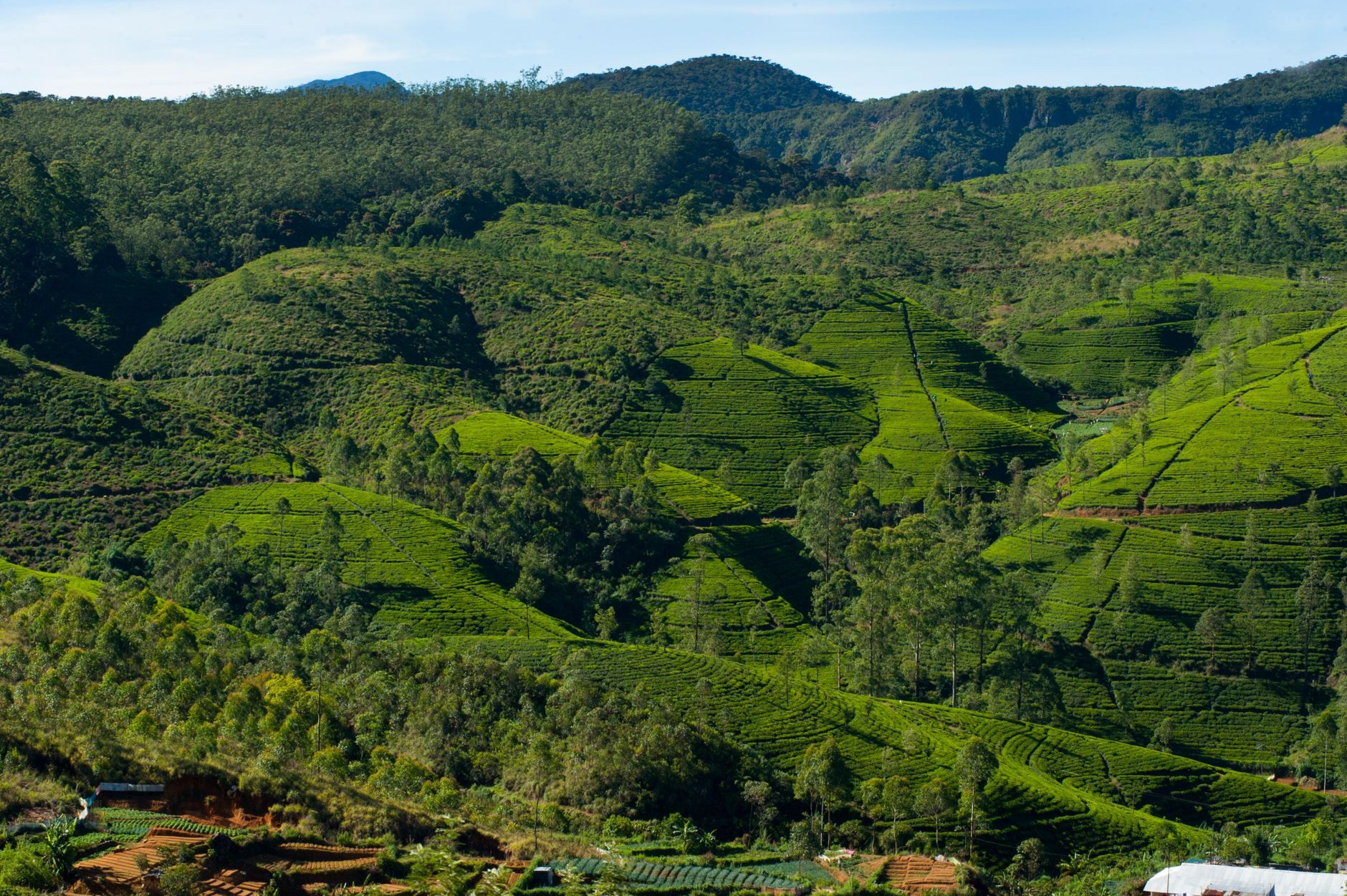
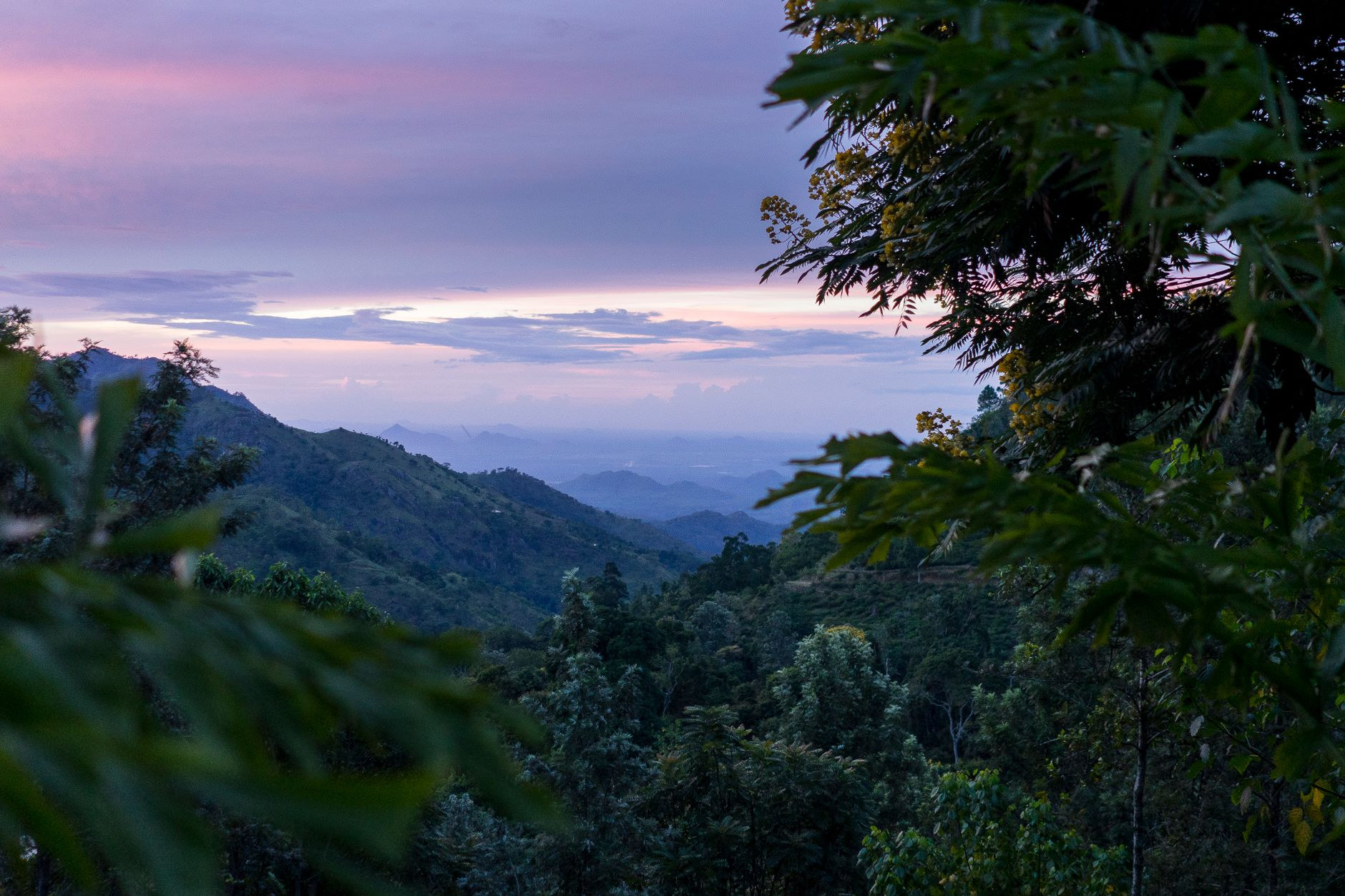
The 6 to 7-hour rail ride from Kandy through Nanu Oya (Nuwara Eliya) to Ella is widely regarded as one of the world’s most scenic train journeys. As the blue diesel locomotive climbs into misty tea estates, the temperature drops and carriage windows frame tumbling mountain waterfalls, eucalyptus forests, and tea pluckers working terraced hillsides.
Train Booking Mechanics: Reserved tickets in First Class (air-conditioned, sealed windows) and Second Class (open windows, overhead fans) open for booking exactly 30 days in advance via the official Sri Lanka Railways seat reservation portal. Second Class is the preferred choice for photographers and fresh mountain air. If online tickets sell out within minutes of release, arrive at Kandy station an hour before departure on travel day to buy unreserved tickets, but expect intense crowds.
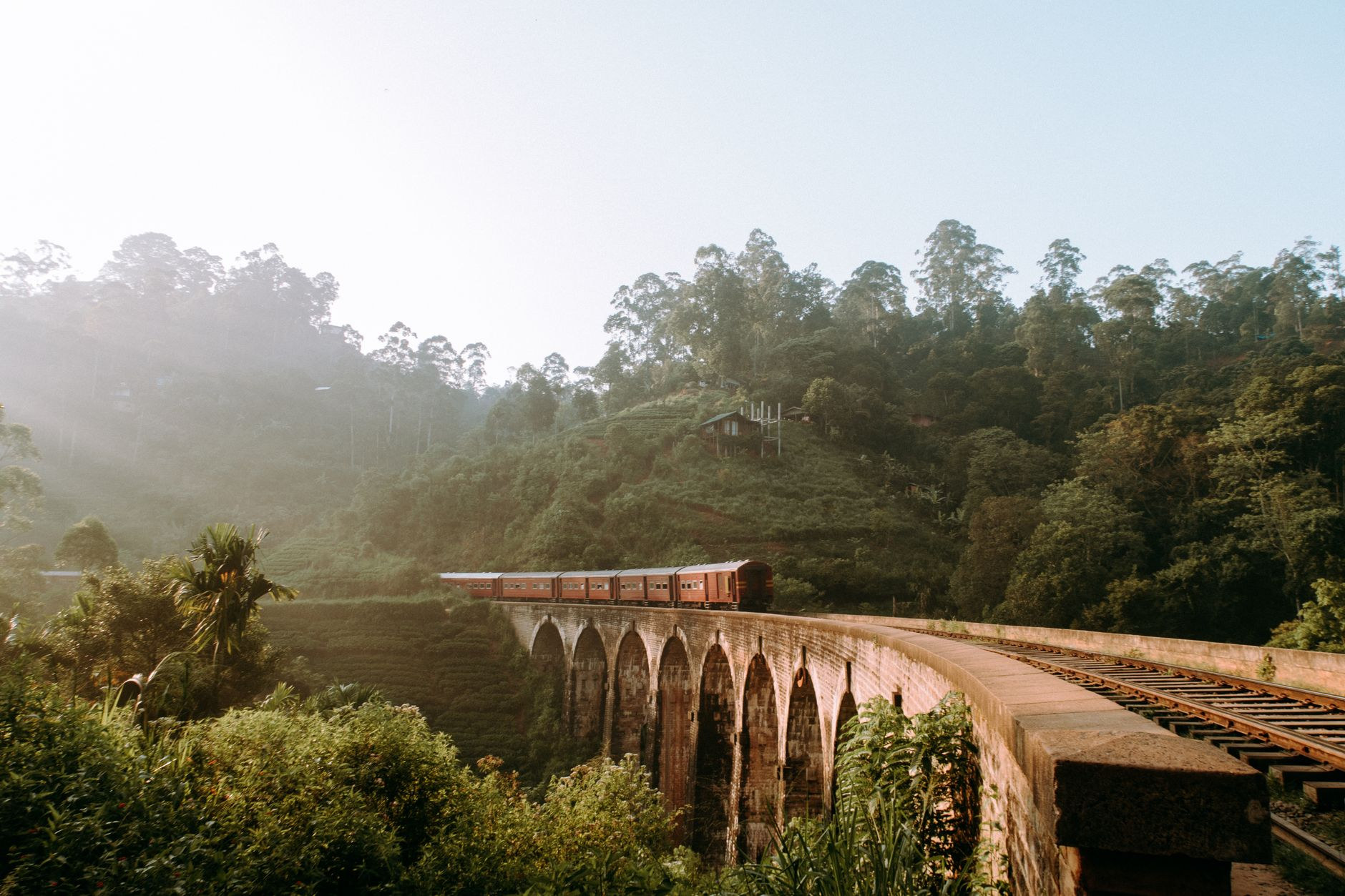
Ella: Mountain Hikes and the Nine Arch Bridge
Ella is a relaxed hill station perched on the edge of the southern mountain escarpment. It is the premier hiking hub of the island, with cooler evening temperatures that make walking a pleasure.
Take an easy 45-minute morning hike up Little Adam’s Peak through manicured tea gardens for sweeping views across Ella Gap down to the distant southern coastal plains. From the trail base, a 20-minute walk through pine forest leads to the Nine Arch Bridge (Demodara), a monumental stone viaduct built without structural steel in 1921. Check the daily train timetable with your guesthouse host to time your visit when a passenger train crosses the viaduct against the jungle backdrop.
Wildlife Safari: Why Udawalawe Beats Yala for Most Travelers (Day 8)
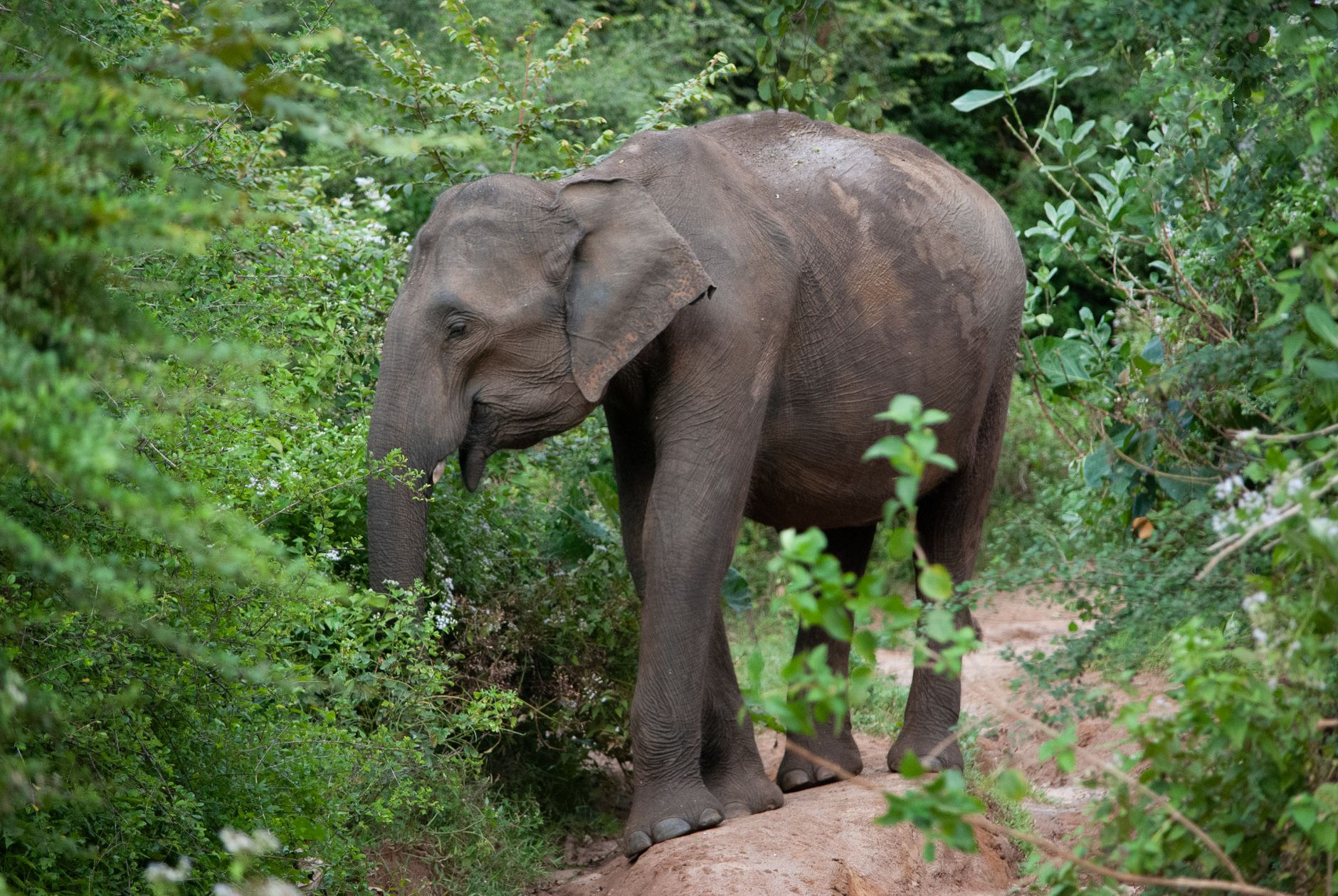
Descending from Ella to the southern plains takes just over two hours. First-time visitors often default to Yala National Park, but Udawalawe National Park offers a far more reliable and ethical elephant experience.
While Yala has leopards, it suffers from intense safari vehicle crowding, with dozens of jeeps frequently speeding and jostling around a single sighting. Udawalawe, centered on a massive reservoir, protects over 500 wild Asian elephants in open grasslands. You are virtually certain to observe family herds, playful calves, water buffalo, and marsh mugger crocodiles peacefully without vehicle convoys. Book a private 4×4 safari jeep with a dedicated driver-tracker (typically $40–$55 USD for the jeep hire plus park entry fees of roughly $30 USD per adult).
The South Coast: Surfing, Whale Watching, and Galle Fort (Days 9–11)
After dusty safari plains, spend three nights relaxing along the southwest coastline:
- Weligama: The premier beginner surf bay in Sri Lanka. Sandy bottoms and gentle, predictable rolling waves make it ideal for taking daily surf lessons ($15–$25 USD including board and instructor).
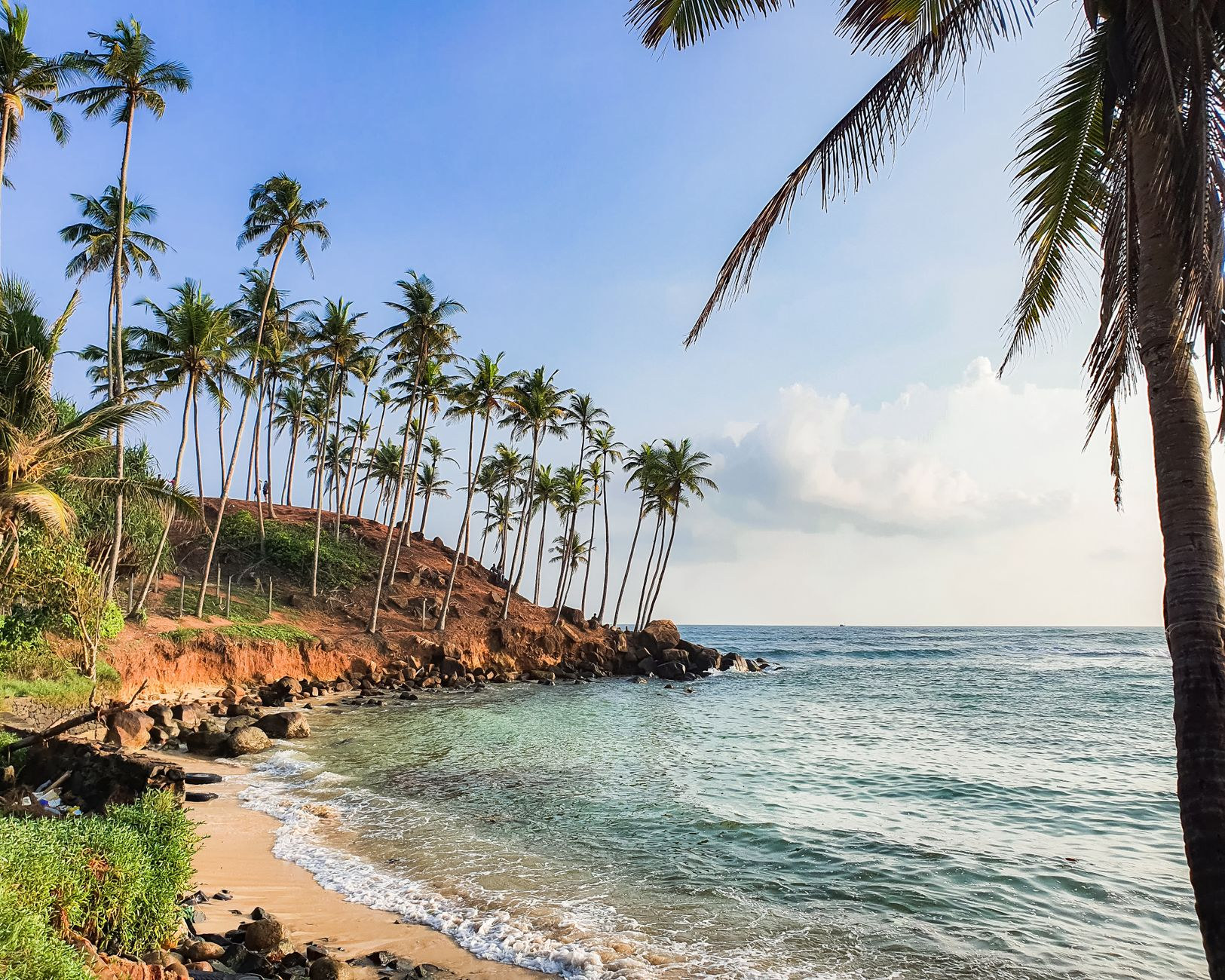
- Mirissa: A bustling crescent bay lined with palm trees and evening seafood restaurants. It is also the main hub for ethical blue whale watching boat excursions between December and March.
- Galle Fort: A living 17th-century UNESCO World Heritage fortress built by the Dutch. Wander pedestrian cobblestone lanes past historic Dutch colonial villas, boutique gem shops, and gelato parlors. Walk the granite ocean ramparts at sunset to watch local cliff divers plunge from Flag Rock into the crashing waves as Galle Lighthouse illuminates.
Mirissa’s sheltered crescent bay provides an ideal tropical base for unwinding beneath swaying coconut palms after days of highland travel and safari game drives.
A short tuk-tuk ride west leads into Galle Fort, where massive 17th-century granite sea ramparts, whitewashed Dutch colonial mansions, and the historic maritime lighthouse overlook the Indian Ocean.

Seasonal Coast Decision: Southwest vs East Coast
Sri Lanka has two distinct monsoon patterns that dictate your coastal choice:
- December to April (High Season for South/West): Galle, Mirissa, Weligama, and Bentota enjoy calm, turquoise seas, dry sunny weather, and prime surf conditions. This aligns perfectly with the 12-day route outlined above.
- May to September (Yala Monsoon): Heavy rains and rough ocean swells affect the southwest coast. If traveling during these months, switch your coastal leg to the East Coast (Arugam Bay, Trincomalee, or Nilaveli), where weather is dry, seas are tranquil, and Arugam Bay hosts world-class right-hand point surf breaks.
Transport Realities, PickMe, and Mobile Data with NXTL
Getting around Sri Lanka requires balancing different transport modes. For intercity transfers (such as Colombo to Sigiriya, or Ella to Udawalawe), hiring a private car with driver is the most practical choice for couples and families, typically costing $55 to $75 USD per day all-inclusive. For local city hops in Colombo, Kandy, and Galle, tuk-tuks are ubiquitous.
However, street tuk-tuk drivers routinely refuse to turn on meters or quote inflated flat rates to tourists. The solution is PickMe, Sri Lanka’s local ride-hailing app. PickMe books metered three-wheelers, cars, and vans with upfront fares, eliminating bargaining at train stations and hotel gates. You also need cellular data to verify train platform changes on the Sri Lanka Railways network and message family guesthouse hosts via WhatsApp when navigating rural roads.
Rather than waiting in airport telecom queues or dealing with physical SIM card registrations at Bandaranaike Airport, set up the NXTL Sri Lanka eSIM before your flight. Operating on NXTL’s One Global eSIM architecture, a single profile links automatically upon arrival to Sri Lanka’s top-tier national carriers—Mobitel (5G/LTE) and Hutchison (LTE)—with rates starting from just $1.49/GB.
Because NXTL operates on a flexible pay-as-you-go balance that never expires, you only pay for the data you use. Any unused credit stays safely in your account for your next international journey. Your primary home SIM stays active in your dual-SIM phone, ensuring bank two-factor SMS alerts and emergency calls come through without daily carrier roaming penalties.
Scams, Cash, and Practical Travel Advice
Keep these practical rules in mind to protect your trip and budget:
- The Spice Garden Hustle: Drivers between Kandy and Dambulla frequently suggest stopping at an "official government herbal garden." You will be offered free tea and a short massage, followed by aggressive sales pitches for tiny bottles of sandalwood or herbal oils priced at $40 to $100 USD. Politely tell your driver in advance that you want no commercial stops.
- Stilt Fishermen Photo Touts: The stilt fishermen around Koggala and Weligama are largely staged for tourists. The moment you take out a camera, handlers will aggressively demand 1,000 to 2,000 LKR ($3–$7 USD). If you want a photo, negotiate a modest fee beforehand, or seek out genuine working fishermen in quieter coves.
- Cash Rules and ATM Fees: While hotels and upscale restaurants take credit cards, guesthouses, safari jeeps, train stations, and street cafes operate strictly in cash Sri Lankan Rupees (LKR). Commercial Bank, Sampath Bank, and Bank of Ceylon (BOC) have reliable ATMs nationwide. Always decline Dynamic Currency Conversion (DCC) to be billed in local LKR.
- Official Entry ETA: Obtain your visa exclusively through the official Department of Immigration Sri Lanka portal before departure. Beware of lookalike commercial websites charging steep middleman fees.
- Realistic 2026 Daily Budgets: Expect $40–$65 USD per day for backpackers using trains, buses, and local homestays; $120–$220 USD per day for couples using a private driver, boutique guesthouses, and guided safaris; and $350+ USD per day for luxury heritage resorts.