Suriname is South America’s most unexpected cultural crossroads, an Amazonian territory where Dutch colonial wooden architecture lines tropical riverbanks and a multicultural population of Creole, Maroon, Hindustani, Javanese, Chinese, and Indigenous peoples coexists in remarkable harmony. Occupying a dense slab of the Guiana Shield on the continent’s northeastern coast, more than ninety percent of Suriname is cloaked in pristine Amazonian rainforest. Yet unlike neighboring Brazil, travel here revolves around Dutch-Caribbean history, autonomous Maroon forest societies, and culinary traditions blending Indonesian warungs with Creole slow-cooking.
Planning a trip to Suriname requires understanding its stark geographic transition: the organized historic order of coastal Paramaribo gives way abruptly to roadless interior wilderness accessible only by motorized dugout canoes or small bush planes. An authentic seven- or eight-day itinerary balances three days exploring Paramaribo’s UNESCO-recognized wooden center and street food districts with four days journeying deep along the Upper Suriname River into the territory of the Saramaka Maroon people. This route offers deep cultural insight while navigating the practical realities of river rapids, village etiquette, and tropical interior logistics.
Paramaribo: The Wooden Heritage of the Waterkant
Your journey begins in Paramaribo, arriving through Johan Adolf Pengel International Airport (PBM) at Zanderij, located forty-five kilometers south of the capital. The drive into town takes approximately one to 1.5 hours along the Martin Luther King Highway. Base yourself in historic Paramaribo near the Suriname River, where quiet boutique hotels occupy restored eighteenth- and nineteenth-century Dutch colonial residences.
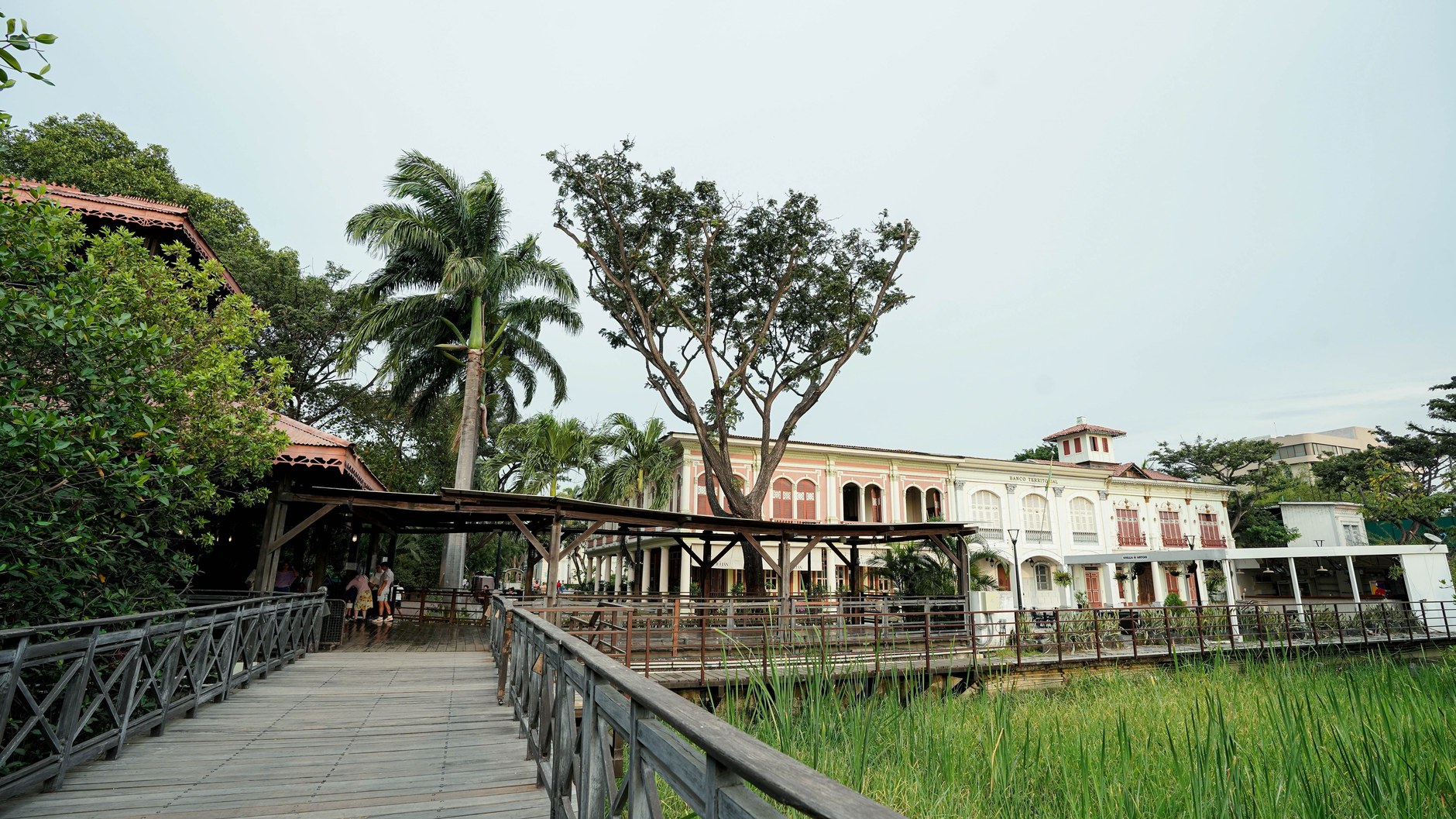
Paramaribo’s inner city is a UNESCO World Heritage site constructed almost entirely from native tropical hardwoods, which colonial Dutch architects adapted to equatorial heat by incorporating wide multi-story verandahs, louvered shutter windows, and symmetrical brick foundations. Begin your walking tour along the Waterkant, the historic riverside boulevard shaded by massive mahogany trees where passenger pirogues cross the river to Meerzorg. At the eastern end stands Fort Zeelandia, a seventeenth-century brick fortress that served as the headquarters of colonial administration.
A few blocks inland stands the Saint Peter and Paul Cathedral-Basilica, completed in 1885 and recognized as the largest wooden structure in the Western Hemisphere. The cathedral’s soaring twin spires and exterior are painted in contrasting shades of buttercup yellow and slate grey, but the true marvel is inside: the entire interior vaulted nave, walls, and galleries are constructed from unpainted native Surinamese cedar, carved by local craftsmen without exposed nails. The aroma of natural cedar resin fills the nave, creating an atmosphere unlike any stone European basilica.
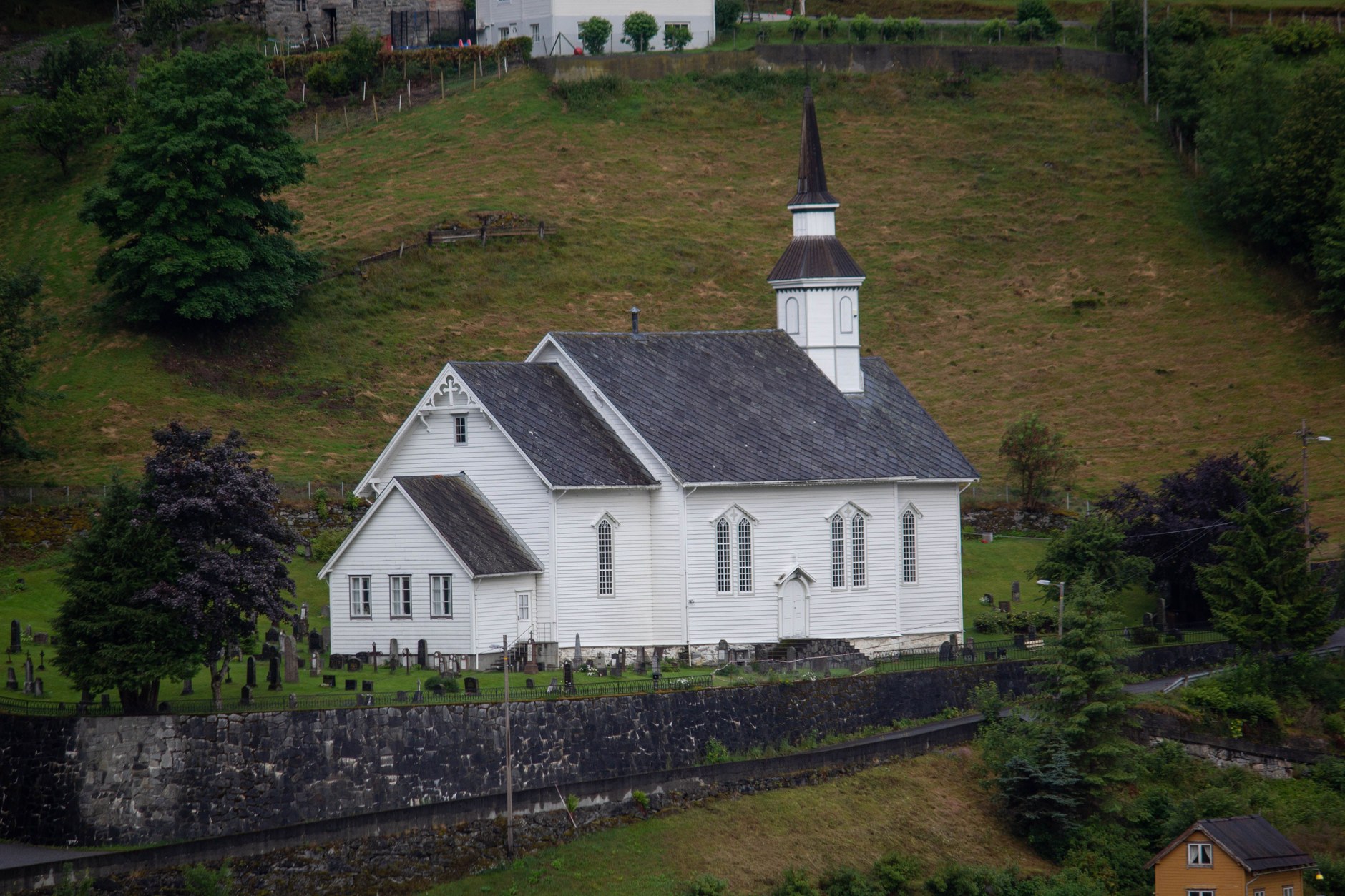
Paramaribo’s defining social reality is religious and ethnic coexistence, best exemplified on Keizerstraat, where the Neveh Shalom Synagogue (consecrated in 1837, complete with a traditional sand floor) and the imposing Ahmadiyya Anjuman Isha’at Islam Mosque stand peacefully on adjacent plots sharing a common boundary fence. Nowhere else on earth do prominent Jewish and Islamic houses of worship operate side by side in such enduring neighborhood harmony.
Gastronomic Fusion: Warungs to Creole Kitchens
Eating in Paramaribo is an extraordinary cultural education, reflecting the migration streams brought to the colony after the abolition of slavery in 1863, when Dutch plantation owners imported indentured laborers from Java (Indonesia) and British India.
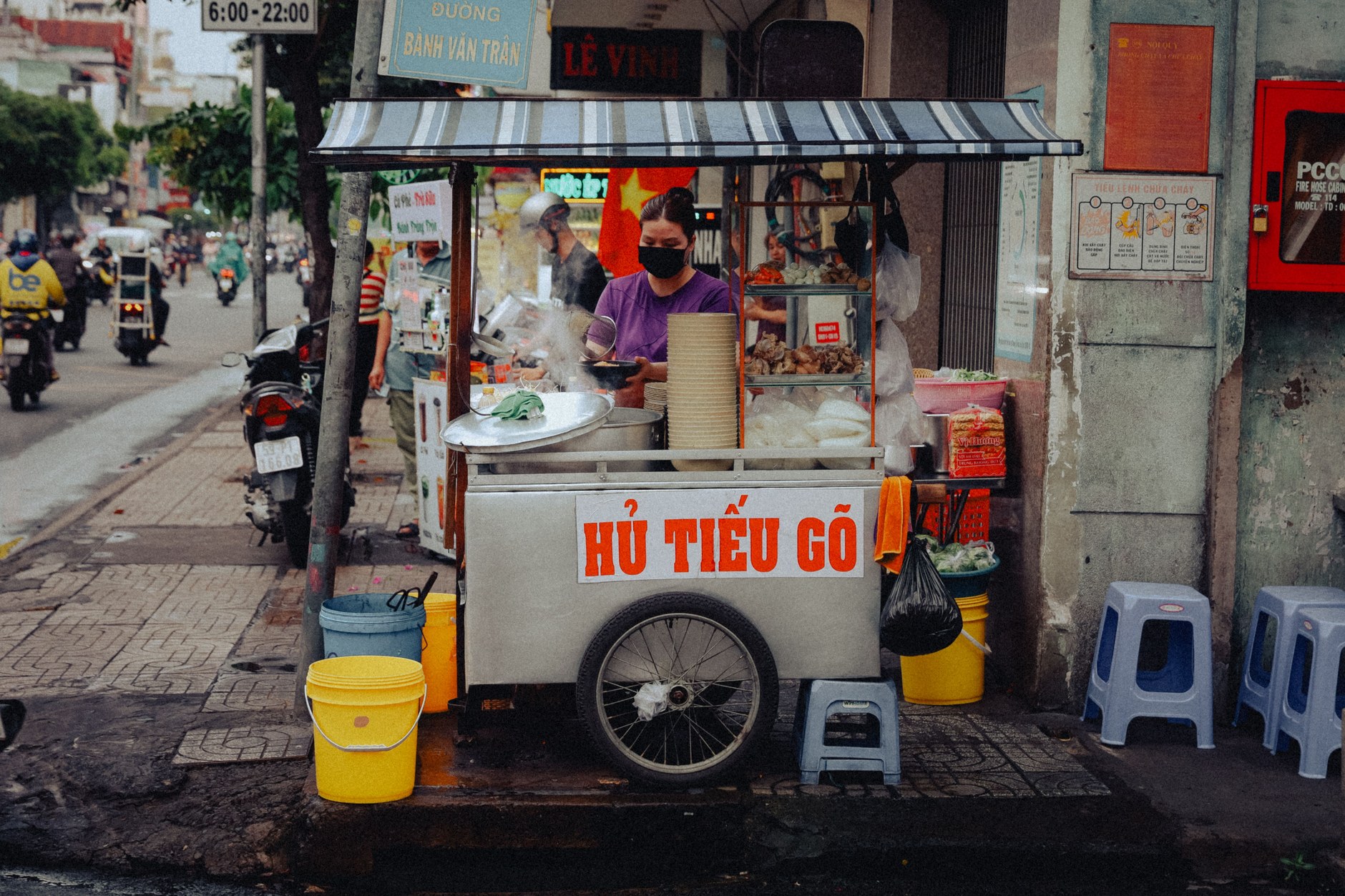
Dedicate an evening to Blauwgrond, the city’s historic Javanese district located north of downtown. Here, dozens of family-operated warungs (eateries) line the residential streets, serving authentic Indonesian-Surinamese specialties. Order saoto soup—a fragrant lemongrass chicken broth filled with shredded chicken, boiled egg, bean sprouts, and crispy potato sticks, served with sweet soy sauce (ketjap manis) and Madame Jeanette chili paste. Accompany your soup with bami (fried noodles) and chicken satay smothered in peanut sauce.
During the day, sample classic Afro-Surinamese Creole cuisine at central lunch spots like Zus & Zo or De Gadri behind Fort Zeelandia. The national dish is pom, an indulgent baked casserole made from grated pomtajer (arrowleaf elephant ear root), marinated citrus chicken, and rich seasonings, traditionally served on Sundays and celebratory holidays. Pair it with moksi alesi (seasoned rice cooked with coconut milk, salt meat, and black-eyed peas) and a cold glass of dawet, a refreshing pink drink made from coconut milk, lemongrass syrup, and tiny green tapioca pearls.
Transition to the Interior: Road to Atjoni
On your third morning, begin the transition from urban coast to equatorial rainforest. Traveling into the Upper Suriname River basin requires a combination of overland road transport and motorized river travel. A paved two-lane highway runs south from Paramaribo through the former bauxite mining hub of Paranam and past the perimeter of the Brokopondo Reservoir.
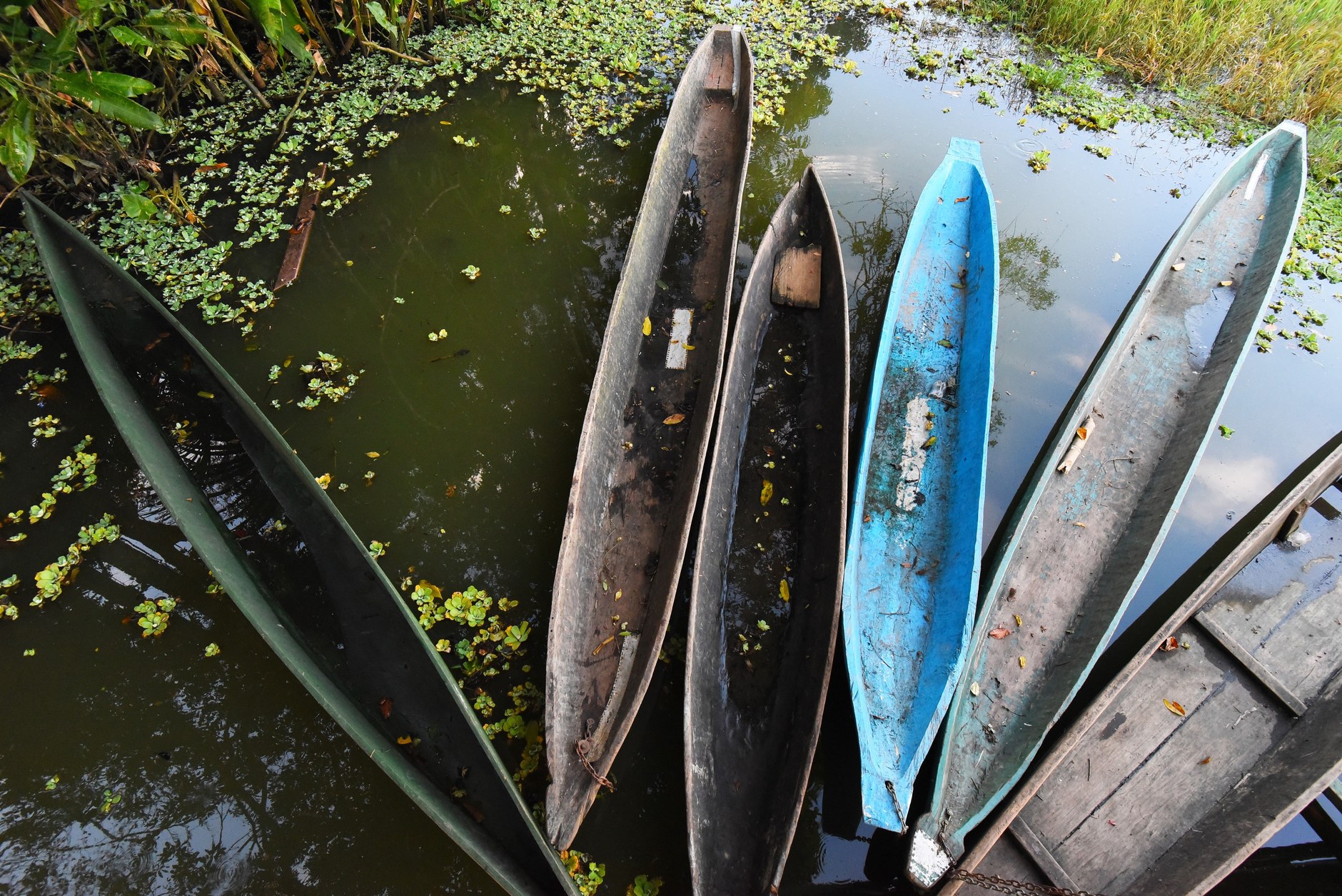
After approximately 3.5 hours of driving, the paved asphalt road terminates abruptly at Atjoni, a bustling riverside port town. Atjoni serves as the absolute frontier between terrestrial road networks and the roadless Amazonian interior: hundreds of pickup trucks and delivery vans offload cargo onto wooden docks, where boatmen load supplies into long, narrow wooden dugout canoes known as korjaals.
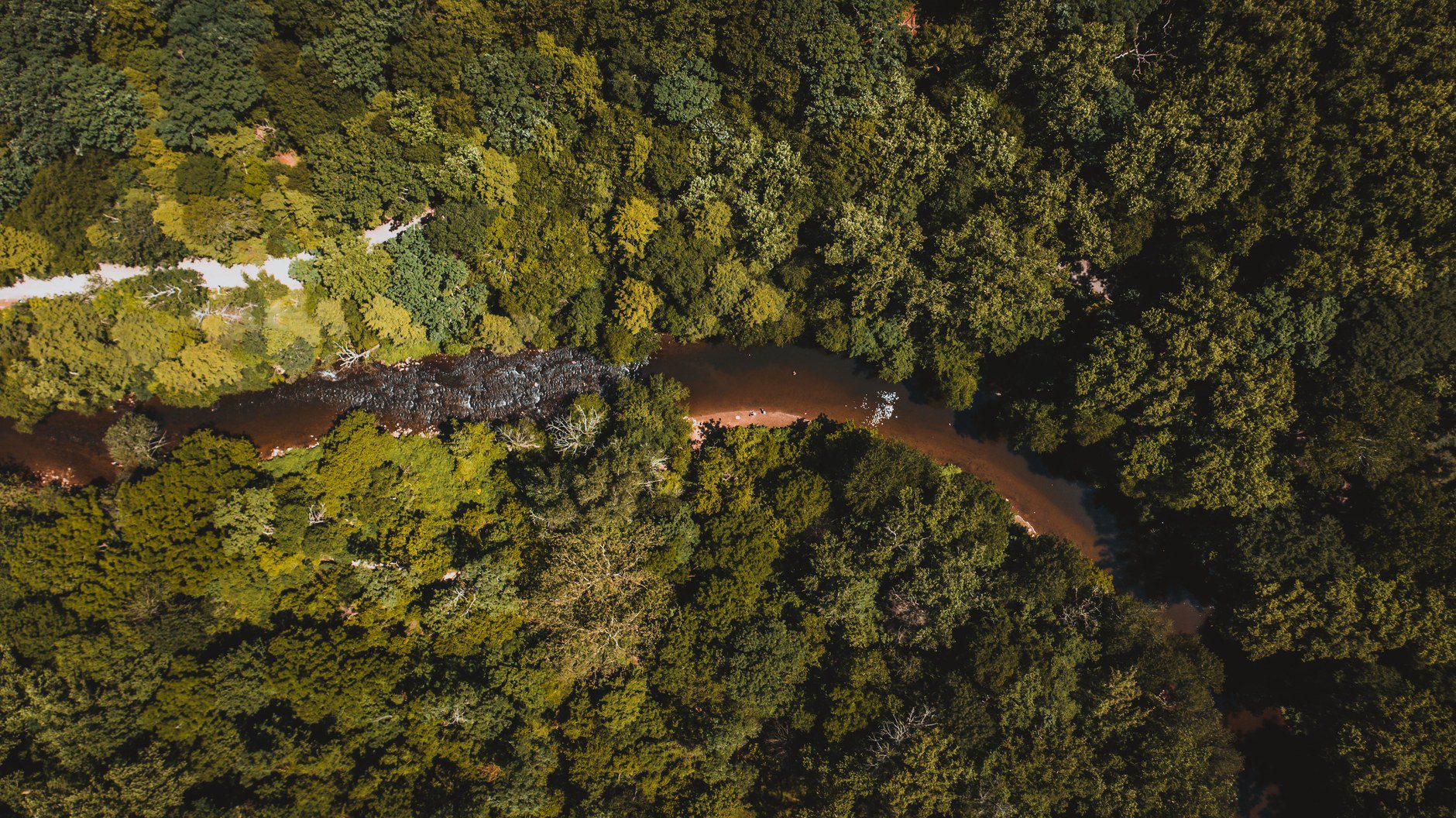
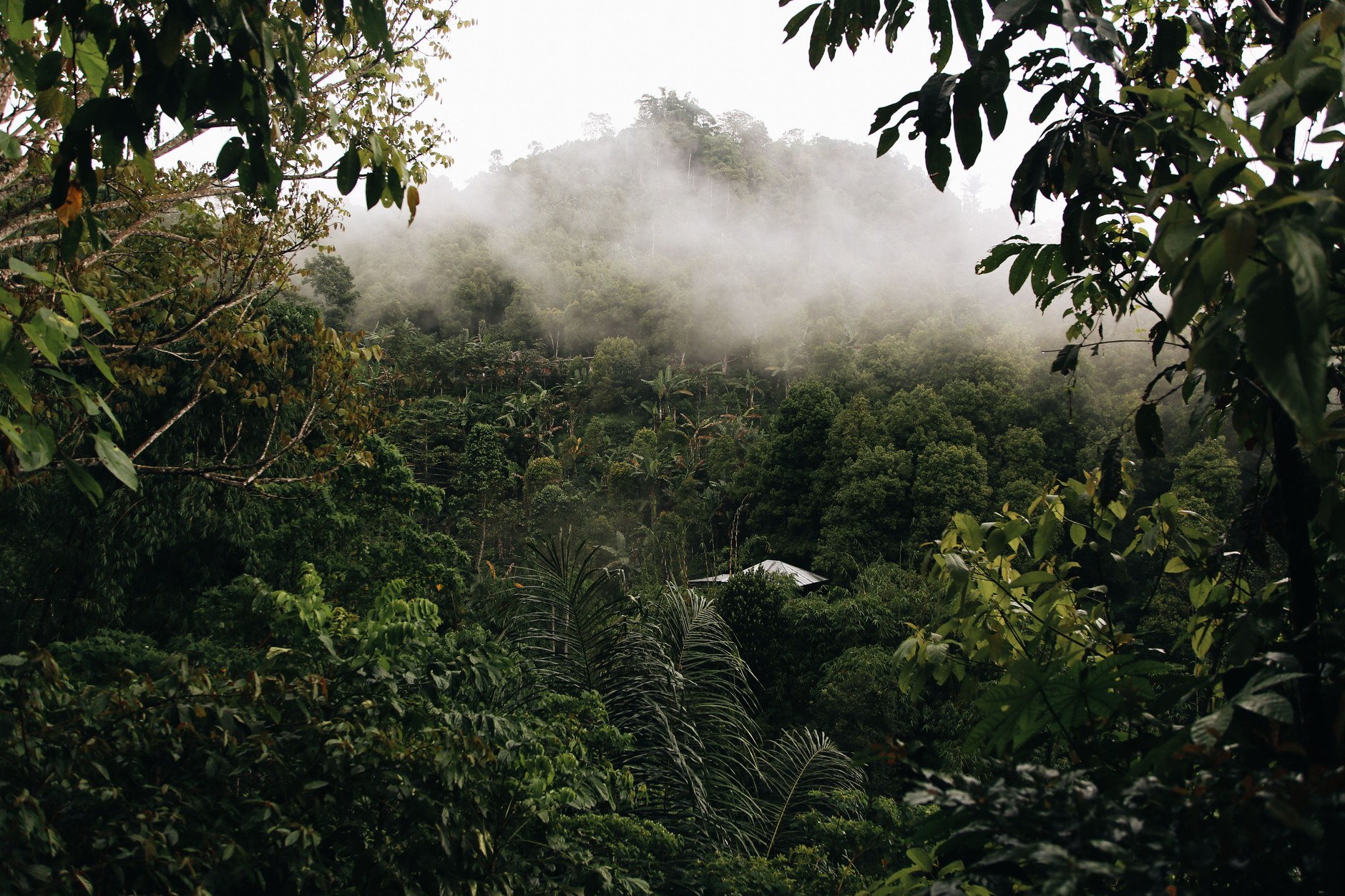
Board your reserved korjaal at the Atjoni boat landing. Carved from single giant rainforest hardwood trunks and fitted with powerful outboard motors, these graceful, flexible vessels are the lifeblood of the interior. Skilled Maroon boat captains (known as stuurmannen) and bow lookouts navigate upstream along the dark, tannin-stained waters of the Upper Suriname River, skillfully reading submerged granite boulders and steering through rushing river rapids known as sulas. As the hum of Atjoni fades, primary rainforest closes in on both riverbanks, broken only by traditional wooden Maroon villages.
The Upper Suriname River: Danpaati and River Lodges
Travel upstream for one to two hours to reach your wilderness base. Excellent eco-lodges operate on communal river islands, including Danpaati Eco Lodge, Anaula Nature Reserve, and Awarradam. Danpaati, situated on an island surrounded by rapids, is an exemplary community-owned project where lodge profits fund healthcare clinics and daycare in neighboring villages.
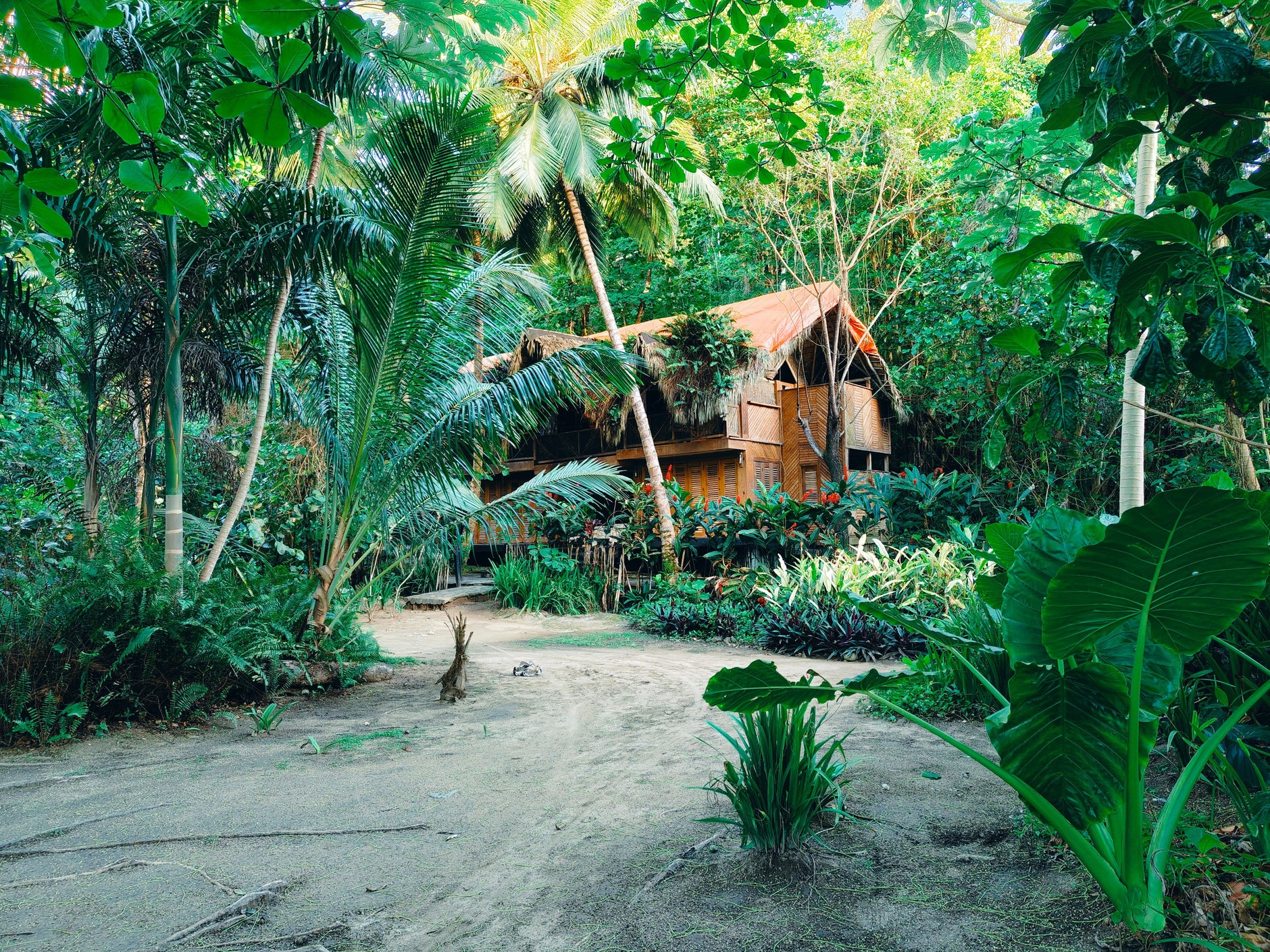
Accommodations consist of raised wooden chalets with thatched roofs and screened windows, featuring private open-air bathrooms and hammocks slung across broad verandahs overlooking the river. Electricity is generated by solar arrays, and the tranquil sound of rushing river water replaces all motorized traffic. Days begin with morning mist lifting off the dark river as toucans, macaws, and kingfishers fly across the canopy.
During the heat of midday, guests gather at the lodge’s wooden deck to swim in the cool, clean river rapids. Natural rock formations create soothing aquatic whirlpools that provide a natural hydromassage, completely free from dangerous river predators thanks to strong currents and clean water flow. Late afternoon brings guided river safaris to spot caimans resting along muddy banks and nocturnal tree frogs calling from overhanging branches.
Maroon Cultural Protocols and Village Realities
The defining cultural encounter of the Upper Suriname River is visiting the villages of the Saramaka Maroon people. The Maroons are the direct descendants of enslaved Africans who staged daring escapes from coastal Dutch sugar plantations during the late seventeenth and eighteenth centuries, fleeing deep into the rainforest.
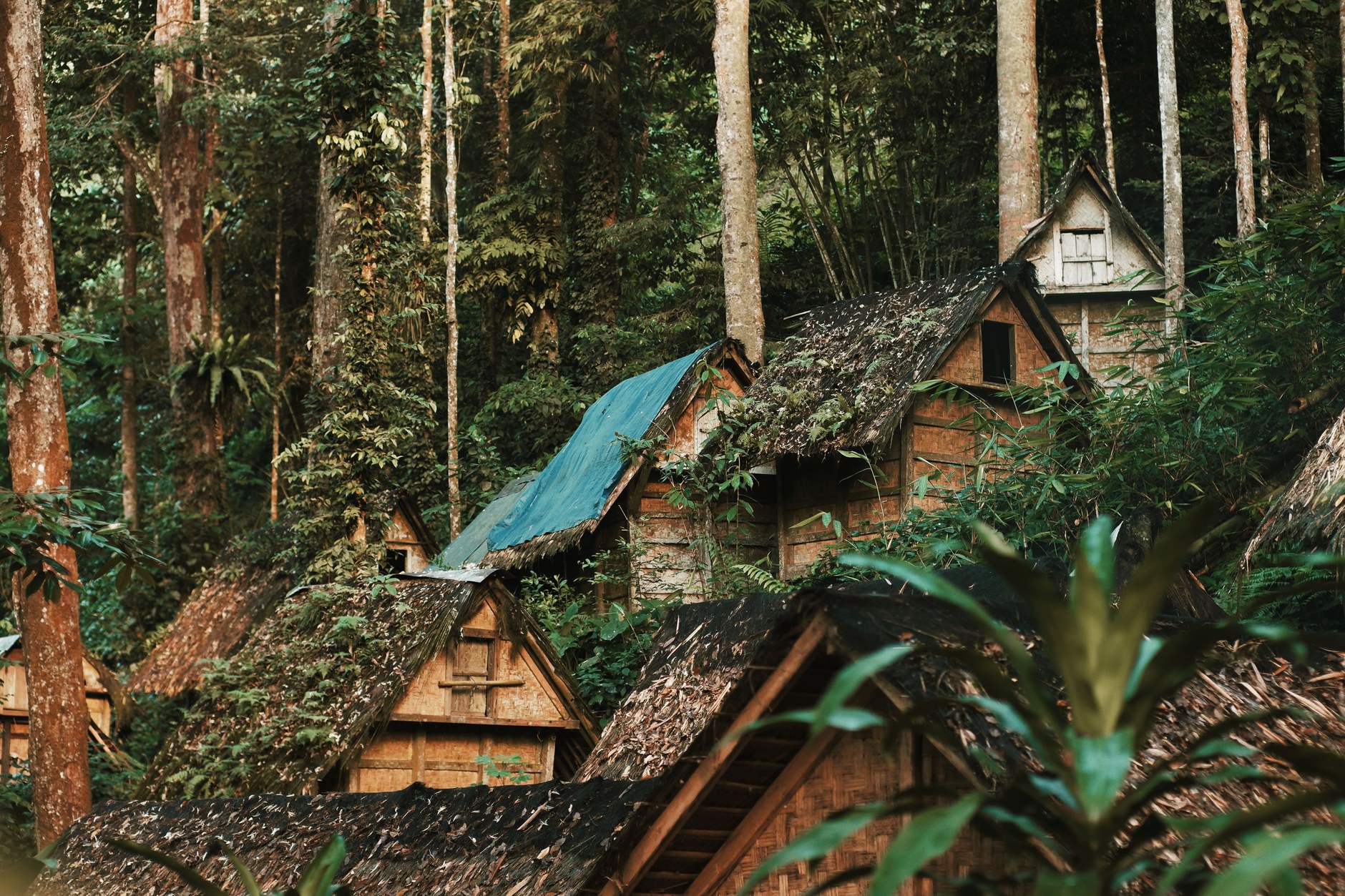
Fighting off Dutch colonial punitive expeditions through guerrilla warfare, the Saramaka forced the Dutch Crown to sign a peace treaty in 1762 recognizing their territorial autonomy a century before the abolition of slavery. Today, their river settlements preserve West African language patterns, matrilineal clan structures, spiritual traditions, and woodcarving arts that have largely vanished in modern Africa.
Visiting a Maroon village like Pikin Slee or Dan requires strict adherence to customary etiquette. You must always be accompanied by a licensed local guide who understands village protocols. Greet elders politely with the traditional greeting “Odi” or “Fa waka.” When walking through villages, dress modestly with shoulders and knees covered, reserving swimwear strictly for lodge swimming decks. Most importantly, never photograph sacred ancestral shrines (faaka tiki—tall carved wooden poles adorned with white fabric), traditional priests, or women washing laundry in the river without explicit verbal consent from the village Captain (chief) or Basya (elder).
In Pikin Slee, visit the remarkable Saamaka Museum, an open-air cultural center established by the local community to preserve Saramaka heritage. Walking through the traditional thatched compounds reveals intricate geometric woodcarvings (tembe) adorning wooden doors, canoe paddles, and washing stools, representing symbolic love tokens and ancestral protection emblems carved by young men for their wives.
Brownsberg and the High Reservoir Overlook
On your return journey from the interior toward Paramaribo, arrange a detour to Brownsberg Nature Park, located approximately two hours south of the capital on a high forested plateau rising 1,600 feet above sea level.
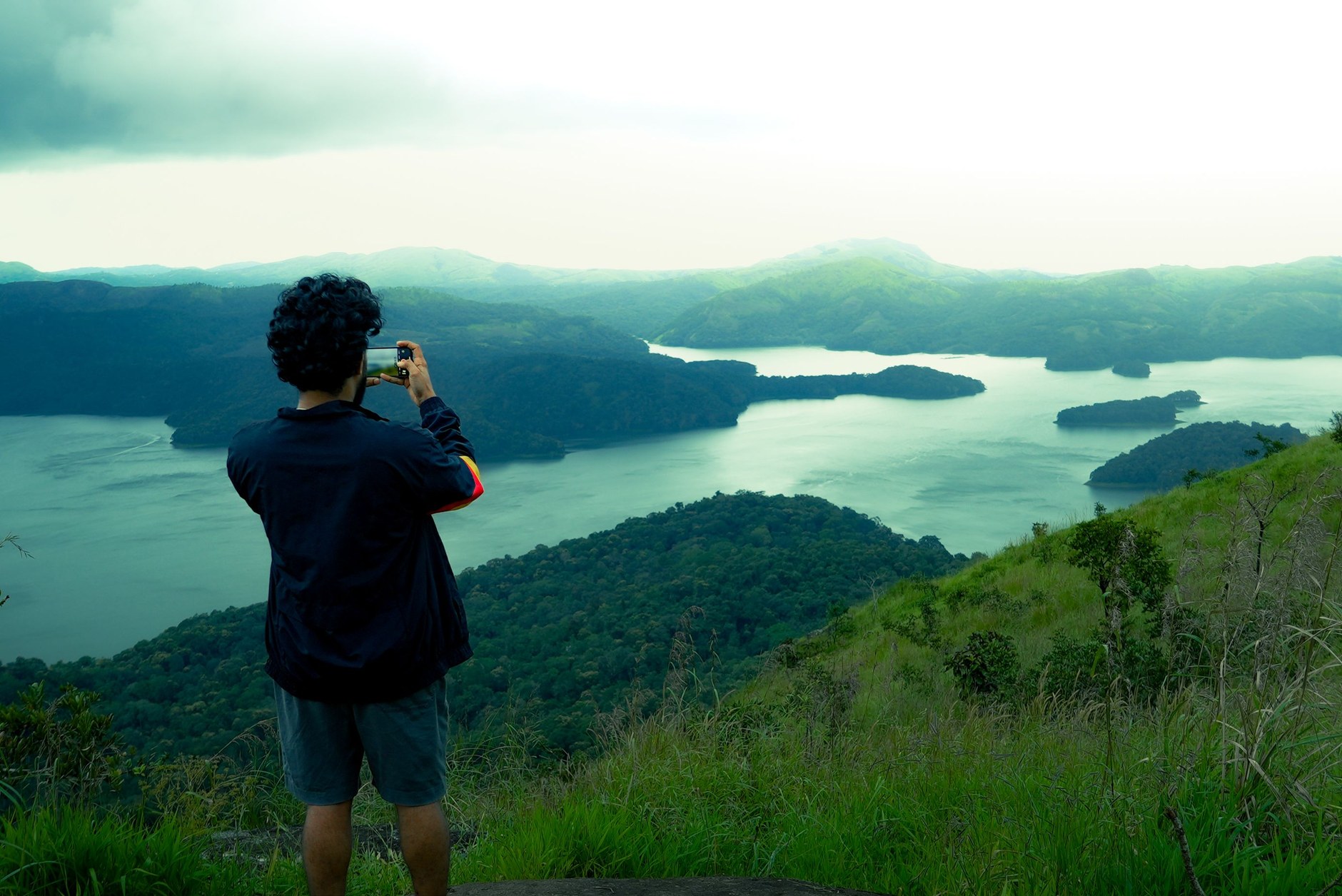
Brownsberg features hiking trails descending through montane rainforest to waterfalls like Leo Falls and Irene Falls. The primary highlight is the Leo Viewpoint, offering a sweeping panorama over Brokopondo Reservoir—a six-hundred-square-mile artificial lake created in the 1960s to generate hydroelectric power for bauxite smelting.
The canopy surrounding Brownsberg is rich in wildlife: red howler monkeys bellow through misty morning air, while spider monkeys and toucans forage in fruit-laden trees. The steep, rutted access road up the plateau is impassable for standard cars; visiting Brownsberg requires a high-clearance 4WD vehicle and an experienced local driver.
8-Day Suriname Travel Itinerary
This compact itinerary balances the colonial heritage and street gastronomy of Paramaribo with an immersive, respectful expedition into the Upper Suriname River Maroon territory and Brownsberg Nature Park. All transit times reflect actual road and korjaal river travel.
| Day / Stage | Base | Highlights | Transport Mode | Transit Time | Advance Booking Requirement |
|---|---|---|---|---|---|
| Day 1 | Paramaribo | PBM airport arrival, transfer to capital, riverside sunset dinner | Airport taxi / shuttle | 1.5 hours from PBM | Pre-book airport transfer through hotel |
| Day 2 | Paramaribo | Waterkant walking tour, Wooden Cathedral, Blauwgrond warungs | Walking / taxi | Short urban hops | No advance booking required |
| Day 3 | Danpaati (Upper Suriname) | Road drive to Atjoni port, motorized korjaal river transit | Minibus & wooden korjaal | 3.5h drive + 1.5h boat | Book Danpaati river package weeks prior |
| Day 4 | Danpaati (Upper Suriname) | Saramaka Maroon village tour, cultural protocol, sula swim | Korjaal & walking | Local river hops | Guided village tour included in lodge stay |
| Day 5 | Danpaati (Upper Suriname) | Pikin Slee Saamaka Museum, woodcarving art, night caiman boat | Korjaal & walking | 1 hour boat round-trip | Arrange Saamaka Museum entry with guide |
| Day 6 | Paramaribo / Brownsberg | Downstream korjaal to Atjoni, 4WD climb to Brownsberg plateau | Korjaal & 4WD | 1.5h boat + 2h 4WD | Book 4WD transfer for mountain plateau |
| Day 7 | Paramaribo | Leo Falls hike, reservoir overlook, drive return to Paramaribo | 4WD & minibus | 2.5 hours drive | Confirm return hotel booking in Paramaribo |
| Day 8 | Paramaribo / PBM | Central Market spices, Creole pom lunch, transfer to Zanderij | Taxi / airport shuttle | 1.5 hours to PBM | Arrange airport transfer 3 hours before flight |
Field Connectivity and Practical Logistics
Staying connected across Suriname requires understanding the sharp contrast between coastal telecommunications and the roadless Amazonian interior. In Paramaribo, along the coastal highway corridors, and south as far as the river staging port of Atjoni, domestic telecommunications operator Digicel Suriname provides dependable LTE cellular coverage. However, the moment your motorized korjaal travels upstream past Atjoni into the Upper Suriname River, terrestrial cellular reception disappears entirely. Installing an NXTL Suriname eSIM before your arrival flight ensures immediate data connectivity upon landing at PBM Zanderij Airport. Your balance never expires, and unused credit stays available for later trips across more than 180 countries.
Active mobile internet is critical for the coastal leg of your trip: you will need data to coordinate airport transfers, navigate Paramaribo’s street grid, book city rides, and verify road travel arrangements with lodge transfer operators before entering the interior. While river eco-lodges like Danpaati and Anaula provide limited satellite Wi-Fi in central communal dining fales, bandwidth is narrow and dependent on weather conditions. Retaining your primary domestic physical SIM in a dual-SIM smartphone allows you to receive two-factor banking SMS authentication codes while using your eSIM profile for all local data traffic without expensive roaming surcharges.
Driving Rules: Left-Hand Driving and Interior Roads
Driving in Suriname involves an unusual continental anomaly: alongside neighboring Guyana, Suriname is one of only two sovereign nations in South America that drives on the left side of the road, a lasting historical legacy of early seventeenth-century British colonial administration before the territory was traded to the Dutch. Road conditions in central Paramaribo are paved but feature narrow lanes, deep open roadside drainage ditches (trenzen), and erratic scooter traffic.
If you plan to rent a vehicle, an International Driving Permit accompanied by your national driving license is legally required. While the paved corridor from Paramaribo south to Atjoni is in good condition, driving at night is hazardous due to unlit logging trucks and stray animals wandering across the tarmac. Never attempt to drive a rental vehicle into Brownsberg Nature Park or along unpaved interior laterite roads without high-clearance four-wheel-drive and previous experience navigating deep tropical mud ruts.
Currency and Financial Realities
The official currency is the Surinamese Dollar (SRD). The country has experienced significant currency devaluation and inflation over recent years, making cash management an essential practical concern. While upscale hotels and major tour operators in Paramaribo accept international credit cards (Visa and Mastercard), Suriname is strictly a cash economy for local restaurants, warungs, market vendors, and river transport.
Commercial bank ATMs (De Surinaamsche Bank, Hakrinbank, Republic Bank) are widely accessible across Paramaribo, dispensing SRD banknotes. ATMs do not exist anywhere south of Paranam; there are no banking machines in Atjoni or at any river lodge along the Upper Suriname River. Always withdraw adequate cash in Surinamese Dollars before leaving Paramaribo to pay for local drinks, artisanal woodcarvings, and personal tips for your boatmen and forest guides.
Common Scams and Travel Precautions
Suriname is generally one of the safest and most peaceful travel destinations in South America, free from the violent cartel and street crime found in some neighboring countries. However, foreign travelers must navigate specific cultural, bureaucratic, and environmental pitfalls.
- Violating Maroon Village Sacred Photography Bans: Photographing sacred ancestor shrines (faaka tiki), traditional priest rituals, or bathing villagers without explicit authorization from the local Captain or Basya causes severe offense and can result in village fines. Always ask your certified guide before taking photographs in Maroon communities.
- Black Market Street Currency Exchange Traps: Informal street money changers near the central market in Paramaribo offer seemingly favorable exchange rates, but frequently pass counterfeit SRD banknotes, shortchange visitors through sleight-of-hand counting, or work with accomplices. Always exchange foreign currency at licensed cambio offices or withdraw cash directly from bank ATMs.
- Unlicensed Korjaal Boatmen in Sula Rapids: Informal boat operators at Atjoni sometimes solicit travelers for private river transfers at discounted rates. These unvetted boats frequently lack proper life vests, carry overloaded cargo, and employ inexperienced captains unfamiliar with dangerous rapid currents (sulas). Always travel on licensed lodge transfers.
- PBM Zanderij Airport Taxi Price Gouging: Unofficial taxi drivers in the airport arrivals hall target arriving passengers with inflated flat-rate fares for the trip into Paramaribo. Bypass curbside touts and pre-arrange a licensed airport shuttle or agree on the standard fixed fare before entering the vehicle.
- Illegal Gold Mining (Garimpeiro) Transit Zones: Informal artisanal gold mining operations exist in remote sections of the interior, creating localized security and environmental hazards along certain river tributaries. Stick strictly to established eco-tourism corridors and never venture into unguided interior bush trails without a certified local guide.
Slower and Shorter Route Adjustments
If you have only four or five days in Suriname, omit the long overland and river journey to the Upper Suriname River. Instead, base yourself entirely in Paramaribo: spend two days exploring the UNESCO wooden inner city, Fort Zeelandia, and the warungs of Blauwgrond, take a day-trip boat down the Commewijne River to spot pink river dolphins and explore historic plantation ruins, and take an overnight guided 4WD excursion to Brownsberg Nature Park to hike to rainforest waterfalls.
Travelers with ten to twelve days should consider adding a remote bush plane expedition into the far interior. From Zorg en Hoop Airport in downtown Paramaribo, board a twin-engine bush aircraft operated by Gum Air to Palumeu or Kabalebo Nature Resort. Deep in the southern interior near the Brazilian border, you can experience primary Amazonian rainforest inhabited by Trio and Wayana Amerindian communities, scale granite inselbergs rising above the canopy, and navigate pristine rivers completely isolated from motorized civilization.