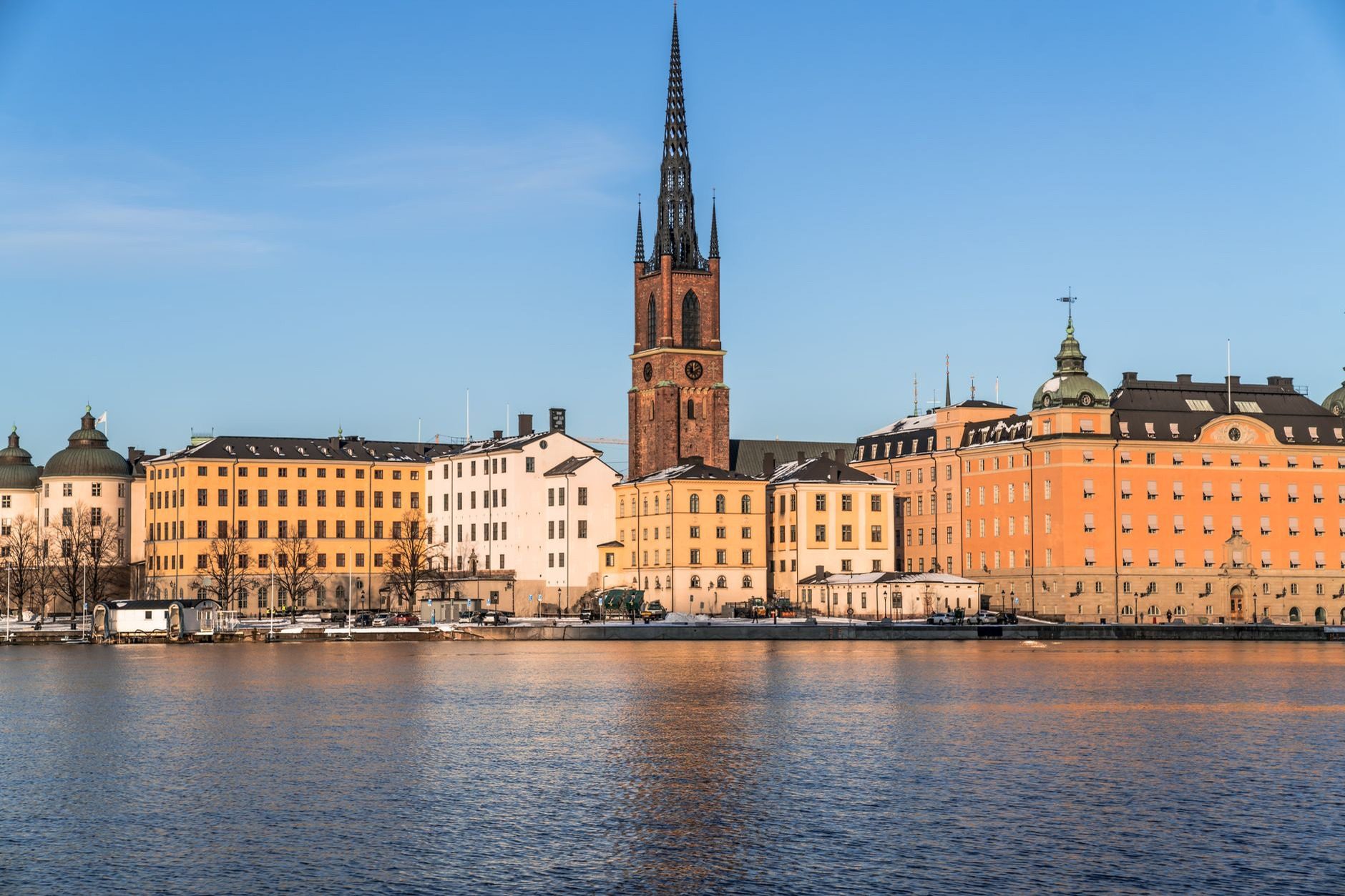
Sweden stretches nearly 1,600 kilometers from the gentle beech woods of Skåne to the sub-arctic tundra of the northern borders. When planning a first journey, visitors often look at a map and sketch an unrealistic grand tour: landing in Stockholm, speeding north to Abisko for the aurora, taking long highway detours through central pine forests, and circling back to Gothenburg—all within seven or eight days. That kind of itinerary results in exhaustion, constant sleeper-train delays, and missed connections.
The smartest approach for a first trip is pairing Sweden’s maritime capital, Stockholm, with its relaxed western seaport, Gothenburg, linked by the fast SJ X2000 high-speed tilting train. This 8-day southern corridor route combines historic cobblestone alleys, 17th-century naval history, public ferry journeys across thousands of Baltic granite islands, and the fresh seafood culture of the Bohuslän coast. Arctic Lapland is magnificent, but it requires winter expedition gear, distinct transport planning, and deserves its own dedicated itinerary.
The 8-Day Sweden Rail Itinerary at a Glance
| Day / Stage | Overnight Base | Key Highlights | Transit & Route Logistics | Essential Advance Bookings | What to Cut / Save |
|---|---|---|---|---|---|
| Days 1–3: Maritime Capital | Stockholm (Norrmalm or Södermalm) | Gamla Stan medieval alleys, Vasa Museum salvaged warship, Skansen heritage park, Royal Palace, Södermalm design boutiques | Arlanda Airport (ARN) to Stockholm Central via SL Commuter Train 40 (38 min) or Flygbussarna bus (45 min); city transit via SL contactless credit card tap | Vasa Museum timed entry; Royal Palace state apartments pass | Skip the expensive Arlanda Express train (340 SEK); the Flygbussarna coach costs just 129 SEK and delivers you directly to Cityterminalen |
| Day 4: The Baltic Archipelago | Stockholm (or Vaxholm island) | Classic passenger ferry cruise through the Stockholm Archipelago (Skärgården), fortress island of Vaxholm, coastal walking trails, waterfront fika | Strömkajen dock to Vaxholm via Waxholmsbolaget passenger ferry (1 hr 15 min, 100 SEK); return by ferry or express bus 670 | Waxholmsbolaget ferry ticket (purchased on board or via app); waterfront lunch table at Vaxholms Hembygdsgårds Café | Skip commercial private sightseeing boat tours; public Waxholmsbolaget commuter ferries use the exact same scenic channels for a fraction of the cost |
| Days 5–6: Western Gateway | Gothenburg (Haga or Inom Vallgraven) | SJ X2000 high-speed rail crossing pastoral lake country, Gothenburg canal tour, 19th-century timber buildings of Haga, Feskekôrka fish market, Gothenburg Art Museum | Stockholm Central to Gothenburg Central via SJ X2000 train (3 hr 15 min, 350–550 SEK 2nd class); city transit via Västtrafik To Go app | SJ rail ticket (booking opens 90 days ahead via sj.se for lowest dynamic pricing); evening seafood dinner reservation at Sjömagasinet or Fiskekrogen | Skip domestic flights between Stockholm and Gothenburg; the city-center-to-city-center high-speed train is faster, cheaper, and vastly more relaxing |
| Day 7: The Bohuslän Granite Coast | Gothenburg (or Marstrand island) | Day excursion to the granite archipelago of Bohuslän, historic Carlsten Fortress on car-free Marstrand island, fresh coastal langoustine tasting | Gothenburg Central to Marstrand via Västtrafik regional bus/ferry (1 hr, 120 SEK); entirely pedestrian island connected by cable ferry | Carlsten Fortress admission pass; return ferry voucher | Skip attempting a marathon one-day drive to distant Smögen on a short trip; Marstrand provides classic Bohuslän coastal scenery in half the travel time |
| Day 8: Departure or Southward Link | Gothenburg or Stockholm Departure | Morning fika at Café Husaren (famous giant hagabullar cinnamon buns), departure from Landvetter Airport (GOT) or fast rail connection to Copenhagen via Malmö | Gothenburg city center to Landvetter Airport via Flygbussarna (25 min, 119 SEK); or Öresundståg train to Copenhagen Airport (3 hr 20 min) | Airport bus departure ticket; schedule international flights after 12:00 | Skip exchanging paper cash at airport currency desks; Sweden is virtually 100% cashless, and physical notes are rejected by buses, cafes, and museums |
Focusing on this electrified rail corridor lets you experience Sweden’s urban sophistication and natural landscapes without spending long hours behind the wheel. You arrive directly in central railway stations, steps away from pedestrian promenades, historic tramways, and ferry piers.
Stockholm: Medieval Gamla Stan, Royal Palaces & The Vasa Warship (Days 1–3)
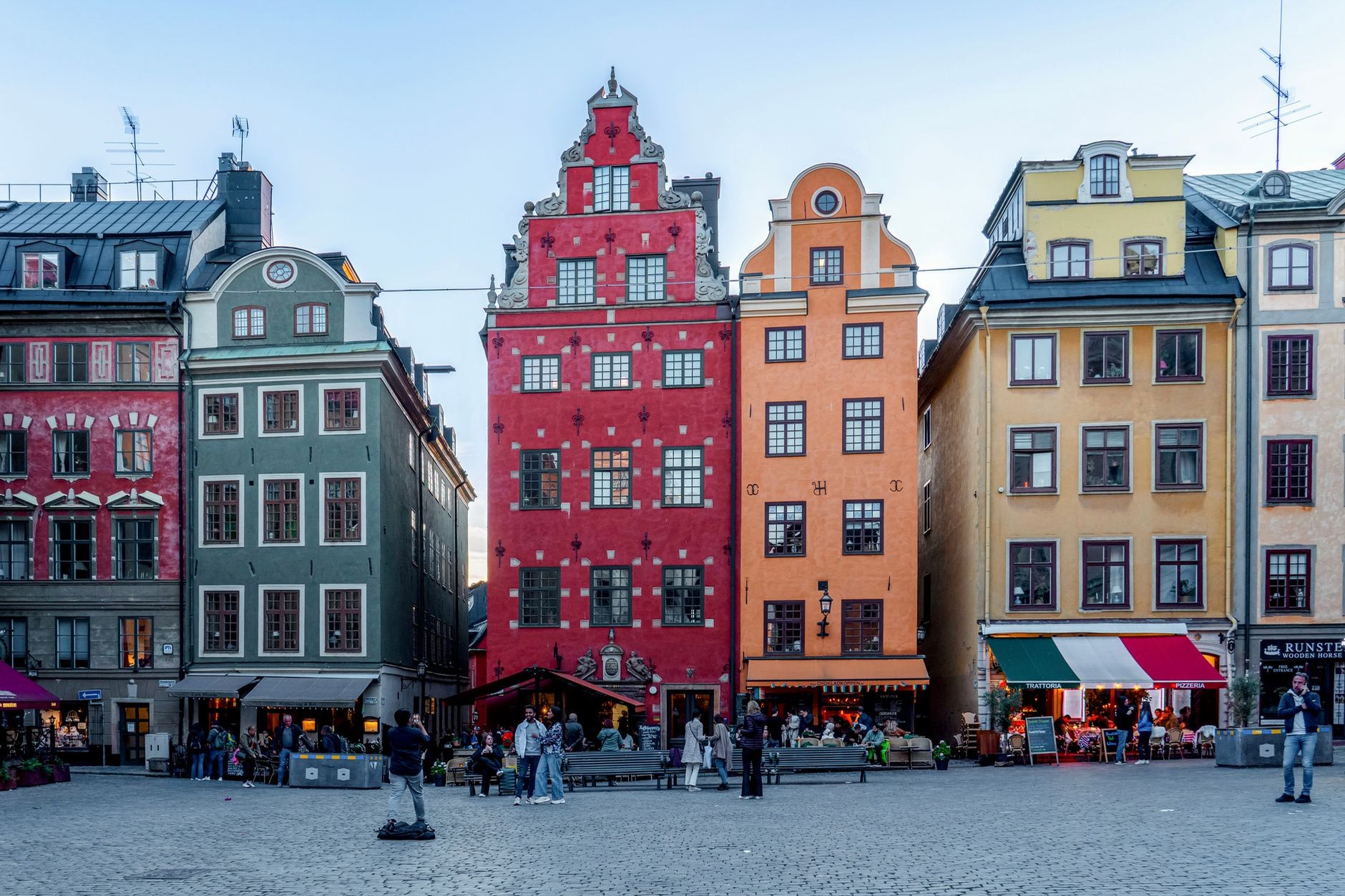
Your Swedish journey begins in Stockholm, built across fourteen islands where Lake Mälaren flows into the Baltic Sea. Start your exploration in Gamla Stan (Old Town), one of Europe’s most intact medieval centers. Wander the cobblestone streets lined with golden and terracotta merchant townhouses, ducking into Mårten Trotzigs Gränd—the city’s narrowest alleyway, measuring just 90 centimeters across. In Stortorget, take in the historic square where the 1520 Stockholm Bloodbath unfolded, then explore the nearby Nobel Prize Museum.
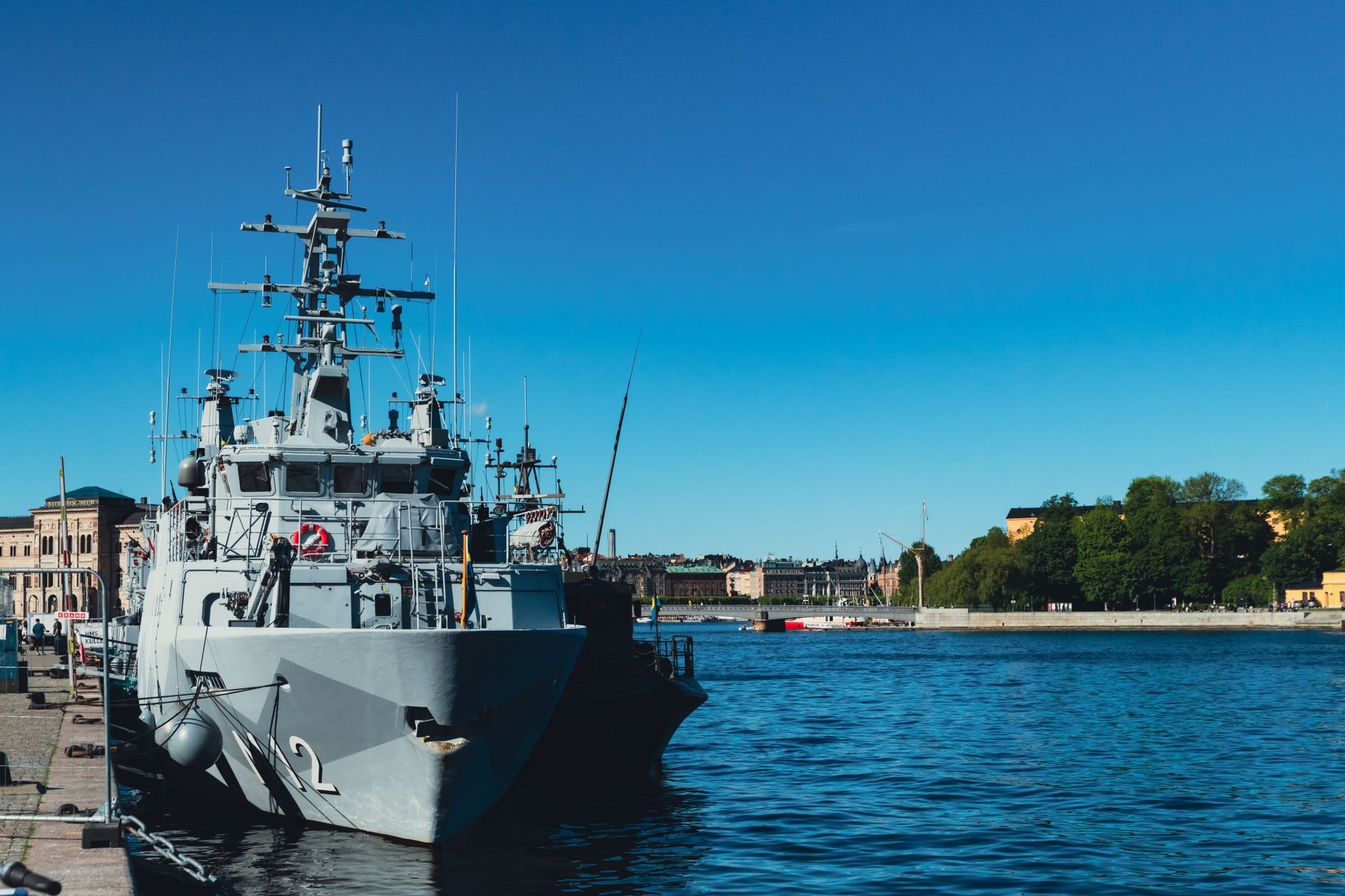
Walk across the bridge to the green park island of Djurgården, home to the celebrated Vasa Museum (Vasamuseet). The museum displays the world’s only preserved 17th-century warship. Commissioned by King Gustavus Adolphus, the 64-gun royal galleon foundered in Stockholm harbor on its maiden voyage in 1628. Raised in 1961 after 333 years beneath the brackish waters, the oak hull stands complete with hundreds of hand-carved wooden sculptures.
On Day 3, explore Stockholm’s contrasting cultural districts. Wander through creative Södermalm, perched on granite bluffs south of Old Town. Södermalm’s vibrant neighborhood around Nytorget is filled with vintage shops, indie boutiques, and cozy cafes. Walk the cliffside trail of Monteliusvägen for sweeping views across Lake Mälaren toward the copper spires of City Hall (Stadshuset), venue of the annual Nobel Prize banquet.
The Stockholm Archipelago: Public Ferries & Granite Skerries (Day 4)
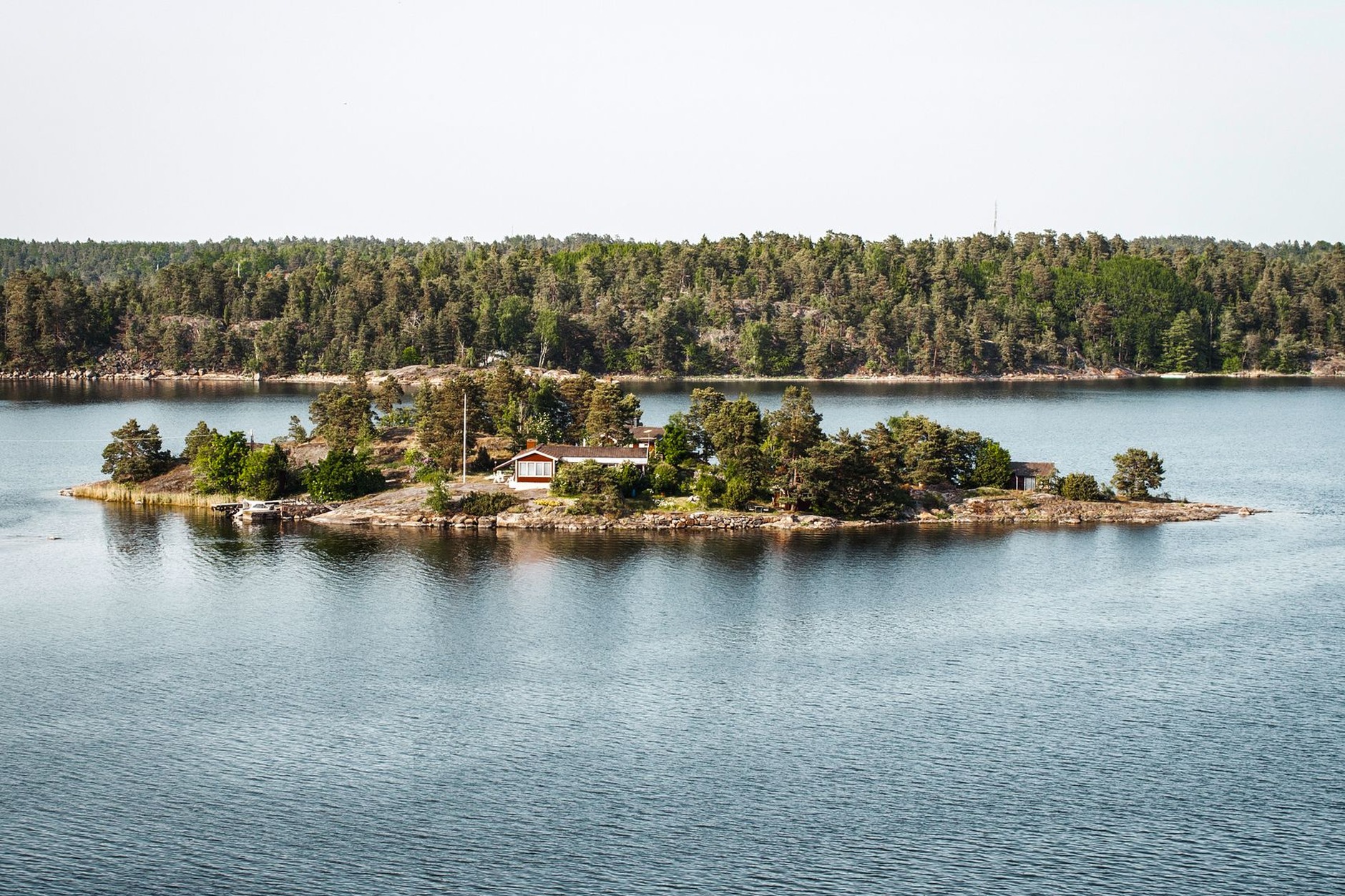
Day 4 introduces the open waters of the Stockholm Archipelago (Skärgården), an expanse of more than 30,000 islands and rocky skerries. Board a classic white passenger vessel operated by the municipal Waxholmsbolaget line at Strömkajen dock. As the ship navigates out of the city channels, the waterways widen into calm passages framed by pine forests, polished granite ledges, and traditional red-timber summer houses (falurött) with private wooden bathing piers.
Disembark at Vaxholm, the historic gateway island to the outer archipelago. Stroll past 19th-century pastel wooden villas, browse local craft workshops, and take the small cable ferry across the harbor to tour the imposing stone ramparts of Vaxholm Fortress. Enjoy a leisurely lunch of smoked Baltic herring with crispbread and pickled cucumbers on the garden terrace at Vaxholms Hembygdsgårds Café, surrounded by gentle sea breezes.
Gothenburg & The West Coast: High-Speed SJ Rail & Haga Timber Quarters (Days 5–6)
On Day 5, walk to Stockholm Central Station and board the sleek SJ X2000 high-speed tilting train. Cruising westward across the agricultural heartland of southern Sweden, the train reaches Gothenburg (Göteborg) in just over three hours. Gothenburg is Sweden’s second city, known for its tree-lined canals, vibrant craft brewing scene, and welcoming coastal atmosphere.
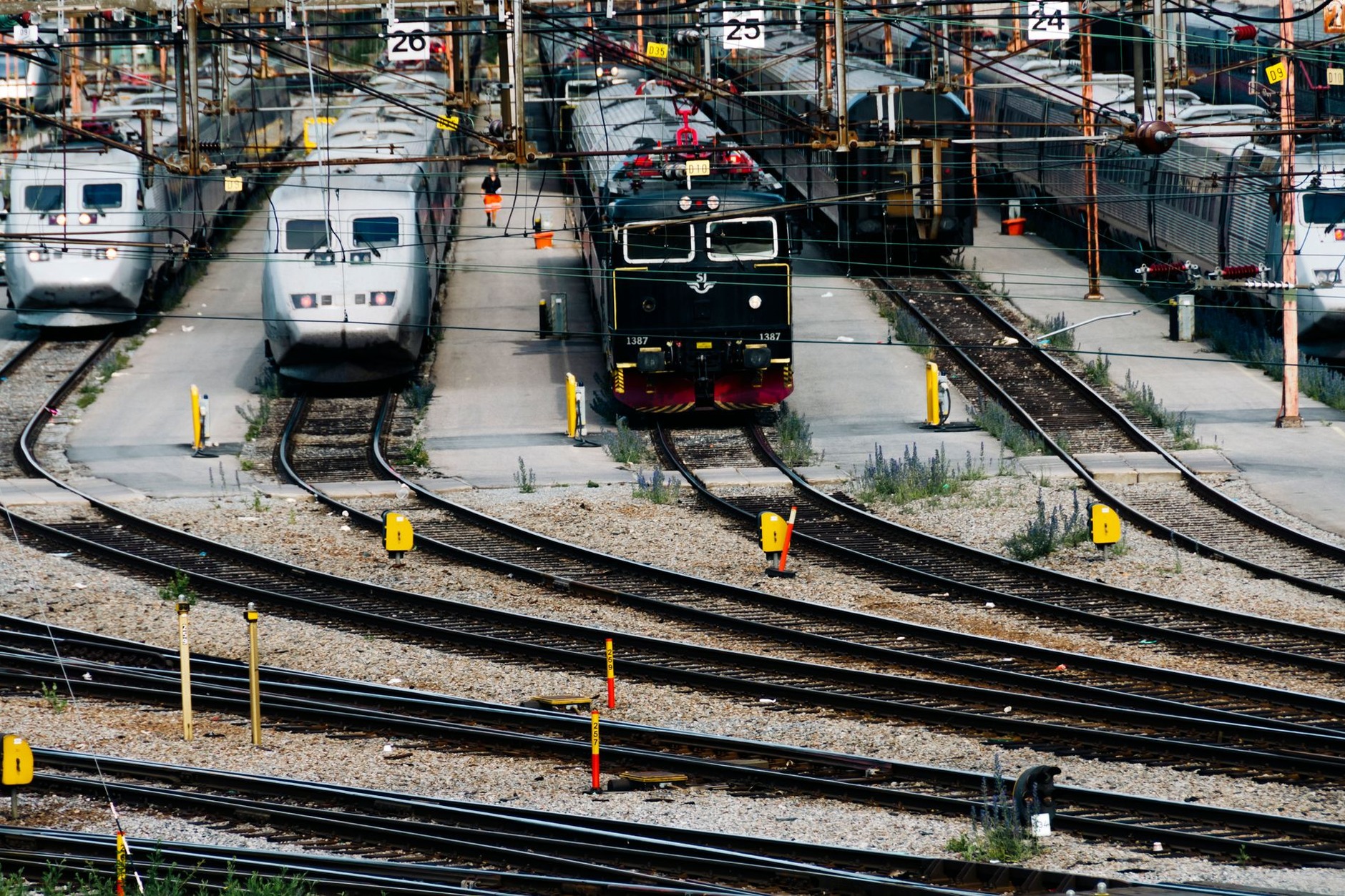
Check into your base near the canal district, then walk to the historic quarter of Haga. Once a working-class suburb, Haga is now one of the city’s most charming neighborhoods, preserved with traditional landshövdingehus (governor’s houses) featuring stone ground floors and two upper stories of clapboard timber. Stroll along the pedestrian cobblestone thoroughfare of Haga Nygata, taking in the antique bookshops, handmade shoe workshops, and inviting outdoor cafes.
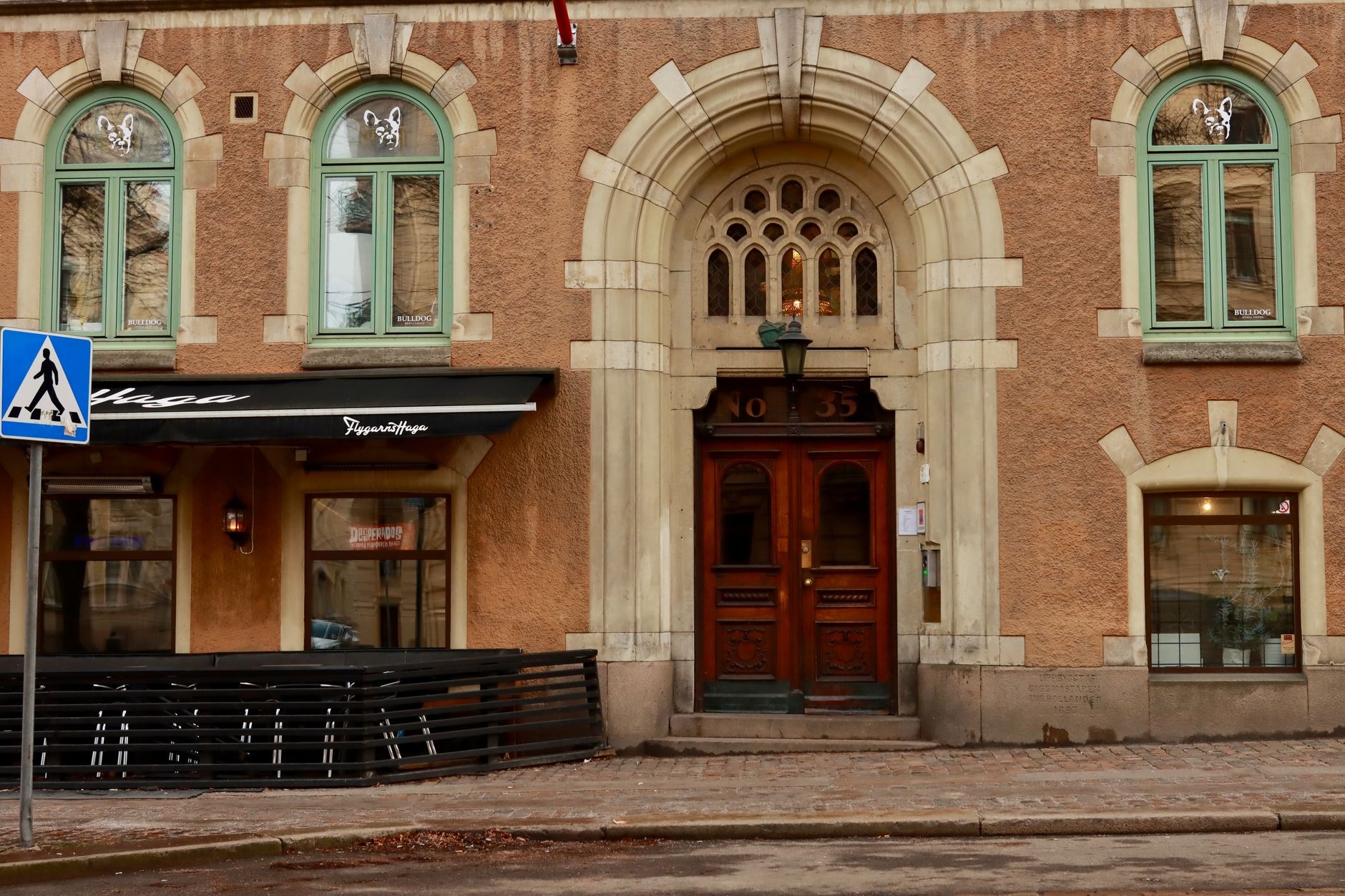
Take an afternoon tram to Götaplatsen to admire Carl Milles’ massive bronze Poseidon fountain, then step inside the Gothenburg Art Museum to view Nordic masterworks by Edvard Munch, Anders Zorn, and Carl Larsson. As evening approaches, dine near Magasinsgatan, where food trucks and seafood bistros serve fresh oysters and pan-fried cod paired with local artisanal ciders.
The Bohuslän Granite Coast: Fishing Villages & Langoustines (Day 7)
Day 7 takes you out into the dramatic coastal landscape of Bohuslän, celebrated worldwide for its smooth pink-granite rocks, deep blue inlets, and cold-water seafood. Take the comfortable regional bus from Gothenburg’s Nils Ericson Terminal to the island of Marstrand, a car-free seaside town topped by the stone towers of Carlsten Fortress.
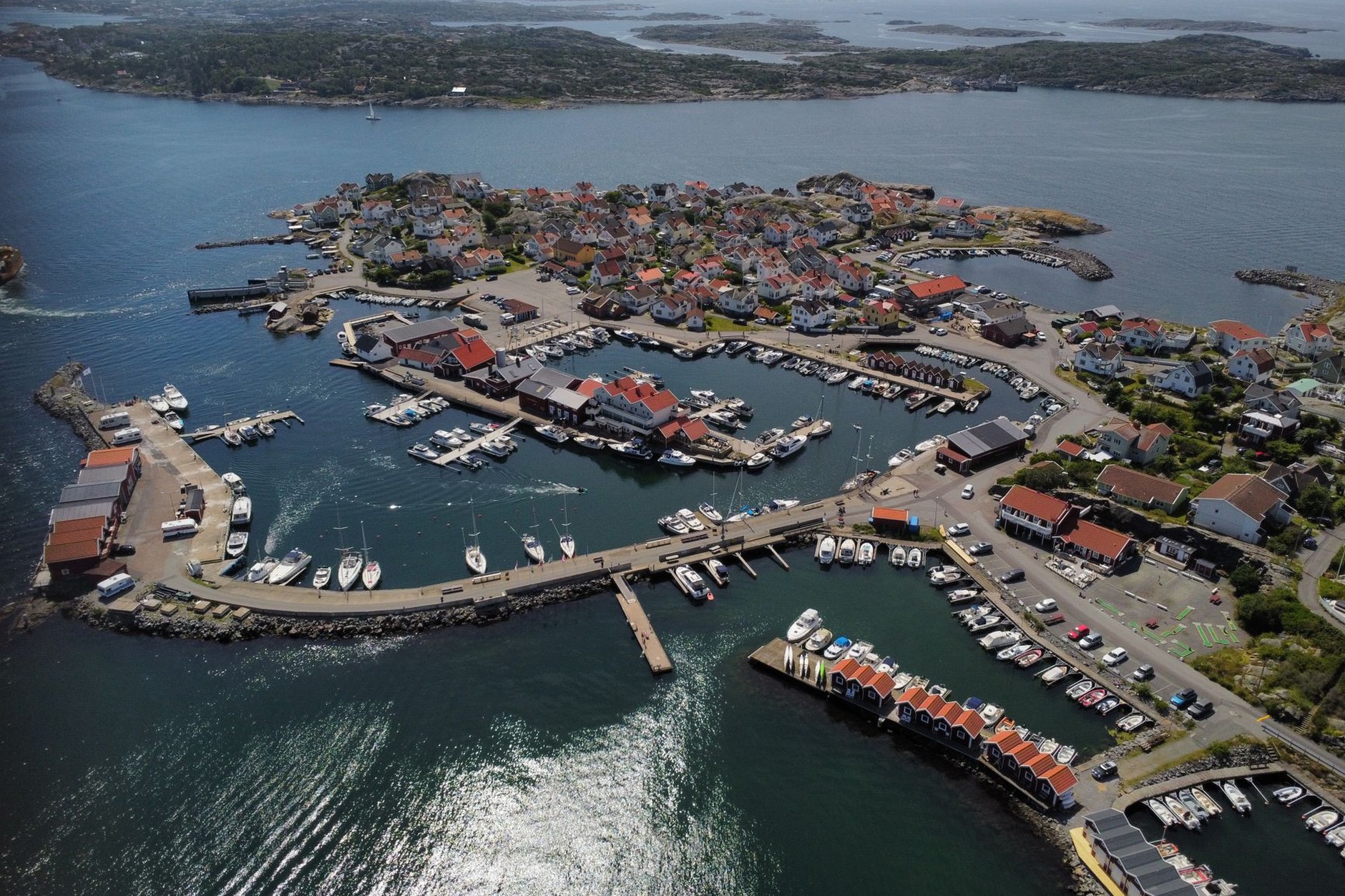
Cross the narrow harbor by pedestrian cable ferry, walk the perimeter coastal path around the island over wave-sculpted granite ledges, and climb the stone fortress walls for panoramic views of the open North Sea. Sit down at a dockside tavern to feast on sweet Bohuslän langoustines (havskräftor), freshly boiled in seawater with fresh dill, served with crusty sourdough bread and garlic aioli.
Swedish Culinary Culture: Fika Rituals, Herring & Nordic Dining
Understanding Swedish food culture starts with the ritual of fika. More than just a coffee break, fika is an essential social pause taken once or twice daily with colleagues, family, or friends. Swedes enjoy strong, dark filter coffee accompanied by a fresh pastry—most famously the kanelbulle (cinnamon bun) or kardemummabulle (cardamom bun), lightly spiced and topped with crunchy pearl sugar.

For savory dining, seek out traditional husmanskost (home-style comfort cuisine). In Stockholm, historic taverns like Pelikan in Södermalm or Tennstopet in Vasastan serve classic dishes: tender Swedish meatballs (köttbullar) with smooth mashed potatoes, tart pressed cucumbers, and wild lingonberries; toast Skagen piled high with cold-water prawns; and pickled Baltic herring (sill) flavored with mustard, dill, or onion.

Swedish restaurants maintain high hygiene and culinary standards, and tap water (kranvatten) is pristine, free, and automatically served on request. When paying, credit and debit cards or mobile wallets are expected everywhere, as cash is no longer accepted in most dining rooms.
Street Smarts: Tourist Scams, Unregulated Taxis & Transport Traps in Sweden
Sweden ranks among the safest destinations in the world, with low violent crime and efficient public services. However, unregulated transport rules, strict ticketing laws, and localized tourist markups can catch unsuspecting travelers off guard. Keep these verified street smarts and practical tips in mind:
- The Unregulated Private Taxi Meter Trap: Sweden completely deregulated its taxi sector, allowing independent taxi operators to legally set their own tariffs without government caps. At Stockholm Central Station and outside Arlanda Airport terminals, rogue private drivers park alongside established fleets. By law, they display a yellow price comparison sticker on the rear side window. Reputable fleets charge a moderate fare for a standard run, while rogue operators legally charge several times more for the exact same trip. Defense: Always check the yellow window sticker before getting in. Stick to established brands like Taxi Stockholm, Taxi Kurir, or Sverigetaxi, or use ride-hail apps like Uber and Bolt with upfront locked pricing.
- The Stockholm Arlanda Express Airport Train Surcharge: Arriving at Stockholm Arlanda Airport (ARN), bold yellow advertisements guide passengers to the Arlanda Express train platform. While the train is fast (18 minutes), a one-way adult ticket costs a steep fare. Many travelers do not realize that standard public transit options connect the exact same terminals. Defense: Take the comfortable Flygbussarna airport coach for a cash sum, which takes 45 minutes to Cityterminalen. Alternatively, take local SL bus 583 to Märsta station and connect to the standard commuter train (Pendeltåg) using a regular transit ticket.
- SJ High-Speed Train Seat Sellouts & Dynamic Fare Jumps: High-speed trains between Stockholm and Gothenburg operate with dynamic yield pricing. Buying a ticket on the day of departure can cost triple the advance rate, or popular departures can sell out completely on Friday and Sunday afternoons. Defense: Reserve your rail tickets 30 to 60 days ahead directly through the national railway portal (sj.se) for the lowest promotional fares, and verify whether the departure is a direct train or a rail-replacement coach.
- Gamla Stan Bakery Tourist Markups: On the main pedestrian thoroughfare of Västerlånggatan in Gamla Stan, tourist-oriented souvenir cafes charge a cash sum for frozen, reheated pastries that cost far less at neighborhood bakeries. Defense: Walk two blocks off the main pedestrian streets to local artisan bakeries (such as Fabrique or Skeppsbro Bageri) for freshly baked buns and honest prices.
- Allemansrätten (Right to Roam) Private Property Infringements: Sweden’s constitution protects Allemansrätten (Right of Public Access), allowing everyone to walk, swim, and forage in nature. However, foreign travelers sometimes misinterpret this law, pitching tents within sight of private residential gardens or driving motor vehicles across private agricultural fields. Defense: Pitch tents only on uncultivated land at least 150 meters away from private residences, never camp on farm fields, light campfires only in designated stone pits, and always pack out all trash.
- The Cashless Society Reality: Sweden has transitioned almost entirely into a cashless economy. Paper banknotes and coins are flatly refused on buses, trams, ferries, and at most museums and cafes. Defense: Do not exchange large sums of physical cash at airport kiosks. Travel with a contactless chip-and-PIN credit or debit card, or use mobile wallets like Apple Pay and Google Pay.
Adhering to these practical precautions ensures your travels through Sweden remain smooth, enjoyable, and free from administrative hassles or inflated charges.
High-Speed Rail Transit & Mobile Connectivity with NXTL
Navigating Sweden’s electrified rail routes, checking real-time archipelago ferry departures, verifying SJ train platform updates, and paying for municipal transit in Stockholm and Gothenburg all require active cellular data. Having reliable mobile internet allows you to purchase tickets on the SL and Västtrafik apps, follow GPS walking routes through Gamla Stan’s narrow alleys, and view live train schedules without relying on crowded station Wi-Fi.
Sweden boasts world-leading telecommunications infrastructure, anchored by tier-one network operators including Tele2, Telenor, and Telia 5G. With an NXTL Sweden travel eSIM, your phone connects directly to these high-speed national networks at transparent prepaid rates starting from just $0.75 per gigabyte. There is no physical SIM card swap, no complicated registration paperwork, and no expiring monthly contracts.
| Traveler Usage Profile | Daily Online Activities | 8-Day Total Bandwidth | Estimated Data Cost (@ $0.75/GB) |
|---|---|---|---|
| Light Navigator (Transit apps & maps) |
SL & Västtrafik transit validation, SJ train tracking, Google Maps walking navigation, WhatsApp messaging | 2 GB – 4 GB | $1.49 – $2.98 |
| Balanced Explorer (Social sharing & research) |
All navigation, Waxholmsbolaget ferry schedules, photo uploads, museum audio guide streaming, restaurant research | 5 GB – 8 GB | $3.73 – $5.97 |
| Heavy Digital Nomad (Remote work & tethering) |
Laptop tethering on SJ trains, high-definition video calls, cloud photo backups, continuous media streaming | 10 GB – 15 GB | $7.46 – $11.19 |
What sets NXTL apart is its reusable global data eSIM model. Instead of buying a disposable local SIM that only functions inside Sweden and expires after a week, NXTL operates across 180+ supported countries and 460+ carrier networks. You purchase the eSIM profile once for just $11.99, which includes $10.00 in preloaded travel balance ready for immediate use. Your balance never expires as long as your account remains active.
If you continue your journey across the Øresund Bridge into Denmark, travel onward through Norway, or take a flight across Europe, the exact same eSIM profile connects automatically in the next country. You never have to re-register or buy another data bundle. Full mobile hotspot tethering is permitted across all destinations, and dual-SIM functionality allows your primary home SIM to stay active for bank two-factor SMS alerts with zero unexpected roaming fees.
Set up your NXTL eSIM profile before boarding your flight to Stockholm. When your plane touches down at Arlanda Airport, turn on your data roaming line to check the Flygbussarna schedule, purchase your bus ticket on your phone, and head into the city center with complete peace of mind.