Switzerland possesses the most impeccably coordinated public transport network in the world, where alpine trains, postal yellow buses, lake steamers, and aerial cable cars mesh with clockwork precision. Yet first-time visitors frequently make two expensive mistakes: attempting to navigate alpine roads in a rental car—only to discover that key mountain villages like Zermatt, Wengen, and Mürren are strictly car-free—and impulsively purchasing a costly rail pass without running the numbers against their specific mountain excursions.
This 8-day travel guide delivers a balanced, rail-based journey through Switzerland’s grandest alpine landscapes. Starting along the shores of Lake Lucerne, the route crosses over the scenic Brünig Pass into the towering limestone cliffs of the Bernese Oberland, before concluding beneath the jagged pyramid of the Matterhorn in Zermatt. Every connection is planned using the national timetable, showing you how to choose transit passes, avoid cloud-shrouded summits, and manage the realities of Swiss travel costs.
The 8-Day Swiss Alps Rail Itinerary
The Swiss Federal Railways (SBB/CFF/FFS) operates on a synchronized timetable (the Taktfahrplan), where intercity express trains depart key junctions at identical minute intervals every hour. Transfers between connecting platforms often take just 4 to 8 minutes, engineered so that arriving passengers walk straight across the platform to their departing train.
| Day Range | Base Location | Key Highlights & Alpine Excursions | Transit Route & Travel Time | Advance Bookings Required | What to Skip if Pressed for Time |
|---|---|---|---|---|---|
| Days 1–2 | Lucerne (Luzern) | Chapel Bridge, Old Town frescos, Lake Lucerne boat cruise, Mount Rigi or Mount Pilatus | Direct train from Zürich Airport (Flughafen) to Lucerne (45 min) | Pilatus cogwheel seat during July–August weekends | Skip Pilatus if the summit is shrouded in storm clouds; walk the city walls instead |
| Days 3–5 | Bernese Oberland (Lauterbrunnen or Mürren) | Lauterbrunnen waterfalls, Trümmelbach chasm, Mürren cliffside walk, Schilthorn or Jungfraujoch, Lake Brienz steamer | Luzern-Interlaken Express over Brünig Pass to Interlaken Ost, connect to Lauterbrunnen (2 hrs total) | Jungfraujoch seat reservation (on clear peak summer days only) | Skip Jungfraujoch if budget is tight; the Schilthorn or Männlichen trail offers superior views at lower cost |
| Days 6–7 | Zermatt | Gornergrat cogwheel train (3,089m), Riffelsee Matterhorn reflection hike, car-free village walk, Matterhorn Glacier Paradise | Regional train to Spiez, EuroCity to Visp, Matterhorn Gotthard Bahn to Zermatt (2 hrs 15 min) | None needed for Gornergrat; check morning webcams before ticket purchase | Omit Glacier Paradise if you already took the Gornergrat; one major summit per stay is sufficient |
| Day 8 | Departure | Scenic rail return from Zermatt to Zürich Hauptbahnhof or Geneva Airport | Matterhorn Gotthard Bahn to Visp, direct SBB intercity train to Zürich (3 hrs 10 min) or Geneva (3 hrs 45 min) | Standard train ticket or rail pass validation | Direct airport trains eliminate city center transfers; allow 3 hours before flight departure |
Notice the base selection for Days 3 to 5: stay in Lauterbrunnen, Wengen, or Mürren, rather than Interlaken. Interlaken is a flat, busy commercial rail junction filled with tourist souvenir shops and highway hotels. By contrast, waking up inside the Lauterbrunnen valley beneath towering rock walls or on the car-free cliff tops of Mürren immerses you directly in authentic alpine quiet, placing you hours ahead of day-tripper crowds ascending the cable cars.
The Rail Pass Dilemma: Swiss Travel Pass vs. Half Fare Card
Every traveler researching Switzerland encounters the same debate: should you buy the Swiss Travel Pass (STP) or the Swiss Half Fare Card (HFC)? Misunderstanding how mountain cable cars are treated can easily cost you hundreds of Swiss francs.
- The Swiss Travel Pass: Offers unlimited, hop-on hop-off travel on all national SBB trains, postbuses, urban trams, and lake steamers. It provides free entry to over 500 museums across Switzerland. However, high-altitude mountain transport operates on separate rules: while excursions like Mount Rigi and the Stanserhorn cabriO cable car are 100% covered, most major alpine summits are only 50% discounted (such as Gornergrat, Pilatus, and Titlis), and the Jungfraujoch cogwheel from Wengen or Grindelwald is only discounted by 25%. A continuous 8-day adult Swiss Travel Pass costs approximately CHF 419 (second class).
- The Swiss Half Fare Card: Costs a flat CHF 120 for one calendar month and grants a strict 50% discount on virtually every train, bus, boat, cogwheel, and cable car in the entire country—including the full route to Jungfraujoch, the Gornergrat railway, and the Schilthorn.
Which should you choose? If your itinerary features multiple high-ticket alpine summits (such as Jungfraujoch at CHF ~220 full fare, Gornergrat at CHF ~120, and Pilatus at CHF ~72), the Half Fare Card almost always wins on total out-of-pocket cost. The Swiss Travel Pass wins on pure convenience: you never have to buy tickets for intercity trains, regional buses, or lake ferries—you simply show your digital pass QR code to the conductor on board.
Days 1–2: Lake Lucerne and Mountain Rigi
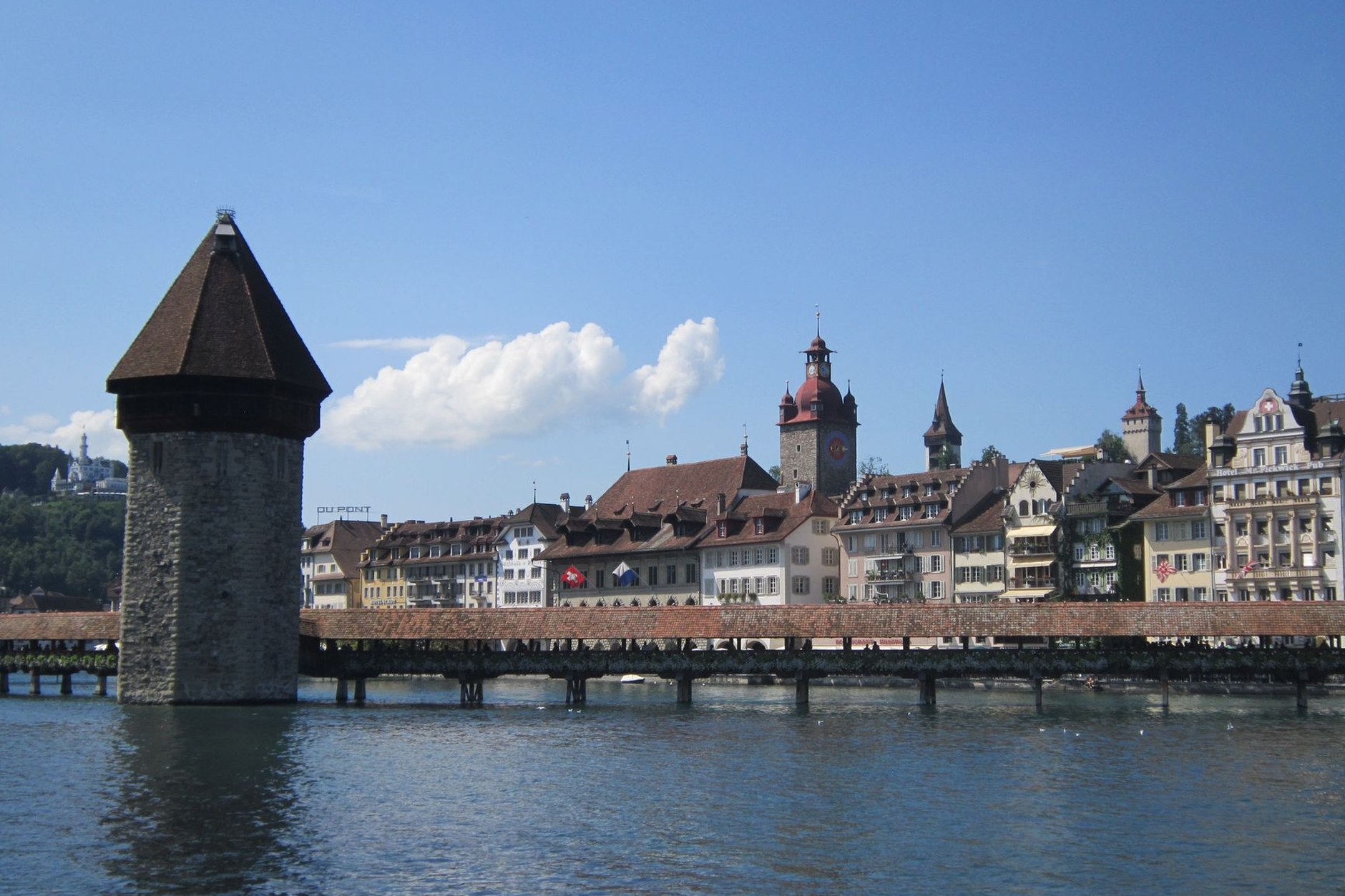
Lucerne is the quintessential entry point to Switzerland, located just 45 minutes south of Zürich Airport by direct intercity train. The compact old town spans the outflow of the Reuss River, anchored by the 14th-century Chapel Bridge (Kapellbrücke), the oldest covered wooden footbridge in Europe. Look upward into the roof gables to view historic 17th-century triangular paintings depicting scenes of Swiss history and local patron saints.
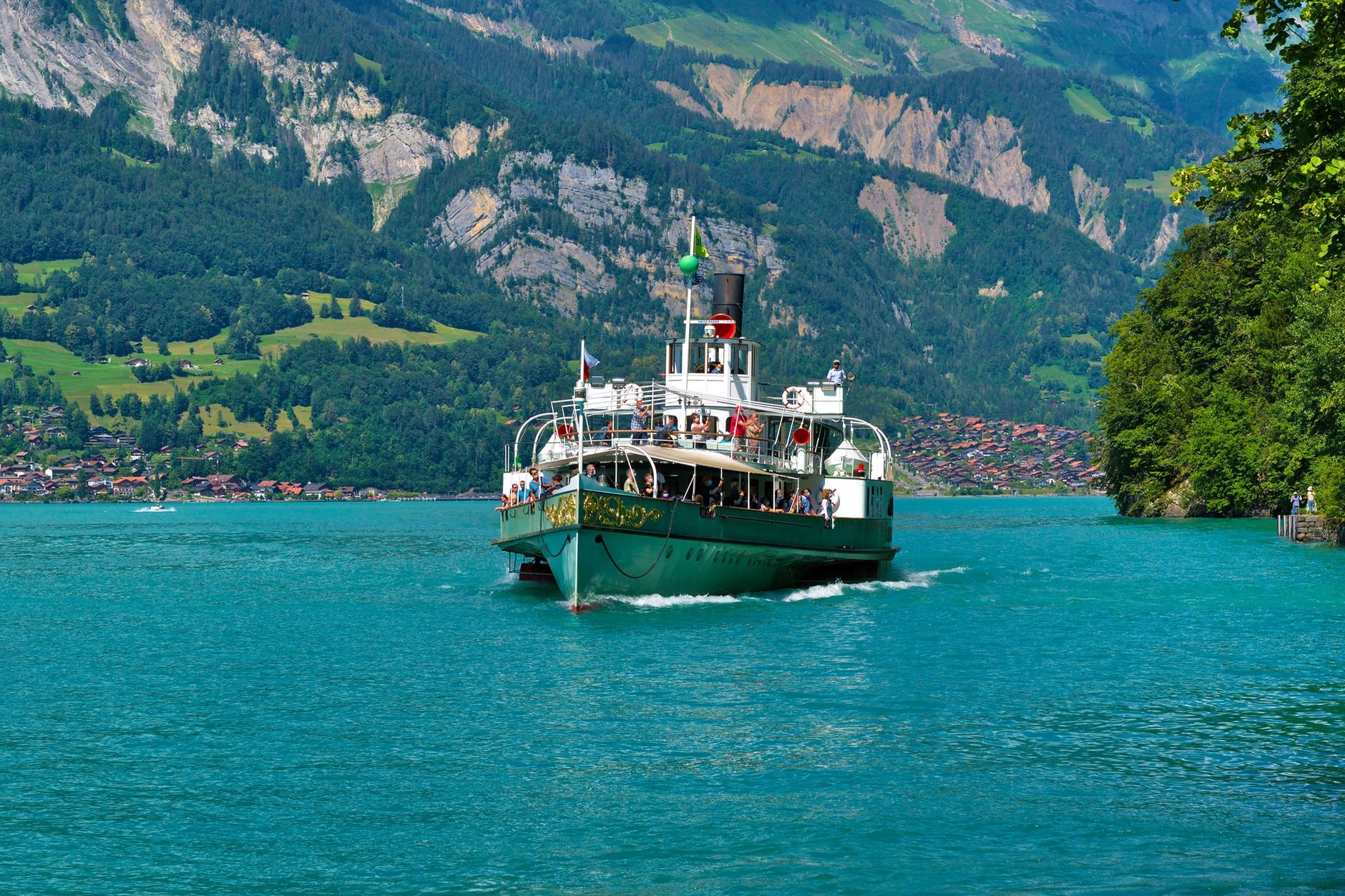
For your first mountain excursion on Day 2, head to Mount Rigi (The Queen of the Mountains). This classic excursion showcases the best of integrated Swiss transit. Board an antique paddle steamer from Lucerne’s main boat dock across the lake to Vitznau (55 minutes). At the Vitznau pier, walk directly onto Europe’s first cogwheel railway (opened in 1871) as it climbs to Rigi Kulm at 1,798 meters. The summit overlooks 13 surrounding lakes and the distant snowy chain of the Bernese Alps. Best of all, the entire round trip—lake steamer, cogwheel ascent, and descent via aerial cable car to Weggis—is 100% free with the Swiss Travel Pass (or 50% off with the Half Fare Card).
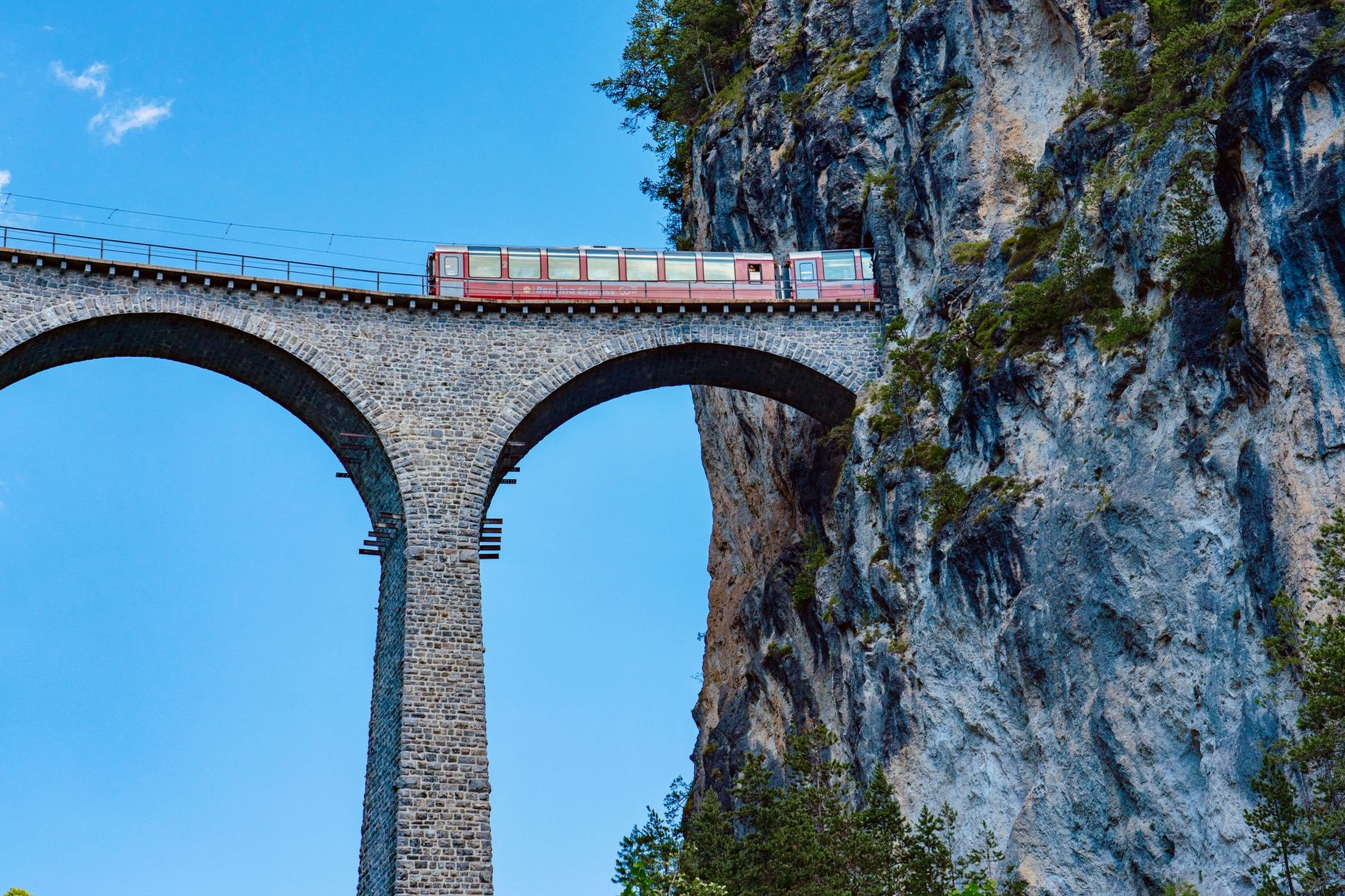
In the late afternoon, board the scenic Luzern-Interlaken Express. This panoramic train features oversized floor-to-ceiling windows and traverses the Brünig Pass past waterfalls and turquoise alpine lakes, delivering you directly into the Bernese Oberland.
Days 3–5: Bernese Oberland & The Summit Trade-off
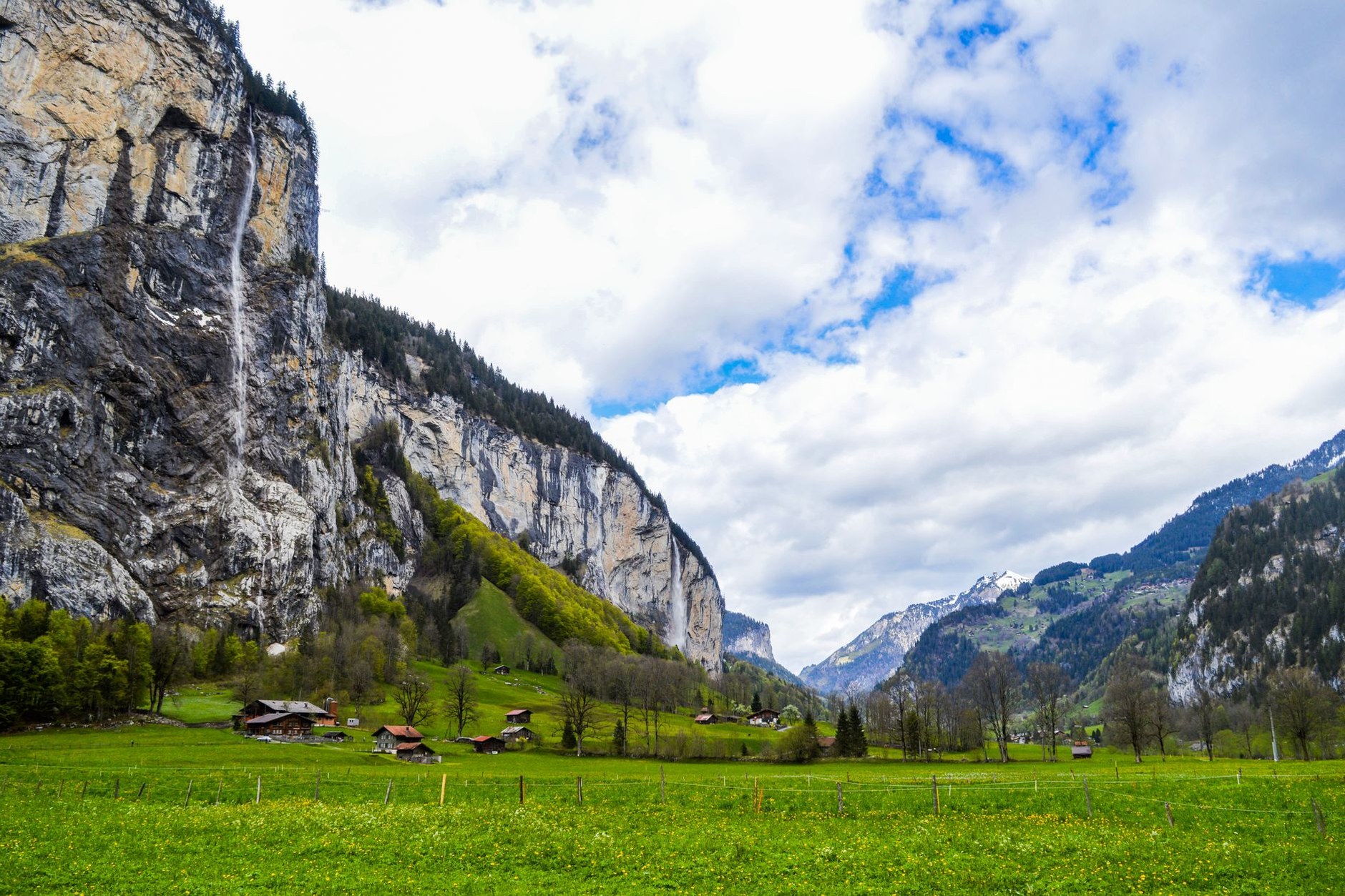
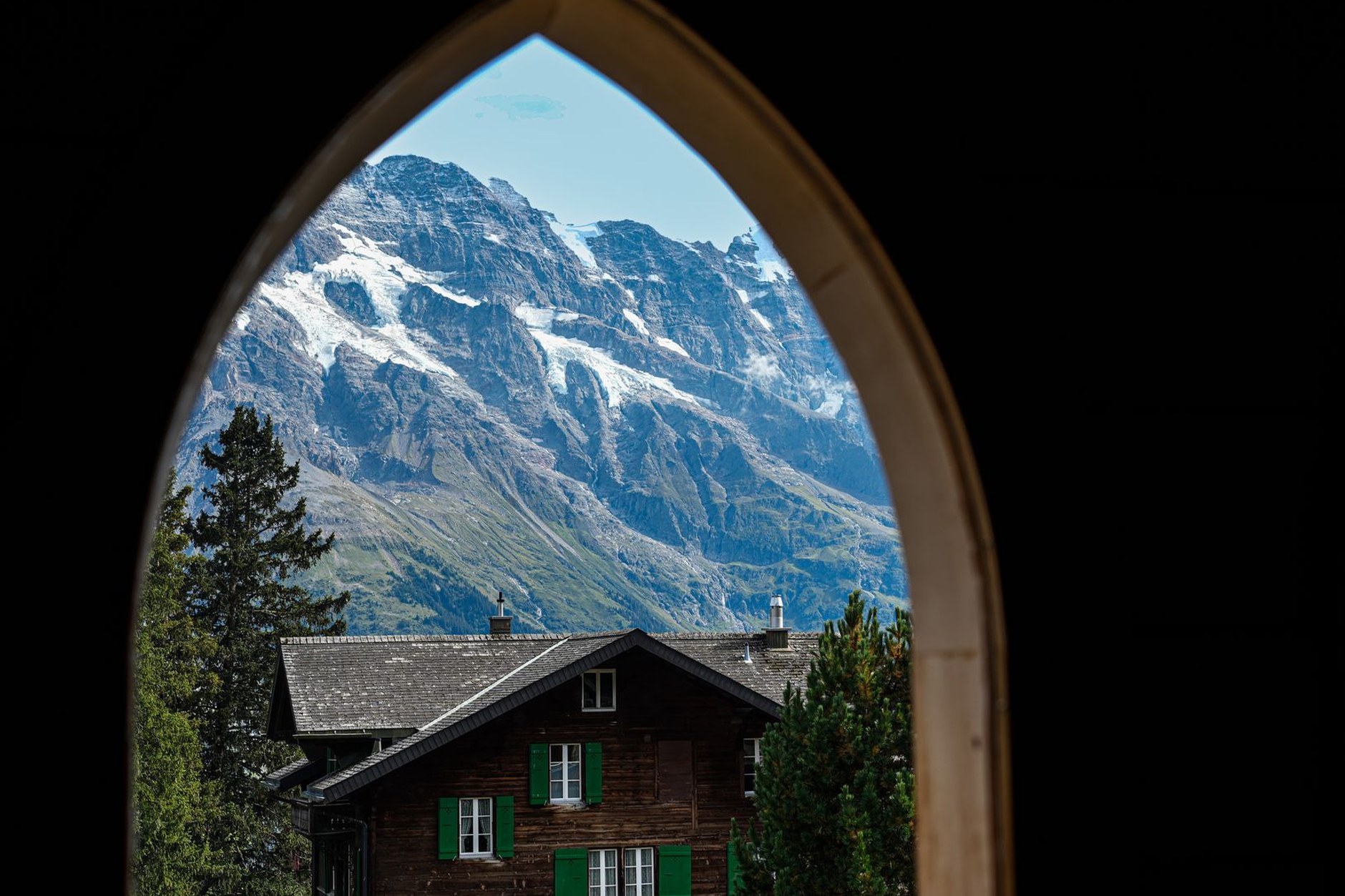
The Lauterbrunnen Valley is a classic U-shaped glacial canyon flanked by 300-meter sheer limestone cliffs and 72 cascading waterfalls. On Day 3, walk through the valley floor past the roaring spray of Staubbach Falls to reach Trümmelbach Falls. Here, ten glacial waterfalls drain the meltwater of the Eiger, Mönch, and Jungfrau glaciers inside a cavernous underground mountain gorge, accessible via an illuminated tunnel-lift and galleries.
In the afternoon, board the Stechelberg aerial cable car up to Mürren, a peaceful car-free village perched directly atop the western rock cliffs at 1,638 meters. The leisurely downhill walk from Mürren to Gimmelwald (2.5 km on a paved alpine path past rustic timber barns, grazing Simmental cattle, and honesty-box farm cheese stands) is one of the most serene mountain strolls in Switzerland.
On Day 4, you face the premier decision of the region: Jungfraujoch vs. Schilthorn.
- Jungfraujoch (3,454m): Known as the “Top of Europe,” this famous excursion utilizes the high-tech Eiger Express tricable gondola from Grindelwald Terminal up to the Eigergletscher station, followed by a cogwheel train tunneled through the rock of the Eiger. At the summit, you walk inside ice palace tunnels carved into the glacier and gaze across the 23-kilometer expanse of the Great Aletsch Glacier. However, the ticket is exceptionally expensive (upwards of CHF 180 to 220 round-trip even with passes) and the complex can feel crowded with tourist tour groups.
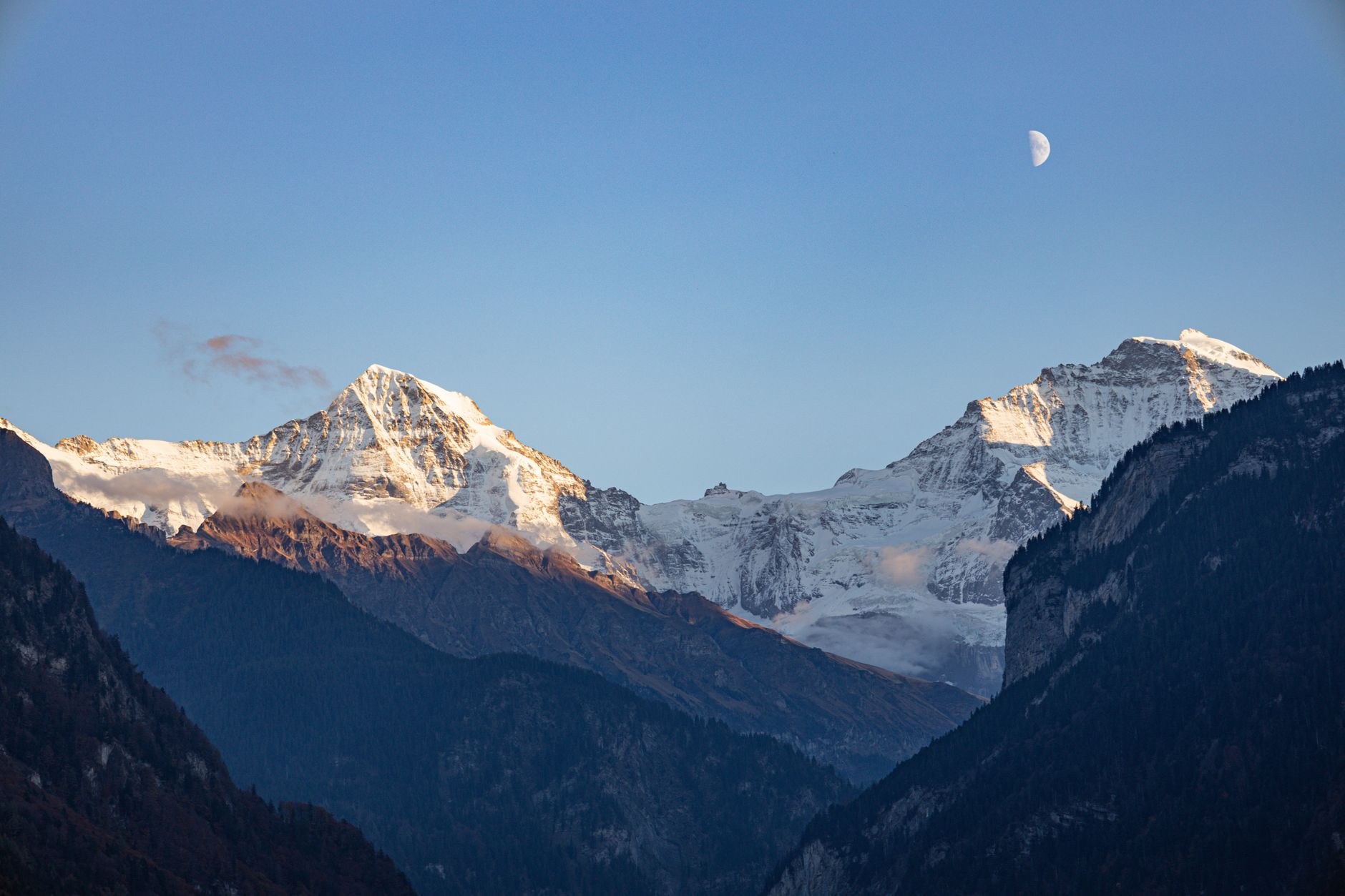
- Schilthorn / Piz Gloria (2,970m): Located on the opposite side of the valley, the cable car ascent from Mürren leads to the revolving restaurant featured in the classic James Bond film On Her Majesty’s Secret Service. Rather than sitting enclosed among ice, the Schilthorn provides an unobstructed, 360-degree panoramic vantage point looking directly at the Eiger, Mönch, and Jungfrau trio across the chasm. It costs roughly half the price of Jungfraujoch, has significantly shorter lines, and features a thrilling cliffside “Thrill Walk” glass-floored walkway at Birg station.
The Golden Rule of the Alps: Checking Webcams
Nothing ruins a Swiss mountain excursion faster than paying CHF 150 for a cable car ticket, ascending through thick soup, and stepping out onto a viewing platform where visibility is zero meters. Mountain weather in the high Alps changes rapidly: a clear, sunny morning in the Lauterbrunnen valley can coexist with heavy summit cloud banks at 3,000 meters.
Every major Swiss mountain summit operates high-definition, live-streaming 360-degree webcams. Never purchase your summit tickets the night before. Instead, wake up, open the official SBB Mobile app, Zermatt app, or Jungfrau website, and inspect the real-time webcam feeds. If the summit is shrouded in cloud, defer the ascent to the afternoon or pivot to a low-elevation valley walk or a lake cruise on Lake Brienz or Lake Thun (where steamer boats are 100% free with the Swiss Travel Pass).
Days 6–7: Zermatt and the Matterhorn
Board the train south from the Bernese Oberland to Zermatt, transferring at Spiez and Visp onto the narrow-gauge Matterhorn Gotthard Bahn. Zermatt is completely closed to combustion engine vehicles; only silent, boxy electric shuttles and horse-drawn carriages glide through its cobblestone streets. Historic 16th-century Valais larch-wood barns and granaries (Gädi), perched on circular flat stone disks designed to keep mice from climbing into grain stores, still stand in the Hinterdorf quarter.
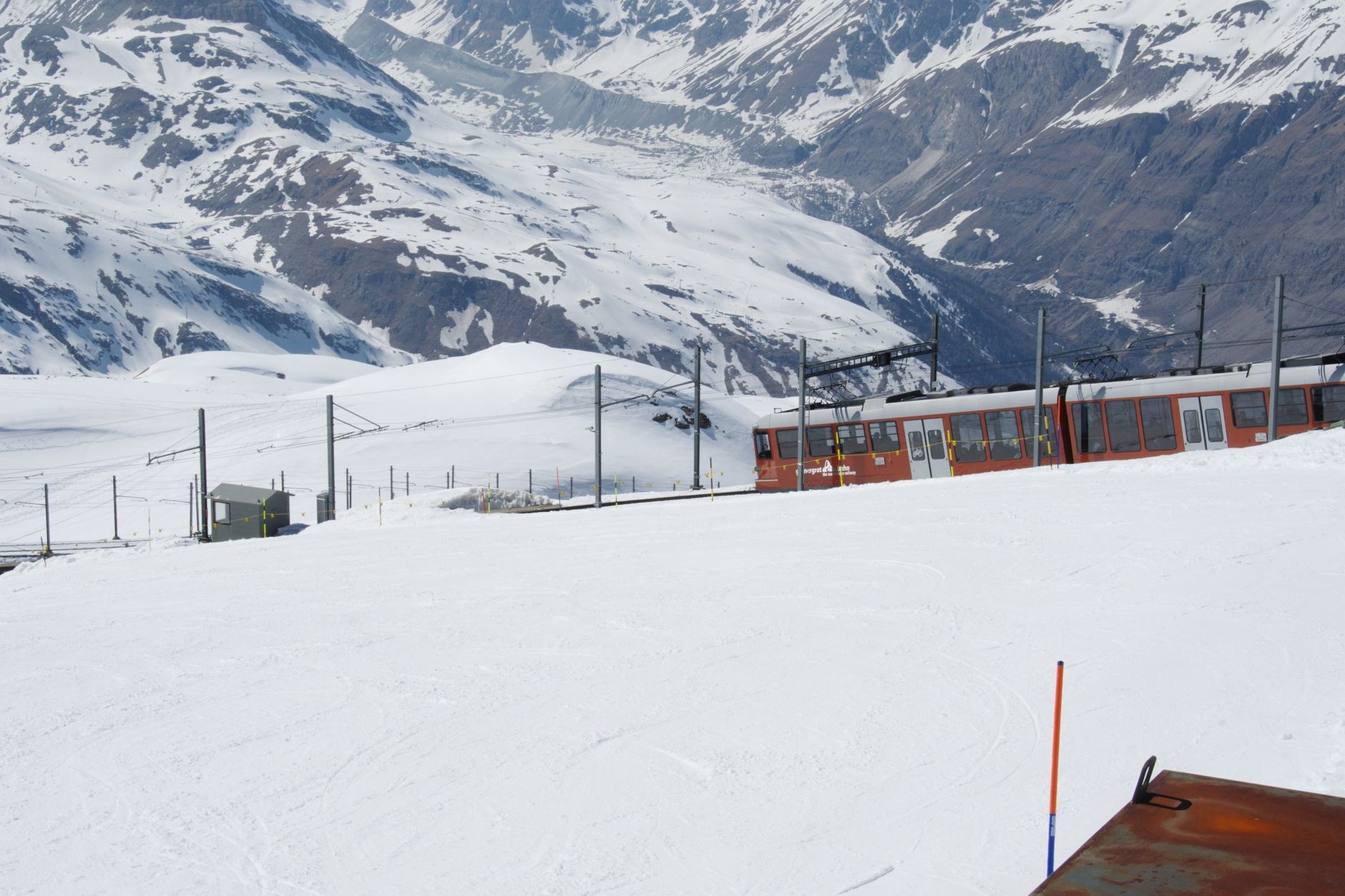
For the definitive Matterhorn viewpoint, take the Gornergrat Railway (Gornergrat Bahn) from the station directly opposite Zermatt Hauptbahnhof. This electric cogwheel train climbs 1,469 meters of altitude in 33 minutes to a panoramic ridge at 3,089 meters. From the viewing terrace, you take in the Monte Rosa massif, the Dufourspitze (Switzerland’s highest peak at 4,634m), and the Gorner Glacier, with the Matterhorn standing isolated against the western sky.
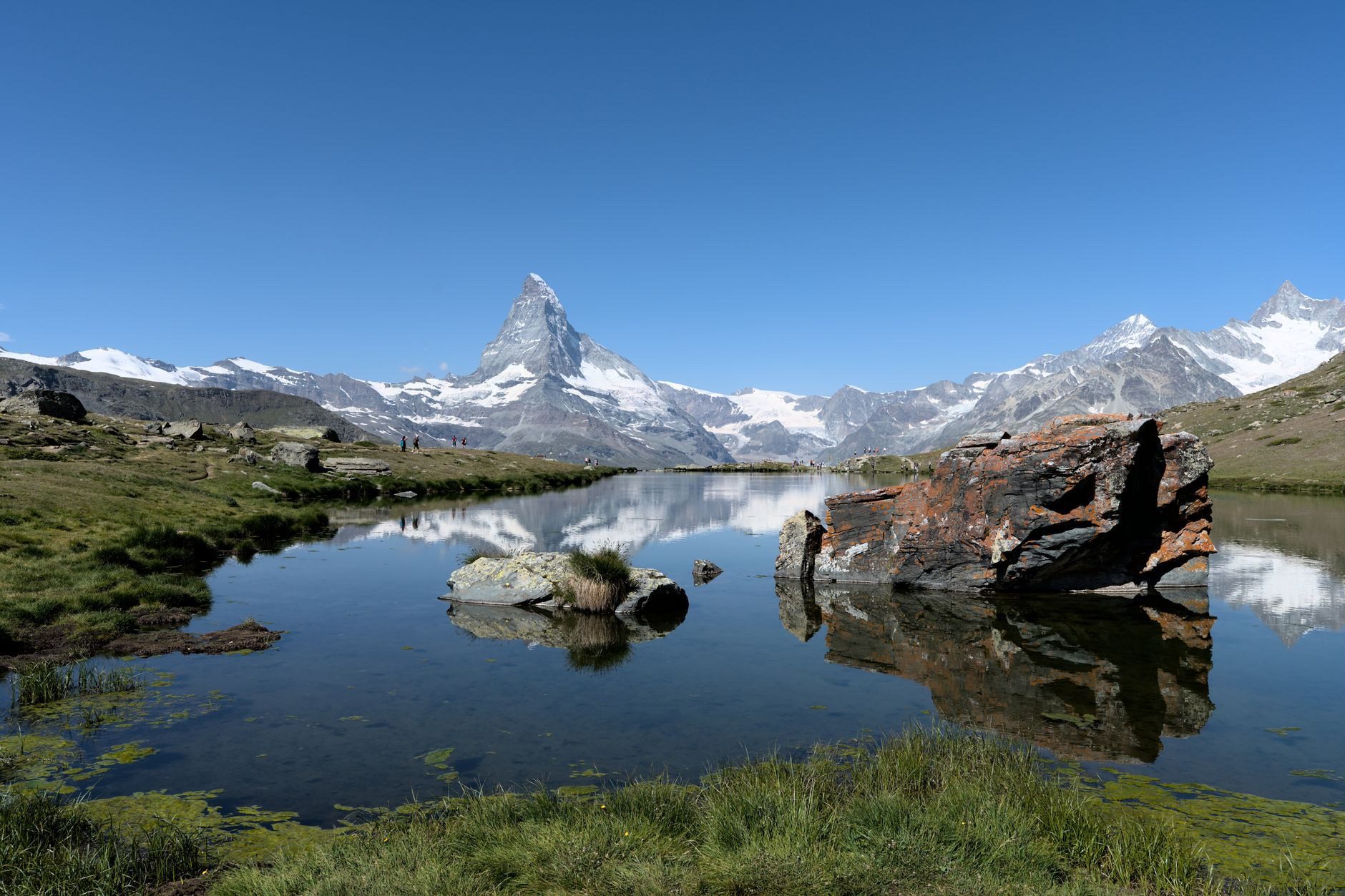
The Riffelsee Walk: On your descent, get off the train at Rotenboden station (one stop below Gornergrat). A 10-minute downhill trail brings you to the edge of Riffelsee. On calm, windless mornings, the triangular pyramid of the Matterhorn is reflected with mirror clarity in the alpine water. From Riffelsee, continue an easy 45-minute downhill walk to Riffelberg station through alpine pastures before catching the train back to Zermatt.
Managing Swiss Dining Costs: The Supermarket Picnic Strategy
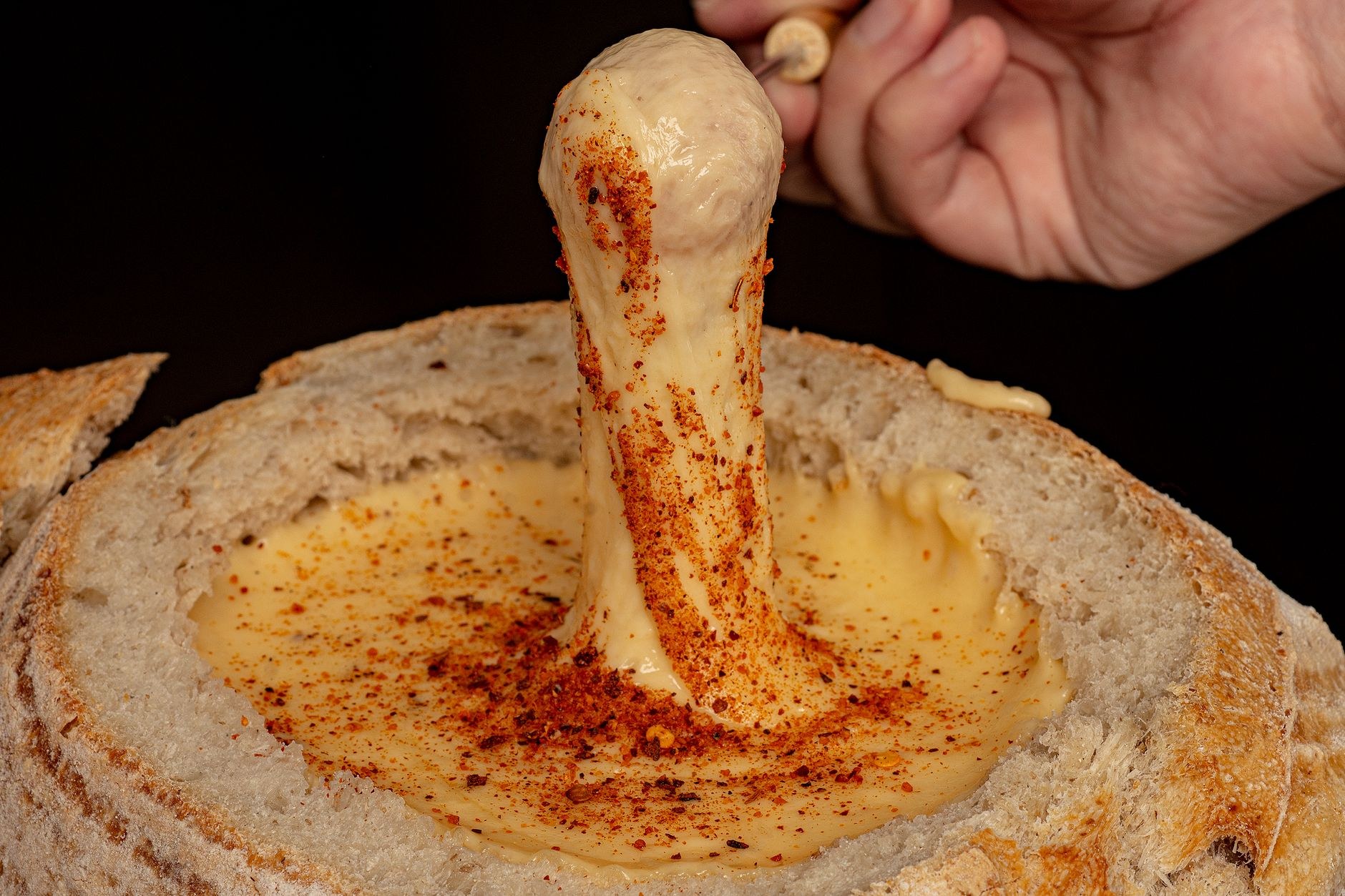
Switzerland has a reputation as one of the world’s most expensive travel destinations, and restaurant dining is where budgets suffer fastest. A casual sit-down dinner with a single course, a glass of wine, and bottled water rarely costs less than CHF 40 to CHF 55 per person. In alpine resort hubs like Zermatt and Grindelwald, fondue menus start at CHF 32 to CHF 38 per portion.
Savvy travelers balance dining by adopting the Swiss tradition of the scenic supermarket picnic:
- Coop and Migros Supermarkets: Every Swiss train station features a modern Coop or Migros supermarket. Their fresh food sections carry high-quality artisan sandwiches, packaged alpine salads with dressings, hot roasted rotisserie chicken, local Gruyère and Appenzeller cheeses, fresh crusty bread, and Swiss chocolate bars at standard retail prices (CHF 6 to CHF 12 for an entire meal).
- Eating on Trains and Boats: Consuming your own food and drinks on Swiss trains, regional buses, and public lake steamer decks is completely acceptable and widespread among locals. Grab a picnic lunch at the station before boarding your panoramic scenic journey.
- Pristine Public Fountains: Never buy bottled plastic water in Switzerland. Virtually every town square and village street features a historic stone fountain (Brunnen) with continuously flowing spring water. Unless a small brass plaque explicitly states “Kein Trinkwasser” (no drinking water), fountain water is pure mountain spring water that is colder, cleaner, and fresher than bottled water.
Staying Connected Across the Swiss Alps
Traveling by rail through Switzerland requires constant digital coordination. The essential tool for every traveler is the SBB Mobile app, which provides real-time train departures, platform track assignments (Gleis), live occupancy predictions per train coach, and automatic delay notifications. In the mountains, having dependable mobile data allows you to pull up live summit webcams, track trail topography on the federal swisstopo app, and verify cable car operating schedules.
While Switzerland is located geographically in the heart of Europe, it is not part of the European Union. Consequently, standard “Roam Like at Home” EU roaming regulations do not automatically apply to Switzerland. Many standard European SIM cards treat Swiss data usage as international roaming, charging punishing pay-as-you-go rates that catch unaware travelers by surprise.
Switzerland is served by major domestic infrastructure networks, notably Salt and Sunrise. Both operators maintain extensive 5G and high-speed 4G LTE coverage across the nation, engineering transmission arrays along railway rights-of-way, through mountain tunnels, and across remote alpine ski basins. Activating an NXTL Switzerland eSIM ensures seamless high-speed connectivity starting at just $0.71 per GB. With automatic multi-carrier access across Salt and Sunrise, your phone stays connected whether you are rolling over the Brünig Pass or hiking high above Zermatt.
Mountain Realities: Alpine Safety, Non-EU Roaming & Travel Traps
Switzerland’s high efficiency can lull visitors into assuming every detail is automated, but several distinct traps can disrupt an otherwise seamless vacation:
- The Non-EU Roaming Bill Shock: Because Switzerland is entirely surrounded by EU member states, many international travelers assume their European SIM card will work seamlessly under EU “Roam Like at Home” rules. Switzerland is not in the European Union, and many standard European cellular plans exclude Switzerland entirely, charging punishing roaming rates ($10/MB or $56.49/GB) the instant your phone pings a Swiss cell tower. Securing a dedicated Swiss travel eSIM or multi-country plan before crossing the border ensures local high-speed data without punitive international roaming penalties.
- Credit Card Terminal Tipping Prompts: Under Swiss federal law, all taxes and service charges are 100% included in every restaurant menu price and hotel bill. However, with the rise of modern digital payment terminals in international resort hubs like Zermatt, Interlaken, and Grindelwald, restaurant terminals now present screens prompting for 15%, 20%, or 25% tips. These prompts are aimed at North American tourists unfamiliar with Swiss law. You are under zero obligation to tip; simply press “No Tip” or round up by 1 or 2 francs for attentive table service.
- SBB Last-Minute Platform Changes (Gleisänderung): While Swiss trains run on legendary clockwork schedules, unexpected operational adjustments can shift a departing train to an adjacent track with only 3 to 5 minutes’ notice. If you hear a station announcement beginning with “Gleisänderung”, immediately check the overhead digital platform displays or glance at your live SBB Mobile app to confirm your train’s new departure platform.
- High-Altitude Sickness on Rapid Gondola Ascents: Ascending rapidly from Interlaken (567m) to Jungfraujoch (3,454m) or the Matterhorn Glacier Paradise (3,883m) via high-speed tricable gondolas transports your body into thin air in under 45 minutes. It is common to experience mild dizziness, throbbing headaches, and shortness of breath. Pace your steps, drink plenty of water, avoid alcohol at alpine summits, and do not hesitate to descend if symptoms worsen.
- Shoulder-Season Cable Car Maintenance Closures: Do not travel to the Swiss Alps in November or between mid-April and mid-May without checking lift operating dates. This is the alpine “inter-season” when ski resorts have closed but summer hiking trails are not yet open. Key aerial cable cars, funiculars, and cogwheel trains (including portions of the Schilthorn and Gornergrat lifts) shut down for weeks for mandatory annual engineering maintenance.
- Train Quiet Zones: Swiss intercity trains include specially designated “Quiet Coaches” (marked with a silence icon and labeled Ruhezone / Zone silence). In these carriages, mobile phone calls, loud conversations, and audio without headphones are strictly forbidden. If traveling with chatty companions, choose regular carriages.
Frequently Asked Questions
Is it worth renting a car in Switzerland?
For most leisure travelers, renting a car is a disadvantage rather than a benefit. World-famous alpine destinations like Zermatt, Wengen, Mürren, and Gimmelwald are strictly car-free; you must park in expensive peripheral garages (such as Täsch for Zermatt or Lauterbrunnen) and pay for trains anyway. Swiss trains, buses, and boats connect every corner of the country seamlessly, allowing you to relax and enjoy the scenery rather than navigating winding mountain switchbacks.
Do I need seat reservations on Swiss trains?
On standard domestic SBB trains between Zürich, Lucerne, Interlaken, and Zermatt, seat reservations are neither required nor customary. You simply board any train and sit in any unreserved seat in your ticket’s class (1st or 2nd). The only trains requiring mandatory seat reservations are specialized international trains (like EuroCity to Italy) and named panoramic sightseeing routes (such as the Glacier Express and Bernina Express).
What is the best month to visit the Swiss Alps?
For alpine hiking, wildflower meadows, and open mountain cable cars, late June through September is ideal. Snow on high trails (above 2,000 meters) typically melts by early July. For winter sports and snowy landscapes, January through March is best. Avoid November and early April: this is the inter-season when many alpine cable cars and hotels shut down for annual maintenance between the summer hiking and winter ski seasons.
Is tipping mandatory in Switzerland?
No. Swiss law mandates that service charges and taxes are legally included in every restaurant menu price and hotel bill. Rounding up to the nearest franc or leaving 5% for exceptional sit-down service is polite, but tipping 15% to 20% as in North America is neither expected nor required.