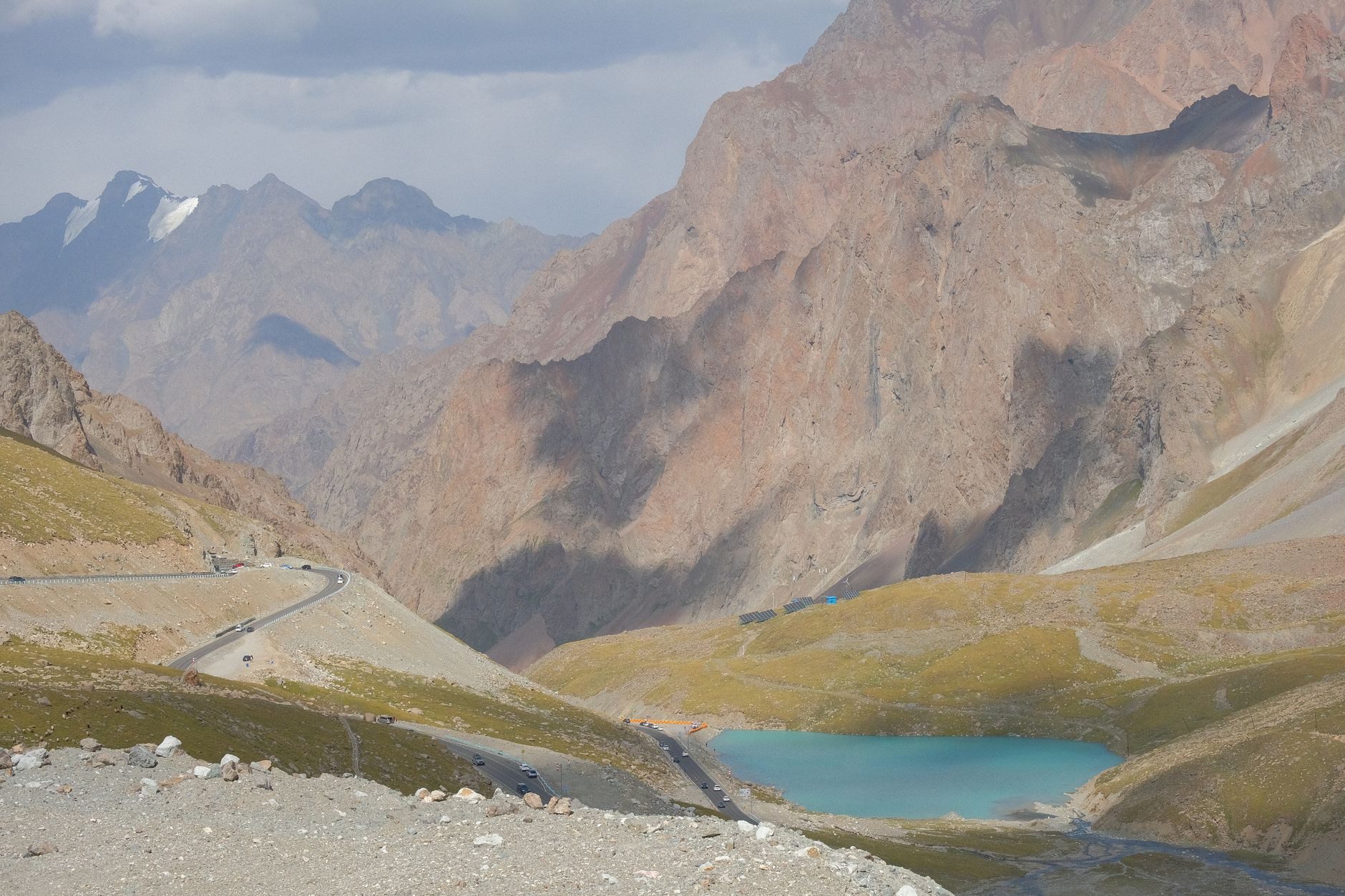
Tajikistan is the roof of Central Asia: a rugged, landlocked fortress where mountains cover ninety-three percent of the national territory and more than half the country sits above three thousand meters elevation. For many international adventurers, Tajikistan is perceived solely through the prism of the Pamir Highway (the M41)—a grueling, multi-week high-altitude road expedition requiring specialized GBAO border permits, harsh acclimatization, and extreme physical endurance. Yet travellers with only a week to spare often mistakenly assume Tajikistan is inaccessible to them.
The most rewarding short expedition in Central Asia lies in western Tajikistan’s Fann Mountains and the Zarafshan River valley. Here, within a three- to four-hour drive north of Dushanbe, dramatic alpine scenery unfolds: the turquoise expanse of Lake Iskanderkul, the cascading jewel-toned waters of the Seven Lakes (Haft Kul), and the 5th-century Silk Road ruins of ancient Panjakent. Crucially, the Fann Mountains require no special border permits and feature comfortable community guesthouses. This seven-day itinerary provides a realistic, tested blueprint for hiring reliable four-wheel-drive transport, navigating mountain passes, booking village homestays, and experiencing authentic Tajik mountain hospitality.
Trip Planning Blueprint: 4WD Transport, Border Permits, and Seasons
Mastering travel in the Fann Mountains requires understanding three critical operational realities:
Permits and Visas: Unlike the eastern Pamir region (Gorno-Badakhshan Autonomous Oblast / GBAO), travelling through Dushanbe, the Fann Mountains, Iskanderkul, and Panjakent requires no special military border permits. Citizens of fifty-two nations (including the European Union, United States, Canada, Australia, and the UK) enjoy visa-free entry for tourism stays up to thirty days, while other nationalities can easily obtain an electronic tourist visa (e-Visa) online. If your total stay in Tajikistan exceeds ten working days, you must complete OVIR police registration, which reputable hotels in Dushanbe handle automatically upon check-in.
Mountain Transport Logistics: While the arterial M34 highway connecting Dushanbe to Khujand through the five-kilometer Anzob Tunnel is modern and paved, the access roads climbing into the Fann Mountains—specifically the rough track to Lake Iskanderkul and the steep dirt road ascending through the Seven Lakes—are unpaved, boulder-strewn gravel tracks with steep drop-offs and river fords. Standard passenger cars cannot navigate these valleys. You have two options: hiring a private four-wheel-drive vehicle (such as a Toyota Land Cruiser or robust UAZ Bukhanka van) with an experienced local mountain driver, or taking shared 4WD jeeps from Dushanbe’s Cementzavod station to Sarvoda or Panjakent and chartering local village drivers onward. For a seven-day trip, booking a dedicated 4WD vehicle and driver provides essential flexibility and reliability.
Seasons and Climate: The prime window for exploring the Fann Mountains spans from June through late September. During these summer months, high mountain passes are clear of snow, daytime temperatures in the mountain valleys range from twenty to twenty-six degrees Celsius, and all seven lakes are fully accessible. In Dushanbe, July and August can bring intense heat (exceeding thirty-eight degrees), making the cool mountain elevations a welcome relief. Autumn (October) brings golden foliage to the walnut and apricot orchards of the Shing Valley, but evening temperatures plummet near freezing. Winter turns Iskanderkul into an icy landscape and closes upper dirt tracks to the higher lakes.
| Day / Stage | Base | Highlights | Transport Mode | Transit Time | Advance Booking Requirement |
|---|---|---|---|---|---|
| Day 1 | Dushanbe | Arrival at Dushanbe Airport (DYU), Rudaki Park, Somoni monument, National Museum, tea house | Airport Taxi / Private Car | 20 mins airport transfer | Dushanbe hotel reservation |
| Day 2 | Lake Iskanderkul | Scenic M34 drive via Anzob Tunnel, Lake Iskanderkul, Snake Lake, hike to Fan Niagara waterfall | Private 4WD Vehicle | 3.5 hrs mountain drive | Iskanderkul cabin booking |
| Day 3 | Panjakent | Morning lake walk, scenic drive down Zarafshan valley to Panjakent, UNESCO Sarazm ruins | Private 4WD Vehicle | 3 hrs valley highway | Panjakent hotel / driver booking |
| Day 4 | Panjakent | Ancient Sogdian citadel of Bunjikath, Rudaki Museum, bustling central bazaar and non bread | Local Walking / Taxi | Local city transit | Archaeological site entry ticket |
| Day 5 | Seven Lakes (Nofin) | Ascend Shing Valley past Lakes 1 to 4, arrive in Nofin village, traditional homestay check-in | Private 4WD Vehicle | 2 hrs rough mountain track | Community homestay reservation |
| Day 6 | Seven Lakes / Dushanbe | Hike to upper Lakes 5, 6, and 7 (Hazorchashma), scenic return drive through Anzob to Dushanbe | 4WD Vehicle & Trail Hike | 5.5 hrs scenic return drive | Packed mountain trail lunch |
| Day 7 | Dushanbe departure | Morning visit to Navruz Palace, souvenir shopping at Mehrgon Market, outbound flight | Private Car / Taxi | 25 mins airport transit | Outbound flight check-in |
Day 1: Dushanbe: Neoclassical Avenues, Golden Arches, and Teahouse Culture
Your journey begins in Dushanbe, Tajikistan’s green and spacious capital. Surrounded by the Hissar mountain range, Dushanbe has evolved from a sleepy village named after its Monday market (*dushanbe* means Monday in Tajik) into a grand central Asian city of wide plane-tree boulevards, pastel government palaces, and expansive public gardens.
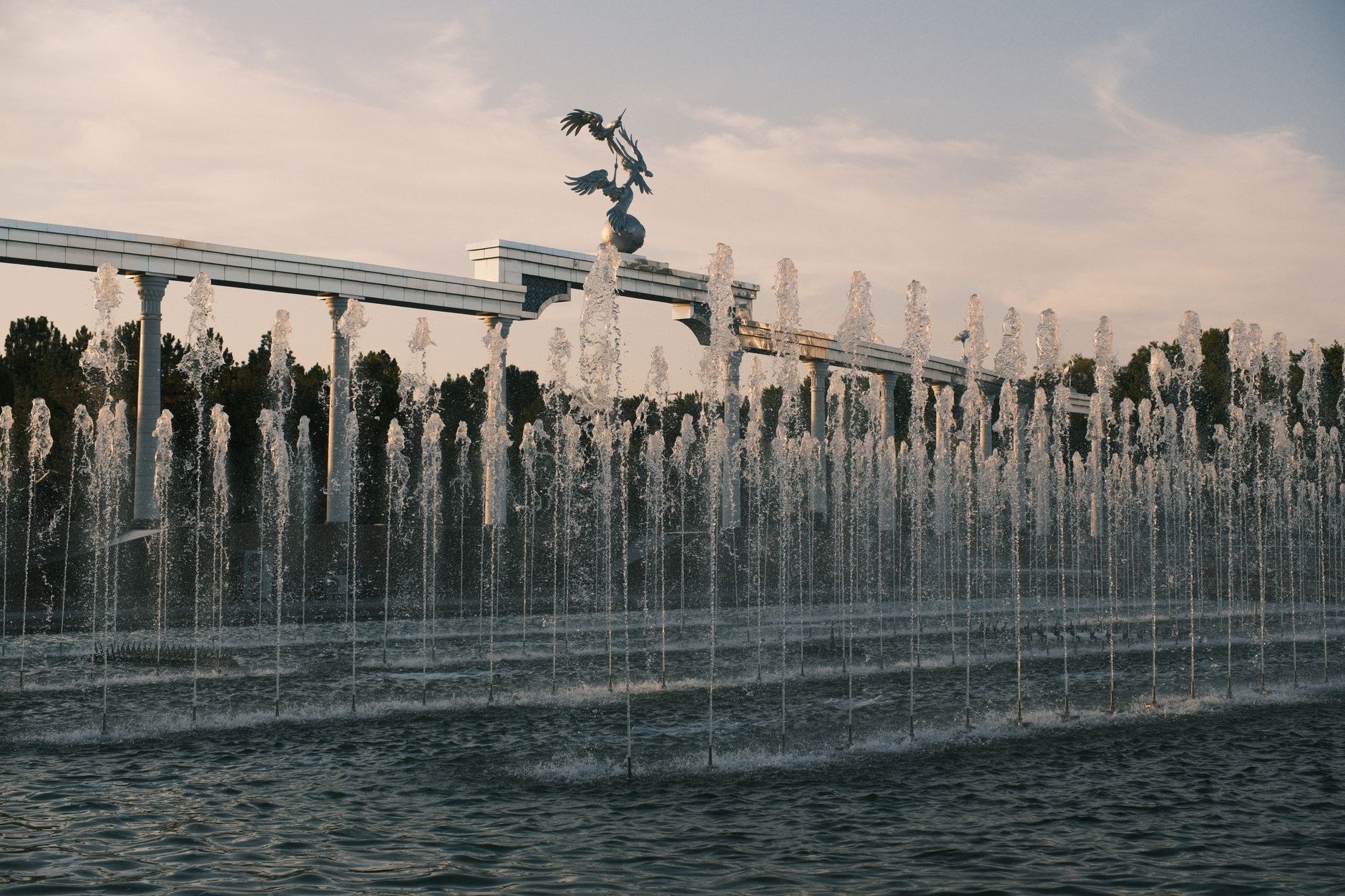
Begin your walking tour at Rudaki Park, named after the 9th-century Persian poet Abu Abdallah Rudaki. In the adjacent square stands the monumental bronze statue of Ismail Somoni, the founder of the medieval Samanid Empire, framed by a soaring forty-three-meter arch coated in pure gold leaf. Nearby, visit the National Museum of Tajikistan to admire its extraordinary archaeological treasures, including the famous thirteen-meter-long reclining clay Buddha in Nirvana excavated at Ajina Tepe, dating from the 7th century AD.
In the afternoon, experience the cornerstone of Tajik social life: the *chaikhona* (teahouse). Visit the celebrated Rohat Teahouse on Rudaki Avenue, an open-sided pavilion constructed in 1958 featuring hand-carved cedar pillars, painted floral ceilings, and wooden *topchans* (raised dining platforms). Remove your shoes, sit cross-legged on colorful quilted cushions (*kurpacha*), and sip hot green tea (*kok-choi*) served in ceramic bowls with lemon and rock sugar.
Day 2: Crossing the Anzob Pass to Alpine Lake Iskanderkul
Meet your four-wheel-drive driver early in the morning and head north along the M34 highway. Leaving the Dushanbe basin behind, the road traces the rushing Varzob River through dramatic granite canyons before climbing toward the high-altitude wall of the Hissar Range.
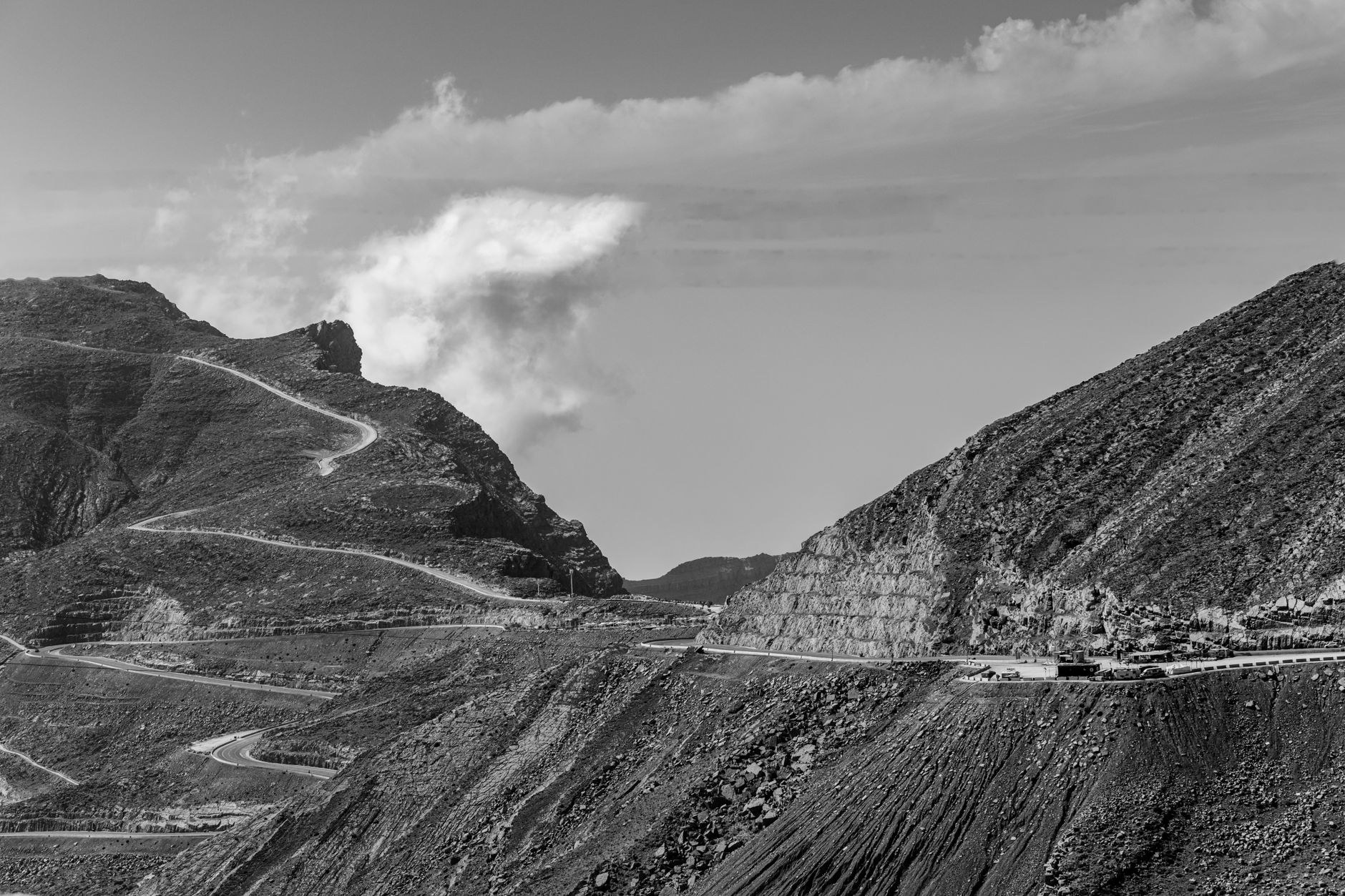
Pass through the historic five-kilometer Anzob Tunnel at 2,700 meters altitude. Once nicknamed the “Tunnel of Death” due to poor ventilation and flooded potholes, the tunnel was fully modernized with proper lighting, asphalt surfacing, and ventilation shafts, reducing a treacherous four-hour pass crossing to a ten-minute drive. Emerging on the northern side, descend into the Zarafshan river catchment and turn onto the unpaved track climbing into the Fann Mountains.
After thirty kilometers of rough gravel road, the majestic turquoise expanse of Lake Iskanderkul opens before you at 2,195 meters altitude. Named after Alexander the Great, who passed through Sogdiana during his 4th-century BC Persian campaign, the lake is framed by the towering snowy pyramid of Mount Gazmar and barren limestone cliffs.
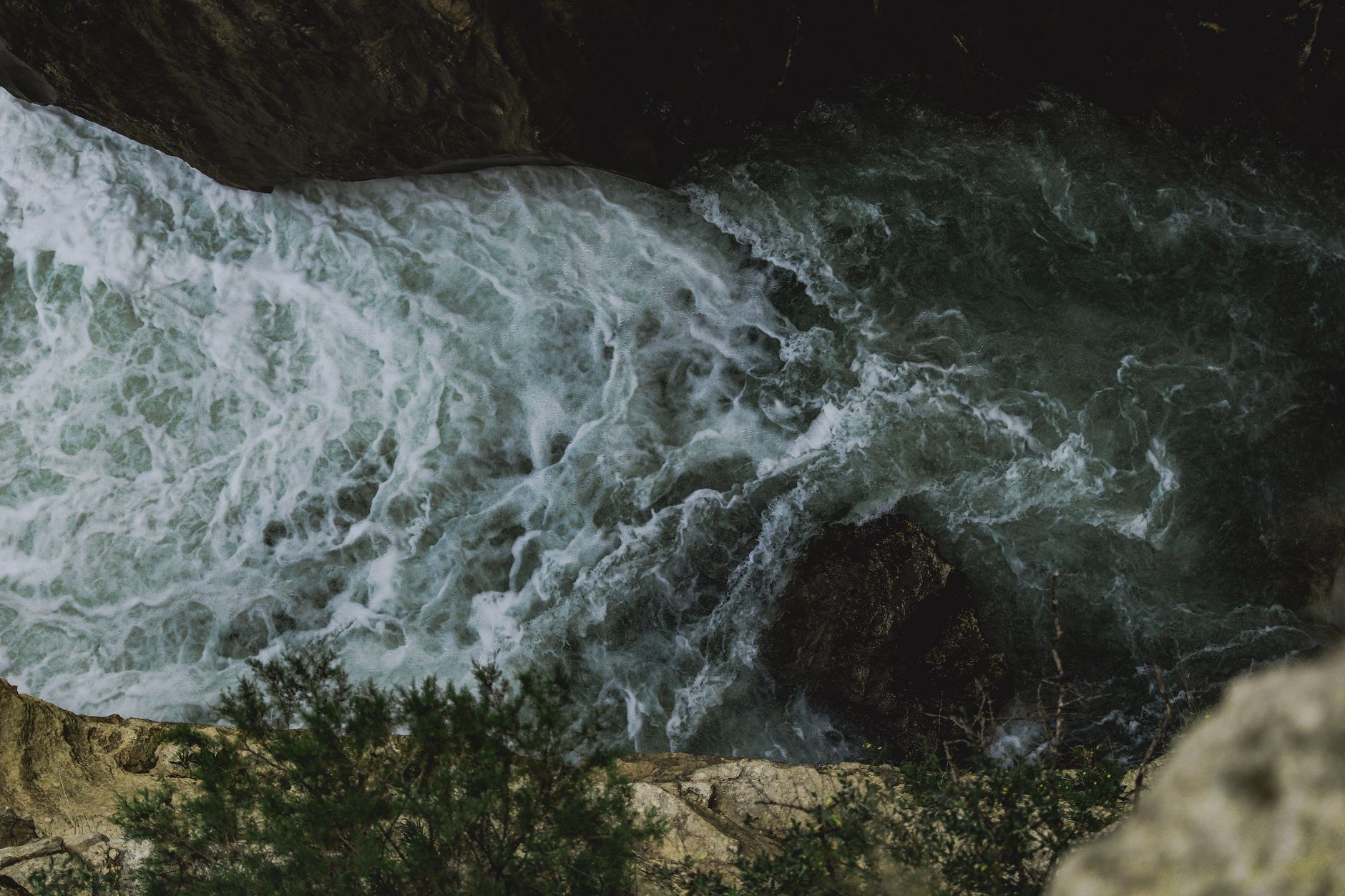
Check into a lakeside cabin or rustic tourist camp. In the afternoon, take an easy walk along the trail following the Iskander River gorge to the “Fan Niagara” waterfall. A steel viewing platform cantilevered over the abyss lets you look directly down into the thundering forty-three-meter cascade, where glacier-fed waters violently crash through a narrow rock slit, sending plumes of cold mist into the canyon air.
Days 3–4: Panjakent: Ancient Sogdian Citadels and Silk Road Archaeology
On morning three, take a peaceful dawn stroll around Snake Lake (Zmeyinoye Ozero), a warmer, reed-fringed lagoon adjacent to Iskanderkul, before boarding your vehicle for the three-hour descent down the Zarafshan valley westward toward Panjakent, situated near the Uzbek border.
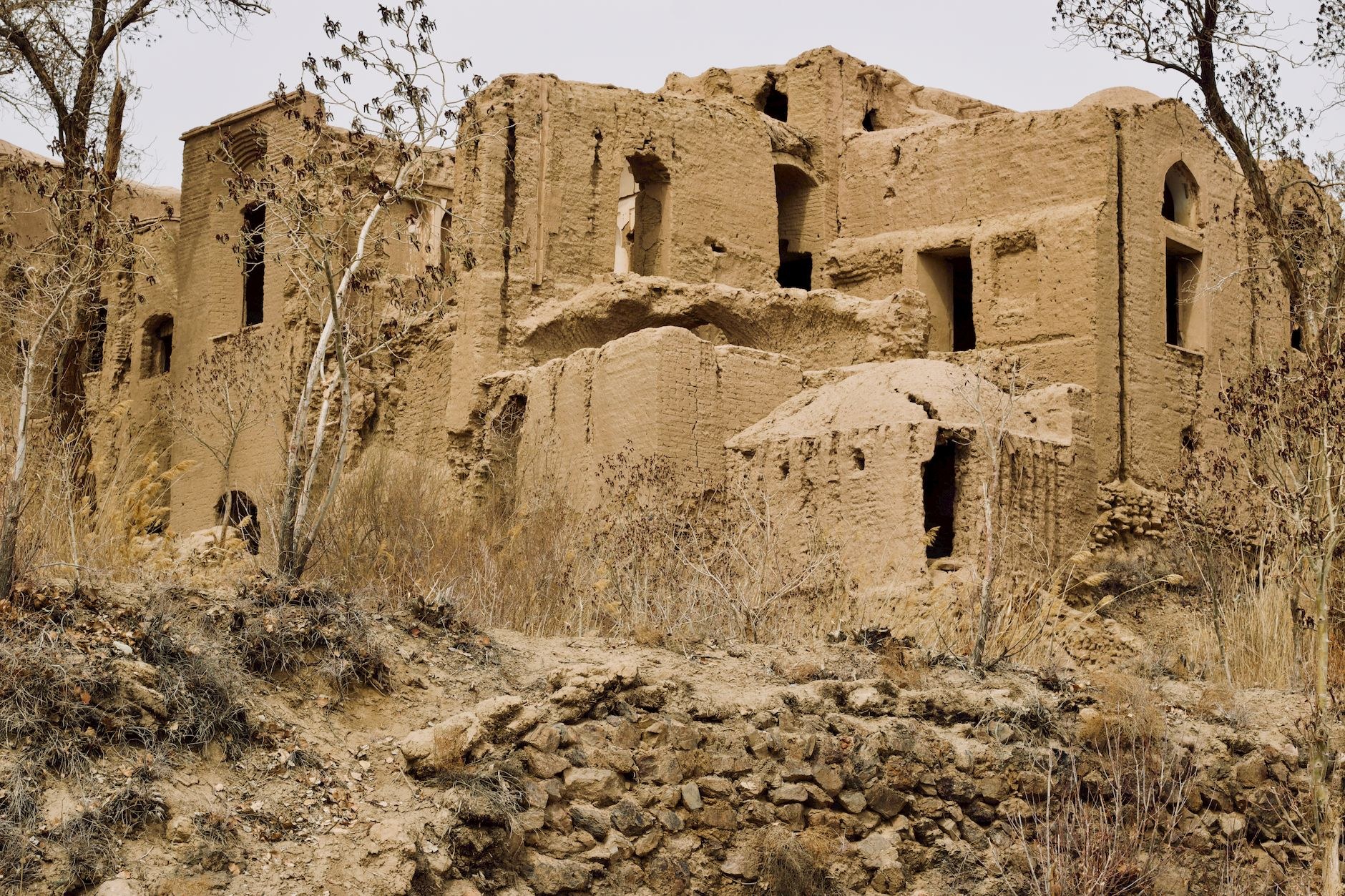
Panjakent was once the flourishing capital of the Sogdian principality of Panch, thriving as an essential merchant stop on the Silk Road between Samarkand and China from the 5th to the 8th century AD. Spend your afternoon exploring ancient Panjakent (Bunjikath), perched on a windswept plateau above the modern town. Walk through the excavated maze of two-story mudbrick aristocratic mansions, Zoroastrian fire temples, and fortified citadel ramparts.
The city was abandoned abruptly following the Arab conquest in 722 AD, preserving remarkable wooden carvings and painted stucco murals showing Sogdian banquets, warrior combats, and mythical beasts. Visit the Rudaki Historical-Local Lore Museum in town, which displays original 8th-century frescoes alongside exquisite artifacts excavated from nearby Sarazm, a UNESCO-listed proto-urban farming settlement dating back 5,500 years.
On day four, immerse yourself in local culture at the bustling Panjakent Central Bazaar. Browse circular stalls piled high with golden rounds of freshly baked Tajik *non* flatbread stamped with decorative solar motifs, dried apricots, wild mountain walnuts, and jars of dark amber honey harvested from highland hives.
Days 5–6: The Seven Lakes of Haft Kul: Alpine Turquoise Waters and Village Homestays
Day five begins the most spectacular natural segment of the journey: ascending the Shing Valley into Haft Kul (the Seven Lakes), a chain of seven glacial lakes cascading down a dramatic forty-kilometer rocky mountain gorge.
Each lake sits at a progressively higher altitude, possessing a unique mineral concentration that creates distinct shades of water shifting from light turquoise to deep sapphire and ink-black. You pass Lake 1 (Mijgon, 1,640m), renowned for its vivid turquoise hue and shimmering reflections, followed by Lake 2 (Soya), Lake 3 (Hushyor), and Lake 4 (Nofin, 1,820m), which stretches over two kilometers along the valley floor.
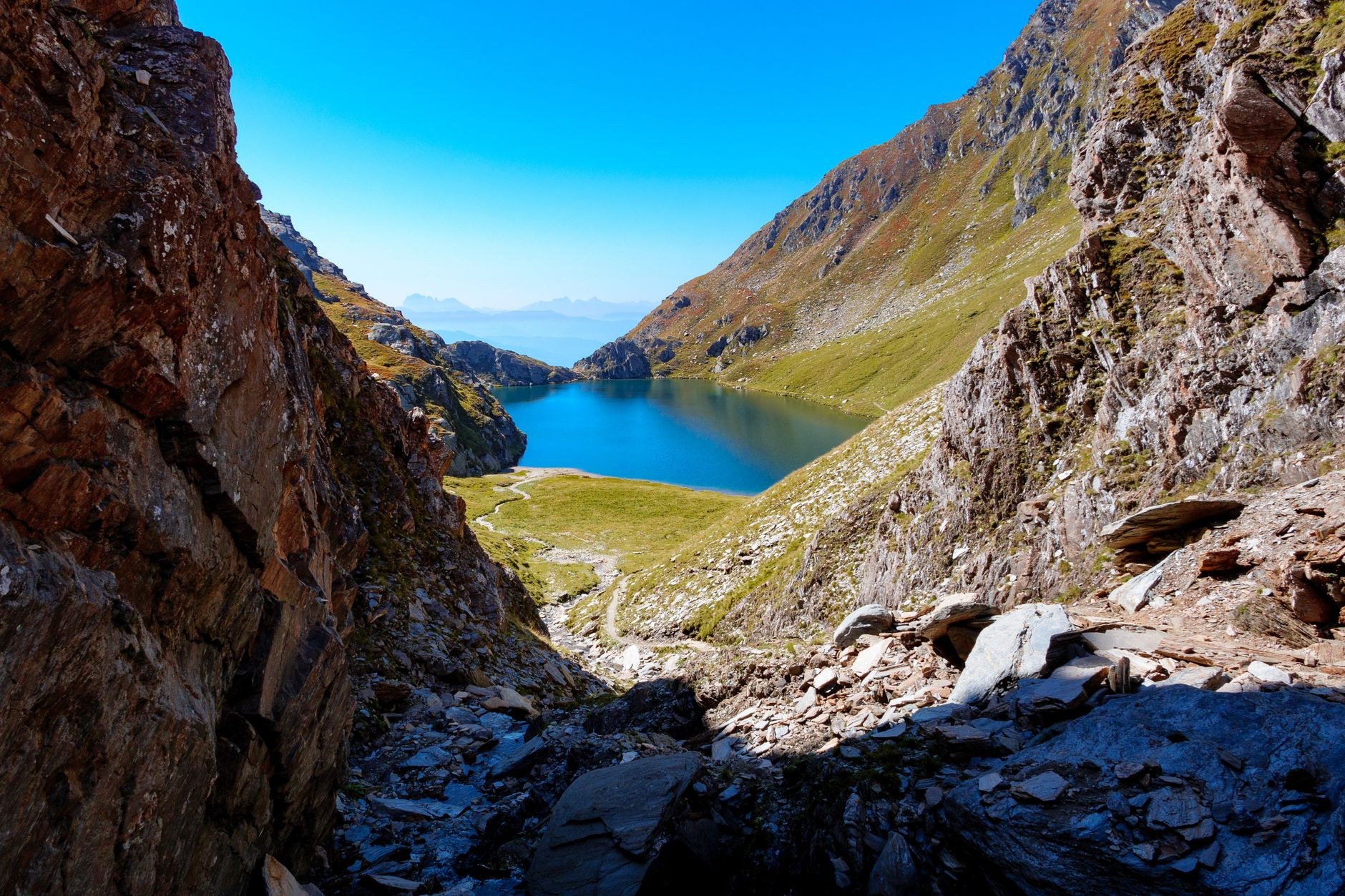
Check into a family-run homestay in Nofin village. Constructed of rough-hewn mountain stone and timber, these traditional guesthouses offer authentic rural hospitality: clean shared sleeping rooms laid with thick wool quilts on traditional raised platforms, home-cooked dinners of hot vegetable soup and freshly baked bread, and warm samovars of green tea served beside roaring wood-fired stoves.
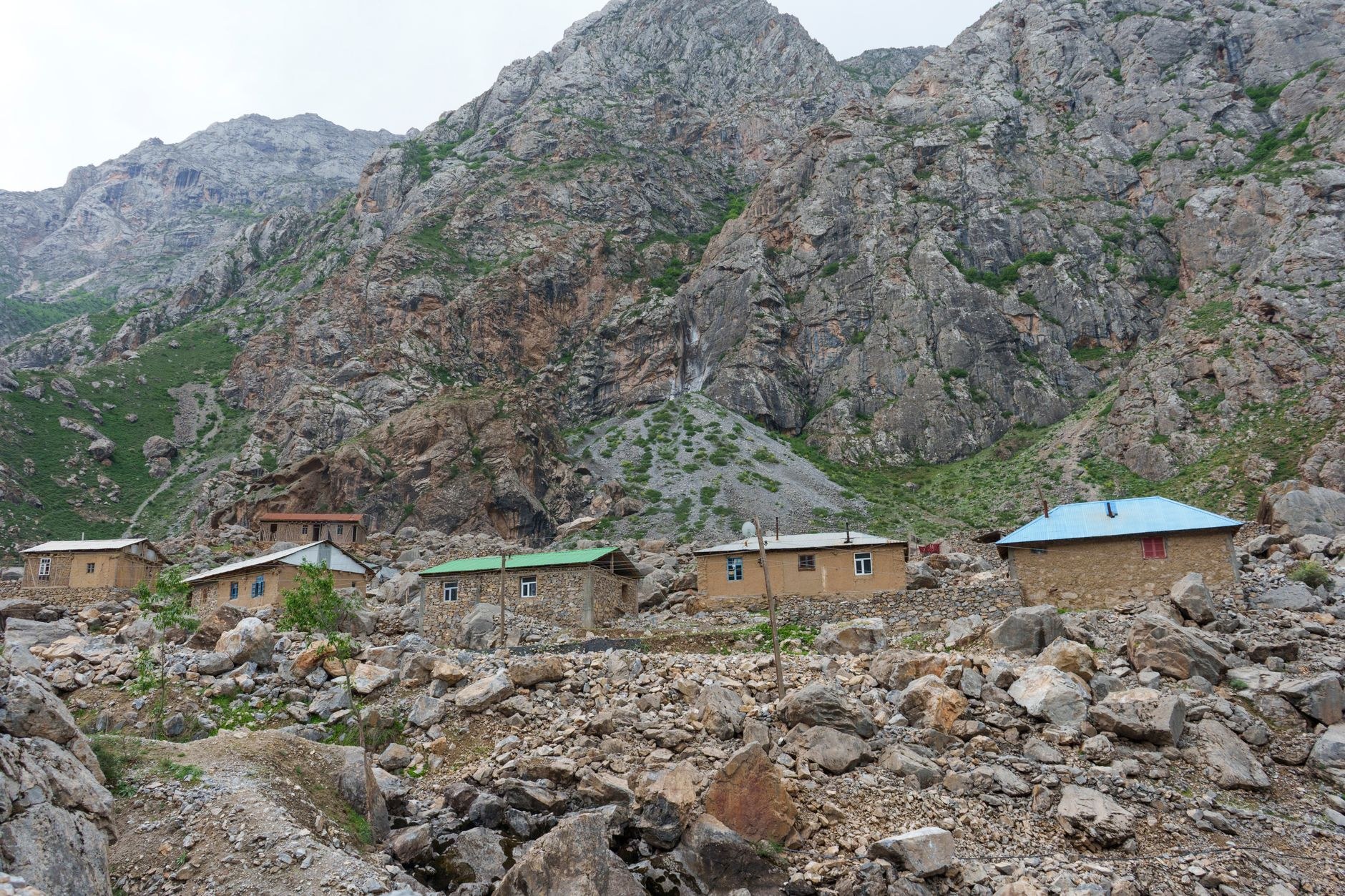
On day six, your 4WD driver climbs the rugged unpaved switchbacks past Lake 5 (Khurdak) to Lake 6 (Marguzor, 2,140m), the largest and deepest of the lakes, surrounded by steep shale cliffs. From Marguzor, embark on a scenic two-hour trek up the river valley to Lake 7 (Hazorchashma, 2,400m), meaning “A Thousand Springs.” Fed by rushing mountain streams and melting glaciers, this pristine alpine tarn marks the end of the motorized track. After a picnic lunch on the grassy shores, begin the scenic return drive down the valley and south through the Anzob Tunnel back to Dushanbe.
Culinary Traditions: Osh Plov, Qurutob, and Mountain Hospitality
Tajik cuisine is an ancient culinary tradition designed to fuel mountain pastoralists and Silk Road merchants with nourishing grains, hearty meats, and fermented dairy.
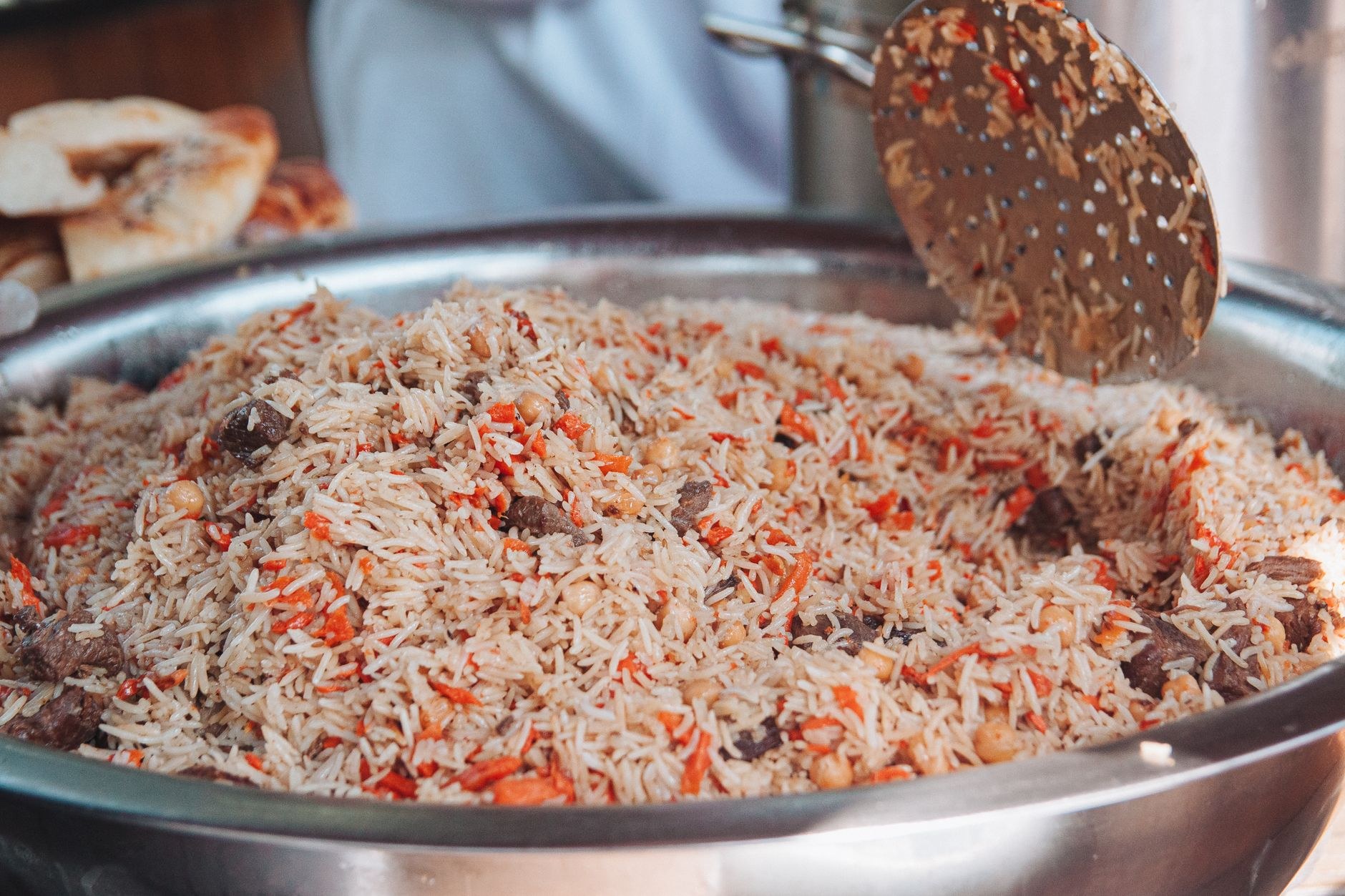
The culinary king of Tajikistan is *osh* (plov). Every major gathering, wedding, and family meal centers around a massive cast-iron *qazan* where medium-grain Devzira rice is slowly simmered with tender mutton, rendered lamb tail fat (*dumba*), sweet yellow carrots, chickpeas, cumin seeds, and whole heads of unpeeled garlic. Served on vast communal ceramic platters, it is traditionally scooped up using pieces of flatbread or your fingers.
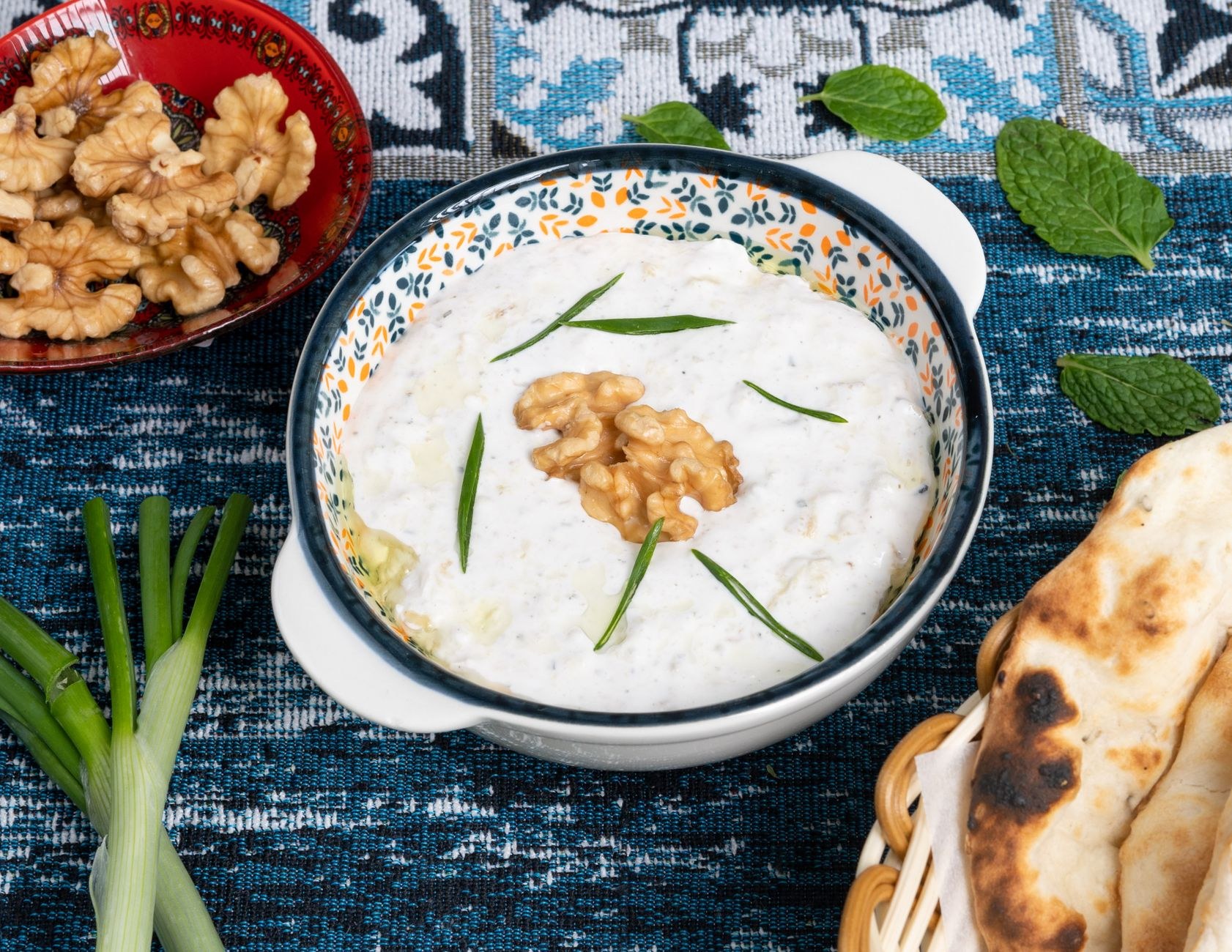
However, the true national dish unique to Tajikistan is *qurutob*. Prepared in a wide, shallow dish hand-carved from seasoned walnut wood, crispy layers of paper-thin flaky flatbread (*fatir*) are torn into bite-sized pieces and drenched in a warm, savory sauce made from *qurut* (dried sour yogurt balls reconstituted with water). The dish is topped with sizzling onions fried in flaxseed or cotton oil, fresh chopped cilantro, basil, and fiery green peppers. Communal and intensely flavorful, eating qurutob with local hosts is an essential cultural rite of passage.
Mobile Connectivity and Digital Logistics in Tajikistan
Staying connected in Tajikistan is essential for coordinating rural 4WD pickups, checking high-altitude weather conditions, translating Russian and Tajik signs, and navigating offline maps through the Fann valleys. In Dushanbe, Panjakent, and along the M34 highway, 5G and 4G LTE connections operate with impressive speed, though mobile coverage in deep valleys like Shing is concentrated around village clusters.

Rather than queuing at crowded mobile shops in Dushanbe to complete bureaucratic SIM registration with your passport and IMEI number, configure an eSIM before your journey. The NXTL Tajikistan eSIM connects directly to tier-1 national networks—ZET Mobile and TT Mobile (MegaFon)—delivering dependable 5G and 4G coverage. At an affordable rate of $1.59 per gigabyte, NXTL features a flexible pay-as-you-go billing model with no daily expiration limits. Your balance never expires, meaning remaining data credits remain stored in your digital account for future travels across 180+ countries.
Travel Scams and Mountain Road Pitfalls to Avoid
Tajikistan is a deeply hospitable and safe country for foreign travellers, with violent crime almost nonexistent. However, navigating rural mountain logistics requires awareness of several common traps:
- The “Special Fann Mountain Permit” Scam: Freelance touts around Dushanbe shared taxi stands occasionally approach foreign tourists, claiming that visiting Lake Iskanderkul or the Seven Lakes requires an expensive “military nature permit” costing fifty US dollars. The Fann Mountains require no special permits whatsoever. Only the eastern Pamir region (GBAO) requires permits. Politely decline and walk away.
- Shared Taxi Overcharging at Cementzavod: When boarding shared 4WD jeeps at Dushanbe’s northern Cementzavod terminal, drivers may attempt to charge tourists double or triple the standard per-seat rate for rides to Sarvoda or Panjakent. Clarify whether the quoted price is per seat or for the entire vehicle before placing luggage in the trunk, or have your hotel reception book a trusted driver.
- Unofficial Police “Registration” Inspections: Traffic police officers at highway checkpoints occasionally flag tourist vehicles, asking to inspect foreign passports and falsely claiming that tourists staying fewer than ten days must pay an on-the-spot “fine” for missing OVIR registration. Remind them politely that foreign tourists on visa-free or e-Visa status have ten working days before registration is legally required.
- Street Currency Exchange Short-Changing: Unofficial money changers near markets in Dushanbe or Panjakent may offer tempting rates for US Dollars but slip torn, obsolete, or short-counted Somoni notes into the stack. Always exchange currency at official commercial bank branches (such as Alif Bank or Spitamen Bank) where printed receipts are provided.
- Unregulated 4WD Breakdowns in Shing Valley: Low-cost private drivers hired on the street may operate older passenger sedans or unmaintained 4WDs lacking essential tools, spare tires, or high clearance. The upper tracks between Lake 4 and Lake 7 feature sharp rocks and river crossings. Verify your driver has a robust 4WD vehicle with working high-clearance suspension before departing Panjakent.
By organizing reliable four-wheel-drive transport, respecting mountain communities, and maintaining dependable digital connectivity, your journey through Tajikistan’s Fann Mountains will deliver an extraordinary, untamed Central Asian mountain adventure.