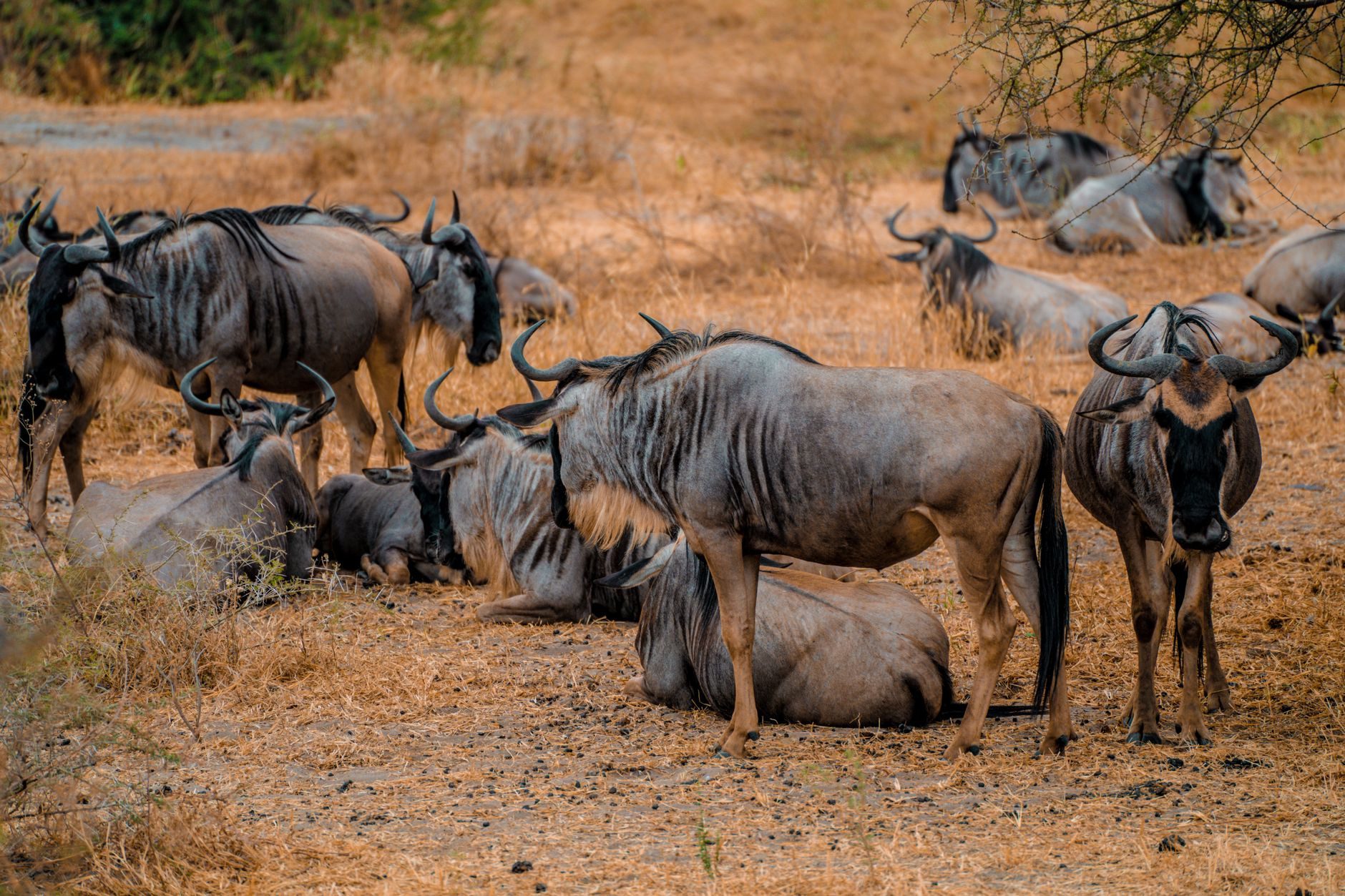
Tanzania represents the pinnacle of African wildlife spectacles. Here, prehistoric volcanic calderas shelter endangered black rhinos, vast baobab forests echo with the rumblings of multi-generational elephant herds, and over 1.5 million blue wildebeest traverse the golden plains of the Serengeti in an endless search for fresh grazing. Just an hour’s flight to the east, the spice-scented coral stone labyrinth of Zanzibar opens onto blinding white sandbars and warm, turquoise Indian Ocean waters.
Yet orchestrating a seamless Tanzanian journey demands careful logistical navigation. Many travelers make the exhausting mistake of booking overland return drives from the deep northern Serengeti back to Arusha—spending 10 punishing hours on washboard gravel—or get turned away by bush planes due to hard-shell rolling luggage. This guide details a battle-tested 12 to 14-day Northern Circuit and Zanzibar blueprint, complete with bush-flight luggage limits, crisp-dollar rules, tidal realities, and reliable mobile data.
The 12 to 14-Day Northern Circuit & Zanzibar Route at a Glance
This 12 to 14-day itinerary connects ancient rift valley savannahs, world-famous volcanic calderas, and the spice islands of Zanzibar:
| Days | Overnight Base | Key Experiences | Transit & Travel Time | Advance Booking |
|---|---|---|---|---|
| Day 1 | Arusha / Kilimanjaro Gateway (1 night) | Arrive at Kilimanjaro International (JRO), clear customs, transfer to Arusha coffee lodge, rest | JRO airport taxi to Arusha: 50–60 mins (50 km) | Pre-book lodge airport transfer |
| Days 2–3 | Tarangire National Park (2 nights) | Silale Swamp game drives, ancient giant baobab groves, massive dry-season elephant breeding herds | Drive Arusha to Tarangire: 2.5 hours (120 km paved road) | Book licensed 4×4 safari guide |
| Day 4 | Ngorongoro Crater Rim (1 night) | Descend 600m into UNESCO caldera floor, dense lion prides, hippos in Lake Magadi, black rhino tracking | Drive Tarangire to Karatu/Rim: 2.5 hours (140 km) | Crater permits issued strictly per 6-hour descent |
| Days 5–7 | Serengeti National Park (3 nights) | Seronera predator valleys, tracking Great Migration herds, dawn hot-air balloon over golden savannah, kopje lions | Drive Ngorongoro to Seronera: 3.5–4 hours through Malanja depression | Book seasonal mobile tented camp months ahead |
| Day 8 | Stone Town, Zanzibar (1 night) | Morning bush flight Seronera (SEU) to Zanzibar (ZNZ), walking tour of historic coral stone alleys, Forodhani night market | Bush flight SEU to ZNZ: 1.5–2 hours direct via Coastal or Auric Air | Crucial: Strict 15kg soft-duffel baggage limit on bush flights |
| Days 9–11 | Nungwi or Kendwa (3 nights) | Tide-free swimming beaches, traditional wooden dhow sunset sail, Mnemba Atoll coral snorkeling, fresh seafood curries | Stone Town to northern beaches: 1 hour 15 mins by private car | Reserve Mnemba snorkeling boat trip |
| Day 12 | Zanzibar (ZNZ) / Departure | Morning swim, spice farm tour en route to Abeid Amani Karume Airport (ZNZ) for international departure | Nungwi to ZNZ airport: 1 hour 20 mins | Allow 3 hours before international flights |
Short-Trip Option (8–9 Days): Skip the coast entirely to focus on an intensive 8-day Northern Circuit: 2 nights Tarangire, 1 night Ngorongoro, 4 nights Serengeti (flying directly from Seronera back to Kilimanjaro Airport for your flight home).
Long-Trip Extension (16–18 Days): Add a 6-to-7-day high-altitude trek up the Machame or Lemosho routes of Mount Kilimanjaro before starting your safari, or add Lake Manyara for tree-climbing lions and canoeing.
Tarangire: The Land of Baobabs and Elephant Herds (Days 2–3)
Leaving Arusha, your safari begins in Tarangire National Park. While often treated as a brief stopover on the way to the Serengeti, Tarangire is a magnificent destination in its own right, characterized by ancient red-earth savannahs punctuated by prehistoric baobab trees that can live for over a thousand years.
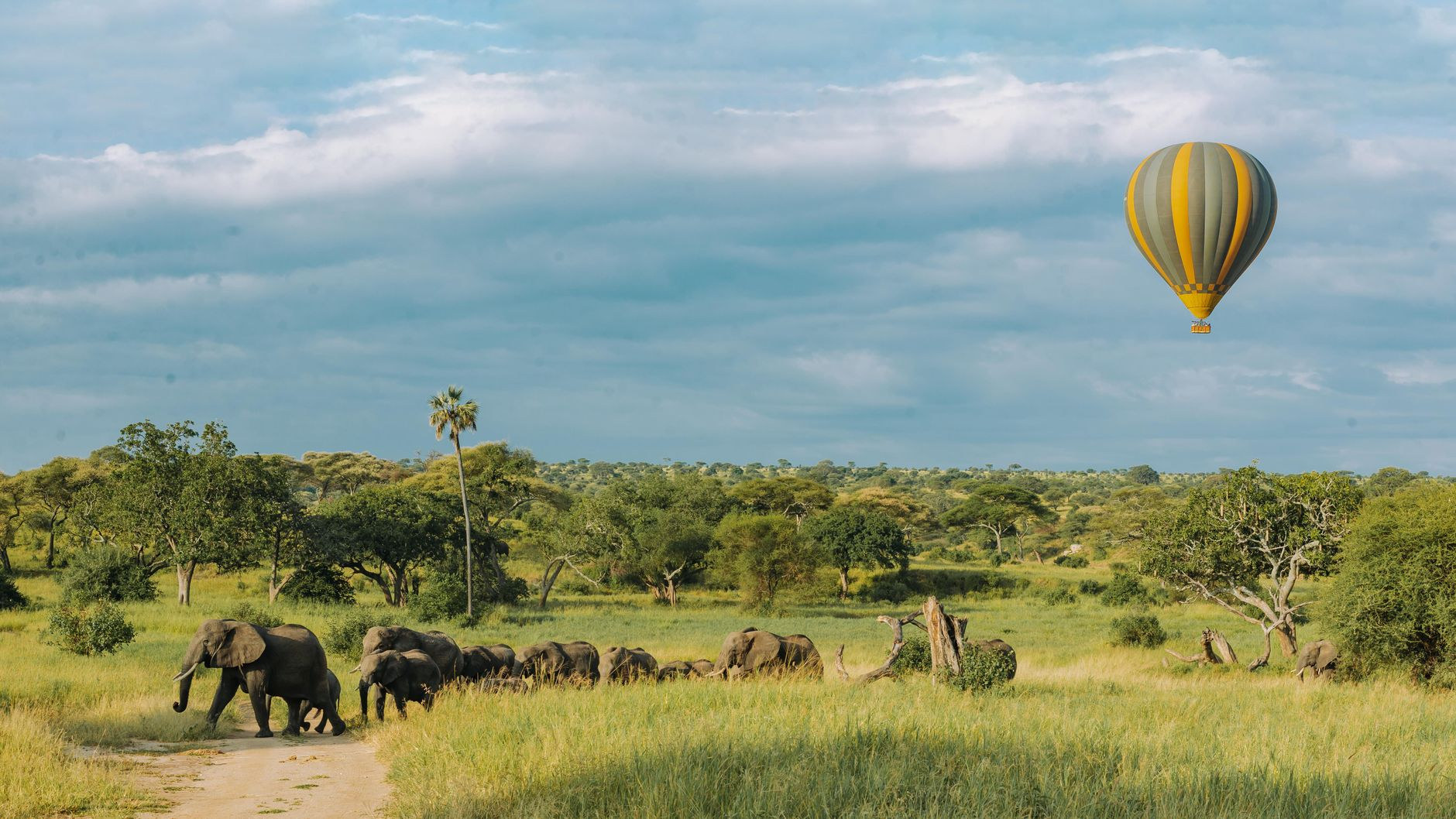
Between June and November, the Tarangire River serves as the only permanent freshwater source for miles, drawing immense congregations of wildlife. Herds of up to 300 elephants gather along the riverbanks and dig for subterranean water in dry sandy riverbeds. You will also encounter fringe-eared oryx, long-necked gerenuk gazelles, and tree-climbing lions resting among the broad branches of acacia tortilis trees.
Ngorongoro Crater: The Garden of Eden Caldera (Day 4)
Climbing the Great Rift Valley escarpment brings you into the misty rainforests of the Ngorongoro Conservation Area. The rim sits at an elevation of 2,200 meters, where evening temperatures drop sharply, requiring fleece jackets and campfires.
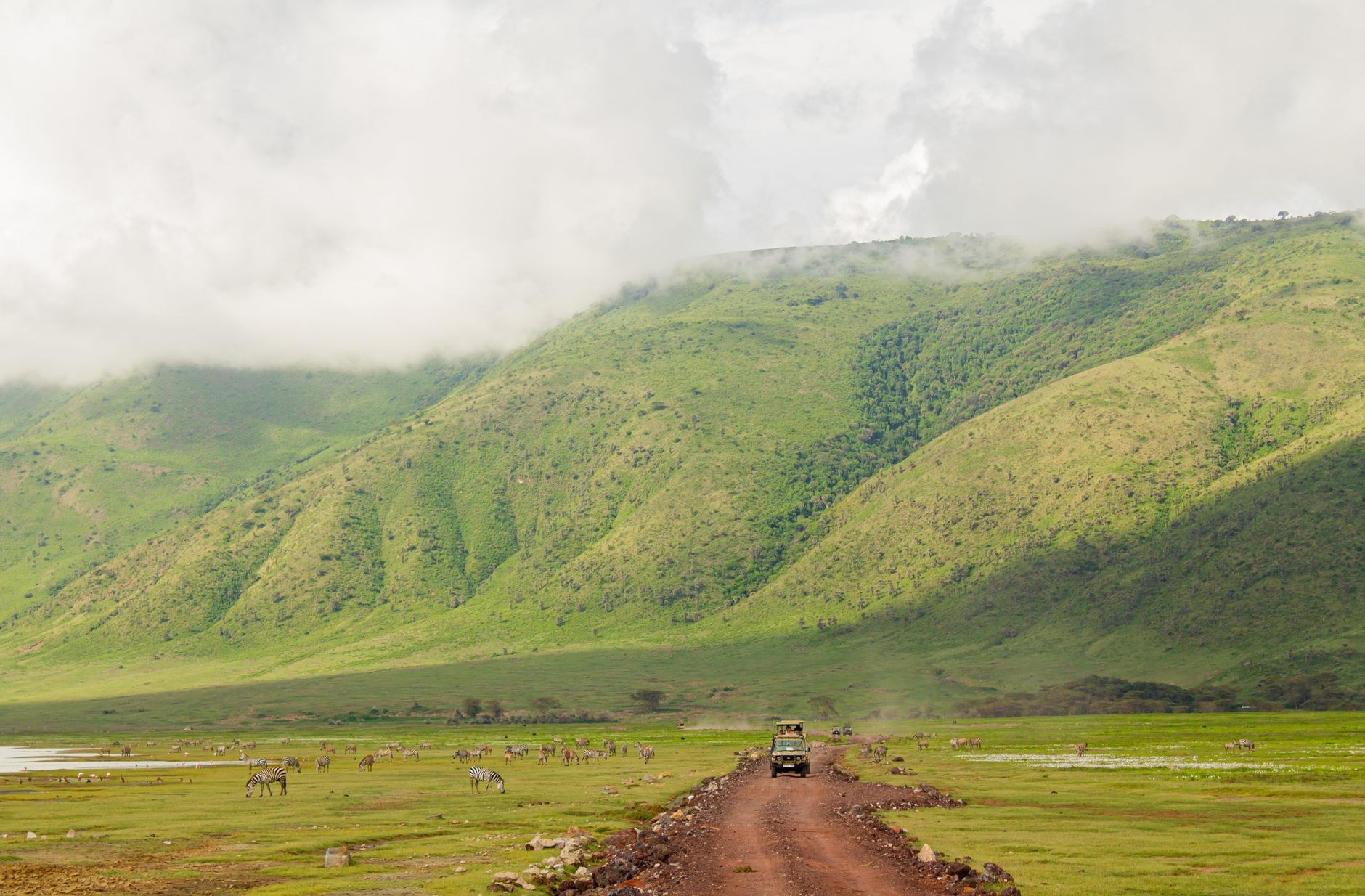
At dawn, descend 600 vertical meters down steep hairpin gravel tracks onto the 260-square-kilometer floor of the world’s largest intact volcanic caldera. Sheltered within sheer natural amphitheater walls, the crater hosts over 25,000 large mammals in an astonishingly compact ecosystem. Scan the open soda flats of Lake Magadi for thousands of pink lesser flamingos, watch spotted hyena clans sparring with resident lion prides, and search the open acacia scrub for critically endangered black rhinos (Diceros bicornis).
Serengeti National Park: The Endless Plains (Days 5–7)
From the crater highlands, descend into the vast, sweeping grasslands of the Serengeti—a word derived from the Maasai siringet, meaning "the place where the land runs on forever."
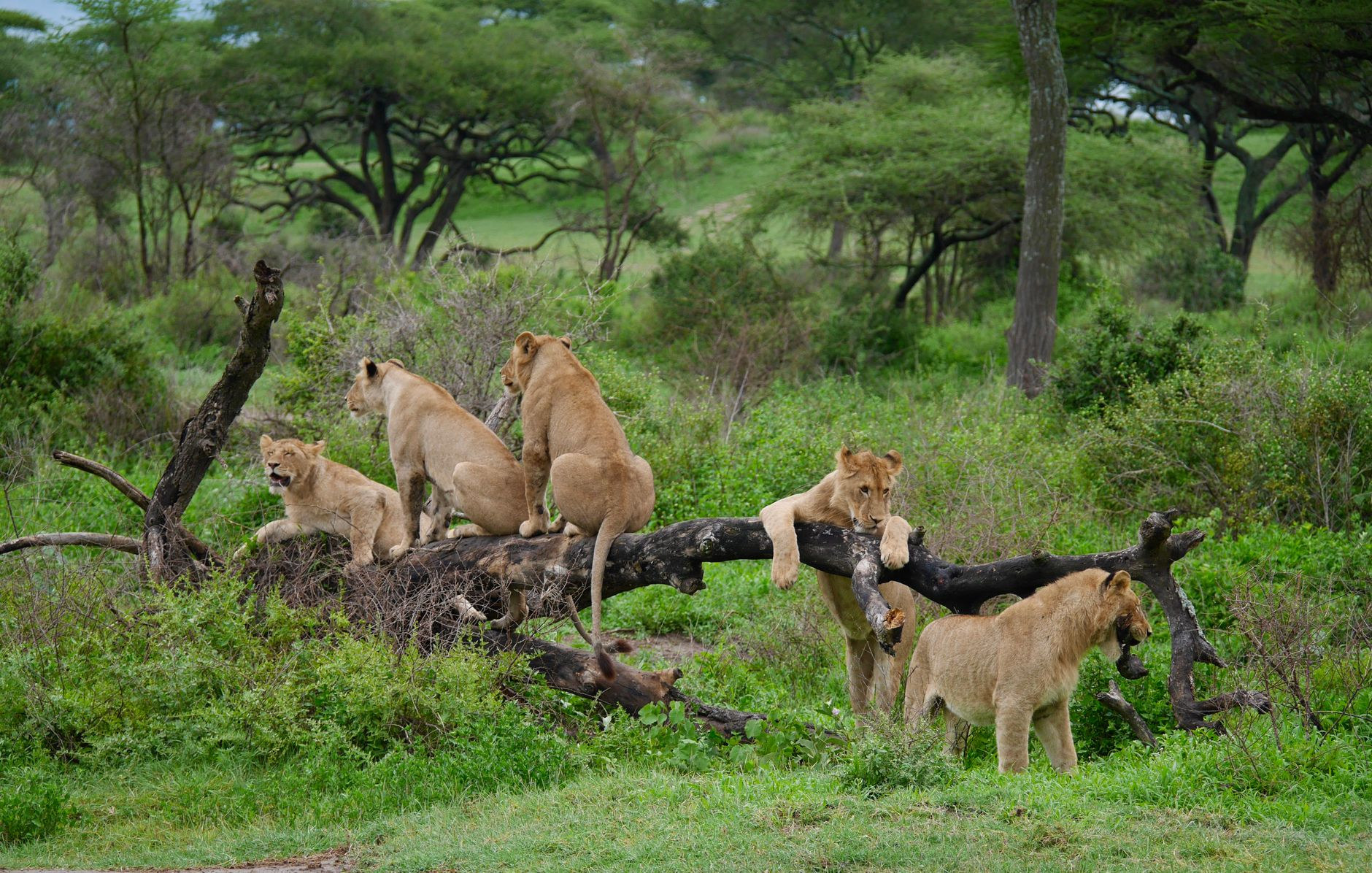
Central Seronera is renowned year-round for predator encounters, where massive granite rock outcrops (kopjes) serve as strategic sunbathing perches and hunting lookouts for lions and leopards. Between July and October, the migration moves into the Northern Serengeti, where herds plunge into the treacherous Mara River. From December to March, the herds gather on the southern Ndutu plains for the synchronized calving season, where 8,000 wildebeest calves are born every single day.
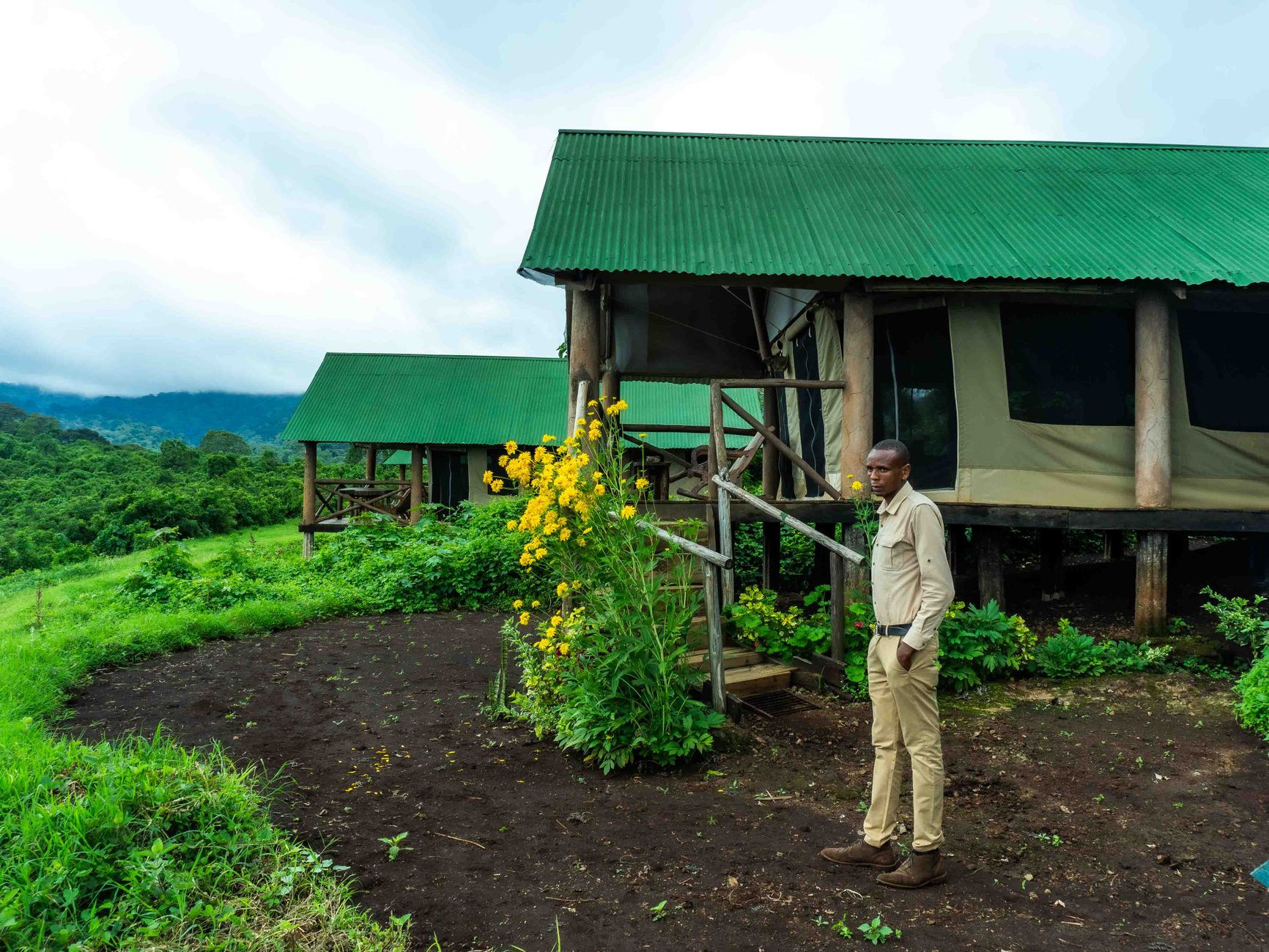
Staying in an authentic canvas tented camp immerses you completely in the rhythm of the African bush. Fall asleep to the distant sawing cough of leopards and the deep, resonant nocturnal roars of male lions patrolling their territory.
Kilimanjaro Transitions: The Roof of Africa
Rising majestically in the background of northern Tanzania stands Mount Kilimanjaro, Africa’s highest peak and the world’s tallest free-standing mountain at 5,895 meters above sea level.
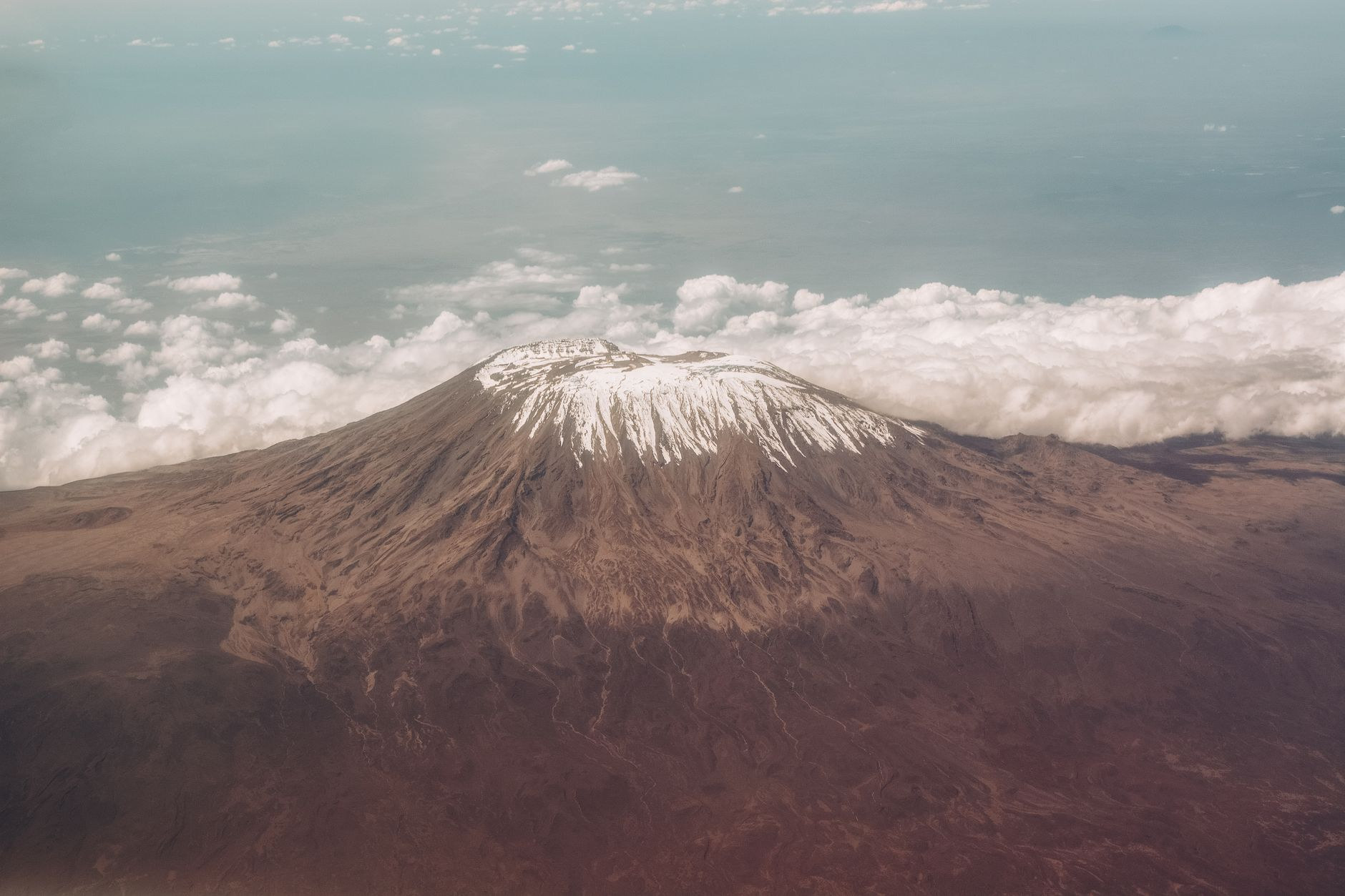
While climbing Kilimanjaro requires a dedicated 6-to-8-day mountain expedition, clear morning skies from Arusha and Kilimanjaro International Airport (JRO) offer breathtaking views of its snow-capped volcanic crater rising above tropical lowlands. If you plan to summit Kili, schedule the climb before your wildlife safari, allowing the physical exhaustion of the mountain to dissolve during relaxed days in game drive vehicles.
Bush Flights to Zanzibar: The 15kg Soft-Duffel Bag Rule
The smartest logistical choice after your safari is boarding a regional bush flight (operated by Coastal Aviation, Auric Air, or Safari Air Link) from the Seronera (SEU) airstrip directly to Zanzibar (ZNZ). This 90-minute scenic flight bypasses an entire day of grueling overland backtracking.
The Strict Luggage Mandate: Bush flights use single-engine turboprop aircraft (primarily Cessna 208 Grand Caravans). These planes have tiny cargo belly pods that cannot accommodate rigid, hard-shell suitcases. Airlines enforce a strict maximum weight limit of 15 kg (33 lbs) per passenger, which must be packed inside soft-sided duffel bags. If you arrive with hard luggage, you will be forced to purchase a canvas duffel at the airstrip and leave your suitcase behind in Arusha.
Stone Town: Spices, Carved Doors & Swahili Heritage (Day 8)
Landing in Zanzibar, spend your first night in Stone Town, the historic Swahili trading hub built from coral stone and mangrove timber. Wander narrow, shaded pedestrian alleys past ornate 19th-century carved wooden doors decorated with brass spikes, historic Persian baths, and the childhood home of Freddie Mercury.
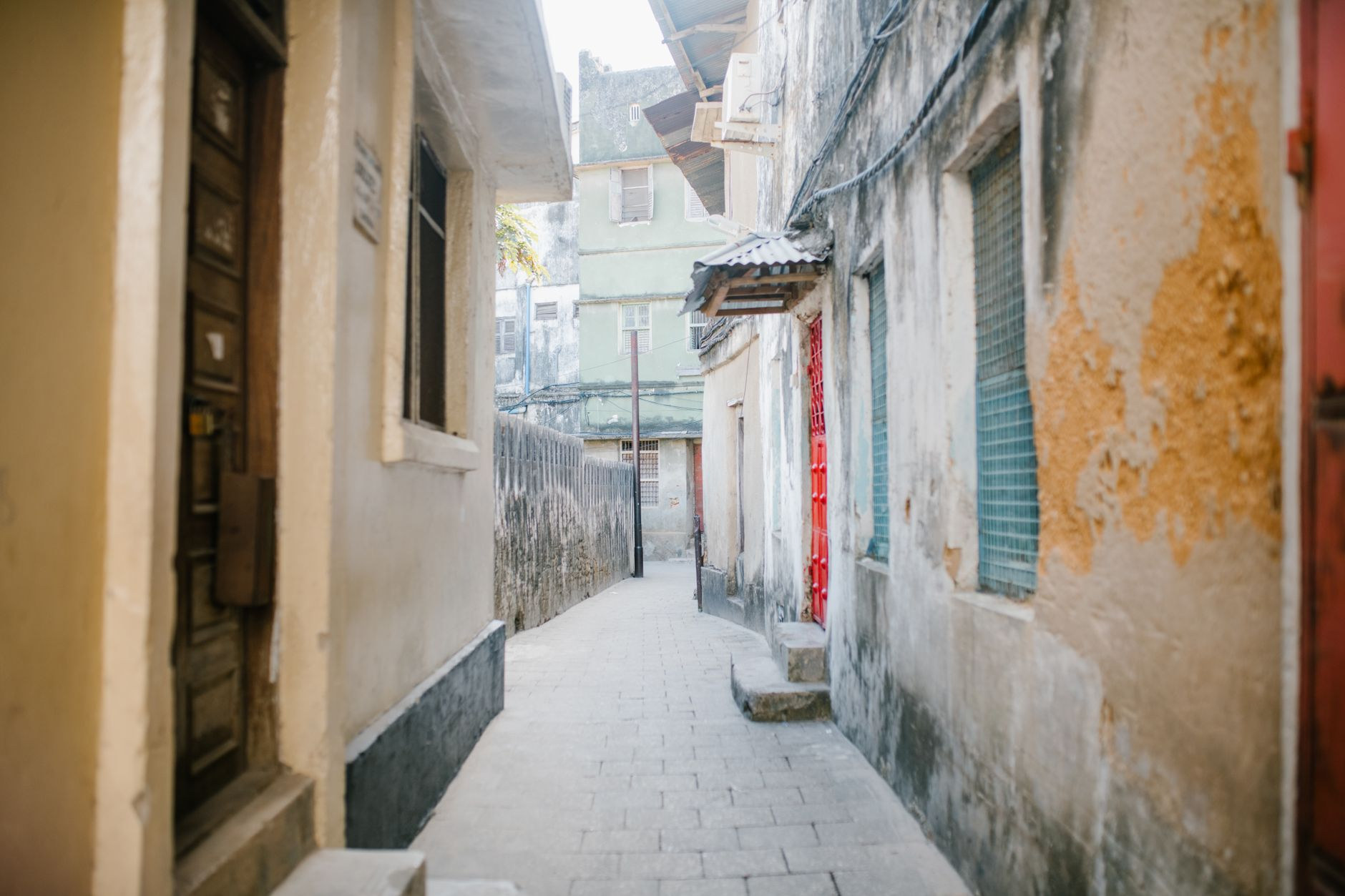
As dusk settles over the harbor, head to the Forodhani Gardens night food market along the waterfront. Local vendors fire up charcoal grills laden with freshly caught lobster tails, spiced calamari skewers, octopus stew, sugarcane juice pressed with ginger and lime, and savory "Zanzibar pizzas" fried on open griddles.
Zanzibar’s Northern Coast: Nungwi and Kendwa (Days 9–11)
From Stone Town, transfer north to the white sand beaches of Nungwi and Kendwa.
Why Northern Beaches Win: On Zanzibar’s east coast (Paje, Matemwe, Jambiani), the Indian Ocean recedes up to a kilometer at low tide, exposing shallow tidal flats where swimming is impossible for hours at a time. The northwest tip around Nungwi and Kendwa features deep coastal bathymetry, allowing comfortable swimming and turquoise water access all day regardless of the tide.
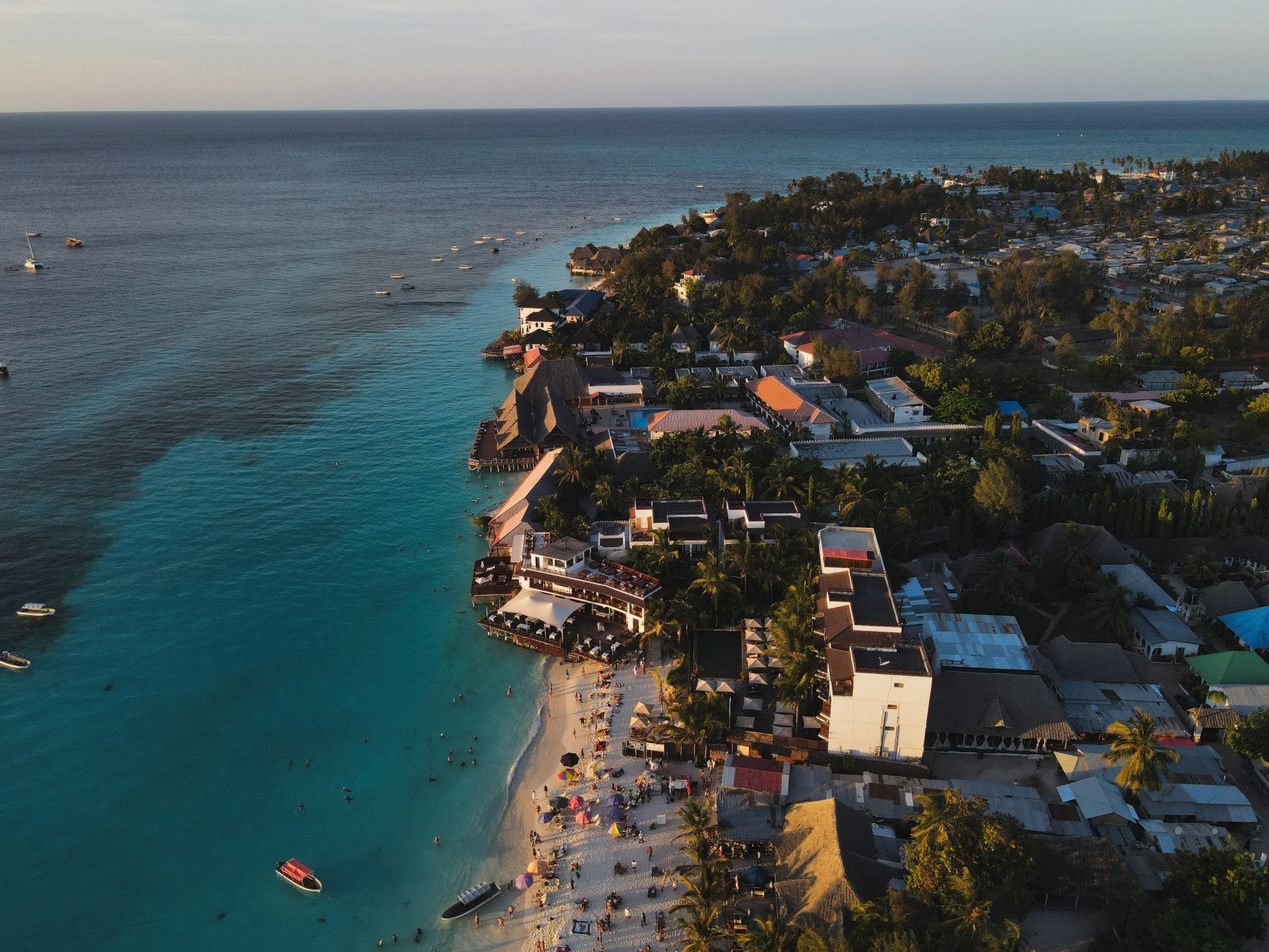
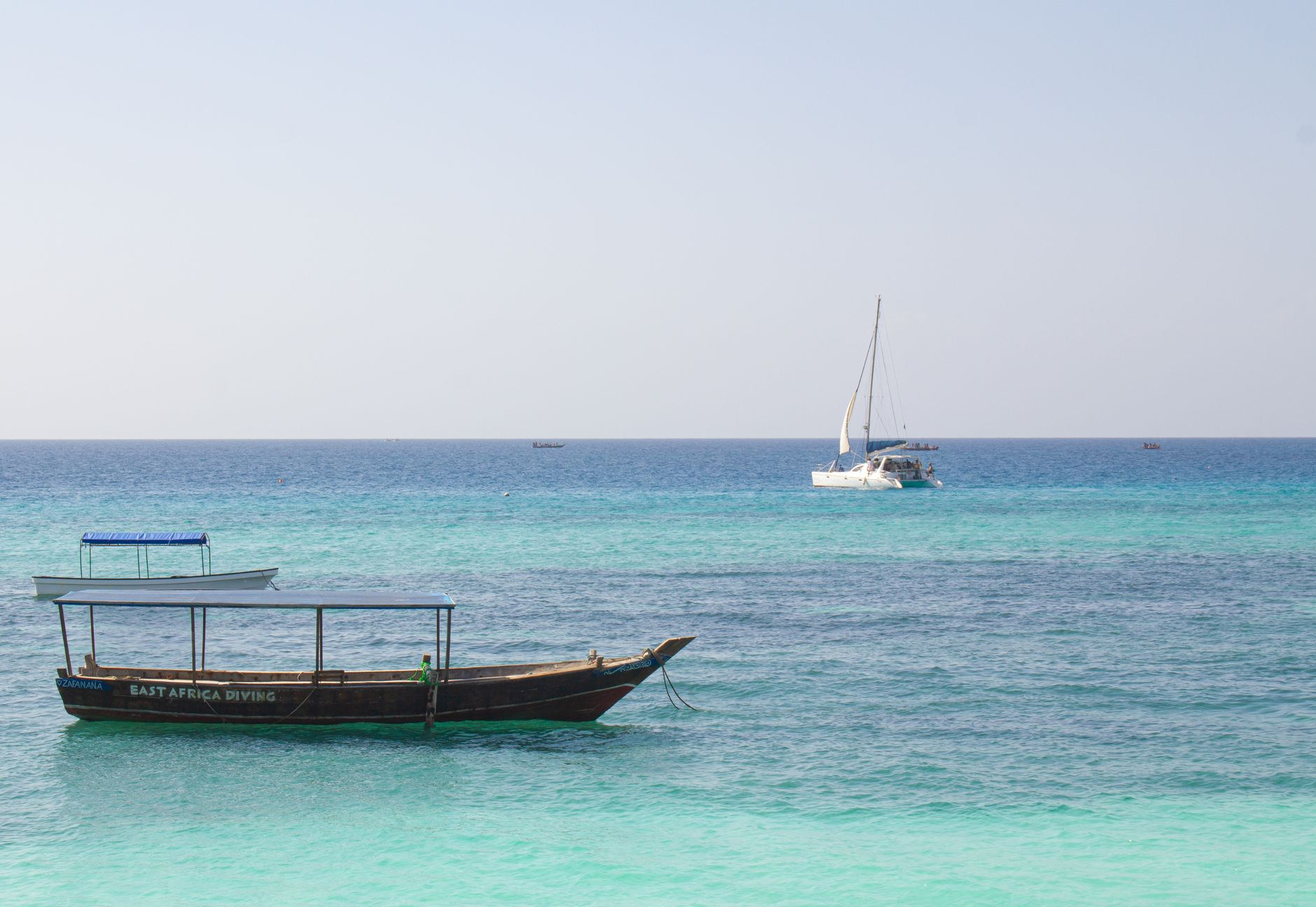
Board a traditional wooden dhow for a sunset cruise along the coast, watching triangular white canvas sails silhouette against glowing pink and orange African skies.
Post-2013 US Dollars, Beach Touts & Practical Rules
Avoid common travel hurdles in Tanzania by keeping these key regulations in mind:
- The Strict US Dollar Post-2013 Rule: Due to past counterfeiting concerns, commercial banks, safari operators, park gates, and hotels across Tanzania strictly refuse all US Dollar banknotes printed before 2013. Furthermore, notes with ink stamps, small tears, or heavy creasing will be rejected. Ensure all USD cash you bring is crisp, unblemished, and printed in 2013 or later.
- Navigating Beach Boys ("Papasi"): When walking public beaches in Zanzibar, you will encounter persistent touts selling boat tours, excursions, shells, and sunglasses. Maintain a polite, friendly demeanor, say "Hapana, asante" ("No, thank you" in Swahili), and continue walking without pausing. Never book tours with unregistered beach vendors; book through licensed operators or your hotel reception.
- Mandatory Inbound Zanzibar Travel Insurance: The Revolutionary Government of Zanzibar enforces mandatory local travel insurance for all foreign visitors entering Zanzibar, purchased exclusively through the Zanzibar Insurance Corporation (ZIC) online portal prior to arrival. International travel policies do not exempt you from this local requirement.
- Dress Code Respect in Stone Town: While beach resort swimsuits are accepted around private hotel pools in Nungwi, Zanzibar is an observant Muslim island. When walking through Stone Town, local fishing villages, or public markets, both men and women should dress modestly, covering shoulders and knees.
Mobile Connectivity Across Savannas & Spice Islands with NXTL
From remote airstrips in the Serengeti to the narrow stone alleyways of Zanzibar, reliable mobile connectivity is essential. You need active cellular data to track flight departures on regional bush charters, verify gate clearance permits, translate Swahili phrases in rural markets, and coordinate transport pickups with coastal boat captains.
Instead of queuing at chaotic telecom kiosks at Kilimanjaro (JRO) or Abeid Amani Karume (ZNZ) airports to register physical SIM cards, activate the NXTL Tanzania eSIM before your journey. Your smartphone automatically connects upon arrival to Tanzania’s trusted telecommunications networks—including ZAIN/Celtel (5G/LTE), Halotel (LTE), and Vodacom (5G/LTE)—with pay-as-you-go rates starting from just $5.68/GB.
NXTL keeps you seamlessly connected as you transition between mainland game reserves and the tropical beaches of Zanzibar without swapping SIM cards. Because your balance never expires, any unused data remains in your account for your next international travels. Dual-SIM functionality ensures your domestic home SIM stays active to receive two-factor authentication bank codes without incurring expensive international carrier roaming fees.