Tunisia is North Africa’s most culturally layered destination, where ancient Phoenician ports, monumental Roman amphitheaters, and whitewashed Mediterranean clifftops sit within a compact geographic territory. Yet many first-time visitors make the mistake of booking all-inclusive beach resort packages in Hammamet or Djerba, rarely venturing beyond resort swimming pools. In doing so, they miss the profound historical wonders and living souq traditions that make Tunisia extraordinary.
The definitive first journey is a focused 7-day northern and coastal circuit. Starting in the capital of Tunis, you explore the vaulted lanes of its UNESCO-listed medieval medina, visit the legendary ruins of Carthage, and admire the cobalt shutters of Sidi Bou Said. You then travel south by modern rail and private road to the holy Islamic city of Kairouan, the colossal Roman amphitheater of El Jem, and the seaside battlements of Sousse. This itinerary balances Roman majesty, Islamic heritage, and Mediterranean coastline with realistic travel logistics.
The 7-Day Tunisia Cultural Itinerary at a Glance
| Day / Stage | Overnight Base | Key Highlights | Transit & Route Logistics | Essential Advance Bookings | What to Cut / Save |
|---|---|---|---|---|---|
| Days 1–2: Capital Medina & Punic Glory | Tunis (Medina or La Marsa) | Tunis Medina covered souqs, Ez-Zitouna Mosque, Bardo National Museum mosaics, ruins of Carthage, clifftop Sidi Bou Said | Tunis-Carthage Airport (TUN) to center via licensed yellow taxi (20 min, 15 TND); TGM commuter rail to Carthage and Sidi Bou Said | Bardo National Museum timed entry; guided tour of Carthage archaeological sites | Skip unlicensed airport greeters; hail official metered yellow cabs outside the departures concourse |
| Day 3: Artists’ Coast & Gulf Vistas | Sidi Bou Said or Tunis | Sidi Bou Said cobbled alleys, Cafe des Delices mint tea with pine nuts, Ennejma Ezzahra palace, Mediterranean sea breezes | TGM light rail between Tunis Marine and Sidi Bou Said (30 min, 1 TND); explore on foot | Ennejma Ezzahra palace entry pass; seaside dinner reservation at Dar Zarrouk | Skip paying private drivers for the coastal day; the public TGM electric train stops directly below the village |
| Days 4–5: Islam’s Holy City & Colossal Rome | Kairouan or Sousse | SNCFT train to Sousse, transfer to Kairouan: 9th-century Great Mosque, Aghlabid hydraulic basins, Roman amphitheater of El Jem | Tunis Ville to Sousse via SNCFT express train (2 hr, 14 TND); louage (shared taxi) or rental car to Kairouan and El Jem | Kairouan multi-site heritage pass; El Jem amphitheater entry ticket (includes archaeological museum) | Skip visiting El Jem in the midday heat; late afternoon light illuminates the yellow limestone arches beautifully |
| Day 6: Coastal Fortress & Mediterranean Souqs | Sousse | Sousse UNESCO medina, 8th-century Ribat fortress watchtower, Grand Mosque of Sousse, fresh Mediterranean seafood | Sousse is highly walkable; local yellow taxis operate on strict digital meters (3–5 TND per trip) | Ribat tower climb ticket; dinner at a harbor seafood restaurant in Port El Kantaoui | Skip pushy souvenir stalls in the lower souq; seek out cooperative shops with fixed government artisan pricing |
| Day 7: Scenic Return & Departure | Tunis / Departure | Morning return train to Tunis, final artisan spice shopping in Souq el-Attarine, transfer to Tunis-Carthage Airport | Sousse to Tunis Ville via SNCFT train (2 hr, 14 TND); airport taxi from central station (25 min, 15–20 TND) | Schedule international flight after 16:00 to accommodate rail transit times | Skip exchanging Tunisian Dinars back at poor airport rates; spend your remaining dinars on artisan olive oil and harissa |
Tunisia’s compact geography and well-maintained rail network make exploring the northern half of the country straightforward. You transition smoothly from coastal cliff paths to ancient Roman desert stones without exhausting travel days.
Tunis: Vaulted Medinas, Carthage Harbors & Bardo Mosaics (Days 1–2)
Your journey begins in Tunis, a capital where French colonial boulevards give way to the vaulted labyrinth of the Medina of Tunis, a UNESCO World Heritage site founded in 698 AD. Enter through the monumental Bab El Bhar (Sea Gate) into a network of over 700 historic monuments, palaces, and guild-organized covered souqs.
Wander through Souq el-Attarine, where perfumers have blended essences of jasmine, amber, and orange blossom since the 13th century. Watch artisans in Souq des Chéchias shape and dye traditional red wool felt skullcaps, then admire the massive prayer hall columns of the Ez-Zitouna Mosque, salvaged from the ruins of ancient Roman Carthage.
Just outside the city center stands the Bardo National Museum, housed inside a 13th-century Hafsid royal palace. The museum contains the world’s most opulent collection of Roman and Byzantine mosaics, unearthed from villas across North Africa. Stand before the famous 3rd-century mosaic depicting the poet Virgil composing the *Aeneid*, flanked by the muses of history and tragedy, rendered in thousands of microscopic colored limestone and glass tesserae.
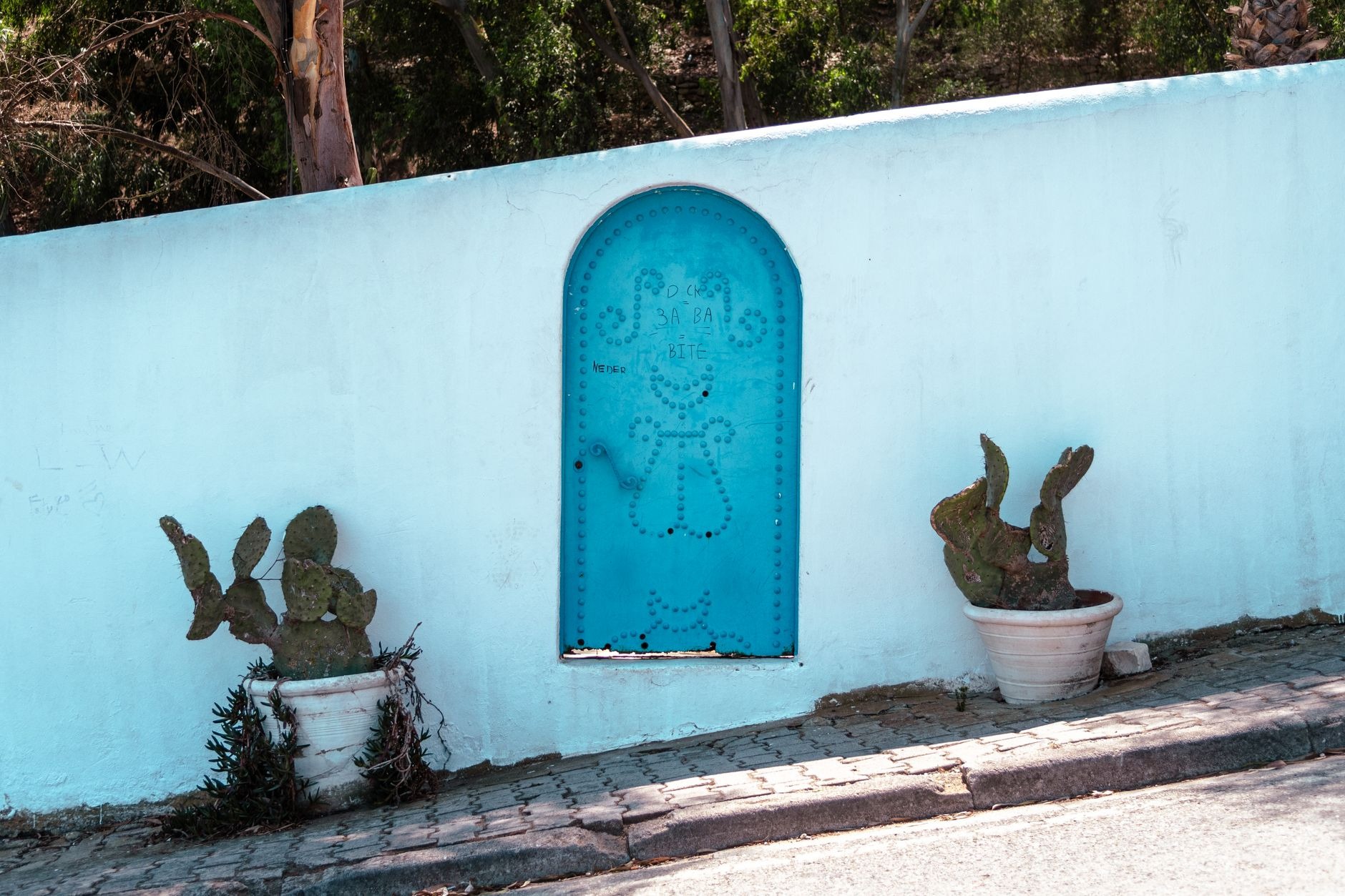
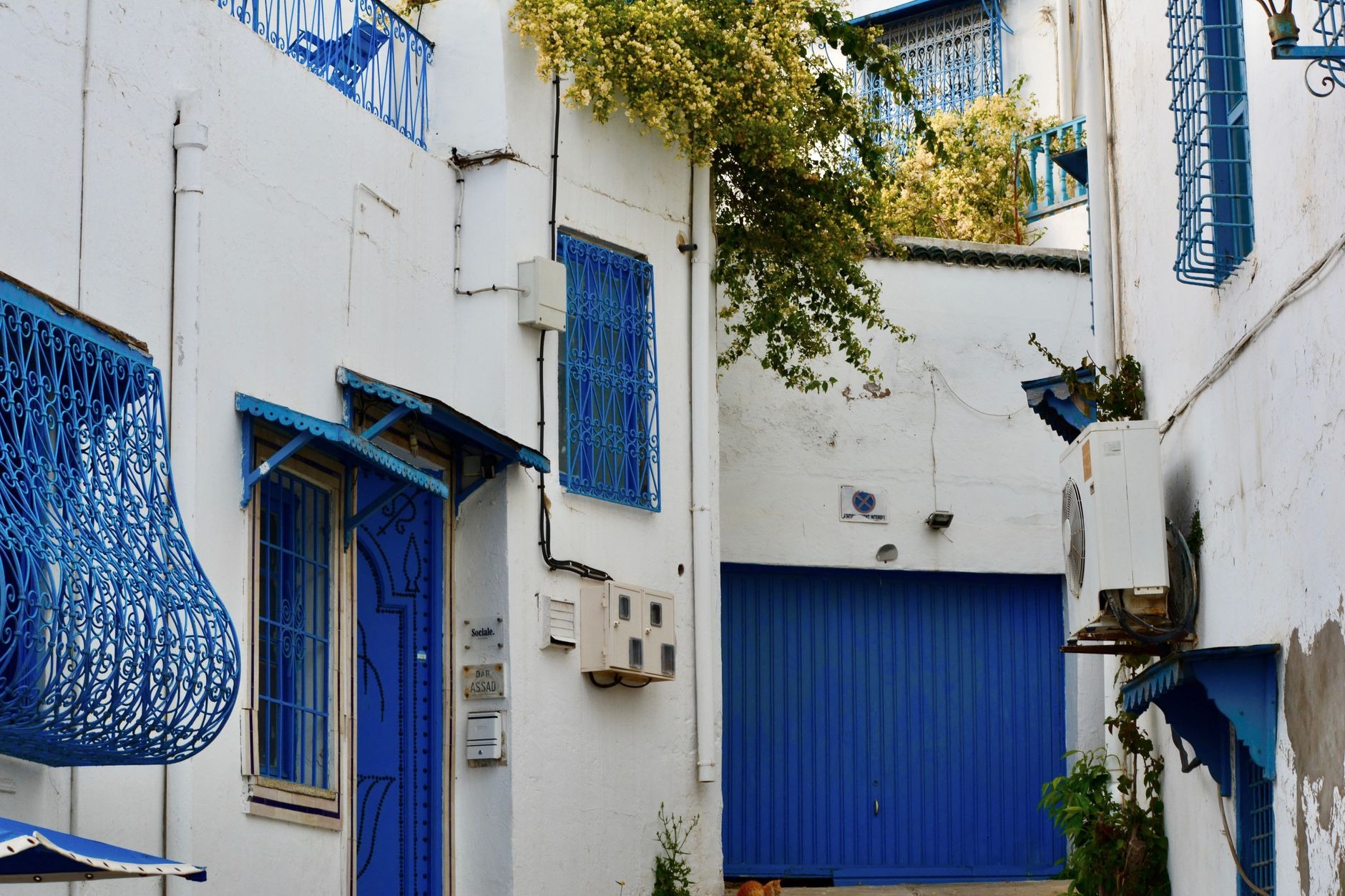
In the afternoon, board the vintage TGM commuter train out to Sidi Bou Said, perched on high cliffs above the Gulf of Tunis. In the 1920s, Baron Rodolphe d’Erlanger established the village’s strict aesthetic code: brilliant whitewashed walls contrasted with wrought-iron moucharabieh window screens and studded wooden doors painted in an intense, luminous cobalt blue.
Sidi Bou Said holds a legendary place in modern art history. In April 1914, painters Paul Klee, August Macke, and Louis Moilliet arrived here. The dazzling North African light and cubist stucco geometry transformed Klee’s vision, leading to his famous diary entry: *”Color possesses me. I don’t have to pursue it. It will possess me always… I and color are one. I am a painter.”* Sip sweet mint tea garnished with toasted pine nuts on the stepped terraces of Café des Délices, watching fishing boats drift across the azure gulf.
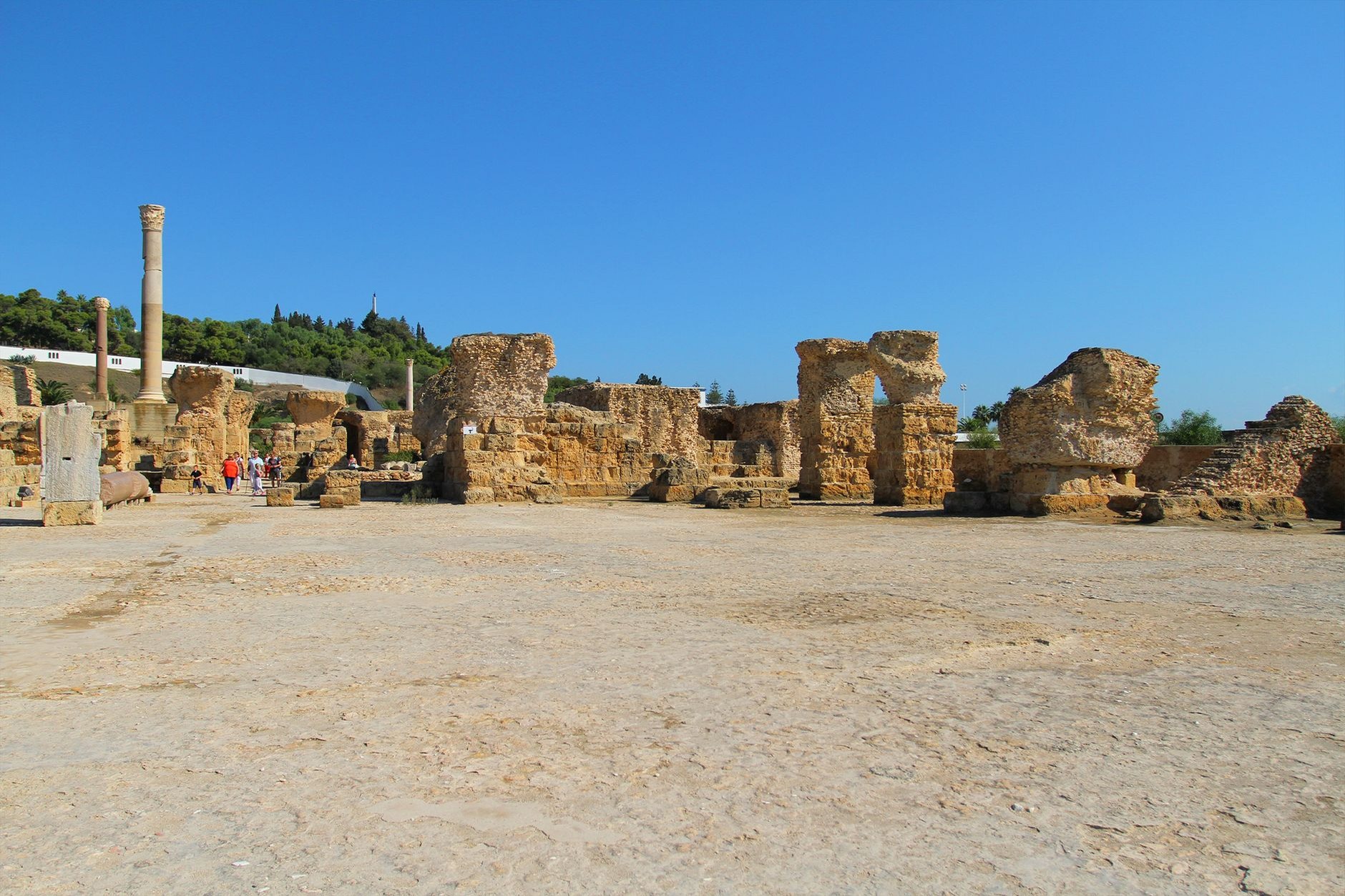
On Day 2, explore the scattered archaeological remains of Carthage, the ancient maritime superpower that challenged Rome under Hannibal Barca. Walk along the waterfront to inspect the monumental ruins of the Antonine Baths, the largest Roman public bath complex outside Rome itself, its colossal granite columns still rising beside the sea.
Carthage’s most ingenious engineering feat was its secret naval harbor, the Cothon. In the 3rd century BC, Carthaginian engineers excavated a double artificial harbor: an outer rectangular merchant basin and an inner circular naval basin hidden behind high walls. The central island housed the admiral’s headquarters, while radial covered ship sheds could drydock, repair, and deploy 220 war triremes simultaneously into the Mediterranean without Roman spies catching a glimpse.
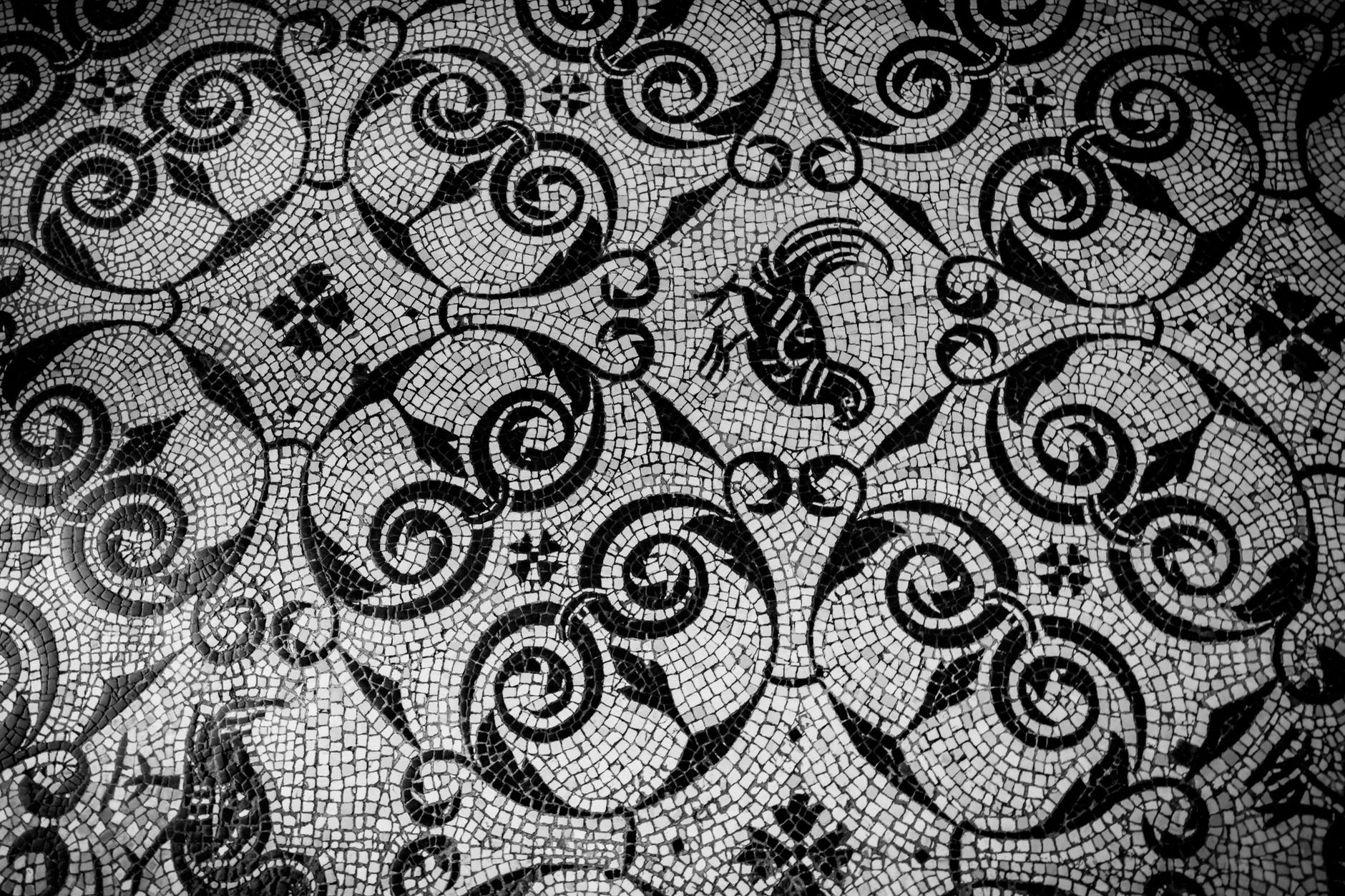
The monumental mosaic collections of the Bardo offer an intimate window into the luxurious domestic lives, maritime trade, and agricultural estates of Roman North Africa. After spending the morning wandering among these ancient stone masterworks, board the southbound train to journey into the heart of Islamic Tunisia.
Kairouan & El Jem: Hydraulic Engineering & Colossal Rome (Days 4–5)
Travel south on Day 4 to Kairouan, founded in 670 AD by the Arab general Uqba ibn Nafi. Considered Islam’s fourth-holiest city, Kairouan was the gateway for the Islamic expansion across North Africa and Spain.
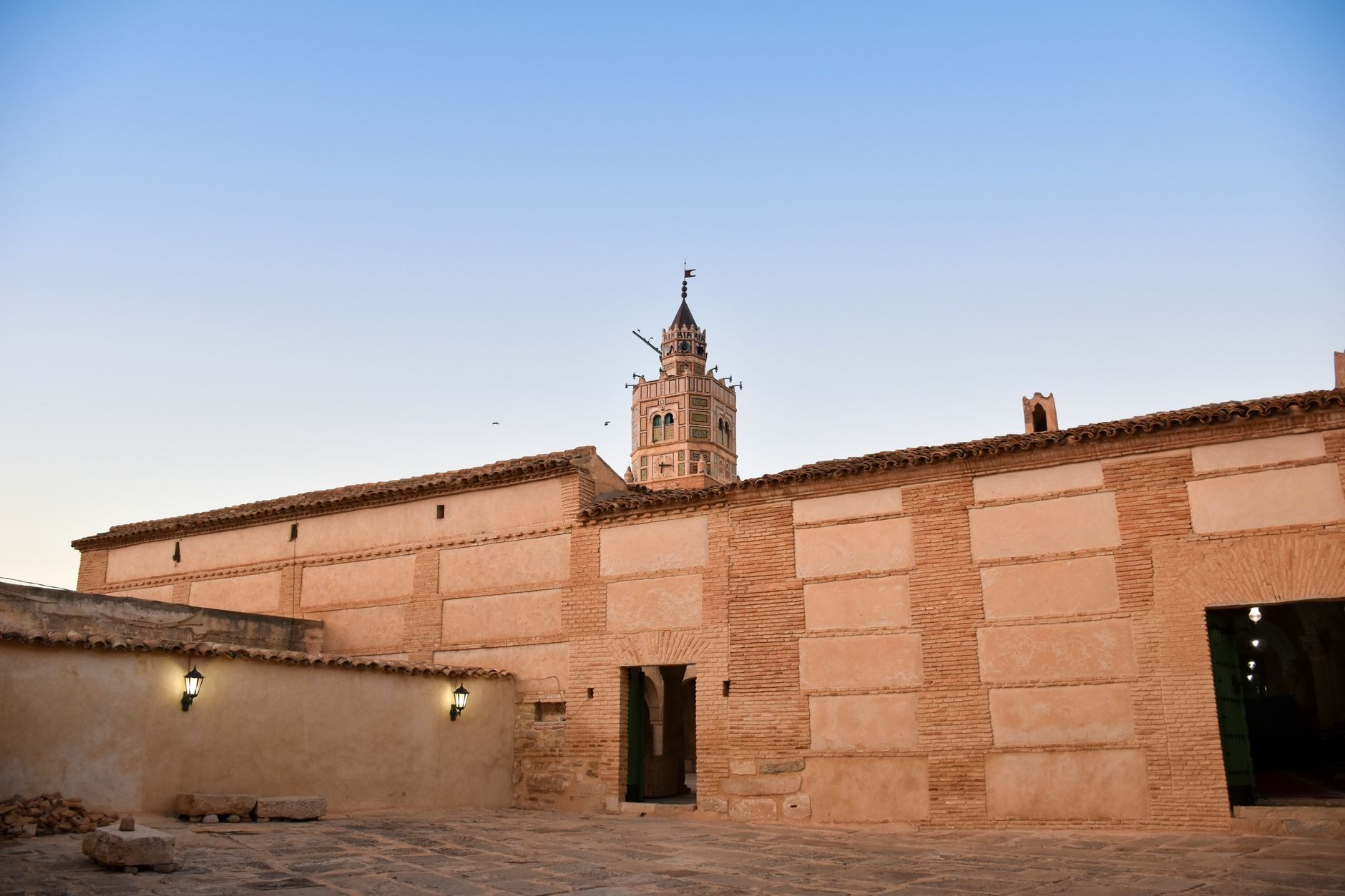
Tour the Great Mosque of Kairouan, whose massive fortress-like buttresses and three-tiered square minaret served as the architectural prototype for mosques across the Maghreb and Andalusia. Its hypostyle prayer hall rests on 414 antique Roman and Byzantine marble columns salvaged from Carthage and Sbeitla. Outside the old ramparts, visit the 9th-century Aghlabid Basins, a masterwork of hydraulic engineering. Built in 862 AD by Emir Abu Ibrahim Ahmed, these massive circular stone reservoirs (the largest measuring 128 meters across) captured seasonal desert flash floods through aqueducts and sediment settling tanks, guaranteeing freshwater for thousands during blistering Saharan summers.
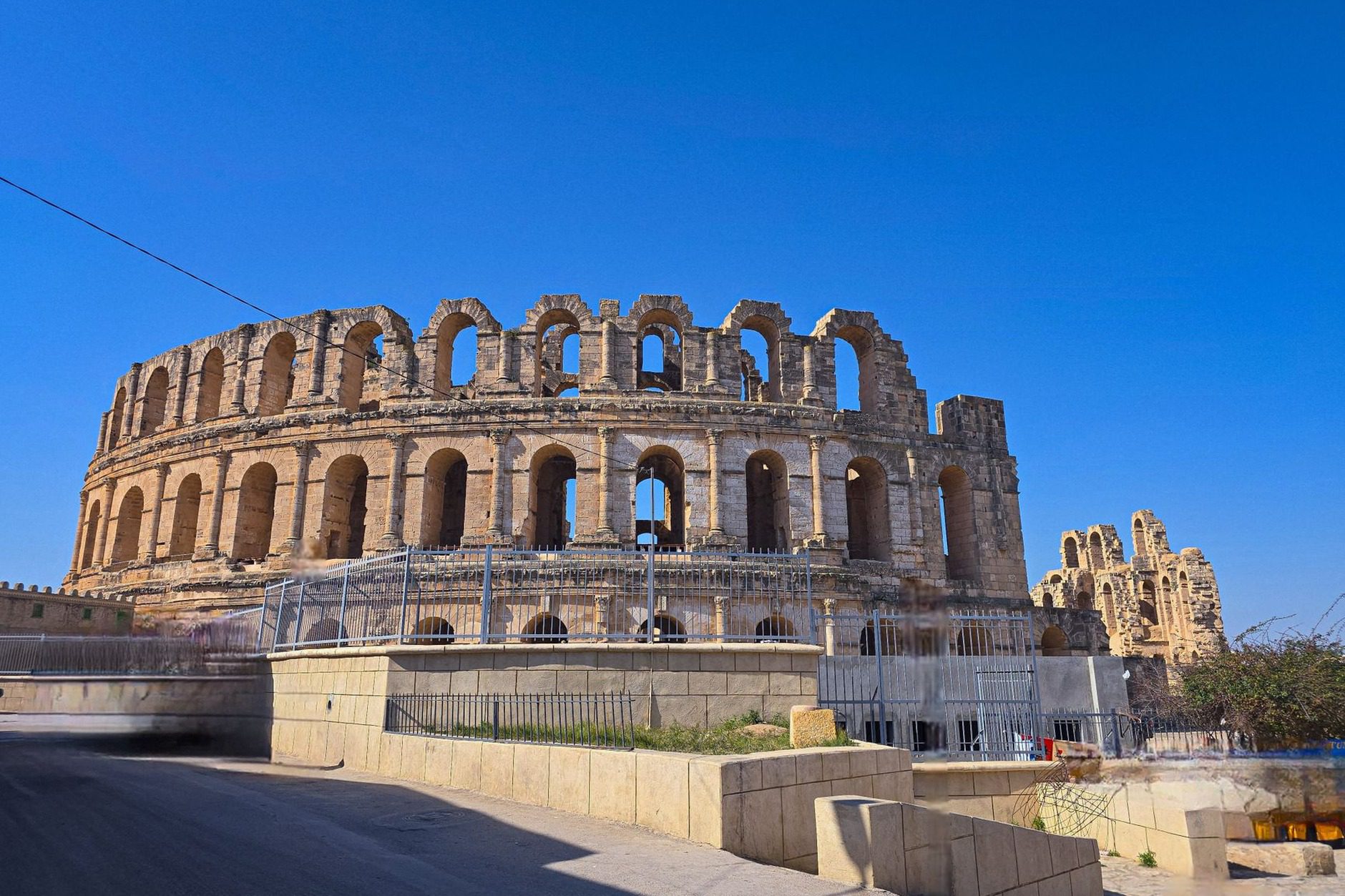
On Day 5, continue south to El Jem, where the colossal Roman Amphitheater of Thysdrus rises unexpectedly from an olive-growing plain.
Constructed around 238 AD under proconsul Gordian I, this 35,000-seat arena is the third-largest amphitheater in the Roman world, rivaling Rome’s Colosseum. It was engineered entirely from local yellow marine sandstone blocks fitted together with dry-masonry precision without a single trowel of mortar. Walk beneath the three tiers of Corinthian arches, descend into the intact subterranean gladiator passages where wild lions were caged, and climb to the upper tiers for panoramic views across the olive groves.
Sousse & Tunisian Gastronomy: Ribat Fortresses & Harissa (Days 6–7)
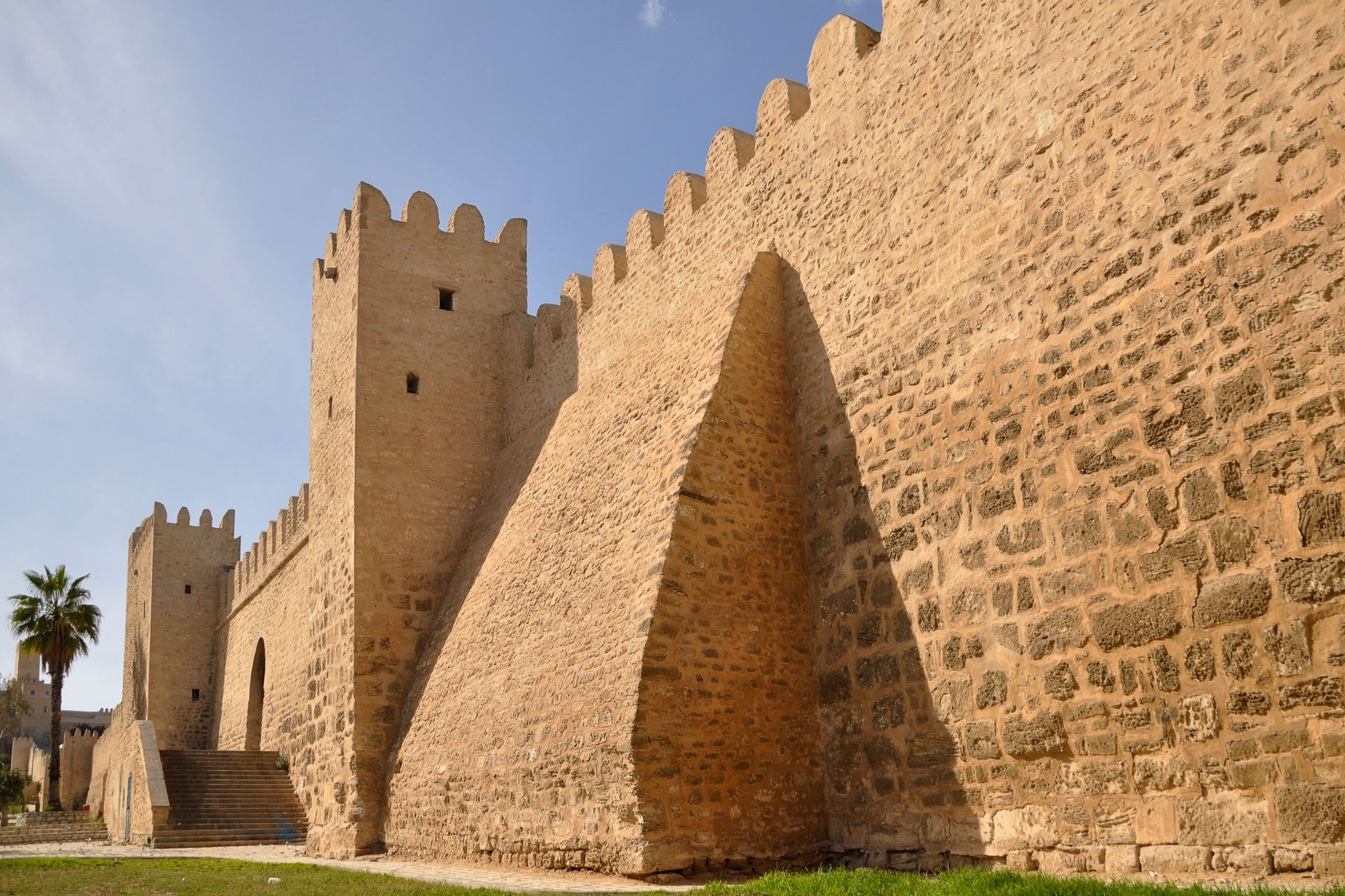
On Day 6, head to the coastal city of Sousse, an ancient Phoenician port fortified by the Aghlabids. Visit the 8th-century Ribat of Sousse, a fortified Islamic monastery where warrior-monks (*murabitun*) combined religious devotion with coastal defense against Byzantine naval raids. Climb the 30-meter watchtower for views across the harbor.
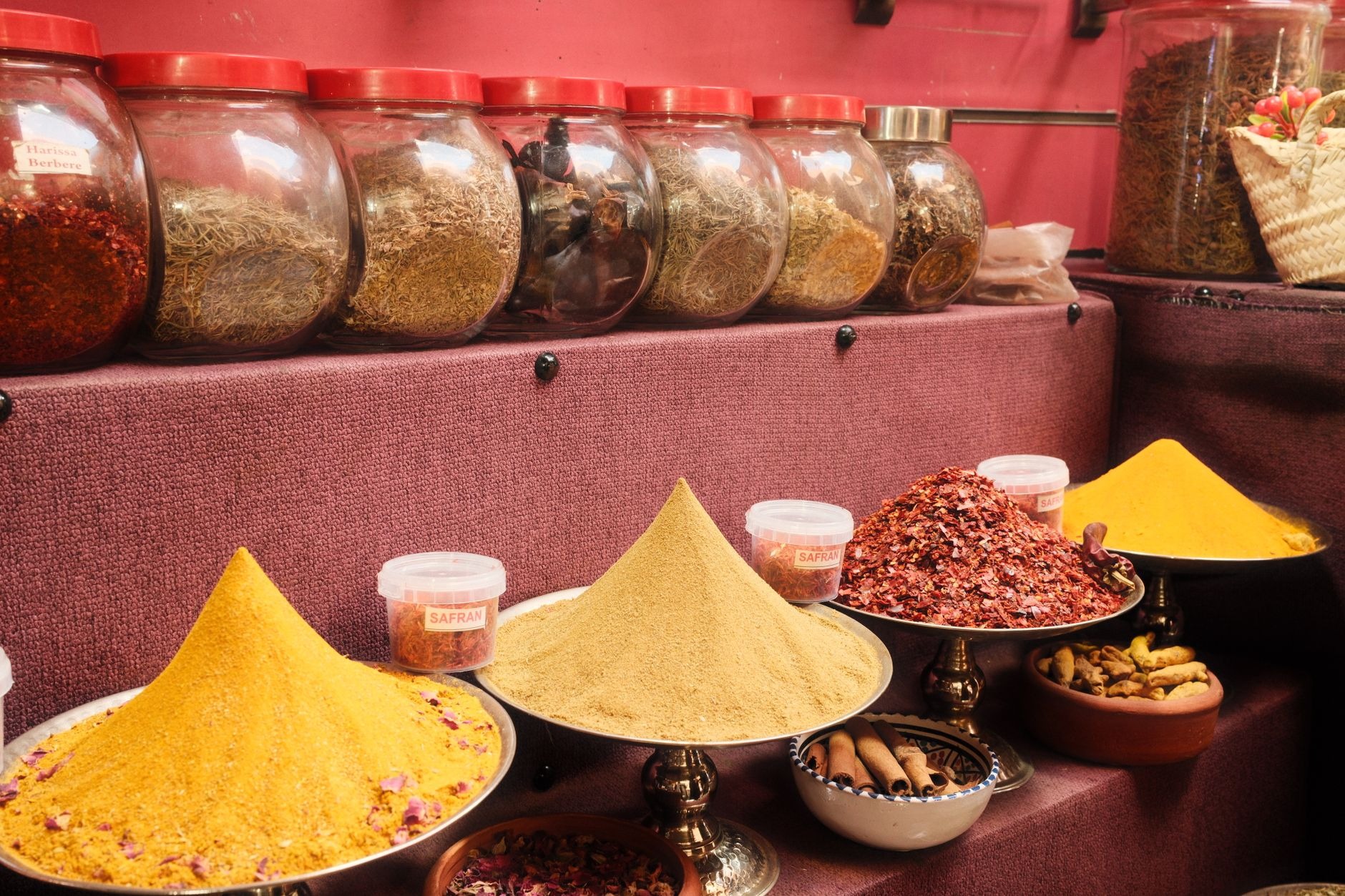
Tunisian cuisine is bold, aromatic, and deeply distinct from neighboring Maghrebi traditions due to its generous use of fiery chilis and olive oil. The culinary foundation of the country is Harissa, inscribed by UNESCO as an Intangible Cultural Heritage of Humanity.
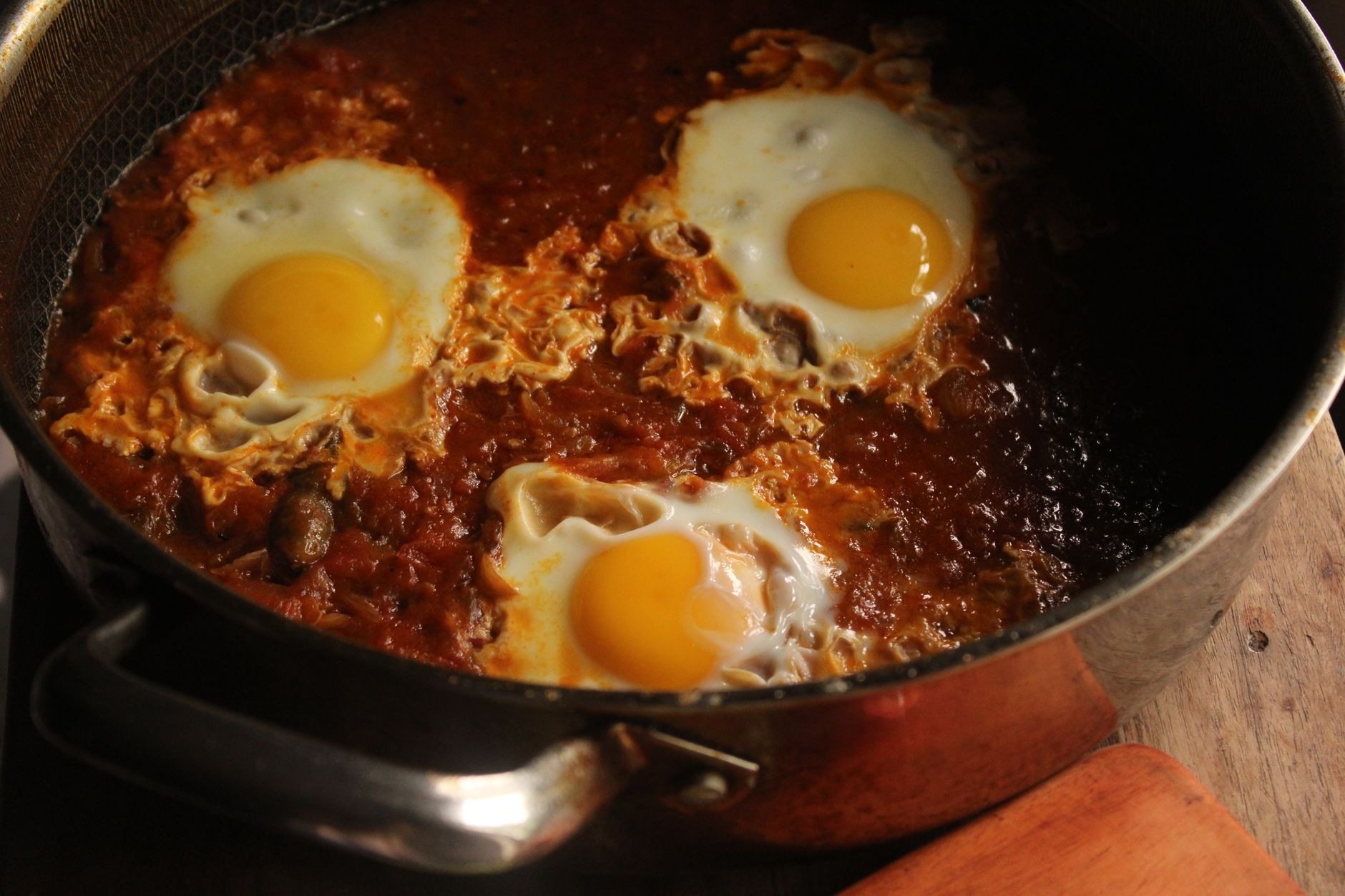
Made by sun-drying red *Baklouti* peppers, pounding them with caraway, coriander, garlic, and sea salt, and preserving the paste in golden olive oil, harissa adds vibrant depth to every meal. Do not miss brik à l’oeuf, a crispy pastry envelope made from paper-thin *warka* dough, folded over a filling of mashed potato, tuna, capers, and a whole runny egg yolk, deep-fried until golden and eaten hot with fresh lemon juice.
In coastal medinas, local fish markets display fresh red mullet, sea bream, and cuttlefish caught hours earlier. Grabbing a casual table at a neighborhood gargotte allows you to point to your fish and have it grilled to order over charcoal, served with spicy tastira vegetables and crusty pain de campagne.
Street Smarts: Taxi Overcharging, Carpet Hustles & Haggling Nuances in Tunisia
Tunisia is a welcoming country, but tourist hubs and traditional souqs present specific street traps that require practical awareness. Keep these verified street smarts in mind:
- The Unmetered Airport Taxi Hustle at Tunis-Carthage (TUN): Rogue drivers in the arrivals terminal approach travelers quoting a cash sum for rides into central Tunis, claiming the meter is broken or night surcharges apply. Defense: Walk past the indoor touts, step out to the official yellow taxi rank, and firmly insist that the driver turns on the meter (“Mettez le compteur, s’il vous plaît”). An official daytime trip into central Tunis should cost no more than $3.95–$6.21, plus a small airport exit toll.
- The “Cooperative Carpet Demonstration” in Kairouan: Around the Great Mosque, friendly men offer to show you a “free panoramic rooftop view” of the mosque courtyard. Once inside the building, you are seated in a back room, served mint tea, and pressured by high-pressure sales teams to purchase expensive silk or wool Kairouan carpets (*zerbiya*). Defense: Politely decline invitations from strangers offering “views” or “tea.” If you genuinely wish to purchase an authentic Kairouan carpet, visit shops with official ONAT (Office National de l’Artisanat) lead seals and certificates of authenticity.
- The Camel & Falcon Photo Hustle in Sidi Bou Said & Carthage: Men with saddled dromedary camels or falcons on their arms position themselves along pedestrian pathways in Sidi Bou Said and outside Carthage ruins. They thrust the bird onto your arm or offer to take a photo of you, then aggressively demand a cash payment for the snapshot. Defense: Keep your hands at your sides and firmly say “Non, merci.” Never let an animal handler place an eagle or falcon on your shoulder, and agree on a price in advance if you choose to take a photo.
- The Counterfeit Roman Coin & Mosaic Fragment Hawkers: Hawkers outside El Jem and Carthage approach tourists offering “authentic Roman coins” or terra-cotta oil lamps supposedly found by local farmers in their olive groves. These are modern molded replicas aged with chemical acid. Furthermore, attempting to export genuine antiquities from Tunisia is a severe felony resulting in prison. Defense: Never purchase antiquities or ancient artifacts from street hawkers. Buy officially certified modern stone mosaics from registered artisan cooperatives instead.
- The Louage Station Destination Confusion: *Louages* (shared long-distance 8-passenger white minibuses with red, blue, or yellow stripes) are Tunisia’s fastest public transit. However, large cities like Tunis have multiple louage stations (Gare Moncef Bey for the south, Gare Bab Saadoun for the north). Unofficial “helpers” at the station gates grab your bags and steer you into private overpriced cars. Defense: Walk directly into the station ticket booth, purchase your printed ticket at the window for the fixed government rate, and look for the minibus with your destination posted in its front window.
- Souq Haggling & The “First Customer of the Day” Pressure: In the medina souqs of Tunis and Sousse, initial asking prices for ceramics, leather bags, and copper lamps are often marked up by 300% to 500%. Merchants often claim that giving you a massive discount brings them good luck (*baraka*) as the day’s first buyer, pressuring you to close the deal. Defense: Counter-offer at 30% to 40% of the initial price, negotiate with a friendly smile, and be ready to walk away if the price exceeds your budget.
Following these practical safeguards ensures your Tunisian journey is smooth, culturally authentic, and thoroughly enjoyable.
Mediterranean Rail Navigation & Mobile Connectivity with NXTL
Exploring Tunisia’s coastal towns and ancient Roman sites requires reliable cellular connectivity. You need active mobile internet to hail verified rides via Bolt in Tunis, verify train timetables on SNCFT, navigate pedestrian medina alleyways with offline-backed GPS on Google Maps, and translate Arabic and French menus on the go.
Tunisia possesses one of North Africa’s most advanced mobile telecommunications networks, supported by primary tier-one operators Ooredoo, Orange Tunisie, and Tunisie Telecom. Ooredoo and Orange provide robust 4G/LTE coverage across the coastal corridor from Bizerte and Tunis down through Sousse, Monastir, and El Jem. With an NXTL Tunisia travel eSIM, your phone connects immediately to these high-speed networks at transparent prepaid rates starting from just $1.25 per gigabyte. There is no physical SIM card swap, no passport registration bureaucracy at local shops, and no expiring monthly contracts.
| Traveler Usage Profile | Daily Online Activities | 7-Day Total Bandwidth | Estimated Data Cost (@ $1.25/GB) |
|---|---|---|---|
| Light Navigator (Maps & Bolt ride-hailing) |
Bolt taxi hailing in Tunis, Google Maps walking navigation, WhatsApp messaging with hotels | 2 GB – 4 GB | $2.51 – $5.02 |
| Balanced Cultural Explorer (Social sharing & research) |
All navigation, high-res mosaic and architecture photo uploads, restaurant research, music streaming | 5 GB – 8 GB | $6.27 – $10.03 |
| Heavy Digital Nomad (Remote work & tethering) |
Laptop tethering from seaside cafes, cloud backups, high-definition video calls, media streaming | 10 GB – 15 GB | $12.54 – $18.81 |
What sets NXTL apart is its reusable global data eSIM model. Instead of buying a disposable local SIM card that only works within Tunisia and expires after your holiday, NXTL operates across 180+ supported countries and 460+ carrier networks. You purchase the eSIM profile once for just $11.99, which includes $10.00 in preloaded travel balance ready for immediate use. Your balance never expires as long as your account remains active.
If your Mediterranean travels continue across the sea to Italy, France, Spain, or eastward to Egypt and Turkey, the exact same eSIM profile connects automatically the moment you land. You never have to re-register or buy another data bundle. Full mobile hotspot tethering is permitted across all destinations, and dual-SIM functionality allows your primary home SIM to stay active for bank two-factor SMS alerts with zero unexpected roaming fees.
Install your NXTL eSIM profile on your smartphone before departing for North Africa. When your plane touches down at Tunis-Carthage Airport, enable your data roaming line to order a verified Bolt ride into the city, check your hotel reservation, and start exploring Tunisia with total peace of mind.