Planning a first trip to the United States frequently overwhelms international travelers because of the sheer scale of the continent. Attempting to combine California, New York, Florida, and the Grand Canyon into a standard ten-day holiday inevitably results in spending half the vacation inside airport security lines and highway traffic jams. The United States is roughly the size of the entire European continent; trying to see everything at once guarantees seeing very little well.
A far more manageable, culturally dense, and stress-free strategy for first-time visitors is riding the Northeast Rail Corridor. By connecting New York City, Philadelphia, and Washington, D.C. entirely by high-speed intercity passenger rail, you bypass airport baggage hassles, eliminate multi-lane highway driving, avoid steep daily city parking fees, and travel directly from downtown center to downtown center in under two hours per leg.
The 8 to 10-Day Northeast Corridor Route at a Glance
This 8 to 10-day rail journey links America’s global financial capital, its historic revolutionary birthplace, and its monumental federal seat of government:
| Days | Overnight Base | Key Experiences | Transit & Travel Time | Advance Booking |
|---|---|---|---|---|
| Days 1–4 | New York City (4 nights) | Midtown architectural walk, Central Park stroll, High Line & Chelsea, Brooklyn Bridge crossing, Broadway show lottery, Lower Manhattan 9/11 Memorial | Airport express train/taxi to Manhattan: 45–60 mins; subway within city: 10–25 mins | Book Summit One Vanderbilt or Top of the Rock timed sunset tickets |
| Days 5–6 | Philadelphia (2 nights) | Independence Hall tour, Liberty Bell, Reading Terminal Market feast, Philadelphia Museum of Art steps, historic Elfreth’s Alley | Amtrak train NYC (Moynihan) to Philadelphia (30th St): 1 hour 15 mins | Book Independence Hall timed entry tickets ($1 reservation fee) online |
| Days 7–9 | Washington, D.C. (3 nights) | National Mall monuments at twilight, free Smithsonian Museums (Air & Space, American History), Library of Congress, US Capitol tour, Georgetown dining | Amtrak train Philadelphia (30th St) to DC (Union Station): 1 hour 45 mins | Crucial: Reserve free timed passes for high-demand Smithsonian museums weeks ahead |
| Day 10 | Washington, D.C. / Departure | Morning walk along Georgetown waterfront or National Portrait Gallery, transfer to Dulles (IAD) or Reagan (DCA) for departure | Silver Line Metro to Dulles (IAD): 50 mins; Yellow/Blue Line to Reagan (DCA): 15 mins | Allow 3 hours before international departure flights |
Short-Trip Option (6 Days): If you only have one week, drop Philadelphia and split your time cleanly: 3 nights in New York City and 3 nights in Washington, D.C., connected by a single 3-hour direct Amtrak train.
Long-Trip Extension (12–14 Days): Take the Amtrak Northeast Regional north from New York City to Boston (4 hours, 2 nights) to walk the 2.5-mile Freedom Trail and explore Harvard University in Cambridge, or take a day trip from D.C. to George Washington’s estate at Mount Vernon.
Why Amtrak Beats Renting a Car on the East Coast
International travelers accustomed to car-centric depictions of America often assume renting a car is required. Along the Northeast Corridor, driving is a major liability:
- Punishing Parking Costs: Parking a car at hotels in Manhattan, Center City Philadelphia, or central Washington, D.C. costs between $55 and $95 USD per night, excluding daily in-and-out fees. In addition, street parking regulations are notoriously complex and vigorously ticketed.
- Gridlock on Interstate 95: The I-95 highway corridor connecting New York, Philadelphia, and Baltimore suffers from unpredictable multi-hour congestion, toll road charges ($30–$50 USD in bridge and turnpike tolls each way), and aggressive commuter driving.
- Downtown-to-Downtown Comfort: Amtrak’s Northeast Regional and Acela trains depart from the heart of Manhattan at Moynihan Train Hall (Penn Station) and drop you directly into 30th Street Station in Philadelphia and Union Station in Washington, D.C. Trains feature spacious legroom, no baggage check fees, power outlets at every seat, and complimentary Wi-Fi.
New York City: Manhattan Neighborhoods & Skyline Icons (Days 1–4)
Base yourself in Midtown South, Flatiron, or Long Island City (Queens), which offer quick subway access to Manhattan sights without the frantic commercial noise of Times Square.
Explore the city neighborhood by neighborhood. On Day 2, start at the northern end of The High Line—a public park built atop an elevated former industrial freight rail line—and stroll south through Chelsea to the Meatpacking District. Stop at Chelsea Market for fresh Maine lobster rolls, then wander through the cobblestone streets and cast-iron architecture of SoHo and Greenwich Village.
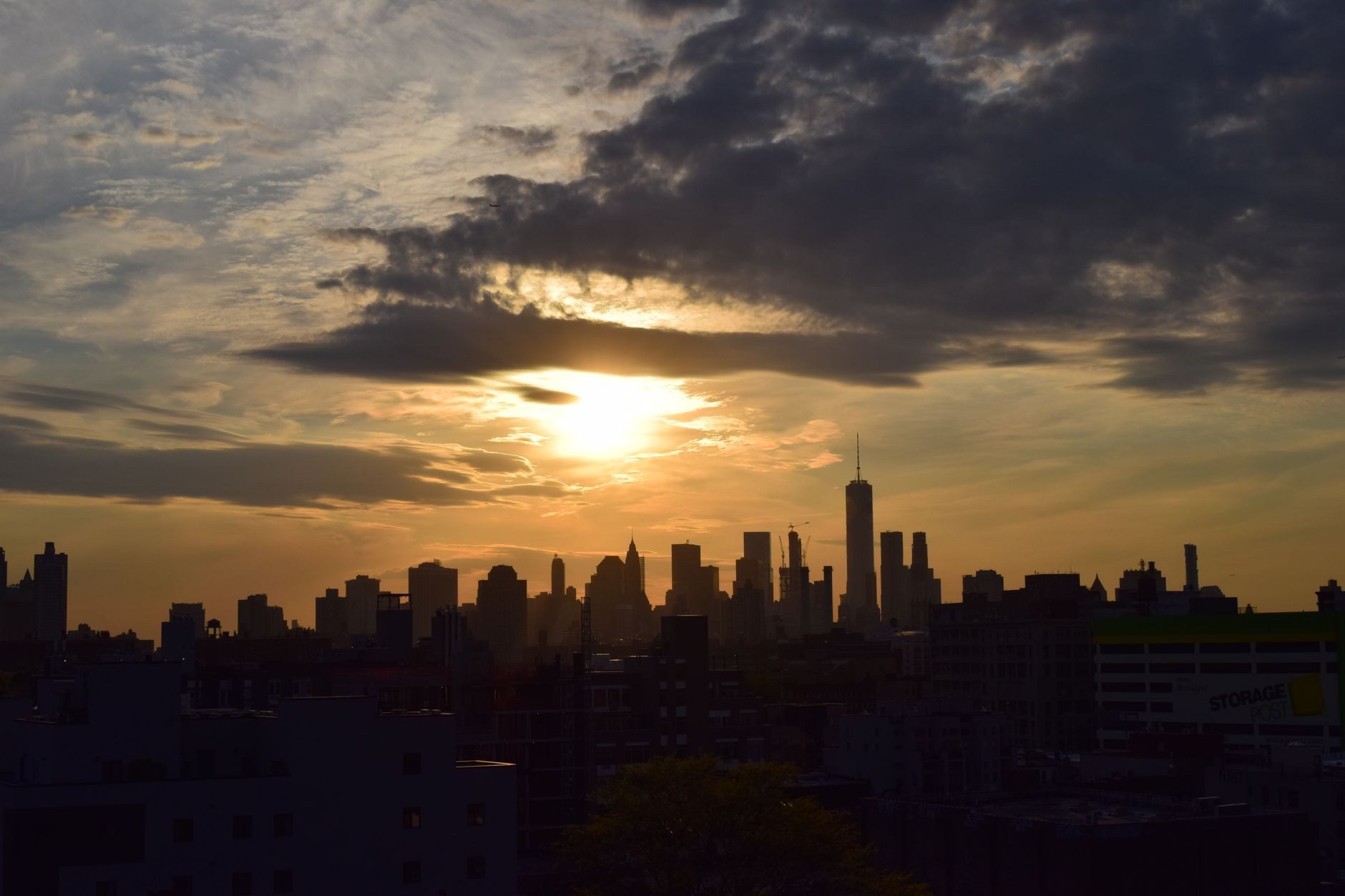
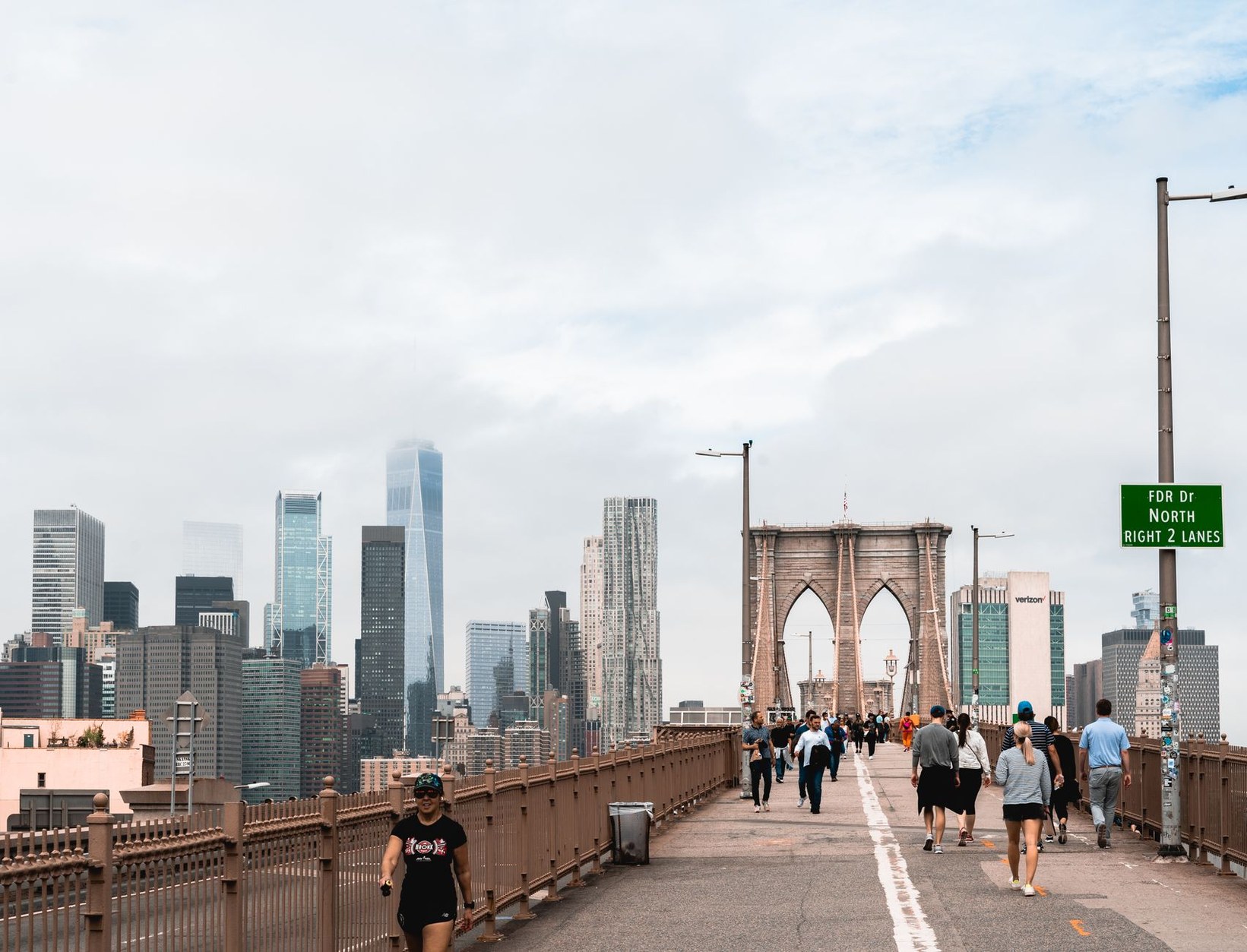
On Day 3, walk across the Brooklyn Bridge from Manhattan to DUMBO. The 1.8-kilometer wooden pedestrian promenade offers sweeping views of the East River, the Statue of Liberty in the distance, and the soaring Lower Manhattan skyline.
Transit Navigation via OMNY: You do not need to buy a plastic MetroCard. New York City’s subway system uses OMNY (One Metro New York). Simply tap your contactless debit card, credit card, or smartphone at any subway turnstile or bus reader ($2.90 USD per ride). Once you tap 12 times within a Monday-to-Sunday weekly cycle using the exact same payment method, all subsequent subway and local bus rides for the rest of the week are automatically free.
Philadelphia: America’s Revolutionary Cradle & Markets (Days 5–6)
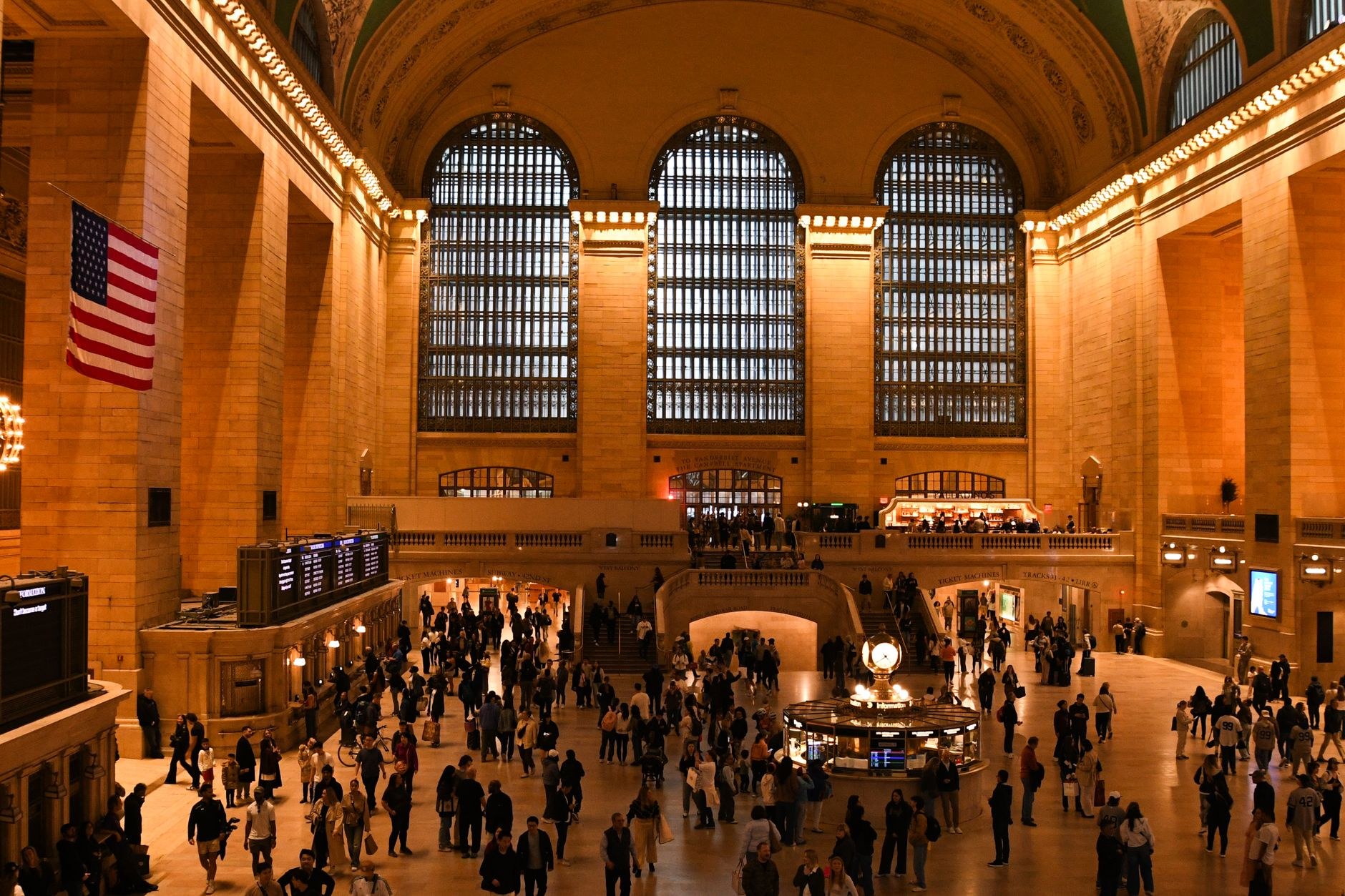
Board your morning Amtrak train at Moynihan Train Hall; in just 75 minutes, you arrive at Philadelphia’s grand neoclassical 30th Street Station. Take a quick subway or taxi into Center City.
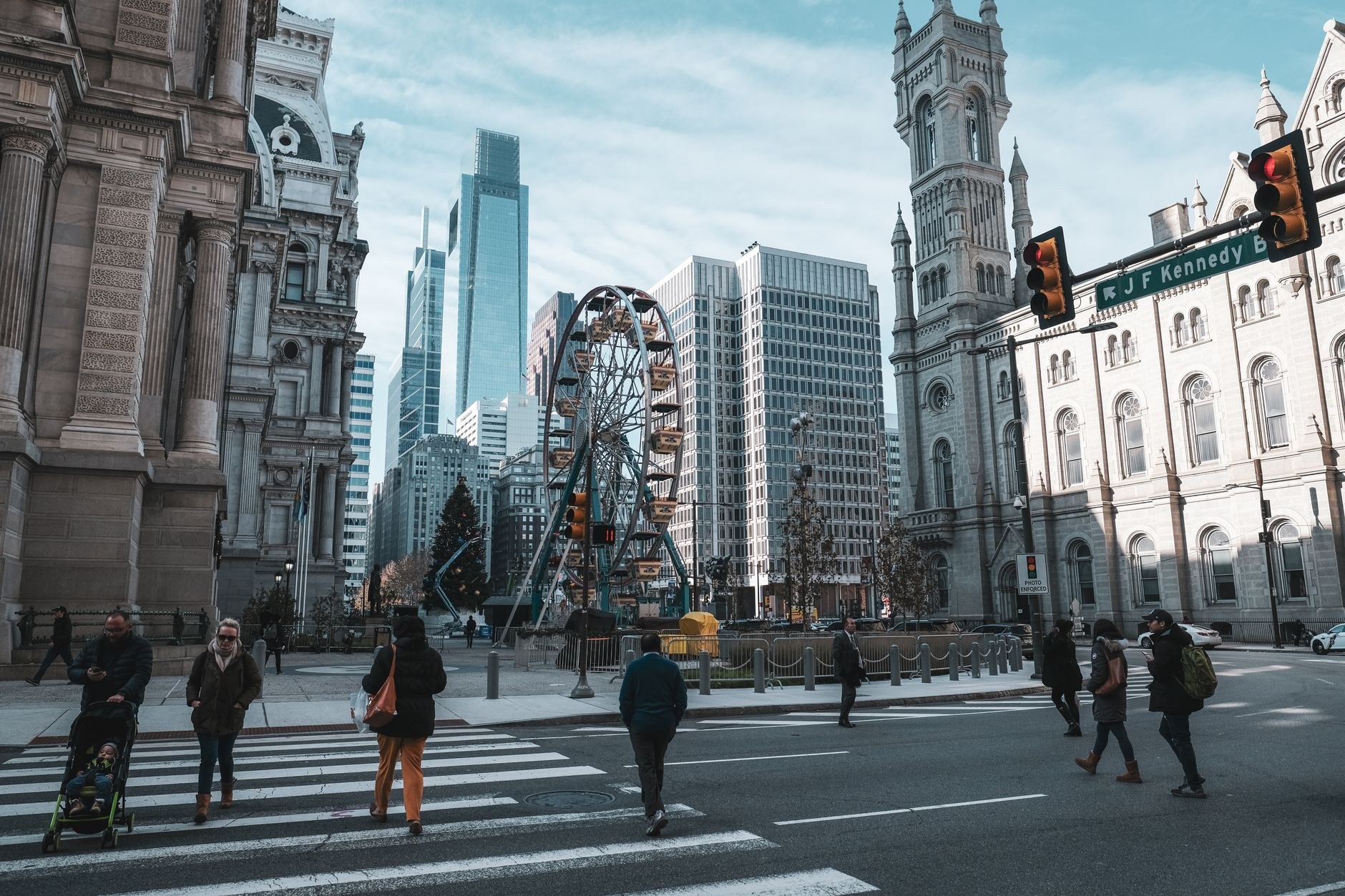
Philadelphia was the first capital of the United States and the birthplace of American democracy. In the historic district of Old City, visit Independence Hall, where both the Declaration of Independence (1776) and the United States Constitution (1787) were debated and signed. While park rangers offer free guided tours, you must reserve timed entry tickets online in advance via Recreation.gov ($1 USD administrative booking fee). Directly across the square sits the Liberty Bell Center, housing the famous cracked 2,080-pound bronze bell.
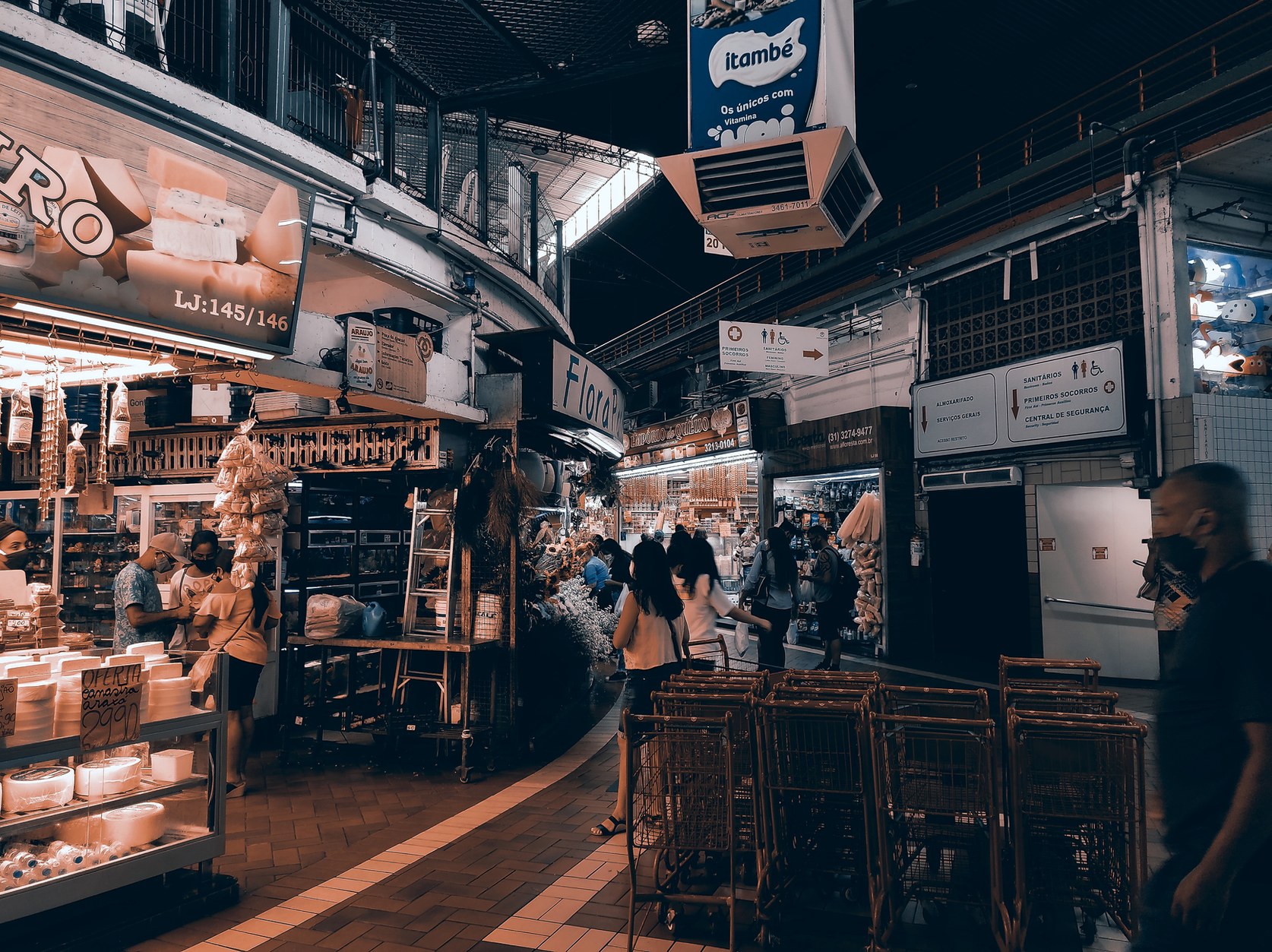
For lunch, head into Reading Terminal Market, America’s oldest continuously operating farmers market, housed in a historic 1893 train shed. Navigate buzzing aisles packed with over 80 independent merchants. Must-eats include slow-roasted pork sandwiches with melted provolone and sautéed broccoli rabe from DiNic’s, authentic Dutch-country warm apple fritters from Beiler’s Doughnuts, and classic Philadelphia cheesesteaks.
Spend your second afternoon walking down the Benjamin Franklin Parkway to the Philadelphia Museum of Art. Jog up the 72 stone "Rocky Steps" made famous by Sylvester Stallone for a magnificent vista looking down the boulevard toward City Hall.
Washington, D.C.: World-Class Free Museums & Power Centers (Days 7–9)
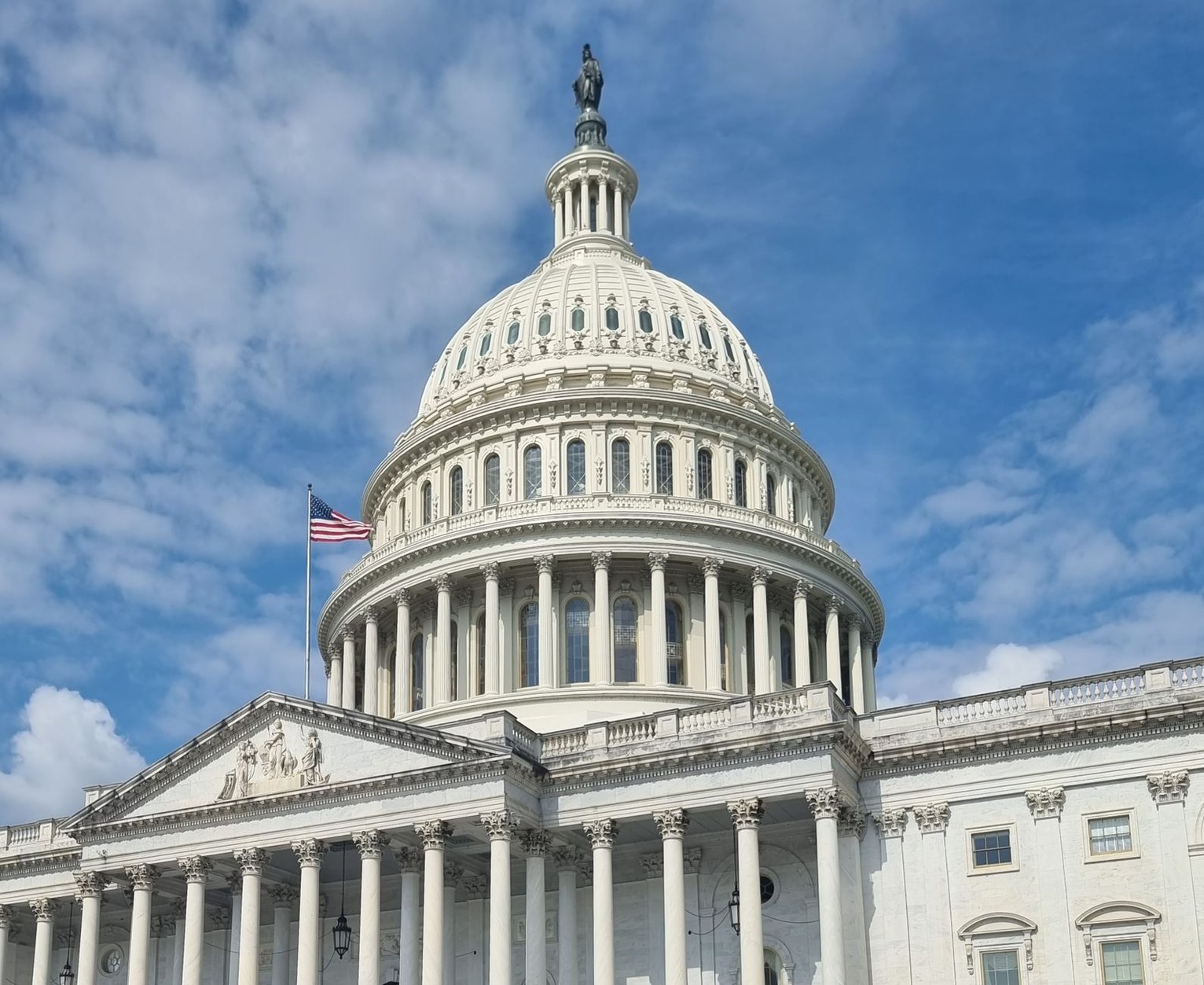
A 105-minute Amtrak ride south brings you into Washington Union Station, located just three blocks north of the United States Capitol. Washington, D.C. is an exceptionally walkable city planned with wide radial boulevards, low building heights, and lush parklands.
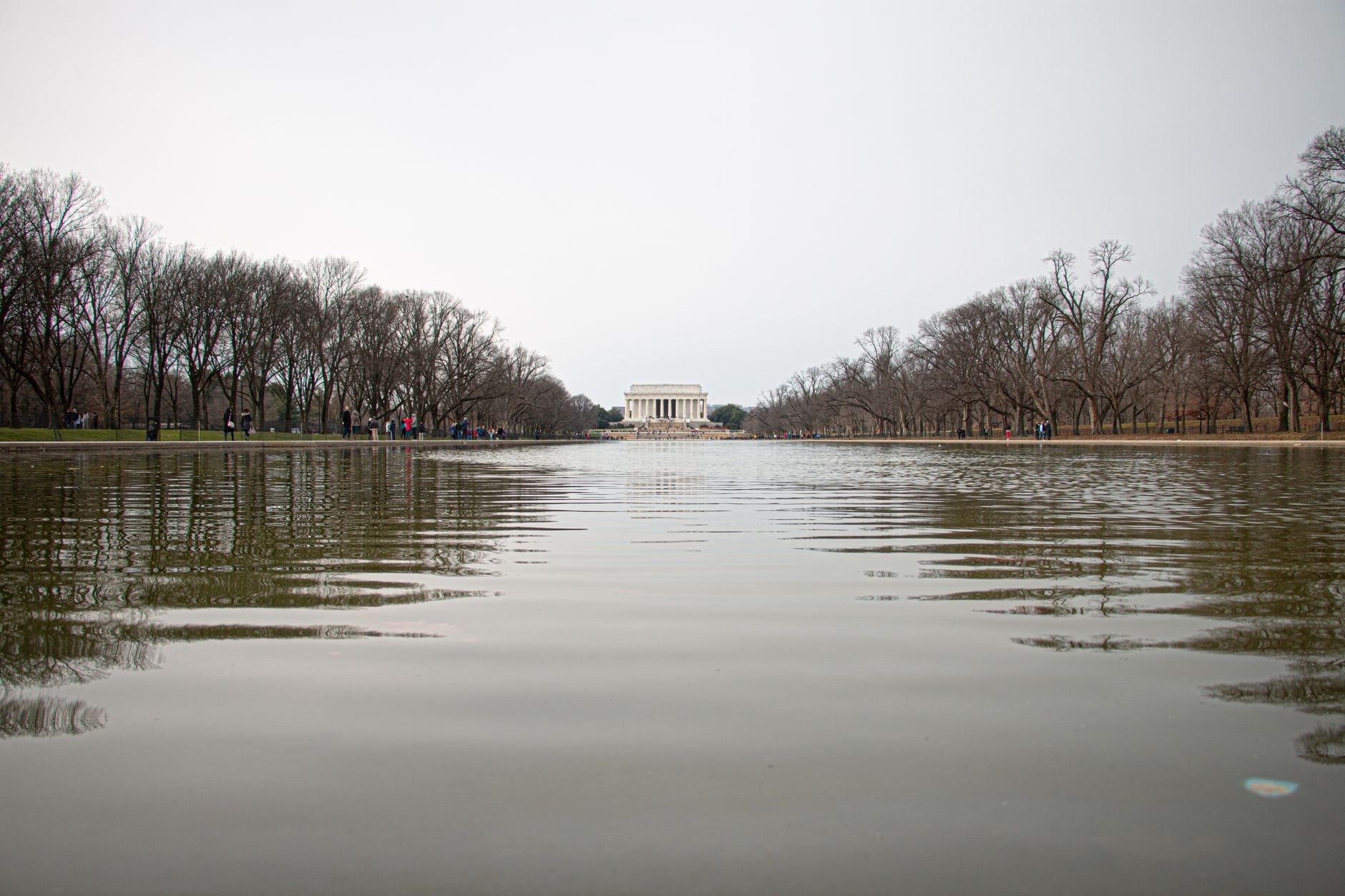
The focal point of your stay is the National Mall, a two-mile national park stretching from the Capitol building to the Lincoln Memorial. Walk the tree-lined mall at dusk when the marble columns of the Lincoln Memorial, the World War II Memorial, and the towering 555-foot marble obelisk of the Washington Monument illuminate against the evening sky.
The Free Smithsonian Advantage: Unlike major museums in Europe or New York that charge $30 USD per ticket, all 17 Smithsonian Institution museums and the National Zoo in Washington, D.C. are 100% free of charge by federal charter. You can explore the Wright brothers’ 1903 Flyer and the Apollo 11 command module at the National Air and Space Museum, examine the 45-carat Hope Diamond at the National Museum of Natural History, and view the original Star-Spangled Banner at the National Museum of American History without paying a cent in admission.
Crucial Booking Rule: Due to extreme visitor demand, several premier institutions—including the National Air and Space Museum and the National Museum of African American History and Culture—require visitors to secure free timed-entry passes online weeks in advance. Check the Smithsonian website before your trip to claim your time slots.
On Day 9, escape the federal center to explore Georgetown, D.C.’s oldest neighborhood. Cobblestone side streets are lined with preserved 18th-century federal-style row houses, boutique shops, and picturesque canalside bistros along the Chesapeake and Ohio (C&O) Canal.
American Tipping, Restaurant Taxes, and Money Etiquette
Navigating payment in the United States often confuses international visitors due to differing customs surrounding sales taxes and tipping:
- Sales Tax Is Not Included on Price Tags: In the US, prices shown on clothing tags, retail shelves, and restaurant menus do not include sales tax. Tax is calculated and added automatically at checkout. New York City sales tax is 8.875%, Philadelphia is 8%, and Washington, D.C. is 6% (with a 10% tax on restaurant meals). Always anticipate that your final register total will be roughly 6% to 10% higher than the listed price.
- Sit-Down Restaurant Tipping: In full-service restaurants where a server takes your order at the table and brings your food, tipping is a standard social expectation, as base server wages rely heavily on gratuities. The standard tipping baseline is 18% to 20% of the pre-tax bill for good service (15% for acceptable service; 22%+ for exceptional service). You write the tip amount directly on the credit card slip before signing.
- Tablet POS Tip Prompts at Cafes: When ordering takeaway coffee, counter pastries, or fast-casual food, touch-screen payment terminals will often prompt you with tip buttons (15%, 20%, 25%). Tipping at counter-service establishments is completely optional; you can press "No Tip" or "Custom Amount" ($1 USD) without causing offense.
- Card-First Society: Cash is increasingly obsolete in major US cities. Many urban cafes, food halls, and public transit systems are strictly cashless. Ensure your credit card or smartphone digital wallet has foreign transaction fee waivers enabled.
Street Smarts: Tourist Scams, Overpriced Traps & Transit Hazards
While the Northeast Corridor cities are generally safe for travelers practicing standard situational awareness, high-traffic tourist areas in New York, Philadelphia, and Washington, D.C. have several persistent scams and expensive traps:
- The Times Square Character Photo Extortion: In Midtown Manhattan, people dressed in scruffy superhero or cartoon costumes (Elmo, Spider-Man, Mickey Mouse) will aggressively pose next to you, place their arm around your shoulder, or encourage your children to take a photo. Immediately after, they swarm you demanding $10 to $20 USD per character. If you do not want to pay, never pose with them; give a firm “No” and keep walking.
- The CD / Mixtape Handshake Trap: Around Times Square, Central Park South, and the High Line, men will shove a music CD into your hands, asking your name. The moment you say your name, they quickly scribble it on the disc with a permanent marker, claim it is “personalized for you,” and loudly demand a $10 to $20 “donation.” Refuse to take anything placed into your hand; if someone presses a CD against your chest, let it drop or hand it back immediately and walk away.
- Fake Staten Island Ferry Ticket Sellers: Outside the Whitehall Terminal in Lower Manhattan and around Battery Park, aggressive touts wearing official-looking orange vests claim they sell “Staten Island Ferry tickets” or “Express Statue of Liberty passes” for $30 to $50 USD. The real NYC municipal Staten Island Ferry is 100% free and requires no ticket whatsoever. Never buy ferry tickets on the sidewalk.
- Central Park Pedicab Per-Minute Shock: Bicycle rickshaws lining Central Park South frequently display misleading signage like “$5.00.” That rate is almost always per minute or per 30 seconds, with hidden rider fees. Tourists regularly end up with unexpected $150 to $200 bills for a leisurely 20-minute park loop. Always insist on a written, all-inclusive flat total before sitting down, or explore the park on foot.
- Philly Fake Parking Attendants: In Center City Philadelphia near historic sites, unauthorized men stand in public streets waving drivers into free or metered spaces and demanding a $15 to $20 cash “parking fee.” Legitimate street parking in Philadelphia is paid exclusively through official green Philadelphia Parking Authority (PPA) kiosks or the meterUP mobile app.
- Hidden Sales Tax at Checkout: Unlike in Europe or Australia, price tags in American stores, restaurants, and museums never include sales tax. In New York City, 8.875% is added at the cash register; in Philadelphia, 8%; and in Washington, D.C., 6% (plus a 10% tax on restaurant meals). Always budget 10% above ticketed shelf prices.
Real-Time Transit & Mobile Connectivity Across the US with NXTL
Navigating the bustling Northeast Corridor comfortably demands active mobile connectivity. You need uninterrupted cellular data to tap through turnstiles via Apple/Google Wallet on New York’s OMNY transit network, track real-time Amtrak track assignments on your phone at Moynihan Train Hall before departure boards flash, call vetted rideshares on Uber or Lyft during rainy evenings, and display digital timed-entry QR codes at Smithsonian museum checkpoints.
Avoid high-cost airport mobile kiosks at JFK, Newark (EWR), or Dulles (IAD) that push expensive monthly contracts with hidden activation fees. By setting up the NXTL United States eSIM prior to boarding your flight, your phone connects immediately upon landing to the country’s premier nationwide carrier networks—AT&T USA (5G/LTE) and Verizon USA (5G/LTE)—with pay-as-you-go rates starting from just $1.13/GB.
Your mobile data stays active throughout your rail transfers between states without roaming interruption. Because NXTL operates on a reusable balance model that never expires, any unused balance remains safely in your account for your next international journey. Dual-SIM functionality keeps your primary domestic physical SIM active in the background, allowing you to receive vital two-factor banking SMS security alerts without paying daily international carrier roaming surcharges.