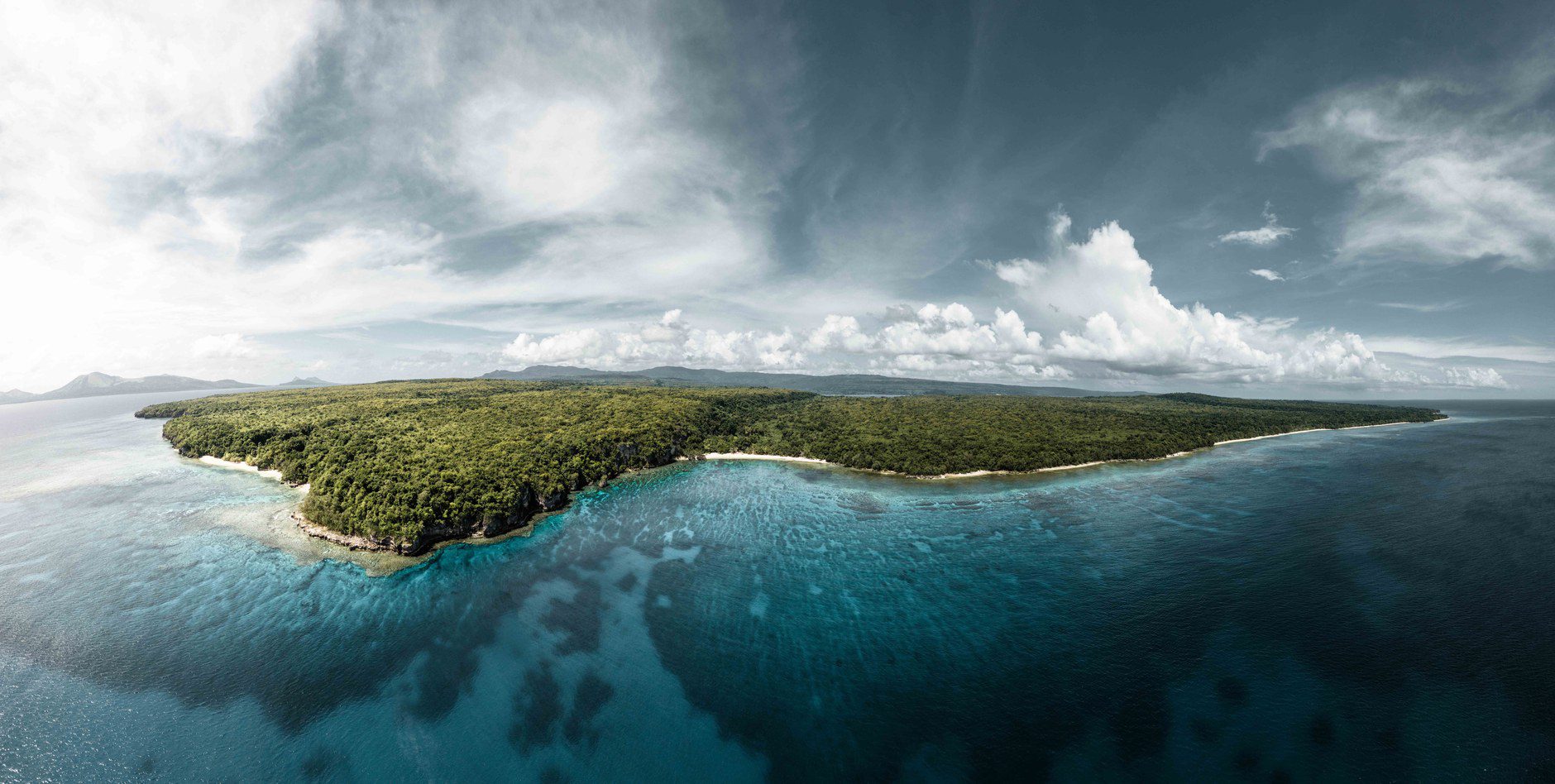
Vanuatu occupies an extraordinary geographic and cultural realm in the South Pacific: a Y-shaped archipelago of eighty-three islands in Melanesia, stretching across 1,300 kilometers of deep ocean trenches. Formed along the Pacific Ring of Fire, the country is characterized by geological dynamism: roaring strombolian volcanoes that fling molten magma into the night sky, iridescent freshwater blue holes filtered through subterranean coral limestone, and deep coral barrier reefs harboring historic shipwrecks. Beyond its landscapes, Vanuatu remains rooted in “kastom”—an enduring system of traditional indigenous laws, spiritual kinship, and matrilineal land ownership that governs daily life across rural island communities.
Traveling through Vanuatu is fundamentally an inter-island expedition. A rewarding eight- to nine-day itinerary connects the commercial and culinary gateway of Efate with the volcanic amphitheater of Tanna and the aquatic wilderness of Espiritu Santo. However, the archipelago cannot be traversed casually. Towns on separate islands lack road or bridge connections, passenger ferries are slow cargo vessels unsuited for short itineraries, and domestic aviation requires generous scheduling buffers. Approaching Vanuatu with realistic expectations regarding domestic flight pacing, customary village land fees, cash requirements on remote islands, and active volcano alert levels ensures an unforgettable journey through one of the Pacific’s most authentic nations.
Efate: Port Vila Markets, Harborside Culture, and Cascades
All international journeys begin on Efate at Bauerfield International Airport (VLI), located ten minutes outside the national capital of Port Vila. Set around the protected waters of Vila Bay and the calm lagoons of Erakor, Port Vila acts as the commercial hub of the country. A rewarding first day centers on the Port Vila Seafront and the bustling 24-hour Municipal Market (Marché Central). Here, Ni-Vanuatu women dressed in colorful floral “island dresses” sell organic tropical produce harvested from village gardens: sweet finger bananas, papayas, mountain yams, bundles of wild watercress, and hot servings of laplap—the national dish made of grated manioc, taro, or yam bound in coconut cream and slow-baked under river stones wrapped in banana leaves.
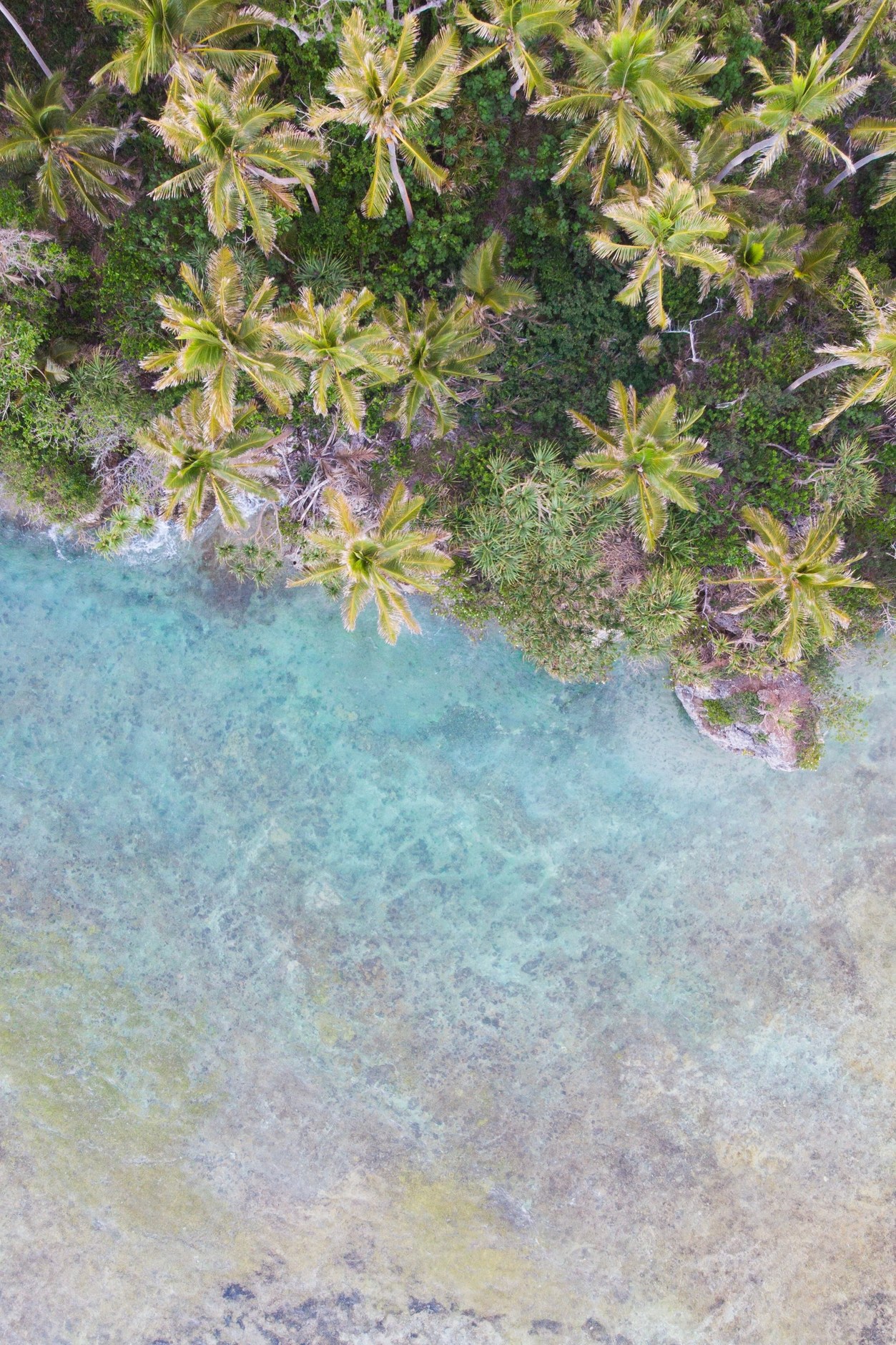
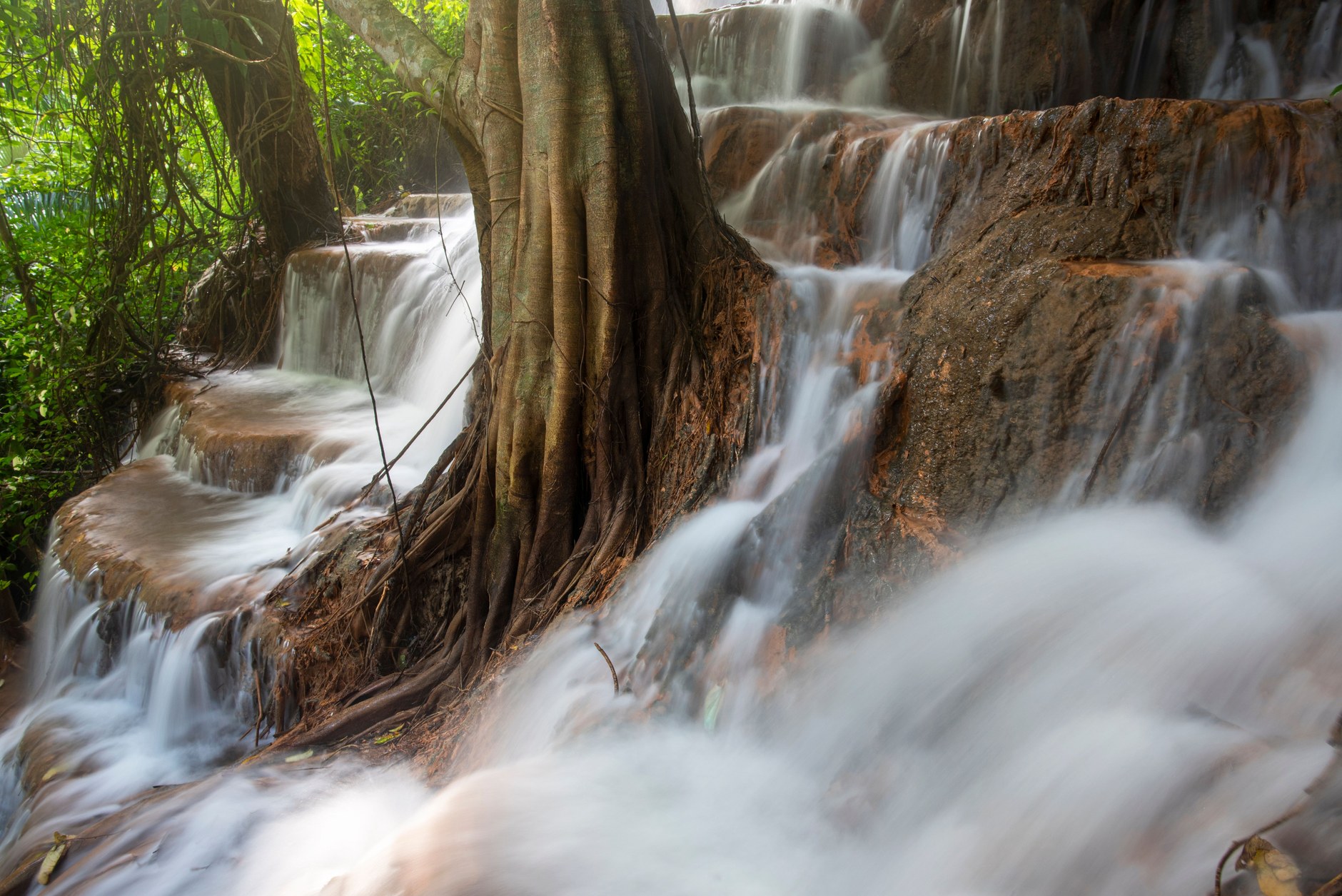
Beyond the capital, renting a compact car or hiring a registered local driver allows you to complete the 130-kilometer Efate Ring Road circuit. Traveling clockwise from Port Vila brings you to Mele Cascades, a series of terraced limestone travertine pools set deep in coastal rainforest. A walking path follows the rushing freshwater creek uphill beneath banyan and wild nutmeg trees, leading to a 35-meter waterfall that cascades over mossy basalt ledges into deep natural swimming pools.
Continuing along the Ring Road reveals historic WWII American supply stations, secluded coral coves around Havannah Harbour, and traditional fishing villages like Siviri and Eton. Near Eton, the Blue Lagoon provides an exquisite sheltered tidal swimming hole where brackish turquoise water is framed by rope swings hung from massive overhanging hardwood trees. Offshore from Mele Beach lies Hideaway Island, situated inside a protected marine reserve. Here, snorkelers can swim out to the world’s only official underwater post office, where visitors purchase waterproof embossed postcards and dive down to hand-cancel their mail in an underwater fiberglass post box guarded by clownfish and blue damselfish.
Tanna: The Roaring Crater of Mount Yasur
From Port Vila, a 45-minute domestic flight south delivers you to White Grass Airport (TAH) on the rugged island of Tanna. Tanna represents one of the most culturally conservative islands in Melanesia, where customary village structures, sacred banyan assemblies (nakamals), and traditional kava ceremonies operate entirely outside modern Western influence. The undeniable physical focal point of Tanna is Mount Yasur, an active stratovolcano rising 361 meters above sea level on the island’s southeastern tip.
Beyond the volcano, Tanna shelters extraordinary natural and cultural landmarks. Near the center of the island stands the Giant Lowinio Banyan Tree, recognized among the largest single living banyan structures on earth, covering an area greater than a football pitch with a cathedral-like network of aerial roots, buttresses, and hanging vines. Nearby traditional kastom villages, such as Yakel and Louinio, welcome respectful visitors to witness ancient ancestral lifestyles unchanged by modern technology. Villagers wear traditional grass skirts (nambas for men), cook in earth ovens, and perform rhythmic stamping dances on bare soil beneath towering tropical canopies.
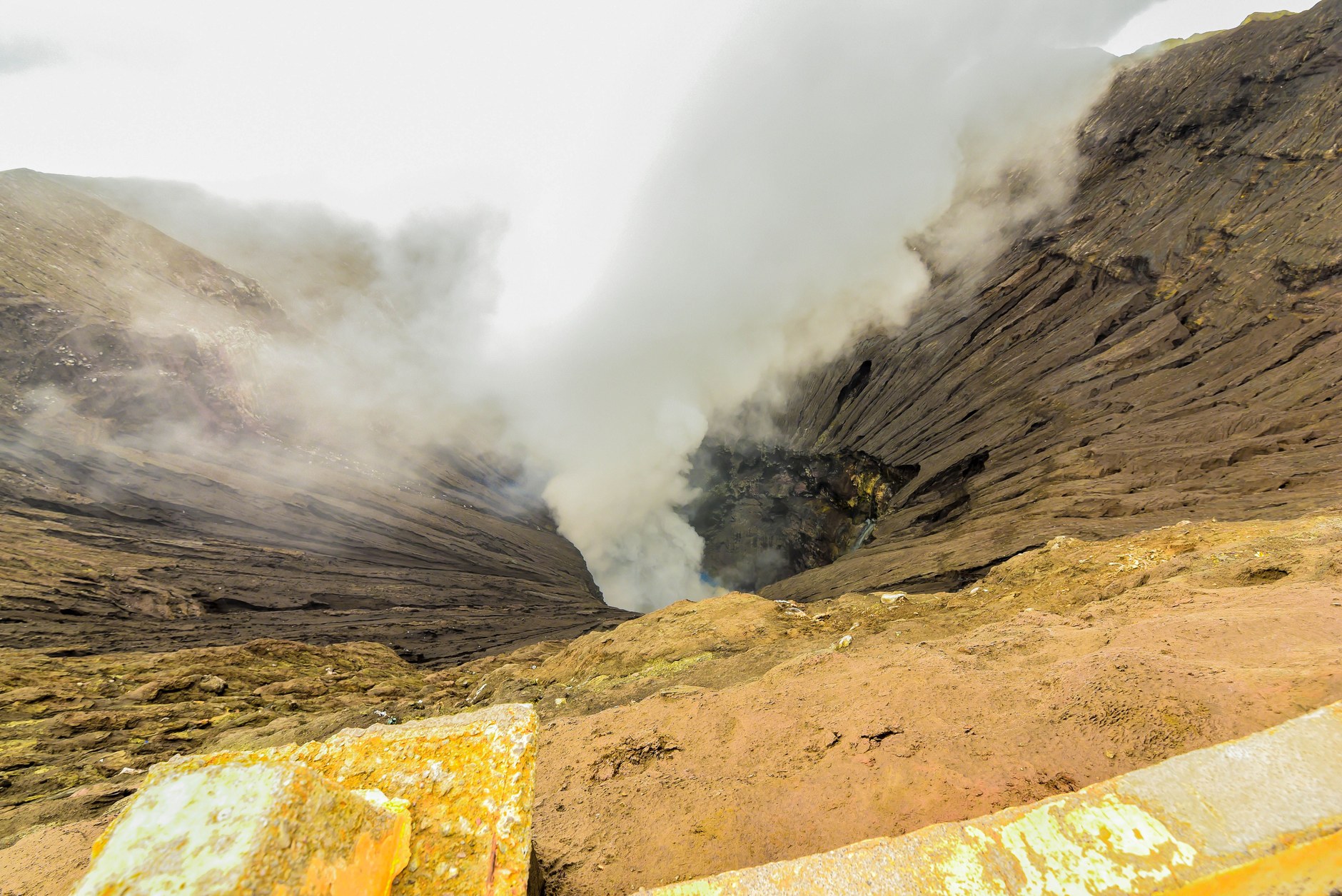
Mount Yasur has been in continuous strombolian eruption for at least eight centuries, earning it the maritime title “Lighthouse of the Pacific” from Captain James Cook when he was guided toward the island by its glowing night horizon in 1774. What makes Yasur unique globally is its astonishing accessibility: four-wheel-drive vehicles can traverse the vast, barren ash plains of Siwi to within a ten-minute walking path of the active crater rim.
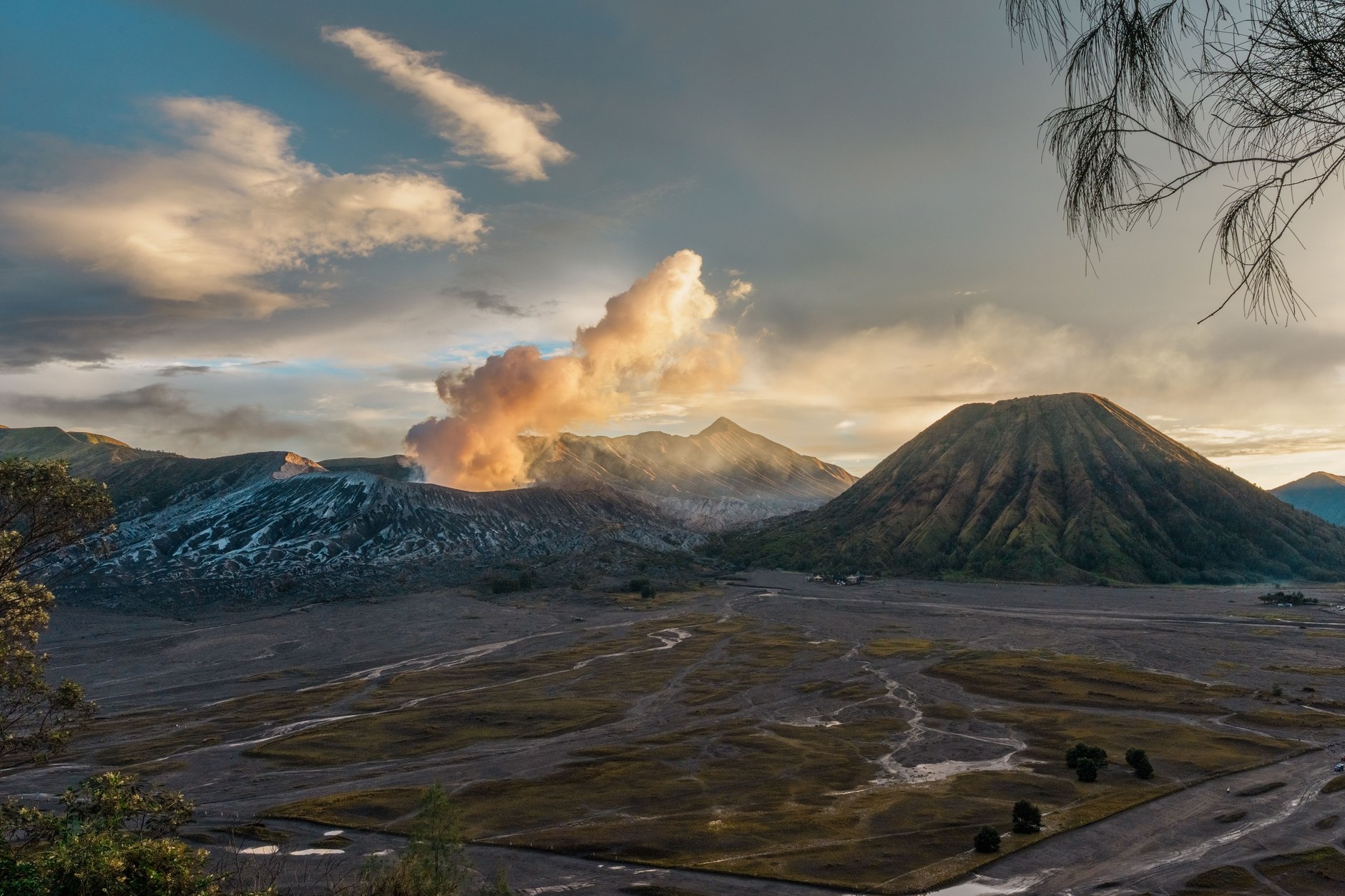
Visiting Mount Yasur requires strict adherence to safety protocols administered by the Vanuatu Meteorology and Geo-Hazards Department (VMGD). The volcano is monitored on a 0 to 4 alert level scale. At Level 1 (normal activity) and Level 2 (moderate unrest), official guided excursions allow visitors to stand on the rocky crater edge at dusk. As night falls, deep subterranean sonic booms vibrate through the soles of your shoes, followed by volcanic fireworks as glowing basaltic bombs and incandescent lava fountains shoot hundreds of feet into the smoky air against a canopy of stars. When activity rises to Level 3, the crater rim is closed, and viewing is restricted to safe perimeters on the lower Ash Plain. Always wear closed-toe hiking boots, carry a dust mask or bandana for sulfur fumes, and strictly follow the directions of your local Ni-Vanuatu safety guides.
Espiritu Santo: Limestone Blue Holes and WWII Relics
Flying north from Efate brings you to Pekoa Airport (SON) on Espiritu Santo, the largest island in Vanuatu. Known simply as “Santo,” the island is celebrated for its dense primary rainforests, extensive cave networks, and extraordinarily pure freshwater blue holes. Deep beneath Santo’s central mountain spine, rainwater filters through subterranean limestone karst systems for months before emerging under intense hydrostatic pressure in deep, natural jungle springs.
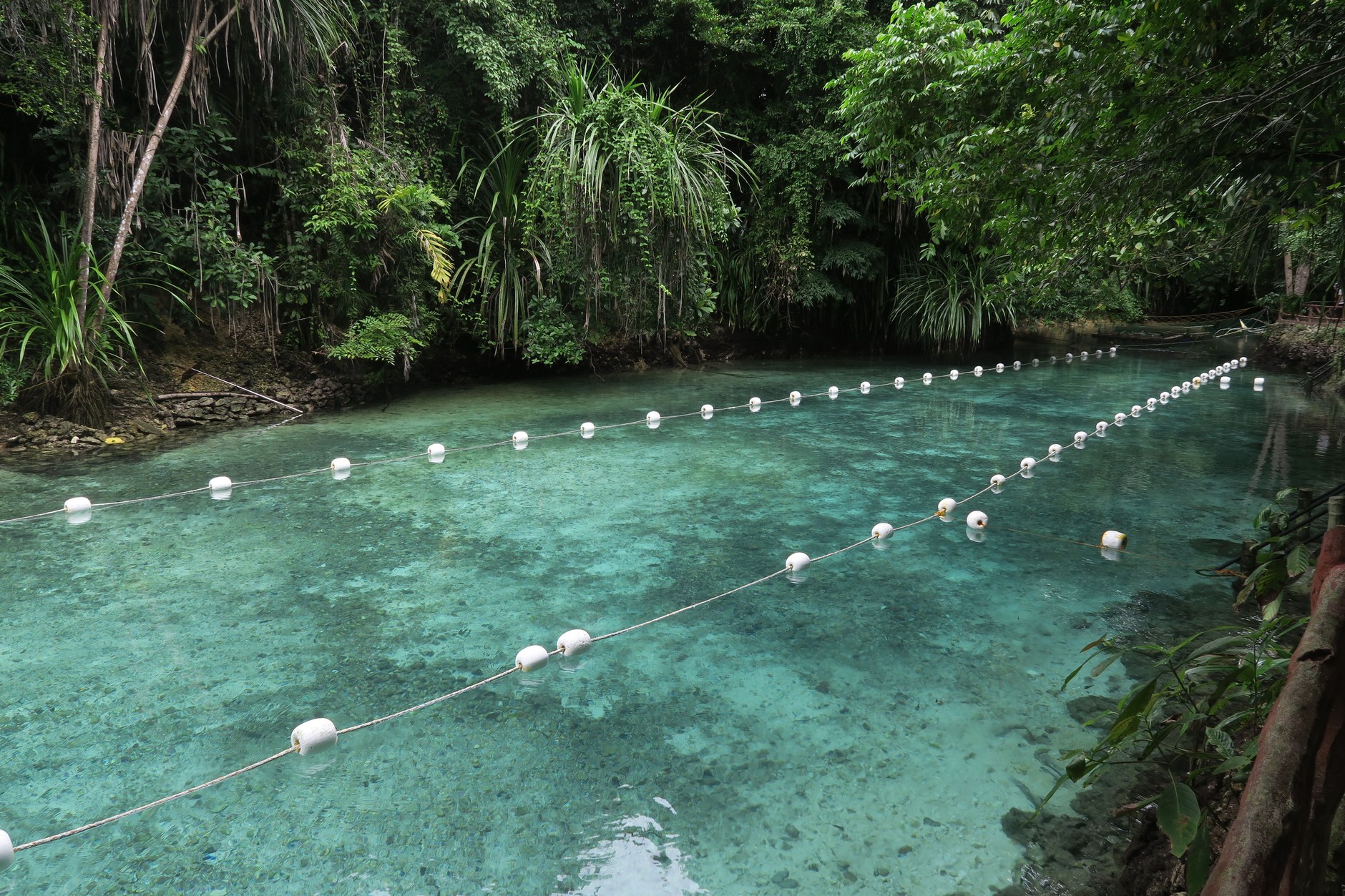
The blue holes along the eastern coast of Santo—including Nanda Blue Hole, Matevulu Blue Hole, and Riri Blue Hole—are legendary for their surreal optical clarity. The water is so intensely transparent and saturated in deep cobalt blue that fallen tree trunks and swimming river prawns are visible fifty feet below the surface. At Riri Blue Hole, the quintessential arrival experience involves boarding a traditional hand-carved outrigger canoe, paddled silently by a local guide down a winding, vine-draped river creek through dense jungle canopy before opening into the sapphire basin.
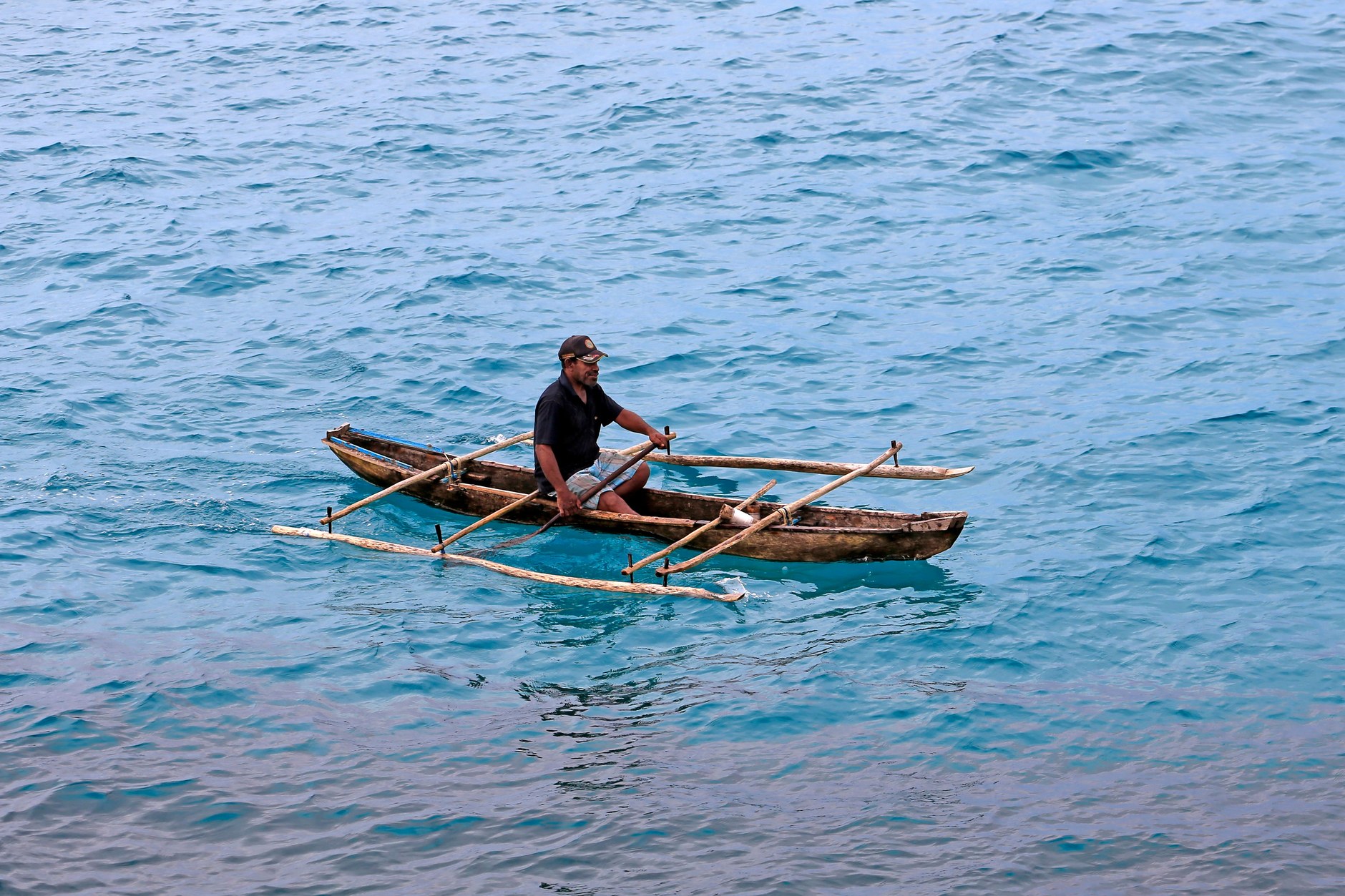
North of the blue holes along the sealed coastal highway lies Champagne Beach, frequently celebrated among the Pacific’s finest beaches. The sand here is blindingly white coral powder, sweeping in a perfect crescent around a sheltered turquoise lagoon. At low tide, underwater volcanic gas vents bubble through the shallow seabed, creating a natural effervescence resembling chilled champagne. Continuing twenty minutes further north delivers you to Port Olry, a tranquil francophone Catholic village where open-air thatched beach shacks serve freshly caught spiny lobster and coconut crab beneath towering calophyllum trees.
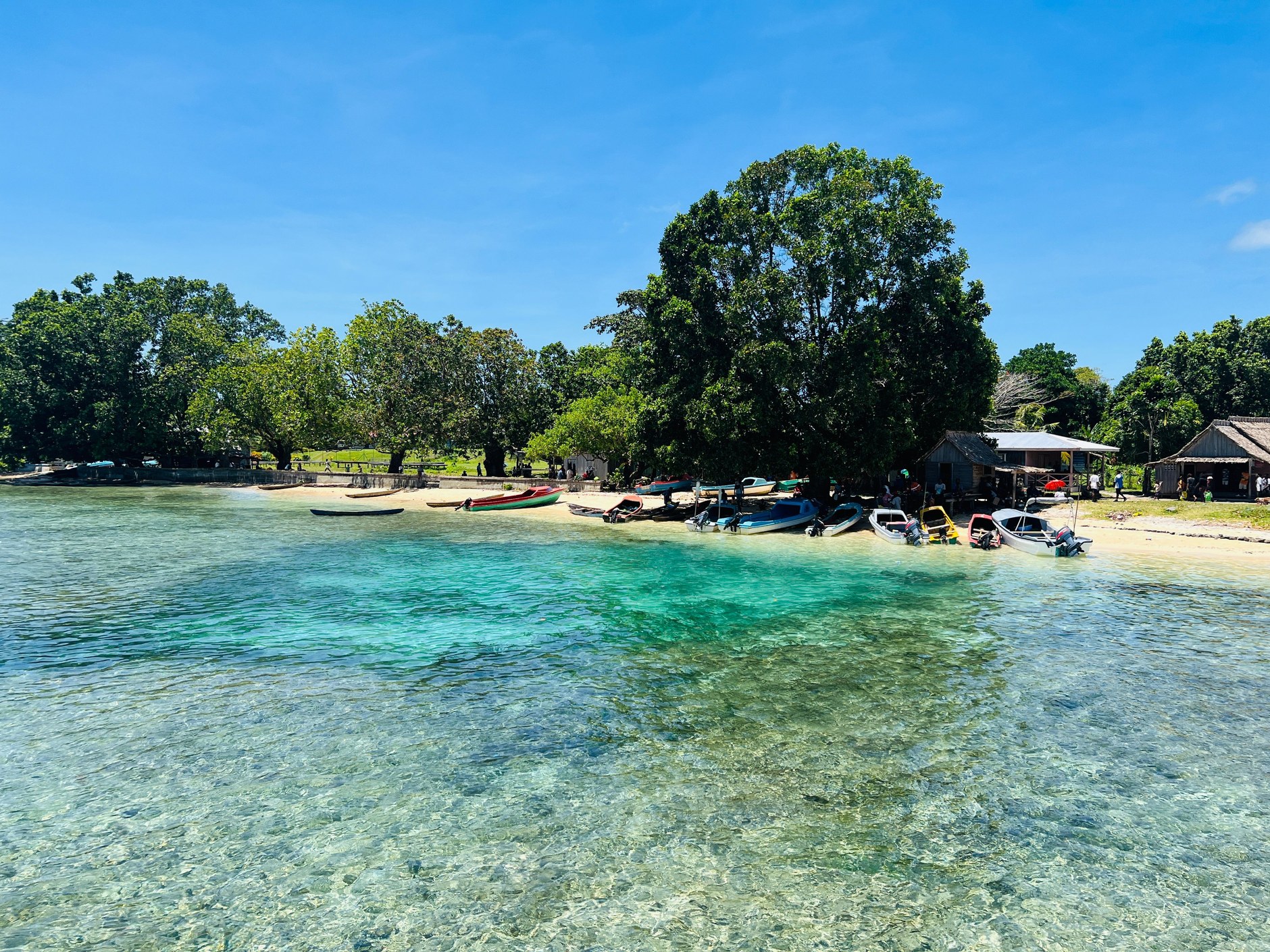
For scuba divers and military historians, Santo holds unparalleled appeal. During World War II, the island served as a forward military staging base housing over 100,000 Allied personnel. Just offshore from Luganville rests the SS President Coolidge, a 200-meter luxury passenger liner converted into a troopship that struck two friendly mines and sank in 1942. Today, it ranks as one of the world’s premier accessible wreck dives, with divers exploring intact dining salons, medical supply rooms, military trucks, and the iconic ceramic statue known as “The Lady.” Nearby, Million Dollar Point marks the spot where the US military dumped millions of dollars’ worth of bulldozers, cranes, and artillery into the sea at the war’s conclusion, creating an eerie artificial reef encrusted with hard corals.
Kastom Etiquette and Customary Land Rights
To travel respectfully in Vanuatu, you must understand that the Western concept of “public land” does not exist. Virtually every square meter of coastline, riverbank, cave, and forest in Vanuatu is customary land (“kastom land”) belonging to an indigenous family, clan, or village chief. When visiting a beach, entering a blue hole, or parking near a waterfall, visitors are expected to pay a small customary entrance fee (typically ranging from 500 to 2,000 VUV cash per person).
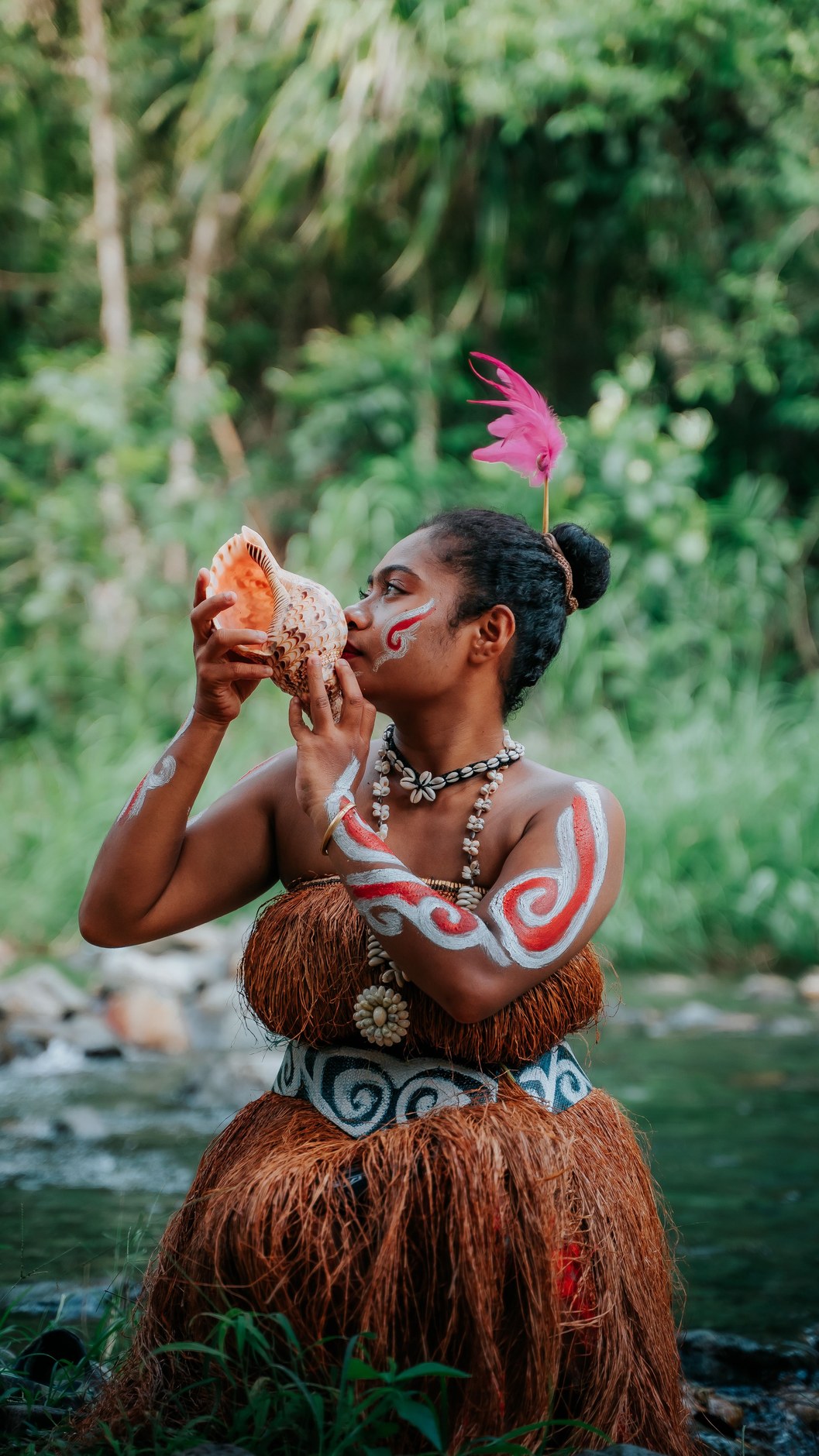
These fees are not arbitrary tourist tolls; they represent direct community contributions that support rural village schools, water catchment systems, and communal healthcare. Always carry sufficient Vanuatu Vatu cash, ask permission before crossing marked village boundaries, and never enter a tabu (sacred) area marked by crossed palm fronds (namele leaves). Outside of resort beaches, modest dress is customary: cover your shoulders and knees when walking through residential villages, and avoid sunbathing topless, which is offensive to traditional Ni-Vanuatu cultural norms.
8-Day Vanuatu Island-Hopping Itinerary
This balanced eight-day itinerary links the three primary islands of Efate, Tanna, and Espiritu Santo. Scheduling accounts for domestic flight frequencies while providing a mandatory 24-hour buffer in Port Vila before your international flight home.
| Day / Stage | Base | Highlights | Transport Mode | Transit Time | Advance Booking Requirement |
|---|---|---|---|---|---|
| Day 1 | Efate (Port Vila) | VLI arrival, harbor hotel check-in, Municipal Market walk, laplap tasting | Airport transfer | 15 mins from airport | Confirm airport hotel transfer in advance |
| Day 2 | Efate (Ring Road) | Mele Cascades waterfall swim, Hideaway Island underwater post office | Rental car or local tour | 45 mins driving | Carry Vatu cash for waterfall entry fees |
| Day 3 | Tanna (White Grass) | Morning domestic flight to Tanna, check-in, cultural village kastom tour | Flight (45m) / 4WD | 45 min flight | Book domestic flight and Tanna lodge weeks ahead |
| Day 4 | Tanna (White Grass) | 4WD expedition across Ash Plain, dusk crater viewing at Mount Yasur | High-clearance 4WD | 1.5 hours 4WD driving | Check VMGD volcano alert level with lodge staff |
| Day 5 | Santo (Luganville) | Flight via Port Vila to Espiritu Santo, check-in, Million Dollar Point snorkel | Domestic flights | 2.5 hours total flights | Confirm connecting domestic flight boarding |
| Day 6 | Santo (Champagne Coast) | Riri Blue Hole dugout canoe, Matevulu Blue Hole, Champagne Beach relaxation | Rental car or private driver | 1 hour driving | Bring small Vatu cash notes for village land fees |
| Day 7 | Santo (Port Olry) | Port Olry lobster lunch on beach, SS President Coolidge museum, local market | Rental car / walking | 45 mins driving | Reserve dive charter if diving Coolidge wreck |
| Day 8 | Efate (Port Vila Departure) | Morning flight back to Port Vila, duty-free kava shopping, onward international flight | Flight (50m) / transfer | 50 min flight | Maintain 4-hour connection window before international flight |
Field Connectivity and Mobile Data Economics
Telecommunications in Vanuatu reflect the challenges of delivering mobile coverage across an expansive oceanic archipelago. The market is operated by two primary providers: Digicel Vanuatu and state-owned Vodafone Vanuatu. Both operators maintain reliable 4G/LTE coverage across urban Port Vila, surrounding areas of Efate, and the southern commercial corridor of Espiritu Santo around Luganville. However, coverage becomes intermittent across rural northern Santo and is largely restricted to coastal ridges and White Grass Airport on Tanna, with deep interior valleys falling into signal shadows.
When traveling with an NXTL Vanuatu eSIM, understanding the wholesale roaming economics allows you to use data effectively. The profile connects directly to the Digicel LTE network at a rate of $87.46 per gigabyte (approximately $0.09 per megabyte). NXTL operates on a transparent, pay-per-megabyte model against a permanent prepaid balance that never expires, making it exceptionally useful for essential travel coordination without committing to rigid tourist bundle packages. Unused credit stays available for later trips across more than 180 countries.
Practical data arithmetic shows how to budget effectively: checking Air Vanuatu flight status notifications, sending WhatsApp coordination messages to your Tanna 4WD driver, or checking volcano alert bulletins from the Geo-Hazards Department consumes roughly 2 to 5 megabytes, costing around $0.17 to $0.44. A modest allocation of 50 megabytes covers your arrival day coordination at Bauerfield Airport and essential logistics for approximately $4.37, completely bypassing airport kiosk passport registration queues. However, downloading video content or streaming music on cellular data will consume prepaid credit rapidly. The smartest strategy is to restrict background data on your device, download offline topographic maps before leaving Port Vila, and utilize lodge Wi-Fi for heavy photo uploads in the evenings.
Currency, Cash, and Financial Operations
The currency of the nation is the Vanuatu Vatu (VUV). While established resort hotels, car rental agencies, and dive operators in Port Vila and Luganville accept major credit cards (Visa and Mastercard), transactions frequently incur a 3 to 4 percent credit card surcharge. Outside of major towns, Vanuatu is an entirely cash-based society.
Having an adequate supply of Vatu cash is an absolute necessity, especially when visiting Tanna or rural Santo. There are no reliable commercial ATMs on Tanna Island, and village homestays, custom entrance fees, 4WD drivers, and fruit markets cannot process electronic payments. Automated teller machines operated by ANZ, BRED Bank, and Bank South Pacific (BSP) are readily accessible in downtown Port Vila and Luganville. Withdraw substantial Vatu cash before boarding your domestic flight to Tanna.
Common Scams and South Pacific Hazards
Vanuatu is renowned for its safety and the legendary hospitality of the Ni-Vanuatu people. Violent crime against visitors is exceedingly rare. However, environmental and logistical pitfalls require careful management.
- Domestic Flight Connection Buffer Failure: Scheduling an outer-island domestic flight from Tanna or Santo on the same day as your international flight home. Weather delays, volcanic ash clouds, and mechanical maintenance frequently disrupt island flights; always sleep in Port Vila on your final night.
- Tanna Island Cash Starvation Trap: Traveling to Tanna with only credit cards and foreign currency expecting to find ATMs at White Grass Airport. There are no ATMs on Tanna; guides, drivers, and volcano operators accept only Vanuatu Vatu cash. Withdraw cash in Port Vila beforehand.
- Disregarding Mount Yasur Volcano Alert Warnings: Attempting to hire unregulated local drivers to access the crater rim during Level 3 volcanic unrest. Toxic sulfur gas emissions and airborne lava bombs pose deadly hazards; strictly heed official VMGD alert levels.
- Unlicensed Blue Hole Outrigger Canoe Hustlers: Booking unauthorized dugout canoe transfers at Riri Blue Hole with operators who do not pay customary land dues to the village council, sparking heated arguments between landowners and tourists. Always pay official council representatives at the established entrance.
- High-Bandwidth Cellular Roaming Bill Depletion: Leaving automated smartphone cloud updates active on mobile data roaming at $87.46/GB. Restrict cellular data strictly to text messaging and offline navigation, utilizing hotel Wi-Fi for video and heavy media.
Slower and Shorter Route Adjustments
If your travel schedule is limited to four or five days, do not attempt to visit all three islands. The most rewarding short trip combines Efate with Tanna: spend two nights on Efate exploring Port Vila and Mele Cascades, fly to Tanna for two nights to experience Mount Yasur and custom villages, and return to Port Vila for your departure connection.
Travelers with ten to twelve days can venture beyond the main circuit into the untamed outer islands. Consider flying to Malekula for multi-day jungle treks exploring the traditional territories of the Big Nambas and Small Nambas tribes, or travel to Pentecost Island between April and June to witness the legendary Nagol (land diving) ceremonies—the ancient sacred harvest ritual that inspired modern bungee jumping, where local men leap from towering thirty-meter wooden towers with forest vines tied to their ankles.