Zimbabwe delivers one of southern Africa’s most rewarding safari journeys, balancing the thundering majesty of Victoria Falls with the raw wilderness of Hwange National Park and the remote river floodplains of Mana Pools. Navigating this vast land successfully demands practical planning: mastering cash US Dollar transactions, negotiating potholed highway arteries, respecting rigorous ZimParks wildlife protocols, and understanding how to manage mobile data across expansive savanna expanses where traditional connectivity thins to a whisper.
Most international travelers arrive in Zimbabwe through Victoria Falls International Airport (VFA), an efficient gateway that immediately positions you within reach of the mighty Zambezi River. Beyond the spray of the falls lie massive wilderness reserves where walking safaris originated and wildlife encounters occur on foot rather than from congested minibuses.
This comprehensive guide details a proven ten-day overland and air-charter routing through Zimbabwe’s premier wildlife ecosystems. We break down the logistical decisions that define the trip: whether to drive or fly between reserves, how to navigate national park conservation tariffs, why clean physical cash remains non-negotiable across every transaction, and how to maintain essential communication without incurring astronomical cellular charges.
Who This Route Suits and Key Trip Trade-Offs
This itinerary is engineered for independent safari enthusiasts, adventure travelers, and wildlife photographers who prioritize authentic bush immersion over generic luxury resort sightseeing. It works exceptionally well for couples, experienced overland self-drivers, and small private groups who want to experience both high-density big-game tracking and remote river ecosystems.
Travelers must weigh several distinct trade-offs before committing to this route. The first involves transit style. Driving between Victoria Falls and Hwange is straightforward along the paved A8 highway, but continuing overland to Mana Pools requires rugged 4WD gear and long hours dodging deep potholes. Flying between reserves saves twenty hours of rough road transfers but adds substantial charter costs.
The second trade-off centers on seasonality. The dry winter months from June through October offer peerless game viewing because vegetation dies back and tens of thousands of elephants concentrate around pumped waterholes. However, midday temperatures in October can soar past forty degrees Celsius, and premium safari camps book out nine to twelve months in advance. The green summer season from December through April brings lush scenery, newborn wildlife, and brilliant birding, but heavy thunderstorms make backcountry clay tracks impassable and wildlife disperses widely across the bush.
Accommodation choices involve clear trade-offs. Private wilderness concessions grant flexibility for night drives, off-road tracking, and guided bush walks prohibited inside public park boundaries. ZimParks rest camps reduce lodging costs substantially but restrict driving to marked primary roads between sunrise and sunset.
Ten-Day Zimbabwe Itinerary: Falls to Floodplains
The following ten-day itinerary connects Zimbabwe’s western border wonders with its deep northern wilderness corridors. It provides a balanced sequence of active exploration, intense wildlife tracking, and tranquil river navigation.
| Day / Stage | Base | Highlights | Transport Mode | Transit Time | Advance Booking Requirement |
|---|---|---|---|---|---|
| Days 1–2 | Victoria Falls Town | Victoria Falls National Park clifftop walk, historic bridge gorge tour, sunset Zambezi boat drift | Airport transfer / walking | 25 mins (VFA to town) | High: book falls lodge and sunset river cruise 3 months ahead |
| Days 3–5 | Main Camp or Sinamatella, Hwange | Solar-pumped waterhole vigils, classic Kalahari sandveld game drives, large elephant herd tracking | Paved A8 road transfer or 4×4 self-drive | 2.5 to 3.5 hours | High: ZimParks entry fees & park lodge cottages require advance clearance |
| Days 6–7 | Somalisa or Wilderness Concession, Hwange | Night spotlight drives, remote walking safaris with armed professional guides, predator tracking | Open 4×4 safari vehicle transfer | 1.5 hours bush track | Essential: private concession camps fill 6 to 9 months ahead |
| Days 8–9 | Mana Pools National Park | Zambezi River floodplains, walking among wild bull elephants, guided open-water canoe excursions | Light aircraft charter from Hwange | 1 hour 15 mins flight | Critical: strict seasonal permits and fly-in charter slots require early confirmation |
| Day 10 | Departure via Harare or Victoria Falls | Morning riverbank walk, aerial flight over Kariba gorge, international homeward departures | Scheduled light air shuttle | 1.5 hours to Harare | Standard: align bush flight connection with long-haul international departures |
This route builds from comfortable lodge infrastructure around Victoria Falls toward progressively raw and immersive bush camps. Each leg offers an escalating wildlife focus, concluding in the world-renowned walking terrain of the Zambezi Valley.
If you have only seven days, drop the fly-in extension to Mana Pools and focus entirely on the Victoria Falls and Hwange corridor. That overland combination keeps transfers simple, eliminates bush charter aviation expenses, and delivers outstanding big-five wildlife viewing within easy reach of Victoria Falls Airport.
Victoria Falls: Maximizing the Smoke That Thunders
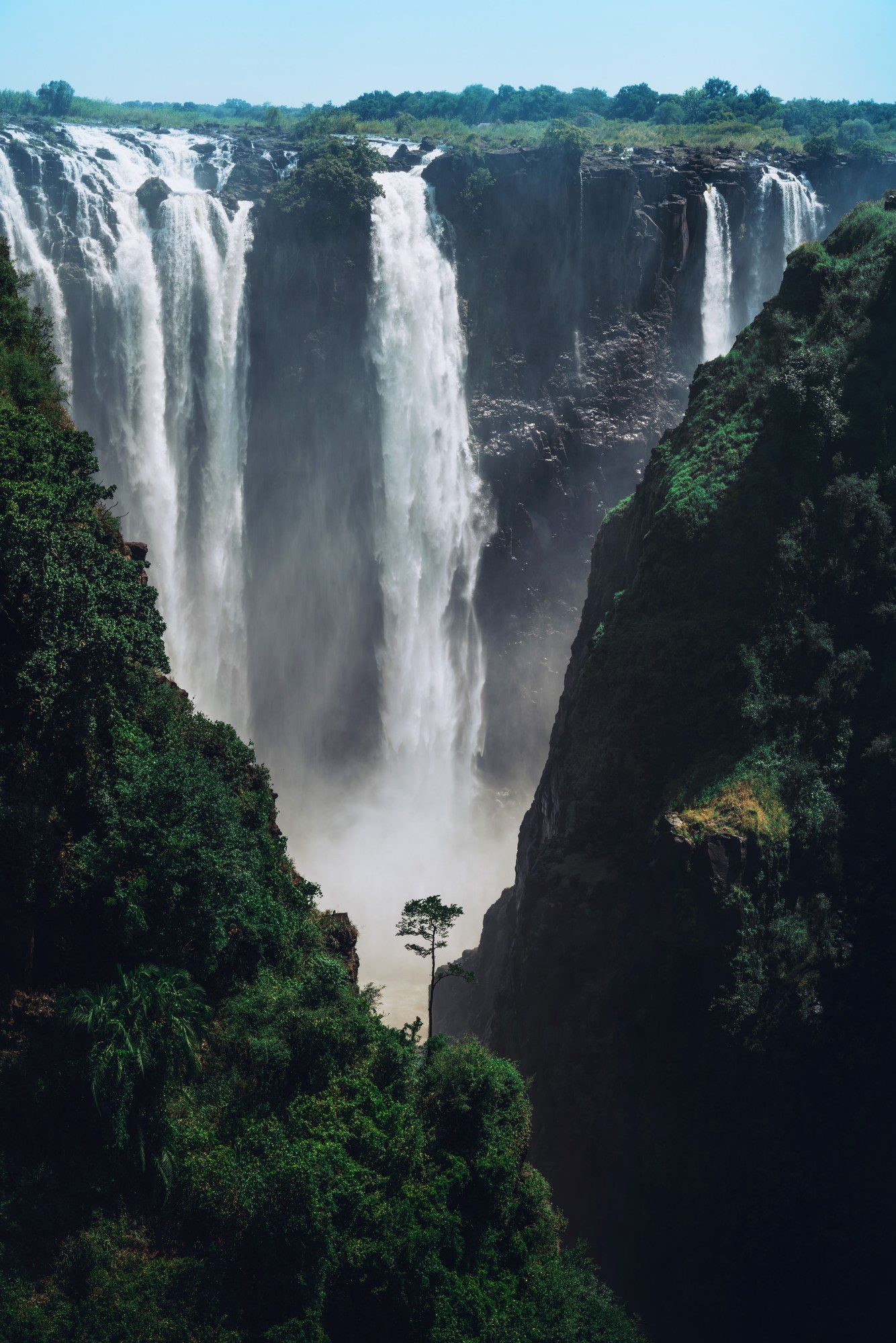
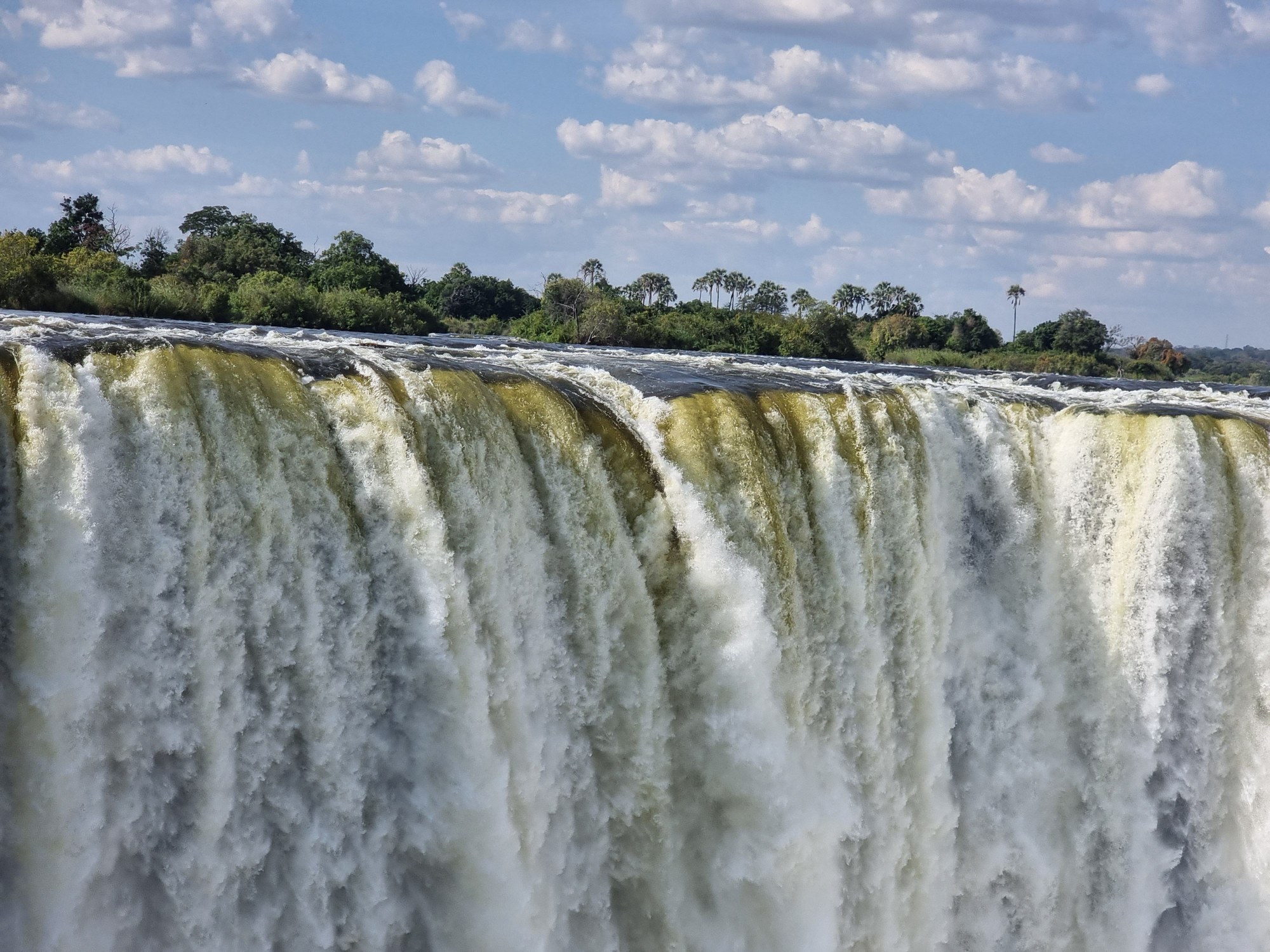
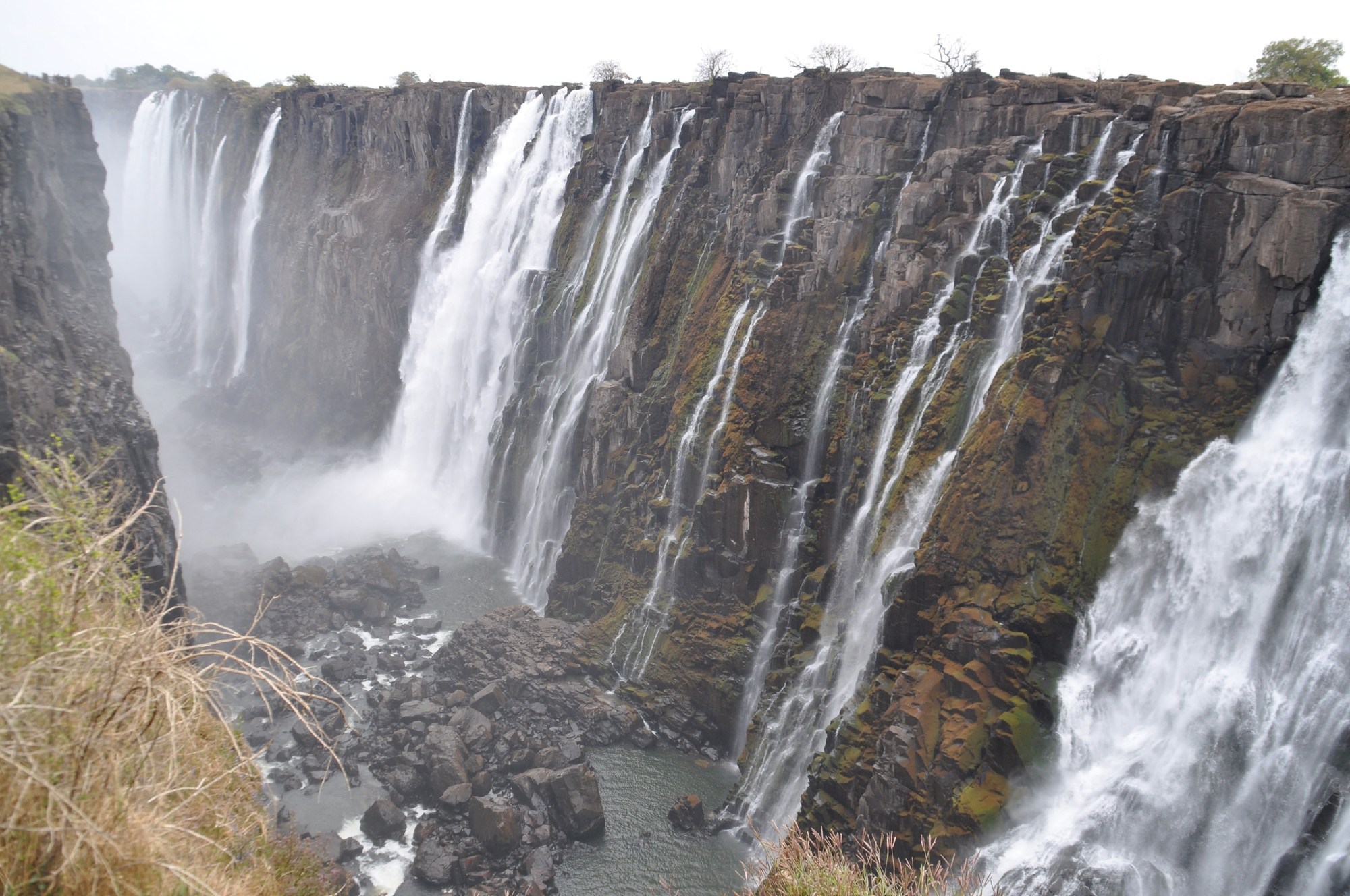
Victoria Falls, known indigenous as Mosi-oa-Tunya, stretches 1.7 kilometers across the basalt boundary separating Zimbabwe and Zambia. While both countries offer vantage points, the Zimbabwean side commands approximately three-quarters of the waterfall’s frontage, providing sixteen distinct panoramic viewpoints along a paved clifftop rainforest pathway.
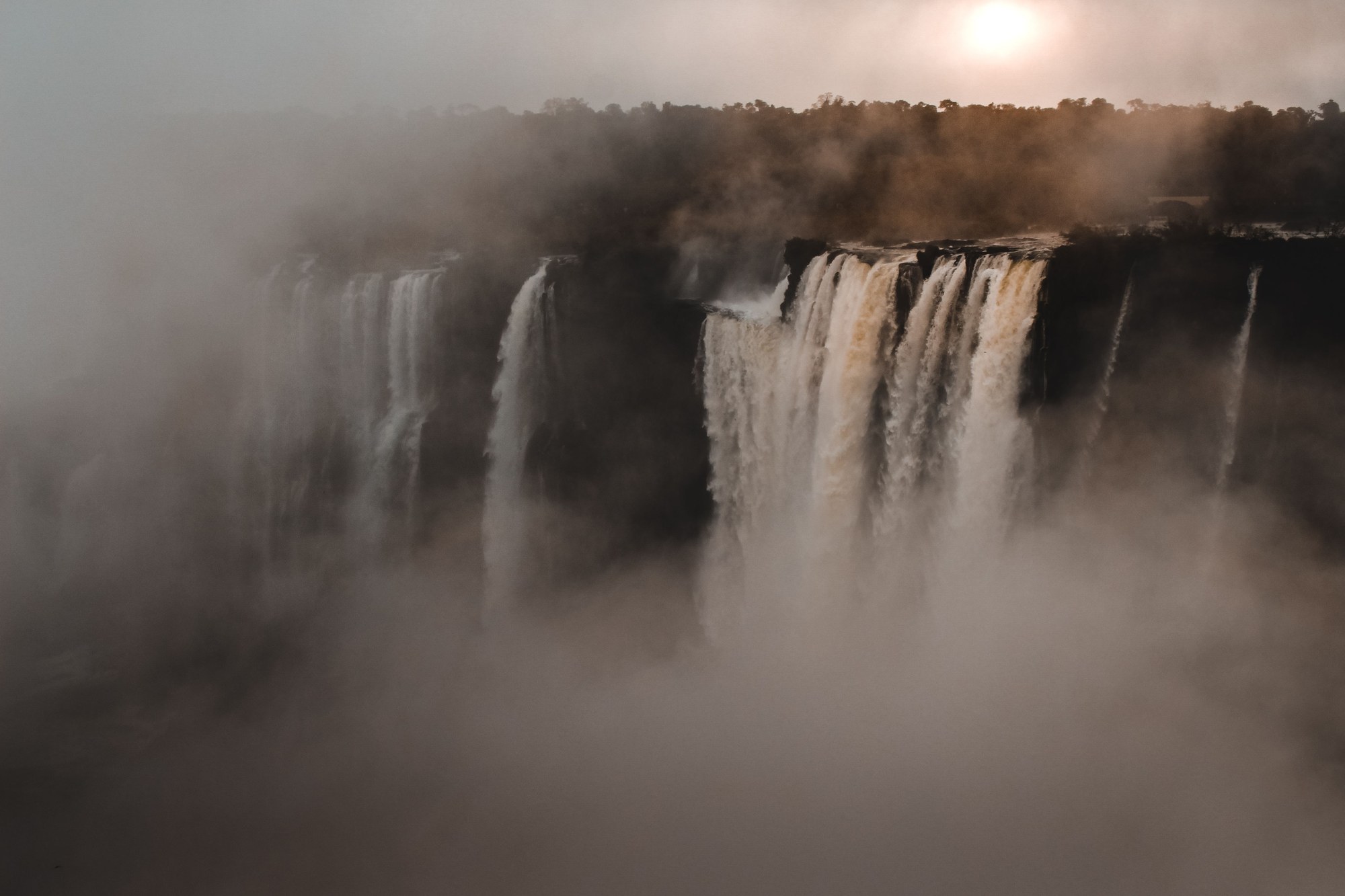
Timing your walk along the rainforest trail determines your experience. Between February and May, when the Zambezi River swells with seasonal floodwaters from the Angolan highlands, the spray is ferocious. Cloud plumes rise hundreds of meters into the air, soaking visitors from head to toe within minutes. Heavy-duty waterproof ponchos and protective dry bags for camera gear are indispensable. During the low-water window from September to December, the spray subsides, revealing the intricate geological fractures of the basalt canyon wall, though sections on the far eastern Zambian cataract dry to bare stone.
Enter the national park at opening hour, typically 06:00 in summer and 06:30 in winter. Dawn brings the softest photographic light across the gorge, clear morning air before midday heat builds, and relative solitude before overland tour buses arrive at 09:00. The clifftop walk takes approximately two to three hours at an unhurried pace, leading from the David Livingstone statue near the Devil’s Cataract past Main Falls and Rainbow Falls to Danger Point, where the sheer drop into the roaring gorge will take your breath away.
Beyond the falls trail, Victoria Falls town serves as an active adventure hub. White-water rafting through Batoka Gorge offers high excitement between August and December when river levels stabilize. Helicopter flights deliver aerial views of zigzagging basalt fault lines carved across millennia. For a relaxed evening, sunset river cruises on the upper Zambezi reveal pods of hippos and waterbirds drifting beneath fiery skies.
Hwange National Park: Kingdom of the Kalahari Sands
Spanning over 14,600 square kilometers, Hwange National Park is Zimbabwe’s largest and most famous wildlife sanctuary. Situated on the eastern edge of the Kalahari Basin, the park features semi-arid sandveld, mopane woodlands, and vast teak forests. Because the park lacks permanent natural rivers, wildlife survival hinges entirely on dozens of artificial waterholes maintained by park authorities and conservation trusts using solar-powered boreholes.
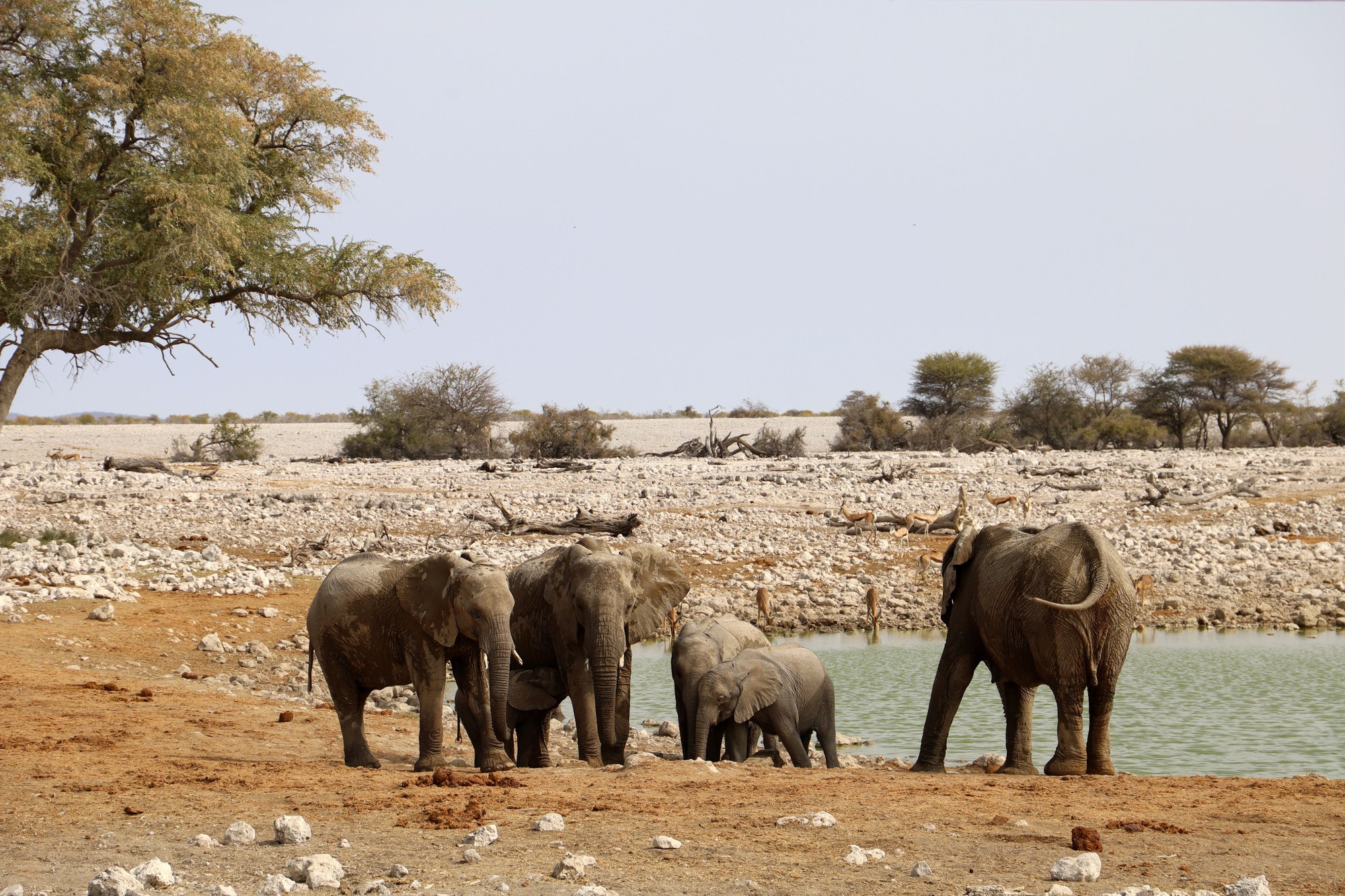
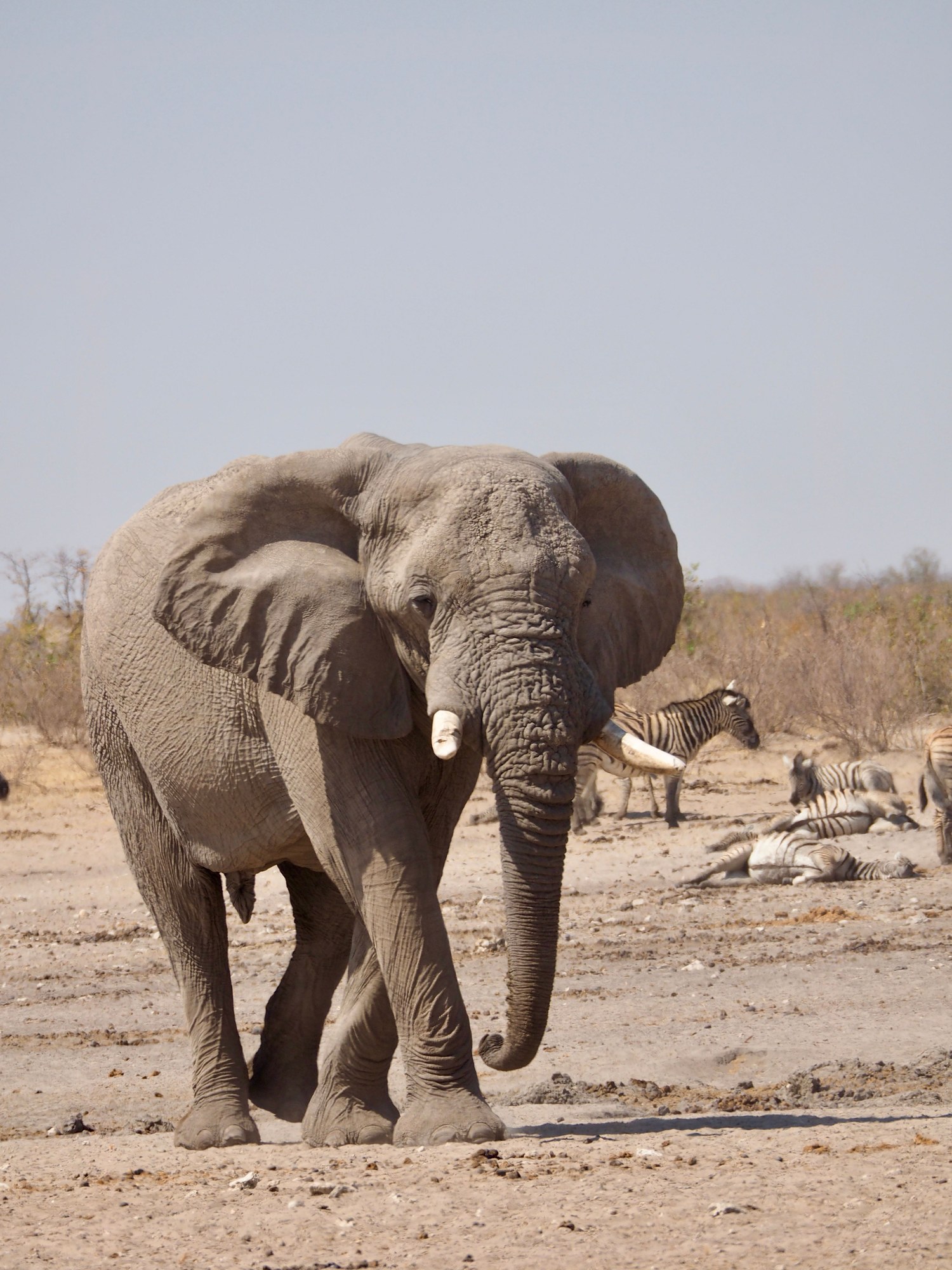
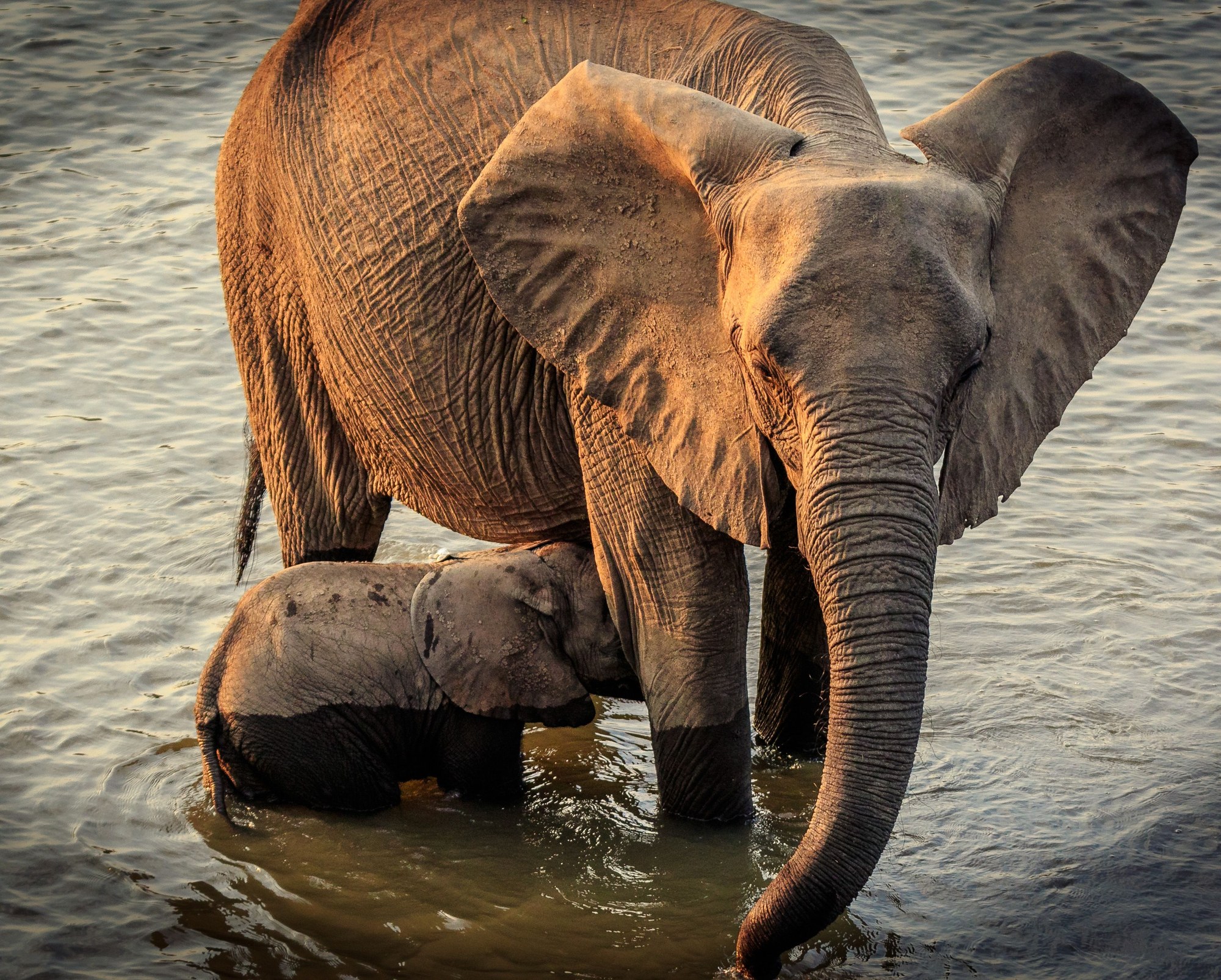
Hwange’s defining spectacle is its elephant population. With more than 45,000 elephants roaming its expanses, Hwange hosts one of the largest concentrations on earth. During the dry winter months, afternoon vigils at waterholes such as Nyamandhlovu, Guvalala, or Mandavu provide unmatched drama. Entire family herds emerge from the gray dust, calves trotting beneath their mothers’ bellies, splashing and trumpeting as they drink alongside herds of plains zebras, blue wildebeest, and southern giraffes.
Hwange is divided into operational sectors. Main Camp in the east connects easily to the A8 and offers extensive tracks around productive pans. Sinamatella in the north features rocky kopjes and broad valleys where black rhinos browse. Remote Robins Camp in the northwest features rugged terrain known for lion prides and endangered wild dogs.
To experience Hwange at its most profound, split your nights between a central self-drive or ZimParks base and an exclusive private concession. In private concessions such as Makalolo or Linkwasha, off-road tracking allows you to follow cheetah hunts across open vleis, while night drives reveal elusive nocturnal creatures including aardvarks, bat-eared foxes, servals, and hunting leopards.
Mana Pools: The World Capital of Walking Safaris
Located in northern Zimbabwe along the lower Zambezi River, Mana Pools National Park is a UNESCO World Heritage site revered by safari purists. The park takes its name from four main inland pools—Main, Chine, Long, and Chisambuk—formed by ancient oxbow bends of the river. Here, beneath magnificent canopies of winterthorn albida trees, lies an African wilderness that feels untamed and prehistoric.
Mana Pools is distinguished by the freedom to explore on foot. Zimbabwe enforces the world’s most demanding professional safari guide licensing system, requiring multi-year apprenticeships and dangerous-game tracking mastery. Under an armed guide’s escort, you track elephant bulls on foot through open woodland groves.
Winterthorn trees drop protein-rich pods during the dry months. Famous bull elephants have learned to stand erect on hind legs, stretching trunks high into the canopy to shake branches. Observing a six-ton bull elephant balance on two legs under an albida canopy is an extraordinary encounter found nowhere else.
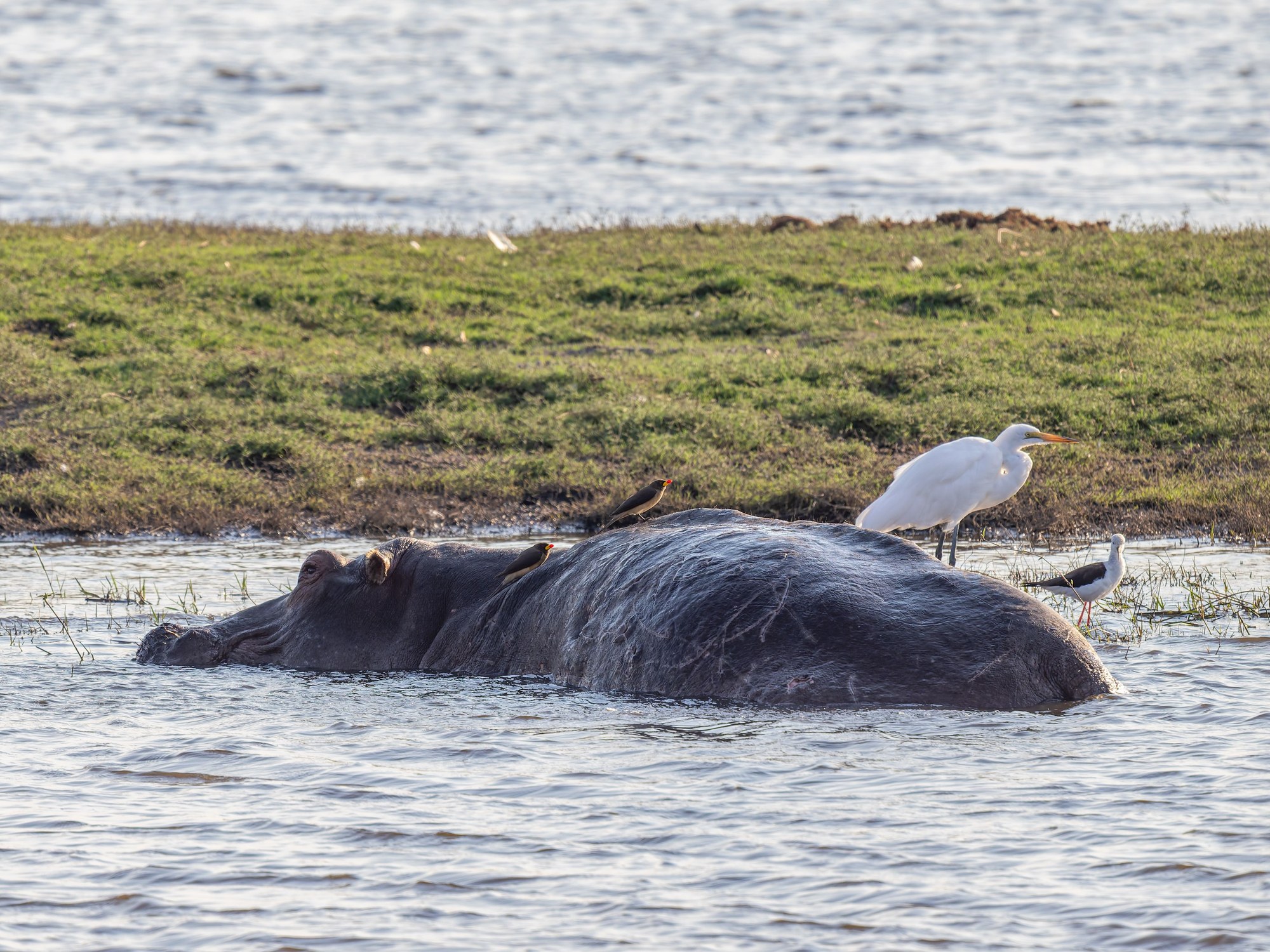
Beyond walking, multi-day canoe safaris along the Zambezi River offer tranquil intimacy with wildlife. Drifting silently past sandbanks lined with basking Nile crocodiles, elephant herds swimming across channels to mid-river islands, and hundreds of brilliant carmine bee-eaters nesting in clay cliffs delivers a perspective on the river basin that vehicular game drives cannot match. Due to dangerous hippo pods and swift river currents, canoe safaris must always be conducted with professional river guides.
Road Transport, Highway Hazards, and 4×4 Realities
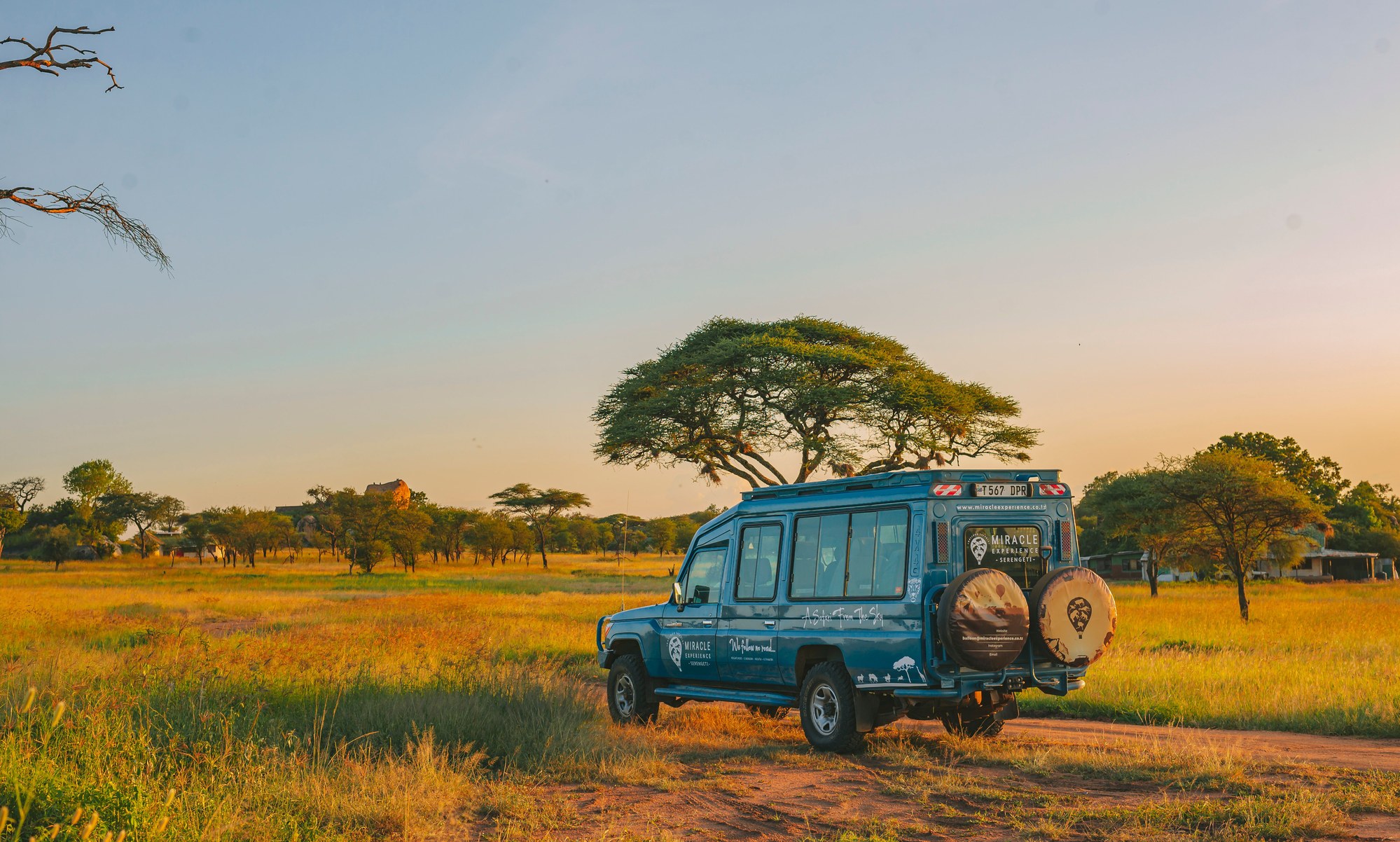
Overland self-driving across Zimbabwe is an exhilarating way to travel, but it demands vigilance and vehicle preparedness. The primary artery connecting Victoria Falls to Hwange and Bulawayo is the paved A8 highway. While fully tarred, sections of the A8 suffer from severe asphalt subsidence and tire-destroying potholes, especially where heavy coal haulage trucks travel near Hwange town.
Driving after dark in Zimbabwe must be strictly avoided. Highway lighting is nonexistent, wandering donkeys and cattle blend invisibly into the black asphalt, broken-down heavy trucks frequently park without warning triangles in active lanes, and pedestrian traffic is heavy near rural settlements. Plan all road transfers to arrive at your lodge or camp gate well before sunset.
Fuel logistics require tactical management. Filling stations in Victoria Falls, Hwange, and Bulawayo generally maintain fuel, but rural pumps occasionally run dry. Pay in cash US Dollars for prompt service. If self-driving in parks, ensure your 4WD has dual spare tires, a high-lift jack, an air compressor, and sand tracks. Dropping tire pressure to 1.4 bar prevents bogging down in Kalahari sand.
Police road checkpoints are regular features along Zimbabwean highways. Officers check driving licenses, vehicle roadworthiness, warning triangles, fire extinguishers, and reflective vest requirements. Always remain polite, greet officers respectfully, and present documents clearly. Legitimate road fines are receipted on official government books; keep small US Dollar bills handy to settle any minor administrative discrepancies without delays.
Currency Realities: The Physical Cash US Dollar Economy
Understanding Zimbabwe’s monetary landscape is vital for avoiding travel friction. The country operates under a multi-currency structure where the United States Dollar (USD) functions as the principal, universal medium of exchange for international visitors. While the Reserve Bank introduced the gold-backed Zimbabwe Gold (ZiG) currency for domestic commerce, international travelers should transact almost entirely in cash US Dollars.
Physical cash condition is of paramount importance. Zimbabwean banks, fuel stations, park gates, and restaurants strictly inspect every foreign banknote. Notes that are torn, heavily creased, stamped with bank ink, or dated prior to series 2013 are routinely rejected outright. Carry only crisp, clean, modern US Dollar banknotes. Furthermore, carry plenty of small denominations: one, two, five, and ten-dollar bills are essential because local merchants often lack foreign coin change and may attempt to give you change in unwanted local currency or grocery vouchers.
Credit card processing works reliably at major hotels and activity operators in Victoria Falls. However, point-of-sale terminals rely on cellular networks and electrical power. Regular outages disable card machines at park gates and highway filling stations. Always carry enough physical USD cash for entry fees, fuel, tolls, and tips.
ATMs in Zimbabwe should never be relied on for foreign currency. While machines in Victoria Falls occasionally dispense USD, they frequently run out of cash or charge steep fees. Arrive with your anticipated cash budget converted into clean, small banknotes.
Field Connectivity: Econet LTE and Remote Bush Realities
Staying connected while traversing Zimbabwe requires realistic technical expectations. The country’s premier telecommunications operator is Econet Wireless, which maintains extensive 4G/LTE cellular coverage across major urban centers, Victoria Falls town, Bulawayo, Harare, and along key highway transit corridors. Once you venture deep into the interior of Hwange National Park or the remote floodplains of Mana Pools, cellular tower coverage drops away entirely, leaving wide swaths of raw wilderness isolated from standard terrestrial signals.
Travelers using digital roaming can connect to high-speed data on the Econet LTE network through NXTL. Given that specialized African cellular routing and satellite backhauls reflect higher operational costs, data is priced at $173.31 per gigabyte. This tariff structure makes strategic data discipline essential. Unused credit stays available for later trips across more than 180 countries. Instead of streaming video or backing up high-resolution safari camera rolls over cellular connections, treat your mobile data as an essential operational lifeline for messaging, border document verification, banking authentications, and emergency route coordination.
To maximize efficiency, configure your smartphone before landing at Victoria Falls Airport. Switch off background app refresh, disable automated iCloud or Google Photos cloud synchronizations, and place social media apps in restricted data modes. Download complete regional offline maps on Google Maps and Maps.me while still connected to your home Wi-Fi network. Offline satellite GPS tracking functions perfectly even when mobile signal is absent, allowing you to track park waterhole tracks and backcountry junctions without consuming a single megabyte of cellular data.
Safari lodges throughout Hwange and Mana Pools provide satellite Wi-Fi in lounges for basic messaging. Having an active cellular profile on your smartphone ensures connectivity during airport transits, road transfers, and border crossings without hunting for local SIM kiosks.
Five Critical Pitfalls and Scams to Avoid in Zimbabwe
Zimbabwe is a remarkably peaceful, welcoming destination with low rates of violent crime, but bureaucratic quirks and opportunistic hustlers can create hassles for unprepared visitors. Be vigilant against these five common travel pitfalls:
- Damaged Banknote Rejection: Vendors, gate cashiers, and restaurants will outright reject US Dollar bills with minor tears, stains, pinholes, or pre-2013 dates. Inspect every banknote in your wallet before departure and refuse any blemished notes offered as change by local merchants.
- Unofficial Currency Touts at Border Posts: Street money changers at Victoria Falls and Beitbridge border crossings will offer black-market conversions of defunct trillion-dollar hyperinflation novelty notes or fluctuating local currency. Never exchange currency on the street; transact exclusively in official USD cash.
- Severe Potholes and Cattle Hazards on the A8 Highway: The paved highway between Victoria Falls and Hwange suffers from severe roadbed erosion, sudden wheel-breaking potholes, and unlit livestock wandering across the asphalt. Maintain moderate daytime driving speeds and never drive after dark.
- Unlicensed Safari Activity Touts in Victoria Falls Town: Informal street agents outside town craft markets offer heavily discounted helicopter flights, white-water rafting, or boat cruises. These operators often lack required passenger liability insurance or fail to deliver vouchers; book exclusively through verified lodge desks or licensed safari operators.
- Unaccompanied Walking in Wilderness Reserves: Stepping outside designated camp perimeters or self-driving vehicles without a licensed, armed ZimParks professional guide is illegal and dangerous. Wild elephants, lions, and buffalo roam freely throughout all national park areas without physical fencing.
By respecting local wildlife regulations, keeping a disciplined supply of crisp small-denomination US Dollars, and planning realistic road and flight connections, your journey through Zimbabwe will stand as an unforgettable pinnacle of African wilderness exploration.