South Korea is an exhilarating collision of ancient dynastic heritage and hyper-speed digital innovation. In Seoul, century-old royal palaces framed by dramatic granite peaks sit side by side with futuristic architectural monuments, trendy specialty cafes, and neon-lit street food alleyways. It is a country where you can spend your morning dressed in a traditional silk hanbok exploring Joseon dynasty throne rooms, and your evening savoring sizzling pork belly barbecue with chilled soju in a bustling neighborhood tent bar.
While most first-time travelers never leave Seoul, South Korea’s true cultural soul reveals itself when you board the sleek high-speed KTX train south. In just a few hours, you can wander among the thousand-year-old grassy burial mounds of the ancient Silla kingdom in Gyeongju, and feast on live king crab by the crashing Pacific waves in coastal Busan. Here is your ultimate practical, scam-free route guide to discovering South Korea with effortless transit, cultural savvy, and global mobile connectivity.
The 8-to-10 Day Rail Route: Seoul, Gyeongju & Busan
To experience South Korea’s rich regional diversity without rushing, follow this balanced 8-day rail itinerary:
• Days 1–3: Seoul. Base yourself in central neighborhoods like Insa-dong, Myeongdong, or Hongdae. Day 1: Settle in, explore traditional teahouses, and take in sunset over the city from N Seoul Tower. Day 2: Visit Gyeongbokgung Palace for the royal guard changing ceremony, stroll through Bukchon Hanok Village, and dive into street food at Gwangjang Market (famous for crispy mung bean pancakes and knife-cut kalguksu noodles). Day 3: Modern Seoul—browse Dongdaemun Design Plaza (DDP), explore Gangnam, and walk along the tranquil Cheonggyecheon stream.
• Days 4–5: Gyeongju. Catch an early morning KTX train from Seoul Station to Gyeongju Station (roughly 2 hours). Day 4: Rent bicycles to explore the royal burial mounds of Daereungwon, see Cheomseongdae observatory, and marvel at the night illumination of Wolji Pond. Day 5: Morning excursion to Bulguksa Temple and Seokguram Grotto, followed by artisan coffee in the historic hanok cafes of Hwangnidan-gil.
• Days 6–8: Busan. Take a 35-minute KTX hop south to Busan. Day 6: Explore Jagalchi Fish Market, sample seed hotteok in BIFF Square, and wander the colorful hillside murals of Gamcheon Culture Village. Day 7: Ride the coastal sky capsule train at Haeundae Blueline Park, visit the seaside Haedong Yonggungsa temple, and enjoy the evening LED light show at Gwangalli Beach. Day 8: Morning souvenir shopping before taking the KTX directly back to Incheon Airport or Seoul.
Foliage and holiday tip: Autumn is the premier travel season; check the Korea Tourism Organization foliage forecast for peak colors. Avoid traveling during major national holidays like Chuseok (Korean Thanksgiving) and Seollal (Lunar New Year), when KTX tickets and hotel rooms sell out weeks in advance.
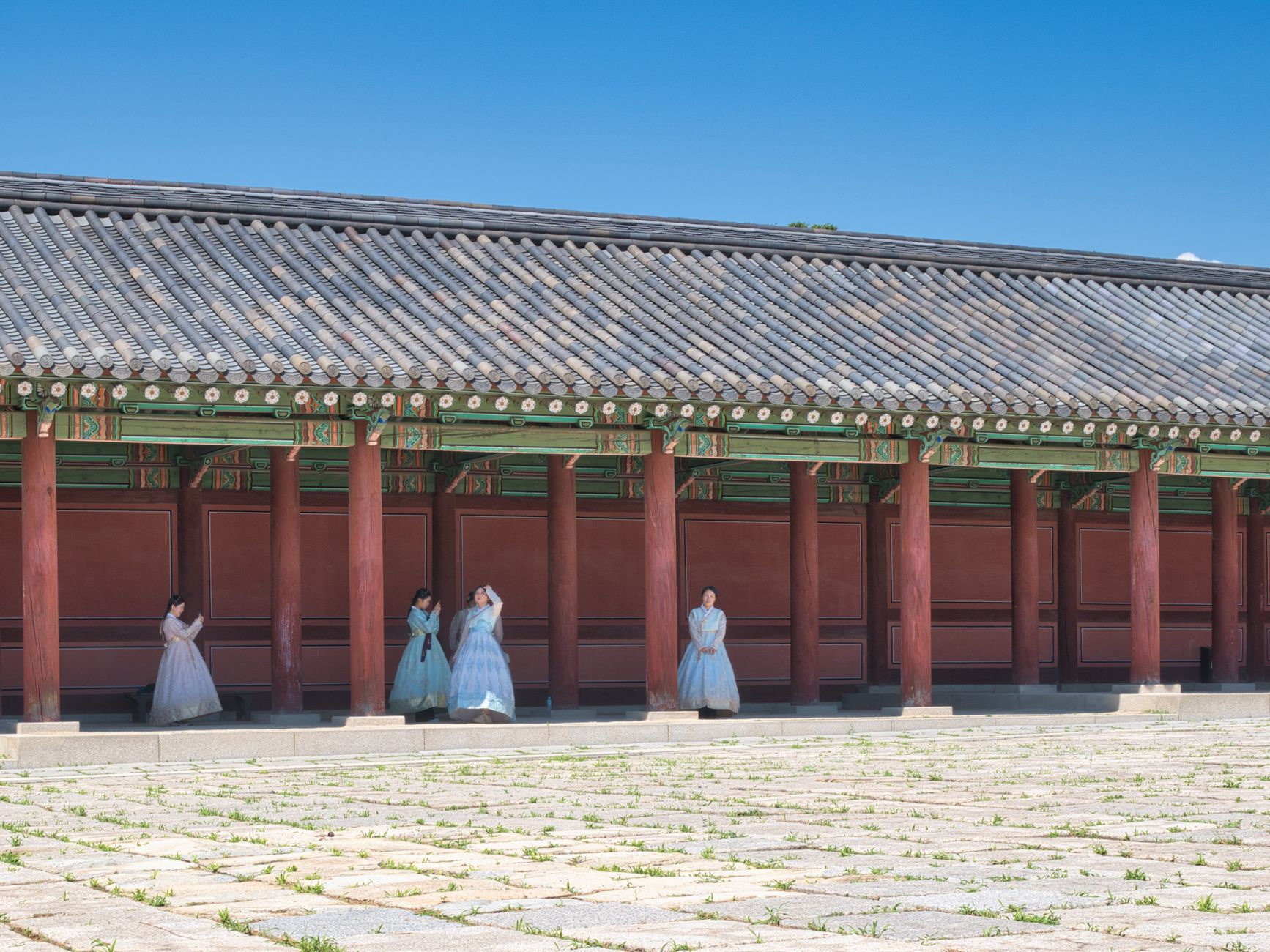
Seoul: Joseon Palaces and Hanok Courtyards
Begin your Seoul adventure at Gyeongbokgung Palace, the magnificent primary palace of the Joseon Dynasty built in 1395. A fantastic travel hack: renting a traditional hanbok from surrounding rental shops (around 15,000–25,000 KRW for two hours) gives you completely free entry to all royal palaces in Seoul while offering spectacular photos against ornate red-and-green Dancheong wooden eaves.
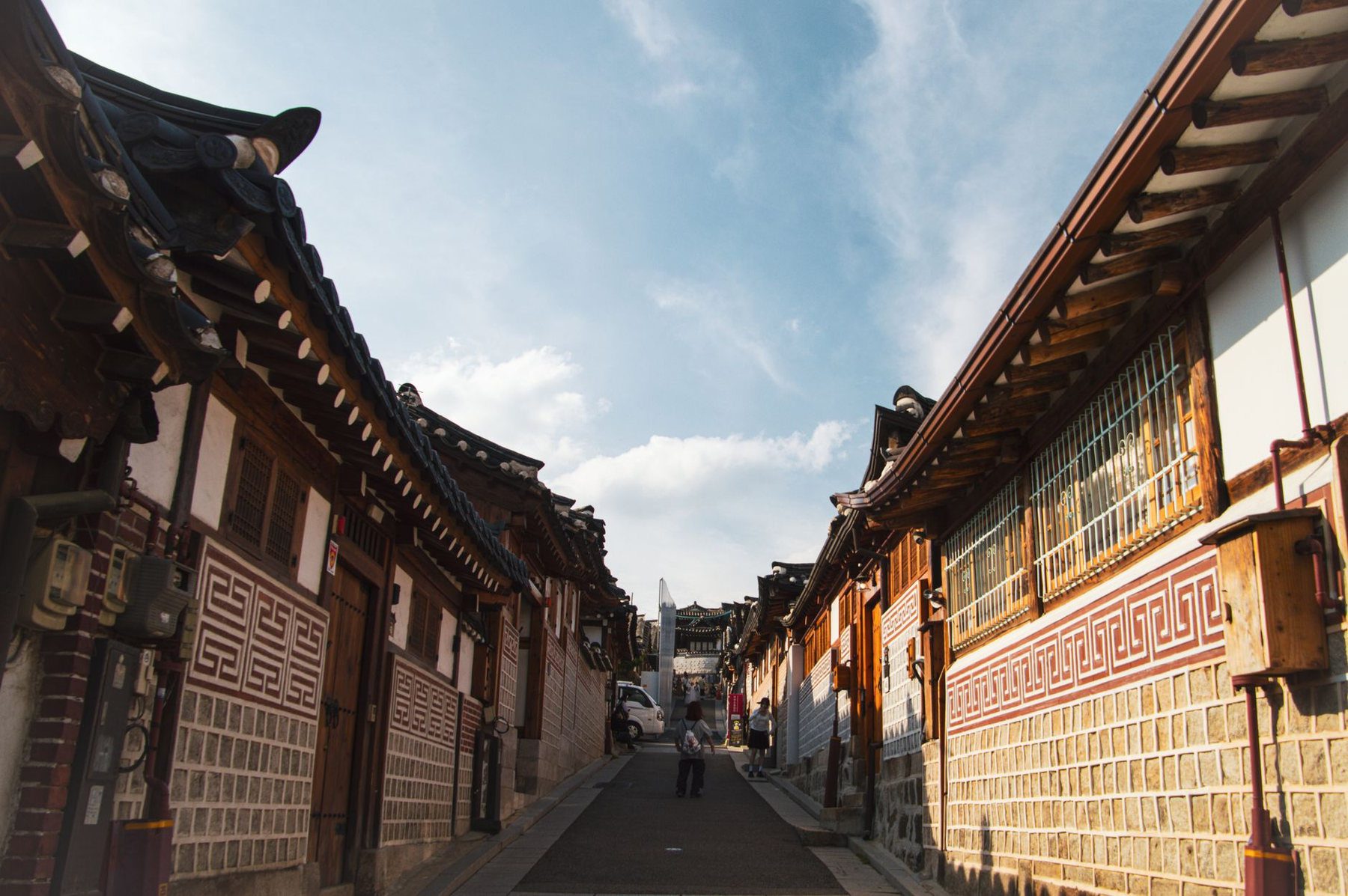
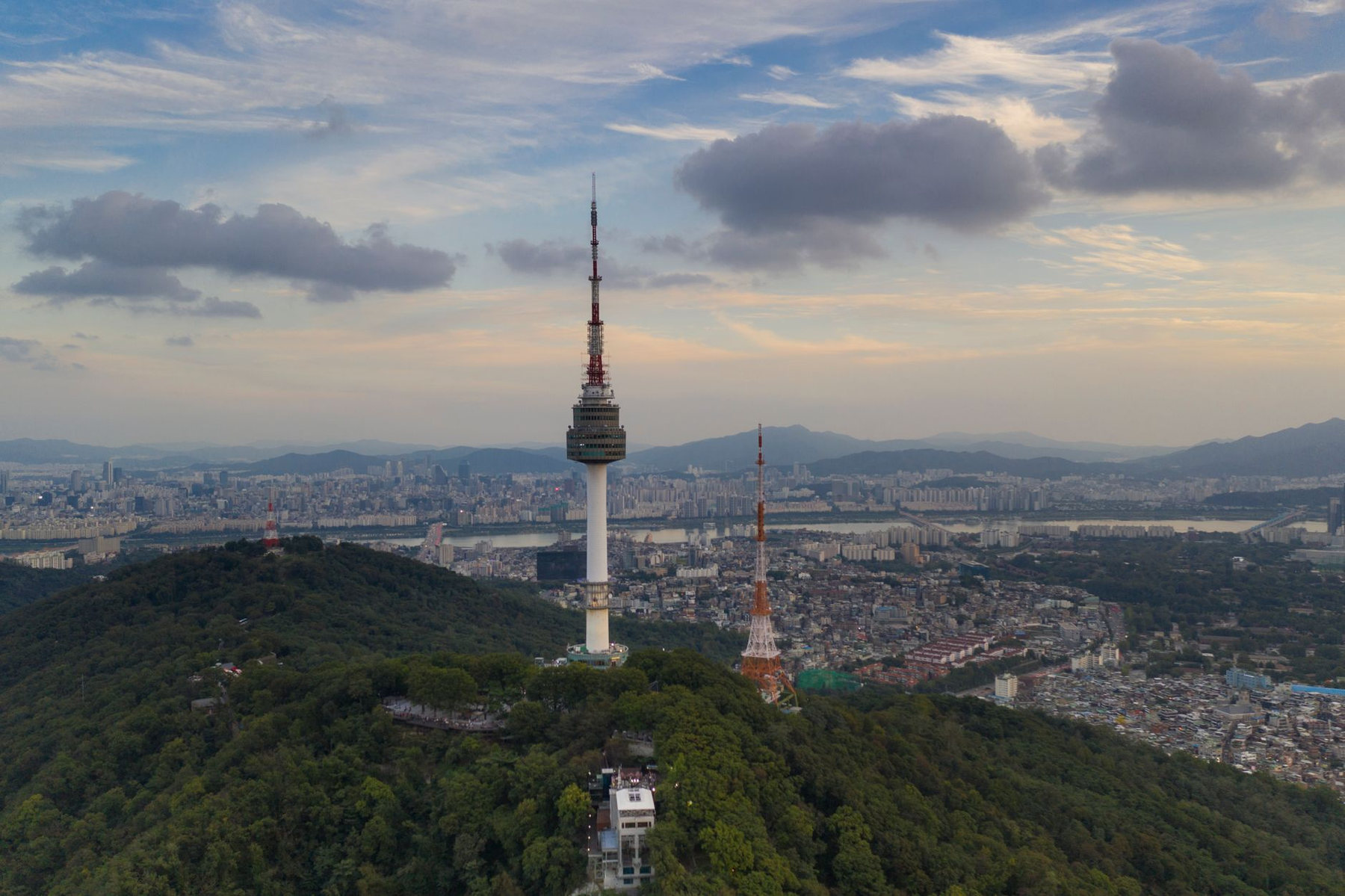
Just east of the palace lies Bukchon Hanok Village, a preserved residential enclave of traditional wooden houses with sweeping tiled roofs. Walk respectfully through these historic residential lanes before heading up Mount Namsan via cable car to N Seoul Tower. The observation deck offers a jaw-dropping sunset panorama watching millions of city lights flicker on across the vast Han River basin.
South Korea Safety Tips & Common Scams to Avoid
South Korea is exceptionally safe with remarkably low crime rates, but international visitors should stay sharp regarding a few distinct tourist traps:
• The Myeongdong Pushy Cosmetics Trap: While browsing cosmetic shops in Myeongdong, promoters will hand you ‘free’ face masks to lure you inside. Once inside, sales staff can become extremely high-pressure, cornering tourists into buying expensive 100,000+ KRW skincare packages. Take free samples only if you genuinely intend to browse, and never feel obligated to purchase.
• Unofficial Airport Taxi Overcharging: At Incheon International Airport, ignore touts in the arrivals terminal whispering ‘taxi, taxi.’ These unofficial drivers steer tourists to private vans with rigged meters charging 150,000 to 200,000 KRW. Always use the official taxi queue outside (standard orange or silver metered cabs cost roughly 55,000–70,000 KRW to central Seoul) or take the high-speed AREX train directly to Seoul Station for just 11,000 KRW.
• The Spiritual Cultural Center Scam: Friendly university-age Koreans approaching you in tourist districts like Hongdae or Insa-dong asking for help with an ‘English survey’ or inviting you to experience a ‘traditional tea and ancestral blessing ceremony.’ If you follow them to a private building, they will pressure you into performing rituals and demand heavy cash donations (50,000–100,000 KRW). Politely decline and walk away.
• The Google Maps Blindspot: Crucial technical alert: Google Maps does NOT work for walking directions or real-time transit routing in South Korea due to national security laws regarding domestic mapping servers. You must install Naver Map or KakaoMap before arrival, which provide full English navigation and second-by-second bus countdowns.
Gyeongju: The Golden Kingdom of Silla
Board the high-speed KTX train to Gyeongju, the historic capital of the Silla Kingdom for nearly a millennium (57 BC – 935 AD). The high-speed rail station is located outside the old center; consult Gyeongju city visitor transport information for direct city bus and taxi connections to your lodging.
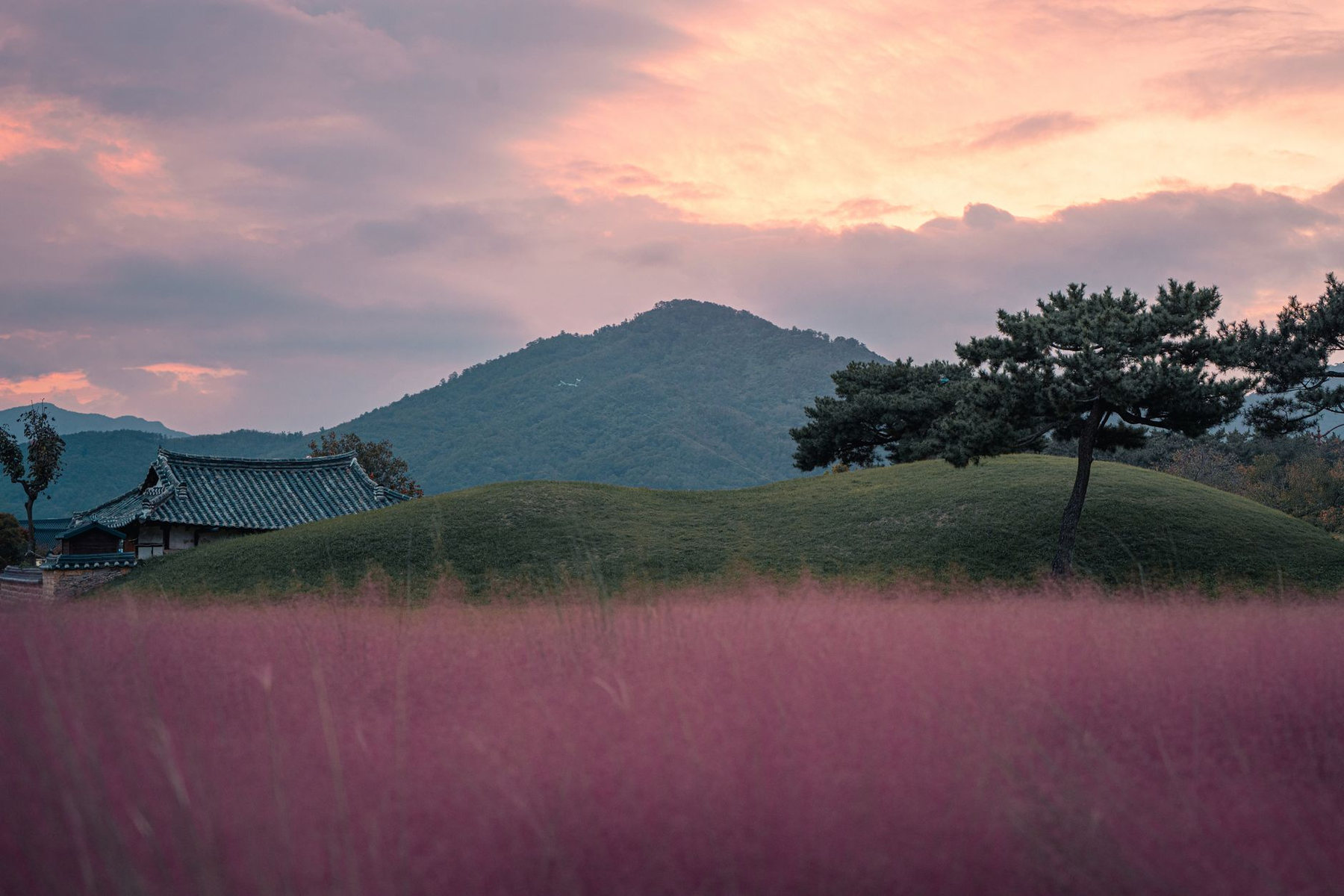
In the heart of town lies the Daereungwon Tomb Complex, a tranquil park containing over twenty giant grassy burial mounds where ancient monarchs were laid to rest with solid gold crowns and jade ornaments. As twilight falls, stroll to Donggung Palace and Wolji Pond (formerly Anapji). The ancient pleasure pavilion, bathed in golden illumination and reflected upon the mirror-like surface of the surrounding pond, is one of the most romantic sights in East Asia.
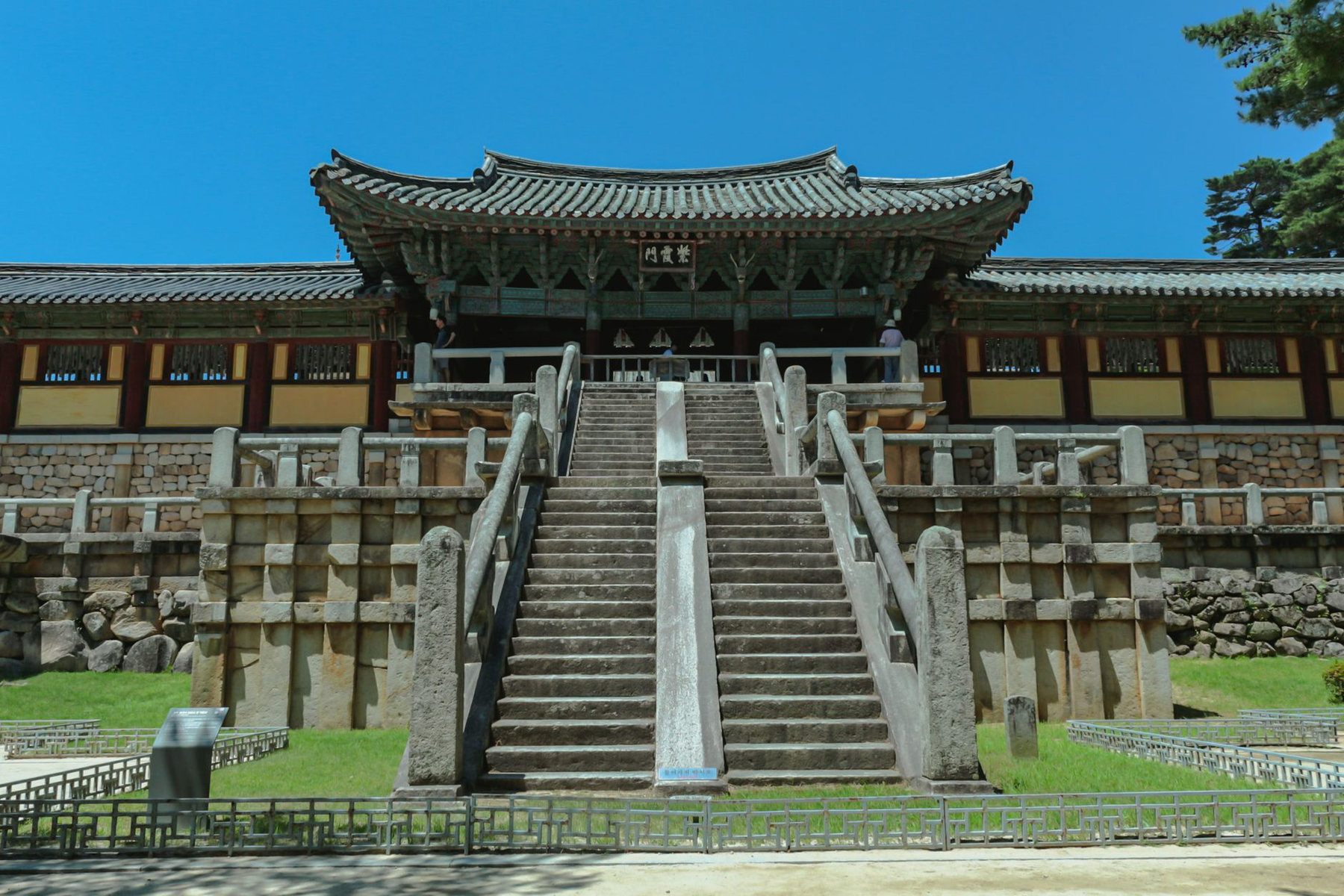
Bulguksa Temple: Mountain Architecture and Stone Art
On your second morning in Gyeongju, take a 30-minute local bus ride up the slopes of Mount Toham to Bulguksa Temple, a UNESCO World Heritage site and the supreme architectural achievement of Silla Buddhist art. Walk across the grand stone staircases known as Cheongungyo and Baegungyo (Blue and White Cloud Bridges), symbolizing the crossing from the secular world into the realm of Buddha.
Inside the main courtyard, admire the contrasting masonry of the two famous stone pagodas: the minimalist Dabotap and the serene, geometric Seokgatap. If time permits, continue up the mountain to Seokguram Grotto, an 8th-century granite cavern housing a monumental seated Buddha gazing serenely over the East Sea.
Busan: Coastal Energy and Jagalchi Fish Market
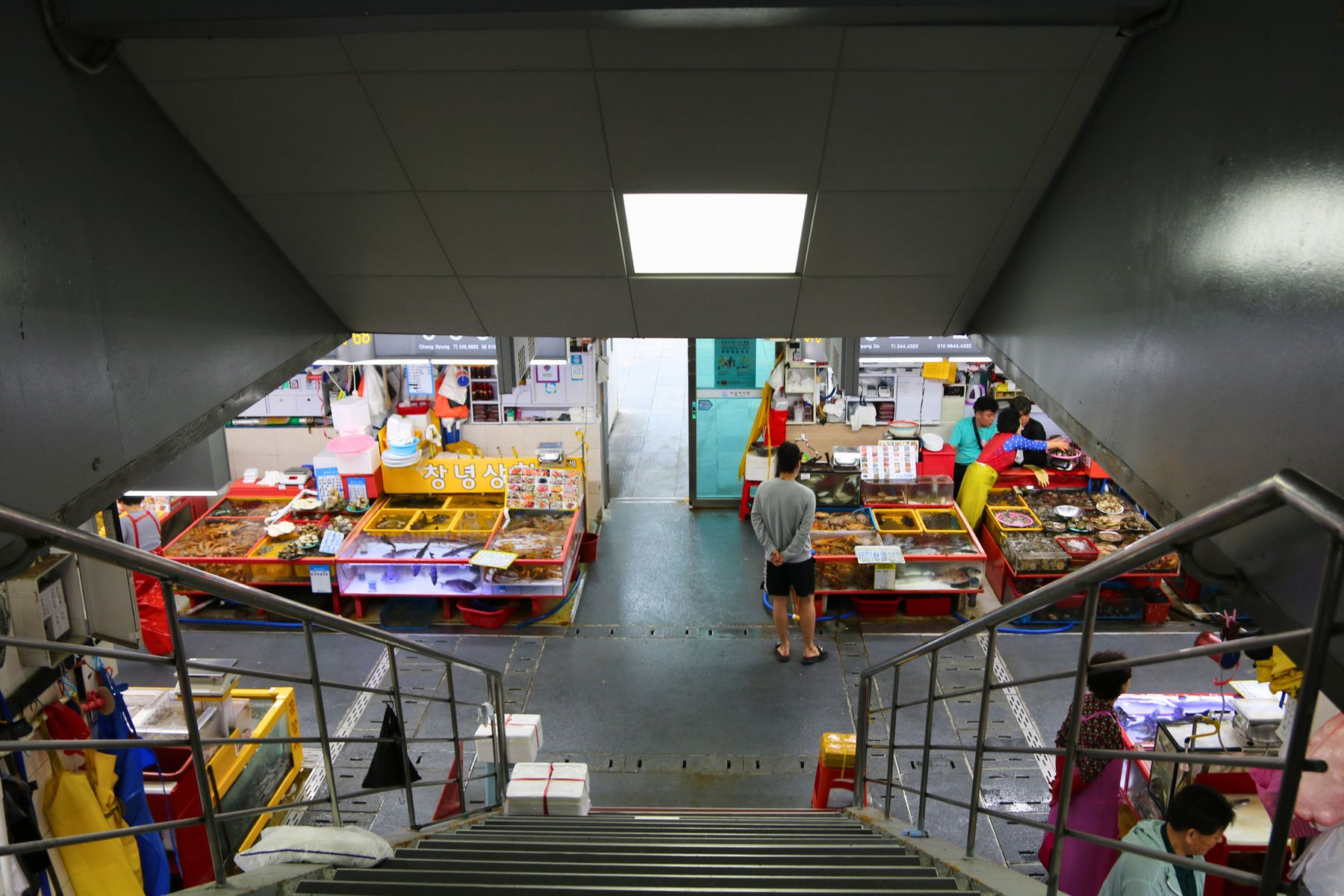
A brief 35-minute KTX hop south brings you to Busan, South Korea’s vibrant maritime second city. Framed by rugged coastal peaks and the sparkling blue sea, Busan has a gregarious, open-air energy completely distinct from Seoul. Head straight to Jagalchi Fish Market, the largest seafood market in Korea.
Watch spirited ‘Jagalchi Ajummas’ (veteran female fishmongers) expertly prep live fish, king crabs, and abalone. Select your seafood fresh on the ground floor and head upstairs, where market restaurants prepare it immediately as fresh hoe (sashimi) and spicy haemul tang (seafood stew) served with bubbling bowls of rice and kimchi.
Gamcheon Culture Village: Hillside Murals and Pastel Terraces
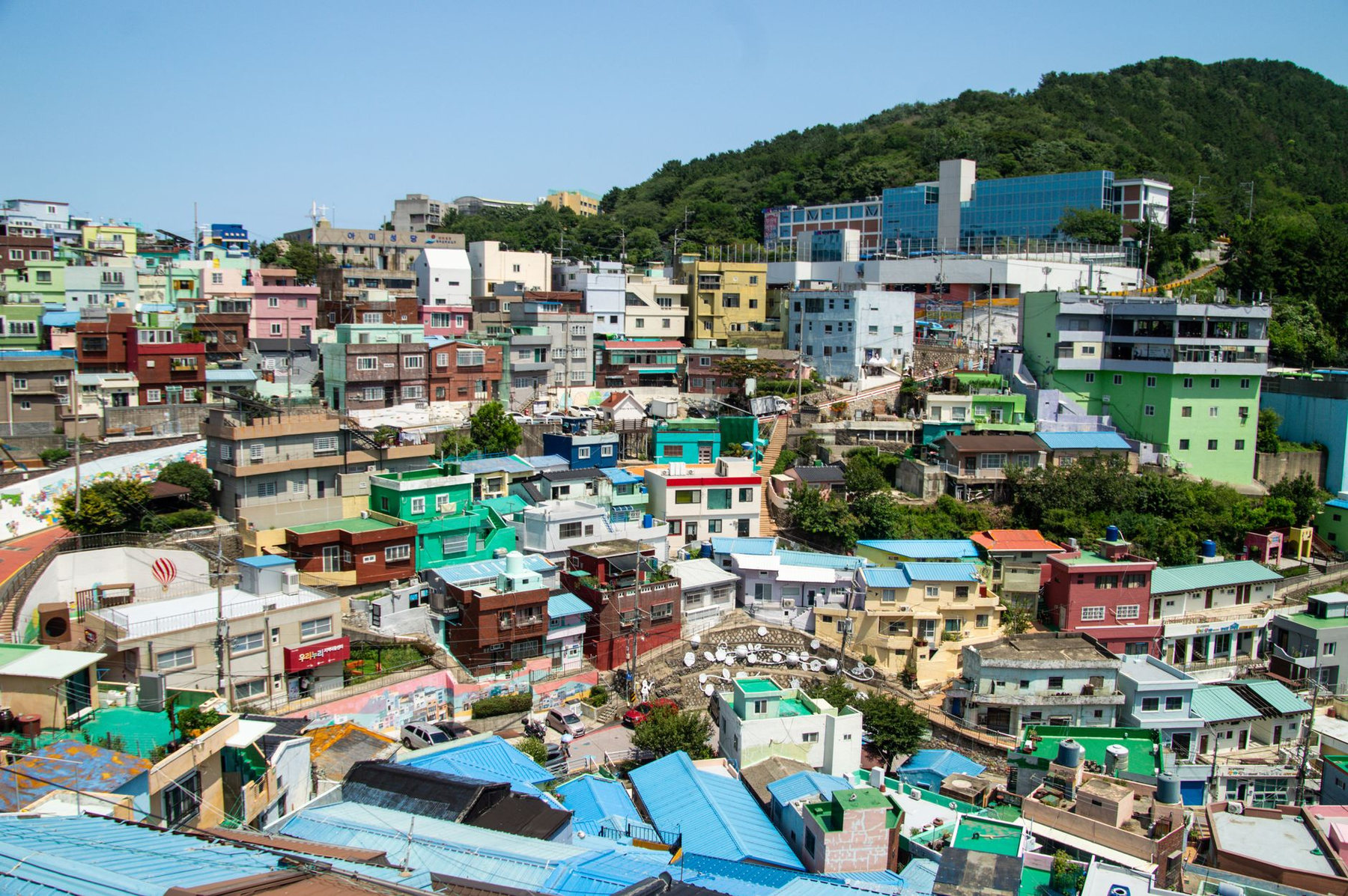
Spend your afternoon exploring Gamcheon Culture Village, a vibrant hillside community dubbed the ‘Machu Picchu of Busan.’ Originally established by Korean War refugees, the steep neighborhood has been transformed into a colorful arts labyrinth of pastel-painted houses, whimsical sculptures, and artisan studios.
Climb to the famous photo terrace next to statues of The Little Prince and the Desert Fox, looking out over the kaleidoscope of colorful roofs descending toward the harbor. Stroll through narrow staircase alleys filled with indie galleries, craft shops, and rooftop cafes.
Haeundae Beach and Gwangalli Bridge After Dark
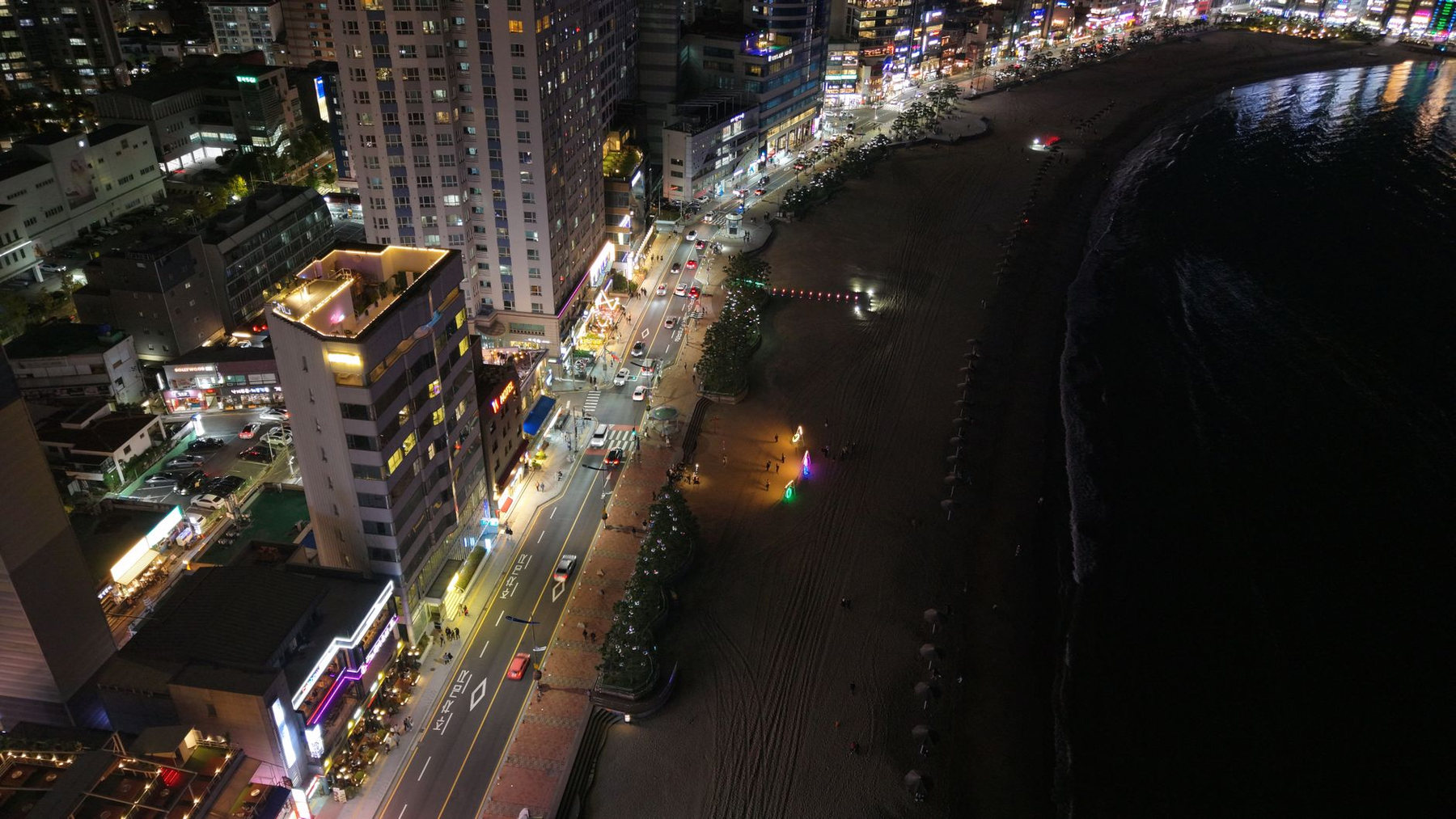
In eastern Busan, Haeundae Beach offers a sweeping crescent of golden sand flanked by luxury skyscrapers and oceanfront boardwalks. Take a walk along the Dongbaekseong Island path, passing camellia groves and a scenic mermaid statue to reach the modern APEC House.
As night falls, explore Haeundae Traditional Market for freshly made hotteok (crispy griddled pancakes filled with brown sugar, cinnamon, and sunflower seeds) and spicy tteokbokki. Later, make your way to neighboring Gwangalli Beach, where waterfront craft breweries provide front-row seats to the spectacular LED light show illuminating the soaring Diamond Bridge across the bay. Further district advice is available on Visit Busan’s neighborhood portal.
Staying Connected Across Korea: The NXTL Global eSIM Advantage
Because traveling in South Korea relies so heavily on localized navigation apps, real-time connectivity is an absolute lifeline. You cannot rely on hotel Wi-Fi when you need Naver Map to track real-time bus arrivals down to the second, Papago to translate Korean menus via camera OCR, Kakao T to hail verified metered taxis, and KORAIL to check KTX platform numbers on the official KORAIL booking site.
Rather than wasting valuable vacation time standing in airport queues to rent clumsy Wi-Fi eggs that require daily recharging, or buying single-destination SIMs that expire after a week, smart travelers use the NXTL Global eSIM.
NXTL is a single, reusable global eSIM that connects you across 180+ countries and 460+ local tier-1 carrier networks. When you land at Incheon or Gimpo Airport, your phone connects automatically to South Korea’s premier ultra-fast networks—SK Telecom and KT—giving you blazing-fast 5G and LTE speeds nationwide.
Even better, your balance never expires. You get started for just $11.99 with $10 usable balance included. If you only use $4 of data navigating Seoul and Busan, the remaining $6 stays in your account, ready for your next trip to Japan, Europe, or the Americas. Because it is a digital eSIM, your home physical SIM stays safely inside your phone, letting you receive bank 2FA verification SMS codes and family calls with zero roaming surcharges.
Daily Data Usage Breakdown for South Korea:
• Live Navigation & Bus Tracking (Naver Map / KakaoMap): ~90–140 MB per day.
• Live Camera OCR Translation (Papago): ~40–65 MB per day.
• Taxi Hailing & KTX Schedule Checks (Kakao T, KORAIL): ~30–50 MB per day.
• Social Media & High-Resolution Uploads: ~250–400 MB per day.
A package of 6 GB to 10 GB is ideal for an 8 to 10-day trip across South Korea, with easy top-ups available inside the NXTL app anytime.
Dining Etiquette and Practical Travel Tips
Keep these practical tips in mind for an authentic Korean experience:
• Banchan Refills: At Korean barbecue and traditional restaurants, all side dishes (banchan) including kimchi, pickled radishes, and bean sprouts are completely free and unlimited. Simply say ‘Imo, banchan deo juseyo’ (Auntie, more side dishes please!) with a warm smile.
• Respectful Gestures: When handing or receiving cash, credit cards, or drinks with someone older, always use both hands (or support your right wrist with your left hand) as a sign of respect.
• Transit Cards: Purchase a physical T-money card or Wowpass at any convenience store (CU, GS25, 7-Eleven) or subway station. You can tap it on all subways, city buses, and taxis nationwide. Note: reloading physical transit cards requires cash Korean Won (KRW).
• Entry Permission: Confirm short-term entry requirements and apply for a K-ETA online if required for your nationality prior to departure.