Albania is one of the most compelling frontiers on the Mediterranean, where turquoise Ionian coves meet limestone mountain canyons, ancient Illyrian citadels, and Ottoman stone towns. Yet many first-time visitors plan routes based on misleading map distances, assuming they can race between the northern Accursed Mountains of Theth and southern Ksamil within a single week. That cross-country sprint results in exhausting days trapped behind heavy trucks on mountain switchbacks.
The definitive first journey is a focused 7-day southern road trip. Departing from Tirana, you drive south to the Ottoman citadels of Berat and Gjirokastër, cross the turquoise karst springs of the Blue Eye, and spend three days exploring the pebble bays, ancient Greco-Roman ruins of Butrint, and coastal canyons of the Albanian Riviera before ascending the Llogara Pass. This route delivers an authentic blend of history, living hospitality, and coastal beauty at a sensible pace.
The 7-Day Albania Road Trip Itinerary at a Glance
| Day / Stage | Overnight Base | Key Highlights | Transit & Route Logistics | Essential Advance Bookings | What to Cut / Save |
|---|---|---|---|---|---|
| Day 1: Capital Transformation | Tirana (Blloku or City Center) | Skanderbeg Square, pastel communist ministries, Bunk’Art 2 nuclear bunker, Blloku cafes | Tirana Airport (TIA) to center via Rinas Express coach (30 min, 400 LEK); center explored on foot | Bunk’Art 2 admission; pick up rental car on morning of Day 2 to avoid parking congestion | Skip renting a car at the airport on Day 1; Tirana traffic is chaotic and hotels rarely include free parking |
| Day 2: City of a Thousand Windows | Berat (Mangalem or Gorica) | Drive south to Berat, Berat Castle living fortress, Onufri Iconographic Museum, whitewashed Ottoman facades | Tirana to Berat via SH4 highway (1 hr 45 min, 100 km); well-paved four-lane and two-lane tarmac | Onufri Museum ticket; dinner reservation at Homemade Food Lili in Mangalem | Skip driving inside steep cobblestone alleys of Mangalem quarter; park in the municipal lot along the river |
| Days 3–4: Stone Roofs & Springs | Gjirokastër (Old Bazaar) | Gjirokastër fortress ramparts, Cold War tunnel, Ottoman tower houses (Zekate House), karst spring of the Blue Eye | Berat to Gjirokastër via SH4 through Tepelenë (2 hr 15 min, 155 km); scenic river valleys and good asphalt | Gjirokastër Castle pass; Blue Eye park entry permit (paid in Albanian lek) | Skip visiting the Blue Eye at midday in summer; arrive before 9:30 AM to enjoy azure waters without bus crowds |
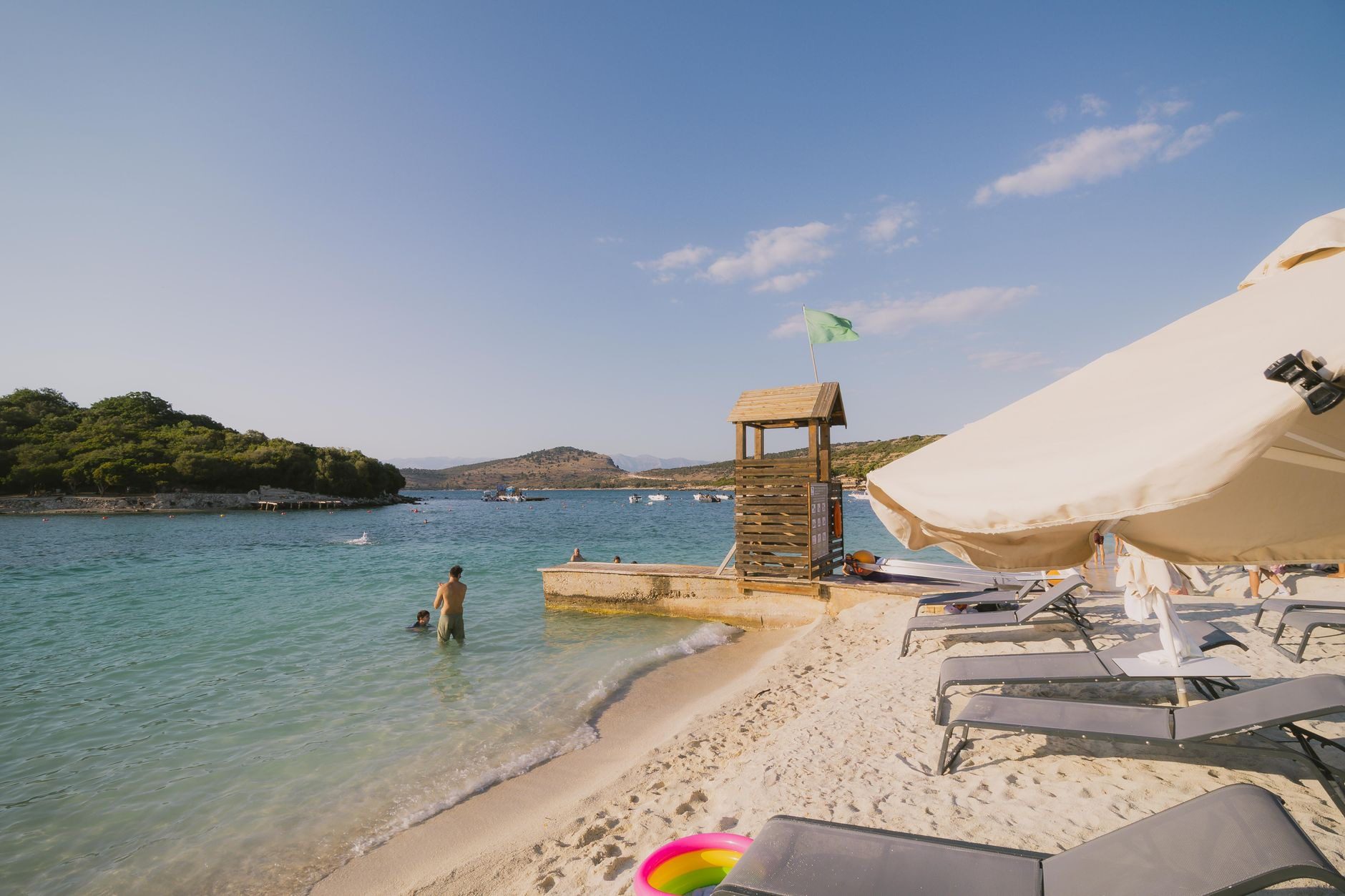
| Days 5–6: Riviera & Ancient Ruins | Himara or Ksamil | UNESCO ruins of Butrint National Park, secluded pebble coves of Gjipe Canyon, crystalline waters of Ksamil | Gjirokastër to Sarandë/Ksamil via Muzina Pass (1 hr 15 min); coastal SH8 to Himara (1 hr 30 min) | Butrint National Park ticket; rent small kayak or motorboat to reach outer Ksamil islets | Skip paying $33.89+ for front-row beach loungers in central Ksamil; secluded coves like Gjipe offer untouched beauty |
| Day 7: The Llogara Pass & Departure | Tirana / Departure | Dramatic mountain switchbacks ascending 1,027 meters through Llogara National Park, scenic drive to Tirana Airport | Himara to Tirana Airport via SH8 over Llogara Pass and A2 highway past Vlorë (3 hr 30 min, 220 km) | Schedule return international flight after 17:00 to accommodate mountain driving times | Skip driving the Llogara Pass after dark; daylight is essential for safety and sweeping coastal views |
Renting a car unlocks the freedom to stop at family-run olive groves, mountain springs, and quiet Mediterranean pebble bays that public minibuses never reach. Driving demands alert habits, but southern arterial highways are well-paved and scenic.
Tirana to Berat: Pastel Bunkers & The City of a Thousand Windows (Days 1–2)
Your journey begins in Tirana, a capital that transformed communist isolation into an open-air urban canvas. Start in Skanderbeg Square, flanked by Italian-designed pastel ministry buildings, the 18th-century Et’hem Bey Mosque, and the Clock Tower. In the 2000s, artist-turned-mayor Edi Rama famously ordered gray Stalinist apartment blocks painted in bright geometric oranges, purples, and yellows, reviving the city’s civic spirit.
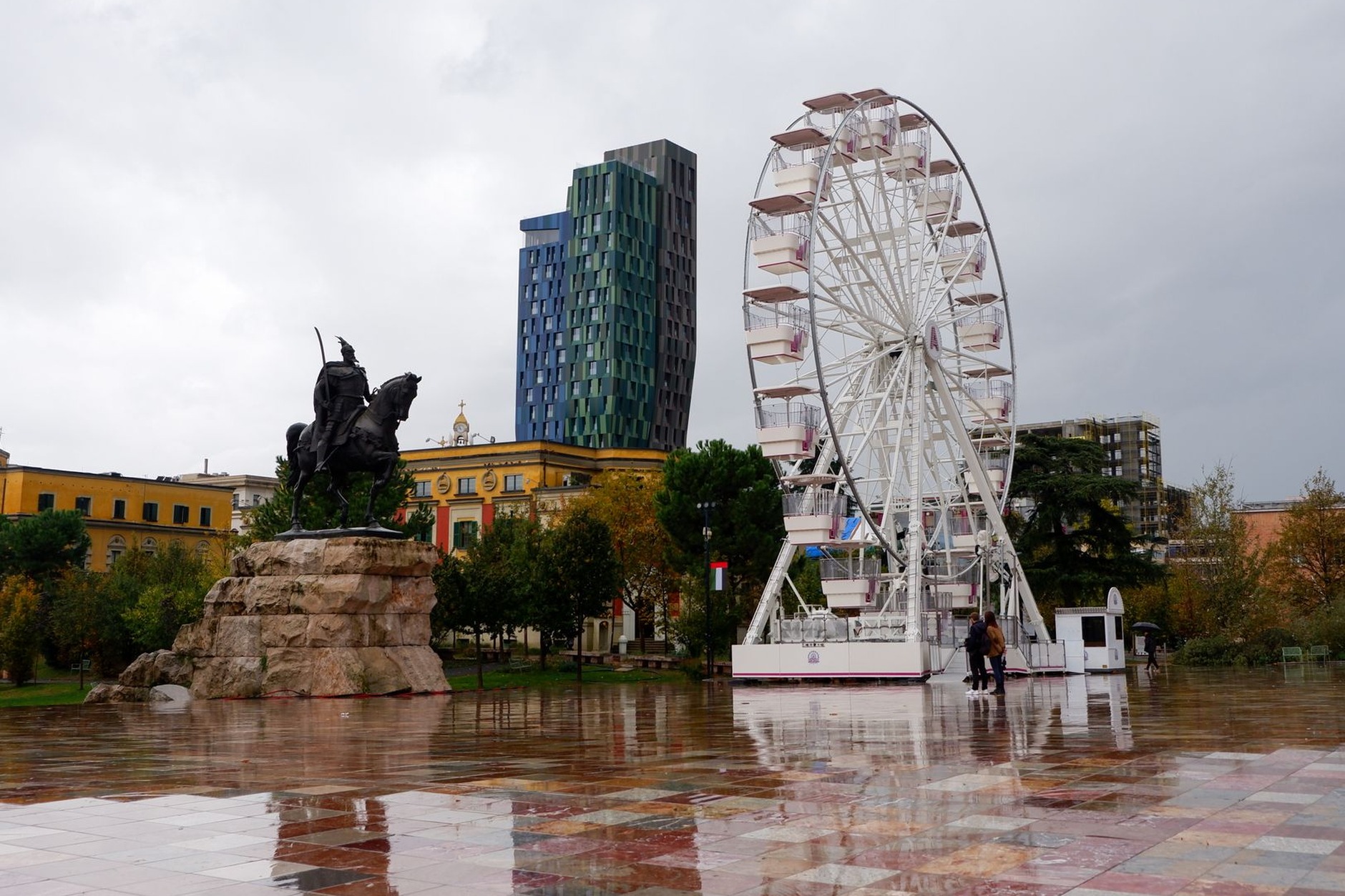
Descend into Bunk’Art 2, a secret 1,000-square-meter underground fallout shelter built beneath the Ministry of Internal Affairs during the paranoid regime of dictator Enver Hoxha. Between 1975 and 1983, Hoxha constructed over 173,000 reinforced concrete dome bunkers across Albania—an astounding 5.7 bunkers per square kilometer—anticipating an invasion that never arrived. Today, these concrete domes dot sheep pastures, mountain passes, and beaches, repurposed as cafes, sheds, and art installations.
In the evening, wander through Blloku, the residential quarter once sealed off behind armed checkpoints exclusively for communist party elites. Today, Blloku is the country’s trendiest enclave of artisan espresso bars, cocktail lounges, and rooftop bistros.
On Day 2, drive south along the smooth SH4 highway to Berat, the “City of a Thousand Windows.” Tiered along the limestone slopes of the Osum River valley, Berat is an architectural masterpiece of white Ottoman merchant houses whose stacked wooden windows climb toward the citadel.
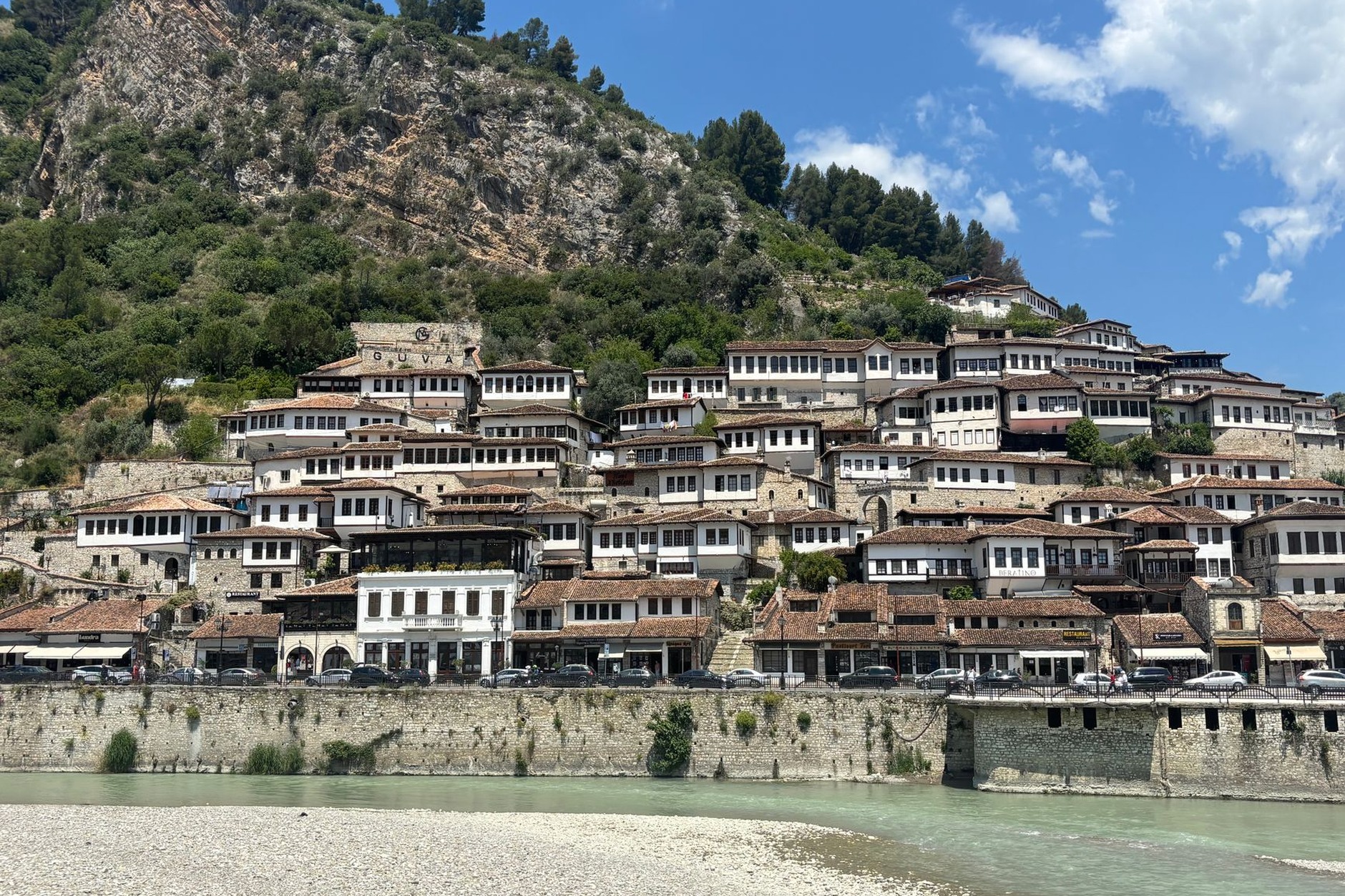
Climb to the summit of Berat Castle (Kala), an extraordinary 13th-century living fortress where local families still reside within stone cottages and grow pomegranates in courtyard gardens. Inside the fortress walls, visit the Onufri National Iconographic Museum to view the brilliant 16th-century religious masterworks of painter Onufri, who created a secret, luminous scarlet pigment—known as “Onufri Red”—whose chemical recipe remains an unsolved mystery. At dusk, cross the stone bridge to the Gorica quarter for sunset views over Mangalem’s illuminated facades.
Gjirokastër & Karst Springs: Slate Roofs & The Blue Eye (Days 3–4)
Drive south on Day 3 through the turquoise Vjosa River valley—celebrated as Europe’s first Wild River National Park—to Gjirokastër, the “City of Stone.” The hometown of novelist Ismail Kadare, Gjirokastër is built across steep limestone ridges crowned by traditional fortified stone tower houses (kulle) dating from the 18th and 19th centuries.
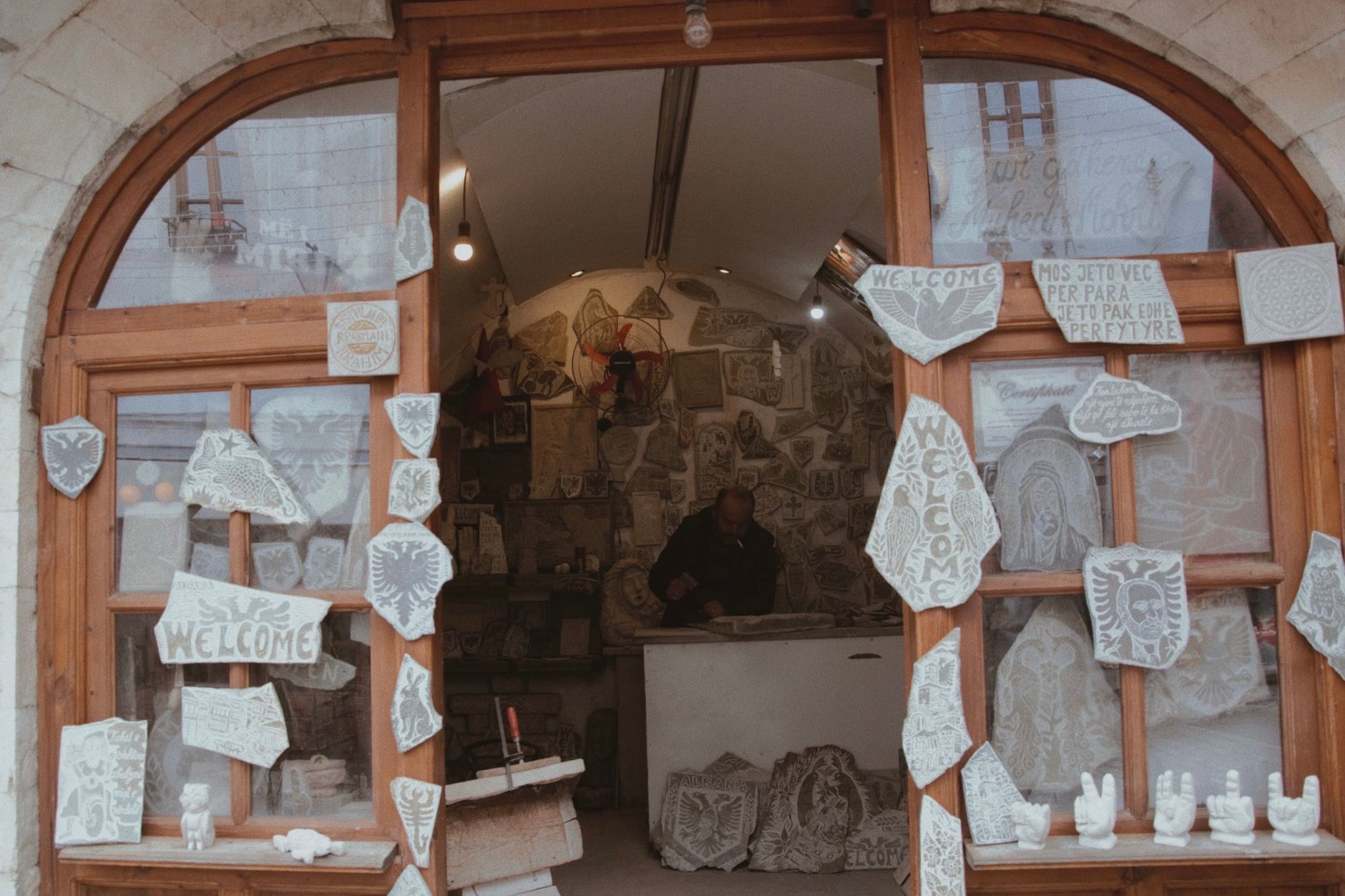
The architecture of Gjirokastër was engineered for defense. In grand residences like Zekate House, the ground floor features thick stone walls and internal rainwater cisterns designed to withstand sieges and blood feuds. The upper floors expand into airy wooden verandas (çardak) with stained-glass fanlights that catch valley breezes. Wander through the Old Bazaar (Qafa e Pazarit), paved with white and gray limestone in herringbone patterns, where artisans carve olive wood and hammer copper plates.
Deep within the national ethos of these mountain communities lies Besa, Albania’s ancient sacred code of honor and hospitality. Translating literally to “to keep a promise,” Besa dictates that a guest who crosses your threshold must be protected at all costs. It was this inviolable code that compelled Albanian families to shelter Jewish refugees during World War II, making Albania the only occupied European country to end the war with a larger Jewish population than when it began.
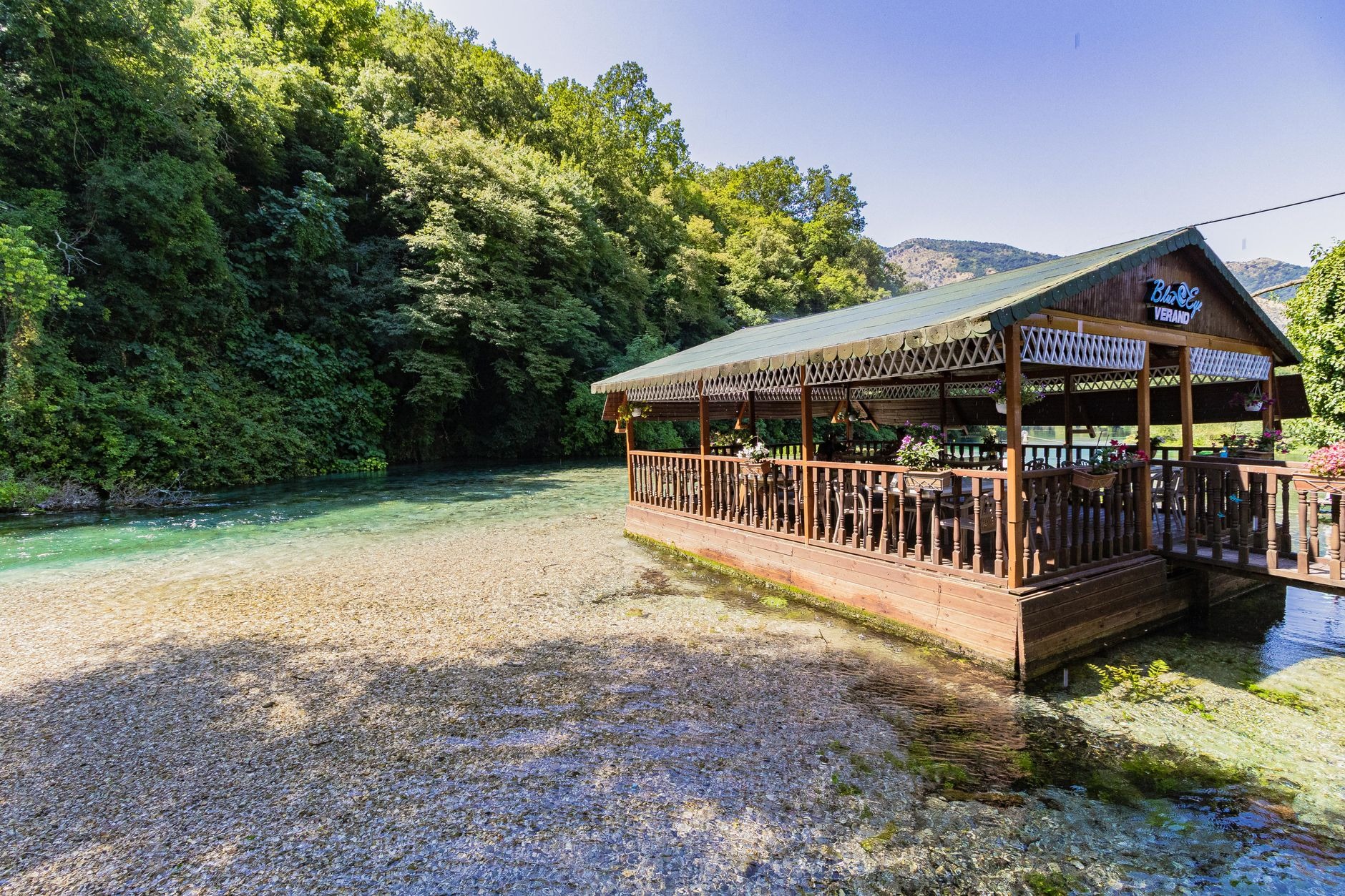
On Day 4, drive southwest across the Muzina mountain pass toward the Ionian coast. Stop at Syri i Kaltër (The Blue Eye), a karst spring where freezing freshwater (10°C) surges from an unexplored underground cave system more than 50 meters deep. The pool glows in deep sapphire blue, fringed by electric turquoise shallows and overhanging oak and wild fig trees.
The Ionian Coast: Butrint Ruins, Ksamil & Gjipe Canyon (Days 5–6)
Continue down to the coast to explore Butrint National Park, a UNESCO World Heritage site situated on a peaceful peninsula between Lake Butrint and the Vivari Channel. Inhabited since prehistoric times, Butrint was settled as an Illyrian city, expanded by Greeks, colonized by Julius Caesar and Augustus, and fortified by Byzantines and Venetians.
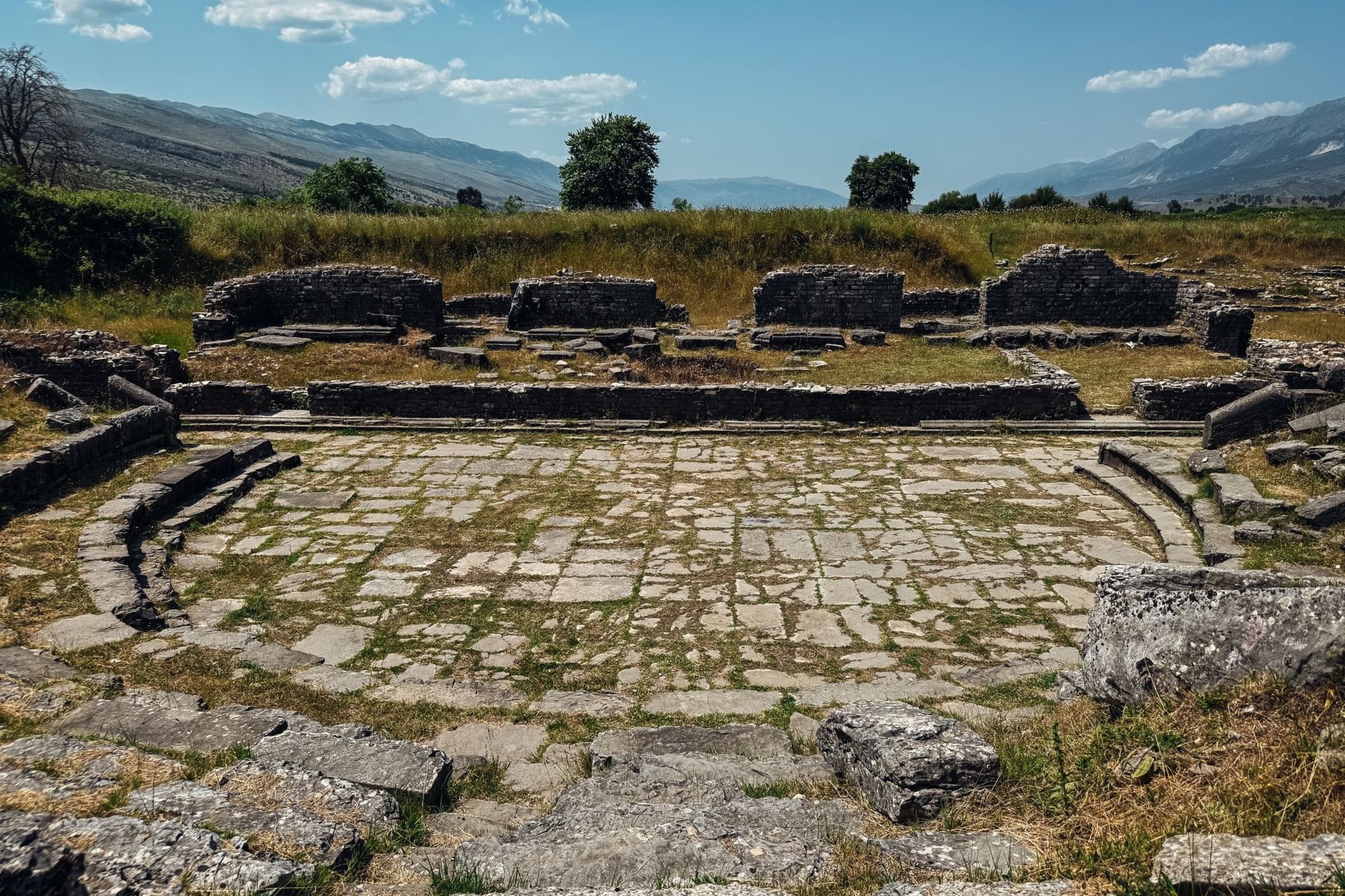
In the 4th century BC, Butrint was renowned across the ancient Mediterranean as a sacred healing sanctuary dedicated to Asclepius, the Greek god of medicine. Pilgrims traveled here to drink from holy mineral springs and participate in theatrical purification rituals. Walk beneath shading eucalyptus and laurel trees to admire the 4th-century BC stone theater, Roman public baths, 6th-century Christian baptistery with animal mosaics, and massive Venetian fortifications.
In the afternoon, drive north along the coastal road to Himara, a relaxed fishing town backed by olive groves. On Day 6, take a boat or hike down the donkey trail to Gjipe Canyon. Flanked by vertical 70-meter limestone cliffs that narrow into a dramatic river gorge, Gjipe Beach opens onto a secluded bay of white pebbles and crystalline water.
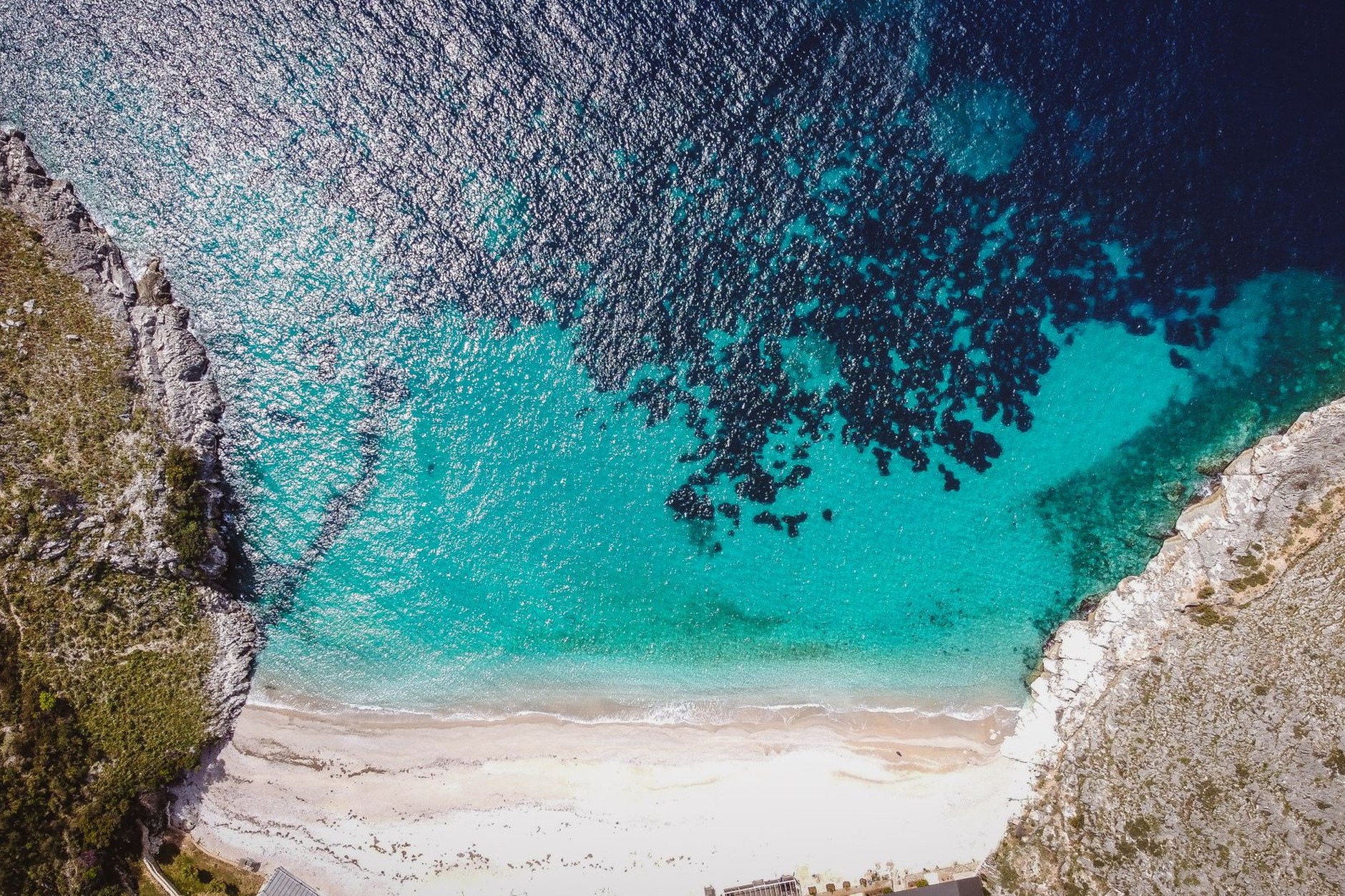
Spend the afternoon swimming in the translucent Ionian waters, exploring sea caves carved into the cliffs, and savoring fresh grilled sea bass caught that morning by local fishermen.
The Llogara Pass & Albanian Culinary Traditions (Day 7)
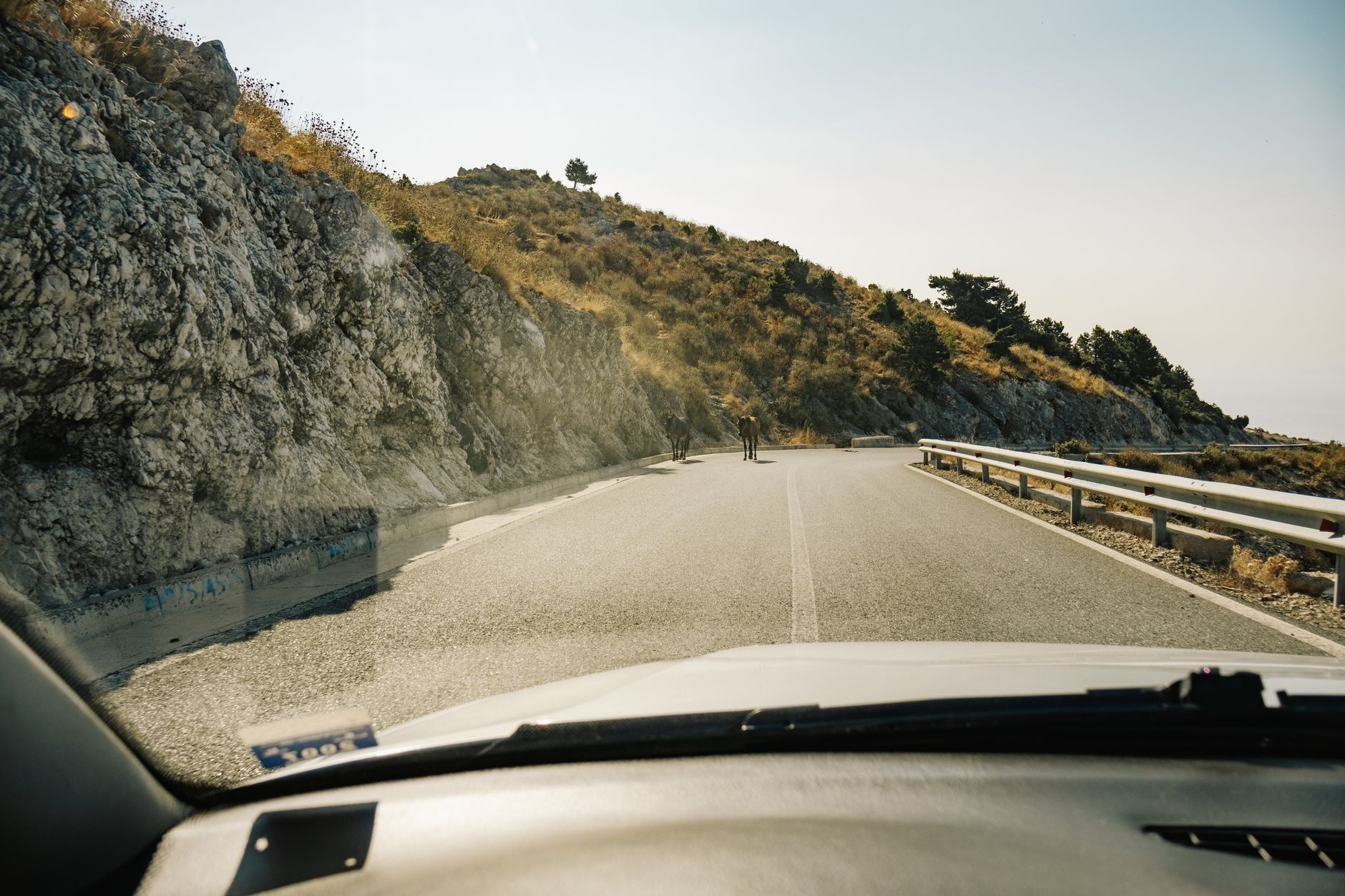
On Day 7, begin your journey back toward Tirana via the legendary Llogara Pass. The coastal SH8 highway climbs steeply from sea level to 1,027 meters through alpine pine forests and mountain mists, revealing dizzying switchback views over the turquoise coastline.
Stop at a rustic mountain taverna at the summit to sample spit-roasted lamb (mish qengji) paired with local honey and mountain tea. Every morning in Albania begins with a shot of fiery raki—distilled from fermented grapes or wild plums (kumbulla)—served alongside a strong espresso. Rejecting this morning offer is considered an insult to the host’s hospitality.
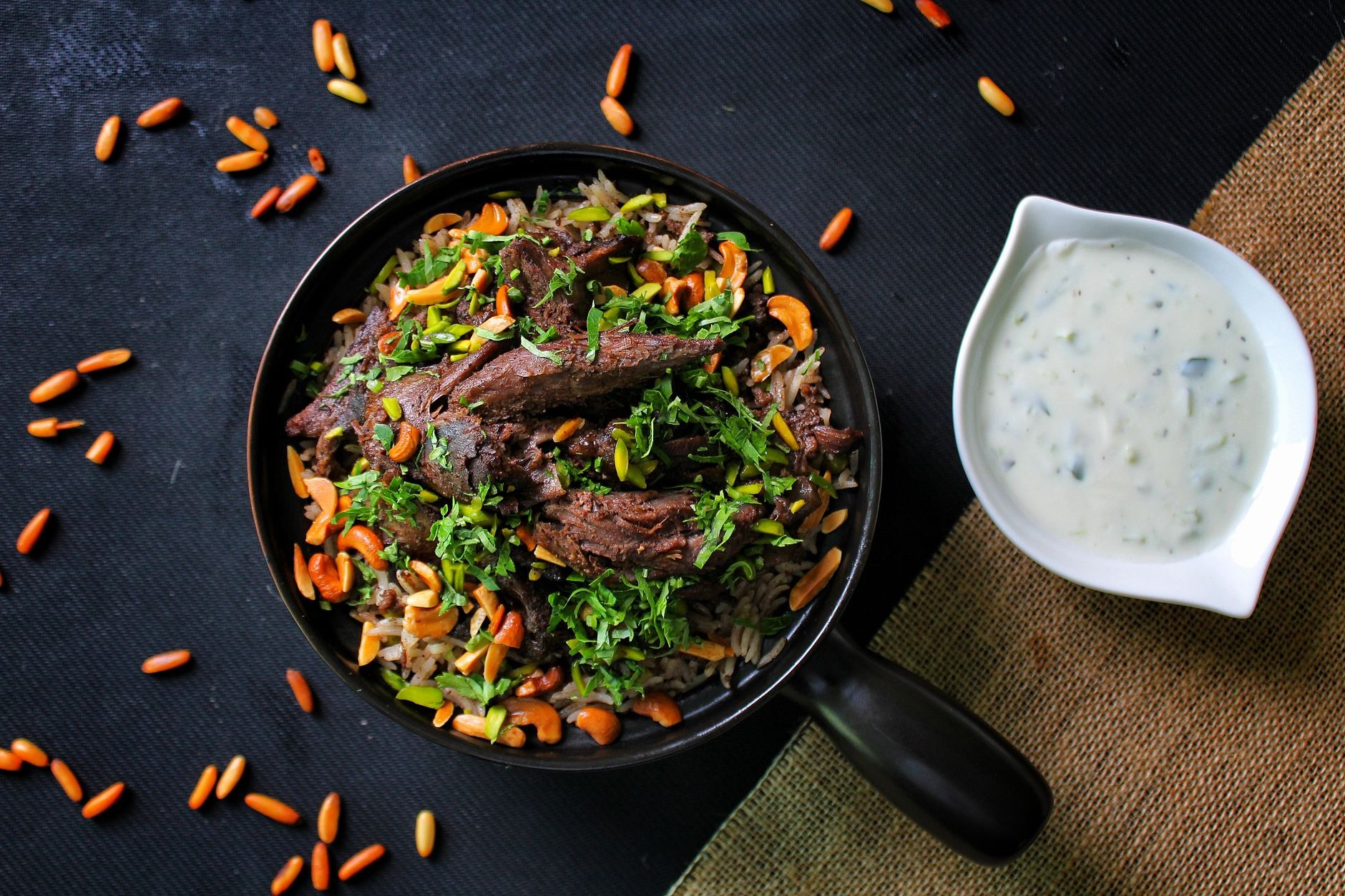
Across the interior, do not miss Tavë Kosi, the national dish: tender seasoned lamb baked with garlic rice and a rich custard of tart yogurt and beaten eggs inside a terracotta dish until bubbling and golden.
Road Realities: Rental Car Traps, Cash Nuances & Mountain Hazards in Albania
Albania is an exceptionally welcoming country with genuine hospitality, but driving and commerce require practical street smarts. Keep these road realities and financial nuances in mind:
- Rental Car Cash Deposit & Scrape Hustles: Some local off-brand car rental brokers at Tirana Airport demand large cash deposits ($564.90–$1.13) or refuse foreign credit cards upon pickup, claiming payment processing failures. Upon returning the car, they invent microscopic scratches on the undercarriage to withhold deposit funds. Defense: Book through reputable international agencies or vetted local providers (such as Enterprise, Sixt, or verified local brokers via DiscoverCars). Take a detailed, timestamped 360-degree video of the car’s exterior, bumpers, tires, and windshield before driving off the lot.
- The Cash-Only Economy (Lek & Euro Nuances): Despite modernization, Albania remains heavily reliant on physical cash. Small guesthouses, rural gas stations, fruit stands, beach umbrellas, and mountain tavernas rarely accept credit cards. Furthermore, while euros are widely accepted, merchants calculate change at unfavorable rounded exchange rates. Defense: Always keep cash in your wallet. Withdraw lek from fee-free bank ATMs (such as Credins Bank or OTP Bank); avoid Euronet ATMs which charge heavy commission fees.
- Erratic Mountain Driving & Livestock Road Hazards: Albanian mountain highways are scenic, but local drivers frequently pass blindly on narrow hairpin turns. In rural stretches along the SH4 and SH8, flocks of sheep, goats, and unlit agricultural tractors frequently occupy the roadway around blind corners. Defense: Drive defensively, never speed on mountain switchbacks, avoid driving on rural passes after sunset, and keep headlights on at all times.
- Ksamil Beach Umbrella Price Gouging: In peak summer (July and August), aggressive beach operators in Ksamil privatize every centimeter of sand, charging $22.60 to $56.49 for two sun loungers, and demanding minimum spends at their affiliated restaurants. Defense: Visit during the shoulder season (May–June or September–October) when beaches are peaceful and loungers cost $5.65–$11.30, or head north to natural, uncommercialized beaches like Gjipe, Livadi, or Borsh.
- Unregulated Highway Police “On-the-Spot” Fines: Traffic police radar checkpoints are common along the SH4 and coastal highways. Occasionally, corrupt officers stop foreign-plated cars claiming minor speeding infractions and demand immediate cash payments without issuing an official citation slip. Defense: Always demand an official written citation (fletë gjobe). Under Albanian law, traffic fines are never paid directly to the roadside officer in cash; they must be paid at a designated post office or bank branch within five business days for a 50% discount.
- Aggressive Taxi Overcharging at Tirana Airport: Touts waiting in the arrivals hall at Rinas Airport quote $45.19 to $56.49 for transfers into central Tirana, which officially costs about $28.25. Defense: Ignore touts inside the terminal. Take the scheduled Rinas Express bus ($4.52) departing hourly outside the terminal, or use the official AutoTirana Airport Taxi rank with regulated, published meter rates.
Navigating with these defensive driving habits and cash precautions ensures your Albanian road trip is filled with breathtaking mountain vistas and genuine local warmth.
Rugged Mountain & Coastal Navigation with NXTL
Driving through Albania’s mountain switchbacks and finding hidden coastal coves requires continuous mobile internet. Active cellular data is essential for running Google Maps or Waze around sudden road construction detours, messaging guesthouse hosts in remote stone villages via WhatsApp, and translating menus and road signs in rural areas.
Albania’s cellular infrastructure has expanded rapidly, anchored by primary national mobile operators One Albania and Vodafone Albania. Both provide robust 4G/LTE coverage across the SH4 and SH8 transport corridors, the Ionian coastline, and historic city centers. With an NXTL Albania travel eSIM, your smartphone connects immediately to these tier-one networks at transparent prepaid rates starting from just $0.88 per gigabyte. There is no physical SIM card swap, no passport registration bureaucracy, and no expiring monthly contracts.
| Traveler Usage Profile | Daily Online Activities | 7-Day Total Bandwidth | Estimated Data Cost (@ $0.88/GB) |
|---|---|---|---|
| Light Navigator (Road GPS & messaging) |
Waze & Google Maps real-time mountain driving, WhatsApp lodging communication, basic web search | 2 GB – 4 GB | $1.76 – $3.52 |
| Balanced Road Tripper (Social sharing & research) |
All road navigation, Instagram beach photo uploads, restaurant research, audio streaming in the rental car | 5 GB – 8 GB | $4.41 – $7.05 |
| Heavy Digital Nomad (Remote work & tethering) |
Laptop tethering from coastal cafes, cloud photo backups, high-res video streaming, Zoom video calls | 10 GB – 15 GB | $8.81 – $13.22 |
What sets NXTL apart is its reusable global data eSIM model. Instead of buying a disposable local SIM card that only works within Albania and expires after your holiday, NXTL operates across 180+ supported countries and 460+ carrier networks. You purchase the eSIM profile once for just $11.99, which includes $10.00 in preloaded travel balance ready for immediate use. Your balance never expires as long as your account remains active.
If your Balkan road trip takes you south across the Greek border to Corfu or Athens, north into Montenegro, or onward across Europe, the exact same eSIM profile connects automatically in the next country. You never have to re-register or buy another data bundle. Full mobile hotspot tethering is permitted across all destinations, and dual-SIM functionality allows your primary home SIM to stay active for bank two-factor SMS alerts with zero unexpected roaming fees.
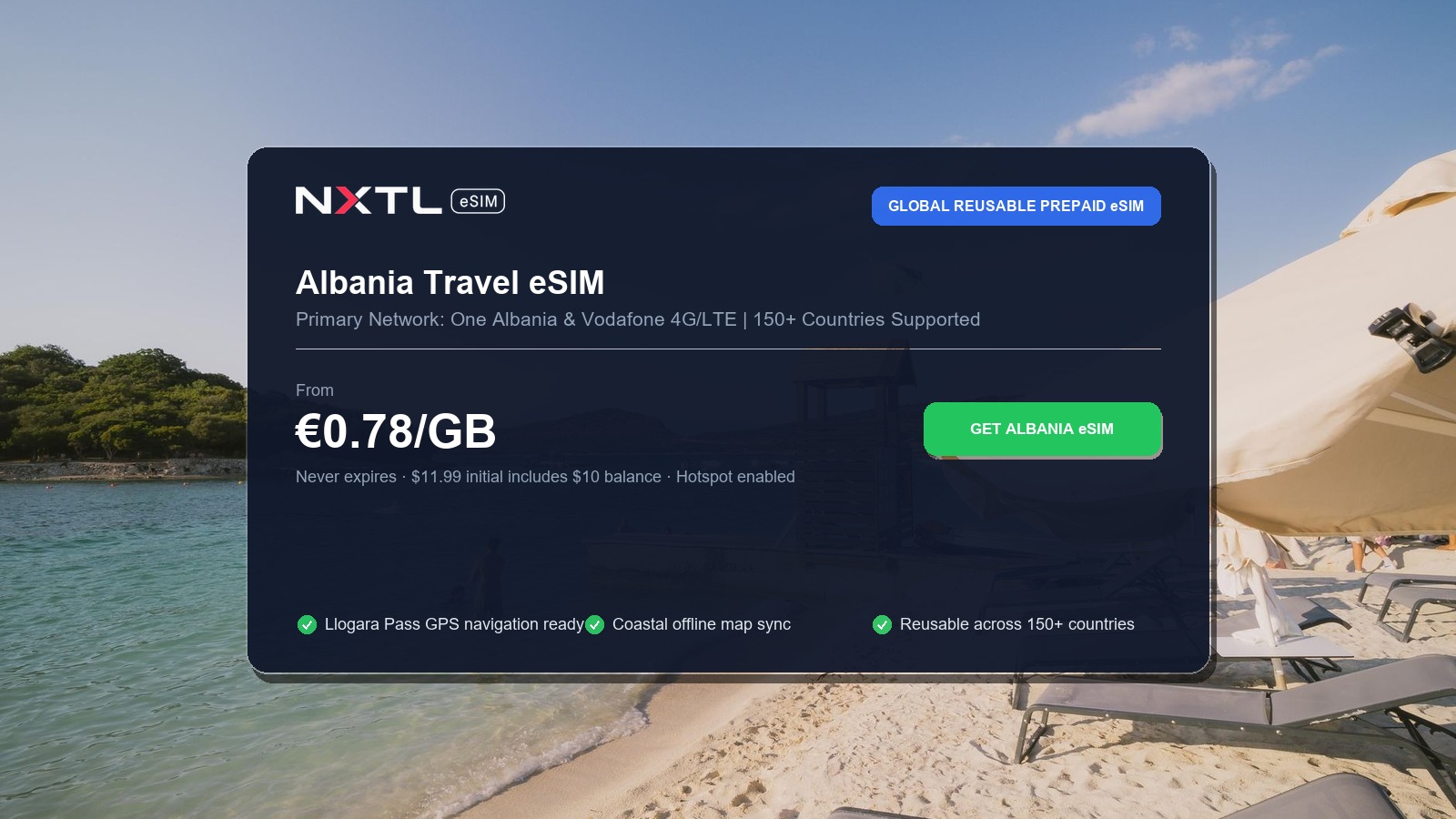
Install your NXTL eSIM profile on your smartphone before departing for Albania. When your flight touches down at Tirana Airport, turn on your data roaming line to launch your navigation app, verify your rental car directions, and begin your journey through the Ionian coast with total peace of mind.