Spain is one of the world’s most culturally layered destinations, where soaring Catholic cathedrals were built directly atop Moorish royal courtyards, Roman aqueducts still span urban plazas, and dining is celebrated as an outdoor communal ritual stretching past midnight. Yet many first-time visitors commit a classic planning mistake: attempting to squeeze Barcelona, the Balearic Islands, and southern Andalusia into an eight-day sprint, turning an otherwise relaxed Spanish holiday into a frantic exercise in airport transfers.
A far more cohesive and rewarding journey is the classic Madrid to Andalusia high-speed rail corridor. Spain boasts the second-longest high-speed rail network in the world; within minutes of stepping aboard, sleek AVE and Iryo trains glide south across olive-covered plains at 300 km/h, linking Madrid with Córdoba, Seville, and Granada without the hassle of car rentals or airport queues.
The 9 to 11-Day Madrid & Andalusia Itinerary at a Glance
This 9 to 11-day rail journey connects Spain’s royal capital with the sun-drenched architectural treasures of Moorish Andalusia:
| Days | Overnight Base | Key Experiences | Transit & Travel Time | Advance Booking |
|---|---|---|---|---|
| Days 1–3 | Madrid (3 nights) | Prado Museum masterpieces, Royal Palace state rooms, Retiro Park crystal palace, evening tapas crawl on Calle Cava Baja in La Latina | Metro from Barajas (MAD) to central Madrid: 25 mins; walking across city center: 10–20 mins | Book Prado Museum and Royal Palace morning tickets |
| Day 4 | Córdoba (1 night) | Mezquita-Catedral hypostyle hall, historic Judería cobblestones, Roman Bridge sunset, courtyard patios of San Basilio | Renfe AVE / Iryo train Madrid (Atocha) to Córdoba: 1 hour 45 mins | Book Mezquita entry ticket online |
| Days 5–7 | Seville (3 nights) | Real Alcázar Mudéjar palaces, Seville Cathedral & Giralda tower climb, Plaza de España, evening flamenco in Triana | Renfe train Córdoba to Sevilla Santa Justa: 45 mins | Crucial: Reserve Real Alcázar tickets 3–4 weeks ahead |
| Days 8–9 | Granada (2 nights) | The Alhambra & Generalife (Nasrid Palaces), Albaicín Moorish labyrinth, sunset at Mirador de San Nicolás, free tapas culture | Renfe train or ALSA coach Seville to Granada: 2.5 hours | Essential: Book Alhambra Nasrid Palaces 2–3 months ahead |
| Day 10 | Granada / Madrid Departure | Morning tea in Calle Calderería Nueva, high-speed train back to Madrid Atocha (3.5 hours) or flight from Granada (GRX) | Renfe train Granada to Madrid Atocha: 3.5 hours; Cercanías to MAD airport: 30 mins | Allow 3 hours before international departure flights |
Short-Trip Option (7 Days): If limited to a week, drop Córdoba and Granada to focus strictly on Madrid (3 nights) and Seville (3 nights), adding a day trip to the medieval cliffside city of Toledo by high-speed train (33 mins from Madrid).
Long-Trip Extension (13–15 Days): Add Barcelona (3 nights via direct 2.5-hour high-speed train from Madrid) to experience Gaudí’s Sagrada Família and the Gothic Quarter, or add the white clifftop village of Ronda in the Andalusian mountains.
Madrid: Royal Art, Broad Boulevards & Tapas (Days 1–3)
Arrive at Adolfo Suárez Madrid-Barajas Airport (MAD) and take Line 8 of the Madrid Metro or the Cercanías commuter train directly into the city center in under 30 minutes.
Base yourself in Barrio de las Letras (the historic literary quarter) or Chamberí for walkable access to major cultural landmarks. On Day 2, visit the Prado Museum to view masterworks by Velázquez (Las Meninas), Goya, and El Greco. Stroll through the lush UNESCO-listed gardens of El Retiro Park to admire the delicate glass-and-iron architecture of the Palacio de Cristal.
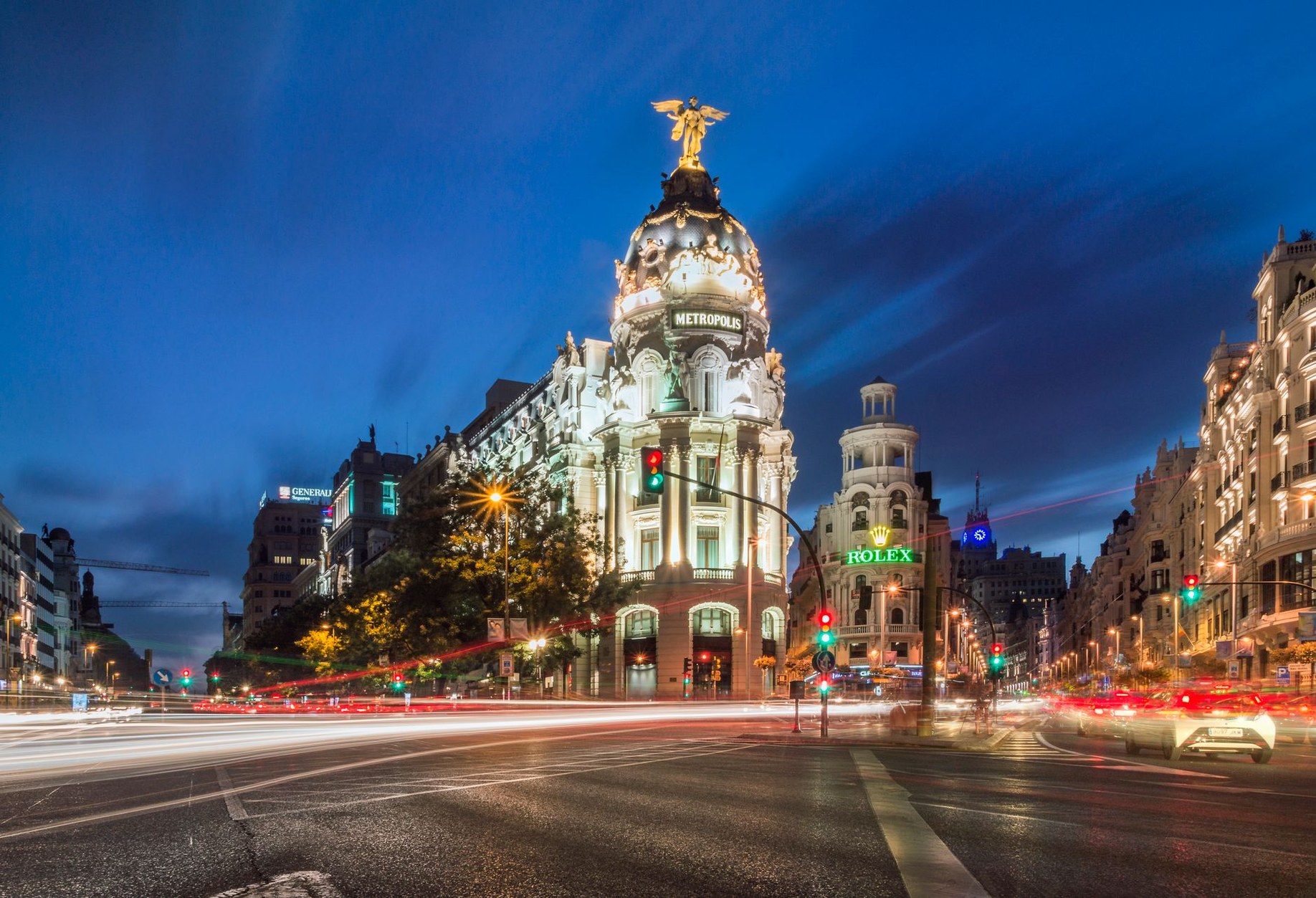
In the late afternoon, walk down the grand boulevard of Gran Vía toward the Royal Palace of Madrid—the largest functioning royal residence in Western Europe, featuring 3,418 lavish rooms. As twilight descends, join the lively Spanish evening ritual of el tapeo along Calle Cava Baja in the La Latina neighborhood, hopping between bustling taverns to sample fried pimientos de Padrón, sizzling garlic shrimp (gambas al ajillo), and runny Spanish potato omelets (tortilla de patatas).

Córdoba: The Forest of Stone Arches (Day 4)
Board a morning AVE high-speed train at Madrid Puerta de Atocha; in just 105 minutes, you disembark in Córdoba, where Roman, Islamic, and Christian histories merge seamlessly.
The undisputed centerpiece of the city is the Mezquita-Catedral. Built as the Great Mosque of Córdoba in the 8th century during the Caliphate of Córdoba, it features a vast, mesmerizing prayer hall supported by 856 columns of jasper, onyx, and granite topped by two-tiered red-and-white striped horseshoe arches. In the 16th century, a monumental Renaissance Christian cathedral was constructed directly in the center of the mosque, creating an astonishing architectural contrast.
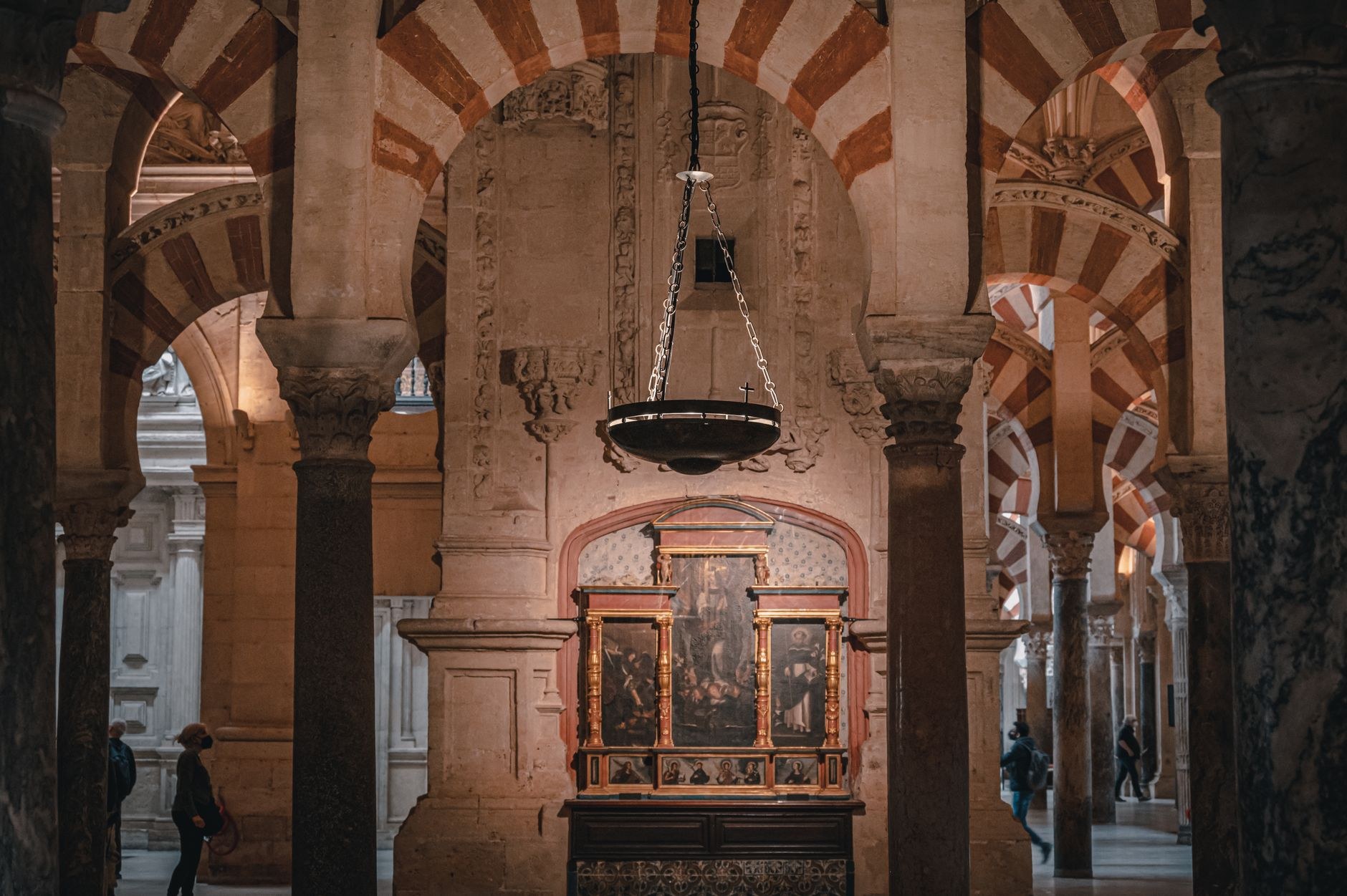
Wander through the whitewashed alleys of the historic Judería (Jewish quarter), where wrought-iron balconies overflow with potted geraniums, and cross the 1st-century BC Roman Bridge over the Guadalquivir River at sunset.
Seville: Orange Blossoms, Alcázar & Flamenco (Days 5–7)
A quick 45-minute train ride down the Guadalquivir valley brings you to Seville, the romantic capital of Andalusia, where streets are shaded by sweet-scented bitter orange trees.
Explore the breathtaking Real Alcázar, a royal palace complex originally founded in the 10th century that remains an official residence of the Spanish royal family. The palace exhibits the finest Mudéjar architecture in the world: delicate scalloped stucco arches, cobalt blue glazed tilework (alicatados), and tranquil sunken gardens scented with jasmine and myrtle where peacocks wander past Renaissance fountains.

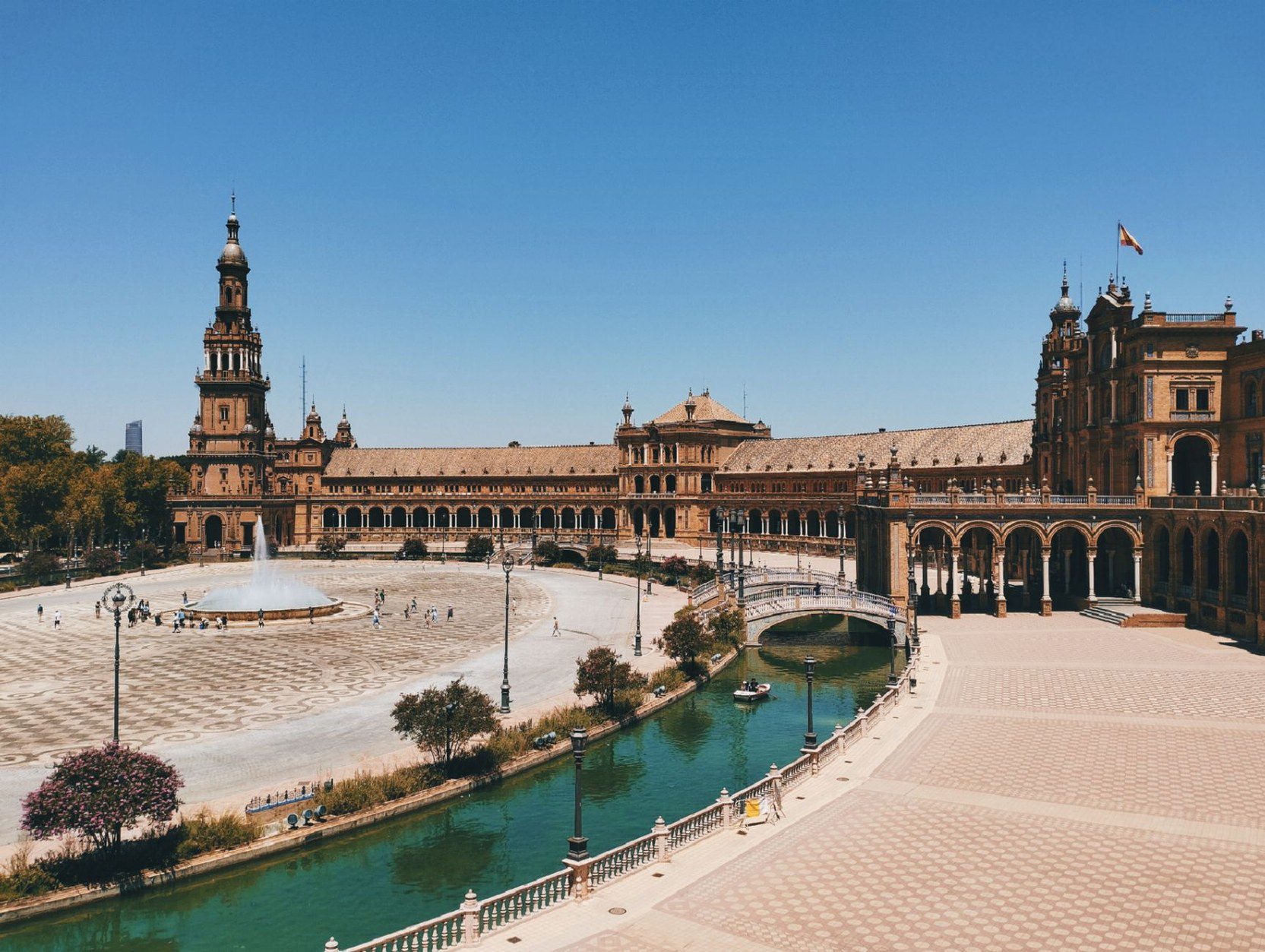
Next door stands Seville Cathedral, the largest Gothic cathedral on earth. Climb the gentle 34-story interior ramp of the Giralda—originally the minaret of the Almohad mosque—for 360-degree views across terracotta rooftops. In the late afternoon, head to Plaza de España in María Luisa Park to admire its curving red-brick palace and tile bridges representing Spain’s historic provinces.
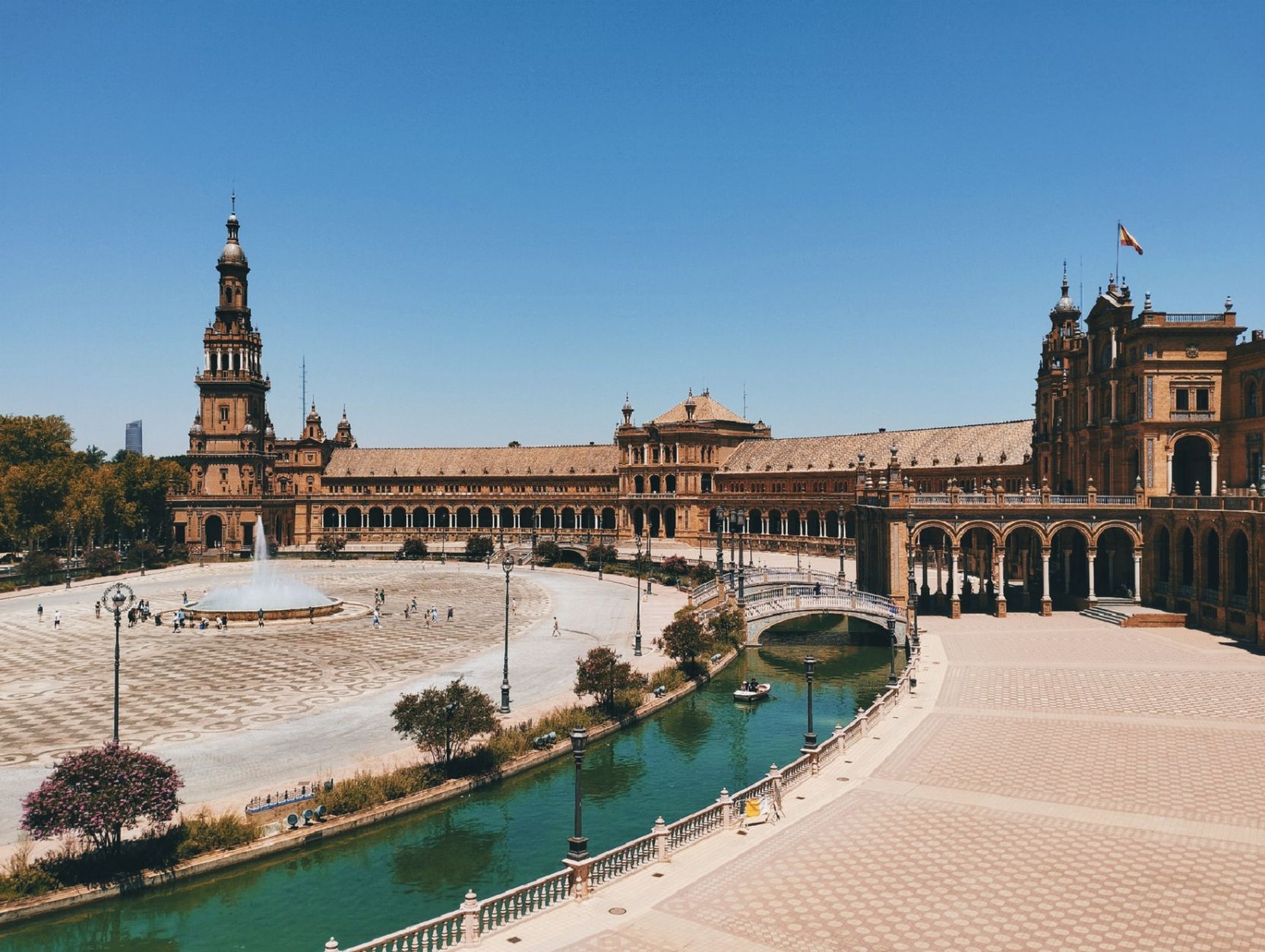
In the evening, cross the river to the historic neighborhood of Triana, the traditional cradle of flamenco. Avoid mass-tourist dinner shows; instead, reserve seats at an intimate peña flamenca or small tablao, where passionate singing (cante jondo), rhythmic acoustic guitar, and raw percussive footwork fill the room.

Granada: The Alhambra & The Albaicín (Days 8–9)
Travel east toward the snow-capped peaks of the Sierra Nevada to Granada, the final stronghold of the Moorish Nasrid Dynasty until 1492.
Perched high on a rocky plateau above the Darro River stands the monumental fortress palace of The Alhambra and Generalife. The Nasrid Palaces (Palacios Nazaríes) represent the apex of Islamic decorative art: geometric cedar wood ceilings, honeycombed stalactite vaulting (muqarnas), and serene courtyards like the Court of the Lions, where 124 slender white marble columns surround an alabaster fountain.
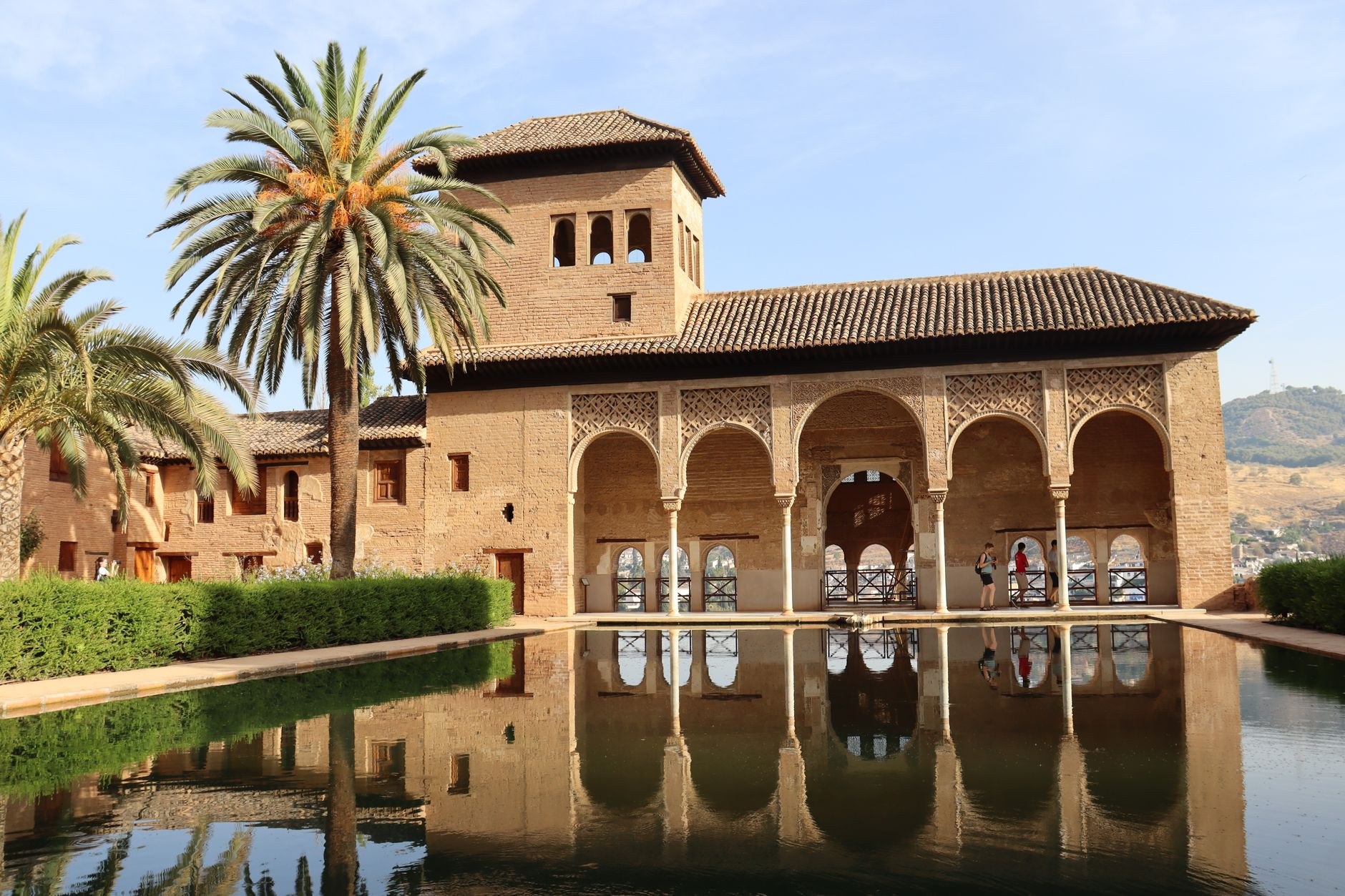
Across the canyon lies the Albaicín, an ancient Moorish hillside quarter of whitewashed houses, walled gardens (cármenes), and stone stairways. Hike up to the Mirador de San Nicolás at sunset to watch the red sandstone towers of the Alhambra glow fiery crimson against the backdrop of the Sierra Nevada mountains.

Spanish Dining Hours, Alhambra Rules & Free Tapas Culture
Mastering local cultural rhythms is the key to enjoying Spain:
- The Strict Spanish Dining Schedule: Spaniards eat significantly later than the rest of the world. Lunch (la comida) is the primary meal of the day, served between 1:30 PM and 4:00 PM. Dinner kitchens do not open before 8:30 PM or 9:00 PM (locals typically arrive around 9:30–10:00 PM). If you become hungry at 6:00 PM, head to traditional tapas bars for a light bite (merienda).
- Mandatory Alhambra Advance Booking: You cannot buy Alhambra Nasrid Palace tickets on the day of your visit. Tickets are strictly capacity-controlled and sell out two to three months in advance on the official Patronato de la Alhambra portal. Your ticket specifies an exact 30-minute entry window for the Nasrid Palaces; if you are even five minutes late, staff will deny entry.
- Granada’s Free Tapas Tradition: Unlike Barcelona or Madrid where tapas are ordered from a paid menu, Granada preserves the historic Spanish tradition of complimentary tapas. When you order any alcoholic beverage (beer, wine, or vermouth for roughly $2.82 to $3.95), the tavern automatically serves a substantial free plate of food—ranging from fried anchovies and Iberian cured meats to hot slow-cooked beef stew with crusty bread.
- Summer Heat in Andalusia: During July and August, temperatures in Seville and Córdoba regularly exceed 42°C (108°F). Follow the local lifestyle: complete sightseeing before 1:00 PM, rest in air-conditioned accommodations during the scorching afternoon hours, and emerge for evening walks after 8:00 PM.
Street Scams, Pickpocket Defense & Spanish Dining Traps
Spain is a remarkably hospitable and safe country, but popular tourist plazas and metro hubs require awareness of several localized scams and unexpected restaurant charges:
- The Rosemary Sprig and Palm Reader Trap: Around the Cathedral of Seville, the Royal Alcázar, and Madrid’s Plaza Mayor, elderly women will approach you offering a small sprig of rosemary as a “gift of good luck” or “peace.” Once you take it, they grab your hand, begin reciting a rapid fortune reading, and aggressively demand $11.30 to $22.60 in cash. While you are occupied arguing with them, an accomplice may be dipping into your bags. Keep your hands in your pockets and firmly say “No, gracias” without breaking stride.
- “Suplemento de Terraza” and Bread Fees: Dining outdoors on picturesque Andalusian plazas is lovely, but Spanish restaurant menus routinely charge a “suplemento de terraza”—a surcharge of 10% to 15% on every item for being served on the outdoor patio compared to the indoor bar counter. Additionally, waiters will place a basket of bread and breadsticks (pan y picos) on your table without asking; this is not complimentary and will add $1.69 to $3.39 per person to your final bill. If you do not want it, politely ask them to remove it immediately.
- Madrid Metro and Station Pickpocket Hotspots: Madrid’s underground metro system is clean and efficient, but transfer hubs like Sol, Gran Vía, and Atocha are frequent sites for pickpockets. Common distraction tactics include “accidental” spills of coffee or sauce on your shirt, someone dropping a handful of coins near your feet, or individuals holding large maps close to your chest to obscure your view of their hands. Keep backpacks zipped and positioned on your front when riding crowded trains.
- Rental Car Low Emission Zone (ZBE) Fines: If you rent a car in Spain, be warned that city centers including Madrid (Madrid Central), Seville, and Granada operate strict Low Emission Zones (Zonas de Bajas Emisiones) monitored by automated cameras. Entering these historic cores in an unauthorized or non-compliant vehicle results in automated $225.96 fines mailed to your rental agency, plus agency processing fees. If driving to an Old Town hotel, you must provide your license plate to the front desk in advance for municipal permit registration.
- Fake Alhambra Skip-the-Line Sites: Predatory reseller websites masquerade as the official Patronato de la Alhambra, charging $79.09 to $112.98 for tickets that officially cost $21.57. Many of these third-party vouchers do not include the mandatory timed entry into the Nasrid Palaces, leaving tourists stranded at the gate. Always book exclusively through the official government portal (tickets.alhambra-patronato.es).
High-Speed Rail Transit & Mobile Connectivity with NXTL
Traveling through Spain requires reliable mobile connectivity. You need active cellular data to manage Renfe and Iryo rail tickets on your smartphone, display digital QR codes at the strict Alhambra entry checkpoints, hail rides via Cabify or Uber, translate regional tapas chalkboard menus, and navigate the labyrinthine cobblestone alleys of the Albaicín and Santa Cruz.
Skip high-cost airport SIM stalls in Madrid. By activating the NXTL Spain eSIM before departure, your phone connects immediately upon landing to Spain’s premier tier-1 carrier networks—including Movistar (5G/LTE), Vodafone (5G/LTE), and Orange (5G/LTE)—with affordable pay-as-you-go rates starting from just $0.77/GB.
You enjoy high-speed 5G connectivity on Madrid’s urban transit, across high-speed rail lines through Castilla-La Mancha, and throughout the historic stone centers of Andalusia. For trip planning, travelers can review our detailed breakdown on how much mobile data you need in Spain to gauge realistic usage across GPS, photos, and messages. Because NXTL operates on a non-expiring balance model, your unused credit stays active for your next international travels, while dual-SIM functionality keeps your primary home SIM online for banking verification texts without expensive roaming fees.